Harsh Sonawala is the co founder of India Someday and since his childhood, he has travelled to different parts of India and the world. The thrill of travelling and sharing his experiences with others was the reason behind starting India Someday. Other than the office where he is conjuring up marketing ideas, he can be found scuba diving in the Andamans or relaxing in a chalet in the Himalayas.
The third in our ‘Live like a local’ series that tries to give you the insider scoop on what the long-term residents love about their cities. Read our Mumbai and Delhi posts also!
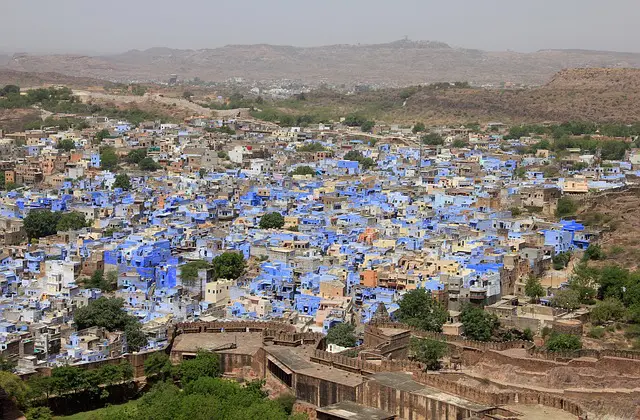
Jodhpur is known as the blue city (Photo Credit – Rhiannon)
Where to stay
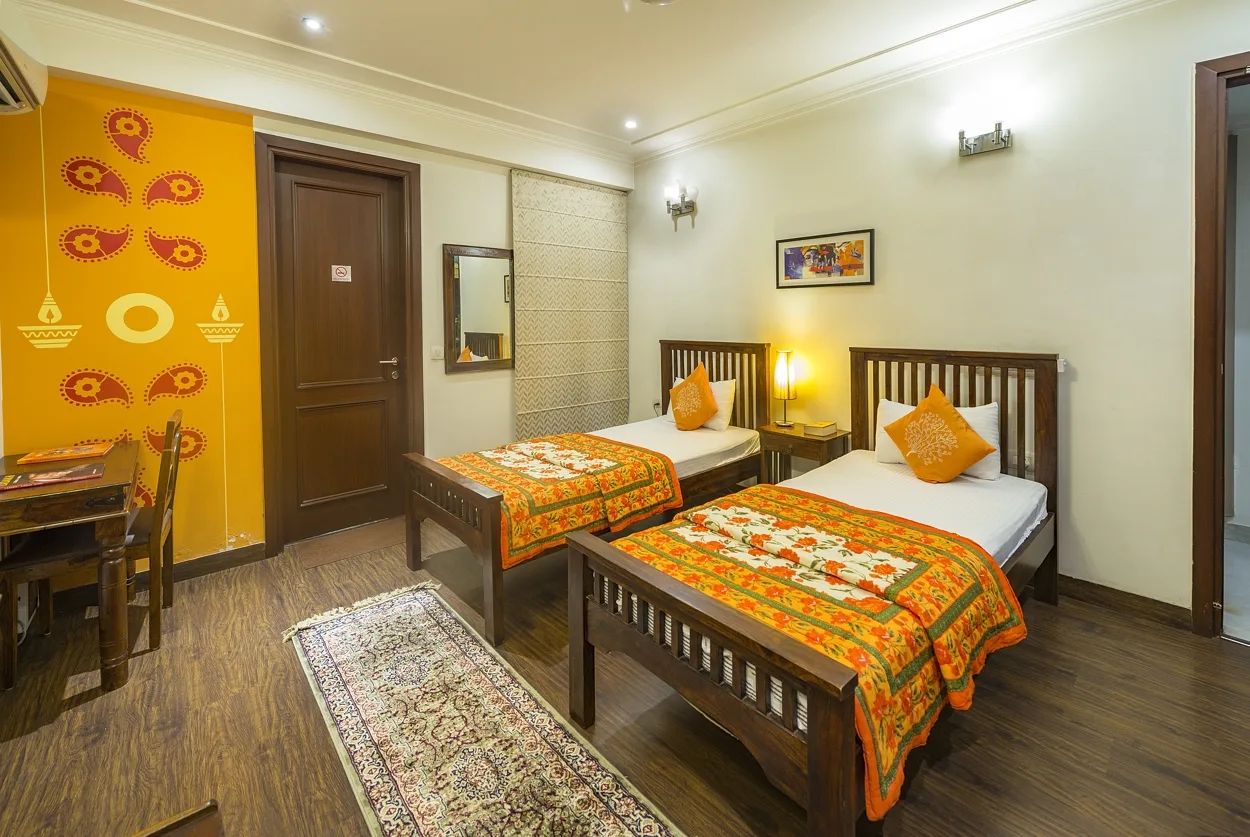
Indrashan Homestay is a beautiful red brick building surrounded by thick, lush banana plants, soft lawns and trees that droop gently over the whitewashed terraces that define the domestic life of the cities of North India.
Meet Chandrashekar and Bhavana, who urge you to their dinner table and then into their kitchens to dip your fingers into the wholesomeness of Jodhpuri cuisine. Discuss culture, history, art, society or your feelings over an evening drink by the fire that could turn into a night of scintillating conversation.
The rooms are furnished in dark wood handed down through the generations. Draped in the soft Rajasthani linen that visiting Indians carry away in great bundles to grace their winter beds.
Everything about this homestay spells the summer pilgrimage that diasporic Indians make to regroup in the houses of their grandparents. An annual regrouping of cousins and in-laws from across the country into a modern semblance of the erstwhile joint family. Accordingly, this is a journey that every traveller deserves to make.
(Photo Credit – Pond Frog)
What to eat
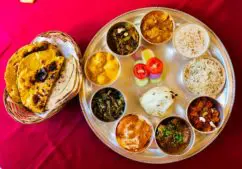
Rajasthani thalis. You might want to skip breakfast before you take a stab at this. Because the Rajasthanis believe in a full and I mean a FULL belly for a full life. Go to Gypsy for the whole hog: five kinds of bread, fried cakes, samosa, sweet daal and spicy vegetable, rice, chutneys and chillies ring the shiny stainless steel plate.
All around you will be college students, office workers, parents hand-feeding their little children as they tuck in heartily, always calling out for more.
Make sure you also grab a Mirchi Bada on the street, a deep-fried chilli patty. Place it between two slices of bread if you’re not sure you can handle the spice. It’s the city’s pride and joy.
Rajasthani Thali consists of little dishes of curry with a selection of bread and rice
Where to go
Go to Cafe Mehran. I know, it sounds like I’m just sending you back to eat some Rajasthani fast food or look at the monument that every tout pushed you toward. But trust me, a cold beer and good view is just what everybody needs at the end of the day. And this is the most beautiful place to savour it.
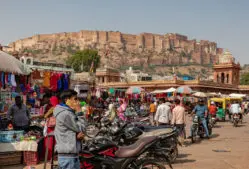
Sardar Market for shopping (Photo Credit – Ninara)
What to do
Sail high above the Blue City on Mehrangarh Fort’s own zip lines. You’ll be trekking through Rao Jodha Park and watching your murky reflection skim over the surface of the lakes as you shoot through the sky. Granted, there’s probably going to be a bunch of tourists hanging around as well. But you’ll see your fair share of adrenaline-hungry locals as well. Remember to book in advance from inside the Fort.
Ziplining by Flying Fox on the Mehrangarh Fort in Jodhpur. Adrenaline rush guaranteed! (Photo Credit – Ashwinbahulkar)
What to say
‘Koi dikkat nahin’ (Ko-ee dikk-kath nu-hee), which literally means ‘no problem’. However, it’ll be repeated to you so often across the beautiful state. And, you’ll soon pick up the gentle lilt of the people and slip smoothly into their carefree culture.
Bonus Tips:
Jodhpur is famous for being one of the country’s ultimate wedding destinations. If you’re visiting during wedding season (December-January), look out for the lavish baaraaths or wedding processions. Actually, make that listen for the baaraath. There’s no way the deafening dhol beats and shrieking trumpets can go unnoticed.
Be ready to bargain for your souvenirs, it’ll only endear you to the shopkeepers.
If you head down to the university areas, you might find tiny hovels that call themselves restaurants. And they will have only two items on their menus – Maggi and Beer.
Jodhpur is famous for being one of the country’s ultimate wedding destinations (Photo Credit – Nomad)
Are you someone whose soul becomes one with the two-wheeler machine you ride? Do you feel amazing while you accelerate down an open road? Then the India Bike Week is exactly the place where you belong.
The India Bike Week is a biking festival which acts as a platform for like-minded people. It helps people connect and share their enthusiasm while they enjoy a festival that revolves around biking culture.
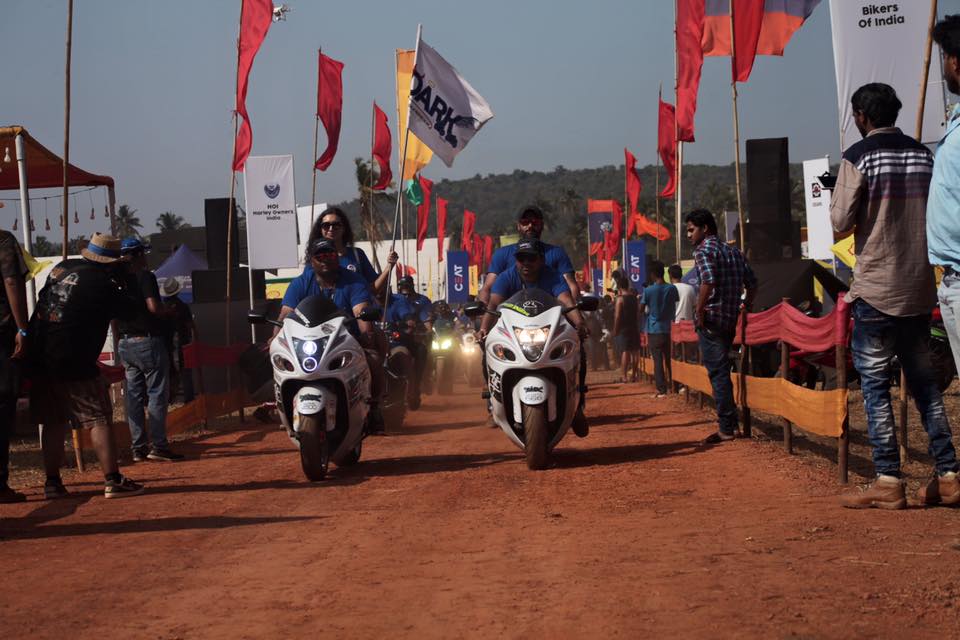
India Bike Week first started in the year 2013. Since then, they have raised the standards every year and this year in particular, the India Bike Week literally raised the roof. The festival was held at the ultimate party destination of India. Bikers and biking enthusiasts from all across made their way to the festival in Goa. Quite a few groups came together to gear up and ride it out from their respective cities. Imagine a group of Harleys revving through the highways, with pillion riders hoisting flags to represent their clans. Sounds badass, doesn’t it?
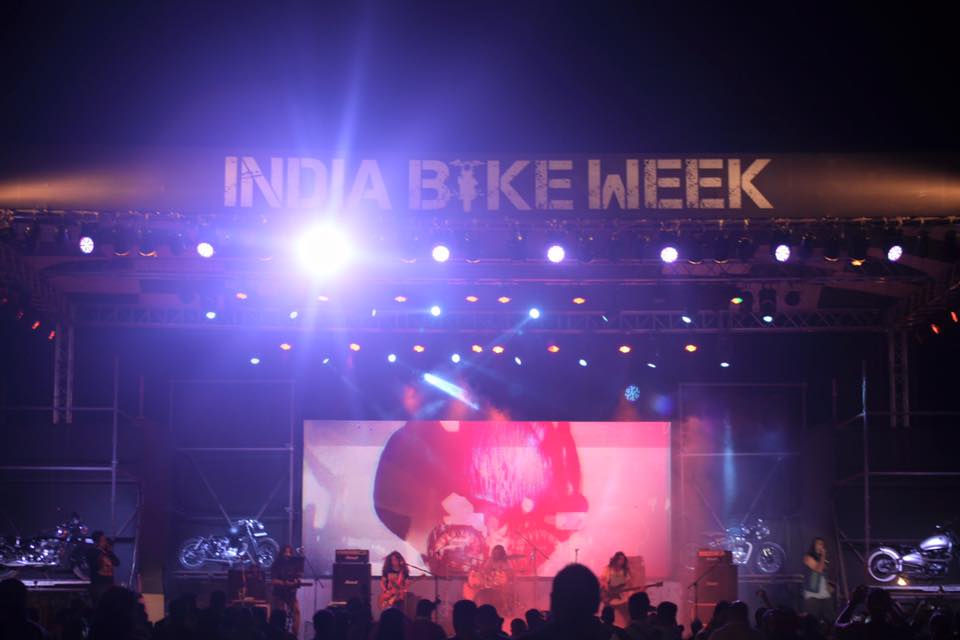
The 2016 edition of India Bike Week had much to offer on so many fronts. The festival had everything from live music performances by bands of various genres and DJs playing groovy music, a national stunt championship, the national custom bike build-offs and much more.
The unforgettable past
India Bike Week is a true fiesta for all those roadies and motor junkies. The festival in Goa is an opportunity for riders to simply join in on a carnival which they can relate to on a spiritual level. You can witness newly launched mean machines and be a part of sessions with International Biking legends. Add to that a Bikini Bike Bash! You must be thinking, ‘this festival just can’t get any better’, right? Wrong!
To make the India Bike Week 2016 bigger and better, the festival was hosted at the Arpora Sporting Ground in Arpora Village, North Goa. This ensures that the venue will be open to 12,000 club members and Independent riders who wish to join. The Biking festival introduced some new, interesting and iconic biking experiences to be a part of. India Bike Week showcases the Hard Endure Challenge, a biking film festival and a moto-trail show with the English professional motorcycle trails and Endurocross rider, Dougie Lampkin.
The festival has spread its wings to the extent where it even attracts international bikers, residing in India or flying down from their own countries. It is not a surprise that a festival which has all the ingredients needed to make an exciting and adventurous event also attracts people who are not necessarily biking enthusiasts, but travel and experience seekers. Because let’s face it, who wouldn’t want to be a part of a festival that has music, art, dance, bike expos and everything that could ever revolve around a motorbike?
The India Bike Week takes place around the 20th of every February.
India can be quite overwhelming at first. Not everyone has the advantage of a local friend to hold your hand and show you the ropes. We’ve made up a list of those family-run homestays that decided to open up their homes to people exactly like you. They’ll provide you with a place of shelter and comfort from which to set out each morning, armed with their best advice and priceless hospitality.
The royale en-suite bathroom at one of our favourite homestays
Jade, Munnar
Munnar is soaked deeply in the travel styles of a bygone century – the summer convalescence. Families from the harsh, dusty plains would save up and ship out for a month in the hills. There were no more amenities than a roof over their heads and a cup of tea in the mornings. Sometimes entire families gathered together to recoup. Often, it was just an elderly couple making full use of their retirement years.
Early morning walks and a half packet of biscuits with the morning newspapers. Idly snapping off a tea leaf as you stroll through the waist-high rows of bushes. Settling in under a pile of musty blankets for an early night kept us sane through the rest of the chaotic year. Jade promises you exactly this rebirth. Take a long soak in the beautiful pool and watch your fingers wrinkle up. Pull on a sleeveless cardigan and discover the mountains. Listen to the call of the birds carried in on the fresh, cold air. Bicker over breakfast and debate over dinner. Just let go and embrace the strange sense of purpose that infuses the tea plantation life.
Jade Munnar (Photo Credit – TripAdvisor)
Olaulim Backyards, Goa
Ditch the beach, there’s a whole other side of this bountiful state to explore. Most notably its intricate network of rivers. Overhung with coconut trees and carpeted in soft sparse grass, they’re blissfully unpopulated by tourists. Set out from Olaulim’s sprawling, hammock-strewn yards with a bellyful of finger-licking local produce and fresh seafood. Traipse down the meandering village lanes. Come to the family or other travellers for tips or a couple of words in the local language that might help you bag that bargain in the market!
Dr. Samvit Audichya is a man with a cause. Not only does he firmly believe in grassroots movements and working with the rural poor, but he intends to help you understand it too. Pick a room in his family’s beautifully located home away from the touts and tourist traps and get to know his amazingly hospitable family as they explain to you their people and their passions. Request a home-cooked meal on the rooftop, and they’ll be happy to let you join in the cooking.
The website of this vast family home is lined with accolades from travel companies and review websites across the country. Luxury and word-class facilities combined with the intimate care of a family make for the perfect trip. Two airy green terraces make for the perfect spot to recuperate with freshly brewed tea and the city of Jaipur laid out before you. All the amenities of a high-end hotel, from Wi-Fi to air-conditioning, set this place apart from the simple homestays that usually make it onto these lists.
Dining lounge (Photo Credit – TripAdvisor)
Tree of Life, Delhi
A cushy little BnB run by hosts who’ve spent years in the tourism industry and yoga and reflexology community respectively. Well furnished rooms, simple rules, good food. It’s a good option for those worried about the over-congestion or safety issues of Delhi because it gives you a chance to step into the local life without stepping too far out of your comfort zone. Get to know your hosts, they have some worthwhile knowledge to share, and your trip will be easier for it.
Home away from home www.tree-of-life.in
Bansi Homestay, Agra
Mr. D.K. Burman, the owner of this three-story megalith within 15 minutes of the Taj Mahal, is an Agra local and a ‘fountainhead of knowledge’, according to his user reviews. His home features walls decorated with cultural paintings, a chess lounge to butt heads with him at and a lovely terrace garden. The sophisticated website gives you a whole list of facilities from Doctor on call to children’s park in the neighbourhood, though his guests seem most enamoured by the delicious food and great conversation.
bansihomestayagra.com
If you are looking for something more opulent, then here is a guide on the most luxurious Hotels in India
We all know India as crazy, scary, chaotic, but that didn’t stop you from booking the tickets anyway, did it? So we’ll do our bit and give you the inside scoop on keeping your guard up without missing out. Here’s a couple of things we thought you’d like to be ready for.
Expect the unexpected- Photo Credit Suket Dedhia
Culture Shock
The first thing you’re going to have to get used to is that it’s quite a small country for its sizeable population. Especially in the big cities where you’re most likely to land, you’ll find that personal space is a laughable concept. Trains are packed to the brim. People literally hang out the doors. Bumping, pushing and shoving is par for the course, as is a neighbouring passenger nodding off on your shoulder or a beggar child grabbing at your arm. Prepare yourself for this, or opt for a privately driven car on your first day until you think you’re ready.
A great way to ease into the chaos is to start with a homestay. Allow your hosts to explain and entertain over a couple of dozen cups of tea and maybe even hold your hand when you first venture out. Be sure to inform them in advance if you’d like the help so they can pencil it into their calendars. Most hosts are as keen to know about your life as you are about theirs, so don’t hold back.
Local Interest
Finally, prepare yourself for the staring. As a foreigner, you’re a source of local interest in even the most tourist saturated neighbourhoods. While conservative dressing for women may help, it’s a decision you can make on your own, and one, many Indian women themselves are rejecting. Just remember that the sort of people that stare will stare irrespective of your clothing, so you might as well be comfortable. That said, it’s understandably difficult to make this choice when you can’t speak the local language or fully understand the nuances of a social situation, so good luck! You’ll probably be asked at some point to pose with somebody for a photo, I’d recommend against it since these are usually for bragging rights. As a woman regardless of your skin, you’re likely to be subject to eve-teasing in some form or the other, for which I’d recommend referring to our post on legal remedies if anything ever crosses a line.
Conservative dress may be best (Photo Credit – Suffix)
Dealing with People
India has a long-respected tradition of groveling before authority, one that you’d be better off maintaining. Don’t give in to anything you don’t agree with, but always, always, be respectful. Use a measured tone and don’t raise your voice. Be confident, and stick to your guns, but very politely.
From the minute your foot hits the pavement, you’ll be engulfed in a swarm of adorably grubby beggar children, suave young ‘guides’ and the like. Guidebooks will tell you to firmly refuse or ignore them, though bemused detachment works just as well if you’re not the confrontational type. Just smile, shake your head and walk away, there’s only so far they’ll bother to follow you.
If you do end up in a heated situation, switch over 100% to damage control. It’s best not to get involved at all. If you see something going down and you want to intervene, call the cops. You can also draw the attention of the local authority be it, hotel manager or security guard. While the law will recompense eventually, it’s an incredibly slow and arduous process that you do not want to get caught up in.
No city in India doesn’t come with a crowd (Photo Credit – PD Pics)
The traffic
Another thing that’ll disorient you is the traffic. Honking doesn’t really have to mean anything. It’s just a way to vent some rage in traffic, call out to a friend or pass the time! Crossing the road is a great and thrilling adventure. Just pick a likely looking crown on a footpath and bury yourself within them as they weave through moving traffic with a single hand raised nonchalantly to alert the racing cars. Traffic rarely halts before the zebra crossing and jumps red lights for sport. It’s terrifying and exhilarating all at the same time!
Crossing the road can be exhilarating (Photo Credit – Thomas Gerlach)
Avoiding Danger
There are a few rules that all travellers have learned by rote when it comes to a new city. Don’t travel by night, make fake phone calls, pre-book travel, stay off the shadowy side streets – but only until you’re confident. There’s no reason for you to cower away forever. But it’s good to have a sense of the city and its people before you run around taking risks willy-nilly.
Be safe and don’t forget to call home!
If you need any assistance, simply get in touch with us or hit the Plan Your Trip button. We will help plan your dream trip to this vast subcontinent.
If you have a sense of the city, then it becomes easier to go along (Photo Credit – Makalu)
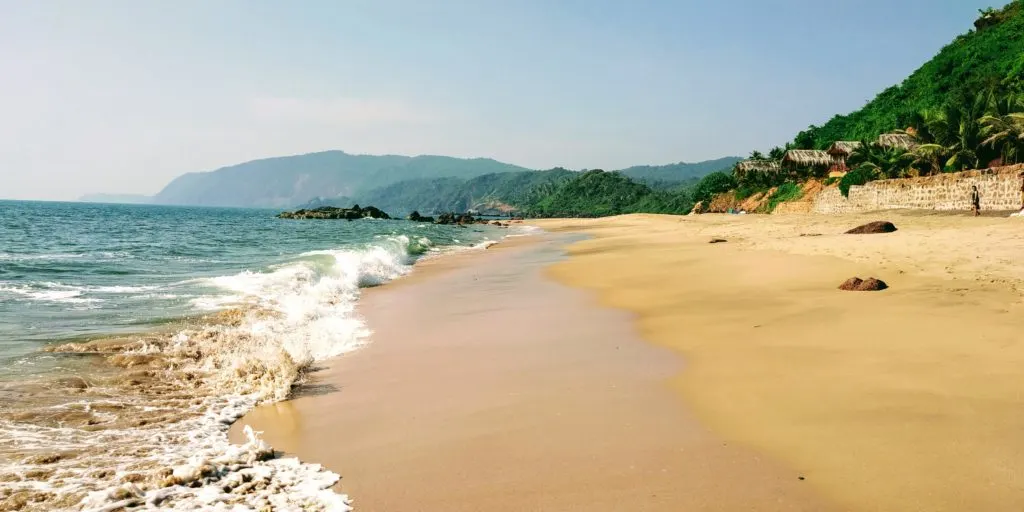
Summer’s just around the corner – well about as far around the corner as it can be in a country with only two real seasons. India has a mind-blowing 7,517 kms coastline with magnificent beaches, which means you don’t have to squeeze yourself onto Baga and Chowpatty this year.
Here’s a list of the best unexplored and lesser known beaches in India with sandy swathes that grace India’s coast. Whether packed or empty beaches, always keep in mind to respect them and leave them as pristine and clean as you found them.
Enjoy the miles of coastline India offers, from relaxing to bustling with life
KODI BENGRE BEACH – UDUPI
Udupi is crisscrossed with rivers across its lands, rivers that were once lined with sparkling gold until the age of the ‘sand mafia’. Yet, its more prominent beaches on the shoreline are among the safe beaches in India, and are gaining in popularity, particularly Malpe. 10 kms South from Malpe’s camel rides and ice-cream carts is Kodi Bengre beach, an estuary where the river Suvarna meets the Arabian Sea. Fill up on dirt-cheap seafood before nodding off on the clean sand for a couple of hours. Watch out for the crabs!
Getting there:
The nearest airport is in Mangalore city. Buses and trains will take you to Udupi from Bangalore, Mumbai or Mangalore. City buses from Udupi make frequent trips to Kemmannu, Hoode and Kodi Bengre (dead end point). From Bengre one can reach Hangarkatte (other side of the river) by boat. NH 66 is a stone’s throw away from Hangarkatte.
A boat journey along the river at sunrise (Photo Credit: Shashikanth Shetty)
MARARI BEACH – ALLEPPEY
Put off by all the tourist signboards being erected while travelling through the backwaters? Move closer to the sea, 11 kms away to the splendid Marari Beach. It’s a great place to do absolutely nothing, and let the waves crash over your thoughts. Those of you searching for absolute luxury, get a room at the Marari Beach Resort, and if you’re itching for something more active, go help out fisherman from Mararikulam that throng the beach. Maybe one of them will invite you back to share the catch!
Getting there:
The nearest airport is Cochin International Airport. Mararikulam is connected by rail and has a railway station by the same name. It’s also well connected by road. NH 47 passes through S.L.Puram, which is 5 kms to the east of Mararikulam.
If interested in planning a trip to Kerala, India with us and need some more information, here’s more.
A lonesome fishing boat off stunning Marari Beach (Photo Credit: nborun)
GOKARNA BEACH – KARNATAKA
The very definition of chill. It’s been among the best beaches in India and famous much longer than the others listed here, and as such has its share of beach side shacks, readily available alcohol and random bag checks by the local police. The reason it qualifies for this collection is its determinedly low-key vibe. Accommodation is still limited to a couple of thatched roof huts and it’s not advisable to be wandering around after dark, but there’s the added charm of a whole other side to the town, its temples and bustling market.
Getting there:
Goa’s Dabolim airport is the closest at 140 kms away. Trains from Mangalore, Mumbai, Thiruvananthapuram, Veraval halt at Ankola, 20 kms from Gokarna. KSRTC buses come in from all of Karnataka’s major cities and it’s located just 10 kms off the NH 17.
Kudle beach a nice C shaped beach with clean sand, clear waters and cool breeze, Gokarna – (Photo Credit – Ajinkya Patil)
KASHISHVISHWANATH BEACH – MANDVI
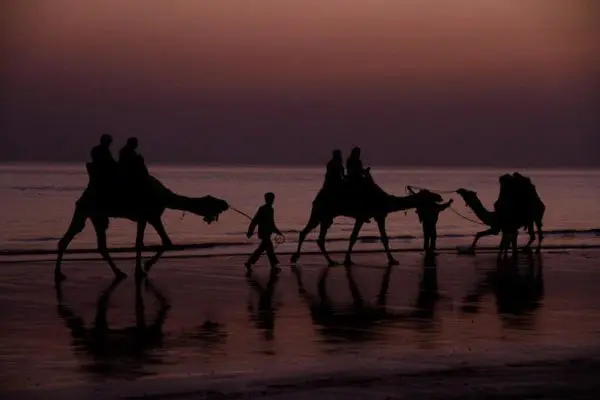
This one’s for those looking for more than just a beach. The beach is pretty packed, but you won’t find many tourists there, instead you’ll witness the practicality of beaches for fishing and shipbuilding and the recreational style of taking your family for cotton candy and evening horse rides. Indians don’t just relax on beaches, they frolic, letting their children run amok with little bamboo and paper windmills as they charge up on delicious beach street food. It can be a welcoming change from the assumption that beaches are strictly for lolling about. Mandvi in itself is a beautiful city; its streets lined with ancient buildings in fading pastels and intricately carved temples.
Getting there:
The Bhuj airport is 60 kms away and has daily flights from Mumbai. Also, Bhuj’s railway station has trains passing by from both Mumbai and Ahmedabad. By car it’s 450 kms from Ahmedabad.
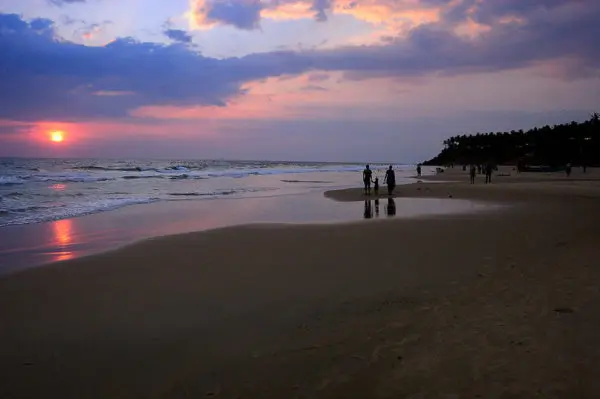
The Amazing view of evening at Mandvi beach (Photo Credit – Kaushik Patel)
RAMESWARAM BEACHES – TAMIL NADU
Surrounded by sea, this island is fabled to be where Ram built a bridge to Lanka to rescue his wife. Deeply entrenched in lore, it then tends to be packed with pilgrims in town for a visit to the mighty temple at its centre and a quick holy dip on its myriad of beaches. From sandy to slightly pebbly to sheer cliff faces, Rameswaram has every kind of beach. Nevertheless, be warned that this might not be the spot to show off your hard-earned beach bod.
Getting there:
Fly into Madurai or Tuticorin airport or get a train from literally anywhere in the country. The same goes for buses, there’s always a crowd of pilgrims passing through so it’s easily accessible.
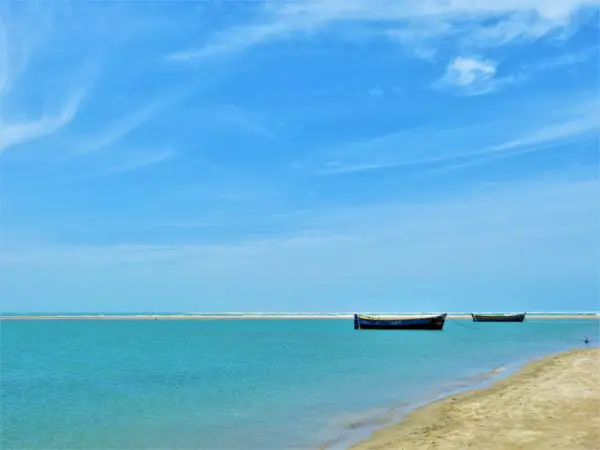
Boats anchored off the coast in Rameswaram Island (Photo Credit – Haseesh Rahithya)
VENGURLA – MAHARASHTRA
Nestled on the Maharashtra-Goa border, a great spot for mouth-watering Malvani seafood, this town boasts of more than 23 beaches packed with activities – kayaking, cycling, fishing – but no people. Back in the day, it was an important trading port both for the Dutch and the British. This gives it a nice historical characteristic, something you can follow for a bit of added fun.
Getting there:
The nearest airport is in Mumbai. You can catch a train to Kudla or drive over from Mumbai, Pune or Nashik.
Vengurla beach is great for kayaking, swimming, and snapping the perfect sunset photo (Photo Credit – Aamir)
HAVELOCK ISLANDS – ANDAMANS
In my opinion, the only reason these gorgeous beaches go unnoticed is because of the hassle of getting there. But you don’t need to worry about that, because you have us! Walk on white sand out of a dream, scuba dive to see the vast and vibrant corals and species, and even meet the world’s largest ocean swimming elephant. It’s truly a paradise down there. And with the government starting to promote ecotourism on the islands, there are even two ATMs now!
Once you land in Port Blair via air, it’s all a complicated and often unruly mess in terms of the ferry tickets. You can pre-book the fast selling government ferries, push and shove for the local alternatives or dish out for the luxury A/C catamaran. Whatever you choose, make sure it’s done in advance!
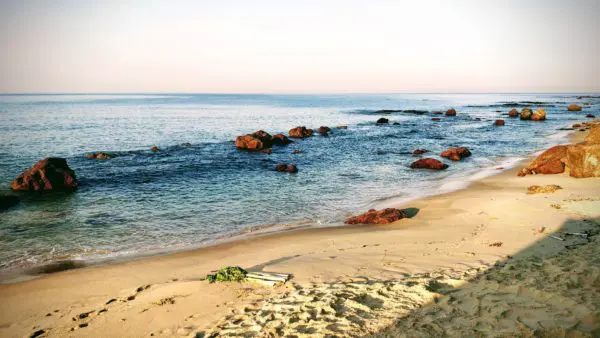
Flawless seashore of Kala Pathar Beach in Havelock Island (Photo Credit – Göran Höglund (Kartläsarn)
TARKARLI – MAHARASHTRA
This beach is similar to Vengurla in many ways, but with the added attraction and beauty of a 17th century fort and the deep blue Karli backwaters collapsing onto the sandy beaches. You can scuba dive to take a closer look at the coral reefs and there are great camping options if you like palm fronds and glittering stars for a roof. And again, the Malvani food!
Getting there:
Follow the Mumbai trains to Kudal, just as with Vengurla, and simply ask your ride from the station to take you here instead.
What are you waiting for? Tis the sea-sun to enjoy quality beach time! Especially when you can plan it with us here or contact us at thinkingindia@indiasomeday.com for any enquiries.
With only 20 years under her belt, Claire Lovesti has already travelled to 3 continents, 16 countries, and 38 cities! Here’s her insider scoop on grabbing a glimpse of the real Delhi.
Travelling always garners that secret sense of adventure; the rush of wandering down an unknown street, the slight fear in tasting a new dish, the unbelievable excitement at discovering another perch in the world that delivers a perfect sunset (because there’s millions of them, hidden all over the world).
It’s why I travel.
The only thing that ever bars me from visiting a new place is the authenticity I’m likely to encounter – and it’s not all about commercialization, it’s about the heart. While Disney World to some may seem too pristine, it’s the whole Disney experience of walking down Main Street with a recreated vintage theatre on one side and a Starbucks on the other.
Whereas, when I wander into the Great Smoky Mountains and get into a traffic jam because of the busses lined up for Ripley’s in Gatlinburg I have to wonder, is this too much of a tourist trap?
On my trip to New Delhi, I was never at a crossroads on whether to make the trip (India oozes with sincerity, it’s impossible to miss it), but I did know that it has a propensity for luring tourists away from the real gems.
But how can visitors avoid tourist traps in India? Check out my list of do’s, don’ts and everything in between to avoid falling into one of the tourist traps in Delhi.
Travelling in India
Travelling
There are a few common tourist scams in India. While I tend to stay away from organized travelling in general (no travel agencies, no group tours), it does seem to make it easier in the long run, which is the main draw. When you’re touching down in a foreign place, the temptation to grab anything that seems even the least bit coordinated has multiplied.
But, the key to Delhi is either to strike out on your own with the aid of apps (I like free tour apps that give me a walking guide of the city, like Historypin) or pre-book in advance. Everything from trains to hotels to excursions are going to be more expensive online, but it’s also easier to get a feel for whether you’re getting the best deal or just the walk around.
If you co-ordinate with an agency like India Someday, you have the hassles of travel and accommodation sorted out giving your explorations even more independence.
Scams in India to Avoid: For trains, be careful that you aren’t buying a ticket for the waitlist. For taxis, go with flat fare rides (not private cars) that make a record of your name for the police. When in doubt, book online with a trusted site. Do I sound paranoid? Don’t take it personally, I’ve just been on one too many “great deals” that ended with me seeing nothing but the alleyway of some famous museum and the back of a crowded bus.
Like any tourist city, there’s going to be people hanging around the hot spots hoping to make a buck off the travellers. If you’re in Delhi checking out the Red Fort, or wandering into a market that caters to travellers, you might come up against this: beggars.
My first experience with beggars was in Rome with the Roma. While I made classic mistakes there, I keep in mind a couple of things when I travel now that keep me from handing out rupees for every magician in Old Delhi.
If any group surrounds your mode of transportation or group and are performers, it’s better to walk away without watching any of it. While some of the performances are interesting (and certainly new to many travellers), if you watch, you should give them some money. If you don’t want to hand over any change, get out of there as quickly as possible.
Same goes for shoe shiners, kids, or magical acts – don’t let them get more than 10 seconds of their pitch out, it’s better to get the heck out of dodge.
Red Fort (Photo Credit – Prajapati Harsh)
What to bring with you
While travelling, there’s always a couple of things I never leave home without, and with Delhi, it’s not any different.
Don’t worry about clothes; jewellery, clothing, shoes, and other accessories are very inexpensive in Delhi, so if you run out of t-shirts and jeans, it’s not hard to find affordable options to tide you over until washing day. Things you might not consider but are essential: water treatment tablets (or something of that sort), insect repellent, earbuds, sunscreen, and a SIM card.
Some of the worst bugs you can pick up abroad are found in the water, so if bottled isn’t an option (or you just refuse to pay the big prices) take a SteriPEN with you. It uses ultraviolet light to kill the pathogens, viruses, and all manner of bacteria that can contaminate your water and it’s small and travel-friendly. Sunscreen and bug spray are self-explanatory, as are the earplugs (Delhi is a beautiful, cultural mecca, but quiet it is not!).
As for the SIM card, this is a personal travel hack of mine to keep my data working wherever I am without sending my cell bill through the roof (don’t tell Verizon). This “hack” doesn’t require anything other than picking up a card on the way out of the airport and installing it in my phone. Most work automatically, and if not you just need to unlock your phone. It’s easy, the service is cheaper, and you get better bars for making sure Dark Sky tracks the rainstorm heading your way.
You may shake your head at why this is a tourist trap to avoid, but trust me, being a sunburnt, itching, directionless tourist in the streets of Delhi will certainly make an example out of you for the next passersby – it’s easier to just avoid with some clever packing!
Clients outside Lotus Temple in Delhi (Photo Credit – Jay Galvin)
Shopping
If you see a lot of fanny packs, run.
All jokes aside, when it comes to picking up authentic knick-knacks in Old (or New) Delhi, the key is to look for places offering locally handmade items. As a rule of thumb, the smaller the market is, the better. I suggest hitting up places like Dilli Haat (traditional weekly market, go for the artefacts, stay for the performances and food) or Chandi Chowk (great for fabrics and spices), rather than the Central Cottage Industries Emporium.
I also have a personal preference for not buying any electronics or hardware, but rather traditional handmade items like painted dolls, lanterns, or beautiful sari scarves. For things from Tibet as well as Indian, hit up Janpath and Tibetan Market in Old Delhi for paintings, brassware, and cool jewellery. For a suit, head to Khan Market, and for upscale art and interiors, go for the smaller Sunder Nagar. These markets will be potentially crowded, but it’s where all the hidden gems are.
Shopping in India
Cash handling
Don’t make a beginner mistake with the money; when it comes to bringing out the cash just remember, less is more.
When wandering markets or looking for streetfood (chaat, phirni, jalebi, and chai are on my list of must-try’s), keep a couple of things in mind: haggling here is alive and well, and keeping your bills close to your chest is just a good rule of thumb. Otherwise, you’ll be the target for the pocket snatchers in the market (every city has them, I’m not picking on Delhi!).
Whether it’s your first time travelling in Delhi or your millionth, there are more charms than dangers in the streets of this old (and new!) city. With careful planning, it’s easy to avoid them with ease and get back to what’s really important: enjoying the experience.
Have any tips or tricks for making a trip to Delhi better? Leave your suggestions in the comments, I’d love to hear them! Click on Plan Your Trip for your ideal itinerary.
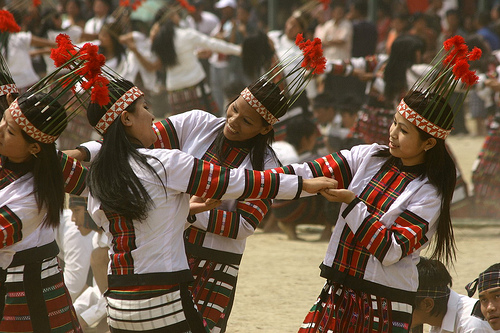
Rumoured to have been around since 1450 AD, Chapchar Kut, the harvest festival of the Mizo tribes tells an eloquent tale of a people, their laughter and endless life. Come early March (1st of March in 2016), jungles of bamboo and undergrowth must be cleared to make way for the summer crop, or the jhum harvest. Once cleared there’s a sudden and welcome break in the otherwise packed schedule of agrarian settlements as they pile up the bamboo and wait for it to dry. It is in this time, that they celebrate.
Photo Credits – www.indiaexchange.org
The cheraw Dance
Colourful traditional attire is dusted off, feasts are prepared and bamboo poles are selected for the crowning dance-The Cheraw. Once the glorious procession of Kut rore is over, where the elders of each tribe parade in representing their individual communities, the dancing begins. The Cherawis a wildly exciting dance of dichotomies, young men pound heavy bamboo poles together against the ground to build a beat while the womenfolk step through them with fascinating dexterity, since missing a beat could mean losing a foot. The festivities are tied up with Then Thumna as local musicians take to the stage and belt out crowd favourites.
While the festival now focuses on song, dance and food, legend has it that the festival was started when the King of a village returned from a hunt empty-handed and ordered his own pig slaughtered so that the village may feast anyway, and the rice-beer (zu) that had already been prepared would not go waste. Along with the missionaries came the eradication of zu and the animistic practices associated with the Kut.
Today the old traditions are revived, but tempered with the Christian history of the community. Locals are quick to share myths and folktales behind various practices, even if they may not hold them true anymore. It’s a beautiful example of a people respecting and appreciating their culture in all its shades without trying to cut out either extreme, but weaving them together into a tapestry of time.
Large number of people gathering on the occasion (Credit_Public.Resource.Org)
At India Someday, we are avid travelers that specialize in assisting travelers plan their holiday to India. Whether it’s flights to India, getting around or accommodation, feel free to get in touch if you have more questions, or fill out our questionnaire to plan your trip accordingly.
India is a vast country teeming with stories, and has long been the subject and setting for them. They give you a glimpse of life in the country through the eyes of the characters and the pages of books. How could you possibly hear them all? Remember that what you see in certain Oscar winning movies and music videos is not the real deal. To get a deeper hold on the slippery psyche of our country, here’s a list of books to read before travelling to India! Be warned though, nearly all of them are the size of a well -fed child, sometimes two. We’ll list them in order of page count so you can choose wisely.
Here is our recommendations for books you should read before travelling to India-Photo Credit César Viteri
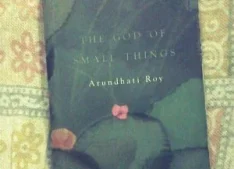
The God of Small Things by Arundhati Roy
Travelling to India to visit God’s own country? Slip through the pepper-cloaked coconut trees of Kerala, dip into it’s rushing streams, feel the spice dust tickle its way up your nostrils through the evocative descriptions of Roy’s only novel. This book will make you sob in pain and giggle at the antics of the twins joint at the hip as their idyllic world is torn apart by a sudden death. A must-read before visiting Kerala, it brings the mannerisms and predicament of its people to life.
356 pages
A must-read when visiting Kerala, this one makes it to our list of books to read before travelling to India- Credit: Gaurav Dhwaj Khadka
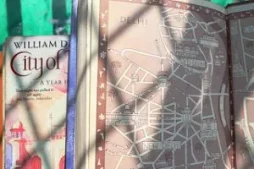
City of Djinns by William Dalrymple
Planning on dropping by our capital city? Then this one goes on your list of books to read before travelling to India. Indraprastha, Lal Kot, Tughlakabad, Red Fort, East India Company’s Delhi and Lutyens’ Delhi. They all stood where the Indian capital now stands, living on in pigeon holes and strains of sufiana drifting across the terraces in the evening. Watch as the gifted Dalrymple unravels the city, sifting through its architecture, its people and its lore asking if we can ever truly put the past behind us. An added bonus is a thorough breakdown of Delhi’s treacherous weather that’ll give you some great packing tips.
360 pages
City of Djinns will give you some great tips before visiting Delhi – Credit: Mayank Austen Soofi
Great Indian Novel by Shashi Tharoor
A plotline lifted straight from the Indian epic ‘Mahabharatha’ and recast with the most prominent political figures from the country’s Independence struggle. Knock off mythology and history in one fell swoop carried on the wings of Tharoor’s singing prose. The MP returned to Indian politics after nearly three decades in the UN and is no stranger to open criticism of the status quo. You’ll find beneath the puns and poetry startling opinions and thought-provoking questions, both of which you will also come across when travelling to India. These expose the layers of the Great Indian Denial that is our political situation.
423 pages
A great novel for those interested in Indian history and politics-Photo Credit Steffi Pereira
The City of Joy by Dominique Lapierre
A foray into the gritty underbelly of Kolkata and the saints that call its run-down hospitals home. It has been rumoured to be the source of the city’s now popular nickname. This makes for a great factoid to know when travelling to India! The book puts joyous leper weddings, kite flying marathons and unadulterated goodness in the spotlight, without hesitating to discuss the dilapidated surroundings in which these joys are borne.
544 pages
A novel based on the grittiness and joy of living in Kolkata- Photo Credit Prasanna Kumar
Maximum City by Suketu Mehta
Mumbai the city of dreams delivers it’s harsh reality in Maximum City. Almost overpowering in the intensity of each story, it transcribes one man’s struggle to reconcile with the city he once called his own. It delves into its darkest drug dens and deepest political infestations to make sense of a city of wanton chaos. Power hungry fundamentalist rub shoulders with glamour-struck film stars in a city famously said to be built on dichotomies.
600 pages
Read about the city of dreams and it’s harsh realities- Photo Credit Elaine Howlin
Midnight’s Children by Salman Rushdie
Voted the best among 25 years worth of Booker Prize winners, this is a bitingly humorous epic tracing the lives of those bone on and around the fortuitous stroke of midnight on the 14th August 1947. Each has been gifted with shades of magic that carry them through the treacherous shifting ground of a massive nation in unrest. Read it for the beauty of the words, and the magic of the characters. Sink into the history of a country too large to hold laced with a sugary sprinkle of absurdism.
672 pages
A humourous epic tale- Credit: Jabiz Raisdana
A Suitable Boy by Vikram Seth
A volume of this size can only be for the serious readers out there. But, the delicacy of Seth’s words is for everyone. Simple, straightforward and gut-wrenchingly lyrical, he moves at the same placid pace as the small town of his creation. Gently, he ekes out star crossed lovers, religious tensions, filial frustration and the shifting paradigms of a country newly reborn, drawing you deeper and deeper into his characters minds and hearts. This book is immersive and comprehensive. It would probably be our first recommendation for anyone who really wants to understand the continuously contradicting loyalties that fuel each new generation of Indians.
1,552 pages
If you’re still pondering if India is meant for you, we guarantee it is meant for every type of traveller out there. As varied as our list of books to read before travelling to India, it is mesmerising and exciting, all in one. We can help you plan a trip to India that feels just like you’re a part of your own Great Indian Adventure! For more information or assistance in planning the perfect trip, get in touch with us !
Delhi is amazing for sightseeing as its long and tumultuous history brought in a lot of different monuments, architecture, diverse cultures and multiple religions who live peacefully together. However, if you don’t just want to check off the well-known sights from your list but actually experience Delhi like a local – authentic, real – then this is the ultimate guide to it. If you like more tips like these, plan your trip with us and we will make sure you travel like a local.
Spacious dinner area at Tree of life on each floor
Where to stay like a local in Delhi
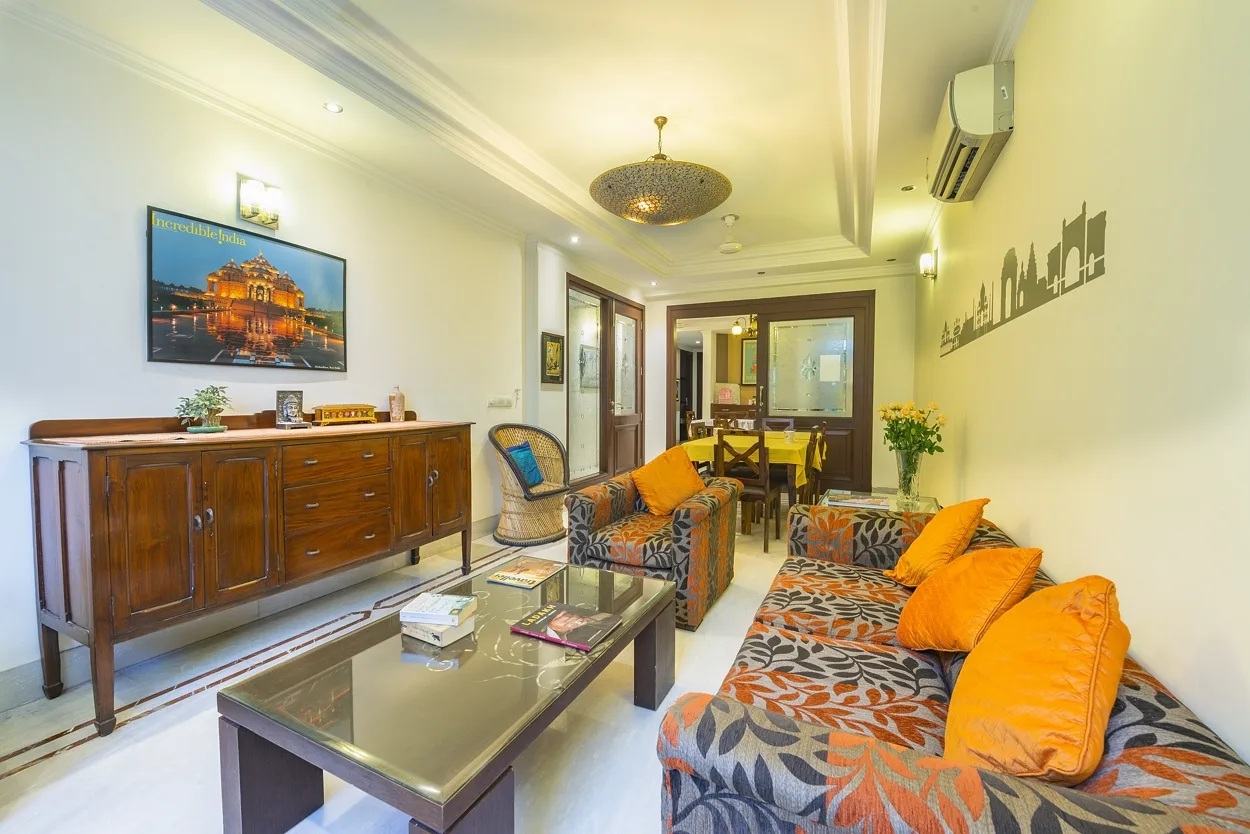
Tree of Life. A cushy little BnB run by a couple who’ve spent years in the tourism industry and yoga community respectively. Well furnished rooms, simple rules, good food. It’s a good option for those worried about the over-congestion or safety issues of Delhi because it gives you a chance to step into the local life without stepping too far out of your comfort zone. For breakfast, the owner comes to sit and chat with you. Be ready for informational conversations that could help you plan your day. So while you get fresh parathas (stuffed flatbread) and steaming chai served, soak in all the information.
Large clean comfy room with a lovely bed, soft pillows and exclusive interiors
What to eat like a local in Delhi
Mutton Seekh at Karim’s. Tourists and locals squeeze in together to savour the delights of the cooks rumoured to have once served royalty. Karim’s serves up its culture in the streets and doesn’t hold back. It is easy to get carried away by the tidal wave of passionate students and truck drivers, housewives and society madams, college professors and IT professionals. Here’s a full guide to eating in Old Delhi!
Seekh Kebab (minced meat on a stick) (Photo Credit – www.ibb.in)
Where to go like a local in Delhi
Lodhi Gardens. Some might say it’s only where the upper class hang out in their trendy jogging gear and kitty party circles. But, it makes for a great spot to tune out the crowds and enjoy some of the lesser-known architecture without the hordes of tourists breathing down your neck. Buy a kulfi or some deliciously deep-fried momos and make a picnic of it.
Green relaxed Lodhi Gardens (Photo Credit – en.wikipedia.org)
What to do like a local in Delhi
Take a cycle rickshaw through Chandni Chowk. You are in for the most terrifying ride of your life, but hey, you wanted authentic! Just like every other activity in this blessed city, you’ll be accosted by food vendors from all sides, We suggest not to feel shy and take full advantage of it! Stop to buy some colourful glass bangles to take home, or maybe some flashy kurtas for that aunt back home who keeps demanding presents. The choices are endless!
Cycle Rickshaw in Chandni Chowk (Photo Credit – Guilhem Vellut)
What to say like a local in Delhi
‘Jugaad‘ is more than just a phrase. This phrase was invented in the North but now is an attitude that envelopes the entire country. It implies an ability to put together a solution from the most unlikely of resources and to find a way out of the tightest spot through a combination of mind-blowing creativity and earnest prayer. You’ll see it in the many uses of a bicycle from goat-ferry to bucket-and-mug retailer. Astonishing feats of engineering that keep some of the more recent structures aloft will marvel you. Push yourself out of your comfort zone and see where it gets you.
More practically, learn the phrases thanda paani (cold water) and garam paani (hot water). They’ll serve you well in the fluctuating seasons.
Be prepared for the weather. Being as far inland as it is, Delhi’s weather is always at an extreme. So, you’ll either need an umbrella to keep the sun out or seven layers of woolly warmth just to stay alive.
Don’t be shy. Punjabis, the largest among the native cultural communities of Delhi, are warm, loud, and friendly folks. They want to know about you and they most certainly want to feed you. While it’s always good to be a little wary of strangers, remember that it’s not considered nosy to strike up a conversation in the street.
If you’re interested in visiting Delhi but don’t know how to fit it in your India travel plans, check out our tour ideas or plan your trip directly with us.
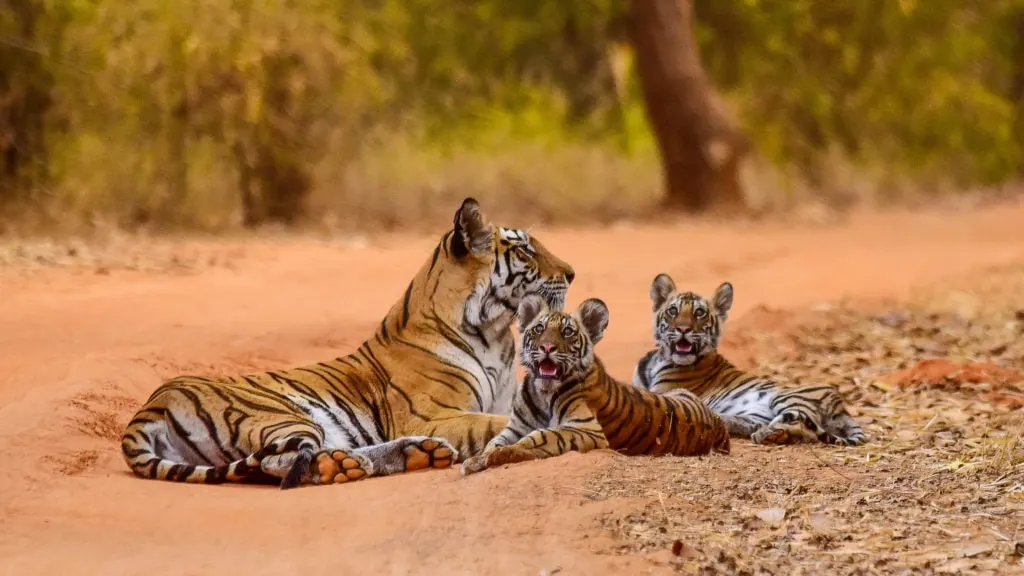
Let’s face it, you came here expecting to embrace the wild. Enormous, calculating tigers stalking through the tall dry grass, peacocks unfurling their tails in the monsoon breeze, hordes of elephants storming through heavily damp rainforests. And it’s true, we have it all in many of our Indian wildlife reserves.
Here’s where you can go to crawl into the heart of the jungle and the national parks of India and hear the call of the wild whispering right into your bedroom window, whether your bedroom’s a luxury tent or a treehouse.
Elephant in the jungle (Photo Credit – myashwanth)
Gir National Park
The last remaining natural habitat of the Asiatic Lions now has 523 big cats lounging about its grounds. This is a mind-blowing increase from the 20 that survived the widespread hunting of the 19th century thanks to conservation measures taken in the Indian wildlife reserves.
Apart from these star attractions, there are also Leopards, critically endangered Long-billed Vultures and Marsh Crocodiles. Moreover, the park organizes a Safari Tour that’ll take you through the core area of the jungle and right up close to the wildlife.
When visiting the National Parks of India, where you stay can complete your trip. The Fern has the uncompromising luxury for the ecologically sensitive within the Indian wildlife reserves.
The Fern hits all the big names from sewage treatment to eco-friendly toiletries and doesn’t miss the little details, taking care to decorate their sprawling property only in potted plants and non-cut flowers.
Saltwater Crocodile (Photo Credit – Sarangib)
Kanha Tiger Reserve
Deep lush valleys, heavy green boughs overhead and soft grass underfoot – this is the forest that inspired Rudyard Kipling’s Jungle Book. The safaris are intensive and take you right into the heart of the jungle, although they’re a hassle to book, you can leave that to us! Opt for a safari later in the day and you can catch the Sambhars and Gaurs grazing at Bamni Dadar in the glow of the setting sun.
A gorgeous property that promotes absolute self-sustainability in the beautiful surroundings of Kanha. Vegetables come fresh from the in-house farm and all electricity is converted from solar energy. You can even bring your pets along!
Kanha National Park (Photo Credit – Ashish Upadhyay)
SundArbans National Park
A unique ecosystem formed by the deltas of the Ganga and Bramhaputra rivers, thereby creating the largest halophytic mangrove forest in the world, the Sundarbans is home to the famous Royal Bengal Tigers.
If you visit in the winter, you’ll see not only the Tigers but Macaques, Indian Grey Mongoose, Leopard Cats, Ridley Sea Turtle, Wild Boar, Jungle Cat, Fox, Flying Fox, Fishing Cats, Chital, and Pangolin. All are driven to the riverbanks in search of some sun as you drift down the river by boat.
A cosy little outpost that’s perfect for honeymooning couples. Rent out bicycles during the day to tour the forest and then simmer down in front of a roaring bonfire, with a pile of delicious seafood on your plate.
Mangroves – Sundarbans
Mahatma Gandhi Marine National Park
Made up of 15 islands in the Andaman and Nicobar group stands an Indian wildlife reserve among paradise. This is a chance to see coral reefs first hand. You can either do so through glass-bottomed boats or more closely by snorkeling/scuba diving directly into them. A veritable paradise of sandy beaches and swaying palms, you may mistake the islands for being all fun and games, but the reefs help you to understand the beauty we are constantly destroying and must learn to protect and nurture.
Serene and tropical, nothing can touch you here but the sounds of the wind and the sea. Located on the beach itself, try to remember that insects and mosquitoes are simply part of the daily routine here. Try and opt for eating out a few times for the sake of variety and your wallet.
Beautiful Andaman Islands
Balpakram National Park
Balpakram – the land of the perpetual winds. Tucked into a deep gorge in the South Garo Hills this is one of the wild national parks of India. The Balpakram is teeming with life and shrouded in folklore. It is said to be the final resting place of souls before they depart for the next world, a story that seems to ring true in the whispers of the trees.
Between these rich fronds frolic the rare Lesser Panda, the Indian Bison, and the Serow. Medicinal herbs and endangered flora flourish 3,000 ft above sea level, and great Hornbills and Orioles cry out.
Where to stay: Tura Guest House
There are no guest houses within the park, so visitors must stop at the Tura guest house run by the Meghalaya Tourism Department.
Red Indian Panda is also known as the Lesser Panda
Kaziranga National Park
A whopping two-thirds of the world population of the Great One-horned Rhinoceros resides in this leafy haven. Since 1904, there has been a boost of 1,600 animals from the park’s original 200. Ride in on an elephant safari and find that the animals are unperturbed by the gentle giants, allowing you to get well within photographing distance.
While you may not spot a tiger, you’ll see their presence all around in pugmarks, kills, and territorial markings. Apart from these big beasts, there are also swift swamp deer and partridge to be spotted. Also, keep an eye out for the ReticulatedPythons and Rock Pythons to watch out for!
Stilted cottages of cane and bamboo with thatched roofs echo the local architecture. A natural pool and verdant fruit trees mean a lively bird population. A sight that you can enjoy on your verandah each morning before your safari.
Rhinoceros in the Jungle
We’re here to help you plan your next wildlife safari holiday in India – get in touch and we’ll give you a plan that’s best suited to your needs!
Let India Someday handle it and plan your best trip.