TALK WITH US +91-9970620335
WhatsApp

Ten tips for travelling solo in India

Travelling solo is a thrill like no other, particularly if you choose to solo travel in India. Move at your own pace, tailor-make your itinerary, and maybe you’ll discover more along your journey than you set out to. Travelling can be a monumental decision, both mentally and financially, and it’s pretty hard to get even your closest friends to go along with you. Arguments break out over where, when and how, until it is time to break free and decide to do your own thing. Relatives and close friends will scorn and fret, ‘it’s not safe’, they’ll say, ‘you’ll get bored alone’. And if you tell them it’s India you’re heading to, you might as well just save them the time and check yourself into the mental asylum.

So why would you travel to India alone? It’s a crazy, chaotic country exploding with myriad experiences, from lazy Goan afternoons to deafening Mumbai markets. Each day will throw a million different options at you that makes you want to either linger or run away, and it’s hard to do that when you have to take a dozen other people’s interests to take into account. With so many things to do and see in so very little time, it’s nice to have full control over your choices and the freedom to chase your own experiences. It is good to worry about your safety, especially for women, because it helps you prepare better and be alert.

At India Someday we take a personal interest in our client’s welfare so you will never truly be alone in this great big country. That relationship starts here, with these tips for all those who want to drop the baggage and fly solo.
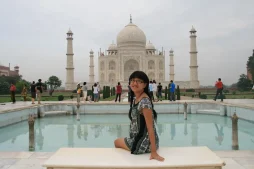
Ten tips for travelling solo in India
Travel solo around India with these top ten tips!(Credit_neverbutterfly)

1. Travel light

You only have one back to carry those bags on, and you don’t want to be seen struggling and vulnerable. Take only what you absolutely need, and you can pick up the rest along the way. That said, there’s a couple of essentials you’ll need to fall back on—a portable charger with a full battery, a legal safety mechanism like pepper spray or a whistle, hard copies of your information and itinerary with contact details of all the places you’ll be staying at, and of course, cash.
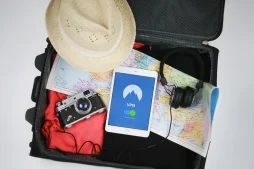
Ten tips for travelling solo in India
Pack lightly with usable things (Credit_Stefan Coders)

2. Prepare, prepare, prepare

There are a few tricks to remember when you’re at the booking stage. Try to arrive in each new city during the day so you have some time to get the lay of the land. If you must arrive late, arrange for private transport to take you directly from the station, airport to your hotel, and make sure the hotel knows exactly when you’re arriving. Ask for a contact number at the hotel and call them when you get into your taxi, give the license plate number and ETA.

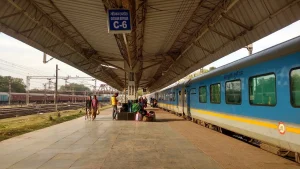
When booking sleeper trains you can ask for an A/C section for more privacy, or stick to the general sleeper for safety in numbers and a chance to meet some great people. Always request an upper berth, it provides a safe place to stow away your bags during the day and keeps you out of the reach of mischievous hands by night.
Ten tips for travelling solo in India

3. Take a course

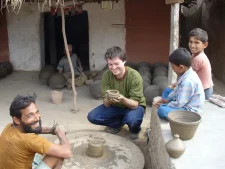
If you have to opt for hotels over hostels for most of your stay, you might find yourself craving human contact. But solo travel in India does not mean that you have to feel alone. Classes can help with that. Learn cooking, pottery, yoga, kite-making, tribal art; go camping, dancing or cycling and you will find there is a lot of socialising so you don’t feel like you’re alone the whole time. It will help you to make a couple of friends in the city too. You can even opt for a couple of group tours for the first day until you get used to the place.
Ten tips for travelling solo in India
You can make pottery (Tom Maloney)

4. Have a backup

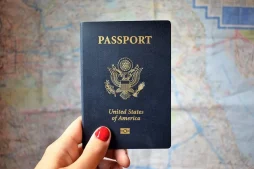
Put your documents on a dropbox or google drive so you can access them from anywhere. Consider a money belt for your passport and credit cards, although if your hotel has a locker you should consider leaving them there. If you have access to a safe then lock important possessions in there for when you leave your hotel room. Carry photocopies on your person of your passport and visa. Always have more than one copy in case you lose something.
Ten tips for travelling solo in India
Always carry photocopies of your visa and passport (Credit_Antigone_gone)

5. Keep in touch

Once you have your plans and tickets in place, give your schedule to a loved one. Make sure to provide the contact numbers and addresses of your hotels as a just in case. Set up a time to check-in each day, regardless of where you are. Invest in an international SIM card with internet services, it’ll serve you well. This is not very expensive. For three months, it will cost you around INR 600 and enables you to around 2 GB of internet with unlimited domestic calls. It is helpful when you need to search the internet but you don’t have wifi.

Ten tips for travelling solo in India
Local SIM cards are easy to obtain and make your life easier in a foreign country

6. Listen to experience

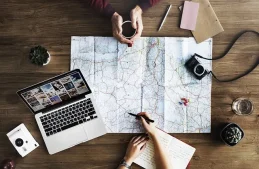
The internet gives you the choice of crowdsourcing your research so take advantage of it. Read reviews, access forums like Wegosolo for more tips and personal experiences. This site has great tips on solo travel in India, particularly for women. Also read articles and books on where you are going. We offer a great list of books to read that can enhance your knowledge of India before arriving, but also research on your own accord as you may find some gems that are specific to your trip.

Learn More: Engross Yourself in India’s Unique Experiences
Ten tips for travelling solo in India
Research into the areas you are visiting (Image by StockSnap from Pixabay)

7. Lie a little

Solo travel in India is all about exuding confidence. Don’t hesitate to make a fake call to establish that you’re not alone in the city, or make up a spouse or friend waiting for you back in the hotel. India has a lax attitude towards a women stating her independence and you may have to make up a boyfriend or husband to ward off unwanted attention. You may feel a little guilty about having to misrepresent yourself, but seriously guys, prioritize.

Ten tips for travelling solo in India
solo female traveller by exuding confidence (Credit_Tom Maisey)

8. Spread out your cash

Put a little in your bag, a little in your belt, a little in your shoe etc. Slash proof bags are also a great new option in the market to stay one step ahead of the pickpockets. The bonus is finding money you forgot about and feeling a sudden wave of richness. Take more than one debit or credit card so that you always have a back-up. Use different pouches in your bag for certain amounts of cash so that if you are unfortunately pickpocketed then they will only take one section of your cash rather than all of it.

India has a closed currency, meaning that you cannot get rupees from home, so you will have to get money once you arrive. This will not be a problem as there are many ATMs dotted around the cities. If you are going to a more solitary area then you can exchange money at the airport once you arrive.

Find Out More: Investigating the Price of Travel in India
Ten tips for travelling solo in India
Carry cash as well as card as some places may not have card machines at hand

9. Be alert

The most important thing if you choose to solo travel in India is to always be alert! Make sure that you are paying attention to what is going on around you so that you are alert of any danger. Wear only one earphone when you’re listening to music. Take your bags with you go to the toilet, or at least your important documents and cash. Stay awake in public places, no matter how tired you are, until you’ve secured your baggage.

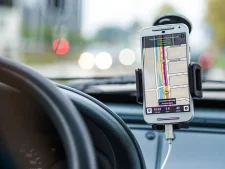
When taking any cabs or auto rickshaws, follow the route on Google maps so that you are aware of any divergence. Frequently opt for pre-paid transport like Uber or Ola Cabs that come with GPS in the car. You can also share your location on Whatsapp for a certain period of time so that other people can see that you have arrived safely to your destination.
Ten tips for travelling solo in India
Always check navigation (Image by Dariusz Sankowski from Pixabay)

10. Tech it up a notch

We live in a great age of high-speed internet and segways, it’s time to put it to use. There’s a host of apps aimed specifically at solo travellers like Outbound and Wandermates that connect travelers. Google Translate will help you communicate and offers a good local offline map. And obviously, keep us on speed dial.
Ten tips for travelling solo in India
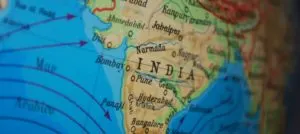
Map out your journey to India


Live like a local: Mumbai

This post kicks off our life like a local series, a quick run-through each of the nation’s top destinations through the eyes of its own. Find out where to stay, what to eat, where to go, what to say, and the best things to do in Mumbai. Plus a bunch of extra tips to help you drop the tourist tag. Soon you will be able to master how to live like a local in Mumbai.

Live like a local: Mumbai
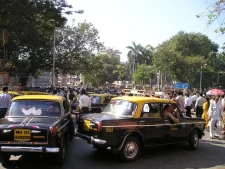
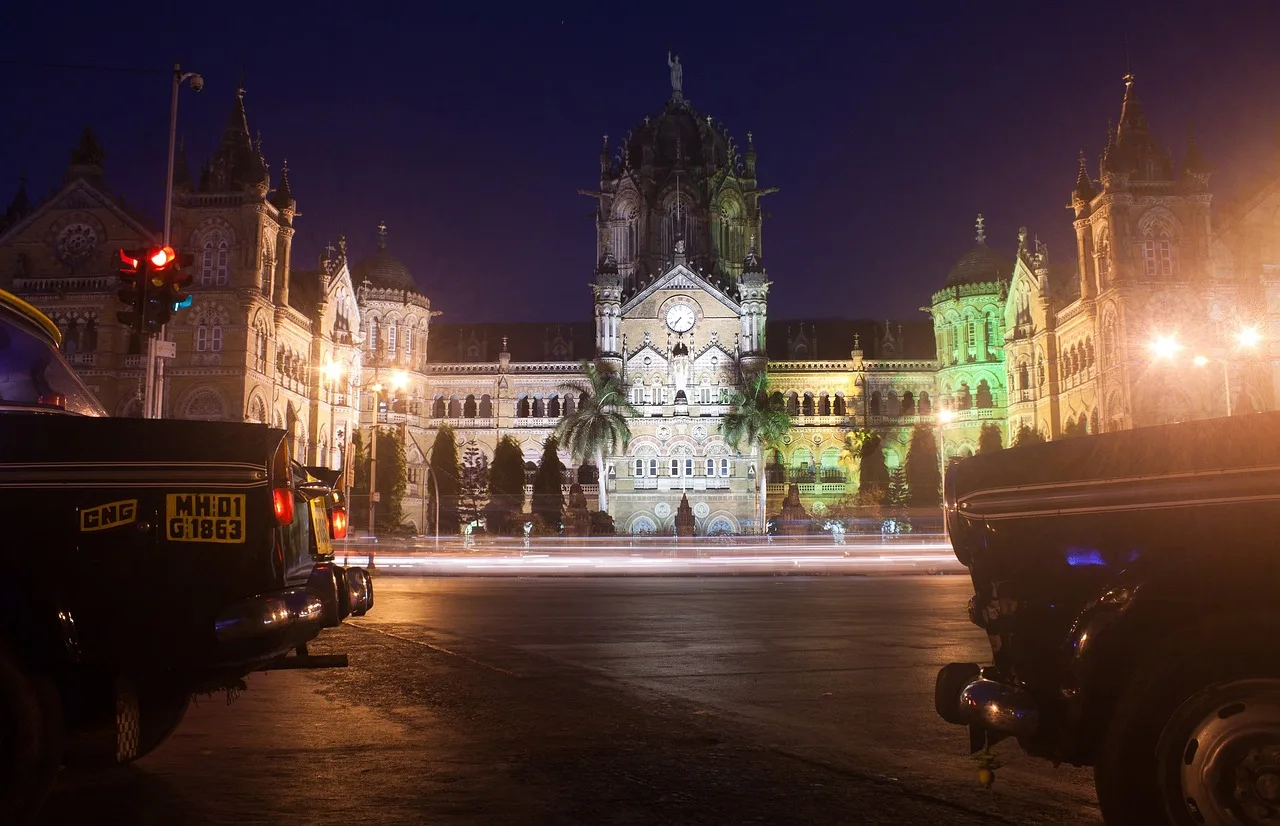
Traffic in Mumbai

Where to stay

Bombay city doesn’t have quite as many homestays or couch surfing options as other world cities, but our budget hotels are a real experience in themselves! We recommend staying near Colaba the most charming part of Mumbai!

From bustling markets, delicious street food, museums and high-end restaurants, Colaba has it all. However, what adds to its charm is the stunning gateway, the famous Taj hotel and ancient buildings that reek of history.

Live like a local: Mumbai
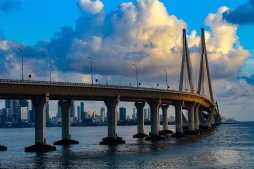
Bandra-Worli Sea Link (Photo Credit – nahushraj23)

What to eat

To get a true experience of the city, one of the main things to do in Mumbai is to taste the local street food. Maharashtrian Fish. Parsi Mutton Dhansak (spicy gravy on brown rice). Mughlai Kheema Pao (mince and bread).

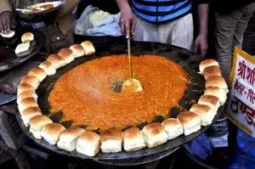
As a blend of cultures, there’s a blend of food all equally delicious in its own right. However, none beats out Mumbai’s very own vada pav. A delicious, hot potato patty fried in a chickpea batter, smothered in chutney and packed neatly into a sliced pav bun.

In terms of a single restaurant that really embodies the city spirit, we’d have to recommend The Bombay Canteen, an outstanding establishment both for its innovativeness and it’s near-perfect attention to thematic detail in décor, menu and delicious city-inspired cocktails.

Try any of their food; it’s all local but with a masterful twist by the brilliant Chef Thomas Zachariah.

Live like a local: Mumbai
Live like a local in Mumbai and try the street food

Where to go

The surface. Whether it’s Bandra’s bandstand or Marine Drive’s Chowpatty, this is the city’s social leveller. Watch the sunset in the company of families, lovers, schemers and college gangs. The best way to live like a local in Mumbai is to join in and watch the crowds of residents go about their daily lives.

Buy some channa from a passing urchin or fruit ice-cream from our beloved Naturals. If you’re in Bandra late, wait for Bournvita Uncle to ride upon his cycle and dole out steaming cups of hot chocolate. Feel the breeze in your hair and just listen, watch, and be a part of the passionate storm of people that fuel this city.

Live like a local: Mumbai
Things to do in Mumbai – Marine Drive

What to do

Take a hike. The city’s surrounded by beautiful hills just a few hours out. While, as a visitor, you’re probably looking for something more in the city itself, it’s our choice of escape. Let us know if you think you’re up for a day’s rewarding climb and we’ll find the perfect option for you.

For those still looking for something within the city, try the Bhau Daji Lad Museum. A fine collection of artefacts, lovingly accumulated and categorised. This is situated inside the city zoo at Byculla. Also, it encourages interaction and loves to answer all your questions about the city we adore.

For more options on things to do in Mumbai, plan your trip with India Someday and we can help make your stay unforgettable.

Read on: Uncover India’s Rich Mosaic of Things to Explore

Live like a local: Mumbai
Things to do in Mumbai – Bhau Daji Lad Museum

What to say

To live like a local in Mumbai you can pick up certain Indian phrases to help you. Try your hand at our universal fix-it ‘jau de, kaka’ that translates to ‘let it go, uncle’. Throw it blindly at any figure of authority, particularly cops in a sufficiently gravelly tone and you might just be able to get out of a tight spot.

Most people in Bombay of all classes speak basic English. Accordingly, there’s no need to rock out your Namaste every five minutes. It’s really not that commonly used. Hellos, please and thank yous have pretty much replaced their local counterparts, so that won’t cause you much trouble either.

If you contact us personally, we could give you a more private tutorial on the way of life here. Also, a lesson on bambaiiya gaalis that’ll serve you well in traffic.

Bonus tips:

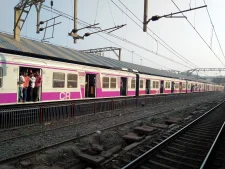
  • Always opt for public transport. Maybe you’ll get ripped off by cabs and autos but it’s worth it for stories. If they try to lie to you about the distance, at least you get to take the scenic route. Be careful of local trains at rush hour, but don’t let that put you off from taking it at all. The metro’s cool and very efficient but no fun, so you can skip that
  • Eat off the street food
  • Try not to end up with too many beggar children under your personal care
  • Don’t forget mosquito repellent and sun-screen!
Live like a local: Mumbai
Take local train (Photo Credit – Rehan Ansari from Pixabay)

Indian Farmhouse Experience: Farmstays in India

In India, over 70% of rural households depend on agriculture for a living. Naturally, we have a lot of farms. But these farms are rapidly changing. Traditional farmers are now opting to send their children into the service industry and marketing professionals.

In all these permutations and combinations, the season of traditional farmstays in India has arrived! An Indian farmhouse is a fascinating estate and can be a great way to experience life a little differently in India.

They are functioning farms that invite guests to stay on with varied levels of involvement in the farm activity. From milking and harvesting to just sitting on verandas eating pakoras.

Whatever experience you choose, it’s definitely going to be different from anything you expected when in an Indian farmhouse. Read up on our handpicked list of the best farmstays in India.

Indian Farmhouse Experience: Farmstays in India
Try out some of our favourite recommended farmstays in India and witness the stunning countryside

Tathagata Farm, Darjeeling

Wake up to the sound of gushing water, the smell of oranges, and a view of the Himalayas. Located in possibly the most scenic hills in the country, Tathagata is one of the best farmstays in India when it comes to losing yourself in nature. They provide adorably rustic free-standing cottages and deluxe tents with all basic facilities en-suite in the middle of a tea estate interspersed with cardamom, ginger, vegetables and oranges among others.

Talk to the owners about their efforts in sustainable farming and promoting tourism in the area or run away into the forest for some quality alone time fishing by the river. It’s an Indian farmhouse with a mission, and you’ll soon find yourself caught up in it.

Indian Farmhouse Experience: Farmstays in India
Surrounded by nature, this farmstay even has a swimming pool! (Photo Credit – Bookings.com)

Glenburn Tea Estate, Darjeeling

The Glenburg is probably the last image that comes to mind when you think of an Indian farmhouse. It’s running itself pretty well and won’t require much direct help from you on the farming side, so sit back and enjoy its two ridiculously gorgeous bungalows the way the area’s colonial overlords once did.

Fireplaces, stand-alone bathtubs, four-poster beds, sweeping verandahs and white-painted window panes come together in the centre of the vast tea estate to serve you candlelit dinners, hiking, massages and cookery classes in the luxurious isolation of the hills.

Glenburg Estate is one of the best farmstays in India to kick back and enjoy some rustic luxury.

Indian Farmhouse Experience: Farmstays in India
The Planters Suite (Photo Credit – Glenburn Tea Estate)

Phillipkutty’s Farm, Kerala

Located on an island, there’s no big secret why this makes it to our list of best farmstays in India. Yes. On an island. And not an island just anywhere, but in the middle of Kerala’s Lake Vembanad. Private, spacious villas line up on the waterfront with an organic Indian farmhouse in between them that grows the usual Malyali suspects – pepper, coconuts, banana and the rest.

From the home base you can set out across the backwaters by boat or through the nearby village on a cycle. Step into the kitchen for a free course on cooking with local ingredients. Lend a hand and dig into the dirt alongside the staff and maybe even try milking their rare Vechoor cows!

Indian Farmhouse Experience: Farmstays in India
Beautiful island accommodation located in the middle of a lake (Photo Credit – Phillipkutty’s Farm)

Casa Coorg Homestay, Karnataka

Cocoon yourself in the cool overgrowth of Coorg, with a cup of home-grown coffee and that crime-thriller you thought you’d have finished four months ago. Casa Coorg is the perfect place to unwind with zero distractions, making it one of the best farmstays in India for nature-seekers.

Nestled in the arms of the forest, you have only nature to turn to for entertainment. Fill your days with long walks and treks, learn to identify the local fauna, go birdwatching. Put your feet up and share a cuppa with your hosts and listen to the stories of their travels till the fireflies come out.

Indian Farmhouse Experience: Farmstays in India
The entrance to Casa Coorg (Photo Credit – Casa Coorg)

Wild Acres Farmstay, Tamil Nadu

This one’s for the real agricultural enthusiasts, one of the top organic farmstays in India. Run by filmmaker Mansoor Ali Khan and his family in Coonoor. It specializes in cheese making but also dabbles in jams, soaps, bread, birdwatching and animal husbandry. Thus, you can enjoy an amazing farmstay experience and be a part of organic farming tourism in India.

Roll up your sleeves and dig in because it is an active farm that needs serious effort on the part of guests as well. Learn about the intricate schedules, the dedicated labour and carefully honed skillset you must develop to run a successful farm, first hand.

Indian Farmhouse Experience: Farmstays in India
Wild Acres Farmstay (Photo Credit – Vreditd – TripAdvisor)

Krishna Ranch, Udaipur

An authentic experience of village life and constant interaction with locals in the Aravali range sounds idyllic to begin with. But, throw in horses and you’ve just created paradise! Built one brick and one tree at a time over nearly 20 years by local boy Dinesh Jain and his Dutch wife Francine. They offer safaris on their beautifully reared horses through the forested hillside – a highlight of the stay.

We really can’t complain about the view either! Read here about our client’s wonderful experience with them, her words describe it better than we can.

Indian Farmhouse Experience: Farmstays in India
Take a horse riding safari through the luscious green hills through this farm stay (Photo Credit – Bookings.com)

Tempted to experience the best farmstays in India for yourself? Click on Plan Your Trip to plan an unbeatable ideal itinerary for your dream trip to India.

Holding on to Hygiene in India

While the new government has taken a pretty strong stand on cleanliness and hygiene in India, there’s no point in getting our hopes too high just yet. Indians may seem confused about cleanliness, urinating in public on the one hand and obsessively washing their hands before each meal on the other. It’s a diverse country full of lots of different people, each with their own priorities.

As a traveller, try to keep in mind that depending on which area of the country you’re in, you’re going to be faced with a range of cleanliness issues. Here’s a quick guide to help you on your way.

Holding on to Hygiene in India
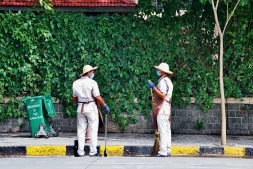
Sweepers in Metropolitan India

Make yourself a clean-up kit

Sanitizer, wet-wipes, tissues, maybe antiseptic, and most importantly, toilet paper. All of these are easily available in any medical store across the country when you need a refill, but not so much in toilets or bars where you might actually want it. An added bonus in India is soap strips, a little booklet of soap-coated strips to use on trains or buses.

Holding on to Hygiene in India
Hand sanitizers (Photo Credit – tetiana-shyshkina)

Toilets

I’m sure you’ve all come armed with thousands of warnings of India’s open defecation problem. Hygiene in India is sometimes a problem but be rest assured, we do know what toilets are. That said, I’d suggest you stay away from the standalone public loos and opt for something in a decent looking restaurant or mall.

Most of these will offer you the option of western toilets, although sooner or later, you’ll be introduced to the glory of The Indian Toilet. While your leg muscles might complain a bit, it’s definitely the more hygienic option thanks to minimal contact. If you’re carrying your own toilet paper and don’t have to be bothered by the bucket, all the better.

Another feature of toilets in India, more so with the western versions, is the health faucet, a small handshower preferable to the old system of mug and bucket for washing up.

Holding on to Hygiene in India
A must in your travel kit while travelling in India

Food

With this one, you’ve mostly got to go with your gut (geddit?) If you’re eating in hotels 3 stars and up you’re definitely safe, but with others you’ve got to use a little common sense. Does it look clean? Do waiters wipe the table after each patron leaves? Are there a lot of flies around?

Beyond that, it’s important to stick to mineral water. At some street stalls you can even ask if the food is made with bottled water. Don’t go around asking to peek into kitchens, you’ll probably just offend someone. Who knows what they’ll put in your food after that. If you have access to the internet, read a couple of reviews and make an informed choice.

Every single restaurant in India will provide you with a washbasin, or at least a jug of water to pour over your hands. What remains conspicuously absent though is soap, although at some basins you might spy a thin sliver of the ever popular red lifebuoy soap worn into submission by countless users.

For this reason, and also the lack of clean towels, we’d suggest you carry your own little bottle of hand-san or rough it out like the rest of us with a good dousing and a quick wipe on your jeans.

Holding on to Hygiene in India
Always opt for bottled mineral water and avoid water poured for you at restaurants, you cannot know if it’s filtered or not

Hotel Rooms

If you’ve got us on your bookings, you’ll be just fine. If not, here’s a couple of our tricks. Always check the toilet first. Never book a hotel room unless you’re satisfied with the state of its bathrooms. Check the sheets for stains, though that isn’t often a problem. Again, ask for mineral water in your room.

Holding on to Hygiene in India
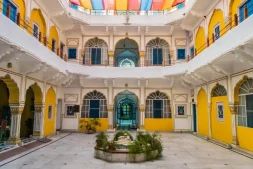
The hotels we offer are very clean and suitable, like this suggestions of ours: Diggi Palace in Jaipur (Photo Credit – Booking.com)

Public transport

Buses: If air-conditioned and privately run, you should be fine. Buses within the city are often best avoided, although special mention must be made of Mumbai’s BEST buses, which are thoroughly hosed down each day.

Trains and metros: Long-distance trains are quite clean to begin with, though passengers may not keep it that way. Toilets here can be a huge issue; the jerking motion of the train tends to interfere with people’s aim. Local trains and metros are usually good in this respect.

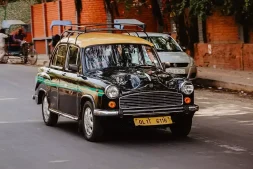
Auto-rickshaws and taxis: Very clean in most cities. The drivers tend to take good care of their vehicles as their entire livelihood is dependent on them. However, the same cannot always be said for their passengers.

Holding on to Hygiene in India
‘Kaali Peeli’ taxi – credit: (ET Auto)

Plan B

You can only ever be so vigilant in regards to hygiene in India. Someone sneezes in your general direction, a vegetable vendor doesn’t wash his hands and little germ slips through. Come prepared for this situation as well. Carry medication that your body is used to and which you trust. Looking up the local variant at the last minute is not recommended. Your health will thank you.

Be clean, be safe!

Holding on to Hygiene in India
Always carry essential hygiene and medical care while travelling

We hope this article helps and provides you with a fair bit of information about hygiene in India. Also, prepares you for your adventure to India! If you are looking for tips to keep in mind about safety and precautions while travelling, we suggest you read this blog, and if you still have questions, please do get in touch with us.

Festivals in India

India is bright and loud and wild and passionate, making it a master in the art of revelry. Did you think wild parties were all about tequila shots and glo-sticks? Try some bhaang and pichkaris or an all night dandiya session. Yes, these words may feel strange in your mouth right now but we’ll probably have you singing ganpati bappa in the streets before you’re done. Here’s the low-down on a veritable riot of Indian festivals, religious and otherwise. Structure a trip around your favourite choice for a madly immersive journey to the heart of the Indian community. Read all about the festivals in India.

Festivals in India
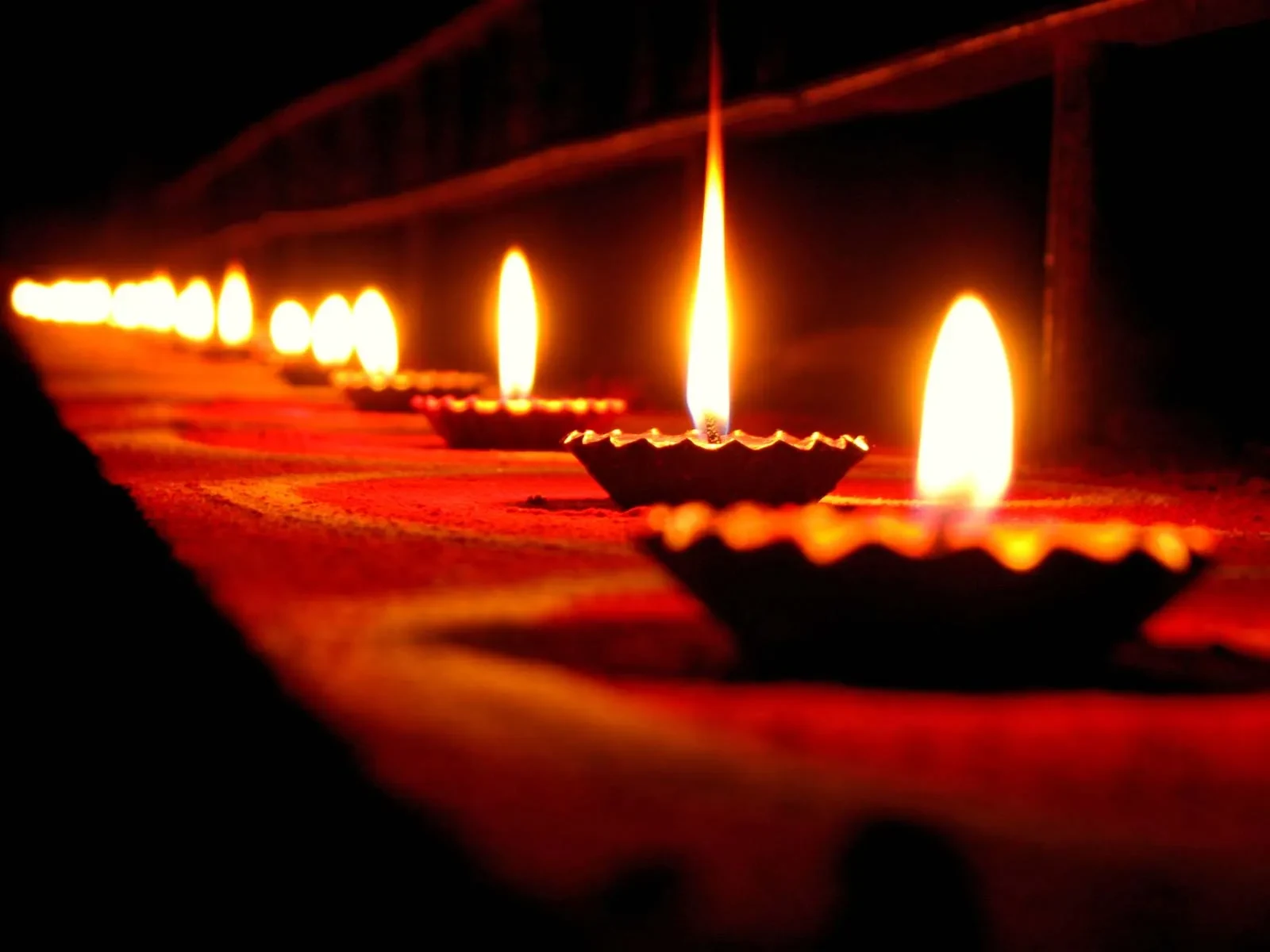
Festival of lights_ sparklers: Credit- madhukar-kumar

Makar Sankranti – kite flying festival 

For a country that’s careening into a future of BPOs and IT professionals, we fall back on our agricultural roots hard when it comes to harvest festivals. Celebrated in widely differing ways across the states, harvest festivals in India are worth witnessing. The heart of the season is born of plain and simple gratitude for a bountiful crop, and a welcome break after months of debilitating labour.

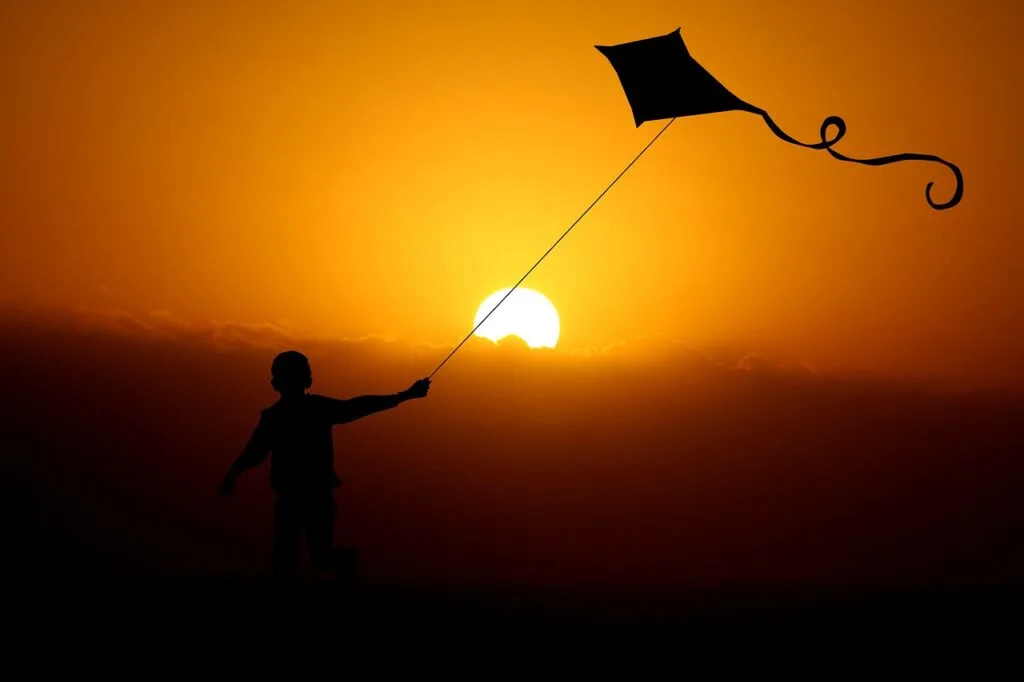
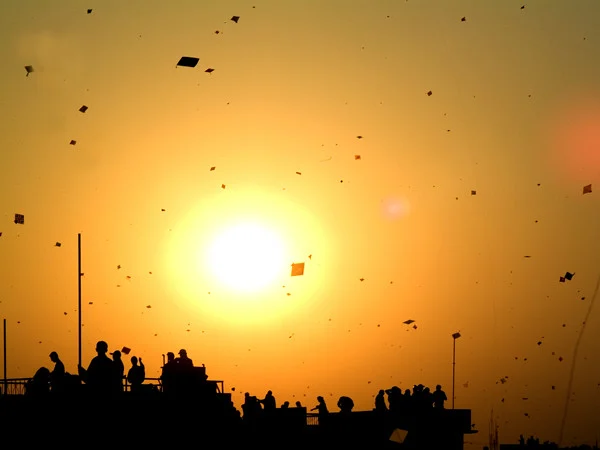
The Gujarati arm of this fiesta, celebrated most passionately in the state capital of Ahmedabad, is Makar Sankranti. It is more widely known as the kite flying festival of India. The name refers to a specific movement of the sun on the equinox, heralding the arrival of longer and warmer days. Whole families take to their rooftops to let loose clouds of brightly coloured paper kites held taut by strings laced with crushed glass and other abrasives.

Why so violent? The aim of the game isn’t just to brighten up the sky; with careful calculation and remarkable skill the kite flyers loop their own kites around those of their opponents (or annoying neighbours) and swiftly cut them down to be claimed as booty. Get ready for age-old rivalries and edge-of-your seat level excitement.

Festivals in India
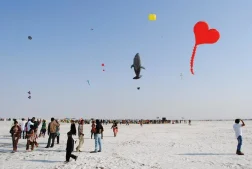
The colorful kite utsav in Gujarat (Credit_Kaushik Patel)

Holi – the famous festival of india

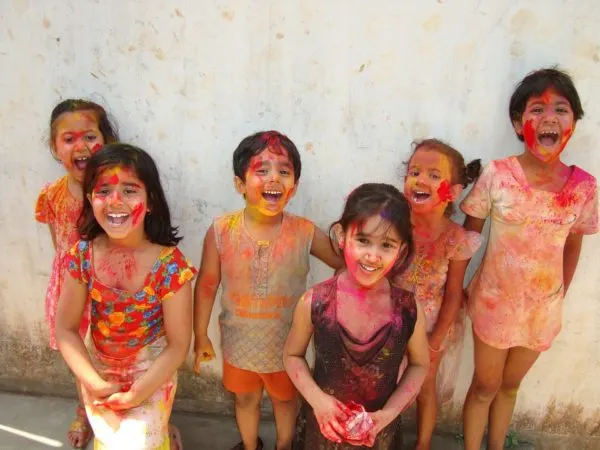
Possibly the most famous of festivals in India, Holi is all about having fun. We’d recommend finding a nice family-run homestay to celebrate with, as the crowd on the streets can get a bit rowdy. Fueled by the heady bhaang, a local concoction of milk and marijuana, people drop their responsibilities for a day. They look to bring a little colour into their lives, either by chasing each other around smearing powder on their faces or flat out dunking each other in buckets of coloured water. Water guns or pichkaris around, be prepared to have water balloons dropped on you by strangers as you pass innocently under their balconies. Any attempt at reproach will only earn you a shout of ‘bura na mano, holi hain’, that is, don’t get upset, it’s holi!

While the festivities often take a dark turn with several cases of molestation and driving under the influence filed each year, it’s important to also know the reasoning and religious significance behind it. The revelry is the second of a two-day celebration of the triumph of good over evil. According to Hindu legend, a young boy is saved by Lord Vishnu from his evil aunt’s murderous intent. This is celebrated by lighting bonfires, her weapon of choice, and dancing around them.

Festivals in India
Festival of colours – Holi! – Photo Credit – Shekharchopra85.

Diwali – the bright festival of india

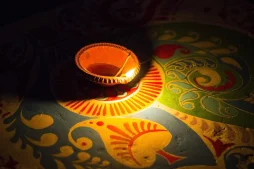
The most elegantly beautiful of them all, the festival in India known across the world, the festival of lights. Clay lamps, diyas, are set in doorways to welcome the goddess of wealth, Lakshmi. Patterns of coloured powder and flower petals form rangolis on every doorstep. Of course, with indrustrialisation there’s also been a huge influx of firecrackers and curtains of fairy lights hanging down the sides of buildings, but the more the prettier, right?

Since it’s also the start of the Hindu New Year, it’s an excuse to buy new clothes, gorge yourself on sweets and meet long-lost aunts and cousins at the annual family bash. If you don’t have a party to go to, the streets will serve just as well for you to listen to the lilting strains of bhajans (devotional songs) drifting out of windows. Remember that Diwali isn’t a festival that involves intoxication and be respectful of that. If you can find a family to adopt you for the week you get to dress to the nines and run around with sparklers for the night.

Varanasi is a beautiful place to understand the religious side of things. Set a diya afloat on the river as devotees take a dip on this auspicious night. Hymns and chanting fill the air as the entire river lights up in a sea of flickering flames drifting gently along its surface, a picture that will move you regardless of your religious leanings or lack thereof.

Festivals in India
Celebrating the festival of lights with sheer fervor

Janmashtami 

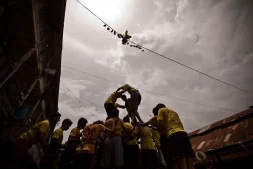
Yet another Hindu festival of India, this one’s a feat of athletic prowess, celebrating the birth of the cheekiest of gods, Lord Krishna. As a child, he was said to have let nothing stop him in his eternal quest to steal and devour freshly churned butter. Local housewives took to hanging their pots of butter from the ceiling, out of the way of the toddler’s greedy hands, but he quickly got a few friends to form a human pyramid under him and nicked the lot anyhow. Thus began the tradition of ‘Dahi Handi’, stinging up earthen pots of buttermilk to be brought down by teams of devotees forming pyramids often over six stories high to break the pot and win cash prizes offered by local leaders. The most thrilling of these scenes is to be witnessed in Mumbai, where local governing bodies have been forced to put a cap on the height of these pyramids for fear of their safety. Another great option is Udaipur, tried and tested by one of our travellers.

Festivals in India
The pyramid is made by climbing on top of the teammate

Onam

The staple representative of South India in these lists, Onam is also a harvest festival in India, namely the harvest of rice. It is the most famous of the festivals in Kerala. It also celebrates the annual return of the demon King Mahabali to his beloved land of Kerala. Legend tells that the king was so fair and just that the people lived in a golden age under his reign, prompting the jealous gods to trick him into the underworld and away from his people. His return is celebrated with great pomp and splendor, notably the Aranmula boat festival that sees vast crews race Snake Boats down the Pampa river to the sound of traditional songs. The thrill of the race is heightened by the coloured flags and umbrellas on the shore

The most exciting aspect of Onam is the fact that the oldest river boat fiesta in Kerala takes place during this festival. The Aranmula boat festival also involves Snake Boats, which are occupied by a group of people, each racing against others while some oarsmen indulge in singing traditional boat songs. Contact us to help you get there!


Kite Flying Festival In India

The kite festival in India falls on 14th or 15th January every year. It marks the arrival of spring and the transition of the sun into the Makara Rashi (the Capricorn zodiac sign), which is why the kite festival is called Makar Sankranti in some parts of India. In other parts, it is called Uttarayan festival, meaning “the northward journey of the sun”, which begins from this day.

It is also a festival where people come together in celebration and bury their hatchets, offering each other sweets in a joyous atmosphere. In this article, we tell you more about the significance of the kite flying festival in India, how and where it is celebrated, the international kite festival, and the precautions you need to take. Hit us up at India Someday to witness this spectacle in person.

Click here to understand what the weather is like in India in January.

Kite Flying Festival In India
Makar Sankranti is a festival that promotes friendship, family, and togetherness (Photo Credit – Andrea Kirkby)

Significance of the festival:

The significance of Makar Sankranti differs according to the region. Uttarayan festival is celebrated one day after Lohri, on the same day as Makar Sankranti. This harvest festival is dedicated to the worship of the Sun God Surya, who is said to be the source of life and energy. It also symbolizes the end of winter solstice, or Uttarayan, and the ascent of the sun. Makar Sankranti symbolizes the triumph of light over darkness.

One of the other kite festivals is Basant Panchami, which marks the beginning of spring before the harvest season. Basant Panchami is popular in the northern part of India, especially Punjab. It is celebrated for a week with colors and kite flying. 

Why do we fly kites on this day?

There are different records about the origin of kite flying in India.

According to Hindu religious beliefs, kites are flown into the skies as an alarm for the gods to awaken them from their deep slumber throughout winter. Kites are also said to serve as a Thanksgiving symbol to the gods in the skies above.

Some historical records suggest that kite flying was a popular activity among Mughal emperors and Muslim traders. Some say it was brought to Gujarat by Buddhist pilgrims from Tibet.

The kite flying tradition on Makar Sankranti also has scientific reasons behind it. Winters are cold and dry, and people are most prone to infections and illnesses during this time. Flying kites during the day exposes the body to the much-needed sun’s rays, which provide vitamin D to the body, boost the immune system, and prevent diseases. They are also believed to have healing and cleansing properties.

Additionally, flying kites involves physical activity, which keeps the body warm and improves blood circulation. It develops a sense of community, as everyone gathers together and shares tricks and stories while learning the sport of flying kites.

How is the kite festival celebrated in India?

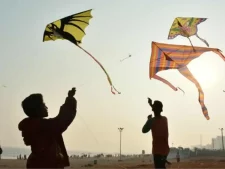
Imagine flying colourful kites with your friends and family from a rooftop under the morning sun during cold winters. This sport is an unbeatable experience, especially on this day.

This friendly kite-flying tradition soon turned into spirited kite-fighting competitions among friends and families, where kite flyers tried to cut their opponents’ kite strings so that their kite would be the only one in the sky, the undefeated winner. In Punjab, people engage in friendly kite-flying battles with each other. In Gujarat, there is an international kite flying competition every year, where people of all age groups from all over the world come and participate in this fun activity.

It is a tradition to offer tilgul laddoos to each other on this day. ‘Til’ means sesame and ‘gul’ means jaggery. Tilgul laddoos are round sweets made from sesame seeds and jaggery, two food items that are good for your body during winters. In Maharashtra, while offering these laddoos, Maharashtrian people say, “Til-gul ghya aani goad goad bola”, which means, “Have tilgul laddoos and speak sweet words”.

Some other winter specialties are undhiyu (one-pot vegetable casserole made with seasonal vegetables), chikkis, and til papdi (sesame seed brittle made with sesame seeds and sugar syrup).

Travel Wisdom: Essential Tips for US Tourists in India

Kite Flying Festival In India
There’s nothing like flying a kite from terraces and rooftops (Photo Credit – Penn-State)

Where and when is the kite festival celebrated in India?

Kite festivals are prominently celebrated in some parts of North India, Gujarat, Rajasthan, and some major cities of Maharashtra. Festivities take place on 14th or 15th January, but in a lot of places, celebrations start a week prior.

Jodhpur in Rajasthan is beautiful on its own, but it comes alive on Makar Sankranti. Witness a thousand colourful kites take over the morning skies as every rooftop is raided by enthusiastic kids and adults alike. Similarly, in Jaipur, Udaipur, and Jaisalmer, you will see beautiful kites flown in the air from rooftops.

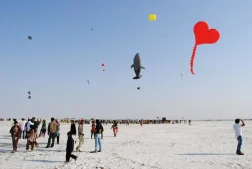
In Ahmedabad, Gujarat’s largest city, the 7th to 15th January is the International Kite Festival week. This is the most famous kite festival in India. People from all over the world come to Ahmedabad to compete in kite fighting. You can see the most unique kites soaring in the blue skies – giant banner kites, flying dragon kites, rokkaku fighter kites, wau balang kites, and more such innovative kites.

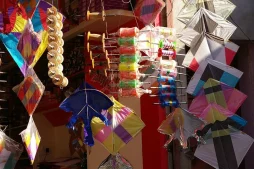
The Patang Bazaar (kite market) is open 24 hours a day during this week. Streets are filled with rows of stalls selling kites in this kite capital.

Kite flying starts at 5 am in the morning and goes on until midnight. You will see the sky filled with these beautiful kites in one of Gujarat’s biggest kite festivals.

Read on: Understanding Travel Costs in India

We definitely recommend being in North India for the Kite Flying Festival, you can browse through our two-week travel routes here.

Kite Flying Festival In India
The colourful kite utsav in Gujarat (Photo Credit – Kaushik Patel)

Precautions to take

The kite flying festival is also responsible for a lot of mishaps and accidents. Why? The strings (manja) used to fly the kites are often coated with ground glass or other abrasive substances in order to cut off other kites. These strings can cause serious cuts if you run through it quickly. So be very careful while handling kites or even just being around kites.

There are also people flying kites on the streets, and often, kites can plummet downwards. Always be aware of your surroundings.

Also, ensure that you don’t trip over or run through any strings that might come in your way.

Kite Flying Festival In India
The Kite Flying Festival has religious and cultural significance attached to it (Photo Credit – Siasat.com)

All in all, the celebration of Makar Sankranti in India is very prominent. It creates an environment across the country that brings out the child in everyone. If you intend to experience the kite festival in India, let us know. We will accommodate you in North India, preferably in a homestay. This way, you can feel like you belong as you partake in the festivities with an Indian family. Click on Plan Your Trip for your ideal itinerary.

9 Romantic Destinations for this Valentine’s Day

Valentine’s Day is the day of love and we know you’re all planning to ditch everything and run off to rekindle the flame. There’s no better way to focus on your partner than to travel to some of the most romantic places!

Whether it’s to embark on a journey of discovery or just crawl into a hotel with a view, room service and complete silence, it’s needed every once in a while. Celebrate love and travel to one of these romantic destinations in India that truly bring the words beauty, serenity and love into the air.

9 Romantic Destinations for this Valentine's Day
Romantic destinations in India (Photo Credit – Maciej Dakowicz)

The Old Faithfuls

There are little nooks and crannies in this passion fueled country that are worthwhile to visit. The weather dances to their lovely tune, flowers blossom on every street corner and the resorts and spas are in abundance. These are the romantic destinations in India that we think have perfected that fine art. Like finely aged wine, these are for soul mates that have also perfected their love.

Coorg

Lush and welcoming, Coorg, one of the best places to visit on valentine’s day in India, wraps you into its leafy bosom. It draws you in with the heady scent of coffee. Trek through the jungles and stock up on that scintillating fresh air.

Keep yourself going through the evenings of spa sessions. Don’t forget the candle-lit dinners that the resorts offer, leaving you a little light-headed with satisfaction! Go coffee tasting, bird watching or slip down a shaded by-lane. With hands entwined go for a little special journey of your own.

9 Romantic Destinations for this Valentine's Day
These luscious hills will surely set the mood for a holiday filled with romance (Photo Credit – pravin8)

Alleppey

When we think of a picturesque honeymoon, images of houseboats storm into our mind. Stow away into the peaceful lights of the backwaters at Allapuzha (Alleppey) and anchor in the middle of nowhere, a private island. Nap on the cushions in the sunny afternoons and let the gentle waves rock you to sleep in your beloved’s arms each night.

Scan the shore each morning for steaming appams and spicy chettinad food in the afternoon. End the day with an array of cultural performances from Kathakali to Kalaripayyatu.

Kerala is a beautiful state with so much to offer, check out some longer yet still romantic trails and routes one can do.

9 Romantic Destinations for this Valentine's Day
On that houseboat island of yours, the beauties of Alleppey will surely hit the spot (Photo Credit – yugantarora)

Havelock Island

In any romantic getaway, three characteristics are almost essential; the sun, the sand, and the sea. All undoubtedly found on Havelock Island, make it one among the perfect places to visit in India on valentine’s day, It’s a quick ferry ride away from Port Blair in the Andaman and Nicobar Islands.

Also, it’s as comfortable as the capital, but less crowded. Laze around in hammocks and wide-brimmed hats or flaunt your bikini bod in the waves. Regardless, you’re going home with a wicked tan and a stronger, deeper love in this idyllic destination. Chic bars along the beach will light up your table with a candle as you toast the many years to come with a smile.

For more incredible lesser known beaches, here’s another list for the beach fans looking for a nice seascape.

9 Romantic Destinations for this Valentine's Day
Relax with your partner in this sandy paradise (Photo Credit – Aravindan Ganesan)

The Blossoming Romance

For those relationships not quite fresh off the boat, but that know they have so much more to learn, we have the up-and-coming love market. Romantic destinations in India that are represented by little towns and villages that are slowly awakening to the joyous wonders of young romantic love and the rewards of nurturing such a gift. Furthermore, each of these destinations are rich in its respective culture, so there’s a lot more to discover while, in the meantime, you discover yourselves.

Cherrapunji

Holding the Guinness World Record for wettest place on earth, it’s thus beautifully cool and forested year round. Walk on bridges woven from hanging roots or picnic on grassy moors adorned with moss-covered rocks. Also, going by the name of Mawsynram, it’s another great stop for trekkers that think they can take on its endless hills.

Nevertheless, don’t worry about the exhaustion from all the lovely and romantic climbing, the locals will keep you well fueled on their delicious Pork Rice and Sohra Pulao and the sights will leave you more breathless than the hike.

9 Romantic Destinations for this Valentine's Day
Romantic waterfalls and hikes to explore in this luscious region of India (Photo Credit – Roman Korsch)

Mt. Abu

A rocky ride up from the station, Mt. Abu is a delight from start to finish. Stay in one of several ancient and beautiful homestays that overlook the city’s main serene lake. Take long walks between the boulder strewn mountains. Sneak into one of the gorgeous school campuses.

Take a hot air balloon ride. Go boating. Gorge on Dal Bati Churma and lassi. Then as the sun dips below the horizon and a little nip gathers in the air, run back home with your significant other and snuggle up with a colourful Rajasthani razai under a moonlit night sky.

9 Romantic Destinations for this Valentine's Day
Mount Abu and the city’s peaceful lake (Photo Credit – Selmer van Alten)

Kodaikanal

Only a couple of hours away from the tourist saturated Ooty, Kodaikanal is a sweet haven of charming colonial aesthetic, laburnum trees and quiet homeliness in the Nilgiris. Find a homestay or guesthouse tucked away in the cool heights of Kodaikanal and spend your days learning to make jam or exploring Tea Museums.

Go out onto the lake or up to the waterfalls, or even to the Solar Observatory for some real excitement and exploration. You can stock up on homemade chocolates and cheap sweater or just sit back, relax, and soak in the deliciously eucalyptus scented air, and enjoy the company of your loved one.

9 Romantic Destinations for this Valentine's Day
Hills view (Photo Credit – Sathish Kumar Periyasamy from Pixabay)

The Blushing Young Hopefuls

Just like our optimistic young lovers, these specific romantic destinations in India have had long and complex histories. But just like those young lovers, the doors are only opening for that intense ardour that only young love has. Hopeful and romantic, the two go hand in hand, and will make for great getaways.

Varkala

Varkala is a beach haven in a nondescript corner of the Kerala coast. It never truly changed to embrace the wave of British and Australian surfers that now throng its beaches. As a result you can both shack up at kitschy surfer hostels with pizza nights and décor straight out of Pinterest. You can still eat delicious local meals hosted in the very kitchens of locals. So toss away any worries about being ripped off by tourist-targeting touts.

Enjoy a soothing ayurvedic massage after a day’s hard surf. Then drive off to a quiet beach with a marvellous sunset surrounded by fresh fish. However, this duality means that the adorable shorts that your dorm mate cooed about earlier in the morning will not go down too well with the mostly religious tourists from elsewhere in India that come to visit the temple by the shore. Be respectful and let the city love you back.

9 Romantic Destinations for this Valentine's Day
Unleash your adventurous side and surf the waves (Photo Credit – Sofie)

Nashik

Next we look at probably the biggest city in this list. Nashik is a bustling little hub whose main tourist attraction is its temples. Not exactly promising, until you factor in the Sula Vineyards, India’s premier wine producing area.

Drowning in awards for its innovative recipes and locally sourced grapes, they’re open to tours and most excitingly, tasting sessions that make for a good base for a weekend trip.

Get tipsy with your partner on an informative and aesthetically rewarding evening and who knows the adventures you can lead to in this romantic mystery?

9 Romantic Destinations for this Valentine's Day
Grape stomping activity with your loved ones in Sula Vineyards (Photo Credit – ashoknshah54)

Gokarna

Quiet, sleepy, and sandy. Shack up in a villa or a thatched bamboo hut on the seafront and settle down to a laid-back weekend of beer and surf. The area is full of exquisite temples for those able to drag themselves away from the entrancing waves. Although, these temples probably won’t grant entry to non-Hindus. Typically amazing seaside food and chai stalls tie it all together into a holiday of carefree loving.

So go ahead and pick a spot, then contact us or plan your romantic getaway directly here, and we’d be happy to set up the perfect weekend for you!

9 Romantic Destinations for this Valentine's Day
Paradise Beach, Gokarna (Photo Credit – Darshan gajara, unsplash)

Six Bombay Bars for Six Kinds of Travellers

Six Bombay Bars for Six Kinds of Travellers
The perfect bars for every persuasion!

The Immersive Traveller: BOMBAY BRONX

In town for one night and desperate to dive right in? Head over to the Bronx, the self-proclaimed custodian of the Bombay vibe. Surround yourself with murals lifted directly off the streets, drinks inspired by roadside stalls and dabba-themed décor. Dashing young waiters bustle around in shirts emblazoned with the word “Boss”, the umbrella term for every male in the city from rickshaw driver to stockbroker. Don’t forget to try their Pani Puri Capriojka and Tang Master Gogo.

Six Bombay Bars for Six Kinds of Travellers
Bombay Bronx is one of the popular bars in Mumbai

The Glamper: OLIVE BAR AND KITCHEN

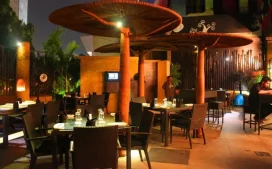
Like to travel in style? Are you in Mumbai to catch some of that Film City glitz? Olive’s right up your alley. A chic Mediterranean-style villa decked out in soothing white and candlelight, it’s the ideal place to lounge about in your favourite maxi, tuck into some delicious fine dining options and let the gentle sea breeze lift your hair and your spirits as you rub shoulders with Bombay’s who’s who on their famous Thank God it’s Thursday nights.

Six Bombay Bars for Six Kinds of Travellers
Olive Bar and Kitchen – Burrp

The Free Spirit: BONOBO

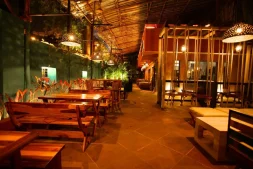
Another rooftop hotspot for the traveller who likes to turn the music up and let their hair down. Bonobo has a great after-work vibe with jungle-themed décor, flavoured tequilas, and a scrumptious Sloppy Joe Burger. Easy to locate, but away from the noise of the traffic, it’s a no-fuss venue that promises a good time, delivered by some of the nicest staff in the city. Perfect for someone on the lookout for some good vibrations.

Six Bombay Bars for Six Kinds of Travellers
Bonobo Rooftop Bar and Restaurant

The Homestay Addict: SCHUMANIA

For those that travel for a slice of life experience, you might miss out on a lot of the cheaper bars because they’re just a little too cheap to ensure safety or hygiene. But the family-run Schumania in the heart of IC Colony is a landmark in the hearts of the Borivali locals. Drink by the quarter in this neon-backlit restobar, with its laminate tables and plastic ashtrays, packed tight between broke college students and local uncles. Delicious seafood will go down well with the cheap whisky and a truly authentic evening.Six Bombay Bars for Six Kinds of Travellers

The High Flier: BAR STOCK EXCHANGE

Looking for a nice watering hole to while away the hours between meetings? Keep your business acumen raring to go at this amazingly brilliant concept bar, with outlets across the city. Alcohol prices rise and fall based on demand just like on the stock market. That means great prices at odd hours that skyrocket as the night wears on, but hey, at least you have fun paying them! Definitely try the Sakinaka Branch if you have the time.

Six Bombay Bars for Six Kinds of Travellers
(Photo Credit – Torbakhopper)

The Litterati: LEOPOLD CAFE AND BAR

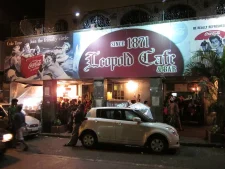
Did you prep for your trip with tomes by Rohinton Mistry and Suketu Mehta? Then where better to start than Shantaram’s own Leopold Café in South Bombay, the soul of the city’s literature. Settle down at the glass-topped tables for an afternoon pint or move upstairs and make it a pitcher, either way it’s a great chance to people-watch and see the city bustle by on its famously busy way. Look out for the tell-tale bullet holes in the walls from our tryst with terrorism to fully appreciate the spirit of the city that soldiers on.

Six Bombay Bars for Six Kinds of Travellers
The Leopold Cafe is a large and popular restaurant and bar on Colaba Causeway (Photo Credit – Shekar S)

If you’re still in the market for a drinking buddy, you know who to call! It’s us!

Emergency service helplines in India

Throwing yourself into a new country with new laws, new customs and new languages is a thrilling experience. But do remember that it carries a fair amount of risk as well. Disasters and crime can happen to be anything ranging from a flat tire to a theft. Each country has a different attitude toward each of these situations. In India, emergency services vary drastically in quality and response time across the urban-rural divide as well.

Here’s a couple of pointers to help you contact the right people when you need them. These will also help you understand how to communicate your problems effectively and efficiently.

Emergency service helplines in India
Consider buying small padlocks to lock your bags so that nothing can be stolen from them (Photo Credit – Markus Spiske)

BE PREPARED

  • Keep your consulate on speed dial, they’re always your safest option. They’ll understand where you’re coming from and your own cultural understanding of certain events such as gender rights or medical conditions
  • Carry medication you feel may be required at your destination
  • If you’re holidaying by the sea take glucose and insect repellent. And if you’re heading to tightly packed cities, carry a mask and inhaler
  • Always have the number of a good private hospital at your destination at hand. If you can find their dedicated ambulance number, that’s even better
  • In case of a criminal altercation be aware of your rights
  • Get a functional internet pack on your phone. I cannot stress enough the importance of internet connectivity in such situations. While India does have an emergency number system, you need to be able to access further options as well, depending on your situation. Most travellers tend to be dependent on the Wi-Fi at their hostels or hotels, but you need something full time.
Emergency service helplines in India
Always carry essential hygiene and medical care while travelling

Medical Emergencies

Even in big cities, private hospitals are almost always a safer bet in terms of available technology and quality of care. Ask at your hotel/ hostel for the number or dedicated ambulance service number of a good hospital nearby and save it.

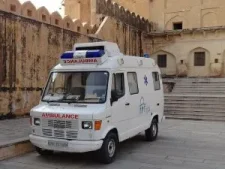
Often ambulances aren’t even worth waiting for since traffic congestion and our lack of respect for ambulance sirens. This means they don’t have any distinct advantage over regular transportation besides first aid. So if you’re in a tearing hurry, jump into the nearest cab or hail down a passing car. You’ll find strangers are often happy to help.

If none of these work for you, or you’re in an area with top-notch government services, dial 102 for an ambulance.

A lot of the time a medical emergency could be a lack of available medication at the right time. In this case, just do a quick internet search for the nearest 24-hour pharmacy. There are plenty of them, particularly in urban areas, and they’re well-stocked.

Emergency service helplines in India
Because of traffic congestion, the best bet may be not to wait for an ambulance but to jump in a taxi (Photo Credit – D Mak)

Criminal Emergencies

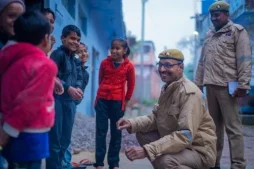
I do not wish to put my country down, which I love. But, for your own safety it’s best to know that except for a few pockets of super-urban areas, the local police can be quite unreliable. There is an emergency number 100, and we also have the blanket emergency number 108. But response times can vary from 7 minutes to an hour.

Since cops are spread pretty thin, due to a low cop to citizen ratio; it leads them to approach problems with a hardened cynicism. Until you can prove otherwise, all complaints are wearily dismissed as a waste of time. Your status as a foreign national can also affect the proceedings. Either you’re heaped with scorn for “coming to this country and then dumping all your problems on us”. At the opposite end, genuine care and concern twice that any local would receive, in deference to your foreign passport.

In case of theft, registering a complaint is smooth, the police are old hands at this. In case of a sexual crime, go straight to the hospital. Then call the police to make sure they are at the hospital to oversee the treatment and direct doctors on how to handle evidence to give you a strong case. Always keep your tone respectful with the police, they’ll appreciate it and it’ll be to your own benefit.

In more rural areas, be alert, because a casual accusation can often snowball into lynch mobs and kangaroo courts well before the police arrive.

Emergency service helplines in India
Police in India are usually dressed in khaki uniforms

GENERAL EMERGENCIES

  • Women and children, dial 1090 or 1091 regardless of the nature of your emergency. To report child abuse, it’s 1098 (do keep in mind though, that child-rearing practices here can be jarringly different from back home). A lot of practices that are perfectly acceptable in this country may seem strange or even barbaric to you
  • In the case of domestic abuse and sexual violence: 181
  • Suicide/crisis 24-hour helpline:  (044) 2754 6669
  • Anti-poison aid: 1066

Be safe!

Emergency service helplines in India
Female tourists should not venture out alone at night in an unsure area (Photo Credit – Yonatan Anugerah)

Indian Laws every foreign tourist should know

When it comes to Indian customs and laws, the rumour mills really get cranking. Would your hand be chopped off for stealing? No. Would you be arrested for a quick hug in the street? Unfortunately, yes.

Here’s a list of ground rules compiled for your benefit so you know exactly what’s coming. More importantly, familiarize yourself with the legal terms. Then you know when you’re really guilty and when you’re being harassed by corrupt authorities. As a foreigner, you’re likely to be the target of policemen or locals trying to take advantage of your ignorance, so it’s important to know your rights.

Wondering when is the best time to visit India, read here? 

Indian Laws every foreign tourist should know
Legal terms (Photo Credit – Fathromi Ramdlon)

Legal rights of Women

  • Only female officers can escort women to the police station. If there isn’t one, DON’T GO!
  • Not only do male officers have no right to escort a woman but she can also refuse to go to the police station between 18:00 hrs to 06:00 hrs. In case of a serious crime, a written permit from the magistrate is required for male officers to escort her.
  • Women can lodge complaints through emails at ncw@nic.in, our National Commission for Women.
  • Guidelines issued by the Delhi Police entitle women to the privilege of registering a complaint via email or even through post if she can’t go to the police station. Just do a quick internet search to get the contact details of your local police station.

Look at the different South India and North India travel routes.

Indian Laws every foreign tourist should know
Only female officers can escort women to the police station (Photo Credit – BodyWorn by Utility)

Public Protocol

PDA

A lot of the issues in Indian law stem from the fact that the vague wording of the Indian Penal Code gives the cops an unfair amount of wiggle room. While in the cities you might find rows of couples making out beneath skimpy scarves by the shoreline, more rural areas can tend to object to even holding hands or a peck on the cheek. On visiting new places always try to gauge the atmosphere first. If reprimanded by a police officer, be apologetic to the point of grovelling. Rudeness and high-handedness will get you nowhere. Nudity or going topless in public is never an option at any beach. Bikinis are best avoided on most beaches in South India, which is home to religious sites.

Public Nuisance

Section 268 defines this as ‘an illegal omission which causes any common injury, danger or annoyance to the public or to the people in general.’ Note the use of the term ‘annoyance’, again widely open for interpretation. Avoid disturbing residents with loud noises, public drunkenness or anything that could be construed as vandalism. Sexual harassment is punishable by law.

Recording

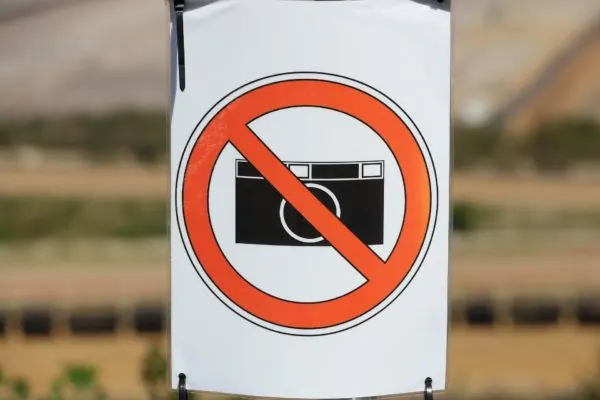
You obviously want a trove of videos and photographs to take home, and India provides a multitude of photo ops, but try and be a little careful in sensitive areas. Military and government zones, crowded airports and railway stations are always on high alert for security threats, you don’t want to be mistaken for one. Put away binoculars, if you’re carrying any.

Get insights on traveling to India from the US

Indian Laws every foreign tourist should know
Check for any sign that explicitly prohibits photography (Photo Credit: Herbert Aust)

Substance laws

Alcohol

The legal age for drinking as per the Indian Law is between 18 to 25 (this varies from state to state), so do some local research before you go. A distinction is usually made between mild liquor (beer and wine) and hard liquor (spirits). Avoid any local liquors not vetted by your hotel manager or tour guide, and again, no public drunkenness. If an election is nearing, alcohol may be banned for a couple of days prior, and days of local religious or political significance are also usually dry. Some states are dry year-round, or require a permit to buy, transport or consume alcohol. Carriage of alcohol between states is often illegal due to the varying alcohol laws, you may be stopped for a random check.

Drugs

Unequivocally illegal. Cigarettes and chewing tobacco are available on every street corner and don’t carry much social stigma. However, for anything else there will be legal consequences. Consequences such as a 6-month minimum sentence for possessing a small amount of drugs deemed for personal consumption, and a 10-year sentence for drug possession of anything sufficient for trafficking. Convicted offenders can expect fines and a minimum jail sentence of 10 years.

Beef

In 2015, several states declared a blanket ban on export, import, and sale of beef and beef products, a continuation of the prevention of cow slaughter laws. Deliberate killing or maiming of a cow can attract a five-year prison sentence, so be careful when you drive!

Contraband

Transport and possession of firearms, antiques, electronic equipment, local currency, ivory, gold objects, and pornographic materials are all regulated by the government. Non-residents cannot import or export the Indian rupee, while Indian citizens have limits. For more information, consult India’s Central Board of Excise and Customs. Antiques, specifically, must be registered with local police, along with a photograph of each item. Satellite phones are illegal.

Indian Laws every foreign tourist should know
Alcohol laws of India are different for different states (Photo Credit – Free Photos)

Identification

Carry your passport with you at all times; you will require it for all check-ins at hotels or airports. If you’re brave enough to drive in Indian traffic, make sure you have an international driving permit and a helmet for motorcyclists and passengers.

The Indian legal process is cumbersome and lengthy. Do your best to avoid any brush with the Indian law. Individuals arrested on a major offence can languish in jail for years before a verdict is reached. Indian ‘red-tape ‘ism can hamper your consulate’s attempts to help. Try not to forget that India still awards the death penalty for the ‘rarest of rare ’ cases. This is another excellent example of our tendency for vague wording. Always keep in mind your rights and defend your innocence, but courteously.

Read Further: Finding Joy in Things to do in India

Additional Resource: India’s Finest Luxury Hotels

Now that you know the legal dos and don’ts, what are you waiting for? Contact us, and we will be more than happy to plan that dream trip of yours.

Explore Further: Top 20 Destinations in Northern India

Let India Someday handle it and plan your best trip.

PLAN MY TRIP subtext