TALK WITH US +91-9970620335
WhatsApp

Our impressions as travellers of New Delhi City

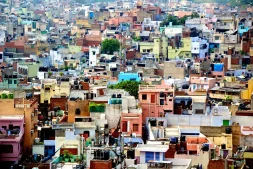
There are a lot of historical sights which you can visit in Delhi, but the most important impression for David and I was seeing the highly modern, western-oriented streets of New Delhi which lead to the overwhelming Indian maze of Old Delhi. We both agreed that the greatest fascination was the contrast between these two worlds in one city.

You can see so many sights, but if you have missed getting into that daily hectic and simultaneously relaxed street life, to watch the wide range of different people, habits, work and routine, you have missed Delhi. Especially Old Delhi was for us an oriental exploration. Seeing the beautiful mosques and temples surrounded by old markets was like something out of a fairytale. The only thing that I missed was the flying carpet, then my dream picture would be complete. Even when we struggled through a goat market, pushing through people screaming, the disgusting smell of urine, and a cycle-rickshaw driver who wouldn’t stop bothering us, I couldn’t help but stop to smile. Because that was finally an authentic, definitely not tourist-adjusted, side of India.
Our impressions as travellers of New Delhi City
Old Delhi from Jama Masjid minaret (Photo Credit – José Antonio Morcillo Valenciano)

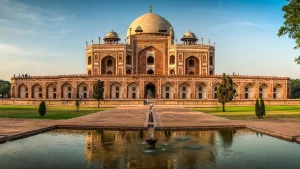
Humayun’s Tomb at Sunset

Another favourite attraction from our visit to Delhi was the famous Humayun’s tomb. Maybe the sunset was also a big factor that evening, but the beautiful building left a big impression in our minds. The tomb with the garden, the palms and the qawwali singing from the Hazrat Nizam-ud-din Dargah on every Thursday, combined to paint a magical picture.
Our impressions as travellers of New Delhi City
Humayun’s Tomb

Food and more at Dilli Haat

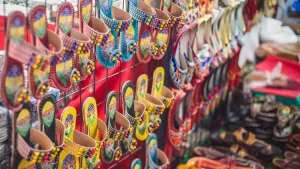
Dilli Haat is a market with a lot of nice products like jewellery, textiles, handicrafts and more. But the special thing is the big variety of food from different federal states of India. There you have the chance to taste a wide range of typical Indian food. So when you visit Dilli Haat bring hunger.
Our impressions as travellers of New Delhi City
Artifacts at Dilli Haat

Markets of Delhi

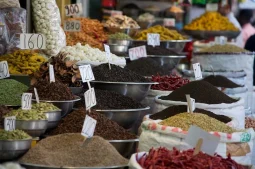
Unfortunately, we didn’t have so much time to see more markets, but what we saw was impressive. The markets, especially in Old Delhi, are very big, different and offer everything you can imagine. We visited a spice market called Khari Baoli. We were brought by a cycle-rickshaw to a shop called “Mehar Chand and Sons” (of course to get provisions, but it was okay for us.) It was indeed a very nice shop. There were masala spices already combined for a lot of famous Indian dishes and also exotic teas. The shopkeeper was very courteous and friendly. He knew a lot about the spices, their curative effects and how to prepare meals with each spice. He showed us some international stars (e.g. a lot of famous international cooking chefs) who had already visited this shop.

It’s also possible to get recipes for good meals by mail from them. The only minus point was that it’s for sure more expensive than other shops, but I don’t think that others have as good of quality.
Our impressions as travellers of New Delhi City
Khari Baoli spice market (Photo Credit – Jon Connell)

Exploring India Gate, Rajpath and Rashtrapati Bhavan

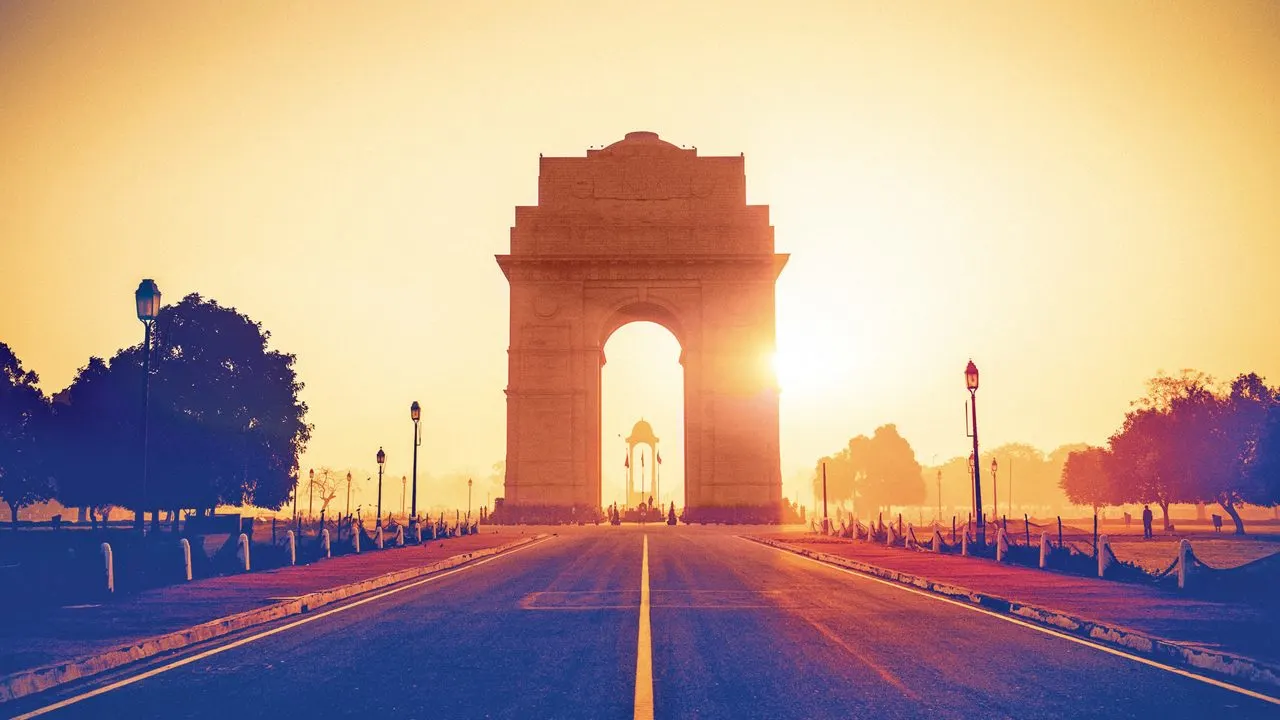
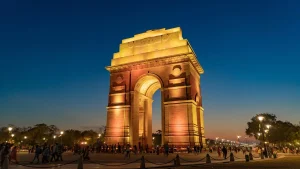
We didn’t expect a lot from this area. When we went out of the metro station the place was completely crowded. We saw in the middle of the mass the fully lit India Gate. The Gate itself wasn’t that exciting but it was a nice victory arc. The last British soldiers went through this arc after the independence of India in 1947. Nevertheless walking along the Rajpath at night, eating an ice-cream from one of many, many stands enjoying the night and the lights, was great. We finished the walk to the amazing Rashtrapati Bhavan where the secretariats and the president’s home made an excellent impression on us.
Our impressions as travellers of New Delhi City
India Gate

Restaurants we visited in Delhi

Amici, Hauz Khas Village

We spent the first night in the Hauz Khas Village in South Delhi. There was a big offering of bars and restaurants. We chose the Italian restaurant Amici because we wanted to eat pizza (it had been a while since our last). The menu looked really nice and there was even a real pizza oven. So the pizza was pretty good and like a real Italian one!

Dilli Haat – Momo Mia + Rajasthan Food Stall

In Dilli Haat, we tried Momos along with the aloo tikka, pav bhaji and the famous kulfi ice at the Rajasthan Food Stall. Absolutely everything was tasty and I believe it’s difficult to find something that’s not delicious at Dilli Haat.

Zen

We found the Zen Restaurant at Connaught Place. It’s a traditional Chinese restaurant but offers also Thai, Japanese and Italian dishes. The service is very good and obliging. The special feature about Zen was the offer “drink one get two”, so you just have to pay or one drink and the second is free. Furthermore, the Zen offers a wide range of cocktails, wines, liquors and some beer. I ordered Chengdu Chicken, which I highly recommend!

Karim’s

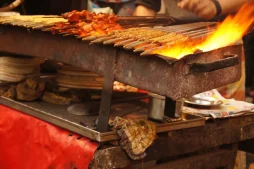
I’ve read a lot about Karim’s and his kebabs and I have to say… I was a little bit disappointed. We ordered a seekh kebab, a roll, some naan, dal and as a dessert kheer. Maybe our expectations were too high or our order wrong, but I can just say it was nice, not amazing.

Café Coffee Day

I can’t count anymore how often we visited the Café Coffee Day in India. Despite it being more expensive than other cafes, it’s often way better coffee than most. Moreover, you can find the chain store nearly everywhere. I, as a coffee addict, recommend that place (especially in the North and middle India.) The cakes, cookies and brownies with ice cream are delicious!
Our impressions as travellers of New Delhi City
Seekh Kebab at Old Delhi outside Jama Masjid (Photo Credit – Abhishek Srivastava)

Getting around Delhi

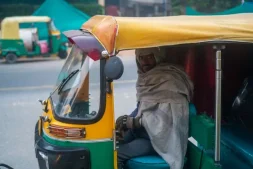
Choose the metro whenever you have the chance! The traffic in Delhi is insane. It took us longer to get from the Delhi airport to the hotel (normally 30 mins by car) than the flight from Mumbai! Next thing is: the motorcycle-rickshaw drivers are insane. There was only one time when we went in a rickshaw and the drive wasn’t crazy. All the others were terribly insecure – it was the first time I have been really scared in the whole 3 months I spent in India.

Furthermore, the metro is very secure. There are security checks every time you enter and there are also separate compartments for women. You don’t feel scared even when the announcement in the metro says: “Any unsuspected article could be a bomb.”
Our impressions as travellers of New Delhi City
Rickshaw drivers are known to be the most insane drivers in all of India (Photo Credit – Adam Waxman)

Our accommodation: Bed & Chai Guesthouse

Basically, Bed & Chai Guesthouse was very nice. It is situated in a nice area in South Delhi, the price is good for the service and the beds were clean. We were in a dormitory room with eight beds and even young staff slept here. I felt it was a little bit unsafe that the main door of the guesthouse was never locked but apart from that we had no issues.

The breakfast was included and was great! We got nice scrambled eggs, a fruit mix, a fruit juice, two slices of toast with jam and butter and at least we could choose between coffee and tea. The staff was nice but a little reserved. All in all a good accommodation!
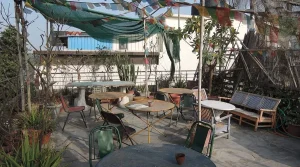
Terrace of Bed & Chai Guesthouse (Picture Credit: Tripadvisor)

Experiencing Diwali In India

Experiencing Diwali in India is an experience like no other! If we had to pick two festivals that you must definitely experience in India, it would have to be either the festival of colors Holi (March), or Diwali (October or November), known as the festival of lights. Both these festivals are a sight to behold.

Diwali takes place on different dates every year. It occurs in October or November. The Diwali dates in 2024 are from 28 October to 3 November.

So if you are travelling in India during Diwali, you have to experience the festival in the authentic way. In this blog, we will talk about experiencing Diwali in India and celebrating the festival of lights!

You can read these blogs to get an idea of what the weather in India is like in October and November.

Experiencing Diwali In India
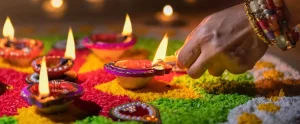
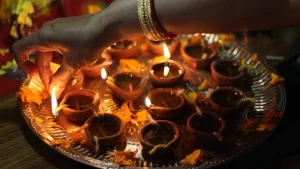
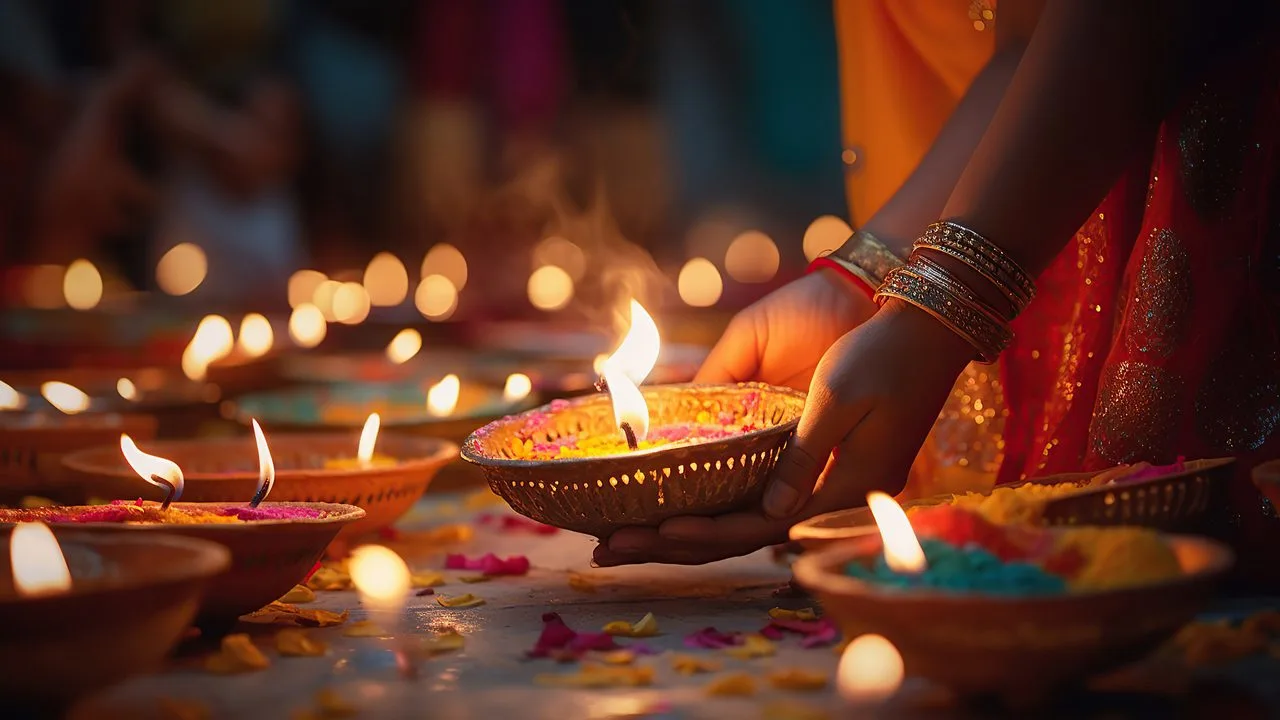
Diyas in Diwali (Photo Credit – Magik India)

Diwali in India- An Overview

The name Diwali comes from the Sanskrit word “deepawali”, which  means “rows of lights”.

Diwali in India is as important to Indians as Christmas is in the West. It is a five day festival, and India’s biggest holiday. Most Hindus observe Diwali, which occurs in October or November every year.

Common traditions during Diwali include cleaning and redecorating the house, buying new clothes, lighting diyas (lamps),  exchanging gifts, making and eating sweets together as a family, and bursting firecrackers at night. Friends and families gather together for this festival. Diwali is celebrated as a fresh start with the belief that good triumphs all evil.

As a traveller in India, if you are anywhere in North, Central, or Western India, you will feel the festive vibe in the air. This is a festival that brings all of India together, regardless of caste and religion. Indians are friendly, curious people, so don’t be surprised if you get invited to someone’s house to join in the celebrations.

If experiencing Diwali in India is on your wishlist (something we highly recommend), plan your trip with us now, so you can properly experience the grandeur of the festival of lights.

Experiencing Diwali In India
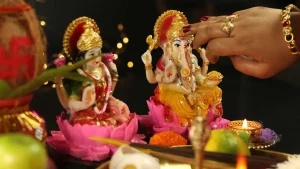
Partake in the Diwali Puja, and see if you can spot the Elephant God Ganpati (Photo Credit – HerZindagi)

Why is Diwali celebrated?

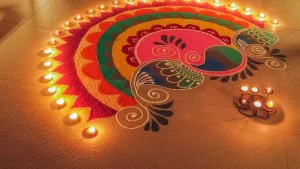
Diwali marks the beginning of a new year in the Hindu calendar in India. It symbolises the victory of light over darkness, good over evil, and hope over despair. Hindus light up their homes with lanterns and oil lamps, and make colorful rangolis (mandalas made using colored powder). This is why, Diwali is known as the festival of lights. To show gratitude to God, all material assets, such as cars, offices, jewellery are worshipped in Diwali.

Diwali is predominantly a Hindu festival, but non-Hindu communities celebrate Diwali with equal gusto. It has an important place in Sikhism and Jainism as well. Even some Buddhists observe Diwali.

There are many legends about the origin of Diwali. The stories vary depending on the region, but the underlying theme is the same – the victory of light over darkness, and good over evil.

Diwali celebrates King Rama’s return to Ayodhya. According to the Hindu epic Ramayana, Lord Rama, his wife Sita, and his brother Lakshman defeated the evil king Ravana and returned to Ayodhya after 14 years of exile.

In another legend, the festival marks the time when Lord Vishnu rescued Goddess Lakshmi, the goddess of wealth and good fortune, from the demon King Bali who had imprisoned her. On this day, Lord Vishnu ordered King Bali to be banished to rule the netherworld.

In Sikhism, Diwali has historical significance. On this day, the sixth Sikh Guru, Guru Hargobind ji, along with 52 other Hindu kings, was released from captivity by the Mughal Emperor Jahangir.

In Jainism, it was during Diwali that Mahavira’s soul attained Nirvana. He was the twenty-fourth and the last Jain Tirthankara of the present cosmic age.

In Gujarat and some Northern communities in India, Diwali signifies the beginning of the new year.

In some parts of India, especially in the east, the hindu Goddess Kali is worshipped on Diwali. It is believed that Goddess Kali appeared with 64,000 Yoginis to kill wicked demons on Diwali. Kali Puja takes place a day after Diwali.

In South India, Lord Krishna is worshipped on Diwali. According to legends, Diwali marks the day when Lord Krishna defeated the demon Narakasur.

Experiencing Diwali In India
Clay lamps or diyas are lit to illuminate homes during the festival of Diwali (Photo Credit – Britannica)

When and where is Diwali celebrated?

Diwali is celebrated on the day of the full moon around the end of October and the beginning of November. It is a five day festival, with different significance of each day. The third day of Diwali is the main day and the most important.

Most regions across India celebrate Diwali. Diwali celebration in North and Central India is very different compared to the festivities in Southern India. Depending on the state, the religious significance also differs.

Celebrations in most of India take place with great fervour – colours, row of lights, chaos, fireworks, loud gatherings, and noise. However, in Southern India, celebrations are quite subtle even though the traditions are similar.

So if you want to experience Diwali in the true sense, you need to be in the western, central or northern India during this time.

Check out our route suggestions for North India to find out how to plan your trip around the festival.

Experiencing Diwali In India
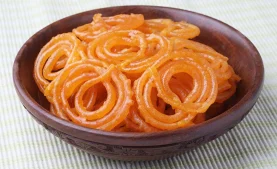
Make sure you eat Jalebi, which is a famous deep fried Diwali sweet


How is Diwali celebrated?

Diwali is a five-day celebration in India, and each day has a special significance.

The celebrations start with Dhanteras on the first day. On this auspicious day, Indians clean and decorate their houses and prepare for the festival. Many people purchase gold items on this day, as it is considered auspicious. People of Hindu faith also honor Goddess Lakshmi, the goddess of wealth and good fortune.

The second day is Narak Chaturdashi, or Choti Diwali. People celebrate by waking up early in the morning, lighting up their house with oil lamps and bursting crackers. They also draw rangolis outside their house.

The third day of Diwali is Lakshmi Puja. This is the main day of the festival of lights. Hindus ask for blessings from Goddess Lakshmi on this day. You will find lighted lamps, rangolis, and firecrackers outside most homes on this day.

The fourth day of Diwali is Padwa or Goverdhan Puja. This day honours the environment and nature. This is considered to be the start of a new year. People visit friends and family on this day and exchange gifts. They also have lavish meals together.

Bhai Dooj is the fifth day of Diwali. It celebrates the special bond between siblings. Brothers visit their sisters’ homes on this day, bringing gifts. In turn, sisters prepare a feast for the brothers and give them gifts as well.

We recommend experiencing all 5 days of Diwali during your trip.

Experiencing Diwali In India
Beautiful combinations of diyas and flowers adorn houses (Photo Credit: PHOOL)

What are the best places to celebrate Diwali in India?

If you’re travelling to India during Diwali, we will always accommodate you in North India during the festivities. A homestay can be a great experience to celebrate Diwali with a family, but they get booked in advance. Some homestays only prefer to host friends and family. But do not worry, hotels have Diwali celebration too – you cannot escape the Diwali spirit, irrespective of where you stay.

In terms of destinations, any place in Rajasthan is great for Diwali. You will see lots of festivities and firecrackers in bigger cities like Mumbai and New Delhi. Towns like Agra, Orchha and Khajuraho located in the state of Uttar Pradesh and Madhya Pradesh are great for Diwali.

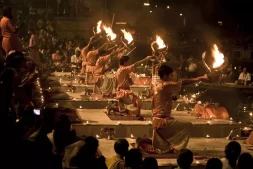
You can go to Varanasi and watch the amazing aarti and the mesmerising fireworks by the Ganges River. Varanasi also celebrates the festival of Dev Deepawali – the Diwali of the Lords. This celebration takes place 15 days after Diwali. It is believed that the Lords come down to Earth to take a dip in the holy waters of Ganga and all the 84 ghats are lit with clay lamps for their welcome. This is a sight worth witnessing as along with celebrations, multiple rituals take place as well.

Jaipur markets are completely lit up and are an absolute visual delight during Diwali. Goa has a special tradition of burning effigies of the demon Narakasura. Though Amritsar has a majority Sikh population, it is worth witnessing the celebrations at the Golden Temple. It doesn’t necessarily matter where in Northern India you celebrate Diwali, just make sure to not travel on the day of Diwali to really experience the Diwali festival to the fullest. Get in touch with us for recommendations for accommodation to experience this festival of lights at its best.

Experiencing Diwali In India
Diwali celebrations in Varanasi are a breathtaking sight to witness (Photo Credit: Times of India)

Safety TIPS FOR EXPERIENCING DIWALI IN INDIA

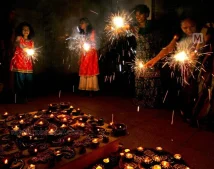
Diyas and firecrackers are everywhere during the Diwali festival, so be careful with your clothes catching fire (especially girls wearing ‘dupattas’ or ‘Indian scarves’). If your ears are sensitive, we suggest taking earplugs as some firecrackers are extremely loud and can sound more like explosions. There can also be a lot of smoke in the air, compromising the air quality of the region. Don’t keep your face too close when lighting fireworks and rush to a safe distance once lit. We highly recommended that you constantly supervise children to avoid any accidents.

Burning of firecrackers during the festival can lead to air pollution especially in big cities like Delhi. In order to steer clear of any infection, it is best that you wear a mask to avoid inhaling this air. Celebrating Diwali in India in smaller cities like Rishikesh and varanasi guarantees an authentic cultural experience. Smaller towns continue to celebrate Diwali in accordance with ancient traditions. The ideal way to understand the rich history and culture of India, we highly recommend celebrating this festival in such towns.

If you have a respiratory condition, please let us know in advance so we can make sure you avoid cities with very high levels of air pollution.

Experiencing Diwali In India
Firecrackers are fun, as long as you maintain safety (Photo Credit – Mathrubhumi English)

Travelling in India during Diwali

If you are travelling to India during Diwali, the festival of lights, make sure to book all your inter-city commutes and accommodations well in advance – train tickets, hotel bookings, and guides become harder and more expensive to book as the festival approaches. Most people make a booking well in advance for accommodation in major tourist cities. However, the most difficult thing to procure is train tickets, as people travel all over India to visit their loved ones.

Experiencing Diwali In India
Travel with India Someday to truly experience Diwali in the best way possible

For more information, visit our blog post on the must-experience festivals in India. Alternatively, feel free to contact us for more information about experiencing the festival of lights. If the dates that suit your convenience are nowhere close to this festival, get in touch with us. We’ll help you plan a trip that allows you to experience other popular festivals while still experiencing the vibrant culture of this subcontinent.


Flying in India

Flying in India is often seen as the most effective way to travel. India is generally a largely inexpensive travel destination. Most of the large cities and metros are well connected by airways.

Taking a flight is certainly one of the most convenient and comfortable ways to travel within India. Jet Airways and Air India are the main and long-standing airlines. Other budget airlines include IndiGo, SpiceJet, and GoAir.

Flying in India
SpiceJet is one of the most common domestic flights in India

How much does flying in India cost?

Planning in advance is key. If you book at least 4 to 5 months or more before your travel dates. You can get flights for as low as USD 44 (EUR 32).

The longer and further your destination is, the more expensive it is. Tickets for high-demand flights, such as Delhi-Mumbai will also be higher in price, especially in peak tourist seasons. We recommend booking flight tickets in advance in order to get the cheapest fares.

You can find great deals on domestic flight tickets on online booking websites such as Make My Trip,  Cleartrip,  Yatra, etc. You can also book tickets over the phone or through an agent rather than making booking at the airport itself.

Travel agents usually know where to get the best deals in terms of routes and fares. That’s why it’s usually advisable to go through a reliable agent.

Explore Further: Delving into the Budgeting for Travel in India

Flying in India
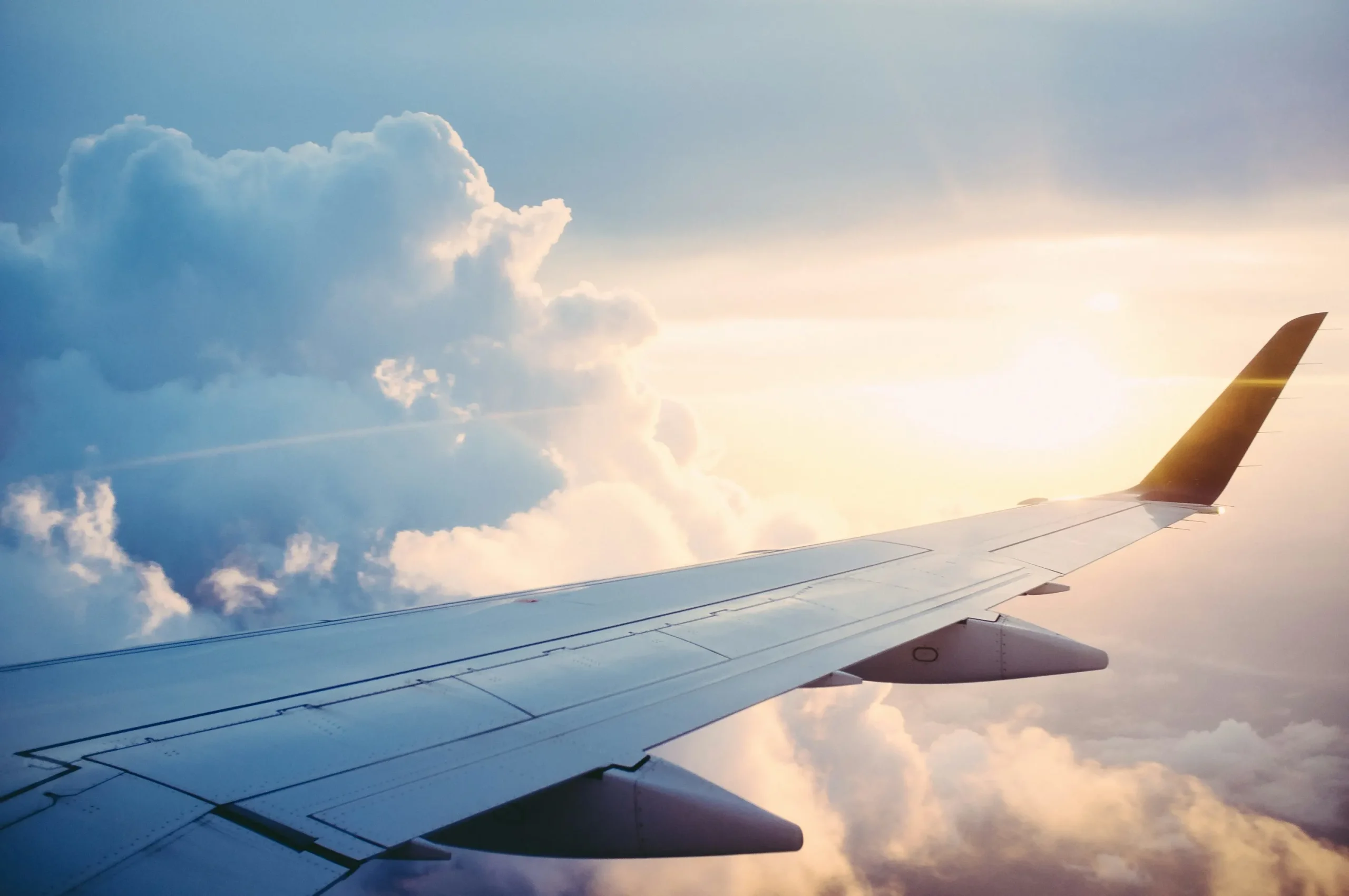
(Photo Credit: Pixabay)

Can I fly to every city on my itinerary?

India is so large that it would be extremely time-consuming and complicated to travel around it without a flight or two. However, the airline connectivity in India is not as good as the railway connectivity.

You will find that not all towns of tourist interest are connected by direct flights. Further, flying is not the most sustainable way to travel, so we suggest opting for other modes of transport where possible.

For example, if you are touring the famous Golden Triangle (i.e  Delhi, Agra and Jaipur) you cannot fly between these cities. The best alternative here is to fly into Delhi then rent a car (with a driver). Or take a train to Agra and the same from Agra to Jaipur.

Jaipur has an airport and regular flights to Delhi. So if your trip ends in Jaipur, you can fly back to Delhi. But if you are travelling within Rajasthan, say Pushkar or Jodhpur (which does have an airport), a train or car is the only alternative.

Similarly in the South too, you can fly into Kochi or Trivandrum but for travel within Kerala, you cannot.

Flying in India is certainly time-effective. SpiceJet and Air India have recently introduced daily flights between Delhi and Dharamshala. So the 12-hour train journey from Delhi to Pathankot, plus a 3-hour drive from Pathankot to Dharamshala is now shortened to a 1 hour flight.

However, the overnight train is still a very economic alternative and the 3-hour drive is an extremely scenic ride into Dharamshala. You can now fly direct from Varanasi to Agra. Air India is the only airline, however, they do not fly daily. Check for the days they fly when planning your itinerary.

Flying in India
Jet Airways (Photo Credit – Daniel Eledut)

How early do I need to be at the airport, and what is my luggage allowance?

Effective April 2014, the check-in counters for domestic flights close 45 minutes prior to the time of departure on your ticket.  It is advisable to reach at least 75-90 minutes before to ensure a hassle-free check-in.

Hand luggage is X-rayed and stamped before check-in. All cabin baggage must have a baggage tag as to get you through security check. There are specific security requirements for flights to politically/socially sensitive areas as Kashmir, Ladakh etc. They may disallow cabin luggage and confiscate batteries in electronics. Baggage identification on tarmac may be expected of you before loading.

You can also web check-in for your flight. Web check-in is allowed 24 hrs prior to departure. You need to log on to the airline website, pull out your reservation, and follow the steps as directed.

You can select your seats here and at the end, save a copy of the boarding pass and carry a printout along, or simply save a copy on your phone if the airline allows it. If you have already checked-in online, you can reach the airport 60 mins prior to your flight departure.

The allowance for check-in baggage is 15 kgs for economy class passengers and 30 kgs for those flying business class on standard domestic carriers.

For cabin baggage, as per regulations by the Government, currently, only one piece of cabin baggage per adult/child passenger is permitted onboard. The weight of the cabin baggage should not exceed 7 kgs. Passengers are permitted to carry one laptop over and above one piece of hand luggage as cabin baggage.

If your check-in baggage exceeds 15 kgs, you are charged INR 250 per additional kg which is to be paid directly at the airport.

Flying in India
Passengers on board (Photo Credit – Orna Wachman)

Can you help with information on cancellation and refunds?

The cancellation and refund process is now quite easy and hassle-free. You can cancel online directly or via phone. It takes about 3 to 5 working days for the amount to get credited in your account.

The cancellation or date change charges are between INR 1,500-1,800 per person per flight depending on the airline and if booked through Make My Trip or Cleartrip, they charge an additional INR 250 per person.

Be aware, however, that airlines may cancel their flights if there have not been enough bookings on it to cover their costs. This is more likely during off-season months. If this happens, they will be required to give passengers a full refund. Where available they will offer you seats on an alternative flight. Sometimes, where this is not an option, it is ideal to take a refund and make an alternative booking.

If this happens on your trip, feel free to contact us and we can help you in any way that we can. Alternatively, let us know any questions you may have about flying in India – we’ll be happy to help.

(Photo Credit: Pixabay)

Pushkar Camel Fair Rajasthan

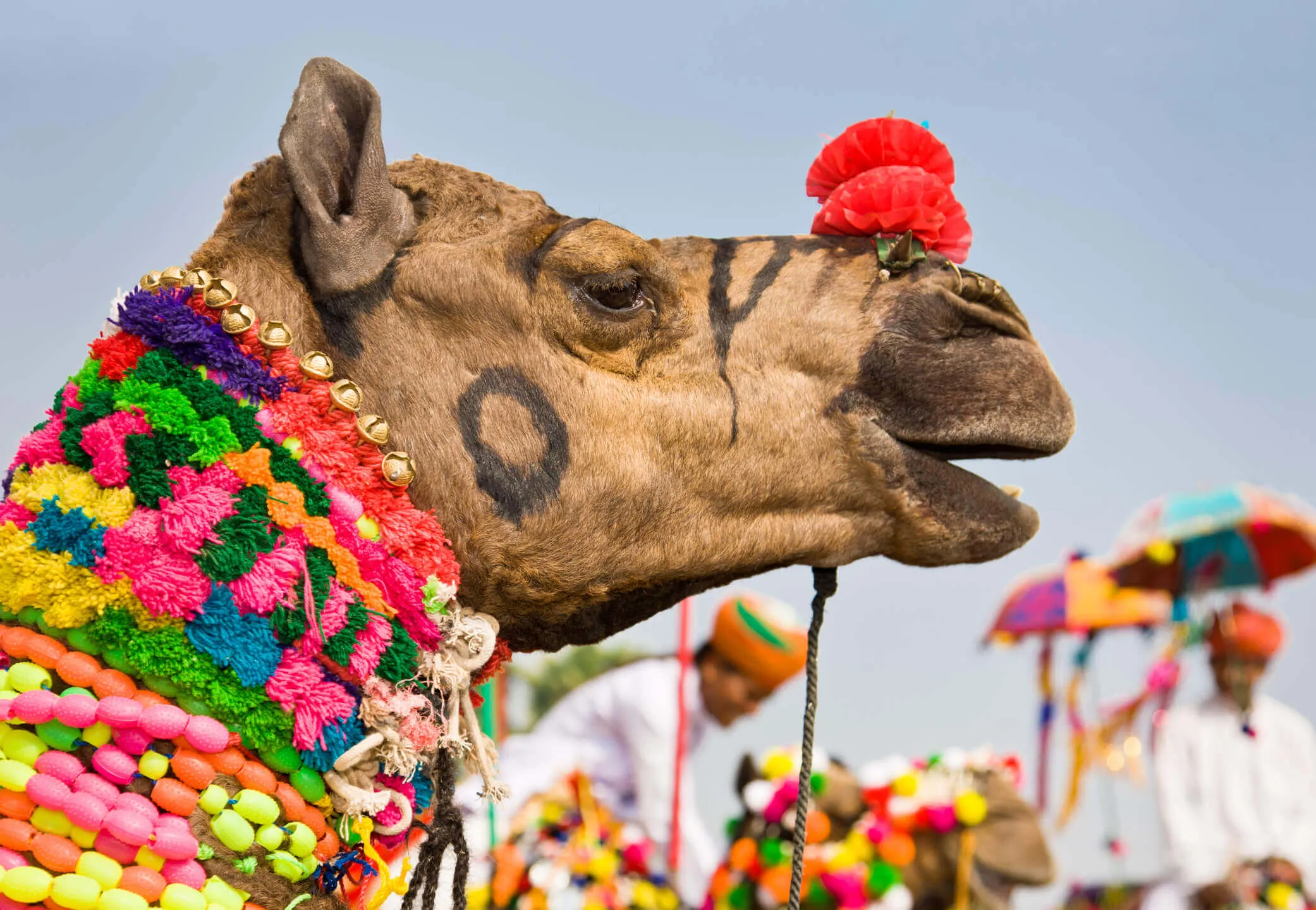
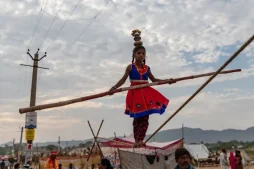
The Pushkar Camel Fair Rajasthan sees around fifty thousand odd camels; quite a unique character. It’s extremely colourful, with a whole lot of activities happening. For example, folk performances, camel races, dances, great food and art and photography.

The Pushkar Camel Fair began as a local Therade fair for camel and other cattle owners. It takes place every year at the time of Kartik Purnima (the full moon in the month of Kartika in the Hindu Lunar calendar), and over the years, it has become an attraction for travellers.

Camel trading, coupled with a bunch of religious rituals is still the premise of the whole affair, and the trading is what draws most tourists. The later part becomes a pilgrimage and ‘a must’ is taking a dip in the holy Pushkar lake.

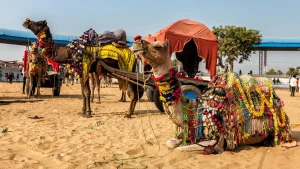
Villagers gather with their camels and other livestock at Pushkar Camel Fair (Photo Credits)

Pushkar Camel Fair Rajasthan
Decorated Camel Cart

When and where is it held?

The fair is always held in Pushkar, near Ajmer in Rajasthan. It usually falls in November, depending on the Hindu calendar. In 2020, it will start on Sunday 22nd November.

Pushkar Camel Fair Rajasthan
Looking at planning a trip to India around the Pushkar Camel Fair? Contact us! – (Photo Credit – Travel Rajasthan)

Getting to Pushkar

Ajmer is the nearest railway station to Pushkar, with trains coming from all the major cities in the country. Alternatively, Ajmer is about 30 minutes drive away from Pushkar and there are other means of transport available, for example, buses. You can even take an auto-rickshaw, but all the best getting the rickshaw driver to take you by the meter. Either way, you should only be paying him INR 100. If you’re flying down. Jaipur is the closest airport and the drive to Pushkar is about 2.5 hours. Taxi fares will be super expensive (25-45 GBP) during the Camel Fair.

Pushkar Camel Fair Rajasthan
A local family watches the opening ceremony of the Pushkar Fair at the camel grounds (Photo Credit – Jason Rufus)

How is the Pushkar Camel Fair celebrated?

The first thing you’ll notice when you get here is … camels! They’re everywhere. They are all dressed up and being paraded for sale, you will almost miss the two odd lakh people that are in the area at the same time. Camel traders, pilgrims and tourists are all there to play their parts in this old school but still going strong, colourful carnival.

There are camel races, temple dancing, snake charmers, folk singers, classical musicians, acrobats, an art and craft bazaar, camel dances and traders, and carousel rides.

There are another set of pious people you’ll find here who have come for the purpose of pilgrimage. They bathe in holy lake waters of to wash their sins. Pushkar is considered the only holy land for worshipping Lord Brahma – the creator of the universe and the lake is said to have formed where he dropped a flower. After all the hoopla with the camels is over, full moon and two days around it are dedicated by pilgrims to bathing in the lake. It is said the special blessings are bestowed upon those who take a tip in the Pushkar Lake on full moon day.

Pushkar Camel Fair Rajasthan
Performers come from semi-nomadic communities (Photo Credit – Ninara)

Best ways to experience the Pushkar Camel Fair while travelling in India?

If you are willing to spend, you might want to go up in a hot air balloon and get an aerial view of the scene. Go on one of those special Pushkar Fair walking tours (they run in the morning-evening). The morning walk is best to see pilgrims bathing in the lake and have a first-hand experience of rituals being performed. While the evening is the best time to witness the ground where the bustling fair is held at its best.

Pushkar Camel Fair Rajasthan
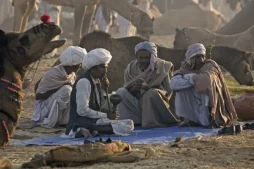
Men with turbans and Hookah (Photo Credit – Koshy Koshy)

Precautions for the Pushkar Camel Fair in India?

Pushkar is full to the brim with visitors during the fair, and accommodation prices skyrocket while rooms run out very fast. That’s why it’s better to arrive a few days before and get a good, cheap deal to make your bookings. You can choose to stay anywhere between a home/farmstay, a guest house, a desert tent or a swanky heritage hotel in Pushkar.

Pushkar is a bit infamous for its drug scene and you know how sometimes, things can go out of hand at such places during festivals. Thus, it’s best to stay on your guard. Don’t get duped by local pundits (priests) and other greedy people who are looking to make a buck off tourists. It gets very crowded during the fair and you’re basically in a desert, so stay hydrated, cover your head and face to avoid the sand troubling you, dress relatively conservative so you don’t get the wrong kind of attention (it’s Rajasthan you’re in, not Goa).

Visiting India during November? Here is what you need to know regarding the weather and other best places to visit during this time.

Pushkar Camel Fair Rajasthan
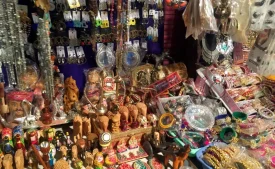
Shopping during the Pushkar Camel Fair (Photo Credit – Rajasthan Tour Planner)

Contact us to plan your trip to India around Pushkar Camel Fair.

Related: Must Visit Places in Rajasthan

Four travel routes for Kerala

Kerala is a popular travel destination one can easily spend 7 to 10 days in. We always recommend ending your trip in Kerala, which is utterly stunning in its breath-taking beauty. Relax on stunning beaches, take part in local festivals, and explore the hidden gems of this tropical state. This guide will help you plan the perfect travel routes for Kerala.

Four travel routes for Kerala
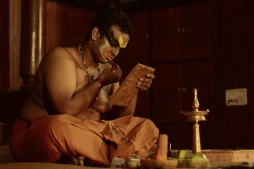
Makeup on the Kathakali dancer in Kerala (Picture Credit: Pixabay)

Route 1: Essence of Kerala (7-8 days)

Kochi-Munnar-Thekkady-Alleppey/Kumarakom (route on GoogleMaps)

This is the most preferred of the travel routes for Kerala as you get to experience a wide variety of what the area has to offer. The area is rich with European heritage combined with local Indian delights, particularly in Kochi.

You must visit the vast green tea plantations of Munnar, go hiking along the dense forest of Thekkady, and relax and enjoy the sunset on a canoe along the backwaters in Alleppey or Kumarakom.

On average, it will take you 3.5 hours’ drive between towns, without traffic. If you would prefer a slower-paced trip, choose between Munnar and Thekkady and spend a day more in each town.

Discover More: Perfect Time to Visit Kerala

Four travel routes for Kerala
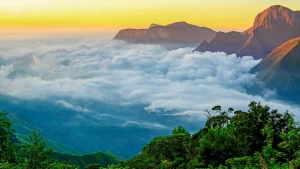
Scenic mountains of Munnar

Here is a list of suggested things to do in these regions.

Route 2: Beaches of Kerala (10-12 days)

Marari, Varkala and Kovalam (route on GoogleMaps)

For a relaxing stay plan a trip to Kerala and have the perfect end to a holiday: unwinding on a beach! Start in Kochi, then travel to Munnar (or Thekkady), followed by Alleppey, and finish on a relaxing beach.

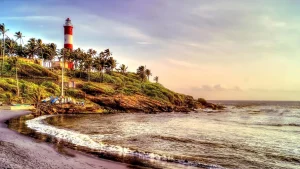
Marari is the closest beach to Alleppey (approximately a 45-minutes drive). Compared to Varkala and Kovalam beaches, Marari has an untouched splendour. There are only a couple of luxury boutique properties so planning in advance is important, especially if travelling during the holiday season.

You can take a train to Varkala from Alleppey. Varkala and Kovalam are famous for their ayurveda resorts that offer traditional Hindu healing treatments. This helps balance the bodily systems by working on breathing exercises and using herbal remedies. Many spend more than a week or two at these resorts for various ayurvedic and rejuvenation sessions.

Discover More: Investigate the Ideal Season for Indian Travel

Four travel routes for Kerala
Plan a trip to Kerala and witness blissful beaches such as this one

Route 3: Offbeat Allure

Wayanad, Kannur, Athirapilly (route on GoogleMaps)

Plan a trip to Kerala to visit offbeat alluring areas, unlike any others. Visit Wayanad, Kannur and Athirapilly if you are interested in the lesser-known gems of Kerala. They lie on the northernmost end of Kerala.

The tropical setting of Wayanad is a perfect getaway, especially for honeymooners. Stay at the peaceful Vythiri Resort and wake up to the sound of the gushing waters and splendid views outside your villa.

Kannur is a much less explored town, known as ‘The Land of Looms and Lore’ because of its high-quality production and export of handloom fabrics. Explore the natural beaches, backwaters, hill stations, and historical monuments it has to offer.

If starting your trip in Mumbai or Delhi, fly into Calicut and drive to Wayanad or Kannur. From either of these towns, you can take a train to Kochi.

Athirapilly is a 1.5 hours drive from Kochi. Take a day trip or spend a night visiting the Athirapilly Falls, ‘the Niagara of India’. The area is home to a host of wild animals and birds.

Read on: Immerse in Things to do in India

Four travel routes for Kerala
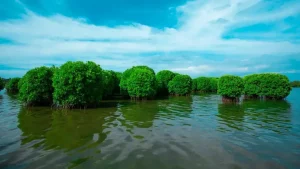
The Kavvayi Backwaters will steal your breath away

Route 4: Kerala during Festivals

One way to plan an exciting travel route for Kerala is to focus on what festivals are taking place. Kerala has a number of temples and elephant festivals, Thrissur Pooram being the grandest of them all. There are celebrations between April and May each year in Thrissur (about 80 kms from Kochi). This is a seven-day affair.

Onam is another important festival that celebrates the harvest between August and September. The procession in Trivandrum is a visual delight. There are as many as 3000 artists, 75 floats and 68 art forms on display.

Theyyam is a folk art celebrated in Kannur. It is a ritualistic, ancient form of worship still celebrated with the same fervour. The festival is held from October to May each year. Read this blog to know more about the weather and festivals in Kerala. The riot of colours, the music, dance and devotion is worth witnessing.

If you wish to plan your trip in Kerala around a particular festival, stay at a homestay with a local family instead of a hotel. You get to experience the fun firsthand and be part of all the festivities. 

In case you are unsure about adding Kerala be on your travel list, read this blog to know why. You can get in touch with our travel experts who will assist you with planning your own personalized trip to India.  


Travel to North East India

Northeast India is one of the most remote regions in India. It’s untouched by the overbearing tourism industry, which makes it an incredible place to visit. It consists of seven states; Assam, Arunachal Pradesh, Manipur, Meghalaya, Mizoram, Nagaland and Tripura. If you planning to travel to North East India expect to find  one of the largest and irreplaceable biodiversity hotspots in the world, with more than 60% of the area under forest cover. Although the cultures are often dismissively grouped together, they’re incredibly diverse and worth discovering.

If you’d like to plan a trip in one of these states or in any other place in India, let us know and we can help you out.

Travel to North East India
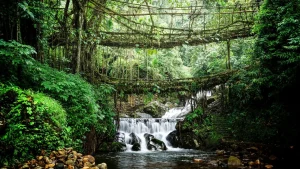
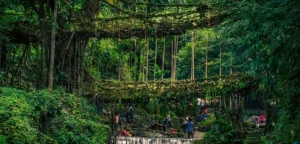
In many paths of these states, you’ll find root bridges like this one in Meghalaya, making trekking so much fun

How to get around in North East India?

A remote and hilly area, the infrastructure is not well developed. With the exception of Assam, where they have 4 lane cement highways, roads can be pretty bad. In Arunachal and Nagaland, roads are winding and poorly maintained, with a top speed of 30 km/h. This makes journeys between places long and arduous. Nevertheless, the views are spectacular and will keep you spellbound for the entirety of your trip.

Travel to North East India
Magnificent view en route to Zero Point, Sikkim (Photo Credit: Tripoto)

How’s Accommodation in North East India?

Accommodation is fairly basic in the majority of the region. Hotels often do not have geysers or showers so buckets with hot water could be provided. Also, some places won’t have Western-style toilets so prepare yourself to squat. Assam, Sikkim and Gangtok do have some extremely comfortable housing for travellers. A growing interest in visiting these endangered and beautiful areas will only bring newer options for tourists venturing there.

Checkout our Guide on India’s Most Luxurious Hotels!

Travel to North East India
The beautiful green grass and mountain in Sangti Valley at Arunachal Pradesh (Photo Credit: SetMyTrip)

Who is it for?

The northeast has a very raw and rugged beauty, bearing a closer affinity to Southeast Asia than to the general perception of India. If you like to travel rough and truly experience the lives of other cultures then it’s the place for you. Expect the complete unexpected when voyaging through the region.

Despite the idea and perception that the northeast is incredibly primitive and backwards, they have the most widespread rock music scene in all of India. Look up college festivals, local concerts and competitions to get a chance to experience something terrific. They also host quite a few music festivals that draw crowds and bands in from across the country.

There are very few luxury hotels in the northeast India and those that exist are found in selected places like Kaziranga, Shillong, Jorhat and Dibrugarh. So, if you’re a luxury traveller, you might want to look elsewhere in terms of luxurious experiences.

Travel to North East India
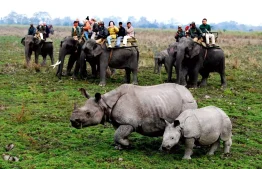
On an elephant safari at Kaziranga National Park (Photo Credit – Travel News)

Cost of travel in North East India

Because of its remoteness, the cost of trips in northeast India is nearly 20% higher than any similar trip elsewhere in India. This is due to the transportation cost which is quite high because of the roads steepness and poor condition. We’d say travelling in groups of 4 or more is the most economical way of doing it. Hotels are also more expensive. A big bonus is that the cost of living is low, and there’s very little chance you’ll meet someone trying to scam you.

Seasons in North East India

November to May is a good time to visit northeast India, but it truly depends on the kind of trip and places you’d like to visit. This is because certain months might be more favourable than others. The northeast is considered in the world as one of the places that receives the most rainfall in the world, so prepare for constant rainfall during many months of the year. The good thing about rain is that it gives it the green luscious touch that makes the region stunningly beautiful.

Learn More: Calculating the Travel Expenses in India

Travel to North East India
Double Decker Living Root Bridge constructed by weaving the roots of Banyan trees (Photo Credit – Tripzy Go)

The delicious food

While sticky rice is the staple diet of almost every tribe in the northeast of India, they compliment it with a dazzling array of meats, pickles, vegetables and beans cooked in various different ways. They love meat, pork being the favourite but also chicken, fish, snail and smaller game also vying for the top candidate. The residents are famous for cooking anything that moves, a topic you probably shouldn’t bring up directly with your host or residents there. Nevertheless, it’s definitely something to look forward to if you really want to dive into a new culture. Alcohol goes well with all the meat they eat. Rice and millet make the base for delicious local brews.

Travel to North East India
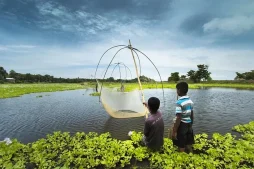
Small kids are fishing

Permits for Northeast India

Foreigners don’t require permits to enter any of the northeastern states besides Arunachal Pradesh. For this particular state you need a PAP (Protected Area Permit), which costs USD 100 for 2 people and is granted for the duration of 30 days. You have to apply for the permit through a tour operator recognised by the Government of Arunachal Pradesh.

In conclusion, we at India Someday recommend that you keep 10 days minimum for a trip to the northeast. 10 days is necessary as there’s so much to discover and the remoteness means there is very slow internal travel. Road journeys are long and tiresome, so take a couple more days to visit if you’re looking to relax. Most routes through Nagaland and Arunachal Pradesh will require 15 to 20 days. This is to properly experience the varied culture and the beauty northeast India has to offer.

Additional Resource: India Travel Essentials for UK Visitors

Cool places, right? Let us know if you’d like more information or if you’d like to plan a trip with us, and we’d be more than happy to help.

Best Places to visit in India in January

The best places to visit in India in January would arguably be the region of South India. Here, the weather will be perfectly warm; not too hot, just comfortable and dry – making it the perfect Indian holiday destination in January.

North India can also be a fabulous place to visit in January, but in some places, temperatures can drop to uncomfortable temperatures, with some hotels not offering heating.

Here we suggest an enjoyable and comfortable things to do in North India. For more details on weather in India in January, visit our blog post.

Best Places to visit in India in January
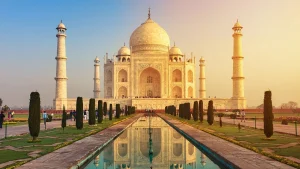
Mesmerizing Taj Mahal

Places to visit in South India in January

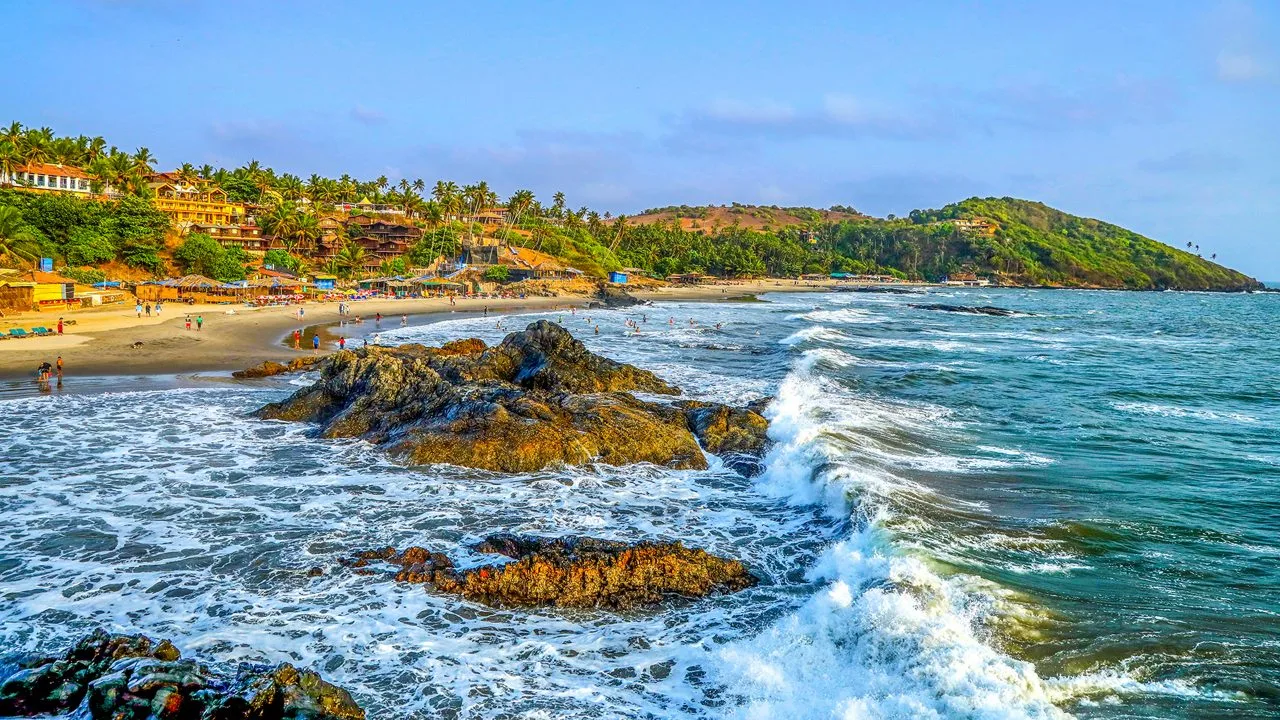
One of the best places to visit in India in January is Goa. The weather will certainly be warm enough to enjoy the glorious beaches, the more comfortable temperatures mean that exploring Goa’s cultural and historic elements will make a fabulous addition to your January trip. The beaches here can get pretty crowded at this time of year. Especially during the first 2 weeks in January. Accordingly, we suggest hitting the beaches after the second week of January.

For another wonderful destination perfect for this time of year is Hampi. Explore the picturesque temples, enjoy the outstanding views, or get blessed in the Elephant stable. For adventure lovers, go cliff jumping, rent a moped and learn how to drive it in the spacious reservoir, or hire a Karnataka Boat and go for a refreshing swim in the lake.

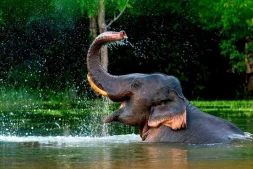
Kerala (God’s own country) is a must visit on your trip to Southern India. Here you can have an ultimate elephant experience in the Kodanad Elephant Sanctuary.

Exciting activities can be enjoyed here, such as elephant baths, feeding, watching baby elephants play and an elephant safari; all while observing, not obstructing. Further, experience the tranquil Indian backwaters on a Kerala Houseboat in Alleppey, admiring the luscious greenery whilst enjoying delicious food.

Dive Deeper: Best Time for Visiting Kerala

Interesting: Best Time to Travel to India

Best places to visit in India in January
Elephants in Kerala (Picture Credit: Holidify)

Places to visit in North India in January

In North India, it is useful to bare in mind that nights are likely to be cold. Agra and Delhi receive a dense layer of fog on most mornings and this often disrupts and delays trains and flights.

Irrespective of when you plan your trip to North India, Agra is certainly not to be missed. The magical Taj Mahal is always unmatched in terms of beauty. The city is submerged in fog during this time, and this only adds to the sheer magnificence of the Taj Mahal.

Weather in cities such as Udaipur and Jaisalmer remain warm, and so January is a gorgeous month to visit. Enjoy the breathtaking temples and fascinating architecture in the ‘City of Lakes’ (Udaipur), or experience the enchanting fort of Jaisalmer in the ‘Golden City’.

On the other hand, up towards the Himalayas can get very cold and snowy during this time of year. Towards the latter end of January makes a fabulous time to go skiing or snowboarding in Gulmarg, Kashmir.

For more information on skiing in India, check out our blog. Alternatively, contact us to help you plan your trip to India!

Read More: Embark on a Luxury Hotel Journey in India

Best Places to visit in India in January
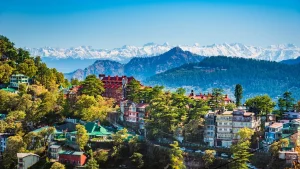
Snow-capped mountains in Shimla

We hope our recommendations help you and if you need any assistance, simply click on the Plan Your Trip button. We will help plan your dream trip to this vast subcontinent. A trip that will be the perfect blend of all your varied interests and will cater to all your essential requirements. Let us take the weight of you and help plan a trip to suit your travel style!

Read Further: Explore Diverse Things to do in India

Visiting India during Holi Festival

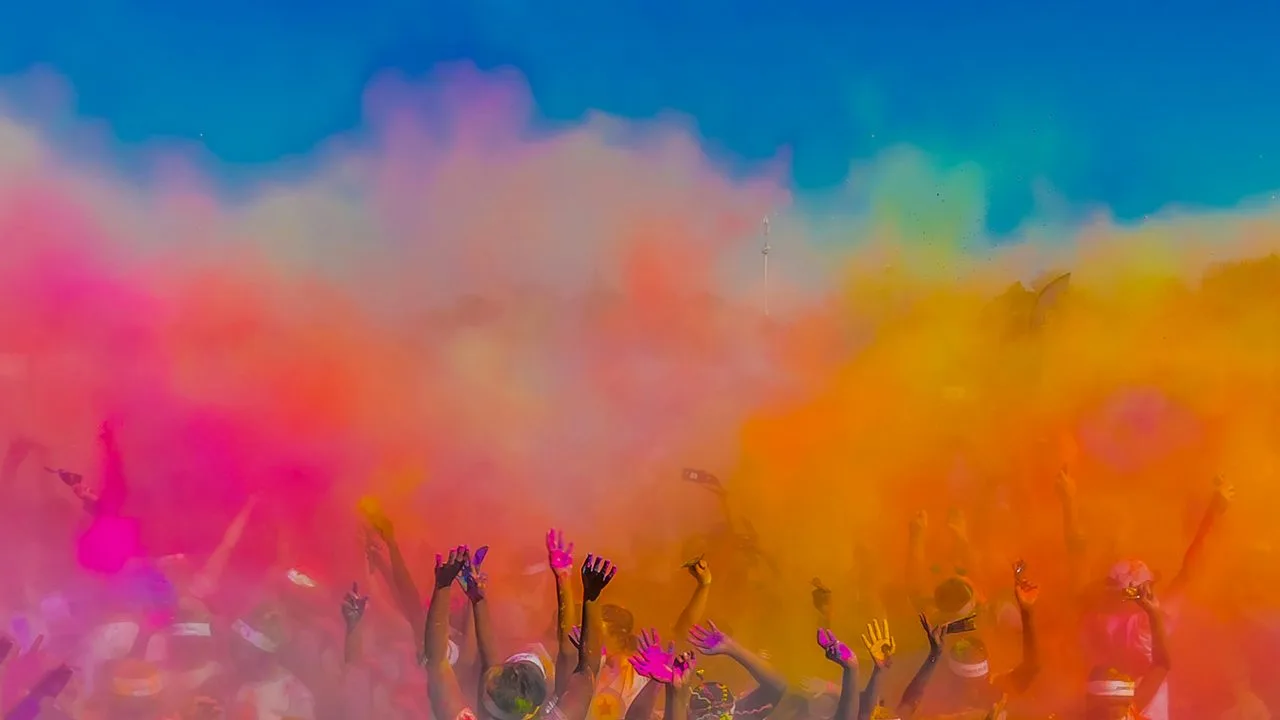
If you want to experience a festival in India, you should think of visiting India during the Holi Festival. By mid-March, winters recede in India, and the onset of spring is marked by Holi, the festival of colors. One of the quirkiest and most fun festivals in India, people celebrate Holi by playing with water and colors on the streets. If you visit India during this time, try to time it around the Holi festivities for one of the best experiences of your life.

Read this blog to understand why, when, where, and how this festival of colors Holi is celebrated. This will help you to experience Holi in the best way. If you are planning on visiting India during Holi festival, India Someday can Plan Your Trip, so you end up celebrating it in the right spot.

Holi is usually celebrated in March. You can read about the weather in India in February and March.

Holi in India
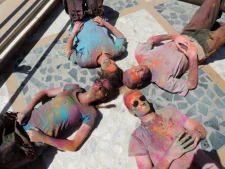
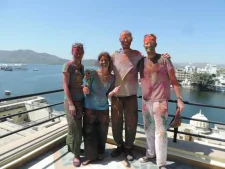
India Someday guests enjoying an afternoon siesta post the Holi celebrations

When is Holi celebrated in India?

The Holi festivities take place over two days in late February or in March. There are no specific dates – according to the Hindu calendar, the day of Holi is the Phalgun Poornima (full moon) which generally arrives in March. The exact dates of the festival vary every year, as it is based on the Indian Lunar calendar.

In 2025, Holi is on 14 March.

In 2026, Holi is on 4 March.

In 2027, Holi is on 22 March.

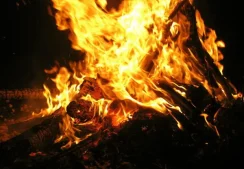
The eve of Holi is Holika Dahan, celebrated with a bonfire.

In Barsana, Vrindavan and Mathura in Uttar Pradesh, Holi celebrations often extend over 10 days and start almost a week before the main event. There is a unique tradition, Lathmar Holi, which is celebrated 6 to 7 days before the official Holi day.

Why is Holi celebrated in India: A History of Holi

The festival of Holi is based on a mythological tale about the good God Vishnu and his rival, the evil King Hiranyakashipu – try to pronounce that! The evil king’s son Prahlad was a devotee of God Vishnu and he refused to worship his father. The king got angry, and he sent his sister Holika to kill him. Holika was granted a boon that fire couldn’t burn her, so she took Prahlad on her lap and climbed on a pyre. She knew that she would survive while her nephew would burn to death. However, when the pyre was set ablaze, miraculously, Prahlad remained untouched by the fire while Holika’s body went up in flames. This is the story of the triumph of good over evil, and Indians celebrate this sentiment every year by burning the Holi pyre one day prior to Holi.

According to another legend, the Hindu blue-skinned God Krishna was envious of the fair-skinned Radha. So he went and colored her face in an attempt to make her look like him. This was the beginning of the epic love story of Radha and Lord Krishna. This is why Holi is celebrated as a festival of love as well, and is often used in Bollywood movies during a romantic sequence.

This is also the origin of the Lathmar Holi tradition. Krishna went to Barsana to celebrate Holi with Radha and tease her friends. Annoyed by Krishna’s pranks, the women decided to take revenge and chased Krishna with sticks (lathi) as he tried to protect himself. This tradition is followed even today in Krishna’s hometown in Uttar Pradesh. The men visit the town of Barsana, where they are greeted with women holding sticks (lathis), ready to attack them. This is a playful tradition followed since decades. If you have a local guide to accompany you, they may be able to take you to see this tradition.

Some people even say Holi is a simple celebration of the end of winter and beginning of spring, a thanksgiving for a good harvest or a reason to meet friends and have fun. In fact, the festival is supposed to mark the last day of winter before spring. It is a festival quite unique to the Western world, but those who experience it truly have fun!
Holi in India
Holika is the immortal saga of good over evil where as Holi is a festival of mutual harmony (Photo Credit – Satish Krishnamurthy)

Where is Holi celebrated in India?

Holi is a primarily Hindu festival, but it is celebrated throughout the country. However, it is a greater deal in northern India.  Places like Andhra Pradesh, Bengal, Uttar Pradesh, Bihar, Gujarat, Haryana, Himachal Pradesh, Madhya Pradesh, Maharashtra, Manipur, Orissa, Punjab, Rajasthan and also in the southern state of Tamil Nadu celebrate this festival with great splendor in residential areas, near temples, or in designated venues. Some tribes in the Northeast also celebrate this festival of colours. The biggest celebration happens in Mathura-Vrindavan, Pushkar and Varanasi.

The southern states do not celebrate Holi with much pomp. Also, a lot of Muslims and Buddhists in India don’t celebrate Holi. But most Indians have celebrated Holi or at least experienced it directly or indirectly in their lives.

 Also Read: When is the Best Time to Visit India?

Holi in India
India Someday guests posing after enjoying Holi celebrations in Udaipur

Where should you go for the best Holi experience?

We would recommend you to celebrate Holi anywhere in North India, especially in small towns and cities like Pushkar and Udaipur in Rajasthan, and Varanasi in Uttar Pradesh. At India Someday, these are our favorite places for experiencing Holi. Other cities where you can truly enjoy the spirit of Holi are Jaipur, Jaisalmer, and Jodhpur in Rajasthan. Jaipur, the Pink City, is one of the best places to celebrate Holi. At Govind Dev Ji Temple, the oldest temple in the city, the celebration lasts for more than a week!
Goa is also one of the best destinations to visit for a fun, youthful Holi party. Most cities, like Mumbai and Delhi too have a lot of fun Holi celebrations. You will find many venues across India, especially in metropolitan cities like Mumbai and Delhi, organizing Holi events. You will need to pre-book tickets, but these events are much safer than playing Holi out on the streets.

Mathura-Vrindavan has the biggest public celebrations and events for Holi, and it could easily get out of hand. There are many safety issues here as well, especially for women. So we would NOT recommend this!

Also, don’t forget to visit the bonfire for Holika Dahan. Most towns and cities have many small bonfires a few miles off each other. If you cannot find a pyre, you can ask the reception at your hotel or hostel, or any local guides you know, and they may be able to show you.

If you’re interested in a trip around Rajasthan to the mentioned cities and more, check on the best places in the region and different travel routes. You can also think of doing the Golden Triangle route (Delhi-Agra-Jaipur) for Holi, like most travelers. This will allow you to immerse yourself in the local celebrations while visiting the famous monuments like Taj Mahal in Agra, Red Fort in the capital city of Delhi, and Hawa Mahal in Jaipur.

You can browse through our extensive North India travel routes here for travel ideas. Or just hit the Plan You Trip button to start planning your trip to India around Holi.

See Also: Planning Your Perfect North India Getaway

Holi in India
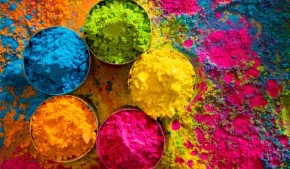
Vibrant colours of Holi festival (Photo Credit – Housing)

How is Holi celebrated in India?

There is a lot of excitement in the air during Holi in India, especially in the north. You will find kids and young men and women preparing for the festivities from the night before by filling water balloons and buying colors. Communities like families, friends, housing societies, temple groups, etc organize the celebrations weeks in advance.

On the eve of the color festival is Holika Dahan. Large groups of friends and families gather together and a bonfire is lit up. Families pray around the bonfire and spend time together. This fire is attempted to be kept burning for five days. You will see bonfires on every street or society during this time.

On the day of Holi, everyone crowds together to play Holi with colors. You will see people celebrating Holi out on the streets. There is often artificial rain, water guns, and loud music along with dry colors. People dance, eat street food, and drink bhang thandai. Thandai is an Indian milk beverage made with spices and dry fruits. Bhang is an edible cannabis paste. While not necessarily legal, bhaang is mixed in thandai and most adults drink it on this day.

All these celebrations mostly take place in the mornings, while the afternoons are for washing off the colors and relaxing after a fun-filled but tiring morning. It can be a bit of an effort to wash the colors off your body, and sometimes the color can remain for days. In a few other places, these celebrations carry on till night!

Often, temples and homes are adorned with flowers. In some places, there are also processions in the temples, but comparatively, Holi is not as religious as the other holy days in India, and does not have any religious rituals as such.

Read Further: Uncovering Travel Expenses in India

Look at celebrating another festival in India? Diwali is one of the biggest festivals in India and a great time to visit India.

Holi in India
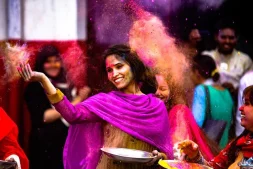
Holi festival is the celebration of unity where everyone seems of the same colour (Photo Credit – Murtaza Ali)

Tips and precautions for celebrating Holi in India

We have a few tips for celebrating Holi in India like locals! And of course, a few precautions as well, so that you can make the most of this colorful festival.

  • You will find street vendors selling colored powder from more than a week before the festival. If you see any Holi colors, buy them. It is better to stock up in advance. Avoid the permanent colored powders – they will be marked, but if you aren’t sure, ask the vendor. Use only organic colors as much as possible.
  • Dress well for the Holi celebration. A lot of people wear white while celebrating Holi as a symbol of peace and to showcase the vibrant colors thrown around. You can choose to wear darker colors if you wish. Most locals simply wear old clothes that they may not have to use again.
  • Use coconut oil liberally on your hair and skin before the events so that the color does not stick to your body for a longer time. Use sunglasses to shield your eyes.
  • Start your Holi celebrations early in the morning, preferably before the horde of locals and Holi revelers arrives, as it can get overwhelming.
  • Before throwing color on other people, keep in mind one simple rule – if they have colored powder on their body, they are fellow participants, and thus, fair game. Do not throw colored powders on innocent bystanders.
  • You can try the bhang, but drink only as much as you can handle.
  • Make friends at your hotel or hostel or any accommodation. Holi is safer, and so much fun, with friends and people you know. You will be among lots of crowds on this day, so stay safe. Talk to other travelers or people familiar with the local customs and traditions.
  • For female travelers, there are always a few extra safety tips. Wear clothes that cover your shoulders and knees. If you are a solo female traveler, try to stick around with other travelers or people you know well. Avoid going out alone in public places since there will be many inebriated men all over the place.
  • Holi is the festival of colors, yes, but you will also be drenched with buckets of water dumped on you, water guns, and even eggs sometimes! So be prepared for all of it.
  • Avoid traveling long distances on this day, as city public transportation is often not available until late afternoon.
  • Make sure you have travel insurance before traveling to India. It can help you in a lot of unforeseen circumstances.

Read Further: Exploring the Best of India’s Attractions

Holi in India
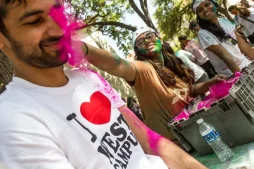
Avoid getting the colour into your eyes during the festival of colours (Photo Credit – Karan Dodia)

India Someday can help you plan a great time during the Holi Festival in India. Plan Your Trip to India with us now and we can advise you how to fit the party in.

Can’t come in March? Read here about other Indian festivals.

Travel to Leh and Ladakh

Are you planning to travel to Leh and Ladakh? Then the best time to visit is from June to mid-September. Yes, it’s a small window to travel to Leh and Ladakh but the tough terrain and harsh weather make it difficult to visit all year round.  

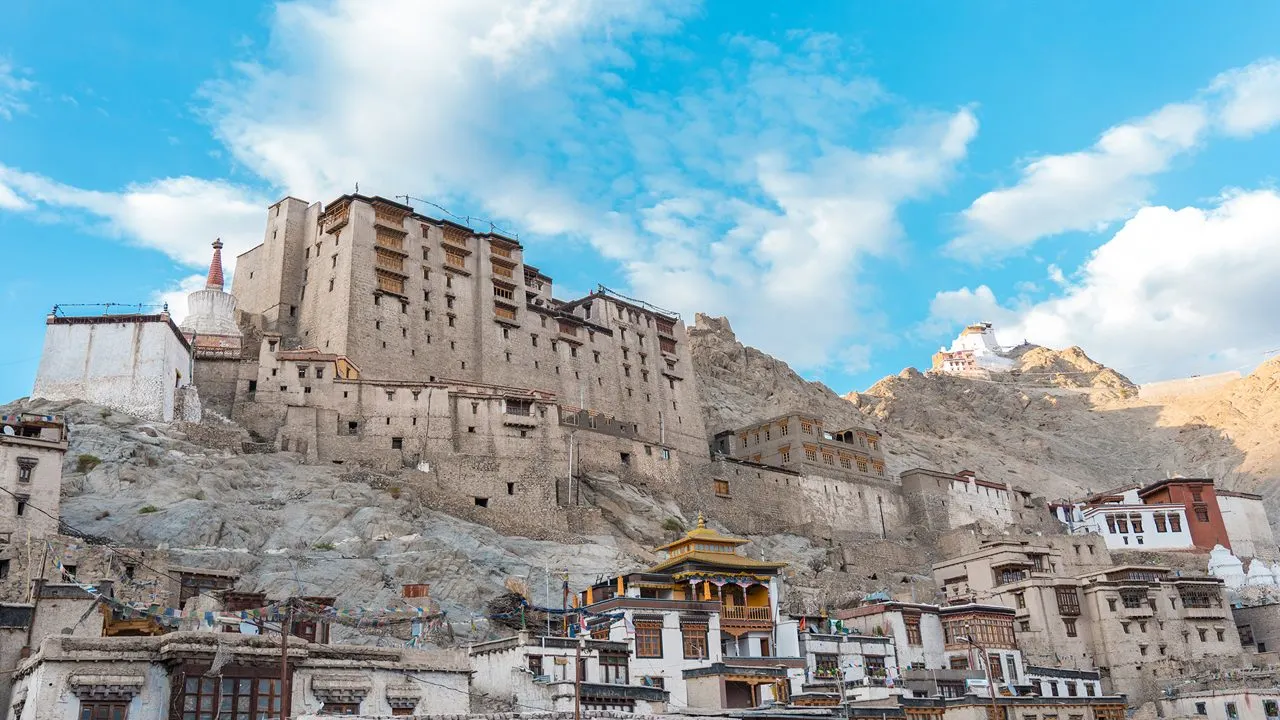
The region is straight out of a fairy tale. A place of purple mountains where there’s something new to view with every turn the road takes. The landscape is dotted with white Chortens (small stupas built by locals) blue azure lakes, deserts flanked by rugged mountains. Add to this smiling and friendly locals and you are in for an overwhelming experience.

Read on for more information if you are travelling to Leh Ladakh. You can also take a look at this travel route, curated especially for our client, if you’re looking at planning a trip to Ladakh.

Travel to Leh and Ladakh
Buddhist monks gathered for a group session (Photo Credit – Joseph Gatto)

GETTING THERE

You can fly to Leh from any major Indian city. Most flights would be one-stop via New Delhi, though there are direct flights from Mumbai. Getting to Leh via train is not possible, the closest rail lines are Delhi, Chandigarh, and Jammu.

The best way to get to Leh is by road as this allows you some time to acclimatize to the high altitude. You can drive via Srinagar or Manali. The Srinagar route is slightly easier and has better roads than the one from Manali.  

Lots of people do take a motorbike from Manali and then ride to Leh via Manali. Do remember that it’s a long journey, and you’re looking at a night or two nights halt.

If you’re taking the Manali-Leh highway your last night stop will most likely be Keylong (Lahaul Valley) and the road through Kashmir will afford you a halt at Kargil.

The Manali-Leh highway gets especially picturesque around Baralacha Pass with its snow-covered peaks and Sarchu (where Ladakh starts). Those on the road through Kashmir – just hold onto your breath!

Travel to Leh and Ladakh
Bikes parked around Pangong Tso lake (Photo Credit – Vamshi Vangapally)

BEST PLACES TO VISIT in LADAKH

Changpa is the street where most tourists like to stay. Across from Otsal Guest – its oldest hotel, a paved path along the river will take you to a little pond. Upper Changspa and Lower Changspa have slightly more expensive guest houses to stay at and a much more tranquil environment.

You can easily spend a few days exploring in and around Leh but since this is going to be your base town, taking it in parts every time you get back from one of the longer trips works well. It gives you a chance to get some rest between trips without feeling like you’ve come to a standstill.

Alchi Monastery (Leh’s oldest) and Tsemu Monastery are two of the best Gompas around, Leh Palace and Shanti Stupa are short walks away. There is a Rock Museum as well. A film for tourists is screened in the main market at 18:00 hrs daily, catch it to get the low down.

Travel to Leh and Ladakh
Peace and calm at Shanti Stupa (Photo Credit – Jitin Narang)

Tsokar and Tso Moriri

If you get on the road back to Manali, there’s a detour at Upshi to Tso Moriri (Tso means lake). Tso Moriri is lesser-known lake in Ladakh as compared to Pangong Tso but extremely beautiful and much less commercial.

On your way to Tso Moriri, you’ll pass the third highest pass in Ladakh – Thanglang La and reach a lake with no habitation around it. You’ll think you’re at Tso Moriri (almost everyone does) but this one is Tsokar, a pretty preview.

Near Tso Moriri, 3-4 kms into the mountains via a road that you can only take a bike on or walk-up, there is Korzok where tribal nomads roam from one green patch to another with their Pashmina goats and Yaks. Visit once you’re settled in at Tso Moriri. They’ll give you a warm welcome and share some of their Yak cheese.

Travel to Leh and Ladakh
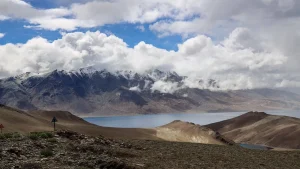
Breathtaking views of Ladakh

PANGONG TSO in Ladakh

The movies have made this lake famous (especially 3 Idiots, the recent Aamir Khan blockbuster) and very touristy. It’s definitely worth a visit.

Humongous with a part of its expanse in India and the rest in China, this lake is at a greater height than Tso Moriri. The road to Pangong will take you across Ladakh’s second-highest pass.

One of the homestays at Spangmik close by houses four entire generations the oldest of whom are an 80-odd-year-old brother-sister pair. These people have only been to Leh a couple of times in their lives. They go up into the mountains on foot during summer to gather wood and other supplies which they store in a hole in the ground for the winter when the pass closes and nothing can be reached around Pangong. They have a solar water heater installed, for days when the sun shines.

Learn More: Unravel the Optimal Time to Visit India

Travel to Leh and Ladakh
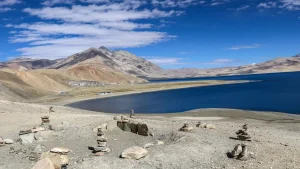
Tso Pangong

Nubra Valley

To the north of Leh, it is along a road that leads to Pakistan. You cross Khardung La – the world’s highest motorable pass to get here (Marsimik La is 100 ft. higher but not motorable).

Leh and Ladakh
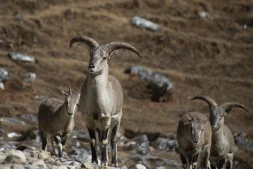
The Blue Sheep of Ladakh (Picture Credit: LIFE on the PLANET LADAKH)

Turtuk – the closest you can get to Pakistan

Turtuk is open only to Indian tourists. One that has seen the blood of war before, it is a village where the Balti people live. This community is the quintessence of Kashmiri beauty with their sculpted features, blushing fair skin, and mesmerizing eyes.

They speak a dialect of Urdu – you hear greetings of ‘salaam walekum’ as opposed to the usual Ladakhi ‘Jhuley!’.The streets are lush and abound with apricot trees – you can pluck and gobble them up all day, bathe in the river and chat with the lovely locals. Turtuk’s culture betrays no traces of the bloodshed it has borne.

The farms (with homestays) are nestled between mountains on a plateau which gets covered in ice each winter. Slightly uphill is a section of the village called the ‘Natural Fridge’.

The locals have built stone cubicles here in which they store supplies. Come winter, the cubicles freeze in ice and preserve the supplies naturally! There is a waterfall about 4 kms up the river and the Gompa is a short walk. You’ll also find mosques around Turtuk.

Two major pitstops on the way to Turtuk are Diskit – a fairly large settlement with a very old monastery nearby and Hunder which is known for its sand dunes. One special pitstop is Veerta Dosa Stall near Hunder – authentic South Indian grub in the far north, courtesy, the Indian army!

A detour from Diskit takes you to Panamik where there is a hot water spring. The people of Nubra are the nicest people you will ever meet.

Leh and Ladakh
The Baltistan Village of Turtuk, Leh Ladakh (Picture Credit: Ladakh)

The Magnetic Hills – a highway to heaven

If you leave your car on neutral here, it appears as though it’s being pulled upwards. There are multiple theories around this anti-gravity phenomenon. Some are backed by science others are based on age old myths and superstitions. The locals here believe that it is the road that leads to heaven. A path that directly pulled tose who deserved to make their way to heven.

According to another theory, it is believed that there is a strong magnetic pull in this region which pulls vehicles, in it’s range, upwards. Several travellers have experienced this phenomenon and are witness to it. However, the most widely accepted theory is that it is an optical illusion, much like the Ames illusion room experiment where a mans height appears different in different parts of the room. A similar anti-gravity illusion appears along the horizon at Magnetic Hills.

Location: About 30 kms from Leh, Magnetic Hills is on the Leh-Kargil-Baltic National Highway with the Sindhu River flowing by and a spectacular view of the surrounding landscape.

Leh and Ladakh
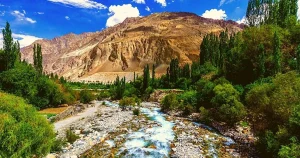
The serene lake in Ladakh

OTHER OFFBEAT Things To Do IN LADAKH

The week-long rafting trek in Zanskar River (in Zanskar Valley) is an unforgettable experience for those who have the grit and are fit. The Raid De Himalaya is an epic rally for motorists that goes through Leh-Ladakh every year.

The Asian Astronomical Observatory near Hanle is a must-visit as is Lamayuru between Leh and Kargil which is hailed by many as the oldest monastery in the region as opposed to Alchi. It is also where you start on the road to Prikiti La, the pass which forms the gateway into Zanskar Valley.

Read Further: Discover India’s Things to do

The scenic Zanskar River (Photo Credit: Kashmir Tour Packages)

You can always count on us to help you plan your Ladakh Holiday!

Weather in India in November

The weather in India in November is fantastic for exploring the country. November marks the beginning of the tourist season in most parts of India. Apart from the cool weather and low rainfall, there are some fun festivals and events in the country. So if you wish to visit India, read through our guide on the weather in India in November, and choose from some of the best places to visit in the country in November.

Wondering when is the best time to visit India? Read this!

Here is a detailed overview on what the weather would be like each month in India, in different regions of the country. Feel free to explore.

January | February | March | April | May | June | July | August | September | October | November | December

Weather in India in November

November in India marks the onset of the tourist peak season. As the monsoon rains recede and temperatures begin to drop in India, weather becomes perfect to explore the country. The average temperature in November is 23 degrees Celsius, which means that the major tourist attractions are more crowded.

Northern India is cold, but there is no snowfall until mid-November. Leh weather in November is cold, and temperatures can dip as low as 8 degrees Celsius. Cities like Delhi, Varanasi, and Jaipur have average highs of 27 to 29 degrees Celsius. While Delhi starts to get chilly, Agra is mostly warm during the day. Jaipur too, has amazing weather, so it is a good time to explore the Golden Triangle.

Central India has pleasant weather in November. Mumbai, Goa, and Hyderabad had highs of 32 to 33 degrees Celsius, but in most major destinations, the daily average high temperatures range from 19 to 25 degrees Celsius.

The west coast of South India also has pleasantly warm weather. Kochi in Kerala has similar temperature like Mumbai. On the other hand, Chennai on the southeast coast of India sees an average monthly rainfall of 470mm.

taj mahal of india
Mesmerizing Taj Mahal

Best places to visit in India in November

The November weather makes it a high season for tourism. With a low average rainfall in most places, it is a beautiful time to visit India and explore everything this country has to offer.

November is a great time to visit the Golden Triangle. Visit the Red Fort in New Delhi, the iconic Taj Mahal in Agra, and check out Hawa Mahal in Jaipur. The weather in November is pleasant in these regions, which makes it perfect to explore.

India weather also makes it a good time to visit the west coast of the country, which is usually quite hot and humid.

Some of the best places when you visit India in November weather are Rajasthan, Madhya Pradesh, Uttar Pradesh, Uttarakhand, Goa, Gujarat, Punjab, Karnataka, and the islands of India like Andaman and Nicobar and the Lakshadweep Islands.

North India in November

In the Himalayas, the tourist season usually ends by October due to cold temperatures and difficult weather conditions. In November, many hiking routes and travel connections are likely to be closed. For this reason, we suggest avoiding Ladakh, Kashmir and parts of Uttar Pradesh and Uttarakhand as temperatures can get very low. However, with warm clothes and the right expectations you can still visit Dharamshala and McLeodGanj, Rishikesh and the surrounding mountainous landscapes of Shimla, Manali and other hill stations.

The weather in North India in November is warm during the day, with temperatures dropping in the evenings. In particular, in Rajasthan, the temperatures will slowly drop throughout the month. At the beginning of the month, you can easily face temperatures of 35°C (95°F) in the day. In the evenings, it might end up being less than 10°C (50°F), especially in the desert. You will most likely get no rain at all and blue skies all month. The same applies for other places in the North such as Agra, Khajuraho, Orchha and Varanasi.

The National Parks reopen in October and are very busy in November, due to the domestic school holidays around Diwali. So try to book safaris way ahead in advance.

Check out our suggestions for two weeks trips in North India here. North India has several great places to choose from, so you have your pick of destinations.

Weather in India in November
A trip to North India in the month of November would make for great experience

South India in November

The southeast monsoon mainly hits the east coast of India. It lasts from mid-October to mid-December and brings a lot of rain and storms to Tamil Nadu. Destinations in Southern India known for their beaches and sightseeing, like Chennai, Mahabalipuram and Pondicherry, are all affected by the rain. Hill stations like Ooty and Chettinad can also get stormy.

The southwest coast, on the other hand, has sunny skies and pleasant weather. Kerala is windward to the monsoon so it might get a little bit of rain too but not as much as in the previous months. The temperatures can range between 18 and 32°C (64-89°F). It gets warmer at the coast and in the plains, and cooler in the mountains of the Western Ghats. Read about the best time to go to Kerala and figure out some interesting travel routes as well.

Goa is one of the best places to visit in India in November. This is when the season finally kicks off with many resorts and restaurants along the beaches reopen. The rates are lower than in December and January and the chances of availability are good. However, Goa gets increasingly popular every year so you might want to book your beachside hut in advance.

Know More: Best Time to Visit Kerala

You can look at our two week South India Travel Routes here.

Weather in India in November
Goa is the perfect getaway, offering a great nightlife and scenic beaches to unwind

East India and Northeast India in November

November is a great time to visit Kolkata, since most other months are too hot to visit this region. In November, the days are dry and pleasant, the perfect weather for some sightseeing.

If you still find it too hot, you can visit the hill station of Darjeeling.

The seven sisters of Northeast India are also a beautiful destination for November. It hasn’t started snowing yet, which makes the region ideal for hiking and other adventure activities.

The temperatures on the east coast range from 24 to 32 degrees Celsius. The weather is comfortable and humidity levels are low.

Weather in India in November
Darjeeling

West India and Central India in November

Western India in November is pleasant. The days are slightly warm, while the nights are cool, making it the perfect weather to explore this region. The daytime temperatures on the west coast range from 24 to 34 degrees Celsius.

Get a taste of city life by visiting the bustling cities of Mumbai, Pune, and Nagpur. Immerse yourself in the culture of India in Gujarat, exploring many forts and UNESCO World Heritage Sites here.

If you are a wildlife enthusiast, you should visit the Kanha Tiger Reserve and Bandhavgarh National Park in Madhya Pradesh in Central India. However, make sure you book your wildlife safari well in advance.

Weather in India in November
Madhya Pradesh

Islands of India in November

Temperatures on Andaman and Nicobar Islands in November range from 24 to 30 degrees Celsius. Escape the mainland and head to the Andaman and Nicobar Islands for a tropical getaway.
November brings sunny days and calm seas, perfect for outdoor activities like diving, snorkeling and beach lounging. Explore the vibrant marine life at Havelock Island, visit the historic Cellular Jail in Port Blair and unwind on the pristine beaches surrounded by turquoise waters.

Lakshadweep too has an average temperature of 30 degrees Celsius, making it a perfect destination to explore the marine life and coral reefs underwater.

Weather in India in November
Andaman and Nicobar Islands

Whether you are looking for more information about the weather in India in November, or some more places to travel, we can help! We also help to plan travellers’ perfect trips, so feel free to contact us with any questions. Plan Your Trip with us now!

Learn More: Rajasthan’s Prime Tourist Attractions

Festivals and events in India in November

Diwali
Diwali, the festival of lights, is one of the biggest festivals in India. It usually takes place during October or November every year, depending on the lunar calendar. Most of the country celebrates Diwali, by lighting oil lamps (diyas) and lanterns outside their homes, and bursting firecrackers at night.

Hampi Festival
Hampi Festival, also known as Vijaya Festival, takes place in Karnataka every year in the first week of November. The festival sees traditional music, dance, drama, and fireworks.

Pushkar Camel Fair
The Pushkar Camel Festival takes place in Rajasthan. In this festival, camels are adorned and traded. There are camel races and many cultural activities at the fair.

Weather in India in November
Pushkar Camel Festival


Chhat Puja
Chhat Puja is prominently celebrated in Bihar, Assam, Uttar Pradesh and West Bengal. It usually takes place in November. People gather near the river during sunset and worship the Sun God.

Guru Nanak Jayanti
Guru Nanak Jayanti takes place in November. The festival celebrates the birthday of Guru Nanak, the founder of Sikhism. There is a big celebration held at the Golden Temple in Amritsar. The majestic temple is lit up and there are also parades in the vicinity.

Ka Pomblang Nongkrem
Ka Pomblang Nongkrem is a five day festival in Shillong, where many cultural rituals take place. Such as the goat sacrifice and the sword dance.

Rann Utsav
Rann Utsav is a desert festival in Kutch in Gujarat which starts from the end of October and goes on till February. The festival has many cultural activities that showcase the tradition of Gujarat. Bookings open three months prior, so make sure to book early.

Weather in India in November
Rann Utsav (Picture Credit: Times of India)


Special seasonal food to try in India in November

India gets some delectable seasonal foods in November, which you must try to experience the cultural richness of the country.

Litti Chokha is a Bihari delicacy, a comfort food food favorite during cold November evenings.

In Punjab, makki ki roti with sarson ka saag is an iconic winter dish made in November. Makki ki roti is a cornmeal flatbread paired with sarson ka saag, a green mustard curry.

In Gujarat, a mixed vegetable curry called undhiyo is prepared in November, enjoyed with steamed rice or puri.

In Maharashtra, you have patra, a snack made from colocasia leaves and shallow tempered.

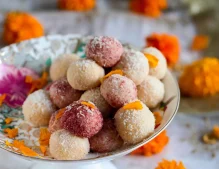
If you have a sweet tooth, coconut laddoo is a festive treat made in southern India, especially Karnataka and Kerala during Diwali and other celebrations. Another iconic dessert is rosogolla in West Bengal, which consist of spongy balls made from cottage cheese soaked in sugar syrup. While available throughout the year, they have a special significance during the festive season in November.

In many parts of India, November is the season for fresh tropical fruits like guava and papaya.

While you are in India, don’t forget to sip on a hot cup of masala chai, especially in the cooler months starting from November.

Weather in India in November
Coconut laddoos (Picture Credit: Tasha’s Artisan Foods)

Tips while visiting India in November

  • Most national parks reopen in October after the end of the rainy season, which means that they are usually quite crowded in November. So if you are planning to go on a jungle safari, book it in advance.
  • Avoid traveling to a few places in Andhra Pradesh, Karnataka, and Tamil Nadu in South India, since the southeast coast of India is hit by monsoon season from mid-October to mid-December.
  • Weather in November shifts from hot to cold in most of the country. The varying temperatures can make you prone to infections or viral fever. So make sure you carry essential medications with you.
  • November is a peak season for tourism, and many popular destinations, such as the Taj Mahal in Agra or the Red Fort in New Delhi will be crowded. Try to visit such attractions early in the morning to avoid the crowds.
  • November weather will be different in different regions. So carry lightweight clothing for daytime and bring some light outerwear for the lower temperatures during evenings and nights. Although rainfall decreases in November, carry an umbrella or mackintosh in case of unexpected showers, especially in southern India.

Weather in India in November Video

So, if you visit India in the November weather, this is how you will find the climate in every region. For more detailed information about the weather in India in November or any other month, contact us! And if you are planning to visit India, we can help you plan the perfect trip to India personalized according to your needs and requirements.

Let India Someday handle it and plan your best trip.

PLAN MY TRIP subtext