TALK WITH US +91-9970620335
WhatsApp

The 10 Most Picturesque Places in India that need to be on your Instagram Feed

From Kashmir to Kanyakumari and from the East to the West, India is a perfect blend of colourful cities, diverse cultures, and awe-inspiring landscapes. All of which lends itself oh so well to creating fantastic photographs and video memories that you can add to your Instagram feed.

Here are some of the most picturesque places in India that will enhance and add life to your Instagram feed

Instagram worth places in India
Boating dock for Vivekananda Rock, Kanyakumari

Ladakh

The white mountains of Ladakh are certainly one of the most picturesque places in India. Ladakh blesses you with very scenic landscapes, a background filled with mountains, and crystal-clear blue waters in the foreground, plus a whole lot of monasteries and some of the friendliest faces around.

Planning a trip to Ladakh? Get in touch with us, and we’ll help you plan your personalised holiday in India!

picturesque places in India
White mountain and clear waters

Valley of Flowers National Park

Vibrant and attractive colours are always a great addition to an Instagram feed, and you don’t get more vibrant than the gorgeous carpet of flowers in bloom at the Valley of Flowers in Uttarakhand. The trek from Govind Ghat throws up plenty of opportunities for great photos in itself, though few things can top the valley when its in peak bloom. The best time to visit this place is between June and September. Don’t forget to zoom into the flora and fauna to highlight their eye-catching colours!

Need help getting your itinerary for the Valley of Flowers National Park together? You where to find us!

Instagram feed, Top destinations for Instagram influnces to visit in India
Valley of Flowers National Park (Photo Credit – Prashant Ram)

Sikkim

If you ask us, Sikkim is one of the most beautiful parts of India. This little state nestles into the lap of the majestic Himalayas and boasts of a fascinating culture to boot. You’ll find everything from beautiful, quiet monasteries perched on hillsides and spectacular mountainscapes to happy, red-cheeked subjects for your portraits here!

Thinking about visiting Sikkim? We’ll help you decide, and put together your customized trip to India.

Best photography destinations in India, Instagram feed
This grand park is also known as Tathagata Tsal. The Buddha statue is the fourth-tallest statue in India

Pondicherry

The French colonial vibes in Pondicherry make it a bit of an obvious choice. This town’s got a whole lot of Insta-worthy sights; charming cafes, amazing food experiences, the beach, and, of course, the architecture. Away from the chaos of urban cities, this town will capture your heart with its subtle charm.

We can help you put together an itinerary to Pondicherry and other great parts of India – get in touch!

Most besutiful places in India
Green rock near seashore during daytime

Srinagar

The summer capital of Jammu and Kashmir is full to bursting with picturesque places. While the region is troubled, that doesn’t take away from just how beautiful it is! From floating on the Dal Lake in a houseboat or a shikara to the many gardens and architectural marvels, there’s plenty to add to your Instagram feed here.

Hit us up, and we’ll help you plan your next trip to India!

Best places to Take pictures
This is the famous Dal lake situated in Srinagar, Kashmir

Rann of Kutch

The Rann of Kutch, an extension of the Thar Desert in Gujarat, is a white canvas. This vast salt marsh is home to a wealth of unique wildlife, including the endangered great Indian bustard and the Indian wild ass. And there’s a whole lot of #skyporn going on too, whether it’s dramatic sunsets or gorgeous full-moon nights that set the desert aglow. And let’s not forget the festive charm of Rann Utsav, which takes place through the winter and paints the canvas with different colours, with a lot you can capture for your gram!

Want to see the spectacular Rann of Kutch? Get in touch, and we’ll help you plan a personalised trip to India!

Rann of Kutch

Jaipur

As its moniker of the Pink City suggests, you will find the city of Jaipur dressed in hues of pink. This colourful place is home to many forts and palaces, and indeed, is one of the most royal cities in India, full of culture and fascinating history.

As arguably one of the most picturesque places in India, it definitely deserves a feature or two on your Instagram feed, whether it’s the gorgeous, brightly coloured handicrafts, the elephants lumbering up to Amer Fort, or even a hot-air balloon ride over the city as dawn breaks!

Explore More: Investigate the Finest Attractions in Rajasthan

Get in touch – we can help you plan a customized trip to Jaipur and Rajasthan.

Jal Mahal in Jaipur

Meghalaya

India’s north-eastern states aren’t visited as often as other parts of the country, and it’s something we’ve never been able to understand! These are some of the most picturesque places in India – think rolling green hills, untouched landscapes, fascinating culture and history and so much more.

Meghalaya’s living root bridges, in particular, are a sight to behold – not only are they incredibly gram-worthy, but a trek through the countryside, crossing these bridges and the waterfalls and streams they span, is a special experience.

We can help you put together a personalized itinerary across Meghalaya and Northeast India – get in touch!

Clearwater in Dawki

Darjeeling

Darjeeling is a sweet town, a colonial throwback, nestled amid the foothills of the Himalayas. This one has long been a favourite with travellers and might feel a bit overrun, but it’s a gateway to some of the most spectacular landscapes around!

Miles of tea estates, amazing views of the Himalayan peaks and heaped platefuls of steaming momos are just some of the experiences to look forward to here. You can even revisit your childhood with a ride in the toy train against a backdrop of magnificent mountains – great for those stories!

Planning a trip to India? We can help – get in touch!

Velvety tea gardens with small mountain village

Kumarakom

At the other end of the country, the tropical paradise of Kumarakom awaits. Swaying palms, bountiful paddy fields and a gorgeous lake on which you can cruise in a kettuvellam or houseboat. You can go on walks through spice plantations, and feast on delicious seafood.

We can help you plan your next trip to Kerala – get in touch!

Brown wooden houseboat on a lake near green trees during daytime

India’s Best Wildlife Stays

India has something to offer to all kinds of traveller. Accordingly, India’s best wildlife stays are luxurious and one-of-a-kind. And they give you a chance to study animals in their natural habitat.  From luxury camping to luxury safaris, you get to enjoy the best wildlife experiences in India.

Here are some of the top jungle resorts in India that should feature on your next wild adventure.

The Oberoi Vanyavilas, Ranthambore, Rajasthan

The Oberoi Vanyavilas is undoubtedly one of India’s best wildlife stays. It is one of the leading luxury wildlife resorts in India. And is situated in the royal hunting grounds of Ranthambore. Spread across 20 acres of lush green surroundings, Vanyavilas is a cocoon of exotic greenery and beautiful water decks. It is also a perfect way for luxury camping in India. You can choose to stay in one of their luxury tents, complete with well-designed bathrooms and private gardens.

The Oberoi Vanyavilas, Ranthambore, Indias best wildlife stays
The Oberoi Vanyavilas, Ranthambore (Photo Credit – Prada Dearest)

Taj Mahua Kothi, Bandhavgarh National Park, Madhya Pradesh

Taj Mahua Kothi is located near Madhya Pradesh’s Bandhavgarh National Park. And it is one of the stars of the Taj Group’s luxury safari properties. Located just 20 minutes away from the national park, it’s home to the highest density of tigers in the world. So don’t you dare forget your cameras! You will feel immersed in the jungle in your well-equipped, beautifully-appointed cottage. However, getting out is absolutely worth it. You can explore the wild on a private safari, accompanied by one of the knowledgeable in-house naturalists. Also, in between safaris, you can get pampered with an exclusive Ayurvedic massage, or sample the delicious fare at the restaurant. All Taj properties, know how to take care of their guests. Hence, you will get a certain standard of care and attention to detail here.

National Parks in India
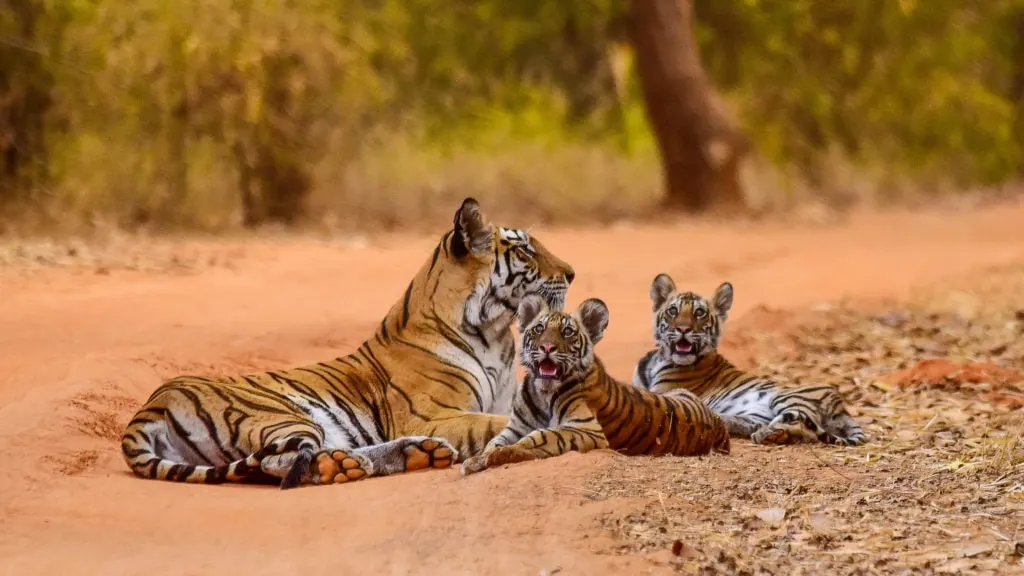
Sighted during a drive at Bandhavgarh National Park

Spice Village Periyar Sanctuary, Kerala

At the peripheries of the Periyar Sanctuary lies a beautiful resort – Spice Village. They have luxurious cottages that blend into the surrounding forestland. Also, they are a great combination of local tribal influences and modern touches. There are around 52 tribal style thatch-roof cottages with verandahs, with swimming pools for you to relax in. The surrounding forest is a delight to wander through. It is full of flowering plants and herbs. One of our favourite things about Periyar is the boat safaris meandering along the river.

best wildlife experiences in India
Spice Village (Photo Credit – Sergio & Gabriella)

Kaziranga Resort, Kaziranga National Park, Assam

Kaziranga is the oldest national park in Assam. It is spread across over 430 sq kms along the banks of the River Brahmaputra. And, it is home to the endangered Indian one-horned Rhino. Kaziranga Resort offers you impeccable service and creature comforts amid beautiful architecture. You can spot Rhinos and wild elephants near the resort. Moreover, these grasslands are also a paradise for wildlife photography enthusiasts and birders. And, this is a great option for families, as it has stand-alone cottages, alongside standard rooms and suites.

Experience Luxury at Best Hotels in India

Wildlifr sancturies in India
One-Horned Rhino Assam (Photo Credit – Diganta Talukdar)

TreeHouse Hideaway Resort, Bandhavgarh National Park, Madhya Pradesh

As a child, we all loved tree houses, didn’t we? Tree House Hideaway Resort in Bandhavgarh takes you back to those happy childhood memories. Situated in the middle of lush green surroundings, it is a perfect getaway. It is a great pick if you’re on the look-out for a luxury safari in India with a difference. This place is a perfect blend of rustic, luxurious, with flourishes of traditional local architecture. And the best part of this place is you can spot wildlife from your balcony!

So what are you waiting for? We’re here to help you plan your next luxury safari holiday in India – get in touch and we’ll give you a plan that’s best suited to your needs!

The Best Places for Nature Photography in India

If you are a nature and wildlife photography enthusiast, India is just the place for you. The country has abundant national parks and sanctuaries. It’s no wonder, that it’s one of the most preferred destinations for wildlife photography tours! From giant Asiatic elephants to the roars of the tiger, India’s wild side offers you an excellent opportunity to test your photography skills and capture nature at its rawest. Here are some of the destinations you must visit if you’re looking for the best photography tours in India.

Bird sanctuaries in India
Blue throated flycatcher (Photo Credit – Rupal Vaidya)

Jim Corbett National Park, Uttarakhand

Located in Uttarakhand, Jim Corbett National Park is one of the best places for nature photography in India. Name inspired by the foremost tiger conservationists in India, it is home to the royal Bengal tiger. Along with them, you will find leopards, sloth bears, red foxes and many other animals, as well as a stunning landscape at the base of the Himalayas, full of lush forests, plentiful water bodies and grassy plains. This is also one of the best destinations in India for bird-watching, with plenty of residents and migratory birds alike to spot and photograph.

Best time to visit: Corbett is best visited between November and June.

Getting there: The park is well connected by road and rail to Delhi, Manali, Moradabad and others.

Club this with: Corbett is easy to visit on a trip around North India, especially if you’re also interested in seeing the Himalayan towns of Dharamsala or Rishikesh.

Wildlife photography in North India
Few showers and the habitat becomes green (Photo Credit – Rohit Varma)

Kaziranga National Park, Assam

Known for “the big five” – rhino, tiger, elephant, wild buffalo and swamp deer, Kaziranga is a perfect place for wildlife photography tours. The national park is located in Assam and is famous for bears, leopards, and several species of local and migratory birds, but the biggest attractions remain the endangered one-horned rhino. Kaziranga is also a UNESCO-listed World Heritage site for its Eastern Himalayan biodiversity.

Best time to visit: Head to Kaziranga between November and April to see it at its best.

Getting there: The easiest way to get there is to fly to Guwahati, and then drive down.

Club this with: India’s Northeast is incredible, and not as popular with international tourists – you could easily spend a week or two in the region. If you want more nature, you can also go to the nearby Nameri National Park. Get in touch with us, and we’ll help you plan your trip!

Best places for photography in India
Kaziranga National Park (Photo Credit – Prashant Ram)

Gir Forest National Park, Gujarat

Gir Forest National Park is the last wild refuge of the Asiatic lion. If that’s not enough reason to visit, its unusual landscapes also make it one of the best places for nature photography in India. Apart from the lion, you might also get a chance to spot and photograph animals like sambar, chinkara, chital, porcupine, wild boar, blackbuck and a variety of avifauna as well.

Best time to visit: The best season to visit is from December to March.

Getting there: The park is well connected by road to Rajkot if you wish to fly. You can also take a train to Junagadh Station and a car from there.

Club this with: The state of Gujarat has plenty to offer, whether you’re interested only in nature, or culture and history as well. You can make your way up towards the Rann of Kutch to see the great Indian bustard and wild ass, as well as the dramatic salt plains. You can also go to the Banni Grasslands on the borders of the Rann! Get in touch with us for more help with planning a wildlife and nature photography tour in the area.

National parks in India
Sasan Gir, Asiatic lioness (Photo Credit – Arian Zwegers)

Sundarbans National Park, West Bengal

The Sundarbans National Park offers a very unique wildlife experience. It is home to our very own national animal – the Bengal tiger, along with saltwater crocodiles, wild boars, foxes, leopards, turtles, the Ganges river dolphins and several other varieties of mammals and reptiles, along with a huge variety of local and migratory birds. One of the specialities of this park is that the only way to travel around and across the park is by boat; no jeep safaris here! These wetlands, formed by the delta of the Ganges, offer spectacular photography opportunities.

Best time to visit: The Sundarbans are at their best from November to February.

Getting there: Gosaba is the nearest town, from where it is connected by road. Visitors can also take the motorboat from Canning, which is the nearest railway station.

Club this with: There’s plenty to see and do in this part of the country – you can go up to the tea plantations of Darjeeling, explore the colonial architecture in Kolkata, and even head further north towards Sikkim! Get in touch with us for help planning your personalized holiday in India.

Learn More: Revealing the Best Times for India Adventures

top 10 places photographer must visit in India
Sarakkhali – A Water Highway (Photo Credit – Kingshuk Mondal)

Satpura National Park, Madhya Pradesh

Located in the very heart of India, Satpura National Park is home to leopards, wild boar, bears, blackbuck, several kinds of deer, and several species of birds apart from, of course, the tiger. But one of our favourite species to spot and photograph here are the barasinghas or a swamp deer.

Best time to visit: You can expect to have a good time in Satpura between October and April.

Getting there: The nearest town, Pachmarhi is well connected via road. The nearest railway station is Piparia, also well connected by road.

Club this with: Madhya Pradesh has some of the best wildlife photography to be found in India – you can link a few of the national parks together on a two-week itinerary that’s full of nature and wildlife! Get in touch and we will help you figure it out.

Photographers paradise in India
You will find several species of birds like Small Green Bee Eaters (Photo Credit – Sankara Subramanian)

Eravikulam National Park, Kerala

The gorgeous Eravikulam National Park is one of the best places for nature photography in India. Located amidst the natural beauty of Munnar, the park is famous for the endangered Nilgiri Tahr. It is also home to elephants, deer, jackals, leopards, otters, mongoose, and a huge variety of birds and butterflies. The highest peak in South India, Anamudi Peak, lies in the park’s southern reaches, and once every 12 years, is covered in a stunning deep blue as the Neelakurinji blooms. The last bloom was in 2018.

Best time to visit: Visit between September – January or April – June, as the park stays closed for the calving season of the Tahrs (typically between January and March) and can be tricky to access in the monsoon months.  

Getting there: Eravikulam’s a mere 15kms from Munnar and is easy to get to!

Club this with: There’s no reason why you can’t include this national park on an itinerary across Kerala. You can spend a few days here while in Munnar, and also go to the backwaters along the coast. We can help you plan your next Kerala holiday – get in touch!

Uncover: The Best Time to Visit Kerala

Wildlife photograpy in India
Nilagiri Tahrs at Eravikulam National Park, Munnar (Photo Credit – Sakeeb Sabakka)

Pench National Park, Madhya Pradesh

If you want to photograph tigers, Pench National Park definitely claims a spot on India’s best wildlife photography tours. This is one of Madhya Pradesh’s prime wilderness areas. You’ll be able to see deers, elephants, wild boars, wolves, sloth bears, leopards, foxes, striped hyenas, and much more. Along with wildlife photography trails, you can even go on an adventurous nature walking trail. This is a great time to photograph smaller details!

Best time to visit: The best time to get there is between November and May.

Getting there: Seoni, the closest city, has a train station with links across the country. You can also fly into Nagpur and drive down.

Club this with: If you want to keep your trip nature and wildlife-focused, you can chart an easy itinerary across Madhya Pradesh’s many wildlife reserves. Get in touch, and we can help you plan your trip!

Nature Photography in India
Leopards are excellent tree climbers that sets them apart from the other big cats

Sariska National Park, Rajasthan

The stark, novel landscapes of this national park make Sariska a haven for nature and wildlife photography. Wild residents here include striped hyenas, wild boars, jackals, serpent eagles, monkeys, hares, as well as several varieties of deer, apart from a few big cats.

Best time to visit: The national park is open between October and May, and is best explored in the winter months.

Getting there: The park is well connected by road to Hindaun, Jaipur, and Delhi.

Club this with: You can visit this smaller park on a holiday itinerary across North India that includes Delhi and Rajasthan. Nearby attractions include the Neemrana Fort Palace and the town of Bhangarh. It has a reputation of being India’s most haunted locales.

Learn About: Rajasthan’s Premier Place to Visit

See Also: Planning Your Perfect North India Getaway

Best Nature Photography destinations in India
Nilgai in Sariska National Park (Photo Credit – Mike Prince)

Kanha National Park, Madhya Pradesh

Kanha National Park is one of the most beautiful national parks in the country. With open grasslands and plentiful tree cover, Tiger safaris here are the most famous. You can also see elephants, jackals, leopards, striped hyenas, monkeys, and several varieties of deer including blackbuck, swamp deer, chital, and sambhar. This is another great place at which to spot the majestic barasingha!

Best time to visit: Head to Kanha in the winter or early summer; the park is open between October and July.

Getting there: Nagpur and Jabalpur are the two main hubs by the park’s gates, and both have airports as well as train stations.

Club this with: Kanha’s location makes it easy to visit on a holiday itinerary of both North India or West and South India. Get in touch with us and we will help you plan your wildlife photography trail!

Ferocious cats of the jungle, Must visit National parks in India
National animal of India

Ranthambore National Park, Rajasthan

Ranthambore is one of India’s foremost wildlife reserves. It is home to a large population of tigers. One of the most historic parks in India, it was once prime hunting grounds for the erstwhile royalty.

Dhak tree, called the ‘flame of the forest’ forms a large part of this forest’s cover. When the flowers bloom, it’s truly a sight to behold! Apart from tigers, you might also spot bears, leopards, jackals, elephants, hyenas, monkeys, different types of deers and snakes here.

Best time to visit: The winter months are when the park is most pleasant, but if you visit as the summer sets in, you are more likely to spot wildlife around the watering holes!

Getting there: Sawai Madhopur is the closest town, and it has a train station. You can also drive across from Jaipur, which is about 200 kms away.

Club this with: Ranthambore is the perfect addition to any Rajasthan and North India itinerary. It’s easy to access from Jaipur, in particular.  

Learn More: Navigate the Best Season for an Indian Sojourn

If you’re looking for guidance for a wildlife photography trail across India, get in touch with us!

Bird sanctuaries in India, National Parks
Safari at Ranthambore National Park (Photo Credit – Julian Mason)

Wildlife tourism destinations in Madhya Pradesh

The second largest state in India is a treasure trove for wildlife enthusiasts. It is also home to India’s national animal, the Royal Bengal Tiger. There are 9 national parks in Madhya Pradesh, the most for any state in India. Of these, 6 are tiger reserves, also the most in any state. It also has 25 wildlife sanctuaries.

Vultures, Bandhavgarh National Park (Photo Credit – Rob Snijders)

Kanha and Bandhavgarh National Park

In Madhya Pradesh, wildlife literally abounds throughout its territory. Among the national parks in Madhya Pradesh Kanha and Bandhavgarh National Park are undoubtedly the most popular. And the Tiger is often spotted. Although a couple of other states have a slightly higher number of these big cats, the relatively sparse vegetation and topography make sightings easier in Madhya Pradesh. Wildlife tours that are focused on tigers follow the eastern border of the state. This is where the tiger reserves are located. These are also some of the best wildlife tourism destinations in Madhya Pradesh. Starting from the central eastern Satpura National Park, you can then travel to Pench, Kanha, Bandhavgarh, Sanjay-Dibru, and end the tour at Panna National Park. The beauty of this route is that the famed Khajuraho temples are a mere 40 kms from Panna, making this one of the best tourist circuits in Madhya Pradesh.

National Parks of India
If you’re lucky, you’ll chance upon one of these magnificent Tigers at Kanha National Park (Photo Credit – Kandukuru Nagarjun)

Animals you’re likely to spot

Of all wildlife sanctuaries, the National Chambal sanctuary on the border with Uttar Pradesh, is of special note. It is primarily popular for two species, the Gharial and the Indian Skimmer. Two other wildlife sanctuaries in Madhya Pradesh that are particularly significant are Kuno Palpur and Nauradehi. These have been short-listed for the reintroduction of the Asiatic Lion and the Cheetah. Currently, the wild Asiatic Lion can only be found in Gujarat, while the Cheetah is extinct.

The national parks in Madhya Pradesh that are not designated tiger reserves also have some fascinating offers. The Mandla Plant Fossil National Park is popular for plant fossils. These fossils date back to between 40 and 150 million years. And while tigers continue to be the main draw, Madhya Pradesh wildlife tours have a lot more to offer. This includes a vibrant birdlife, various predators like jackals, foxes, wild dogs and leopards. You will also find mammals like the hard ground barasingha, nilgai, and wild boar, among others. This makes a visit to the national parks and wildlife sanctuaries in Madhya Pradesh well worth your while.

A male Baya Weaver Bird preparing his best nest for the marriage proposal (Photo Credit – Mohan Moolepetlu)

Want help planning a holiday to wildlife sanctuaries in India? Have any questions? Get in touch with us!

The Best Yoga and Ayurveda Resorts in India

India is a country where knowledge is passed down generations and the country benefits from this rich tradition. There are many examples of such things. However, the two strong examples that we can think of are yoga and Ayurveda.

The rest of the world has become aware of the advantages of these practices. Hence, you can see the development of teaching centres across the globe. But India is still the best place to learn and practice them.

Here are some of the best Yoga and Ayurveda Resorts in India.

Ayurveda Resorts in India
Spices herbal massage

Ananda in the Himalayas, Uttarakhand

Ananda is situated at the foothills of the Himalayas. It overlooks the Ganges and the holy town of Rishikesh. A perfect place to unwind. Moreover, their wellness packages include rejuvenation, detox, meditation, and yoga, among other things.

No list of ayurvedic retreats and yoga centres in India is complete without a mention of Ananda. And rightly so!

Yoga in India, Benifits of Yoga
Yoga by the banks of Ganga

Atmantan, Mulshi, Maharashtra

If you’re looking for a luxury yoga retreat, India is the right place. And Atmantan is certainly one of the best. True wellness for the mind, body, and soul is their motto. And they stick to it.

Guests have a variety of options to choose from, including spa holiday packages. It is also one of the preferred retreats in India.

Ayurveda treatments in India
Ayurvedic spa massage (Photo Credit – Gundula Vogel)

Carnoustie Ayurveda and Wellness Resort, Mararikulam, Kerala

Kerala could well be called the home of Ayurveda. Carnoustie is located along the picturesque Marari beach in God’s own country. This makes it an ideal choice for those looking for great ayurvedic resorts in Kerala.

Recognition of its position among wellness retreats in India comes by way of the number of awards bestowed upon it from various agencies around the world. Accordingly, the Carnoustie Ayurveda and Wellness Resort is easily a contender for one of the best ayurvedic retreats in India.

Yoga training in India
Yoga by the beach

Isha Yoga Centre, Coimbatore, Tamil Nadu

The Isha Yoga Centre is part of Jaggi Vasudev’s Isha foundation, and one of the most popular yoga retreats in India. This Yoga Centre follows four major paths of yoga, namely knowledge, action, energy, and devotion.

In addition to yoga programs, the centre also conducts inner engineering workshops. They are designed to improve the quality of life through various techniques aimed at understanding yourself better.

Luxury Redefined: India’s Top Hotel Picks

Yoga teacher training in India
Isha Yoga Centre in Tamil Nadu

SwaSwara, Gokarna, Karnataka

SwaSwara means your inner voice. This getaway is neither an ashram nor a resort. It offers you a chance to connect with nature, the local community, and your inner self. Which is the most important these days.

It also offers programs that last up to 5 days. This place includes various practices of yoga along with ayurvedic treatment and meditation.

Yoa retreat centers in Goa
Doing meditation at Gokarna beach (Photo Credit – Bishnu Sarangi)

Kairali – The Ayurvedic Healing Village, Kerala

The Kairali Ayurvedic Healing Village is the flagship venture of the Kairali Ayurvedic Group. But researchers and practitioners of Ayurveda manage Kairali. Accordingly, their expertise plays a major role and makes all the difference. Moreover, you get to learn the science behind the therapy. A few decades old, Karali’s objective was propagating Ayurveda among the general population. And now it has managed to reach beyond that!

We plan trips all around India and customize it to your travel needs. So if you’re looking for a wellness getaway in India but don’t know where to start, get in touch!

Types of Ayurvedic treatments
Ayurvedic oil treatment

Is January a good time to visit India?

Although January is the coldest month in the northern part of India, winter is actually starting to make its way out in the better part of the subcontinent, making the weather in India in January just about perfect to plan your trip. And, if you’re not averse to the cold, that leaves you with even more options to choose from. Here are some of our top picks for things to do in India in January.

dream holiday in a cabin
Cabin on a hill (Photo Credit – Sreehari Devadas)

Walk on a river of ice

Despite its incredibly harsh climate, Ladakh is home to a number of indigenous people. Over centuries, they have adapted to this unique cold desert environment. The landscape is dotted with numerous, far-flung villages deep within the Himalayas. Many of these are cut off from the rest of civilisation during the winter months. One such place is Zanskar. But the locals, driven by practical considerations, have devised a novel way of commuting when the snow has cut off the passes. They simply walk on the frozen river. And thrill seekers from around the world now emulate them. Late January, being the coldest time of the year, is when the Zanskar river has frozen solid, making it the safest time to traverse. So, if you like adventure, the Chadar, as the frozen Zanskar is called, is arguably the best place to visit in India in January.

Visting Zanskar Valley
Phuktal, Zanskar Valley, India (Photo Credit – sandeepachetan.com travel photography)

Go skiing

Although India is not really known to be a winter sports destination, the weather in India in January makes the snow-covered slopes of the Himalayan ranges great for a skiing holiday. Places like Gulmarg and Auli have well-developed facilities to cater to powder snow enthusiasts and definitely warrant consideration. For more information on skiing in India, check out our blog!

Dive Deeper: Discovering North India’s Top Attractions

White land of India
Skiing on slopes on snow clad Indian mountains

Go Birding

Apart from the North, winter in the rest of India is largely pleasant. This means that birds migrating South for the winters find the weather in India in January just about perfect. Come January, national parks like Jim Corbett, Keoladeo Ghana, Nameri, and Kaziranga are a paradise for birders from all over the world.

Read Further: Discover the Best Things to Do in India

National Parks India
Kaziranga National Park

Hit the beach

The most popular beaches on the west coast of India can get quite balmy in summer. But the weather in India in January is just perfect. Additionally, the rush of tourists leading to new year’s has abated considerably by then, making this one of the best places to visit in India in January. Goa, Gokarna, and Diu are good options to explore.

Beaches of India
Goa, India

Explore the Rann of Kutch

The great and little Rann of Kutch in Gujarat are vast expanses of almost completely flat land that are inundated by saline water every monsoon. By mid-winter, this water has either receded or evaporated, leaving vast tracts that have an astounding number of species inhabiting them. Additionally, summers can get quite harsh here. So, the weather in India in January makes it the perfect time to visit. And then there’s the Rann Utsav, an annual cultural festival attracting visitors from around the globe.

Thinking of heading to India soon? Get in touch with us, and we’ll help you chart out your holiday!

Also Read: A Detailed Guide on Best Time to Travel to India

The Himalayan Adventure – Pind Bhaba Trek

The mountains were calling and a bunch of us friends wanted to begin trekking again. Based on insights and options by Tapas from My Himalayan Adventure, we decided to embark on a moderately difficult trek on the Pind Bhabha pass. Tapas from My Himalayan Adventure arranged for an experienced cook and helper who doubled up as our guides as well. We met at the beginning of our journey in Chandigarh.

Of course, this was a great research trip for India Someday! We are glad to say that we can definitely recommend and help plan this trek for all adventure seekers out there.

Himalayan Adventure, Treks in India
Out to seek adventure (Photo Credit – Sahil Pandita)

Day 1

Having flown into Chandigarh, we met up with our guides and drove up in the Himalayas towards a small mountain village Kafnu. We had hired a Toyota Innova (read more about car hire in India) but would recommend a Tata Sumo or Tempo Traveller as the camping equipment take up a lot of space. We stopped for lunch at the famous Giani Dhaba in Dharampur and then made our way to the planned stop for the night, a small town called Rampur. But as evening set in, so did the mist. Unable to drive further, we halted at Aya guesthouse in Narkanda. The guest house was INR 700 a night for a simple room with hot water and a TV.

Chandigarh to Narkanda: Travel time: 12.30 hrs to 19:00 hrs |  Distance 150 kms

Adventure tours around the Himalayas
Foggy Country Roads (Photo Credit – Ajithkumar M)

Day 2

Starting not too early at around 08:40 hrs, we made our way to Kafnu (the base village for the trek). We had to stop for our daily rations and food, in a small village of Jhakri where we got almost all the essentials other than cheese. That was quite a disappointment. Though it were only 120 odd kms, it took us nearly nine hours.

The guesthouse in Kafnu was not too clean but we were too tired to complain. At Kafnu, we met the local guide and his brother who also helped us arrange for horses to carry the tents and bags, etc. We had an early dinner and got ready for our four-day trek across the Kinnaur region of Himachal to the barren Spiti region.

Pind Bhaba Trek, Himalayas in India
Guesthouse in the snow-clad mountains (Photo Credit – Vivek Sharma)

Day 3

The Ascend

Early morning, we had a nice hot water shower, our last one for the next few days. The horses and guides came to pick us at the guest house. We parcelled some fantastic Aloo Parathas for an incredible deal-INR 15 and we were off! The weather was a little overcast and there was a slight drizzle. Expecting this, we had all our bags wrapped in rain protective gear. The first km was till the end of the village post which, we crossed over a small bridge and entered a dirt path with the forest on one side and the river flowing on the other. It was a nice gradual inclined walk, not very strenuous. As we continued on this path, there were two large ice blocks through which the river was flowing. They were really scenic to look at. We stopped nearby to grab our breakfast and a well-deserved break.

As we continued on, we had a steep climb in the forests and the constant rain was being blocked by the trees. The forests then gave way to a meadow with different coloured flowers on either side. There was then another couple of kms long walk through the forests with a fun bamboo river crossing.

After a steep ascend, we finally came into a Game Of Thrones and Lords Of The Rings like locale. Massive green meadows, lots of cows grazing, high mountains bearing down on us from both sides and the ever-faithful river dividing the land in two.

We found a forest lodge there which was empty and we set up our sleeping bags right in it. This worked out well as the rain and cold would have not gone down too well with our city addicted bodies. We climbed 6 hours in and went from 7900 ft to 10400 ft.

Travel time – 08.30 hrs to 14:00 hrs
Kafnu to Mulling
Altitude – 7800 ft to 10700 ft
Distance 15 kms

A scenic view of flowers accompanies the Pind Bhabha trek
A scenic view of flowers accompanies the Pind Bhaba trek

Day 4

We had an early start like yesterday, we decided to cover two days worth of the trek into one. To acclimatize a little better, we should have broken our stay and stopped at a place called Kara but we decided to push for it and combine the two 6 km walks into one day and end the trip at Phustirang. We started early morning to ensure that we reached on time.

The beginning of the walk was pleasant through big boulders and forests post which we hit the meadows. We spent a little too much time at one part as we had a little incident with the drone here (stunts like these in the mountains wasn’t our best idea) as there was too much wind, and we crash and burned. The meadows were laced with river crossings which were a little tricky. We were glad that there was enough sun to warm us up rather quickly.

From the meadows, we had another steep climb until a glacier which we had to cross. I was a little nervous while doing this, but the walking sticks gave us some confidence. We then walked on for another hour up to a gradual incline along the valley with views of a sheer drop into the river. We then came to an open space which was our pit stop for the night. A lovely campsite, which when we arrived was filled with a lot of sheep grazing, a tiny stream running through it, and surrounded by the high mountains.

We felt a little strain due to the altitude and our heads did hurt, though some nice food, half a garlic along with some electral helped us quite a bit. Sleep was a stranger as well and we were all taking turns at walking about like zombies at night. Guess we were anxious for our climb to the peak and pass the next day.

Travel time – 06:30 hrs to 15:30 hrs
Mulling to Phustirang
Altitude – 10700 ft to 13500 Ft
Distance 14 kms

overnight treks in North India
Go with the flow (Photo Credit – Subhajit Ghosh)

Day 5

Another early beginning, and a day I don’t think any of us were prepared for. From the beginning, up until till we reached the pass, it was really steep. We struggled initially with the thin air and altitude. We did get into a rhythm and slow sure steps helped reduce the distance. The sun stayed away and so did the cold, the temperature was ideal. The views as we climbed included a lot more snow and the peak on the other side of the pass we were climbing. We got to the peak by 11:00 hrs, it took us nearly 5 hours for that climb.

The Descend

After spending a few minutes at the top and taking in the view, we started our descent into the Kaza valley. The descent was quite tricky, because of the ice and man it was slippery. We tried sliding down using our raincoats, not too successfully as we could not stop our free fall. and when we tried walking down we fell down quite often as well, at least I did. This was a difficult part but also entertaining. Being clumsy on ice can be comical, but falling down on it is painful.

Once we completed the descent and reached the plains in the Kaza valley, the views were spectacular! Blue skies, the bright sun and the snow-peaked pass in the background. It was a long walk from the plains to the camping site at Chochoden. It was simple and straight with not too much inclines and declines. The walk was along the river again, but this one had brackish water. As the water mixed with the greyish sand, unfortunately, we forgot to fill water and had to struggle to the campsite with parched mouths. This last part was a fairly easy walk compared to the steep climb and struggling descent but it was long and never-ending. It was worth it, as the view was mesmerizing. The snow desert and its endless valleys just are really enchanting.

We camped at Chochoden as the wind picked up and hammered away at the tents. It was cold, but I guess we were just happy to have stopped walking.

After a nice light dinner and some hot soup, we were a lot happier and enjoyed the unbelievable sky. The stars are something us city boys never get to see, and the sheer number of stars was amazing, barring the cold I really had the urge to sleep outside the tent.

Travel time – 06:00 hrs to 17:00 hrs
Phustirang to Chochoden
Altitude – 13500 ft to 16000 ft down to 13500 ft
Distance 15 kms

Pind Bhabha Trek route
On route to the Pind Bhaba trek

Day 6

Another early morning start, some jam sandwiches for breakfast to get the energy going, and we were ready and eager to get back to civilization and have a hot water bath. That and the internet being our motivation, we walked at a brisk pace as we headed to Mud.

The walk was really scenic but repetitive, with the valley, river and desert mountains forming an endless chain. The sunburnt us this day, it was really hot and we were tired, grimy, and dirty. I decided that I am going to push through and reach as fast as possible.

The walk was really easy with most of the terrain being flat. There were a few inclines which were tricky because of loose stones and gravels but in general, a really easy walk. It was nearly 10 kms of this terrain until we reached the last parts of the walk nearing Mud town, we saw Yaks, green meadows and the tiny hamlet perched upon a hillock.

To get into the main town we had to cross a river, which was a little difficult for the mules and fun for us. A suspension bridge strung with prayer flags, and then a short steep uphill climb to civilization, telephones, and a mirror!

Travel time – 07:00 hrs to 15:00 hrs
Chochoden to Mud
Altitude – 13500 ft to 10000 ft
Distance 12 kms

Himalayan adventures, Trekking in India
Perfect Adventure for Nature Lovers (Photo Credit – Laurentiu Morariu)

This was a fantastic trek which took us through so many different facets of the mountain, from its forests, meadows, snow, heat, rubble, and all of this in 4 days. For any nature lover looking for an adventure, this mountain trek is perfect. We had a great experience with My Himalayan Adventure.

8 Lesser Known Beaches for your bucket list

Summer’s just around the corner – well about as far around the corner as it can be in a country with only two real seasons. India has a mind-blowing 7,517 kms coastline with magnificent beaches, which means you don’t have to squeeze yourself onto Baga and Chowpatty this year.

Here’s a list of the best unexplored and lesser known beaches in India with sandy swathes that grace India’s coast. Whether packed or empty beaches, always keep in mind to respect them and leave them as pristine and clean as you found them.

8 Lesser Known Beaches for your bucket list
Enjoy the miles of coastline India offers, from relaxing to bustling with life

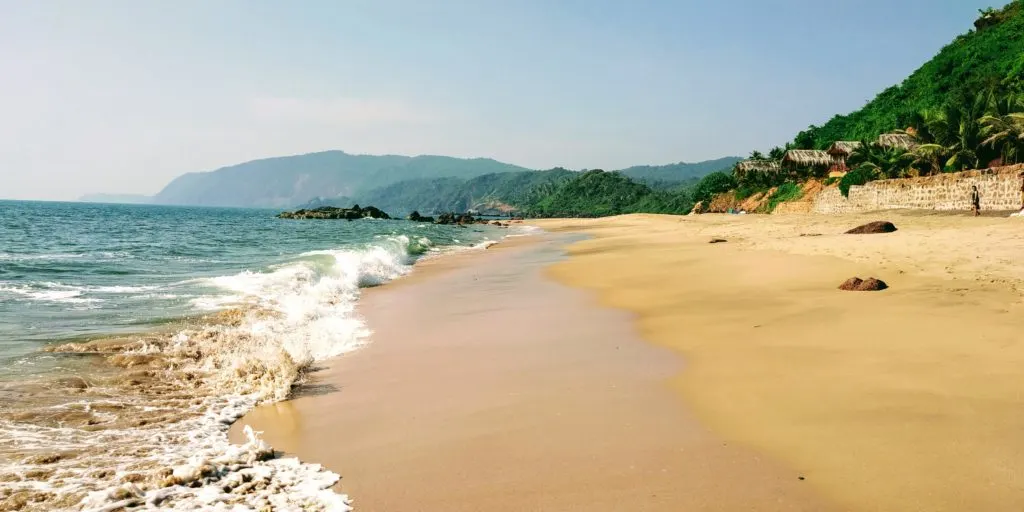
KODI BENGRE BEACH – UDUPI

Udupi is crisscrossed with rivers across its lands, rivers that were once lined with sparkling gold until the age of the ‘sand mafia’. Yet, its more prominent beaches on the shoreline are among the safe beaches in India, and are gaining in popularity, particularly Malpe. 10 kms South from Malpe’s camel rides and ice-cream carts is Kodi Bengre beach, an estuary where the river Suvarna meets the Arabian Sea. Fill up on dirt-cheap seafood before nodding off on the clean sand for a couple of hours. Watch out for the crabs!

Getting there:

The nearest airport is in Mangalore city. Buses and trains will take you to Udupi from Bangalore, Mumbai or Mangalore. City buses from Udupi make frequent trips to Kemmannu, Hoode and Kodi Bengre (dead end point). From Bengre one can reach Hangarkatte (other side of the river) by boat. NH 66 is a stone’s throw away from Hangarkatte.

8 Lesser Known Beaches for your bucket list
A boat journey along the river at sunrise (Photo Credit: Shashikanth Shetty)

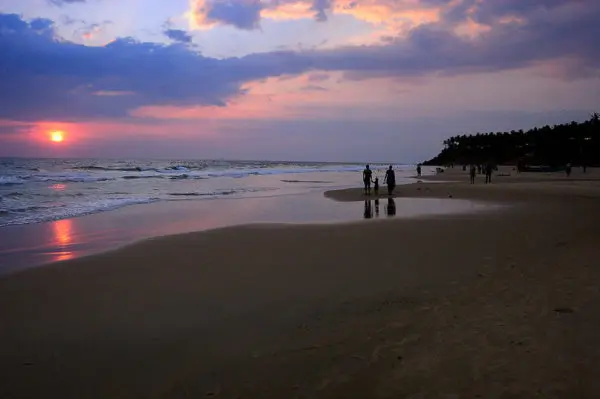
MARARI BEACH – ALLEPPEY

Put off by all the tourist signboards being erected while travelling through the backwaters? Move closer to the sea, 11 kms away to the splendid Marari Beach. It’s a great place to do absolutely nothing, and let the waves crash over your thoughts. Those of you searching for absolute luxury, get a room at the Marari Beach Resort, and if you’re itching for something more active, go help out fisherman from Mararikulam that throng the beach. Maybe one of them will invite you back to share the catch!

Getting there:

The nearest airport is Cochin International Airport. Mararikulam is connected by rail and has a railway station by the same name. It’s also well connected by road. NH 47 passes through S.L.Puram, which is 5 kms to the east of Mararikulam.

If interested in planning a trip to Kerala, India with us and need some more information, here’s more.

8 Lesser Known Beaches for your bucket list
A lonesome fishing boat off stunning Marari Beach (Photo Credit: nborun)

GOKARNA BEACH – KARNATAKA

The very definition of chill. It’s been among the best beaches in India and famous much longer than the others listed here, and as such has its share of beach side shacks, readily available alcohol and random bag checks by the local police. The reason it qualifies for this collection is its determinedly low-key vibe. Accommodation is still limited to a couple of thatched roof huts and it’s not advisable to be wandering around after dark, but there’s the added charm of a whole other side to the town, its temples and bustling market.

Getting there:

Goa’s Dabolim airport is the closest at 140 kms away. Trains from Mangalore, Mumbai, Thiruvananthapuram, Veraval halt at Ankola, 20 kms from Gokarna. KSRTC buses come in from all of Karnataka’s major cities and it’s located just 10 kms off the NH 17.

8 Lesser Known Beaches for your bucket list
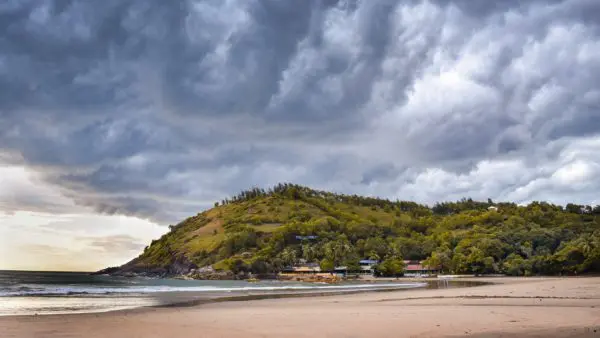
Kudle beach a nice C shaped beach with clean sand, clear waters and cool breeze, Gokarna – (Photo Credit – Ajinkya Patil)

KASHISHVISHWANATH BEACH – MANDVI

This one’s for those looking for more than just a beach. The beach is pretty packed, but you won’t find many tourists there, instead you’ll witness the practicality of beaches for fishing and shipbuilding and the recreational style of taking your family for cotton candy and evening horse rides. Indians don’t just relax on beaches, they frolic, letting their children run amok with little bamboo and paper windmills as they charge up on delicious beach street food. It can be a welcoming change from the assumption that beaches are strictly for lolling about. Mandvi in itself is a beautiful city; its streets lined with ancient buildings in fading pastels and intricately carved temples.

Getting there:

The Bhuj airport is 60 kms away and has daily flights from Mumbai. Also, Bhuj’s railway station has trains passing by from both Mumbai and Ahmedabad. By car it’s 450 kms from Ahmedabad.

8 Lesser Known Beaches for your bucket list
The Amazing view of evening at Mandvi beach (Photo Credit – Kaushik Patel)

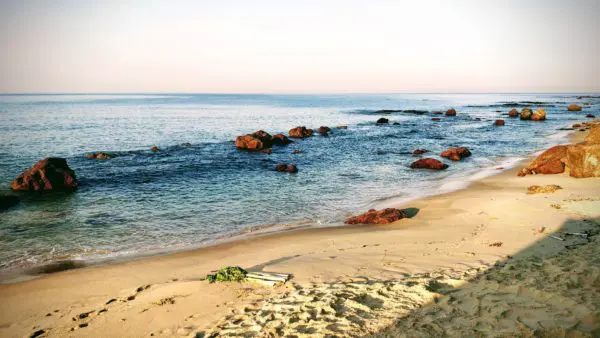
RAMESWARAM BEACHES – TAMIL NADU

Surrounded by sea, this island is fabled to be where Ram built a bridge to Lanka to rescue his wife. Deeply entrenched in lore, it then tends to be packed with pilgrims in town for a visit to the mighty temple at its centre and a quick holy dip on its myriad of beaches. From sandy to slightly pebbly to sheer cliff faces, Rameswaram has every kind of beach. Nevertheless, be warned that this might not be the spot to show off your hard-earned beach bod.

Getting there:

Fly into Madurai or Tuticorin airport or get a train from literally anywhere in the country. The same goes for buses, there’s always a crowd of pilgrims passing through so it’s easily accessible.

8 Lesser Known Beaches for your bucket list
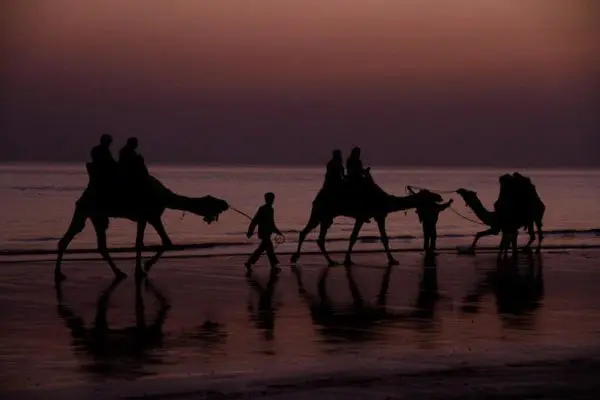
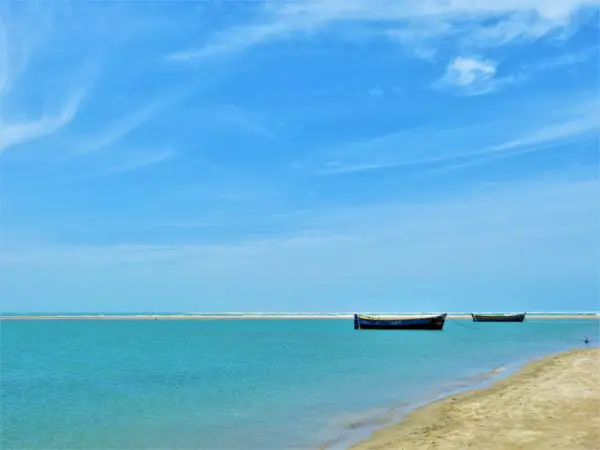
Boats anchored off the coast in Rameswaram Island (Photo Credit – Haseesh Rahithya)

VENGURLA – MAHARASHTRA

Nestled on the Maharashtra-Goa border, a great spot for mouth-watering Malvani seafood, this town boasts of more than 23 beaches packed with activities – kayaking, cycling, fishing – but no people. Back in the day, it was an important trading port both for the Dutch and the British. This gives it a nice historical characteristic, something you can follow for a bit of added fun.

Getting there:

The nearest airport is in Mumbai. You can catch a train to Kudla or drive over from Mumbai, Pune or Nashik.

8 Lesser Known Beaches for your bucket list
Vengurla beach is great for kayaking, swimming, and snapping the perfect sunset photo (Photo Credit – Aamir)

HAVELOCK ISLANDS – ANDAMANS

In my opinion, the only reason these gorgeous beaches go unnoticed is because of the hassle of getting there. But you don’t need to worry about that, because you have us! Walk on white sand out of a dream, scuba dive to see the vast and vibrant corals and species, and even meet the world’s largest ocean swimming elephant. It’s truly a paradise down there. And with the government starting to promote ecotourism on the islands, there are even two ATMs now!

Must Read: Holiday in the Andamans

Getting there:

Once you land in Port Blair via air, it’s all a complicated and often unruly mess in terms of the ferry tickets. You can pre-book the fast selling government ferries, push and shove for the local alternatives or dish out for the luxury A/C catamaran. Whatever you choose, make sure it’s done in advance!

8 Lesser Known Beaches for your bucket list
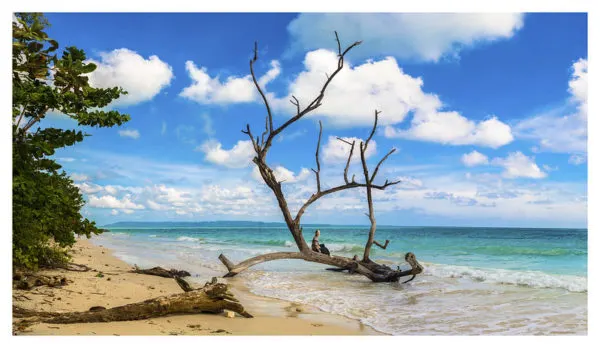
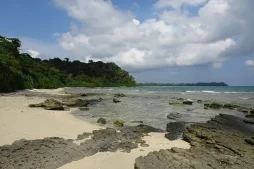
Flawless seashore of Kala Pathar Beach in Havelock Island (Photo Credit – Göran Höglund (Kartläsarn)

TARKARLI – MAHARASHTRA

This beach is similar to Vengurla in many ways, but with the added attraction and beauty of a 17th century fort and the deep blue Karli backwaters collapsing onto the sandy beaches. You can scuba dive to take a closer look at the coral reefs and there are great camping options if you like palm fronds and glittering stars for a roof. And again, the Malvani food!

Getting there:

Follow the Mumbai trains to Kudal, just as with Vengurla, and simply ask your ride from the station to take you here instead.

What are you waiting for? Tis the sea-sun to enjoy quality beach time! Especially when you can plan it with us here or contact us at thinkingindia@indiasomeday.com for any enquiries.

Into the Jungle: 8 Indian Wildlife Reserves you can’t miss

Let’s face it, you came here expecting to embrace the wild. Enormous, calculating tigers stalking through the tall dry grass, peacocks unfurling their tails in the monsoon breeze, hordes of elephants storming through heavily damp rainforests. And it’s true, we have it all in many of our Indian wildlife reserves.

Here’s where you can go to crawl into the heart of the jungle and the national parks of India and hear the call of the wild whispering right into your bedroom window, whether your bedroom’s a luxury tent or a treehouse.

If you are specifically visiting South India, then we would recommend you to check out these Indian wildlife reserves.

Into the Jungle: 8 Indian Wildlife Reserves you can't miss
Elephant in the jungle (Photo Credit – myashwanth)

Gir National Park

The last remaining natural habitat of the Asiatic Lions now has 523 big cats lounging about its grounds. This is a mind-blowing increase from the 20 that survived the widespread hunting of the 19th century thanks to conservation measures taken in the Indian wildlife reserves.

Apart from these star attractions, there are also Leopards, critically endangered Long-billed Vultures and Marsh Crocodiles. Moreover, the park organizes a Safari Tour that’ll take you through the core area of the jungle and right up close to the wildlife.

Where to stay: The Fern

When visiting the National Parks of India, where you stay can complete your trip. The Fern has the uncompromising luxury for the ecologically sensitive within the Indian wildlife reserves.

The Fern hits all the big names from sewage treatment to eco-friendly toiletries and doesn’t miss the little details, taking care to decorate their sprawling property only in potted plants and non-cut flowers.

Into the Jungle: 8 Indian Wildlife Reserves you can't miss
Saltwater Crocodile (Photo Credit – Sarangib)

Kanha Tiger Reserve

Deep lush valleys, heavy green boughs overhead and soft grass underfoot – this is the forest that inspired Rudyard Kipling’s Jungle Book. The safaris are intensive and take you right into the heart of the jungle, although they’re a hassle to book, you can leave that to us! Opt for a safari later in the day and you can catch the Sambhars and Gaurs grazing at Bamni Dadar in the glow of the setting sun.

Where to stay: Chitvan Jungle Lodge

A gorgeous property that promotes absolute self-sustainability in the beautiful surroundings of Kanha. Vegetables come fresh from the in-house farm and all electricity is converted from solar energy. You can even bring your pets along!

Into the Jungle: 8 Indian Wildlife Reserves you can't miss
Kanha National Park (Photo Credit – Ashish Upadhyay)

SundArbans National Park

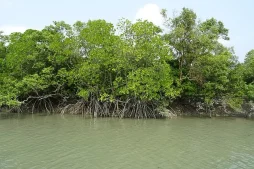
A unique ecosystem formed by the deltas of the Ganga and Bramhaputra rivers, thereby creating the largest halophytic mangrove forest in the world, the Sundarbans is home to the famous Royal Bengal Tigers.

If you visit in the winter, you’ll see not only the Tigers but Macaques, Indian Grey Mongoose, Leopard Cats, Ridley Sea Turtle, Wild Boar, Jungle Cat, Fox, Flying Fox, Fishing Cats, Chital, and Pangolin. All are driven to the riverbanks in search of some sun as you drift down the river by boat.

Where to stay: Solitary Nook Resort

A cosy little outpost that’s perfect for honeymooning couples. Rent out bicycles during the day to tour the forest and then simmer down in front of a roaring bonfire, with a pile of delicious seafood on your plate.

Into the Jungle: 8 Indian Wildlife Reserves you can't miss
Mangroves – Sundarbans

Mahatma Gandhi Marine National Park

Made up of 15 islands in the Andaman and Nicobar group stands an Indian wildlife reserve among paradise. This is a chance to see coral reefs first hand. You can either do so through glass-bottomed boats or more closely by snorkeling/scuba diving directly into them. A veritable paradise of sandy beaches and swaying palms, you may mistake the islands for being all fun and games, but the reefs help you to understand the beauty we are constantly destroying and must learn to protect and nurture.

Where to stay: Sea Princess

Serene and tropical, nothing can touch you here but the sounds of the wind and the sea. Located on the beach itself, try to remember that insects and mosquitoes are simply part of the daily routine here. Try and opt for eating out a few times for the sake of variety and your wallet.

Into the Jungle: 8 Indian Wildlife Reserves you can't miss
Beautiful Andaman Islands

Balpakram National Park

Balpakram – the land of the perpetual winds. Tucked into a deep gorge in the South Garo Hills this is one of the wild national parks of India. The Balpakram is teeming with life and shrouded in folklore. It is said to be the final resting place of souls before they depart for the next world, a story that seems to ring true in the whispers of the trees.

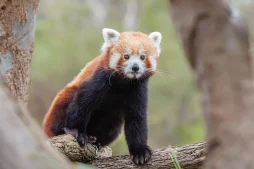
Between these rich fronds frolic the rare Lesser Panda, the Indian Bison, and the Serow. Medicinal herbs and endangered flora flourish 3,000 ft above sea level, and great Hornbills and Orioles cry out.

Where to stay: Tura Guest House

There are no guest houses within the park, so visitors must stop at the Tura guest house run by the Meghalaya Tourism Department.

Into the Jungle: 8 Indian Wildlife Reserves you can't miss
Red Indian Panda is also known as the Lesser Panda

Kaziranga National Park

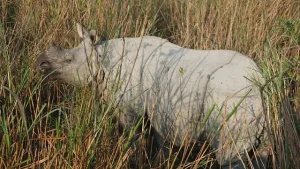
A whopping two-thirds of the world population of the Great One-horned Rhinoceros resides in this leafy haven. Since 1904, there has been a boost of 1,600 animals from the park’s original 200. Ride in on an elephant safari and find that the animals are unperturbed by the gentle giants, allowing you to get well within photographing distance.

While you may not spot a tiger, you’ll see their presence all around in pugmarks, kills, and territorial markings. Apart from these big beasts, there are also swift swamp deer and partridge to be spotted. Also, keep an eye out for the Reticulated Pythons and Rock Pythons to watch out for!

Where to stay: Infinity Resort

Stilted cottages of cane and bamboo with thatched roofs echo the local architecture. A natural pool and verdant fruit trees mean a lively bird population. A sight that you can enjoy on your verandah each morning before your safari.

Into the Jungle: 8 Indian Wildlife Reserves you can't miss
Rhinoceros in the Jungle

We’re here to help you plan your next wildlife safari holiday in India – get in touch and we’ll give you a plan that’s best suited to your needs!

A Safari trip to Tadoba National Park

Our friend Jenny decided to write a guest blog for us on planning a Safari Trip to Tadoba National Park. Jenny works with Tigers Heaven Resort in Tadoba, and definitely knows the inside scoop! Visit Tadoba National Park to glance at the beautiful wildlife India has to offer, including the famous Bengal tiger.

In 1955, the Tadoba Tiger Reserve was established and named after the local deity, Taru. According to the mythology, the tribal God Taru was famously killed by a tiger, and a shrine was devoted to him on the banks of the river Tadoba. Soon after, the park was declared a reserve in the year 1993, and since then has gained huge popularity.

A Safari trip to Tadoba National Park
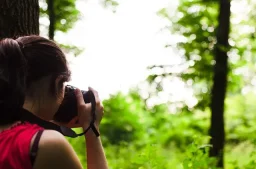
Photography at the National Park

Location of the Tadoba National Park

Situated in the Chandrapur district of Maharashtra, the national park lies in the centre of the forest reserve, located within the Chimu hills. The park has been combined with the Andhari sanctuary to create the Tadoba-Andhari Tiger Reserve.

Landscape

The extraordinary landscape includes valleys, meadows, lakes, and hills. Tadoba Lake, situated in the centre of the park, creates a picturesque and beautiful landscape. The National Park is the oldest and largest that you can visit in Maharashtra, completely encompassed by roughly 600 sq km of surrounding forest area.

Flora and Fauna

The diversity of flora and fauna in this national park is vast. Deciduous forests fill the entire reserve. The vegetation mainly includes Sal, Semul and Mahua. The national park also has Mango and Jamun fruit trees dotted around. Enjoy the unique experience walking through this natural reserve spotting tigers, spotted deer, wild dogs, leopards, sloth bears, blue bulls, wild boars, the langur, flying squirrels, and more.

Weather

Winter can be severe during the months of December to February. Summer starts from March to May followed by the monsoon season prevailing from June to September. It is always advisable to avoid the forests during the monsoons due to the risk of heavy downpours and flooding. Post monsoon season, the best time to visit the national park is from February to May.  Furthermore, the park remains open throughout the year except on Tuesdays.

Where to Stay?

In the midst of the wildlife, you can stay in the budget resorts at Tadoba National Park. There are various camps and resorts that can provide you with great accommodation options. The Maharashtra Tourism Development and Forest Development Corporation of Maharashtra controls a selection of these resorts. Available are a variety of eco huts, guest houses, and dormitories at cheap rates, and some of the lodges may offer viewpoints for spotting the wildlife.

A Safari trip to Tadoba National Park
(Photo Credit – Rohit Varma, Flickr)

Safari Ride

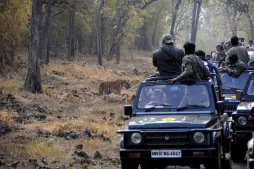
The major attraction of staying at the Tadoba National Park is the safari ride that will provide you with the unique opportunity of getting up close with nature. Embark on an open jeep safari as it enables you to enjoy the excitement right under your nose. You can experience safe encounters with the world-famous Bengal tigers on the safari ride as you travel in open, comfortable jeeps.

Here you will observe jungle cats, hyenas, wild bears, and cheetahs as well. The park is also home to over 180 species of birds including endangered species of water birds. You can also spot migratory ducks and marsh crocodiles around Tadoba Lake.

Proof of identification is required before you can enter the park. Foreigners will also have to show their passport upon entry. All of these are mandatory for an open jeep tour. For an unforgettable experience, hire a tour guide for detailed information about the different species you can find in the forest. Make sure to book your safari tour in advance from Chandrapur.

National Park timings are:

06:30 hrs to 10:30 hrs, then 13:30 hrs to 17:30 hrs (November-February)

06:00 hrs to 10:00 hrs, then 14:30 hrs to 18:30 hrs (March-June)

A Safari trip to Tadoba National Park
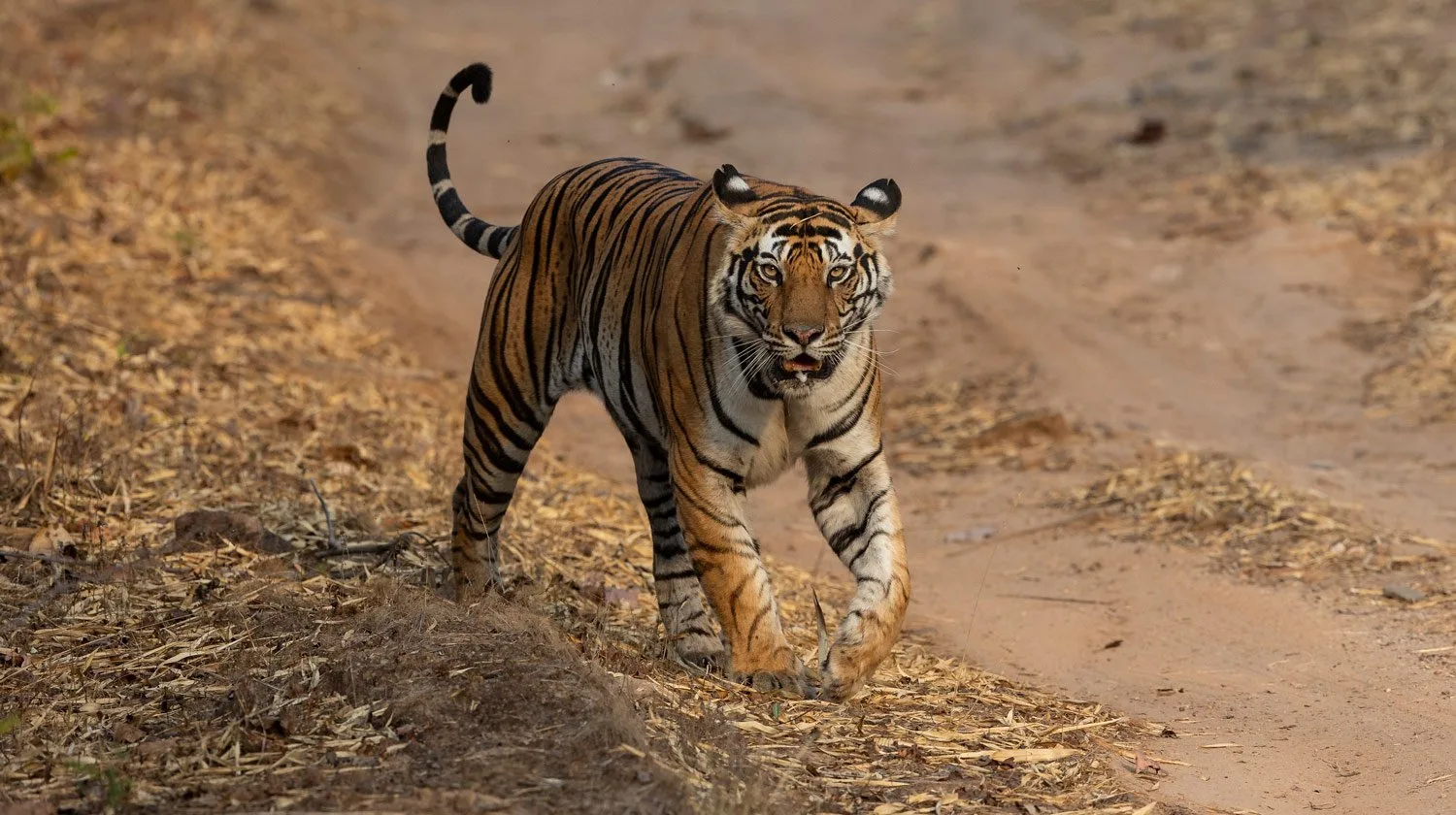
If you are lucky, you will spot a tiger!

Let India Someday handle it and plan your best trip.

PLAN MY TRIP subtext