TALK WITH US +91-9970620335
WhatsApp

South India in May and June

Planning on visiting South India in May and June? To be honest, we aren’t big fans of visiting South India in May and June. It’s hot. As in super hot! And humid! This doesn’t just mean fewer travellers coming to India but also that our subtle travel expert brains work a little slower than usual. But it doesn’t mean that you can’t travel to India. In fact, it only means that the mountains are calling!

And it’s not only the foothills and mountain ranges of the Himalayas that should get all the attention. From Mumbai in the north to the most southern tip of the subcontinent parallel to the western coast run the Western Ghats, a 1600 kms long mountain range listed as a UNESCO World Heritage Site. Covered with national parks, wildlife sanctuaries, forest reserves as well as charming hill stations.

Athirappilly Water Falls in South India
Athirappilly Water Falls (Photo Credit – Rashi Raffi)

An insight on travelling to South India in May and June

You can’t just find various wild and unique flora and fauna species in those hills but also endless fruit, tea and coffee plantations. And visiting South India in May and June offers cooler temperatures and less stuffy air than in the cities and plains of India.

As soon as the rains start by the beginning or middle of June, nature changes its colour from brown-yellow to lush green within a couple of days. Waterfalls appear and rivers and lakes fill up. It’s a celebration of life! The cloudy sky and cooling rain bring a drop in the temperatures and fresher more breathable air.
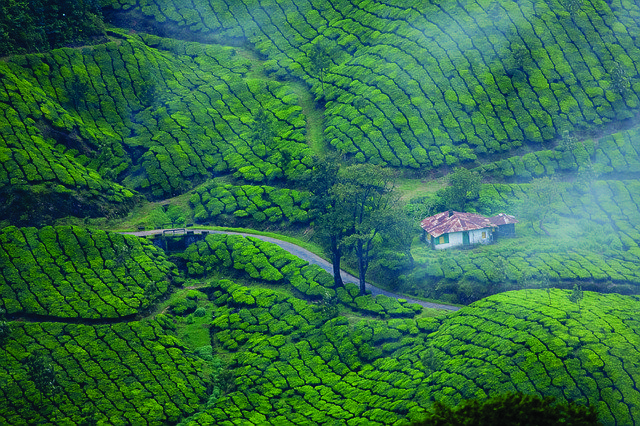
Munnar Tea plantations in Kerala South India
Misty mountains in Munnar (Photo Credit – 4769654_640)

South india in may and june (Munnar)

The most popular amongst the hill stations is Munnar which is reachable in 3 hours from Kochi and in 5 hours from Madurai. It’s more a region than a certain city or village worth visiting. In fact, the city of Munnar is a cluster of shops selling locally harvest products and cheap accommodations. Therefore, we rather suggest staying in the countryside amongst tea plantations, dense rain forest and high mountain views. There are numerous homestays and boutique hotels meeting every kind of traveller’s budget and expectations.

One can take road trips up mountain roads through breathtaking landscapes. Visiting museums and strolling or hiking through the tea plantations and forests is a good option. The beautiful Eravikulam National Park is home to the endangered Nilgiri Thar and is located only 35 kms from the city centre of Munnar.

Read on: Uncover the Perfect Time for an Unforgettable India Visit

Nilgiri tahr at Eravikulam National Park, Weather in South India
Nilgiri Thar at Eravikulam National Park (Photo Credit – Nandhu)

South india in may and june (Thekkady)

Thekkady can be reached in 3.5 hours from Munnar. The drive there is an experience in itself as the roads are built in several serpentines running up and down the mountains. The mountains are covered in dense forest and more tea plants. Thekkady is a region that accommodates the famous Periyar National Park. Spread across 777 kms, the wildlife sanctuary is home to tigers (there is no chance to see them though), as well as elephants, bisons and deers who often come to the artificial lake in the center of the evergreen park to drink. Your best chance to get a glimpse is to go on a bamboo boat ride or on a guided safari tour with tribal ranchers.

The little village of Kumily is the closest to the entry of the park and offers many nice restaurants and accommodations. The region is also famous for it’s spice plantations. Visit them to learn more the local culinary and ayurveda secrets.

Visit Piyar National Park in Thekkady (Photo Credit – Naeem Mayet)

South india in may and june (Wayanad)

Wayanad is a region in the Western Ghats further north of Kerala. Owing to its bigger distance to the backwaters and beaches, it is worth visiting as it’s less crowded and touristy. However, there is a lot to experience and see in Wayanad. Hike up to the Edakkal Caves which is of moderate difficulty. It boasts of gems like the prehistoric wall painting dating back to 8000 years. Thsi is a great way to get an overview of the mesmerising landscape of Wayanad. Or you climb up to the Chembra Peak with views all over the area with pleasant mountain climate to enjoy.

Don’t miss out on the Banasura Sagar Dam in Kalpetta. It is the largest dam in India and is the 2nd largest in all of Asia. At Muthanga National Park, you can experience exotic wildlife and nature on a half-day safari. Kuruva Dweep is a group of unhabituated islands in the river delta of the Kabani River. Here, one can find an incomparable interesting flora and fauna. You can cross from river island to island on small bamboo rafts which make the visit very adventurous.

The beautiful landscapes of Wayanad.
The beautiful landscapes of Wayanad

Other hill stations

You could also visit the other interesting hill stations in South India in May and June. To name a few, you could visit Ooty, Coonoor and Kotagiri in Tamil Nadu, all within a 50 km radius from each other. Ooty is called the queen of hill stations and was established by the British as a place of temperature relief. You can reach it on a memorable ride with a toy train. Coonoor and Kotagiri are smaller but you can also hike and enjoy stunning views from the surroundings of these small villages but do avoid their bustling messy centres.

Coorg is a hill station in Karnataka, 120 kms north of Wayanad, and famous for its coffee and spice plantations. On the weekend’s, domestic tourists from Bangalore flood into this countryside. Accordingly, weekdays is your best bet if you like to enjoy the beautiful nature almost by yourself.

more information

If you aren’t much of hiking or nature person and prefer luxury travels and relaxation, South India doesn’t disappoint. You could travel to the beaches of Goa or Kerala as well as the Backwaters and stay for a bargain at 4 to 5 stars resorts. Many hotels, homestays and resorts close between April and October due to the off-season. However, the ones that remain open offer great deals in the hot and rainy season. But be prepared that it can get extremely hot and many restaurants and bars will be closed.

Kerala Calling: Discover the Perfect Time to Visit Kerala

Discover More: Embrace Things to do in India

You can find some of the mentioned hill stations in our articles ‘Suggested travel routes for two weeks in south India’, ‘Budget backpacking tour of South India’ or ‘Four travel routes for Kerala’. We can also create a personalised travel route for you to include some or all of the mentioned regions so you can travel from one cool and naturally beautiful place to another. Hit that Plan Your Trip button and let’s get started!

Explore Luxury Options: Hotels in India

Cultivating Paddy Field, weather in south India in May and June
Cultivating Paddy Field (Photo Credit – Nandhu Kumar)

Travelling to India in the monsoon

Travelling to India in the monsoon may seem like a daunting task. However, with the right advice and routes, it can make for a memorable journey. India has three seasons: the warm summer (March-May), monsoons (June-September) and winter (end November-February). Winter can be pleasant with almost no precipitation, late summer can be severe with dry or humid heat, and the rains are typical monsoonal rains.

However, India is a big country with multiple climate zones and therefore the monsoon can develop differently in various areas of India. Read through our guide of travelling to India in the monsoons and figure what to pack accordingly.

Here is an overview on the best time to visit India.

Here is a detailed overview on what the weather would be like each month in India, in different regions of the country. Feel free to explore.

January | February | March | April | May | June | July | August | September | October | November | December


It's all about the attitude when you travel during Indian monsoon.
It’s all about the attitude when you travel during the Indian monsoon.

overview of travelling to INDIA DURING MONSOON

For those looking at travelling to India in the monsoon, we must be honest, that you need to choose the region wisely as it rains a lot in certain areas. So it basically depends on which region you choose to visit. Sometimes it can rain for days, and it rains heavily in the tropical areas of the west coast and in Northeast India. The cities have sub-par drainage system that leads to floods during downpours.

Also, it will be constantly humid. In the mountains, landslides aren’t uncommon. Transport, especially buses and trains can be delayed and due to heavy fog and rains, even air traffic can be disturbed. Almost all national parks in India are shut from June to the beginning of October and safaris would not be possible. Nonetheless, our country has a few gems that are best explored in the monsoon.

Although the heavy showers can make things unpleasant from June to September, there are benefits to this season. Nature comes to life, and forests and rivers swell with activity. Many tourists avoid travelling to India in the monsoon, which means you get the advantage of off-season costs. You also get to enjoy a lot of sights to yourself. That makes it easier to connect with the locals and experience more authenticity. The typical tourist scams appear at a minimum, and you get to truly experience the country.

This is the best time to visit India for budget-conscious backpackers looking to keep expenses to a minimum while retaining comfort. Many hotels offer their rooms for a lower rate, often even for half the costs than in the main season. You can stay at boutique hotels or luxury resorts for low prices. Good accommodation is a must during Indian monsoons as you might spend some time indoors when a particular strong downpour hits the city.

In general, most of the two week North India travel routes outlined here can be explored during the monsoons, with the benefits of less rain, few tourists and good prices.

Unwind in Style: India’s Luxury Hotels

Read on: Complete Guide for US to India Travel

You can visit the Silky Niagara waterfall in South India (Photo Credit – Sankara Subramanian)

BEST PLACES TO VISIT IN INDIA IN THE MONSOON

The monsoon in India is damp, but heavy showers that last for days is a rarity. Showers last for a few hours, and sometimes you can even have some sunshine. Technically, you can travel anywhere as long as you know what to expect and you pack right. However, some areas might be more enjoyable than others.

South and West India

The monsoon in India hits the west coast the most. As a result, the popular destinations of Goa and Kerala face a lot of rain and humidity. We would recommend avoiding coastlines, as beaches lose their charm and the strong currents make swimming dangerous. The beach resorts and shacks close in April and don’t open again until September or October.

The monsoon is the best time to hit the countryside and hill stations. As nature and greenery are in full swing, it’s a pleasure to walk through the lush hills and pass swollen lakes and rivers. Wayanad, Munnar and Thekkady, located in Kerala, are beautiful during this season. The Dudhsagar Waterfall in Goa is a must-see and you can hike to it. Ooty in Tamil Nadu is very popular among domestic tourists who want to escape from the cities. Hampi and its ancient ruins are also worth a visit in this season. Combine it with a visit to Mysore and Wayanad. Find out more here.

Explore the Ideal Seasons: Best Time to Visit Kerala

Munnar in the Western Ghats is famous for its tropical mountain climate as well as the tea plantations. A great destination even during monsoons!

North and Central India

If you want to escape the Indian monsoon all together and enjoy stunning mountainous landscapes, Ladakh might be the best destination for you. This northernmost state is flanked by the high mountain ranges of the Himalayas and the Karakorum mountain range. It offers breathtaking views and great opportunities for hikes. The precipitation is very low, causing it to be known as the cold dessert. Visit between June and August, when the days are moderately warm and nights pleasantly cool.

From June to August you should avoid travelling to the footsteps of the Himalayas. Places like Rishikesh, Dharamsala, Manali, Shimla and Kasol as well as Sikkim and Darjeeling face a lot of heavy rainfall and therefore experience many landslides. Trekking is impossible and you would need to stay indoors most of the time – not how you would like to spend your time in India!

Rajasthan faces minimal rainfall, and some rural parts don’t get any rain at all. There are very unique and beautiful boutique and heritage hotels that lower their prices a lot during the rainy season. The south and east of Rajasthan become very green and lively. Hiking is definitely an attractive option.

In a nutshell, in the South avoid the beaches and big cities and enjoy the countryside and hill stations, in the North travel to the high mountain ranges of the Himalayas or enjoy the lower temperatures in Rajasthan.

Speak to us and let us help you navigate and plan the best trip to India even during the monsoons, we have got your back!

Discover More: 20 Prime Destinations to Visit in North India

Dive Into: Must-See Places in Rajasthan

Learn More: Explore Things to do in India

When the monsoon hits Central and South India it is the best time to travel to Ladakh where the sun is still shining

What to pack for the monsoon in India

The most important thing when travelling to India in the monsoon is the right footwear. Flip flops aren’t the best option as you just flip the dirt against your legs while walking. Any sandals made of lasting rubber and with a back strap to hold the shoes to your feet are a good idea.

Some people enjoy gum boots but for others, they might be too warm and heavy to carry. So do invest some money in good quality rubber sandals or check the markets after arrival as the locals know best about how to cope with the rainy streets.

A thin rain jacket with breathable material is essential and so are thin light clothes that dry quickly. Pack clothes that cover your skin entirely as the sun can be quite harsh during monsoons. Also, pack a rain jacket and an umbrella to make your travel easier. It is important to carry mosquito protection spray because, with the rain, come the mosquitoes. Invest in a mosquito net if visiting places with heavy rain and ensure you carry a mosquito repellent. Avoid getting bitten as though not high, there are still chances you can get malaria or dengue Also, pack rain covers to keep your luggage safe.

We hope our article has helped you see the benefits of travelling to India in the monsoon. If you do find yourself trapped indoors while a shower dissipates, you can always spend time the Indian way – with a conversation, a book or a nice Bollywood film, and a hot cup of chai. Interested in planning the perfect monsoon getaway to India? Get in touch by clicking on Plan Your Trip.

During the Indian monsoon, you need to pack water-proof clothes and shoes (Photo Credit – Prasad Pillai)

Things to do in Munnar, Thekkady, Alleppey and Kochi (Kerala)

Your time in Kerala is going to split between exploring the beautiful surrounding nature, complete with elephants, eating great food, perhaps a cooking class, and relaxing.

The following is an overview of various activities you could undertake and ways to get around Munnar, Thekkady, Alleppey and Kochi. The list is not comprehensive and we highly recommend using a guide book and tips from your hotel/homestay in addition to this outline.

Beautiful Kerala is one of the most popular states for tourists to visit

things to do in kerala: Munnar

The highlight of Munnar is the gorgeous views of the surrounding valleys filled with trees and tea plantations. Munnar is more of a see and relax town, than having active things to do.

In terms of activities, you could still do a forest trek or ride/bath elephants. You would want to take advice of your homestay or hotel while planning these activities.

Getting around Munnar

You will need a vehicle to get around Munnar. Most of the points of interest are a generous distance apart and cannot easily be reached on foot. If we have rented a car for your entire time in Kerala, you can use this at no additional cost. Else your hotel/homestay can arrange for a car at approx INR 1,200-1,500 for a day. You could also get around Munnar by hiring a bike/scooter.

Things to do in Munnar

  • You could spend time visiting the Eravikulam National Park in Munnar. The Nilgiri Thar (mountain goat) can be spotted fairly easily here. It is a pretty spot where you’d spend a little over an hour. The bird sightings are good but don’t expect to spot any spectacular wildlife such as tigers or leopards.
  • Visit the scenic Mettuppey Dam and the Sandal Wood forests. There are also many waterfalls in and around Munnar such as Lakkam and Attukal waterfalls.
  • You certainly want to visit a tea plantation and the Tata Tea Museum. Your hosts in Munnar, as predominantly you are in a homestay, are the best source of information for interesting activities to do.
National Parks in Kerala
Bird sightings in the park

Thekkady

Pretty in its own right and by the edge of the Periyar National Park, Thekkady in Kerala offers a lot more active things to do. For adventure enthusiasts the Periyar National Park provides a number of adventure activities like light treks, heavy forest treks or day rafting.

Getting around Thekkady

It is difficult to reach all the spots in Thekkady on foot. Again, if you have rented a car you can use that, else you should use a Tuk-Tuk – a much cheaper option than hiring a car for a day and can reach all spots. It will be roughly INR 400-700 for a day and can be arranged through your hotel.

Things to do in Thekkady

Here is a list of things to do with an overview compiled by the owners of Indhrivanam.

  • One can ride and bathe elephants at Elephant Junction. Or you can take a spice plantation tour, which is pretty educational, and see the traditional dance and martial arts show.
  • Over and above Thekkady too is a very relaxing place to take it slow and enjoy the views. One can particularly enjoy the traditional Indian dance and martial arts show at the cultural centre. Both last for about an hour – do not miss it!
Activies in Munnar, Alleppey, Thekkady and Fort Cochin Kerala
Kalarippayattu – traditional martial art

Alleppey

The highlight experience of Alleppey in Kerala is its backwaters. Take an overnight houseboat or a day cruise or for a few hours riding along the backwaters and viewing normal day life along the banks.

Getting around Alleppey

Take an autorickshaw or a bus from the town centre to where you would like to go. The journey from Alleppey railway station to downtown is only 10-15 minutes and will cost about INR 50-60. Buses also run and are a cheap mode of travel, but Alleppey is quite small and going around on foot is far more enjoyable. Or you could consider hiring a bike/scooter from a reliable source.

Things to do in Alleppey

  • Accommodation options are spread along the backwaters in Alleppey. It does not offer any principle attractions, apart from the backwaters itself. You would have to speak to your hotel/homestay for additional activities.
  • Virtually all of them can arrange for a backwaters cruise if you are not spending a night on a houseboat. They can also arrange for cycles to roam around the countryside or guided farm walks to explore the fields.
  • Alleppey is also extremely close to the coast so ask your host to direct you towards the beach if you wish to spend time there.
Things to see in Fort Cochin, Why visit Alleppey, Alleppey Backwaters
Houseboats floating over the Alleppey backwater (Photo Credit – Abhishek Prasad)

Kochi

Kochi in Kerala is a quaint town, oozing with old world charm by the sea. The experience is just exploring the place on foot.

Getting Around Kochi

Kochi is just off the mainland and ferries are the fastest mode of transport. They run from Ernakalum and will take you to the main ferry port in Kochi. There are also tuk-tuks that will take you from Ernakalum station to catch the ferry.

Things to do in Kochi

  • There is an array of sightseeing in Kochi. You can visit the Synagogues, see the Chinese fishing nets and buy dinner at the fish markets. Stop by one of the lovely cafes and enjoy South Indian cuisine, or ask your hosts to direct you to find a cooking class.
  • Explore the old Portuguese and Dutch colonial buildings and churches such as St Francis Church, David Hall and Mattancherry Palace.
  • Kochi also has a cultural centre where you can catch the traditional Indian dance you should not miss!

Read Further: Engage in Things to do in India

Fort Cochin Kerala, Why visit Cochin, Alleppey Kerala
Sightseeing in Kochi – St. George Church

Hope our recommendations help you enjoy exploring and give you a better idea of what to expect in each city and list your top favorite places! 

Learn More: Prime Time to Visit Kerala

If you do have any difficulties and need our advice or assistance to plan your trip we would be happy to help you. Just fill out our form and one of us will get back to you as soon as possible.

Top 5 luxury locations in India

When you think of India you think of its spirituality and diversity. For being on every backpacker’s trail because it’s just so, so cheap. Right? Wrong. India is also the land of royalty, of opulence, home to dozens of erstwhile rajas and nawabs. Our thirst for over-the-top-luxury has since been honed to reflect the sleek, subtler undertones of the modern rich. So no matter how you choose to define luxury, India has it all.

I’ve had the good fortune of tasting some of this splendour myself, from glamping in the great outdoors to dining in the halls of palatial forts.

Here are five top recommendations from the most high-end hotels in the country

Taj Mahal Palace, Mumbais top hotels
Standing majestically the Taj Mahal Palace and Tower, Mumbai (Photo Credit – Mihir Upadhyay)

Udaipur

A fairytale city set in a bygone era and populated by romantics. Squeeze through the tiny bylanes of the old city and you’ll suddenly find yourself in the shadow of the ancient royal palace. With its stark white walls delicately moulded into trellised balconies and awnings overlooking the lake.

Decades ago, the James Bond’s movie ‘Octopussy’ is what made the luxury Taj Lake Palace iconic. It is still just as thrilling, though it’s now been converted into one of India’s finest heritage properties.

The Oberoi Udaivilas is a sprawling complex of uber-luxe buildings and grounds. It is the proud winner of the Best Indian Hotel for three years in a row. Each room here comes with its own private lagoon outside your door. Moreover, every room offers gorgeous views of both the Lake and City Palace.

All said and done, though, they’re still not my final pick.

high-end hotels in Udaipur Rajasthan, Udaivillas
Dive in your own Luxury Suite Pool (Photo Credit – The Oberoi Udaivilas, Udaipur)

The serai, Jaisalmer

Understated and restrained, yet oozing with lavishness. No expense is spared to provide the absolute highest quality experience in these luxury tents. It is spread on hundred acres of shimmering desert.

Gourmet food, the best wines, private, heated, candlelit pools, privately guided safaris, a world-class spa, private tours, the list is endless. All this, set in the lap of natures bounty among the shifting sands, glinting golden in the warm summer sun.

Kumaon

Originally a kingdom in its own right, these majestic mountains rise up above their misty shrouds in a world of complete and pristine isolation. It’s the perfect getaway if you’re looking to cosy up with someone you love in a world of your own. When you’re up for some adventure, you can explore the history of this regal martial race, their gorgeous architecture and culture.

Shakti 360° Leti, Bageshwar

Contemporary design, traditional building methods and locally sourced materials come together to create these luxurious one-of-a-kind cabins, the pinnacle of privacy.

Floor to ceiling windows offers you an exclusive view of the mountains. And verandahs with individual fireplaces make for romantic evenings unless you wish to spend them indoors wrapped in one of the many pashminas strewn around.

The cabin offers you acres of nature without another soul for miles around. However, liveried staff will still arrive daily with gourmet meals. You can select wines and any other service you can think of to ask of them. Win-win, isn’t it?

Unique hotels in India
(Photo Credit – Shakti 360° Leti, Bageshwar)

Bandhavgarh

Deep valleys, wide grasslands and dense bamboo thickets spread across 437 sq kms. The Bandhavgarh National Park is the quintessential rustling Indian midland forest. It has the highest density of tigers in the country, and littered in between are the hunting lodges of erstwhile Maharajas of the region. A 2,000-year-old fort is worth a trek through the Sal forests.

Mahua Kothi by Taj, Bandhavgarh

A lovingly restored ‘Kothi’ homestead surrounded by 12 private suites with individual shaded access, sheltered verandahs and traditional mud floors. You can bank on the famous Taj hospitality as you let the history soaked in the hand-finished walls and open rafters take you on a journey.

Each morning, coal warmed kettles will be brought to your door for your daily tea. Also, gift baskets of yoga goodies and traditional Indian games will keep you busy between bicycle rides.

Luxury destinations in India
Experience dining in the woods (Photo Credit – Mahua Kothi by Taj Bandhavgarh)

Darjeeling

A colonial paradise of quaint churches and orderly tea plantations, Darjeeling is a slice of heaven on a plate. Ride the adorable toy train to some of the most scenic valleys and cliffs in the country. Stop for a quick momo (dumpling)and thukpa (noodle soup) and break to fuel up for a lovely walk through the gardens. There is no stress in heaven.

Glenburn Tea Estates

Glenburn Tea Estates is the epitome of sophistication. The vineyard resorts of Europe is what inspired them. Accordingly, guests can fully experience and participate in every stage of the wine-making process. But the real draw is the gorgeous accommodation, seven themed suites of delicate British good taste.

Hand embroidered linen graces the antique furniture, fresh fruit baskets and flowers adorn the intricate lawn furniture. Mesmerisingly carved wooden panels line the spacious rooms overlooking the green slopes. Pastel shades and soft feathery duvets underline the cosy feel.

Hiking trips, fishing, massage therapies, butterfly watching, camping and cooking classes help you unwind at this gorgeous estate.

Explore More: India’s Most Opulent Hotel Picks

Enjoy a slice of Europe here – The Planters Suite (Photo Credit – Glenburn Tea Estate)

Since every single one of these locations is at the top of the exclusivity list, you may have some trouble making a reservation. don’t hesitate to drop us a line, we’ll get the job done!

Suggested travel routes for two weeks in South India

South India is a tropical paradise of endless beaches and dense jungles, ruins and mouthwatering food. Being in India though, there’s almost too much to see and there’s never really enough time to see it. In this blog, we’re going to help you pack the most punch with some suggested travel routes for two weeks in South India. Do it without pushing yourself so hard you forget to have a great time.

Wondering when is the best time to visit India, read this blog!

Backwaters of Kerala South India
Rewind, reflect and relax (Photo Credit – Ravi Shahi)

If you’re looking for deserts and mountains instead, check out our post on similar routes through North India.

The Classic route

Mumbai – Goa – Hampi – Mysore – Kerala (route on GoogleMaps)

This route is perfect if you are looking at exploring ruins, temples, nature and spending relaxing beach time. We start off in vibrant, accessible Mumbai, full of great pubs, shopping and architecture, easing your way into the rural life. From here you can catch any type of transport and be in amazing Goa overnight. Goa is the greatest place to let go and unwind. Check out the awe-inspiring crumbling artwork, drink cheap beers between yoga classes on spice farms and get cheap temporary tattoos.

Slow it down a bit at peaceful Hampi. Its historic grandeur is quiet and unimposing, sneaking up on you as you slide down the Tungabhadra. It’s a nice break after the more hectic Bombay and Goa. Additionally, spend a little time among Hampi’s gigantic boulder mountains and pick yourself up before moving on to Mysore.

Mysore is another haven for history lovers, though far better maintained and spectacularly opulent. Those who can handle the spice should try the famous Mysore Masala Dosa, a paper-thin rice pancake lined with chilli paste and fried potatoes. End your trip further down south among the lagoons of Kerala. It’s hard to recommend only one stop in this gorgeous state. However, we’d suggest Alleppey for a night out on the backwaters, Munnar for its weather and tea, and Kochi for the culture-seekers. These make for a great two weeks in South India.

Discover the Perfect Seasons: Best Time to Visit Kerala

Highlights: Pace yourself between hyperactivity and relaxation as you tread the different elements of a vibrant region.

Good to know: This suggested travel route for two weeks in South India isn’t well connected by trains, which may mean longer trips on buses, usually overnight, better for active travellers.

Mysore Palace, Two weeks in South India
The Royal hall of the Mysore Palace (Photo Credit – Manoj Kumar Kasirajan)

The Deep South

Chennai – Pondicherry – Tanjavur – Madurai – Munnar – Alleppey – Kochi (route on GoogleMaps)

Travel down into the bastions of South Indian Pride – Tamil Nadu and Kerala. Two states that seem somehow both diametrically opposed in culture yet overflowing with similarities.

Arrive in Tamil Nadu’s capital, Chennai. Growing upon its deep-set cultural identity is a buzzing tech hub. It makes for an easy entrance into the route. From here, continue to a uniquely blended culture at the French territory of Pondicherry. It’s become a haven for peace-seekers that set up artsy cafes and organic goods stores on its rocky banks.

Next, it’s Tanajvur and Madurai, two incredible temple towns of Tamil Nadu. The former is home to the much sought-after silk saris and makes for great gifts to carry home. Touch the intricately carved temple walls, and step in for a puja if they let you. Then, cross the Nilgiri Hills, stopping in the clouds at Munnar. Visit a tea factory, ride an elephant, and stay in on foggy cool nights with a hot cuppa. After, get back in the sun on the prow of a houseboat, soaking up that Vitamin D, probably in Alleppey’s backwaters. Round the trip off with the hubbub of Fort Kochi’s quay. Take a walking tour through its interesting quarters before going to Ernakulam.

Highlights: Beautiful architecture, from the centuries-old temples to the colonial hangers-on. An important upside is that this route is much safer for women, who can spend a hassle-free two weeks in South India.

Good to Know: If you’re up for a few more days holiday, visit the beaches of Kerala, maybe Varkala. Don’t be alarmed if the tourism industry isn’t geared toward helping foreign tourists in Tamil Nadu. They tend to focus more on Indians travelling for religious reasons.

Curious to see what North India travel routes look like?

Pondicherry, Two weeks tour around south India
Bienvenue à Pondicherry (Photo Credit – Kaushik Murali)

The Off-beat trail

Mumbai – Aurangabad – Pune – Hampi – Aihole – Pattadakal – Badami – Goa (route on GoogleMaps)

Are you a fan of old ruined forts? We’ll give you a dozen. Make the standard tourist trip from Mumbai to Goa but with six lesser-known stops thrown in between. This offbeat trail is one of our favourites among suggested routes for two weeks in South India.

Aurangabad, the capital city of the mighty Mughal king Aurangzeb. These streets are paradise for the meat-lovers. They once fed huge armies on succulent slow-cooked beef. Pune is much touted as the cultural hub of Maharashtra. Be sure to squeeze in a play or two, or a subtitled Marathi film. Their concept of art will blow you away. From here you can catch a bus to Hampi and mellow out before moving on to Aihole. A tiny village in Karnataka, it boasts an ancient historical temple complex. Since it doesn’t draw a lot of tourists, it’s a good chance to experience village life untainted.

The temples are part of the Chalukya ruins, which continue into Pattadakal and Badami. The ones in Pattadakal are well preserved enough for it to have been named a World Heritage Site. When you’ve had your fill of valuable knowledge, skip off to the beaches of Goa for some well-earned relaxation!

Highlights: This is a great route if you really want an authentic slice of village life and some peace and quiet away from the city.

Good to Know: You’ll probably be giving up some comforts on the way, so carry anything extra you think you may need.


best places to visit, hampi, karnataka, ruins, south india
The ruins of Hampi are a must-see in Karnataka, a part of any good South India tour

Into the Jungle

Bangalore – Mysore – Bandipur – Wayanad – Thekkady – Alleppey (route on GoogleMaps)

This is the way to go if you’re here for wildlife parks and lush, green forest as far as the eye can see. Bangalore and Mysore are famous for their sprawling gardens. From Mysore, you can drive straight to Bandipur National Tiger Reserve. Funnily enough, it started off as a Maharaja’s private tiger hunting grounds.

The forestland spills over into the Wayanad Wildlife Reserve of Kerala. Dense and shadowy forests teeming with elephants trumpeting about between the teaks. Fed by the Kabini River, this forest is full of farms and villages along its edges. Here you can find a great home stay that allows you to surround yourself with nature all day. And finally, the pride of tiger reserves, the Periyar National Park. Battling daily against the urbanization and growing tea plantations, it’s an oasis of spine-chilling beauty and peace.

Highlights: Beauty, calm, peace. But also mosquitoes, so wear full-sleeved clothing.

Good to know: Wildlife resorts are always expensive, but they’re responsible and come with a great view! This suggested travel route for two weeks in South India is a seasonal route and best avoided from June to October due to the monsoons.

Discover More: Tips for US travelers to India

houseboat in the backwaters of Kerala, Suggested travel routes in south India
Ideal getaway from the hustle of the city (Photo Credit – Abhishek Prasad)

Temple Run

Chennai – Mahabalipuram – Trichy – Tanjore – Chettinadu – Madurai – Kanyakumari (route on GoogleMaps)

The Southern states have a strong tradition of making their temples the centre of the community. Into the temple go prayers and offerings and out come charity for the needy, dance, music and fine art. As society changes, they’re losing their grip on people’s minds, but they can never lose their charm. This route gives you the best of temples for your two weeks in South India.

This is often followed as a pilgrimage route, and you’ll be sure to meet a lot of religious travellers on your way. That makes it a good chance to actually get to know the people and their beliefs. Take the trip a step beyond history and architecture; these cities have a lot more to them. Visit Chennai for its urban options, Mahabalipuram for its beaches, Trichy for its rock fort, Tanjore for its music and saris, Chettinad for its extremely hot food, Madurai for the depth of its Tamil culture and finally, Kanyakumari simply for being the absolute end of India. What holds them together though, are the temples. You can make a quite study of the Tamil practice of Hinduism and religious architecture, and all in just two weeks.

Highlights: Since they’re used to local visitors, the food and entertainment will be rich in local colour. But the accommodation options will be up to the mark.

Good to know: Tamil culture is strong and unyielding, do a little research about the people before you go. Expect clean and comfortable accommodation, but not too many boutique hotels on this route.

Temples of south India, Suggested travel routes for South India
Be awestruck with the enchanting details on these temples (Photo Credit – Prasanna Devadas)

BEACH BUM BONANZA

Mumbai – Goa – Gokarna – Bekal – Mararikulam – Varkala (route on GoogleMaps)

This route has got every kind of beach city you’ve dreamt or thought of. Pack that sunscreen, its beaches galore on this suggested route for two weeks in South India. Start in Mumbai, urban and with a great coastline. While the beaches aren’t top notch, they’re still worth the visit. Goa, on the other hand, is the classic beach destination with warm vibes. Filled with flea markets and cheap beers, let your hair loose and head to the nearest party. Where Goa’s bustling with nightlife, Gokarna is all beach. There are some temples inland, but the sea takes the cake, where you can watch surfers or jump in. Save up by living in a shack right on the seafront and gorge on seafood with the spare cash.

Bekal, in Kerala, has simply the most stunning sunsets. Spend your day clambering through Bekal Fort’s passageways, and make your way to a window to catch the sunset. From here you can afford to take it up a notch and splurge. Check into a beach resort at Marari, further down the Kerala coastline. Working in harmony with the local fishermen, they’ll help you dip into local life without being intrusive or exploitative. Continue to Varkala, which was always famous for its beach temple that attracted pilgrims daily. However, now it’s filled with surfers and yoga geeks, who the locals have welcomed with open arms!

Highlights: While constant beaches may sound boring, each one on this list is very different from the other. Each of the cities that they border has a unique charm.

Good to know: Great route for backpackers, but you should book well in advance, particularly your trains. This route is best avoided from May to September during the monsoons.

Explore Luxury Options: Hotels in India

Don’t worry, beach happy (Photo Credit – Abhishek Loke)

These were some of the suggested travel routes for two weeks in South India. If you’d like to do any of these trips, personalise them, or create an entirely new trip, let us know and we can arrange it entirely for you so you can maximize your travelling experience.

Yoga in India: Travel Route Ideas for Yoga Lovers in India

This article will highlight some travel routes for those who want to experience Yoga in India. Yoga is an integral part of Indian culture. It seeps into our cardio workouts, our morning stretches and even into our school timetable sometimes! If you plan to get a real feel of Indian life, yoga in India is a great place to start.

If you’re a beginner, there are dozens of great drop-in classes (40-45 minute classes) in most major cities. It’s certainly worth trying out, and it’s definitely possible to make new friends as you go. If you already have a background in yoga, opt for a tougher course. Set yourself some new goals, maybe even take home a teaching certificate?

In this article, we’ve mapped out some ideas for three great routes around India for you, which also allow for some sightseeing after your morning class! Don’t worry about the difficulty level. The options will be exhaustive. Yoga is for everyone.

Things to do in Hampi, Yoga traning in India
Meditation in Hampi

yoga Along the Southern Coast of india

Mumbai Goa Gokarna Varkala (route on GoogleMaps)

Fly into Mumbai and skip the rush of the inner city for the suburban leafiness of The Yoga Institute in Santa Cruz. It’s primarily a retreat centre and a great place to step out of chaos, even if you’re not ready for a full course.

Next stop – Goa! Tall swaying palms, soft sand underfoot and dozens of yoga classes popping up on every shore. Here, you could try the Lotus Yoga Retreat or Kaama Kethna to really keep tune with the universe.

South Goa is a great place to relax. If you’re looking for daily Yoga classes, warm seas and great food, here is a blog you should check out!

Gokarna, even quieter, will set your morning stretches to the gentle roar of the ocean. Spiritual land adjusts each class to the level of its drop-in students. Swaswara hosts all your yoga, Ayurveda and spiritual needs on one vast, ecologically sustainable campus. Finally, head down to the soft, quiet sands of Varkala.

At Soul & Surf, some old fashioned yoga can be practised at dawn. Calm the soul and then crash through the surf to kick yourself back into gear.

Contact us and we can help you plan your perfect Indian Holiday, filled with Yoga Experiences.

Travel Hacks: Smart Tips for US Travelers Visiting India

Places to visit for Yoga in India
Yoga on the beaches of Goa (Photo Credit – Steven Zwerink)

Mountain Trail

Delhi Rishikesh Dharamsala Agra Pushkar Udaipur (route on GoogleMaps)

Where better to seek out peace than in the mountains that have sheltered Shiva himself? Delhi is obviously the most convenient starting point, and also home to Seema Sondhi’s Yoga Studio. Seema herself took up yoga after a severe spinal injury. Her studio is a judgement-free zone that preaches applying yoga to the abilities of your body rather than the other way around.

From there you can move on to the mecca of yoga practitioners – Rishikesh. Combine the breathtaking natural beauty of Rishikesh with its ancient yogic heritage at Phool Chatti – meaning the ‘Land of the Flowers’. Courses can be demanding, so if you’re just here for peace and calm, check into Osho’s Gangadham further uphill.

Contact us and we can help you plan your perfect Indian Holiday, filled with Yoga Experiences.

In Dharamsala, you can explore Buddhist spirituality. Take a course on their own brand of meditation. If you’re still looking to come back to the yogic trend, visit the Himalya Iyengar Yoga Centre. It brings to life the traditions of BKS Iyengar in an open space lit by the sharp mountain light.

One of the great things about yoga in India is that there are a wide variety of courses offered varying in focus, degree and length, so you’re not going to leave empty-handed. The route from here on focuses more on sights and cultures. None of these cities will leave you wanting for yoga. If you’re unsatisfied, hit up Art of Living in Agra, Pushkar Meditation Temple in Pushkar and the Dynamic Yoga Studio in Udaipur.

Yoga in Indian Ashrams
Rishikesh Yogpeeth (Photo Credit – Rishikesh Yogpeeth)

The Way Down South

Mumbai Hampi Mysore Trivandrum Coimbatore (route on GoogleMaps)

You’re starting from Mumbai again, so let’s change it up a bit. Head away from the interior to the crashing sea face of Marine Drive that defines the city. Nestled up against this gorgeous view is Kaivalyadhama, an institute that combines Ayurveda and Yoga to promote health and wholesomeness.

While in Hampi you can turn your back on the paddy fields and your face towards the sun as you arch up and up in greeting the dawn across the river. In a city that reverberates with the wisdom and beauty of the ancients, a city outside of time, sink back into the arms of this age-old science.

Here, and in Mysore, just ask your hostel manager to hook you up with a local class. Most hostels and hotels arrange one on the front lawn in busy months. In Mysore, you could also opt for a more in-depth study at the Ashtanga Yoga Centre which promises to impart the classic yoga style.

In the old streets of Trivandrum’s West Fort, you will find the Sivananda Yoga Vedanta Centre, which along with the five basic principles of yoga. They also practice karma yoga, that welcomes people of all walks to lend a hand at the centre in whatever capacity possible and become a deeper part of the centre.

Finally, in Coimbatore, try out the Isha Foundation, a centre whose yogic philosophy bubbles up over a simple fitness routine into a complete way of life. One that they try to spread globally through their volunteers. Even if your body isn’t up for it, it’s a great place to visit just to expand your worldview.

Contact us to plan your next holiday to India! 

Yoga while traveling in India, Yoga retreat
Someday you might return to India to do a Yoga Teacher Training Course

Yoga in India sounds like something you might be interested in? Feel free to contact us for more information on these routes and for help planning your perfect Indian holiday, filled with fabulous Yoga experiences!

Top 10 backpacker hostels in South India

If you’re planning a trip to South India and want to keep costs low then there are some great hostels in Goa, Karnataka and Kerala. We have written a list of the top 10 backpacker hostels in South India to help you organize your trip. Here is a blog on the top hostels in North India for a wider range of options.

Green India
The beautiful Jungle hostel

Wanderers, Morjim Goa

Cheap, airy, and comfortable, their selling point is their outrageously amazing location. Just a five-minute walk from the pristine secluded Olive Ridley Turtle Beach. Hemmed in by lush green paddy fields and swaying palms, it’s a far cry from the over-crowded beaches of Baga and Vagator.

Hostels in South Goa, India
Instead of staying in your average dorm you also have the option of staying in a tent (Photo Credit – Wanderers)

Jungle, Vagator Goa

Wake up with Yoga and go to bed on a tummy full of delicious BBQ. The lovely open rooms are made even bigger by their wide-open windows that almost let in the view. Simple and clean, the basic furniture and the clean lines of the wall art bring the jungle that cocoons these cottages to life.

Getting things done
Busy morning at the reception – Jungle by hostelcrowd, Goa

Happy Camper, Kochi

Bright yellow walls, white cast-iron chairs, gently rounded fonts – it’s as boutique as a boutique gets. Veg out in the rope swings or the neatly manicured lawn.

If you have any questions, feel free to strike up a conversation with one of the staff to squeeze every drop out of this beautiful city. One of most social hostels in Kochi is also extremely well-run and one of the best backpacker hostels in South India.

Gallery image of this property
How could you not feel happy with such a colourful open space to chill in? (Photo Credit – Booking.com)

Old Quarter, Goa

This hostel is the reason you shouldn’t just skim the beaches of Goa but actually take some time to soak up the history of its capital city, Panjim. True to the local culture, this hostel revels in whitewashes and exquisite tilework and reinvents the Portuguese colony.

Gallery image of this property
Right in the center of Panjim (Photo Credit – Booking.com)

Zostel, Mysore

A gem in the crown of the City of Palaces, this Zostel is everything Mysore celebrates. A sprawling two-story bungalow with endless lawns, ornate balconies, bright curtains and unnecessary elephant statues. Go here if you have a taste for living like a king.

Zostel is a reliable company that owns hostels all around India (Photo Credit – Zostel Mysore)

Manjula’s, Mysore

Come here not to find a bed, but a whole city. Hop onto one of their deep-diving cycle tours or get from one local monument to the other hassle-free with their Fare’s Fair program that ensures you can get across the city without getting ripped off.

Humble Mysore
Humble and sweet (Photo Credit – TripAdvisor)

Electric Cats B&B, Bangalore

Every bit as funky as its name, the Electric Cat’s B&B embodies the fun, young, up-and-coming vibe of the city of Bangalore. The Dreamcatcher Café and Bistro downstairs is a great way to meet other travellers to pound the streets with.

Electric Cats has a funky and electric vibe (Photo Credit – Electric Cats)

Maritime, Kochi

Quirkily colour-coded just like the rest of The Hostel Crowd’s properties. Maritime is festooned in the nautical shades of blue, white and red. Stop here for attentive support on booking a houseboat or catching a Kathakali performance in the city.

French imprints on India
The Maritime Hostel, Kochi is now The Lost Hostel

The Goan Corner, Hampi

A whole new take on the bare minimum a hostel can provide, the Goan Corner gives you a mattress on the terrace with nothing over your head but a mosquito net and the stars. That said, it’s a quality hotel with a great restaurant and a menagerie of incredibly friendly pets in Hampi.

Close to the grand Hampi ruins (Photo Credit – TripAdvisor)

Summer, Goa

A quick walk from the shops, the fields and most importantly, the beach. Summer is beautiful and simple, everything you need to survive as you tan yourself to glory. Most importantly, since it’s run by The Hostel Crowd, you can catch a free shuttle bus in from one of their North Goa hostels.

Travel Routes through India: Explore India in 4 weeks

Travelling in India for a month? This article will explore travel routes through India in one month. The famous saying goes, ‘a life time is not enough to explore all of India’, and rightly so. Therefore, we suggest that one month in India is the least amount of time you would want to spend here.

There is no single best route to travel across India, so we have provided 5 different routes. Each outline covers 4 weeks in India and includes an overview of the routes, the destinations, the highlights, and the modes of travel.

The suggested routes are moderate to fast-paced trips, that contain the drawbacks of the tours. They also have an approximate indicative budget for each route, going from backpackers to luxury travellers. You can compare different routes of travelling in India and see what you should be prepared to miss out on. The E-Visa and Visa On Arrival have made India a much simpler place to get to for travellers wanting to visit India.

Read more to understand the best time to visit India and cost of travel in India.

North India contains several such stunning sights (Photo Credit – Ravi Shekhar)

travel routes through India – route 1: the classic north and south

Route 1: Delhi – Varanasi – Agra – Jaipur – Jaisalmer – Jodhpur – Udaipur – Mumbai – Goa – Hampi – Kerala (Route on GoogleMaps)


This travel route through India is one of the most popular month-long routes for travellers, especially with backpackers. This route has you starting in the historically rich capital of Delhi. Head east to visit Varanasi, one of the oldest continually inhabited cities known to civilization. Travel west to visit the Taj Mahal, and then loop around the desert state of Rajasthan.

While traveling in India, you’ll get to explore cities rich in culture and character in Rajasthan (Jaipur, Jodhpur, Udaipur). You can also take part in the Camel Safari & the Desert Camp in Jaisalmer. End the northern leg of your trip in Udaipur before taking a bus or flight to Mumbai.

Travelling to the South is more relaxing, as you’ll be travelling along the same coast as Mumbai
. Relax on the beaches in Goa. Explore the boulders and rice fields of the time-bound Hampi. Visit the beautiful state of Kerala known for its backwaters and its tea plantations.

For a more detailed explanation on travelling in India and the best things to do in North India and South India, visit our blogs.

Explore More: Discover Exciting Activities in India

Drawbacks

Depending on when you are looking to travel, this travel route through India can be quite busy. This is one of the most frequented routes by travellers wanting to visit India. If you plan on picking it, we suggest you ensure all your transport and accommodation is booked well in advance.

Since all these places are popular among tourists, it’s likely you will bump into more than a few on this trip. While that isn’t always a bad thing, but if you’d like to avoid the crowds we’d suggest you travel a little early (mid July – September). While the North would have great weather, the South would be wet, but beautiful.

Backpacker! Boutique! or mix and match, we can help you plan a well thought and cost effective month across India.

Cost of a four week tour across North and South India?

In terms of backpacking – dorm beds, day and overnight trains and a possible flight – you could potentially do this tour for as little as 700 EUR. Together, we can cater to your budget when booking hotels and modes of transport. Travelling in India isn’t extremely expensive in regards to spending money, for example, the food is cheap yet healthy.

Kannur waters
The backwaters of Kerala will steal your breath away (Photo Credit – Nahel-Abdul)

route 2: a glimpse of the mountains

Route 2: Delhi – Dharamshala – Amritsar – Rishikesh – Delhi – Jaipur – Jaisalmer – Jodhpur – Udaipur – Pushkar – Agra – Varanasi (Route on GoogleMaps)

Being home to a billion people, a million Gods and plenty of wacky rituals, India is also home to the incredible Himalayas. This is the best possible travel route for people who have only a month in India and want to combine their trip to India with a trek in Nepal (Everest Base Camp/Annapoorna Mountain Pass).

You will begin your trip in Delhi, a city extremely central to some of the most prominent locations in North India. From here on, head north to Dharamshala (home to the Dalai Lama), followed by Amritsar (known for the beautiful Golden Temple) and Rishikesh (the Yoga capital of the world, also known for its adventure sports).

After Rishikesh, you come back to Delhi before heading southwest, this time in to Rajasthan. Start with the state’s three gems – Jaipur, Jodhpur & Udaipur – before visiting Pushkar and Agra and then taking an overnight train to Varanasi. Varanasi is quite intense, it’s one of the oldest civilizations in the world and also a great place to end your trip in India. If you’re up for an adventurous assault on the senses, you can take a bus from Varanasi into Nepal.

Luxury Getaways: Hotels in India

Drawbacks

Like the first route, this is also extremely popular among travellers, so if you decide to take it, you might want to book your train tickets well in advance. It is a hectic route, so we would recommend it to active travellers.

Apart from that, this is a good route to cover three regions (the Himalayas, Rajasthan and Varanasi) in the month you have in India.

Here’s what our guests who travelled to India with us had to say.

Cost of a mountain tour in India

Again if you plan to backpack, take train and buses you can do the tour for as little as 600 EUR/ 700 USD per person. You would want to double your budget to travel comfortably.

The Himalayas have hidden secrets to be explored (Photo Credit – Steven Lasry)

route 3: Exploring the south

Route 3: Mumbai – Goa – Hampi – Mysore – Bangalore – Chennai/Pondicherry – Trichy/Thanjavur – Madurai –  Munnar – Thekkady – Alleppey – Kochi – Varkala (Route on GoogleMaps)

As a country, India has a myriad of facets and each region is often drastically different from the last. This travel route through India (the South) will be extremely gratifying – a full trip in itself.

Fly into Mumbai and head South to the fabulous beach state of Goa. Next, you can catch a bus or train to the evergreen Hampi and then spread out across Karnataka from royal Mysore to urban Bangalore before moving southeast to Chennai. Take a long break in Francophile Pondicherry or break it up with the southern spice of Trichy and Madurai. End the trip on the beach in Varkala or carry on to the stunning hill station of Munnar, and the backwaters in Alleppey.

For more detailed information about the best things to do in the South of India, read our blogs.

Drawbacks

South India is a beautiful region to explore, but it is slightly more expensive compared to the North. Flying into Mumbai and staying there can be quite expensive. There aren’t too many budget options in the South, even though there has been a rise in the number of hostels. It’s also sometimes convenient in the South to hire a car to get from one place to another, which racks up a higher bill than buses.

Plan your journey from the US to India with this helpful resource

Munnar, and hill stations like it, are painted with a broad stroke of luscious green, especially in the monsoon (Photo Credit – Sudheesh S)

route 4: mix it up in south india

Route 4: Mumbai – Goa – Hampi – Mysore – Wayanad – Calicut – Kochi – Munnar – Thekkady – Alleppey – Varkala (Route on GoogleMaps)

This route, like the previous one, is all about exploring South India. However, while traveling in India on this route, you will not be travelling southeast. You’ll fly into Mumbai and head South to Goa, Hampi and Mysore before crossing into Kerala and spending the rest of your days exploring God’s own country.

This route is more relaxed and moves at a slower pace than the others, giving you time to soak in the beauty of the South without dropping dead from exhaustion. Getting from Mumbai to Goa to Hampi by bus is not tough, but if you throw in a few trains and maybe a car hire, it’ll be easier.

Drawbacks 

Limited to the South alone, and includes all the same drawbacks as the previous route.

Kerala Awaits: Explore the Best Time to Visit

Goa! A dose of vitamin sea with high tides and good vibes (Photo Credit – Alexander Annenkov)

ROUTE 5: THE NORTH AND THE NORTH EAST

Route 5: Delhi – Bagdogra – Gangtok – Ravangla – Pelling – Namchi – Darjeeling – Kolkata – Varanasi – Khajuraho – Orchha – Agra – Jaipur – Jaisalmer – Jodhpur – Udaipur – Pushkar – Delhi (Route on GoogleMaps)

The Himalayas, the Taj Mahal and the serene backwaters are a few things that people associate with India. And rightly so! However, India is also home to the divine but underrated Northeast, a virtual paradise nestled in the out-flung arm of the country. So when travelling in India remember this gem as well.

If you are looking to go off the beaten track, this is a great travel route for you to take. Travel through Bagdogra, Gangtok, Ravangla , Pelling, Namchi and Darjeeling, then make your way west to Kolkata; one of the oldest metros in the country. From there you can catch a train to Varanasi, then move through Khajuraho (known for it’s erotic temples), Orchha (the quintessential Indian town), Agra and Rajasthan, before heading back to Delhi.

See Also: Dive into Rajasthan’s Charismatic Destinations

Drawbacks 

Apart from being diverse, India is also simply large. You may have to take a few flights, Delhi – Badgogra, or Bagdogra – Kolkata to save time, since there is only a month and so much to see and do in it. Travelling in the Northeast could be slightly more expensive as the local transport, though very economical, is inconsistent with its timings. You may want to trade some of your other luxuries on the trip for a comfortable car ride.

Places like Khajuraho and Orchha are beautiful places to visit, but make sure you’ve made travel arrangements in advance. There is a dearth of options and not very great connectivity either.

Further, depending on the time of year you are planning to travel, the North and Northeast can get pretty cold, especially in the mountains. For more information on travelling in India, contact us or check out our blog. Don’t have a month? Here are a few two week itineraries you could follow for North India or the South India. For any further assistance, or for help with planning the trip of a lifetime, simply click on Plan Your Trip.

The magical states of Northeast India has ageless forests and formidable mountain ranges

May Escapes

Summer’s in, school’s out. There’s not many places left now where you can beat the heat in May and do it without seven thousand other sweaty bodies crowding in on you. Or are there?

We’ve brought you a list of our top picks for this May. All fall into the categories of both cool (weather-wise) and super-cool (as in off-beat).

Corbett National Park

Dense, mist-encased jungles cling tight to the slopes of the Kumaon Hills. Jim Corbett was once hailed as a hero for getting out his gun and saving the locals from the native man-eating tigers. He then became an even bigger hero when he turned to their conservation. The Tiger Reserve, named after him and made famous by his classic Jungle Book, is now home to 220 big cats. May is the perfect time to see them. As the summer heat whittles down the vegetation and dries up those feline throats, the animals must move further and further out of hiding and toward the major watering holes. Not that tigers are the only attraction. These 1318 sq km of pristine forestland in the Himalyan foothills are home to wild elephants, sloth bears, langur monkeys, rhesus macaques, peacocks, otters, chital, sambars, hog deer, barking deer, leopards, mugger crocodiles, gharials, monitor lizards, wild boars and jackals and more than 600 species. Must we go on?

Getting there: Take a flight, train or car from Delhi to Ramnagar. Alternatively, you can also head out from Lucknow, Chandigarh or Dehradun.

Tiger spotted in Park. (Credit_Rohit Varma)

Sikkim

No matter which direction you head in this little Himalayan state, there is only beauty. Bright carpets of rhododendron spill down the slopes of the valleys in the north. Towering masterpieces of religious statues loom over you in the South. The East’s vibrant city lights are perfectly offset by the oceans of serenity that are the ancient monasteries of the West. Go for the sights, stay for the spirit.

Getting there: The only way to enter Sikkim is by road through West Bengal, so you can first fly into Bagdodra or take a train to Siliguri and head out from there. From here you can catch a government bus or hire a jeep to Gangtok. Foreigners will need to obtain a Restricted Area Permit (or Inner Line Permit). These are available quite hassle free at your entry point into the state, or can be pre-arranged at Sikkim travel desk in Darjeeling (inside the Old Bellevue Hotel in Chowrasta district), and from Sikkim Tourism Center in Siliguri located at the S.N.T. bus stand. Carry a couple of passport size photos with you.

This grand park is also known as Tathagata Tsal. The Buddha statue is the fourth-tallest statue in India.

Shimoga

Here’s one for those of you down south, who’d like to cool off but don’t want to travel all the way up north for snow. How about some waterfalls instead? Start your trip at the Jog Falls for some breath-taking waterworks and then move to Kodachari Peak teeming with life in its deep forests. Keep some time out for the numerous temples and heritage sights. Finally, remember to savour that drive through Agumbe, or better yet, trek it!

Getting there: You can take a train or bus directly into Shimoga from Udupi or Mangalore. Udupi is accessible by train and Mangalore by air.

Jog falls and the rainbow (Credit_Bharath Achuta Bhat)

We’ll help you plan the ideal holiday while catering to all your needs and interests. Whether its time constraints or budget restrictions, leave it to us and just hit that Plan Your Trip button.

Live like a local: Kochi

Kochi is the fifth in our live like a local series. Check out our editions on Bangalore, Delhi, Jodhpur and Mumbai too! Find out where to stay, what to eat, where to go, what to do, what to say and a bunch of extra tips to help you drop the tourist tag.

Kathakali Dance Perfomance Kochi
Kathakali Dance Performance Kochi (Photo Credit – Mayur Nair)

Where to stay

Beena Homestay. Run by the eponymous Beena who serves by day as the Health Inspector of the Corporation of Cochin, so you know the quality won’t be a problem! Well-located and well-managed, you’ll be a sucked into their family life without being imposed upon.

live with a local in kochi, Beena homestay
One of the spacious rooms at Beena Homestay (Photo Credit – Beena Homestay)

What to eat

Hit one of the local toddy shops like Mullapanthal, and pair some local liquor with amazingly exotic dishes like crab, frog legs, rabbit, duck and fish heads cooked Kerala style. Seek out smaller establishments if you want to avoid the college crowds, especially on weekends. These shops are usually open all day but if you go too early the day’s catch won’t be in from the beach yet and if you go too late it’ll be gone. Stop at one of the thattukada (street food) joints for some spicy fried quail and soft buttery parotas.

Local seafood in Kochi
Try the delicious seafood during your stay (Photo Credit – Sharon Ang)

Where to go

Move past the fishing nets to the main harbour in Kochi. Abuzz with life, this may not necessarily be where the locals go to take a break, but it is where you’ll find them. Find a tea stall or awning to shelter under as you people-watch at this throbbing centre of commerce. If you’re approached by a resident you can be rest assured that they’re not a tout.

Chinese fishing nets at Ernakulam harbour (Photo Credit – Suhasdoosra)

What to do

Take the ferry to Vypeen Island. Both the journey and the destination are equally mesmerizing. Drift along the network of backwaters packed tightly between the colourful and curious passengers in their autorickshaws on the car ferry. At Vypeen make your way to Kuzhipilly Beach rather than Cherai for some alone time, especially if it’s a weekday.

Churches in Kochi
The beautiful architecture of Vypeen Island

What to say

Seri Seri. Say it as often as you can, in response to absolutely anything and they’ll take you for a genius. It basically means ‘okay okay’, but it’s used more as punctuation than in actual agreement. Venda (no) will keep the touts away.

Bonus tips:

  • Make a pit stop on the highway when you see a tender coconut stall and make a special request for fizzy coconut water.
  • Carry your heaviest conditioner and lightest cotton outfit because it will be HUMID. SO HUMID. You can never fully prepare for this level of humidity, but you can try.

See Also: Exploring the Perfect Timing for Kerala

Jew Town (Photo Credit – workaholic)

Let India Someday handle it and plan your best trip.

PLAN MY TRIP subtext