TALK WITH US +91-9970620335
WhatsApp

Travel Routes through India: Explore India in 4 weeks

Travelling in India for a month? This article will explore travel routes through India in one month. The famous saying goes, ‘a life time is not enough to explore all of India’, and rightly so. Therefore, we suggest that one month in India is the least amount of time you would want to spend here.

There is no single best route to travel across India, so we have provided 5 different routes. Each outline covers 4 weeks in India and includes an overview of the routes, the destinations, the highlights, and the modes of travel.

The suggested routes are moderate to fast-paced trips, that contain the drawbacks of the tours. They also have an approximate indicative budget for each route, going from backpackers to luxury travellers. You can compare different routes of travelling in India and see what you should be prepared to miss out on. The E-Visa and Visa On Arrival have made India a much simpler place to get to for travellers wanting to visit India.

Read more to understand the best time to visit India and cost of travel in India.

North India contains several such stunning sights (Photo Credit – Ravi Shekhar)

travel routes through India – route 1: the classic north and south

Route 1: Delhi – Varanasi – Agra – Jaipur – Jaisalmer – Jodhpur – Udaipur – Mumbai – Goa – Hampi – Kerala (Route on GoogleMaps)


This travel route through India is one of the most popular month-long routes for travellers, especially with backpackers. This route has you starting in the historically rich capital of Delhi. Head east to visit Varanasi, one of the oldest continually inhabited cities known to civilization. Travel west to visit the Taj Mahal, and then loop around the desert state of Rajasthan.

While traveling in India, you’ll get to explore cities rich in culture and character in Rajasthan (Jaipur, Jodhpur, Udaipur). You can also take part in the Camel Safari & the Desert Camp in Jaisalmer. End the northern leg of your trip in Udaipur before taking a bus or flight to Mumbai.

Travelling to the South is more relaxing, as you’ll be travelling along the same coast as Mumbai
. Relax on the beaches in Goa. Explore the boulders and rice fields of the time-bound Hampi. Visit the beautiful state of Kerala known for its backwaters and its tea plantations.

For a more detailed explanation on travelling in India and the best things to do in North India and South India, visit our blogs.

Explore More: Discover Exciting Activities in India

Drawbacks

Depending on when you are looking to travel, this travel route through India can be quite busy. This is one of the most frequented routes by travellers wanting to visit India. If you plan on picking it, we suggest you ensure all your transport and accommodation is booked well in advance.

Since all these places are popular among tourists, it’s likely you will bump into more than a few on this trip. While that isn’t always a bad thing, but if you’d like to avoid the crowds we’d suggest you travel a little early (mid July – September). While the North would have great weather, the South would be wet, but beautiful.

Backpacker! Boutique! or mix and match, we can help you plan a well thought and cost effective month across India.

Cost of a four week tour across North and South India?

In terms of backpacking – dorm beds, day and overnight trains and a possible flight – you could potentially do this tour for as little as 700 EUR. Together, we can cater to your budget when booking hotels and modes of transport. Travelling in India isn’t extremely expensive in regards to spending money, for example, the food is cheap yet healthy.

Kannur waters
The backwaters of Kerala will steal your breath away (Photo Credit – Nahel-Abdul)

route 2: a glimpse of the mountains

Route 2: Delhi – Dharamshala – Amritsar – Rishikesh – Delhi – Jaipur – Jaisalmer – Jodhpur – Udaipur – Pushkar – Agra – Varanasi (Route on GoogleMaps)

Being home to a billion people, a million Gods and plenty of wacky rituals, India is also home to the incredible Himalayas. This is the best possible travel route for people who have only a month in India and want to combine their trip to India with a trek in Nepal (Everest Base Camp/Annapoorna Mountain Pass).

You will begin your trip in Delhi, a city extremely central to some of the most prominent locations in North India. From here on, head north to Dharamshala (home to the Dalai Lama), followed by Amritsar (known for the beautiful Golden Temple) and Rishikesh (the Yoga capital of the world, also known for its adventure sports).

After Rishikesh, you come back to Delhi before heading southwest, this time in to Rajasthan. Start with the state’s three gems – Jaipur, Jodhpur & Udaipur – before visiting Pushkar and Agra and then taking an overnight train to Varanasi. Varanasi is quite intense, it’s one of the oldest civilizations in the world and also a great place to end your trip in India. If you’re up for an adventurous assault on the senses, you can take a bus from Varanasi into Nepal.

Luxury Getaways: Hotels in India

Drawbacks

Like the first route, this is also extremely popular among travellers, so if you decide to take it, you might want to book your train tickets well in advance. It is a hectic route, so we would recommend it to active travellers.

Apart from that, this is a good route to cover three regions (the Himalayas, Rajasthan and Varanasi) in the month you have in India.

Here’s what our guests who travelled to India with us had to say.

Cost of a mountain tour in India

Again if you plan to backpack, take train and buses you can do the tour for as little as 600 EUR/ 700 USD per person. You would want to double your budget to travel comfortably.

The Himalayas have hidden secrets to be explored (Photo Credit – Steven Lasry)

route 3: Exploring the south

Route 3: Mumbai – Goa – Hampi – Mysore – Bangalore – Chennai/Pondicherry – Trichy/Thanjavur – Madurai –  Munnar – Thekkady – Alleppey – Kochi – Varkala (Route on GoogleMaps)

As a country, India has a myriad of facets and each region is often drastically different from the last. This travel route through India (the South) will be extremely gratifying – a full trip in itself.

Fly into Mumbai and head South to the fabulous beach state of Goa. Next, you can catch a bus or train to the evergreen Hampi and then spread out across Karnataka from royal Mysore to urban Bangalore before moving southeast to Chennai. Take a long break in Francophile Pondicherry or break it up with the southern spice of Trichy and Madurai. End the trip on the beach in Varkala or carry on to the stunning hill station of Munnar, and the backwaters in Alleppey.

For more detailed information about the best things to do in the South of India, read our blogs.

Drawbacks

South India is a beautiful region to explore, but it is slightly more expensive compared to the North. Flying into Mumbai and staying there can be quite expensive. There aren’t too many budget options in the South, even though there has been a rise in the number of hostels. It’s also sometimes convenient in the South to hire a car to get from one place to another, which racks up a higher bill than buses.

Plan your journey from the US to India with this helpful resource

Munnar, and hill stations like it, are painted with a broad stroke of luscious green, especially in the monsoon (Photo Credit – Sudheesh S)

route 4: mix it up in south india

Route 4: Mumbai – Goa – Hampi – Mysore – Wayanad – Calicut – Kochi – Munnar – Thekkady – Alleppey – Varkala (Route on GoogleMaps)

This route, like the previous one, is all about exploring South India. However, while traveling in India on this route, you will not be travelling southeast. You’ll fly into Mumbai and head South to Goa, Hampi and Mysore before crossing into Kerala and spending the rest of your days exploring God’s own country.

This route is more relaxed and moves at a slower pace than the others, giving you time to soak in the beauty of the South without dropping dead from exhaustion. Getting from Mumbai to Goa to Hampi by bus is not tough, but if you throw in a few trains and maybe a car hire, it’ll be easier.

Drawbacks 

Limited to the South alone, and includes all the same drawbacks as the previous route.

Kerala Awaits: Explore the Best Time to Visit

Goa! A dose of vitamin sea with high tides and good vibes (Photo Credit – Alexander Annenkov)

ROUTE 5: THE NORTH AND THE NORTH EAST

Route 5: Delhi – Bagdogra – Gangtok – Ravangla – Pelling – Namchi – Darjeeling – Kolkata – Varanasi – Khajuraho – Orchha – Agra – Jaipur – Jaisalmer – Jodhpur – Udaipur – Pushkar – Delhi (Route on GoogleMaps)

The Himalayas, the Taj Mahal and the serene backwaters are a few things that people associate with India. And rightly so! However, India is also home to the divine but underrated Northeast, a virtual paradise nestled in the out-flung arm of the country. So when travelling in India remember this gem as well.

If you are looking to go off the beaten track, this is a great travel route for you to take. Travel through Bagdogra, Gangtok, Ravangla , Pelling, Namchi and Darjeeling, then make your way west to Kolkata; one of the oldest metros in the country. From there you can catch a train to Varanasi, then move through Khajuraho (known for it’s erotic temples), Orchha (the quintessential Indian town), Agra and Rajasthan, before heading back to Delhi.

See Also: Dive into Rajasthan’s Charismatic Destinations

Drawbacks 

Apart from being diverse, India is also simply large. You may have to take a few flights, Delhi – Badgogra, or Bagdogra – Kolkata to save time, since there is only a month and so much to see and do in it. Travelling in the Northeast could be slightly more expensive as the local transport, though very economical, is inconsistent with its timings. You may want to trade some of your other luxuries on the trip for a comfortable car ride.

Places like Khajuraho and Orchha are beautiful places to visit, but make sure you’ve made travel arrangements in advance. There is a dearth of options and not very great connectivity either.

Further, depending on the time of year you are planning to travel, the North and Northeast can get pretty cold, especially in the mountains. For more information on travelling in India, contact us or check out our blog. Don’t have a month? Here are a few two week itineraries you could follow for North India or the South India. For any further assistance, or for help with planning the trip of a lifetime, simply click on Plan Your Trip.

The magical states of Northeast India has ageless forests and formidable mountain ranges

Summer Road Trip in India

The dawn of a new season somehow finds a way to ignite a sense of adventure. It is that time of the year when people all across the globe decide to take a much delayed and needed vacation. It is also that time of the year when school and college students finally get the opportunity to leave their everyday life behind to go on an epic SUMMER ROAD TRIP! Nothing rejuvenates the mind and the soul like the open roads, the company of your close ones, the sight of the world passing you by and the beautiful natural wonders you get to witness along the way. If you are looking to embark on a summer road trip in India, you must definitely go up North. Here is a route you have to try!

Summer road trip in India,
Take a road trip this summer through the outstanding mountains of India (Photo Credit – Vikramdeep Sidhu)

The Road Trip Route

Start your road trip off in Delhi. What better place to start a trip than from the capital of India? Remember to stock up on supplies for the road, not that you wouldn’t find things on the way. From Delhi, head all the way up to the mountains in Dharamshala (McLeod Ganj). On a rendezvous with mountains, sun-kissed treetops, lush green forests and smooth highway roads, tall city towers and a few rocky roads thrown in for variety.

Tours from delhi to Shimla Manali by road
Start your trip in Delhi, the capital of India! (Photo Credit – Mohan Nannapaneni)

Delhi – Kasauli (5.15 hours)

Begin at the small cantonment town of Kasauli, situated at an average altitude of 1900m (6000 feet) above sea level. Take the NH-1 highway from Delhi and continue your journey onto the NH-22 highway after you’ve crossed Ambala. The highway from Delhi to Kasauli is one of the best roads in India you will get to experience. It is best if you start your trip early in the morning so you can get breakfast at one of the amazing highway dhabas. An experience within itself! When in Kasauli, let the beauty of the town sink in, as you enjoy wandering around a lush green valley, nestled in between mountains. Take a break in the town and go for a walk on the Gilbert trail, a well-maintained nature trail which is nothing short of a marvel. The Christ Church and the Baptist Church are also worth checking out.

Road trip in the mountains of India
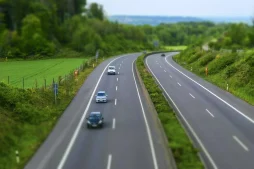
The highway from Delhi to Kasauli is one of the best roads in India you will get to experience (Photo Credit – Jon Connell)

Kasauli – Shimla – Thanedar (3-3.30 hours)

You’ll be surrounded on all sides by astounding beauty as you start going upwards from Kasauli. You’ll be forced to stop along the way and let out your inner shutterbug, as you drive up the comfortable roads. Clear bright skies above and majestic mountains ahead will set the scene for the kilometres to come.

Enter Shimla, the capital of Himachal Pradesh and the principal commercial, cultural and education centre of the hills. Of all the things you could do in Shimla, you can’t miss a pit stop at Minchy’s. This store sells various fruit-related products, all made from fresh produce, courtesy of the many fruit orchards in Thanedar, Kotgarh and other places in and around Shimla. They have everything from fruit syrups and wines to jams and candy.

As you get back on the road for your journey from Shimla to Thanedar, get ready to experience an exciting drive at the absolute crest of the mountain. That’s right! The roads are very close to the peak and the ascension in the roads, along with the twists and turns make for an exhilarating drive. Seeing a mountain from afar is one thing, but driving at its peak is a whole new experience.

By the time you reach Thanedar, the sun would be on its way down, to clear the path for the dark of the night. About the right time for you to take a pause for the cause. It is not advisable that you drive after sundown. It is not very safe and you’ll miss out on the view. Spend the night at the nearby Seetalvan Orchard, a veritable paradise that’ll make it hard for you to leave.

Get yourself packed up to drive down to your next location, Shoja, after enjoying a good night’s sleep and witnessing a beautiful sunrise.

best Road trip routes in India
Get ready to experience an exciting drive at the absolute crest of the mountain

Thanedar-Shoja-Manali (6-7 hours)

Upwards again, this is where the thrilling part of your Roadtrip comes into the picture. You follow the MDR15 road, which will eventually lead you to the NH22 highway route. The road to Shoja takes you through the scary yet adventurous, Jalori Pass. It’s a mountain pass situated at an elevation of 10,800 ft above sea level. You have to navigate a steep hill with mean curves along with muddy and rocky roads to get there. Make no mistake, the drive through this road is an exhilarating experience but also one where caution must be taken. The steep climb must be approached at a constant 1st gear. The surroundings are picturesque and often complemented by the view of snow-clad peaks.

The two primary highway routes from Shoja to Manali are the NH-305 and the NH-21. After crossing Shoja, you have to follow the NH-305 route towards Thalaut. Head down the Panjai road in Thalaut to get to the NH-21 highway, which will lead you to Manali.

Once you find a way to leave the beautiful hill station of Manali behind, head towards Dharamshala. You will realize that the road still has so much more to offer. This is the part of the trip that is best done in broad daylight. The drive from Manali to Dharamshala is as exciting as it is magical. You will get to witness the spectacular Kangra Valley. Driving on smooth and well-constructed roads are fun, sure, but the breath-taking sight of snowy mountains, placed artistically behind a landscape of lush green trees and clear blue skies, is what feeds the soul of a wanderer.

Beautiful view of the mountain (Photo Credit – David Bacon)

Click on Plan Your Trip for your ideal summer road trip itinerary.

Your guide to Mumbai’s Public Transport System

Mumbai has a population of 11.98 million people, with thousands more moving in every day. With traffic like there is, you’ll understand why the Mumbai local trains are lovingly called the lifeline of the city. At the outset, I’d suggest you download m-indicator, an app that’ll help you out with the schedules of trains and buses in the city as well as the accurate fare for an auto or taxi across a certain distance. It’s similar to travel apps in London or Paris and is quite easy to follow. Soon you will be a pro at working out Mumbai’s public transport!

For additional information on what to do in Mumbai, read our Feeling Bombay blog.

Your guide to Mumbai's Public Transport System
Using Mumbai’s public transport is a cheap and easy way to get yourself around the city

Mumbai Local trains

Consider taking Mumbai local trains for a more straightforward journey. This is one of those quintessential Bombay experiences you cannot miss out on. Amateur musicians, vegetable vendors and trinket sellers will keep you occupied throughout if the constantly changing views and myriad people can’t hold your attention.

Choosing a route:

  • Avoid travelling during peak hours, it can be very difficult for the inexperienced traveller.
  • There are three lines: The Central, Western and Harbour lines. The Central and Harbour cross over at Dadar junction if you need to make a change.
  • Find out which station is nearest to your destination and check that it’s on the same line as the one closest to you. Google maps will help you in this.
  • Check the train schedule on m-indicator and opt for a slow train for less of a crowd.

Buying tickets:

  • Mumbai local trains are cheap! Tickets usually cost upwards of INR 10 all the way to INR 30-35 to get to the very edge of the city.
  • Purchase them at dedicated counters outside the station. Fellow passengers will be happy to direct you. DO NOT buy them from a third party standing outside the counter, they might be counterfeit.
  • Keep your ticket with you until you exit your destination station, you may be asked to show it to a ticket checker.
Your guide to Mumbai's Public Transport System
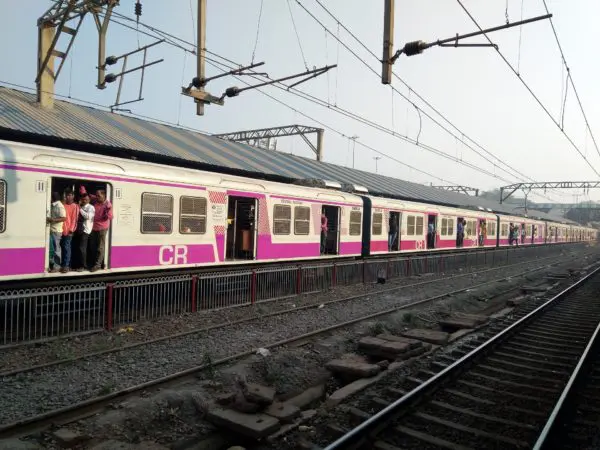
Experience an authentic train journey through the bustling streets of Bombay (Photo Credit – Rehan Ansari)

Buses

These may be a little more inconvenient to figure out but the view they offer is second to none, as their rambling routes will take you around the city often for less than INR 20. You’re in for a real treat if you manage to catch a double-decker!

Choosing a route:

  • This is the really tricky part. Buses tend to have their numbers and destinations displayed on the front, but only in Marathi. The English version is on the left-hand side near the back door. This can be a pain because the bus only stops for a few moments and may move on before you’ve had time to see if it’s the one you want. Ask for help. Fellow commuters or the designated ticket checker will be happy to oblige.
  • Once again, you can figure out which bus number to look out for on m-indicator.

Buying tickets:

  • A conductor on the bus will ask you for your destination and give you your ticket and your change. Don’t hesitate to ask him to let you know when your stop is about to arrive.
  • Tickets usually range from INR 10-30 depending on the length of your journey.
Your guide to Mumbai's Public Transport System
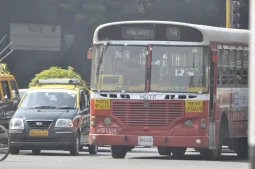
The typical bus you will spot driving around, a popular means of Mumbai’s public transport (Photo Credit – Francisco Antunes)

Metro

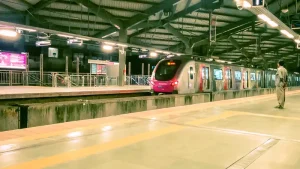
Similar to Mumbai local trains, but the monorail is spanking new and still only available in the suburbs. It’s a great ride and one many Europeans will feel at home in. It cuts perpendicularly across the railway lines to help you get to the far-reaching corners of Andheri and Juhu where all the really cool cafes are. Air-conditioned, quiet and startlingly well-behaved, it can provide respite from the hot, crowded streets below.

Choosing a route:

  • The routes are quite straightforward, with stops every few minutes. Just make sure you’re going in the right direction.

Buying a ticket:

  • The monorail operates on the token system. Unfortunately, it does not have weekend or tourist passes for brief stays and you will have to purchase either a single or return token only, or a full monthly pass.
  • Ticket prices range from INR 20-40 for a single journey.
  • If you purchase a return token LOOK AFTER IT.
Your guide to Mumbai's Public Transport System
Public transport in Mumbai – The metro (Photo Credit – Ashwin Kumar)

Taxis

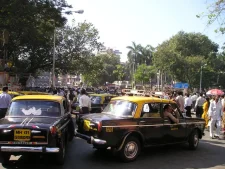
If you don’t fancy the hassle of using Mumbai local trains then consider taking taxis instead. While the kaali-peelis (black and yellow taxis) are recommended for the sheer authenticity of it, we recommend downloading a radio cab app (like Ola cabs or Uber) for security reasons. In case, it’s very late at night or you’re in a hurry and can’t seem to hail a cab, these will assure you of a ride with additional security features as well.

Choosing a route:

  • The local cabs will do their best to overcharge because, in their minds, they think you can afford it and they need the money more than you do. Don’t hold it against them. They are very often wonderful people who will give you some of the greatest conversations of your life. That said, try and follow the route on google maps to ensure they aren’t taking you the long way round. Before you leave your hotel, ask the reception for an estimated fare, and ALWAYS travel by meter, no matter what they insist.
  • Mumbai’s cabs are a blessing compared to the rest of the country. Despite frequent strikes, we still have the lowest strikes and the least complaints of being overcharged or refused. You may have a different experience if you look very obviously foreign, but appeal to their better side and be firm on following the meter.
  • Taxis and rickshaws are the most convenient modes of Mumbai’s public transport.

Prices:

  • As of 2016, the minimum fare is INR 22 and increases at the rate of INR 1.5 per additional kilometre.
Your guide to Mumbai's Public Transport System
Kaali-peelis in Mumbai

Auto-rickshaws

Unless you stop to take hundreds of photos of yourself in one of these, have you really been to Bombay? One of the most popular and cheapest options out of Mumbai’s public transport choices. Super convenient and outrageous in their driving skills, they suffer all the same pricing issues as taxis. They’re more widespread, though they’re not allowed in the old part of the city in the South. The base price here is INR 18 and they seat only three passengers by law.

Explore More: In-Depth Guide to Travel Expenses in India

Your guide to Mumbai's Public Transport System
Rickshaws are a cheap and easy way to get around Mumbai

If you are unsure about when you want to visit India or how to organise your trip, plan your trip with us.

Traveling as a solo woman in India: Six (not-so-scary) thoughts!

Five months into my amazing India travel experience as a solo female, made possible by India Someday’s absolutely brilliant You Wander We Pay contest, I bear good news. I’m alive and well, perhaps even glowing, as I dream about where to venture next in this country of chaos and charm.

Probably not what you would expect to read if you, like many others I know, have been too daunted to make your way to India. Deterred by the countless blogs which warn women endlessly about the dirt, disorder and demeaning behaviour of the ‘terrible male species.’

Well, here are six thoughts I think you should keep in mind if heading this way. And fear not, they are not designed to scare the chapatti out of you!

Traveling as a solo woman in India: Six (not-so-scary) thoughts!
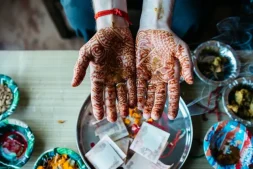
Mehendi on hands (Photo Credit – Pablo Heimplatz)

It’s pretty damn amazing here! Mind the media!

All too often, it’s the gloom and doom of life that’s presented to us in our media, instilling fear and emphasizing negativity. Keep that in mind! I’m not suggesting bad things don’t happen – they surely do, all over the world.

And huge kudos to those who share their experiences and raise critical awareness of gender-based violence of any sort. So I say yes, read it all! Hear the important voices of survivors and fellow travellers, increasing awareness and sharing safety tips. There is lots of good advice out there.

Just beware! It’s not the full story! There are thousands of us women who are having stellar, incident-free expeditions through India. Immersing in the culture and commotion, day and night, in cities and villages, with women and men. We’re more than safe, we’re having the time of our lives!

Traveling as a solo woman in India: Six (not-so-scary) thoughts!
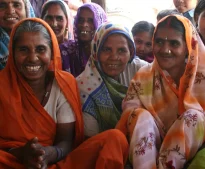
They each have a different success story to tell (Photo Credit – Find Your Feet, Flickr)

You will be stared at – You are fascinating!

Whether you’re on the Metro platform in Delhi or walking through a small village in Uttarakhand, you WILL be stared at. You can count on it.   All the more so if you have very fair skin or blonde curly hair! I’ve had people literally come stand a foot away from me, looking me up and down, or even sneaking selfie shots with me, as if I wouldn’t notice.

Many women travellers are horrified by this and have told me they feel like sexual objects. While I can empathize, knowing we carry with us our personal and shared histories as women, I personally feel more like an object of cultural curiosity and am not at all offended. Isn’t that a big part of why we’re here too?! One of my favourite parts of travelling in India is the amazing parade of people. I could watch and stare all day!

So yes, I do feel eyes on me, but I feel more like a walking museum of western life than a sexual object. I can feel their fascination with my white skin, my freckles, my smile, my jewellery, my clothes, my bag, my shoes. I feel them wondering about who I am, what I do, how I think, not just what I look like naked. And trust me, I do know that feeling of being objectified – I just happen to feel it much more on the streets of New York City than here in India.

Of course, as with anywhere, there will be some obnoxious souls you might encounter. Indian men will often be the first to warn you about them. But, after 5 months of some pretty intense travel through cities and villages, using public transportation, and following my gut, I’m happy to say that I don’t think that’s the norm. Some men, in fact, might not even look at you at all, declining eye contact even while you’re in a conversation.

Traveling as a solo woman in India: Six (not-so-scary) thoughts!
Let your guard down and be as open as possible to other walks of life

Positive Energy is Palpable! Being present. Being open.

I’ve been blown away by the positive energy here in India. Perhaps it’s one of my favourite parts of this country. I’ve travelled to many places around the world and never have I felt so much positivity. From the breathtaking natural environments of wide-open deserts (Jaisalmer, Rann of Kutch), to the stunning mountains of Uttarakhand and Himachal Pradesh.

The powerful rivers, the glorious beaches, the endless farmland, and even the chaotic streets are filled with people and cows. The beauty of the land coupled by the brilliant colours of clothing and other textiles can almost even be over-stimulating and nourishing for the eyes and soul! And then there are the people – for whom the answer to any question is “yes, possible!”

Take it in! Breathe it! Be present and live in the moment! Savour it! Feel its healing power! Let your guard down!

Put those fear-mongering blogs in the back of your mind – and get to know the locals, even the men! Many travellers come to India and spend their time only seeing sites and enjoying the comforts of their accommodations.

But being open to the people and culture will truly enrich your experience. It will also get you the directions and guidance you need, sometimes without even asking (the majority of people simply want to connect with you and help – not get in your pants!)

The eye contact to be made, with women and men alike, especially while circling the white marble floors of the Golden Temple grounds, is unlike anything I’ve ever experienced. Even while on buses or walking the streets, connecting eyes and exchanging genuine smiles (and perhaps ahead bobble too) is powerfully beautiful – and harmless!

The majority of people, women and men, are sincerely interested in you culturally. Hence, offering you chai because of their Indian hospitality and to interact with you, as a human.

Let your guard down (to whatever extent feels comfy and safe) and be as open as you can to the stellar people here. I for one have found myself eating the most delicious meals, experiencing the incredible wildlife and even dressing in full traditional Kutch exquisite handmade clothing – all because of my openness.

Embracing the positivity, and moving the fear factor to the backseat (still need the info to inform your gut) will surely offer you a truly memorable India experience.

Traveling as a solo woman in India: Six (not-so-scary) thoughts!
Here is your chance to meet a mixture of interesting friends to make your trip more memorable

Strength in Numbers!

No, I don’t mean its better to travel with a crowd, though at times, it sure is fun! I mean there are TONS of us out here. Every week, I’m newly inspired and empowered by the calibre of solo women travellers I meet.

And not just westerners. To many Indians’ surprise, I regularly meet awesome Indian women. Women who have quit their conventional jobs, donned their backpacks and are out exploring their incredible country. Many of them blogging about it too. Many others are venturing out for long weekends and shorter trips, plotting their grand plans for longer-term adventures.

We draw strength and passion from each other. We, women, are oozing with cultural curiosity, passion for nature and desire for healing, self-growth and connection, both for ourselves and others.

Despite our masses, many will still be uber impressed by how brave you are (little do they know how much easier it often is to travel solo). You will still frequently be asked if you are single if you have kids and why not! Roll with the questions, as you like, having fun and embracing the opportunity for dialogue, even if it feels better to white-lie your answers.

All the more interesting if you connect with local women and women’s organizations, bearing witness to their experiences too. One of my favourite moments was chitchatting about periods with the 14 and 19-year-old sisters from Dharamkot whose home I stay in. They loved my diva cup (definitely something I recommend for all menstruating travellers!)

Such an amazing collection of women I feel honoured to now know and learn from (and with). From a 19-year-old German navigating her way through Rajasthan to the Indian woman who left her marriage and is seeking my travel suggestions. Also, to the Brit in her 70s covering more of the unbeaten path than any other woman I’ve met.

An incredible sisterhood – inspiring, empowering, and making a change!

Traveling as a solo woman in India: Six (not-so-scary) thoughts!
On the go, travel buddies

Being your true self

The more you travel and the more you live, the more you know what makes you tick. What inspires you, challenges you, nourishes you, strengthens you, brings you the most fun and the list could go on. Go after those things and go at the pace that feels right for you.

Even if it means straying from the path that you’ve read about, things you’re ‘supposed to do’ or see others doing. This has landed me in the most amazing local and nature scenes, leading me from one great opportunity to the next.

Remember that there are no wrong turns. If you miss seeing a palace, it’s probably because you had an eye-opening conversation or were in a beautiful park. India is a thoroughly overstimulating place!

Staying in one area and unfolding the many layers; moving on to experience another terrain, language, style and cuisine; or venturing to a meditation or yoga retreat – all will offer endless anthropological phenomenon.

In India, when asked “why,” the answer is often “why not?” If you keep this philosophy in mind, following your instincts and true-self will be all the more fun.

Traveling as a solo woman in India: Six (not-so-scary) thoughts!
Travel to find yourself

Good decisions and following your gut (a few little tips)

5 incident-free months of amazing travel through India (not even Delhi Belly!) I realize I might indeed be blessed with some good fortune. I’ve also followed some decent advice for making wise decisions. Even though it sometimes means sacrificing something my ‘true self’ (see above) would want to wear or do! Here are some of the tips I find most helpful.

Dive Into India’s Textiles

Have I mentioned the vibrant colours and amazing patterns of all the textiles and clothing? Well, dive in! Leave your spaghetti-strap tanks at home (in fact, leave everything at home and carry the lightest bag possible!) Hit the markets and shop for some colourful scarves and cotton kurtas (loose, long tunics worn by Indian women).

The hardest part will be choosing! Or wear other clothing that keeps you covered. India is a pretty conservative country. Covering your shoulders and legs might make you a little hotter temperature-wise. But you’re bound to feel much comfier in other ways. It will certainly help make the inevitable staring feel benign and a colourful kurta will earn you an extra smile or two.

Enjoy the conversation

You’ll be asked over and over again about what country you’re from. And often the convo can become much more substantive and interesting. Get into it, enjoy it – and as you should anywhere, have your clear set of boundaries. Be ready to ease yourself out of the conversation as soon as you get any sort of “icky” feeling.

Indulge in stargazing

The stars can be incredible here. Nothing like stargazing in the countryside, where the dearth of electricity means little light pollution. It’s not easy to hold me back from a good night walk, especially when my strong instincts don’t smell any danger. But I make that sacrifice, both in cities and in villages. I don’t do a lot of walking alone outside at night.

Thankfully, there’s almost always something fun going on to watch, talk about, cook, eat or play inside!

Traveling as a solo woman in India: Six (not-so-scary) thoughts!
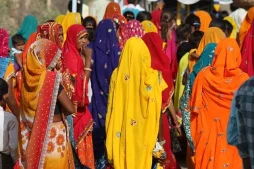
Colourfully dressed Rajasthan women (Photo credit – Suffix)

Take the local transport

Local is often better. In big cities, I love taking public transportation and to get between cities and states, the trains and buses are stellar. Look out for “all-women” cars on local trains, usually all the way at the front or back.

Amazing to ride with so much fun colour and energy. A packed car full of traditional women carrying things on their heads and contemporary women heading to a whole array of jobs. There are even special lines for women to purchase tickets and some cities now have a fleet of all-women rickshaws.

Train Travel

For long train travel, I recommend either 2nd class AC or Sleeper Car. In Sleeper, the top bunk is best. There are lots of stories out there of women who have been groped on trains. However, I have yet to meet someone this has happened to. I love Sleeper Class because it’s always easy to connect with trusted Indian women, many travelling with their families.

They will happily keep an eye on your bag when you go to the bathroom. And they will also offer you some of the home-cooked food they brought on their journey. Lots of peddlers and other people will keep coming in and out of the train car. Hence, being on the top bunk gives you a safe place for your bags and lets you take it all in from a distance. I LOVE these train rides.

Sleeper Buses

Overnight sleeper buses are pretty great too; though beware of the double sleeper. As the name suggests, it is meant for two. And unless you know who you’re sharing it with, it’s probably not a good idea! Again, the upper level is more private but the bottom level is definitely less bumpy!

Bottom line ladies, as you would/should anywhere in the world, my best advice while travelling India is to be aware, use common sense and follow your gut. Make sure to enjoy the fabulous people and positive energy of this blessed country!

Namaste!

Thank you to India Someday, You Wander We Pay, and Incredible India.

Seeing India by Rail: A Budget Traveller’s Guide

India is home to over a billion people, and the country covers more than three million square kilometers. Now that you’ve booked your plane ticket to India, you’re raring to see everything that you possibly can. With so much area to cover and so little time, not to mention your limited traveling funds, seeing India from a train window is an excellent way to soak in as much of this beautiful and diverse country as you can. Here we’ll look at the step-by-step process of seeing India by rail.

Seeing India by Rail: A Budget Traveller’s Guide
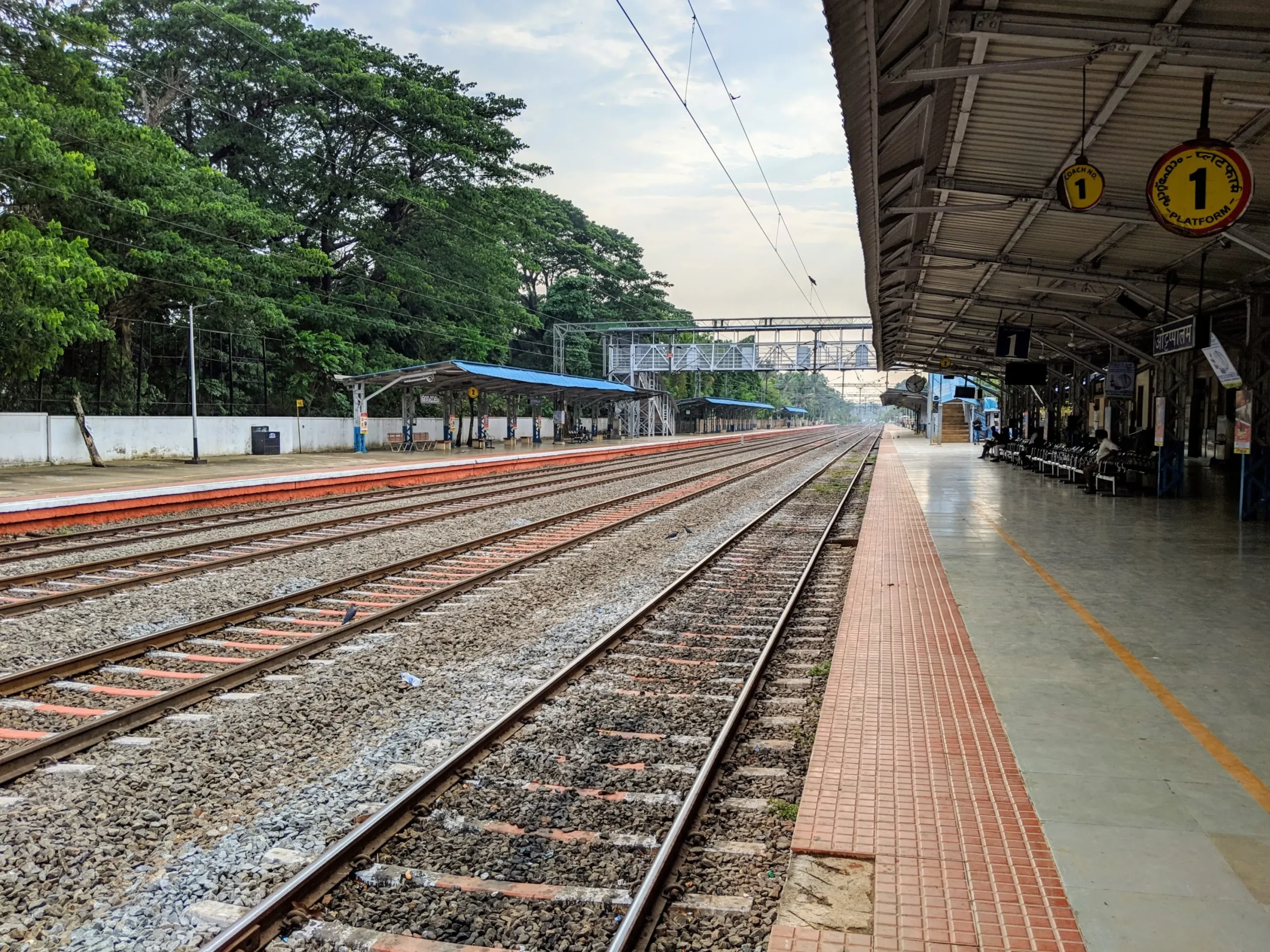
Train arrives well before time

Jess Signet is a travel writer and regular backpacker. She loves exploring the globe and enjoys sharing her travel insights and tips.

Step One: Choosing your Route

If you are backpacking in India then the first step is to decide where you want to go. Most trains run from one city center to another, so you can reasonably expect the train to stop in the very heart of that city. Then take a look at the times and fares. Be careful when checking fares: for longer journeys, there are sleeper cars which may or may not offer air conditioning and which may or may not include all of the meals on the journey. Be sure to take these factors into account, especially if you plan to cover a long stretch.

Once you’ve chosen your route, you can easily book the ticket online or go to any train station to purchase the ticket. If it sounds a bit daunting but seeing India by rail is an exploration like no other. Also don’t hesitate to call India Someday and have them handle it for you!

Seeing India by Rail: A Budget Traveller’s Guide
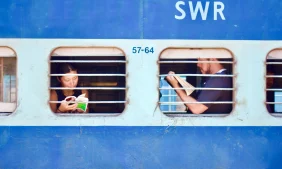
Engrossed readers on the go: (Credit- Rathish Gandhi)

Step Two: Packing What You Need

Seeing India by rail is a very special experience, but as any experienced train traveller can tell you, it does require some special preparation. The key to travelling by train and saving money is to bring everything that you need with you. Prices on the train tend to be a bit steep, so bring enough water and snacks to last you for the duration of your trip. Even if meals are provided with your ticket, be wary. The new food might not sit well with you as you’re traveling fast down the tracks. If you’re prone to motion sickness, it’s a good idea to take some medicine before you set out.
Remember when backpacking in India to always bring your travel documents wherever you travel, such as your passport and your visa. There are often pickpockets prowling the trains, so be sure to stash all of your valuables on your body, or keep them in a very safe place at all times. In recent years, there have also been many issues with violence toward women on the trains. While this trend has subsided a bit, many lines have created “women only” carriages to prevent gender-based violence.

Seeing India by Rail: A Budget Traveller’s Guide
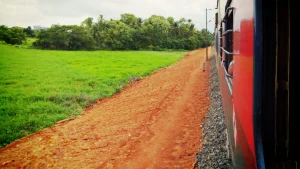
Witness beautiful views on the train journey

Step Three: Getting Onto the Train

Now that you’ve packed and prepared for your train trip, you’ve got to make it to the train station. Most of the larger cities in India have a central train station in the city center. Locating the station can be done by asking directions from a local. Also, don’t hesitate to ask India Someday to book you a taxi.

Make sure to arrive at the station early so that you can ensure a seat and get settled before the train leaves for your destination. If you are backpacking in India then it’s likely you may choose a less expensive and less fancy train line. Be prepared that things will not always run exactly on time. However, it is always better to be a bit early, even if the train may be a few minutes late. Many lines do not offer refunds if you miss the train, so to protect your train ticket investment and arrive early to the station!

Seeing India by Rail: A Budget Traveller’s Guide
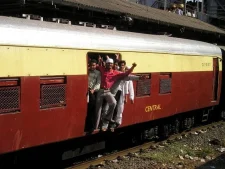
Mumbai local (intercity) trains are packed with daily travellers

Step Four: Sharing Your Experience

Finally, you’ve made it to your destination, and half of the fun was getting there! Some of the best ideas and breakthroughs were made on train journeys. Take advantage of this time to reflect on your experiences in India – from the seemingly inconsequential to the unforgettable. Use your hours to capture the scenery passing you and share it with your friends. Even though wifi is often accessible in India, it’s always a good idea to have a VPN or similar service on your device. This allows you to connect to all of your favourite websites and social media platforms while you’re abroad. It’s also a good idea to check in with friends and/or family at each leg of your train journey so that someone knows where you are at all times.

Overall, seeing India by rail is a great way to see more of the country as you travel between destinations. Plus it’s a great way to save money as you travel around one of the largest and most crowded countries in the world. So grab your backpack and your passport, and get ready to plan, pack, travel and share your experience all over the Asian subcontinent!

Seeing India by Rail: A Budget Traveller’s Guide
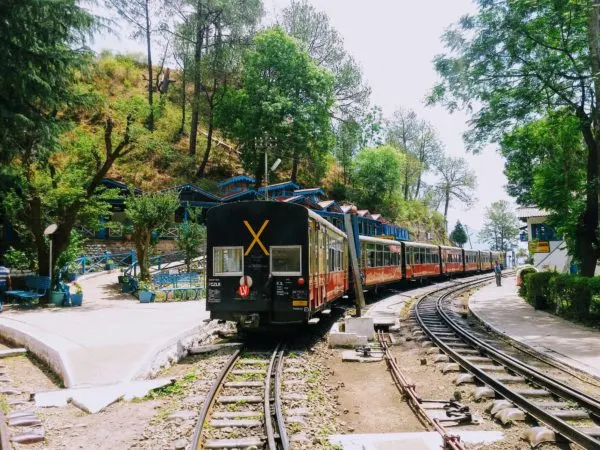
Toy train entering the station

Experience of Having a Car and Driver in Northern India

Let’s start by saying that not all cars, drivers and roads are equal!

India Someday has offered me a broad spectrum of travel for getting from city to city in Rajasthan. For a few of my journeys, I’ve had the opportunity to sprawl out in the backseat of a car, taking in the street scenes around me. I’ve had mixed feelings about these car experiences. But, hands down, my recommendation is to mix it up – try getting around every which way you can in this country!

Experience of Having a Car and Driver in Northern India
(Photo Credit – Kirsten)

my experience

At first, the idea of having a car to myself felt amazing. From reliable AC to bathroom breaks on my own schedule. I was stoked to sample another flavour of luxury travel I’m not quite used to as a backpacker. As with other aspects of higher-end style, I savoured in the indulgence and enjoyed feeling pampered. But, I also started feeling as if I was gazing out at Indian life from a bubble.

I would stare out the car window and see the beautiful wind-blown hair and saris of the glowing women sitting sideways on the back of motorbikes. Looking at them I would dream of travelling with the wind in my hair instead. I, of course, thought about pushbikes as well. How amazing it would be to properly gear up and cycle these long stretches.

At Chandelao outside of Jodhpur, where I was excited to hop on some wheels and cycle around the villages one evening. I sweat bullets and found myself working much harder than usual on pretty flat land. Needless to say, I chuckled at the thought of riding in the beating sun and toting my gear – and once again felt quite grateful for the private car!

For the car journeys between cities, I find myself going back and forth between enjoying the solitude and break from the noise – and longing to be fully immersed in it. It can feel a bit lonely or isolating, far removed from the commotion of the public transportation scenes and even other tourists who can be fun to speak with and learn from. Understanding the distances and limited public transportation between some cities, I can surely say that the car/driver combo makes a lot of sense.

Within cities, especially Jaipur, where things felt spread out, it was quite ideal to have a driver and I truly appreciated the demeanour of the sweet man who shared lots of information, was incredibly accommodating and struck up some decent conversation.

Experience of Having a Car and Driver in Northern India
Even for group trips, a rental car can make sense and prices can be split between the group

The drivers

I must say that the car/driver experience is very much shaped by the driver himself (so far, I’ve only had men). My first one wasn’t my favourite (he was definitely not bad) it was just that I didn’t connect with him. But I absolutely trusted him and felt safe. However, he was not someone I would rate as the best driver on my journey. When I think of it now, all of my other drivers have been incredibly friendly, quite knowledgeable and good in English, which makes a lot of difference.

The roads themselves likely make a difference too! While trains are steady and smooth, I found some of the car rides to be incredibly bumpy and somewhat nausea-inducing. Some drivers handled the terrain far better than others – or perhaps their vehicles were better equipped.

If I knew about a site along the way, my drivers were always happy to stop for me. We enjoyed a quick break at a temple devoted to motorbikes which was a fun scene.

One of the best parts, after a late-night, very early morning or full day in the heat, is that the backseat of a car makes for an ideal bed, with no need to secure bags or worry about anything else. I should also add that all of my drivers have been incredibly punctual, never leaving me to wait anywhere. They also seem quite experienced at managing the INSANE traffic situation. You will find cows, trucks, buses, cars, bikes, people, goats, camels and more – all moving in every direction possible.

OVERALL

The scenes out the windows, however, never ceased to excite me. Whether we were passing lush green mountains, small villages or entering bustling cities, I loved watching life outside the car.

The roads were full of people walking, many carrying flags, all heading on a pilgrimage to a temple near Jaisalmer. Some barefoot and some piled high in rickshaws, they all looked thrilled with their journey, unbothered by the extreme heat. I loved seeing them.

Bottom line, getting around by car/driver can be incredibly helpful, time-saving and pleasantly chilled (this country is HOT!)  As with any other situation, having realistic expectations and putting forth positive energy will help make a smooth ride.

Looking forward to more scenes from the road!

Experience of Having a Car and Driver in Northern India
You can find very friendly and chatty drivers (Photo Credit – Fabio Campo)

Don’t worry, if you have any difficulties or need advice or assistance in planning your trip. India Someday is your answer to all questions. Just get in touch and they will be more than happy to help you plan your dream trip.

When we tell people that we spent two months in India with our children

Two months in India with three little children! Wow!

Sarah and her husband from Canada are travelling with their children aged 12, 10, and 5 for a year across Europe and Asia. They used our help to plan parts of their India trip and are guest authors for a series of blogs on travelling in India with children. 
When we tell people that we spent two months in India with our children, they generally have two responses. The first is “and how was THAT?” And then there is a barrage of questions about sickness, filth, food contamination, drinkable water, diarrhoea, bugs, etc.  And it turns out that we weren’t sick, not even once. Actually, much to my dismay, I put on a bit of weight!!!

When we tell people that we spent two months in India with our children
Enjoying the countryside in Kerala

The second thing people say is, “wow, two months! You must have seen the WHOLE country!” Again, totally wrong. In two months of travelling around, spending no more than a week in most places and sometimes just a few days, we saw a fraction of what India has to offer.

India is so large and so diverse, is a world in and of itself. There are a huge variety of climates and ecosystems all within one country. As you travel from one location to another, the scenery and temperature will change drastically. The language also changes.

Being unable to understand Hindi, I could no better understand Punjabi, Tamil or any of the hundreds of other languages spoken in India and felt grateful for the English that people would communicate to me in.  The food was different depending on what part of India you were in – and although you could find dosas, for example, in both the South and North of India, the food and its flavour were directly related to the part of the country it came from.

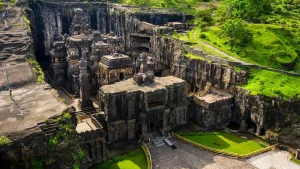
We arrived in Mumbai in early January of 2015 and travelled over to Aurangabad to see the amazing caves of Ellora and Ajanta. We then travelled South to the sanctuary of Hampi. From there we crossed over to the beaches of Goa and made our way South to Kochi and the backwaters and beaches of Kerala. We then escaped the heat and flew North to Delhi and headed to the spiritual city of Rishikesh.

When we tell people that we spent two months in India with our children
Stunning Ellora Caves in Aurangabad
When we tell people that we spent two months in India with our children
We visited Hampi

After taking in what we could of the International Yoga Festival, we headed up to a hilltown on the edge of the Himalayas called Mussorie and enjoyed amazing views and cold weather. We made our way back to Delhi by train and did a quick one day trip to Taj Mahal and then flew out. Two months on the move and that was what we saw! Yes, it was a lot and it was also nothing, all at once.

When we tell people that we spent two months in India with our children
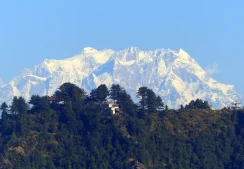
View of the Chaukhamba Looms from Mussoorie (Photo Credit – Paul Hamilton)

We loved the country and plan to come back. You would be hard-pressed to find nicer and more friendly people anywhere. Next on our list is the south-east, French-influenced side of the country to enjoy Pondicherry and all around. We would also love to head up to Rajasthan and see the magical North that we have heard so much about. I would like to hit the lesser-populated, but hippy vibe beaches of Karnataka too. And of course, I would head back to Hampi – just because this little piece of heaven exists on Earth!

Other blogs by Sarah and Gregor

When we tell people that we spent two months in India with our children
The serene beaches of Goa!

Travelling in different train classes in India and food

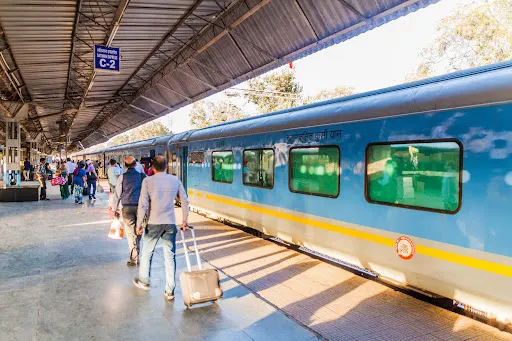
Magdalen and Brian, our American guests, did a three week tour across North India. They were most excited about travelling by trains in India and wanted to use them extensively. While many of our guests prefer only travelling by the top-tier AC classes, they wanted to try a mix of all. (AC Seater Class CC, non AC Seater Class SS, Sleeper AC Class, 3 AC and creme de la creme AC FIRST CLASS, 1 AC).

They share their experiences and advice in this blog post. Their original post and many of their adventures can be read on their blog.

Travelling in different train classes in India and food
Maharaja Express for luxury travel (Photo Credit – Shekhar Virdi)

Trains in india: An Indian adventure!

During our 3-week India trip, we took trains for much of the travel we did. While we were at it, we learned a lot about trains in India. The short story: Trains in India are fantastic.

A quick note about prices of train classes in India – most of the prices listed here were specific to our experience (or estimates of our experience). We last travelled in the summer of 2015. Prices may have changed since then – when you are reading this. But just keep in mind, this was our experience.

In planning our trip, we made sure to book trains of a variety of different classes. We did everything from a fancy first class AC overnight car to the reserved seat non-AC car. We did not do the lowest class, the ‘general population’ sleeper car. All in all, we found trains to be a safe, affordable, and an easy way to travel.

There are some great resources out there for much more detailed accounts of the various train classes in India, or tips on how to book trains – for this blog, we just wanted to describe some of our general experiences.

Look at some of two week and month long travel routes across India, which are conveniently connected by multiple train journeys.

Travelling in different train classes in India and food
Train travel in India – Old coaches, but a lot of fun!

Reserved non-A/C Seater (aka SS – second seating class)

We wanted to try the different train classes in India. First, the reserved seat non-AC car. We took this class from Agra to Delhi in the early evening.  The ride was about 4.5 hours long. The train arrived in Agra on time and got to Delhi pretty much on time. The car holds perhaps 90 people or so. All of the seats are labeled, so you just check your ticket for your assigned seat. When we arrived, someone was in our seat, and they moved after we politely asked.

Throughout the journey countless food vendors walked up and down the car selling food. More on food in Indian trains later. This ride cost us INR 223 total for two people. It was quite economical. There were people standing up in the aisle but there was space for our bags in the overhead rack. Since there is no AC, all of the windows were open, which made the trip quite loud. If you bring a pair of earplugs you will probably use them. There were plenty of fans on the ceiling.

Wondering when is the best time to visit India or the cost of travel in India, our detailed blogs will give you an overview.

A/C Seater Class (CC – A/C Chair Car)

On one of our trips during the day we rode in a ‘Chair Car’. We were both a bit worried this wouldn’t be an AC car as it doesn’t explicitly say ‘AC’ in the title (whereas other classes are specific). Turns out this car looked and felt like a train car in Europe or the US might look and feel. There were 6 seats across with an aisle down the middle. The chairs reclined some and yes, there was AC.

Sleeper Overnight Trains (3 Tier, 3 AC class and 2 Tier, 2 AC class)

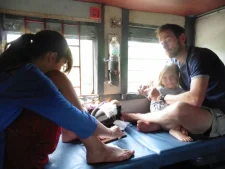
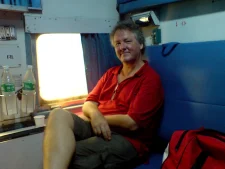
Next, we took the 3-tier and 2-tier AC cars, both different train classes in India. Both of these are sleeper cars. The main difference is the number of people in the car. The 3-tier has more people & fewer privacy features. Essentially the car is divided up into rooms (minus walls) where there are berths of beds. The beds can be changed into seats as needed.

The 2-tier AC means that if it’s daytime there are two people who might sit on the bench, and none of the beds are folded up. In the 3-tier AC the middle bed is folded up during the day so that people can sit upright on the bottom bunk. In the 2-tier the top bunk does not fold up.

Travelling in different train classes in India and food
Typical 2 Tier A/C (2 AC) – The backrest folds up into the middle berth! (Photo Credit – Peter Fristedt)

Live Life Kingsize! (1st class AC, FIRST AC)

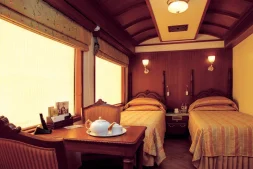
Finally, we took the 1st class AC car for a ride from Udaipur to Delhi. For just under INR 6,000 (for two) it was the most expensive journey we took. We were happily surprised to find we got a private room assigned to us. Two beds behind one door. It was a cute little ‘home’ for the 12.5 hour journey. There was a bell to ring for the attendant to come down and make the bed or help with whatever task. Upon arrival in Delhi, bag porters were knocking on our door to help with our bags. This is definitely the most luxurious of all the train classes in India.

Travelling in different train classes in India and food
You will get an experience like home in luxury train (Photo Credit – Luxury Train Club)

All you need to know about food on Indian trains

We found this to really vary from train to train and station to station. Sometimes, we were bombarded by tons of food sellers.

On the drinks side, they sell everything from cold bottled water (INR 20) and other cold drinks to milk masala Chai (INR 10) and coffee (not sure what this really was). We found the guy saying ‘Chai Chai’ had better chai than the guy saying ‘Chai Coffee’. We think the Chai Chai vendor has pre-brewed & sweetened masala chai, whereas the chai coffee vendor has boiling hot milk, tea bags, and instant coffee mix. Obviously the pre-brewed & sweetened masala chai is better unless you want coffee.

On the food end of things there also was quite a range. There were the guys selling chips, biscuits/cookies/crackers, and other small snack items. Then there was the guy selling two types of patties – we think one was made out of dal – the other could have been potato or chick pea. Either which way, the patties were INR 10 or so.

Our Train Favorite – Tomato Soup!

Next up, the Tomato Soup guy.  In our opinion, this was the best.

First off-the way they said ‘Tomato Soup!’ just made us grin ear-to-ear each time we heard it. Then for INR 20 to get a small cup of super tasty Tomato Soup (with really yummy croutons in it), it was just amazing.

Next up were the guys selling vegetable cutlets and other types of cutlets. We tried a veg cutlet once. It was two pieces of some sort of breaded spiced potato ‘cutlet’ and two pieces of buttered bread. If you were starving (which we were) this is good enough. Otherwise, we would skip it next time. We seem to remember the price was INR 20. There was a guy selling omelets, but we did not try it.

Full meals and Indian Trains

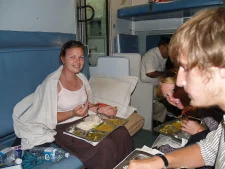
Finally were the guys selling full meals on our overnight trains. I think this might have just been for the upper classes (we only saw it in First & 2 Tier AC classes). For INR 150 you get a full thali plate. There was a dal, a potato dish, and a paneer dish. This was served with chapatti (which we found to be too thick, cold, hard and not appetizing), rice, a gulab jamun and a plastic spoon. All in all, the meal was good enough with plenty of spice and it felt fresh and hygienic enough (it was a tray sealed with plastic).

Travelling in different train classes in India and food
Dining on the train (Photo Credit – Steve Hicks)

Meanwhile, at the various stations, you’ll find a variety of food. Some stations will have nothing, but many will have at least a drink person with chips and other pre-packaged food. Still larger stations will have fruit sellers and a variety of places to get items like samosas or pre-made sandwiches. Finally, the largest stations will have restaurants just outside (such as Comesum).

Read more about train and bus travel in India – North India by bus and train, the experience of three young backpackers. We hope reading this article on the different train classes in India has inspired you to take a journey. Just click on Plan Your Trip for any assistance.

Negotiating Auto Rickshaw Prices in India

Magdalen and Brian were our first guests from Pakistan (albeit, Americans living in Pakistan). They’ve shared some very useful tips on negotiating auto rickshaw prices in India, and allowed us to pass along the wisdom. Their original post and many of their adventures can be read on their blog. 

While we are by no means experts in this topic, it is a piece of wisdom we want to pass along to other travellers for their adventures in India. While every city is different, many of them offer a variety of different transportation options, and it is quite easy to end up overpaying for such services.

This post is about the auto, tuk-tuk, auto rickshaw… whatever it may be called, where you currently are. We will use ‘auto rickshaw’ or ‘rickshaw’ for this blog post. Under this same topic, but slightly different, we will also include the bike rickshaw. What we’re covering: Negotiating auto rickshaw prices in India, or simply put, how to figure out what to pay!

No doubt, you must have read in all of the travel blogs or guidebooks to agree on the price of the rickshaw before you get inside. In some cities, they even talk about metered rickshaws. Regardless of what you find when you arrive, here are some tips to help you understand auto rickshaws in India better.

From India Someday, here is a quick look at some travel routes for North India and for South India. Get in touch, and we would love to discuss your trip to India.

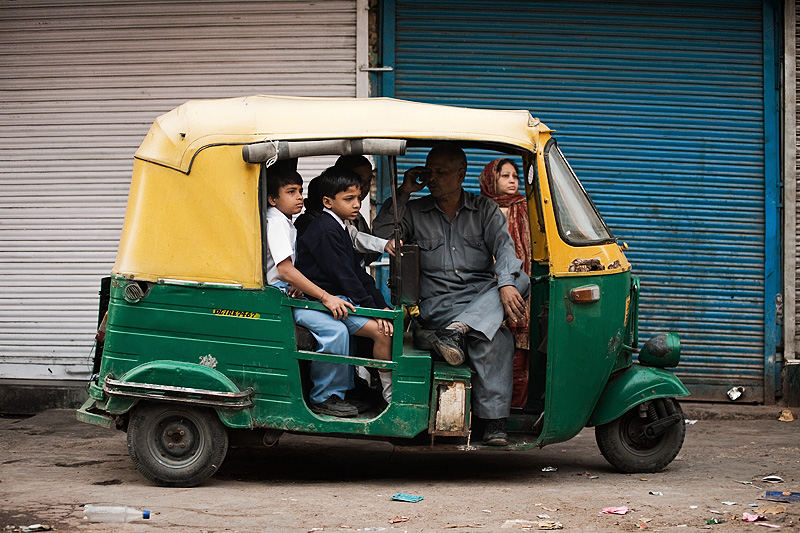
Unlimited Seating! An Autorickshaw in India http://www.dailytravelphotos.com/
Unlimited Seating! An Autorickshaw in India
http://www.dailytravelphotos.com/

1) Negotiate. In India, it is your birthright!

Yes, it can feel strange at first, but do it!  You will walk up to the driver & say “how much to go to X location”. They will tell you to get in without giving you a rate. Ask again, and they will respond with a number that they are very confident in. Be warned, this is usually higher than any local would think of paying. Negotiate your way lower. Sometimes we started with a quote of INR 250 and were able to talk them down to INR 20-40. Just be firm and polite. It’s also okay to walk away after you start negotiating auto rickshaw prices in India; you are not bound to the ride.

Negotiate with the driver

2) Ask a Local

Before we’d leave the train car, we’d turn to the person next to us and ask, “What is the local rate for rickshaws in this city?” Usually, we were able to find out an appropriate price quite easily (though of course sometimes they would tell us numbers above what we knew to be true). We also asked police officers and folks at the front desk of the hotels/hostels we were staying at. Sometimes they wanted to ask us where we were going and tried to help coach us – but usually we were able to find a good price point to be aware of. At times, we would ask two people and get very different numbers, like INR 40 and INR 200, for example. Go with the smaller number in mind when you negotiate.

Here is a detailed article to understand the cost of travel in India.

(Photo Credit – Francisco Anzola)

3) Location, Location, Location!

This is true for so many things in life! When you’re staying at a fancy hotel (or standing in front of one), and you ask the nearest rickshaw for a ride, the price will be higher! If, however, you walk away from that fancy hotel, onto the main road (maybe you’d have to walk 200-300 meters) often you will be able to strike a better bargain (the difference between INR 250 and INR 40, for example). This also applies for right in front of the train station & tourist attractions. Know the nearest intersection to your hotel and give that instead of the hotel name for the rickshaw ride back. This is an easy way to get the upper hand in negotiating auto rickshaw prices in India.

(Photo Credit – Fabrice Florin)

4) Don’t be afraid to walk away

It is not uncommon for you to approach one driver, and instantly be mobbed by 2 to 10 other drivers, all trying to understand you mispronounce the name of a tomb, hotel or monument. Know that you are, in that moment, negotiating with all of them – but, it is also okay to walk away.  Time and time again we would ask how much to go to a certain location, get an outrageous price, then we’d quote something much less. The drivers would come down some bit, but we were still not happy, so we’d walk away. Right at that moment, they would offer a somewhat reasonable rate. Or they don’t & you just walk away to find the next rickshaw.

You can take any rickshaw from Rickshaw stand (Photo Credit – Joegoauk Goa)

5) Be confident, just sit in a Tuk Tuk and ride!

Sometimes, we just hopped on the rickshaw, told them where we wanted to go and gave them the local fare without a problem when we hopped off. However, we did this when we were quite confident of the local rate and we were not standing in front of a fancy hotel. No promises that this works all the time – but it did work for us a couple of times.  We also didn’t really stick around to discuss things with the driver- we just paid and walked away.

Tipping a rickshaw driver: There is no need to tip on a single ride. If you hire a rickshaw for the day we suggest tipping a small amount, as long as you don’t buy anything at any of the shops the rickshaw driver took you to. Do not buy anything at any shop your driver takes you to, he is most likely getting a commission and the prices will be inflated to cover his cut (plus some).

A quick note on the bike-rickshaw – We rode them a few times. They’re bumpy, slower than the autos, and difficult for tall people to sit in, but great for the environment. That said, they are totally safe & somewhat fun. They are supposed to be fix-priced: when we talked with other tourists we found they usually paid INR 10 per person (sometimes INR 20 if you’re traveling alone).  We never got the prices down that far, but we preferred the smoother ride of the auto rickshaws so we usually steered clear of them.

A quick note on safety –  While I’m sure there are horror stories out there about using rickshaws, we have ridden rickshaws in several countries and had no problems at all.  We’ve ridden them early in the morning (before sunrise), throughout the day, and late into the evening. We’ve ‘rented’ a rickshaw for the day & hired them for partial days too. All with no major problems. But, as with anything, you should be careful and mindful of yourself, your surroundings, and your belongings.

Bottom-line, remember that the rickshaw drivers are just trying to make a living in order to feed their families. You, however, are trying to save money to travel more. Sometimes we would negotiate to INR 80 (from INR 250) and would give the driver INR 100 anyway. We hope these tips on negotiating auto rickshaw prices in India have made you confident for your Indian adventure! Click on Plan Your Trip for your ideal itinerary.

Be confident, while riding a rickshaw too (Photo Credit – Curtis Palmer)

Getting From Chennai to Kerala

Tamil Nadu as a state has a lot to offer for a holiday, Chennai not so much. There isn’t a lot one can do in Chennai. We’re not saying that Chennai is a bad place to visit, but it’s not something you would regret missing. If you’re in the city and looking for something that packs more of a punch, this post will help you understand how to get to Chennai from Kerala.

There are multiple ways of getting to Kerala if you are in Chennai, but it depends on what your plan is. Are you in Chennai because you are planning to explore Tamil Nadu? Or are you in Chennai because you want to explore Kerala? Maybe Chennai is just a pit-stop along the way?

There are various ways of doing this trip. Tamil Nadu in itself has a lot of beautiful places to offer. It’s a state known for its temples. So if you’re a fan of architecture and history and find peace in temples, we suggest you spend some more time in Tamil Nadu before you head to Kerala.

Getting From Chennai to Kerala
Bridheshwara Temple

By Flight

To sum it up there are two ways of going from Chennai to Kerala. One is to directly take a flight/train/bus from Chennai to Kerala with plenty of options to get there, depending on what your interests are. If temples and culture are more attractive to you than backwaters, beaches and forests you might prefer to simply stay in this state.

Almost all domestic airlines ply daily non-stop flights between Chennai and Kerala. You can fly either to Cochin, Trivandrum or Calicut in North Kerala. This is the fastest and most convenient way to get to Kerala.

Getting From Chennai to Kerala

By Road

You can start by driving South to Mahabalipuram (just 50 kms away). Spend a night there, explore the beautiful temples and then head to Pondicherry. It’s a lovely city built in the French style of architecture. It has some of the most amazing churches and temples and the Aurobindo Ashram. If France was a jigsaw puzzle, Pondicherry is a jigsaw piece that the French left behind!

Spend time in Pondicherry visiting the serene churches, temples and ashrams. Spend a few of your evenings watching the sun go down on the beaches of Pondi. Head next to Madurai but not before making a couple of stops on the way first.

If you still haven’t had enough of the beautiful temples and the simple yet elegant towns, check out Tiruchirappalli (Trichy) and Tanjore (Thanjavur). These towns are an hour away from each other and almost 5-6 hours away from Pondicherry. You can spend a night or two in Trichy or Tanjore before you head to Madurai. It is approximately 4 hours away and getting on a bus shouldn’t be a hassle.

Madurai is the king when it comes to protecting the old world charm. Known as the Athens of the East by some, the city that never sleeps by others. The Gandhi Memorial Museum is a place you should visit along with the Meenakshi Temple. Because of the geographical location of Madurai you are not too far (only a 4 hour drive away) from the abundantly blessed hill station of Munnar in Kerala (blessed by nature and more importantly, chocolate). What else does one want?

You can always explore Tamil Nadu first. Go to Madurai and from there go to Kerala and start your Kerala exploration.

Getting From Chennai to Kerala
Travel though beautiful forests

By Train

Taking a train from Chennai to Trivandrum (Chennai-Trivandrum SF Express) means skipping a lot of the places in Kerala and Chennai. We suggest you take this train only if you are heading to Varkala. This train runs seven days a week.

A train from Madurai to Ernakulam is a 12-hour journey. We suggest you take the Chennai Egmore–Guruvayur Express. This train also runs 7 days a week, departing from Chennai at 07:40 hrs, stopping in Madurai at 16:40 hrs and arriving at Ernakulam at 03:25 hrs.

To summarize getting from Chennai to Kerala isn’t really difficult, there are a lot of trains, buses and flights that are available, but we suggest you explore Tamil Nadu before you visit Kerala. If you can’t wait to get to Kerala then leave now!

Explore Further: Insights into the Best Time to Visit Kerala

Getting From Chennai to Kerala
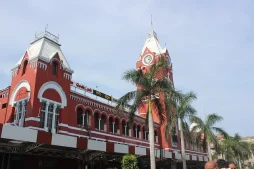
Chennai Central Railway Station

Let India Someday handle it and plan your best trip.

PLAN MY TRIP subtext