We often find that getting from Goa to Kerala is a frequented route for travellers journeying in South India. Both these states lie on the West Coast of India, but how to get from Goa to Kerala is a tricky question; travelling between these two states can be somewhat difficult. Read through our article with a few listed travel options to help you get from Goa to Kerala.
Trains, running along the west coast, are one of the best ways to get from Goa to Kerala. There are more than half a dozen trains that run between them, but keep the following points in mind before choosing a train from Goa to Kerala.
Firstly, you must book your Goa to Kerala train ticket well in advance as it gets sold out months in advance.
Most of the trains that connect Goa to Kerala originate from further north of Goa. Some originate from Delhi or Rajasthan while most of them start in Mumbai. Try picking a train that starts from Mumbai as chances of it running delayed are lesser than the other trains. For more information on train travel in India, check out our blog.
Some trains reach Goa in the middle of the night between 02:00-03:00 Hrs. While Goa is generally safe it is better to avoid these trains, because the railway stations can be deserted at that hour.
Goa has a number of railway stations. If you are staying in North Goa then either Pernem or Thivim should be your boarding station. For South Goa, Madgaon or Cancona should be your boarding station.
Similarly, Kerala has a number of railway stations. If you plan to visit Kochi/Cochin followed by Munnar and Thekkady, you should disembark at Ernakulam Junction railway station. If you plan to head to the backwaters then Alleppey, or Varkala if you plan to head to the beaches in Kerala. Calicut is you stop if you are looking at exploring North Kerala.
Any train from Goa to Kerala takes between 12-14 hours to complete it’s journey and again it is advisable to book your train tickets well in advance. Ideally, as soon as bookings for your travel date open up i.e. 120 days prior to date of travel.
As Mumbai to Goa buses are popular, travellers think they can also take a direct bus from Goa to Kerala. Unfortunately, this option is not possible.
There are no direct buses that run between Goa and Kerala. One might think it would be possible if they break the journey into two separate bus journeys. Even then there are no convenient bus options in whichever combination that will take you from Goa to Kerala.
Hiring a car and driver to drive you between Goa and Kerala will be extremely difficult to find, it would be a very long and expensive journey even if you found a driver that agreed to drive you.
getting from goa to kerala (by flight)
One can fly between Goa and Kerala, however, there are no direct flights between Goa and Kerala. Rather, you can fly to Kochi with a stop, or change in Mumbai, and also maybe a stop or flight change in Bangalore. This one stop flight tends to be more expensive than other direct flights that you may take between two cities in India. It is advisable to book in advance as the fares for one stop flights can really soar closer to travel dates. However, this is not the most sustainable way to travel, so we would suggest train travel as the better option.
UPDATE – Since 2019, there was one direct IndiGo Airlines flight between Goa to Kochi, it was a 23:00 Hrs flight reaching Kochi at 01:00 Hrs. At the moment with the COVID -19 disruption this flight has not been resumed and we are not sure if the flight will be reinstated soon.
(Photo Credit – Daniel Eledut)
stops en-route
One can travel from Goa to Kerala using a combination of trains and buses; doing this lets you include a few more destinations on your way. You can travel eastwards to Hampi, then south to Mysore or Bangalore, and finally to Kerala. One can also make stops along the coast in Gokarna, Mangalore, North Kerala and finally Kochi, Kerala.
If you have time we would highly recommend taking a train from Goa to North Kerala first, spending some time in the region which is beautiful and has a lot fewer tourists and then exploring the more popular backwaters and Kochi.
If you are planning a trip to India, you are probably researching the best places to visit in Rajasthan. With a rich cultural heritage steeped in colorful history and a glimpse of authentic rural India, Rajasthan is truly one of the best places to visit in India. The state is nestled in the Aravalli mountain range with the Great Indian Desert winds flowing through it. It displays the Indian history of the valor of the Rajputs and the remnants of the Mughal invasions. A land of scarce resources, the region’s response to its arid climate resulted in the creation of some magnificent lakes, tanks, and step-wells. Plus, the royal forts, palaces, and intricately carved monuments such as Jaipur’s Hawa Mahal and Udaipur City Palace showcase the vast cultural history of the state. The geographical terrain has given rise to the stunning sand dunes of the Thar desert and the Ranthambore National Park – Rajasthan has a lot to offer to its guests. In this blog, we talk about some of the best places to visit in Rajasthan.
What are the Best Places to Visit in Rajasthan?
An architect’s dream, Rajasthan has a complex and rich history that has endowed the region with many famous places like colossal citadels, bejeweled palaces, lakeside temples, and princely mansions carved through sandstone, marble and indigenous rock. The sheer skill of their artisans is evident through the variety of handicraft, art, cloth and semi-precious stones sold in bazaars and stores.
Once you have explored all the magnificent forts,royal residences, some of the most ancient cities, memorials, and the history left behind, take a camel safari, explore the sand dunes, or camp in the desert. Experience the vibrant culture, colorful festivals and fairs where you can blend with the locals. Take a jungle safari around the wetlands and forests inhabited by majestic tigers and migratory birds. Stay in the large palaces and exuberant forts that are not grandiose heritage hotels. Every year, major attractions call out tourists to visit the beautiful state with so much to offer. Here are some of the best places to visit in Rajasthan.
If interested in planning a visit through Rajasthan,send us your preferences and we’ll get straight to it!
The Stunning Hawa Mahal, Jaipur (Photo Credit – Aditya Siva)
Best Places to Visit in Eastern Rajasthan
Jaipur
Painted pink to welcome the Prince of Wales in 1853, the Pink City Jaipur has magnificent forts, palaces, and heritage temples. One of the major cities and top tourist destinations in all of Asia, this capital city of Rajasthan is truly one of the most unique places to visit in the state. You can come visit tourist attractions like the Amer Fort, or Amber Fort, a sandstone and marble palace built in the late 16th century by Raja Man Singh I. Amber was the former capital of Rajasthan.
Apart from the unmissable Amer Fort (Amber Fort), the elevated Jaigarh Fort and Nahargarh Fort, located on the ‘Hill of Eagles’ in the Aravalli hills are part of the same complex and a beautiful sight to see. Jaigarh Fort, overlooking the bustling city of Jaipur, is home to Jaivana cannon, considered to be the largest in the world. Nahargarh Fort has been the backdrop for many Bollywood movies. You can also visit the Jaipur City palace and grab a meal at its popular restaurant Baradari. Just a few minutes away from the City Palace is Jagdish Temple, dedicated to Hindu Lord Vishnu. The stunning architecture of this finely carved temple is in the Indo-Aryan style.
The Albert Museum in Jaipur was founded by Maharaja Sawai Ram Singh II and named after the Prince of Wales, Albert Edward. The museum showcases a large collection of artefacts, an interesting visit for history buffs. Every evening, there is a light and sound show, something you should definitely check out while you are here!
Science lovers can visit the Jantar Mantar Observatory in the center of Jaipur. Built by Maharaja Jai SIngh II, this observatory is one of the five Jantar Mantars in India and a UNESCO World Heritage Site.
If you want to experience luxury in Jaipur, visit Rambagh Palace, a 5-star hotel managed by the Taj Hotels Group. This palace was built in 1931. It acted as the residence of many Maharajas, a garden house, a hunting lodge, and then the residence of Maharaja Sawai Man Singh II. Today, it is a grand hotel and one of the best places to visit in Rajasthan.
The Pink City is also great for walking around the different colorful markets. The city palace is at the center of the pink city walls and is also close to the observatory called Jantar Mantar which is fascinating and interesting. You can also find some lovely places to eat from old institutions like Laxmi Mishtan Bhandar to the new and innovative cocktails at The Johri.
Amidst the bylanes around the city palace shopaholics can lap up traditional footwear, textiles, crafts, and eye-catching gems. Participate in several festivals including the Elephant Festival in spring, when pachyderms pout and prance around. The Hawa Mahal, or the famous ‘Palace of Winds’ is just another site to go visit while in Jaipur. It was built by Maharaja Sawai Pratap Singh in 1799 to provide a windy setting for the royal women of the family so that they could be comfortable. The Hawa Mahal is dedicated to Lord Krishna.
In the middle of a lake in Jaipur is the Jal Mahal, a beautiful mansion that was once a hunting lodge for kings. The magnificent architecture is sure to leave onlookers awestruck.
For a unique experience, you can try hot air ballooning in this city. For more details on things to do in Jaipur, you can visit our detailed blog. or get in touch with us to plan your trip to Jaipur.
Already planning on going, but confused about what kind of accommodation you can find?Check out this Jaipur guide on homestays.
Abhaneri (Chand Baori)
Abhaneri is the perfect pit stop to visit in Rajasthan between Agra and Jaipur. The region is known for its arid weather because of which, locals had to find inventive and innovative ways to combat the extreme conditions. Locals would build step-wells to try and trap rainwater to use throughout the year.
The Chand Baori step well in Abhaneri consists of 3,500 narrow stairs and 13 stories, Chand Baori is intricately designed with an interior palace built. It’s one of the biggest step-wells in India going as far as 30 meters underground.
Located opposite the step-wells is the Harshat Mata Temple, built a little after the step-wells in the 9th century. The temple is considered to have been a Vaishavite shrine earlier.
Bharatpur
The Eastern Gateway of India, Bharatpur is home to the Bharatpur Bird Sanctuary and the petite Keoladeo National Park. This is a must for bird watching enthusiasts and nature lovers. Only 29 sq. km in total, more than 300 species of migratory birds from all around Asia have been recorded in the park, which also contains a lot of separate wildlife. It is a wonderful mosaic of different vegetation, ranging from swampy woodlands to dry grasslands, and hence is a UNESCO World Heritage Site.
Another attraction in Bharatpur is the town of Deeg. It has several heritage forts, palaces, and gardens, along with many bazaars for shopping. In the past, Deeg was a summer resort for the royals of Bharatpur.
Everyone’s welcomed at the Pushkar Lake (Photo Credit – Max Art)
Pushkar
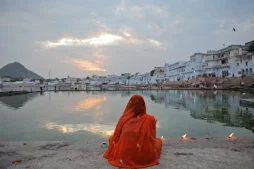
The holy city of Pushkar is one of the most largely visited city in Rajasthan, not only by foreigners but by many Indians. It is one of the most sacred places to visit in all of India, and consequently a popular Hindu pilgrimage site for Hindus and Sikhs. This is because of the serene Pushkar Lake, a holy lake from the Hindu epics the Ramayana and the Mahabharata, and also other scriptures mentioning the famous place and lake. The city is also known for its annual camel fair.
Due to its religious significance, Pushkar houses a myriad of temples and ghats that surround the sacred lake, including the extremely rare Brahma temple dedicated to Lord Brahma. The ghats host magnificent evening aarti (chants) every day. You will see that a lot of tourists visit Pushkar, especially younger travelers, as it attracts backpackers frequently. It’s a great break from the chaos of Delhi, Agra, or Jaipur, and it’s quite small so very easily accessible by foot. Try and go during the two-week annual world famous Camel Fair of Pushkar, one of the largest livestock fairs in India during October or November. Do remember that luxurious high-end accommodation is virtually non-existent in Pushkar. But if you are in Rajasthan and want to experience the spirituality of India, do not miss visiting Pushkar.
Mandawa
190 kms off Jaipur in the north, Mandawa is a small town that is most known for its small forts and most notably its intricately decorated havelis (mansions). The Mandawa Fort, founded in the 18th century is adorned with fantastic frescoes in the medieval style. Now a rich heritage hotel, couples can celebrate by having a romantic getaway to this picturesque stay. The town, because of the Havelis, is known as an open-air art museum, as their exteriors are intricately and lavishly painted and decorated. A worthwhile visit if time allows for it.
Situated in North-east Rajasthan, the city of Alwar is best known for the haunted place, Bhangarh Fort. Known as one of the most haunted places in India, the fort is off-limits for visitors after sunset. For all horror enthusiasts, this is one of the most popular places to visit in Rajasthan. We don’t know if the paranormal activities are true, but if you are interested in such stuff, you must definitely visit Bhangarh Fort.
Near the fort is the Sariska Tiger Reserve and Sariska National Park, major attractions of which include the royal Bengal tigers. It was once the private hunting ground of the Maharaja of Alwar.
Alwar was founded by Rajput ruler Pratap Singh in the 18th century and was a part of various battles. It was one of the first cities to sign a treaty with the East India Company. Apart from the haunted Bhangarh fort, you can visit many beautiful lakes, palaces, and grand forts in the city. The town of Neemrana is located in Alwar, popular for the Neemrana Fort Palace. Built in 1464, Rajput Maharaja Prithvi Raj Chauhan III reigned from here. Today, Neemrana Palace is converted into one of the oldest heritage luxury hotels in Rajasthan.
The 14th-century tomb of Tarang Sultan is also located in Alwar.
Jhunjhunu
Jhunjhunu district in the northern east part of Rajasthan is known for the beautiful Badalgarh Fort, built in the 16th century under Nawab Fazal Khan. The fort has many echo points that you must experience during your visit. The fort also has ancient painting exhibiting the tales of the early days of life at the fort.
Ajmer
Ajmer is a town in Rajasthan located at the center of the state, thus known as the heart of Rajasthan. It is famous for the Ajmer Sharif Dargah, the shrine of Sufi Saint Moinuddin Chishti. The fifth largest city in Rajasthan, Ajmer is nestled between the Aravalli and Naag Pathar Range. The Dargah is known to be one of the holiest Muslim shrines in the country. You can also visit the Ana Sagar Lake, an artificial lake built by the grandfather of Prithviraj Chauhan in the 12th century A.D.
Sawai Madhopur/ Ranthambore
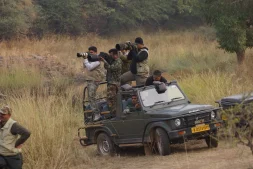
Sawai Madhopur in South-Eastern Rajasthan is a haven for wildlife lovers. Founded by Maharaja Sawai Madho SIngh in 1763, the place is home to Ranthambore National Park, known for its high population of royal Bengal tigers. TheRanthambore National Park is the perfect nature backdrop if you’re interested in seeing some tigers. It’s quite easy to spot tigers in this 392 sq. km park, prowling and roaming freely in their natural habitat. It also includes a variety of different wildlife and flora, like the native dhok trees.
Another attraction here is the Ranthambhore Palace, one of the most majestic UNESCO world heritage sites in Rajasthan. The Ranthambore Fort is massive and overlooks the entire park from above offering a stunning sunset and sunrise. There are also many historical and religious sites in this place.
Welcome to the Jungle (Photo Credit – Syna Tiger Resort)
Best Places to visit in South Rajasthan
Bundi
Off the well-worn path,Bundi is another photographer’s delight with the phenomenal landscapes of medieval India. The major attractions from a visit to the ancient city include exquisite temples, sometimes even referred to as the Little Varanasi, ornate step-wells, slender by-lanes, and lively bazaars. Two of the most notable structures are the Bundi Palace and the incredibly built Taragarh Fort. The fort rises on a steep hill directly above the town, giving it the aura of an intimidating old guard watching over Bundi. Explore Badal Mahal inside, visit the ancient baoris (step-wells), sit by the lakes, and marvel at the beautiful architecture.
Kumbhalgarh
In the 15th century, the Gujarati rulers tried to attack Kumbhalgarh and failed quite miserably. Of course, this can be easily ascertained from the mammoth-sized Kumbhalgarh Fort, 36 km perimeter walls, and built 1,100 meters above sea level! One of the largest wall complexes in India and the world, the fort also houses water tanks and intricate Jain temples. Take a horse safari from the fort to the wildlife sanctuary to see leopards, gazelles, and antelopes. Visiting Kumbhalgarh Fort is a great option between Udaipur and Jodhpur.
Udaipur
Udaipur is undoubtedly a major tourist attraction, a romantic city of gleaming lakes and stately palaces that immediately catch the eye. Located amidst the hills of the Aravali range, the ‘City of Lakes’ attracts travelers with its many incredible accommodations of historic palaces converted into heritage hotels. Such palaces surround the famous Lake Pichola, including the marvelous City Palace, built over 400 years ago. In the vicinity, lie the Lake Palace and the Jag Mandir, both marble island palaces that sit majestically atop the lake.
Another attraction near Lake Pichola by the royal City Palace complex is the Fateh Prakash Palace, built by Maharana Fateh Singh. The marvelous Rajasthani architecture, large galleries, the huge tank, and Surajkund, an intricately carved pillar make Fateh Prakash Palace worth visiting.
Nearby is the Fateh Sagar Lake, named after Maharana Fateh Singh. It is the second-largest lake in Udaipur and is divided into three islands. Take a boat ride in this beautiful lake with a view of the Aravalli range surrounding the lake.
Bagore ki Haveli museum is located at the Lake Pichola waterfront. The museum has traditional Rajasthani artefacts on display, along with a cultural show every evening.
To the north of Udaipur is Eklingji Temple, one of the most famous temples devoted to Lord Shiva in Rajasthan. The temple dates back to 734 A.D. The ancient architecture of the double-storeyed temple is brilliant, with pyramid-style roof and intricate carvings.
One can also go horse riding, learn yoga, visit the museums, take cooking classes, or visit the Sajjan Garh Palace. Sajjangarh Palace, also known as Monsoon Palace, offers breathtaking views of the greenery, lakes, and stunning sunsets. The magnificent palace is known as Monsoon Palace because it is a sight to behold during this season.
Udaipur is a very popular destination and rightly so. Staying in the old city on the banks or on the lake is a very memorable experience. Do try the authentic Rajasthani cuisine at the many eateries around the city. You won’t regret including Udaipur to your list of places to visit in Rajasthan.
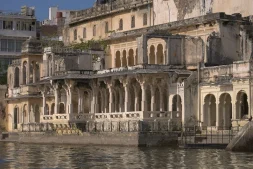
View from the Elegant Lake Palace, Udaipur (Photo Credit – Utturag)
Another royal place in Rajasthan, Jhalawar shares a border with Madhya Pradesh. The city is home to many palaces, religious places, and forts dating back to the medieval period. Explore the Jhalawar Fort, also known as Garh Palace. If you are an art lover, you wil surely appreciate the gorgeous paintings and artefacts present in the palace. Another place to visit is a government museum in the city, along with Virendra Bhawan and Prithvi Palace.
Ahar
Ahar, a couple of km east of Udaipur, can be a quick excursion if you’re interested in a little bit of history. It consists of a large area covered in domed cenotaphs, close to 400, of the Mewar maharajas and queens. It also includes an archaeological museum with relics dating back to before Christ. The cenotaphs themselves are also a wonderful view to take pictures and take a stroll around.
Deogarh
The area is primarily famous for the Deogarh Palace, an intricately beautiful yellow palace now one of the most luxurious hotels in Rajasthan. While Deogarh also has other luxury heritage hotels, the main palace is definitely worthwhile for those wanting to enjoy some alone time. Another spot to visit is the Dashavatara Temple, a Hindu temple dedicated to Vishnu.
Mount Abu
A change from the desert climate of most of Rajasthan, Mount Abu, famous for the Dilwara temples,is the state’s only hill station. Situated at 1722 meters above sea level, Mount Abu is nestled in the lush greenery of the Aravalli range in Sirohi district. Explore the famous Dilwara Jain temples, take a boat ride in Nakki Lake, or check out the Mount Abu Wildlife Sanctuary if you love nature. Enjoy a stunning sunset from the sunset points and gorge on some delicious food from the many restaurants and eateries around Mount Abu. Visit the peace park near Brahma Kumaris headquarters at this hill station. Mount Abu is one of the best places to visit in Rajasthan if you need a respite from the heat.
Chittorgarh
Situated in South-Eastern Rajasthan, Chittorgarh is known for its rich culture and the mighty Chittorgarh Fort, renowned for its unbelievable history of the royal family of Mewar. Spanning 700 acres, the historic fort is the largest in India built on a hilltop. The magnificent fortress was under the siege of Alauddin Khilji, who wanted a glimpse of the Queen of Mewar, Rani Padmini. However, before he could ever see her, Rani Padmini, along with the other women in the village, performed a self-sacrificing Jauhar, the ultimate act of courage to stop Khilji’s conquest.
You will need a few hours to explore the fort complex. See the Rana Kumbha Palace and the Padmini Palace, Rani Padmini’s palace in the fort. Rana Kumbha’s palace is the largest structure in Chittorgarh fort. You can also visit the Kalika Mata temple and Meera Temple in Chittorgarh.It is also the birthplace of many historical figures of India like Maharana Pratap and Meera Bai.
Ranakpur
The village of Ranakpur is most famous for its magnificent Jain temple. It’s said to be the most important and beautiful Jain temple in the world. The campus itself contains four separate Jain temples of lightly colored marble. Each of the 1444 marble pillars is distinctively different and supports the immensely intricate carved frame. This masterpiece attests to the skill of the Rajasthani builders and craftsmen of the past.
Marvel at the intricate designs on the Ranakpur Jain Temple (Photo Credit – Volker Glätsch)
Best Places to visit in Western Rajasthan
Jodhpur
The second largest city in the state is Jodhpur, popularly known as the‘Blue City’ , or ‘Sun City’ of India. Just an extension of the royalty of Jaipur and Jaisalmer, Jodhpur is a very important tourist destination, although somewhat polluted. However, the major attractions in Jodhpur will leave you gaping in wonder at the architectural feats. The Mehrangarh Fort, a massive 15th-century structure sits high above the blue city itself, which is enclosed by thick and tall imposing walls. One of the largest forts in India, Mehrangarh Fort has seven gates built by Maharaja Man Singh to celebrate his victories. At the southern end of the mighty fortress is the Chamunda Mataji Temple, dedicated to Hindu Goddess Chamunda. The magnificent Mehrangarh fort offers a great view of the city.
The beautiful Umaid Bhawan Palace and the Jaswant Thada Mausoleum are another two sites worth visiting. The former was one of the largest residential buildings in the world, and now also one of the best hotels in the world. Other sites include the blue houses which lend the city its name, the clock tower, and the famously vivid markets, including distinct Jodphuri shoes. The Mandore Gardens, an often-skipped tourist attraction, are home to cenotaphs of the royal house of Jodhpur. You can also visit the ancient town of Osian, which developed from an oasis in the Thar desert, and houses exquisitely sculpted Jain temples. You can also enjoy a desert safari in this old city.
Chandelao
This small town is known for its historical significance, being the home to the dynastic presence of the Chandelao Tikana. Chandelao Garh was built in the late 1700’s as the living palace and quarters for the Chandelao family. Now it’s a beautiful homestay that we’d highly recommend to anyone. It provides an authentic traditional Rajasthani experience and additionally offers a great change to the popular places to visit in Rajasthan.
The desert city, aptly named the ‘Golden City,’ commands attention for its generous sprinklings of historic sites and heritage monuments. Jaisalmer’s most interesting monument is the Jaisalmer Fort. A fascinating fact about the Jaisalmer Fort is that a quarter of the population still resides inside the living fort. Set in the sandy expanse of the Thar Desert, it’s the second oldest fort in Rajasthan, built in the early 12th century. It has gargantuan yellow sandstone walls at the top of a hill, making it visible from miles away. This extremely imposing structure only becomes better during the evening when it’s lit. The Laxmi nath temple, dedicated to Goddess Laxmi and Lord Vishnu, is located inside the temple. The city also has old havelis, Jain temples, and spectacular camel rides in the desert. Patwon ki Haveli is a cluster of five havelis in Jaisalmer, built in the 19th century. Translated as the Mansion of Brocade Merchants, this is the first and largest haveli in the Golden City Jaisalmer.
The Sam Sand Dunes near Jaisalmer are one of the most popular tourist attractions in Rajasthan. You can truly take in the Thar desert of Rajasthan by staying in tents and experiencing desert camping under the stars in the middle of the desert. You can also experience camel rides, desert safaris, camel cart rides, folk dance shows and bonfires in the desert. You can see the India Pakistan border in the desert. Visit the Tanot Mata temple, around 120 kms from the city. Attend the annual desert festival of Jaisalmer city, which takes place in February every year.
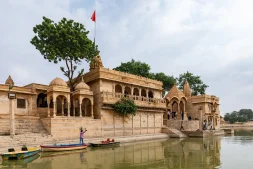
If you’re looking for another scenic touch to your trip, visit Ramdevra and the Gadisar Lake. Jaisalmer is definitely one of the best places to visit in Rajasthan.
Need a little inspiration for a route?Check this trip we planned for a client that included the great Jaisalmer.
Bikaner
Located northwest in the region, it’s the fourth largest city in Rajasthan, and contains a historical heritage worth mentioning. With extremely narrow streets, it’s best to travel with horse carts. The Junagarh Fort, from the late 16th century, is one of the major forts of Rajasthan not built on a hill. Historically, Junagarh Fort has only been captured once for a one-day occupation, the size of the fort extending almost 6 hectares. Other sites include the Laxmi Niwas Palace, a residential palace to the old kings of Bikaner, the Karni Mata Temple, and the Lalgarh Fort. The cityBikaner is part of the three desert triangle cities, with Jaisalmer and Jodhpur.
The Lalgarh Palace was built by Maharaja Ganga Singhji a century ago. A blend of Indo-Mughal architecture, the palace is said to be its architect, Sir Samuel Jacob’s, finest creation. Today, a part of it has been converted into a heritage luxury hotel.
If you are in Rajasthan during January, you should not miss the Bikaner Camel Fest, an yearly camel festival in this desert city. The city is also famous for the Usta and Chadwa art forms, which use floral and geometric patterns in their artwork.
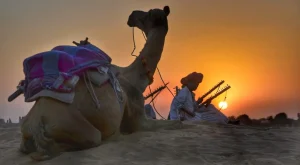
Wanderlust and desert dust (Photo Credit – Richard McAll)
Things to know before visiting Rajasthan
How to reach Rajasthan
You can explore Rajasthan as a part of the Golden Triangle tour, which includes Delhi, Agra, and Jaipur. Visit the Red Fort, India Gate, and Lotus Temple in Delhi, get mesmerized by the Taj Mahal in Agra, and marvel at the Hawa Mahal in Jaipur. After arriving in Delhi, one would usually drive to Jaipur via Agra and then start their Rajasthani tour. Alternatively, if you’re flying into Mumbai, one would take an internal flight to Udaipur. Udaipur, Jaipur and Jodhpur all have an active airport. Jaipur International Airport is the nearest airport from Mumbai, Delhi, or Agra.
Getting around Rajasthan
Definitely travel by the local trains and buses. However, the state of Rajasthan is incredible to drive through; so try hiring a car and admire the impressive and unique landscape. Occasionally, you can hail a cycle rickshaw – the most environment-friendly option.
Accommodation options in Rajasthan
You can choose from top-notch heritage hotels in old, majestic forts and royal palaces we’ve listed above. Nevertheless, there will also be moderately priced rooms in guesthouses with families. Rajasthan definitely offers the most fantastic range of boarding and lodging options.
What is the best time to visit Rajasthan?
Best time to visit Rajasthan? The winter season from October to March is the peak season for tourism in Rajasthan. With sunny weather during the day and cool nights, it is indeed the best time to visit this desert state. Summers, from the end of March until June, can be scorching hot. It is not the best time to visit Rajasthan, but if you do, make sure you wear sunscreen and drink lots of fluids. The monsoon season is not considered the best time to visit Rajasthan, but we would recommend it if you do not mind a little rain. Since it is a desert state, Rajasthan does not get much rain. So from June to September, the state is beautiful with lush green surroundings. Plus, you will get accommodations at a much cheaper rate!
For every head there’s a headgear (Photo Credit – Christian Trachsel)
If you’re truly wondering about visiting India and need some general information,visit here. If you’ve already decided and are now trying to plan it out, let usplan your trip for you!
At India Someday, we plan the ideal trip anywhere in India according to your interests. So, what are you waiting for? Contact us and we will plan a customized trip to Rajasthan for you based on your preferences!
Delhi, Agra and Rajasthan are probably the most visited places in India by foreign tourists. The Golden Triangle of Delhi, Agra and Jaipur being the most popular of those. But Rajasthan as a state is quite varied and diverse, it is not all about Forts and Palaces. You have a tiger safari in Ranthambore, the desert in Jaisalmer and Bikaner, small rural villages, and the spiritual town of Pushkar. Combine this with great food and some lovely charming boutique hotels and homestays and you can easily spend 2 weeks in this region.
With this blog we have given a few options of different travel routes to Rajasthan you may take depending on your interests and number of days you have to travel. If you do need help in planning your time through Rajasthan and other regions, we can help you customize your trip to India.
Route 1 – Golden Triangle plus one more city (7-8 days)
We believe the Golden Triangle i.e. Delhi – Agra – Jaipur, by itself is slightly overrated and touristy as a travel route. Delhi and Jaipur are bustling cities that offer a combination of monuments, markets and diverse places to eat. However, they do not offer much time for relaxation. Agra, solely in terms of a city, is fairly disappointing. However, the Taj Mahal, the Agra Fort and other monuments are breathtaking and make a trip to Agra worthwhile. But whilst saying this, combine these cities with offbeat homestays, interesting activities and you can have a completely different experience. So if you do only have 5-6 days in India, we could still help you plan it differently.
If you have a little more than a week to spare for your holiday, you can easily add one more city apart from Delhi, Agra and Jaipur.
One of the following options is possible to include in a weeklong Golden Triangle trip to India.
Delhi – Agra – Ranthambore – Jaipur – Delhi
If you love the forests, you can include a stop at Ranthambore National Park. Using a detour, it can be placed between Jaipur and Agra. Ideally, spend two nights here, go for the morning and evening Tiger Safaris, and relax at your hotel/resort during the time in between. Another offbeat destination (especially for bird enthusiasts) could be the Bharatpur bird sanctuary.
Recommended mode of travel: Private car with driver. It can also be done using a combination of train rides and a car.
Delhi – Agra – Jaipur – Mandawa – Delhi
Looking for something rural and less touristy with interesting architecture and fresco paintings, include a stop at Mandawa in the Shekhawati Region.
Recommended mode of travel: Private car with driver.
Delhi – Agra – Jaipur – Udaipur – Delhi
Include Udaipur for a romantic end to your trip. Although Udaipur is a little touristy, it is an absolutely charming city. Stay in a haveli hotel in a room with a view of the lake or in one of the luxurious resorts on the outskirts of the city.
Recommended mode of travel: Private car with driver + train ride + flight.
Route 2 – Classical Rajasthan Tour(12-14 nights)
Delhi – Agra – Jaipur – Jodhpur and Udaipur, plus one more city
A more complete Rajasthan experience should include a couple of stops in Southern Rajasthan. The towns in Southern Rajasthan are more relaxed, offer a combination of stunning architecture and landscape. Start with the hustle and bustle of Delhi – Agra – Jaipur and end your trip with stops in Jodhpur and Udaipur.
Recommended mode of transport: Private car with driver between Delhi, Agra and Jaipur, a train from Jaipur to Jodhpur, then another car from Jodhpur to Udaipur and a flight back to Delhi. En route to Udaipur from Jodhpur, you can also visit the splendid Jain temples of Ranakpur. This trip can be done the other way round too i.e. fly Delhi to Udaipur and then trace your way back to Delhi.
If you do not like to compromise on your comfort you can exclude the train journey and look at a rented car all through.
If you have a little more time you can also include a rural stop at either Rawla Narlai or Deo Garh Mahal between Jodhpur and Udaipur. Or you could also add a tiger safari in Ranthambore, stay in Pushkar the hippie and spiritual city, or even visit Jawai and catch some leopards in action.
One of our German clients Henning did a similar trip staying at interesting homestays. You can see the details of his trip for further details.
Route 3 – Rajasthan, all the way around (14 nights)
Jaisalmer is a magical desert city by the edge of the Thar Desert. Getting to Jaisalmer takes a little effort, but it is worth the travel. Try and stay within the fort walls that offer gorgeous views of the city. Take a camel ride in the dunes around sunset or even better spend a night in the desert. It is a magical experience to be surrounded by sand dunes under the starry night sky.
There are a few points one should bear in mind when including Jaisalmer; It can get notoriously hot and should be avoided April onwards. Jaisalmer is best accessible from Delhi, Jaipur and Jodhpur by overnight trains. These trains need to be booked well in advance, ideally two months in advance.
Recommended mode of travel: Private car with a driver between Delhi, Agra and Jaipur, followed by an overnight train and then another car from Jaisalmer to Jodhpur to Udaipur. Train options are possible between Jaisalmer and Jodhpur too.
This trip can be done the other way around i.e. starting with Udaipur.
If you have more time you can include a stop at Ranthambore National Park or the hippie-spiritual town of Pushkar.
Route 4 – All across Rajasthan with A trustworthy car and driver (14-18 nights)
If you have the luxury of time you can do a long loop across Rajasthan covering Delhi – Agra – Ranthambore – Jaipur – Bikaner – Jaisalmer – Jodhpur – Udaipur.
This trip is best enjoyed in a comfortable car with a driver that is with you all through your trip.
Try spending more time in Jaisalmer as it is usually the halfway point of your trip and you would be driving a lot. Remember Rajasthan is dotted with wonderful heritage hotels; old Havelis (Villas) and Palaces and many of them are very affordable. Ensure you pick your accommodation wisely. Stay in a healthy mix of hotels, some in the heart of the old city and then at times perched by the edge of the city.
Route 5 – Rajasthan during Festivals
You can time your Rajasthan trip to coincide with one of the many festivals that are celebrated in Rajasthan and India. Here is a list of a few festivals:
Diwali
Sometime between the end of October and early to mid-November, Diwali is celebrated. The exact dates change from year to year. Diwali is celebrated across most of India, especially with much more gusto in North India and Rajasthan. No matter where you are in Rajasthan during Diwali you will see the festivities all around. The general mood is festive.
Note – Noise and air pollution are elated during Diwali and it is a busy time for Indians to travel, so book in advance.
Holi
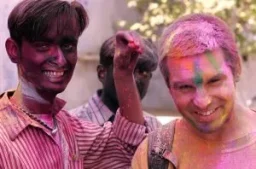
Holi (the festival of colours) – If you are willing to brave the onslaught of colours and a street party, plan a trip in March to coincide with the festival of Holi. Pushkar is the best town to celebrate Holi.
Note – the colours can be toxic and people are inebriated on the streets so one should be careful while travelling. However, if you are at a hotel with many tourists that organize a holi party you would get to participate in the festivities and still be safe.
Pushkar camel camp fair
The camel and cattle fair of Pushkar is another interesting festival one can include during their trip to Rajasthan. The celebrations are spread across a week. The first 5 days are the most active and interesting. The celebrations are restricted to only Pushkar and it is advisable to book well in advance.
Music Festivals
Jodhpur and Jaisalmer have music festivals each year. The exact dates change each year. The Rajasthan International Folk Festival in Jodhpur takes place in the month of October. And, in Jaisalmer in the month of February each year. If you can plan in advance as there’s nothing like planning your Rajasthan trip around a festival.
In conclusion, Rajasthan is a great state to visit for the first trip to India. If you are looking at other options to travel to India you can also see two-week travel routes for North India. And, if you would like to personalise your trip to India, do just fill out this short form and we will get back to you with an indicative travel plan.
When you think of India you think of its spirituality and diversity. For being on every backpacker’s trail because it’s just so, so cheap. Right? Wrong. India is also the land of royalty, of opulence, home to dozens of erstwhile rajas and nawabs. Our thirst for over-the-top-luxury has since been honed to reflect the sleek, subtler undertones of the modern rich. So no matter how you choose to define luxury, India has it all.
I’ve had the good fortune of tasting some of this splendour myself, from glamping in the great outdoors to dining in the halls of palatial forts.
Here are five top recommendations from the most high-end hotels in the country
Standing majestically the Taj Mahal Palace and Tower, Mumbai (Photo Credit – Mihir Upadhyay)
Udaipur
A fairytale city set in a bygone era and populated by romantics. Squeeze through the tiny bylanes of the old city and you’ll suddenly find yourself in the shadow of the ancient royal palace. With its stark white walls delicately moulded into trellised balconies and awnings overlooking the lake.
Decades ago, the James Bond’s movie ‘Octopussy’ is what made the luxury Taj Lake Palace iconic. It is still just as thrilling, though it’s now been converted into one of India’s finest heritage properties.
The Oberoi Udaivilas is a sprawling complex of uber-luxe buildings and grounds. It is the proud winner of the Best Indian Hotel for three years in a row. Each room here comes with its own private lagoon outside your door. Moreover, every room offers gorgeous views of both the Lake and City Palace.
All said and done, though, they’re still not my final pick.
Dive in your own Luxury Suite Pool (Photo Credit – The Oberoi Udaivilas, Udaipur)
The serai, Jaisalmer
Understated and restrained, yet oozing with lavishness. No expense is spared to provide the absolute highest quality experience in these luxury tents. It is spread on hundred acres of shimmering desert.
Gourmet food, the best wines, private, heated, candlelit pools, privately guided safaris, a world-class spa, private tours, the list is endless. All this, set in the lap of natures bounty among the shifting sands, glinting golden in the warm summer sun.
Kumaon
Originally a kingdom in its own right, these majestic mountains rise up above their misty shrouds in a world of complete and pristine isolation. It’s the perfect getaway if you’re looking to cosy up with someone you love in a world of your own. When you’re up for some adventure, you can explore the history of this regal martial race, their gorgeous architecture and culture.
Shakti 360° Leti, Bageshwar
Contemporary design, traditional building methods and locally sourced materials come together to create these luxurious one-of-a-kind cabins, the pinnacle of privacy.
Floor to ceiling windows offers you an exclusive view of the mountains. And verandahs with individual fireplaces make for romantic evenings unless you wish to spend them indoors wrapped in one of the many pashminas strewn around.
The cabin offers you acres of nature without another soul for miles around. However, liveried staff will still arrive daily with gourmet meals. You can select wines and any other service you can think of to ask of them. Win-win, isn’t it?
(Photo Credit – Shakti 360° Leti, Bageshwar)
Bandhavgarh
Deep valleys, wide grasslands and dense bamboo thickets spread across 437 sq kms. The Bandhavgarh National Park is the quintessential rustling Indian midland forest. It has the highest density of tigers in the country, and littered in between are the hunting lodges of erstwhile Maharajas of the region. A 2,000-year-old fort is worth a trek through the Sal forests.
Mahua Kothi by Taj, Bandhavgarh
A lovingly restored ‘Kothi’ homestead surrounded by 12 private suites with individual shaded access, sheltered verandahs and traditional mud floors. You can bank on the famous Taj hospitality as you let the history soaked in the hand-finished walls and open rafters take you on a journey.
Each morning, coal warmed kettles will be brought to your door for your daily tea. Also, gift baskets of yoga goodies and traditional Indian games will keep you busy between bicycle rides.
Experience dining in the woods (Photo Credit – Mahua Kothi by Taj Bandhavgarh)
Darjeeling
A colonial paradise of quaint churches and orderly tea plantations, Darjeeling is a slice of heaven on a plate. Ride the adorable toy train to some of the most scenic valleys and cliffs in the country. Stop for a quick momo (dumpling)and thukpa (noodle soup) and break to fuel up for a lovely walk through the gardens. There is no stress in heaven.
Glenburn Tea Estates
Glenburn Tea Estates is the epitome of sophistication. The vineyard resorts of Europe is what inspired them. Accordingly, guests can fully experience and participate in every stage of the wine-making process. But the real draw is the gorgeous accommodation, seven themed suites of delicate British good taste.
Hand embroidered linen graces the antique furniture, fresh fruit baskets and flowers adorn the intricate lawn furniture. Mesmerisingly carved wooden panels line the spacious rooms overlooking the green slopes. Pastel shades and soft feathery duvets underline the cosy feel.
Hiking trips, fishing, massage therapies, butterfly watching, camping and cooking classes help you unwind at this gorgeous estate.
Enjoy a slice of Europe here – The Planters Suite (Photo Credit – Glenburn Tea Estate)
Since every single one of these locations is at the top of the exclusivity list, you may have some trouble making a reservation. don’t hesitate to drop us a line, we’ll get the job done!
Thailand and India are both great potential options for the budget backpacker. They both offer countless experiences, delicious food, stunning weather and opportunities to meet great people. Both Thailand and India offer incredible photo opportunities and great value. This article will help you decide what is best for you, based on your budget.
India, land of colour, sights and spices (Photo Credit – Spurekar)
beaches
For beach parties, there are plenty of opportunities in both India and Thailand. In India, you’ll be able to find a large diversity – ranging from the party beaches of Goa, to the beautiful abandoned fishing beaches of Karnataka, to the surfing havens of Kerala and to the temple sands of Tamil Nadu and Orissa. The options are endless. Aside from Goa and Gokarna however, beaches in India can be quite conservative, particularly those that are home to temples.
Thailand’s beaches are extremely idyllic; beautiful shades of blue with white sand, especially on the islands. They also tend to be cleaner and their parties will certainly be more liberal, with many more Western travellers there.
Thailand has some beautiful tropical forests teeming with wildlife and greenery. Their forest tourism industry is extremely well developed in order for you to experience its natural bounty.
India’s forests are also beautiful, ranging from the evergreen to the deciduous to the tropical. Areas such as Coorg or the Andamans are lush and blooming with life all year round. Further, India is home to plenty of National Parks with stunning scenery. Depending on the time of year, you may even be lucky enough to spot some tigers! For more information about National Parks in India, visit our blog!
Mountain – wise, both Thailand and India have some great hill-stations. India however, has the backing might of the famous Himalayas, as well as Rajasthan’s endless deserts.
Tigress with cute cubs (Photo Credit – Syna Tiger Resort)
Value for money
India is, by quite some margin, cheaper than Thailand in every aspect – except from alcohol. Depending on the kind of trip you are looking for, this fact alone may sway your decision. Local activities, food, travel and accommodation are all significantly cheaper in India. Hostels in India average around 5-8 USD a night per room. Hostels in Thai cities such as Phuket or Bangkok will not be as cheap.
Street food in Thailand is mind-blowing, despite lacking in vegetarian options. On the other end of the spectrum, Thailand’s luxury comes in many affordable categories, thanks to their strong tourism infrastructure. India is certainly slowly striking out in the luxurious aspect, also.
Hotel Taj Mahal Palace, Mumbai (Photo Credit – Sushma Ghadge)
Tourists
India is not nearly as touristy as Thailand, especially if you go off the beaten track. Thailand can be filled with tourists and it is near impossible to find a place untouched by the ravenous tourism industry. The upside, of course, is fantastic service, safety and high standards in all hotels, no matter how small.
The beauty of India’s less-travelled destinations, however, is unbeatable. If you visit the Northeast or the southern part of Tamil Nadu, you can go days or even weeks without meeting any non-locals. If you’re worried that this means a poorer quality of stay or transport, that is what we are here for! Contact us with any queries you have.
Tourist in Rajasthan
travel
Compared to India, Thailand is much easier to travel independently. In terms of safety, it does have a reputation of being relatively safer than India. You can backpack through Thailand more relaxed and make plans as you go. India, on the other hand, can be more difficult to navigate, though the rewards are definitely richer. With us there to help you, you have no reason to worry about tickets, bookings or tips. There’s nothing to lose!
Train from Mumbai to Kerala (Photo Credit – Antriksh Kumar)
Thailand or India?
Both India and Thailand have their own advantages and disadvantages to travel to. We hope that this article has helped you gain some more insight into what will fit your preferences best. Alternatively, feel free to contact us for any more information, or for any help planning your dream trip to India. If Thailand tickles your fancy more so, check out our sister website, asiasomeday.com.
Thinking of visiting the Golden Temple? One of our bloggers went to Amritsar and was overwhelmed by the positivity displayed at the Golden Temple. Read here to learn about the facts of the Golden Temple to help you plan your journey to Punjab.
‘Skip the Taj Mahal,’ I tell them, ‘and head straight to the Golden Temple of Amritsar!’ They look utterly baffled as I share my honest response to their request for itinerary advice. Yes, I do think the Taj Mahal makes for the quintessential ‘I just went to India’ photo. The remarkable history-rich mausoleum and mosque set up a striking backdrop. Don’t get me wrong, it can indeed be quite fun to meet busloads of tourists from around the globe displaying an impressive array of selfie sticks.
But with only a few weeks to see the colours, chaos and flavours of India, I implore you to visit the Golden Temple. This is the holiest Gurdwara (place of worship) of Sikhism and one of the most positive places in the world. A white marble oasis where the tranquil sound of continuous chanting and tabla beats is paired with the golden glow of a magnificent temple floating in a mirror of still waters. Where the vibrancy, positive energy, devotion and communal spirit of the colourfully dressed crowds embody and proclaim great spirituality.
It is alive unlike anything I’ve ever seen or felt; the energy is almost tangible. An all-volunteer-run communal dining hall serving 60-80,000 people on an average weekday is not to be missed.
Golden Temple lit up at night (Photo Credit – Salil)
Arrival
When I first approached my train to Amritsar I sensed I was up for a new type of adventure on my you wander we pay trip. All of a sudden countless men with daggers and swords were travelling in the same direction as me. Little did I know then that this was kirpan (an iron dagger or full length curved sword). It is one of the ‘5 Kakar’ ritually worn items by Sikhs. I needn’t fear a violence ridden train ride.
From the moment I arrived and gave in my shoes, I was overwhelmed and overstimulated. While not an uncommon experience for me in India, this instantly felt extraordinary. I was overtaken by beaming smiles and vibrant colours as the loud buzz of Amritsar’s hectic streets quickly faded behind. Peaceful sounds of chanting, flutes and string instruments whirred in the background.
As I dipped my toe in the entrance’s waterway (all feet must be cleansed before entering), I was approached by a tall man dressed in his Chola, Sikh warrior attire. My eyes were drawn to his sword and distinctively curled moustache. I finally understood he was concerned I had put my shoes inside my small backpack, an absolute no-no for this sacred site.
I descended the white marble steps into the Harmandir Sahib complex and felt a complete and utter separation from the chaotic, consumerist world just footsteps away. The sun shining its brilliant light on the white marble, golden panels and radiant kurtas and kurtis (Indian garments) of the thousands of beautiful people. People circling clockwise around a pool of holy waters as the pulse of the parade pulling me in immediately.
I meandered across the grounds, straying from the carpets to feel the refreshing chill of marble on my feet, partaking in a steady exchange of smiles with the pilgrims leisurely encircling the concourse. While many tourists are uncomfortable being the target of constant staring in India, I delighted in the gazing game at the Golden Temple. I locked eyes and smiled with incredibly positive people eager to engage and share their upbeat energy. I say fear not and join in as engaging can truly enrich your experience!
Time to book your flights to India (Photo Credit – Jan Vašek)
The Golden Temple
Next was time to wait in the (always) long line to enter the gilded temple itself. While some might dread what feels like a long wait, I relished in the opportunity to examine incredible clothing and jewellery. Folks, in great palpable spirit, excitedly asked me questions and wished to pose together for pictures.
From early in the morning until late in the evening, troves of colourfully dressed people magically add to the serenity of the Golden Temple. Women and men from all walks of life and religions are welcomed to worship equally, the temple’s four entrances representing this openness. Check it out at all different times and shades of light. I’ve even spent the night!
Soothing hymns and gentle musical echoes across the sparkling lake. Pilgrims gracefully remove their Sikh attire to ritually immerse themselves in the pool of nectar, almost always emerging with an impressive holy afterglow.
One of the sounds I love most is the clanking of metal cups near the courtyard’s corners, where contented volunteers use water and sand to ensure an unending supply of clean stainless steel drinking bowls for visitors to stay hydrated. It was amazing how quickly the time passed when on one of my visits.
I seated myself on an empty stool, joining in the sand-washing routine with the rows of colourfully adorned women, with whom I shared a language of smiles and head wobbling. I wasn’t yet at my current Hindi level, able to chat and sing a song or two!
The opulence and sheer brilliance of the two-floored temple’s ornate and intricately carved interior, golden-leafed canopy, exquisite flowers, reverberating music and enthralling (giant) Holy Book ceremonies stand out most in many visitors’ memories (no photography allowed inside).
Golden Temple at it’s best (Photo Credit – Ravi N Jha)
The Langar
I found the incredible langar, communal dining hall, to be its crowning glory. I am thoroughly mesmerized by the unforgettable devotion which could be felt in the air of the astounding temple. Its colours and sounds are nearly hypnotizing. But when I stepped inside the volunteer-run all-vegetarian communal dining hall, I felt spiritually moved. It serves 60-80,000 people a day.
Like a kid in a candy store, I gazed all around, soaking it all in. The sounds of clanking stainless steel dishes, the flow of beautiful people, the smell of freshly stewed dhal (lentils) and the incomparable, powerful positive energy. A sea of colourfully clothed humans ambled up a flight of stairs, rounding the corner slowly enough to catch a peek at the action down below.
Then we entered an enormous hall. This is where, like dominoes, we seated in countless long rows, back to back and face to face with the adjacent lines of happy hungry beautiful souls. Volunteers came around with giant pots and ladled us each healthy portions of dhal, stewed vegetables and a thick rice pudding called kheer. Into our open hands, yet another volunteer dropped fresh roti and another rolled a metal cart of water from which we could fill our while still seated.
A similarly beautiful and delicious meal can be found at any Sikh temple. The simple idea is that everyone, regardless of social status or religion, can sit on the ground together and partake in the same meal at the same time. What a delightful flavour of equality, especially in a country laden with hierarchies and disparity.
The Golden Temple langar is open 24 hours and the food is delicious. No one is dismissed and almost everyone gets their hands dirty helping out.
There’s never a no for food to visitors here (Photo Credit – Clara Giraud)
Volunteering
Clank. Bang. Clink. Smash. Clank. I don’t quite know what words could do justice to the clatter and ruckus to be heard upon exiting the large hall. It then makes its way down an assembly line of volunteers. I stared in awe at the action, distracted only by the throng of volunteers lined up at rows of sinks, washing dishes, women and men in separate areas. On my second visit, I jumped into volunteering, locking eyes and giant smiles with the radiant Indian women.
Fascinated by this amazing operation that happens daily, I can feel devotion in the air. My eyes were teary from the masses of onions being chopped by yet another beautiful team of volunteers. A Sikh gentleman, Mr. Singh, joined and informed me about fascinating Golden Temple facts. ‘It takes tens of millions of dollars to run the langar’.
I’m told by Mr. Singh. He explained that many people chant ‘Wahe Guru’ while volunteering, which means “wonderful teacher” in Punjabi. It refers to the creator of all, God. Anonymous donors and scores of volunteers happily give their time and money here as part of their religious practice. They express some of Sikhism’s most important ethics, Singh explained, ‘sharing, community, inclusiveness and oneness of all humans.’
Khalsa – Ever volunteering and protectors of Sikhism
Pool of Nectar
I returned from this communal heaven to the blissful courtyard where I continued to circle the ‘pool of nectar’. I take time to people watch and rest my feet in various spots along the way. Always trying to replicate the seating positions of my Sikh counterparts so as not to point my feet at anything holy. During each visit, I am nevertheless approached by decked out men with swords, asking me to change my position. The encounter seems somewhat mystifying yet magical.
That first afternoon, I eventually pulled myself away from the incredible marble and gold oasis to attend the famed Indian/Pakistan border crossing ceremony. I also tasted the legendary parantha thali of the century old vegetarian dive, Kesar Da Dhaba. Both are pretty awesome experiences which I highly recommend for your Amritsar visit, a dream city for serious foodies.
Clearwater with beautiful fishes
The incredible positive energy
Little did I know then that I would have been so wooed by the Temple that I would plan multiple visits. Two of these were more than 10 hours and one was overnight. At night volunteers remove every ceiling fan and clean each blade. The glowing smiles on their faces were captivating.
The transitions of light, slowing of the crowds, rolling up of carpets, continuous chanting, rituals for reading the holy book and endless display of volunteer work mesmerize me each time.
I linger at the temple as if I can store up the incredible, palpable and positive energy with me. If I could somehow transmit it to those who regularly come to my mind. People I have been moved by like the crime victims/survivors and colleagues I’ve worked with, family members, friends and others.
The Golden Temple is a delicious medicine for the soul. It is a humbling, magical and truly inspiring experience. I often think of Singh’s words about sharing, community, inclusiveness and oneness of all humans. This helps me understand the power of these ingredients for creating the indescribable positive energy I experienced there. An all-natural, renewable energy our world could use a lot more of!
South India is a tropical paradise of endless beaches and dense jungles, ruins and mouthwatering food. Being in India though, there’s almost too much to see and there’s never really enough time to see it. In this blog, we’re going to help you pack the most punch with some suggested travel routes for two weeks in South India. Do it without pushing yourself so hard you forget to have a great time.
This route is perfect if you are looking at exploring ruins, temples, nature and spending relaxing beach time. We start off in vibrant, accessible Mumbai, full of great pubs, shopping and architecture, easing your way into the rural life. From here you can catch any type of transport and be in amazing Goa overnight. Goa is the greatest place to let go and unwind. Check out the awe-inspiring crumbling artwork, drink cheap beers between yoga classes on spice farms and get cheap temporary tattoos.
Slow it down a bit at peaceful Hampi. Its historic grandeur is quiet and unimposing, sneaking up on you as you slide down the Tungabhadra. It’s a nice break after the more hectic Bombay and Goa. Additionally, spend a little time among Hampi’s gigantic boulder mountains and pick yourself up before moving on to Mysore.
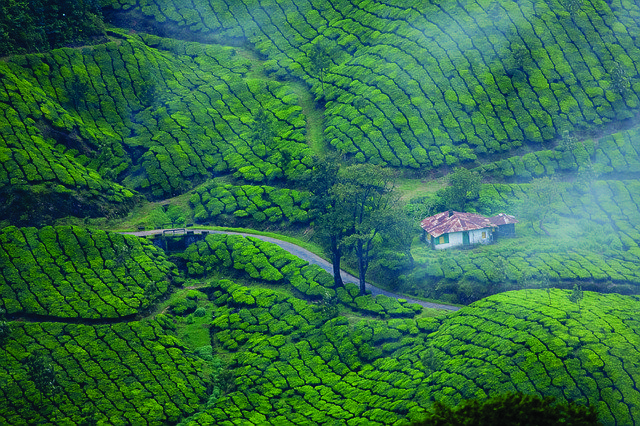
Mysore is another haven for history lovers, though far better maintained and spectacularly opulent. Those who can handle the spice should try the famous Mysore Masala Dosa, a paper-thin rice pancake lined with chilli paste and fried potatoes. End your trip further down south among the lagoons of Kerala. It’s hard to recommend only one stop in this gorgeous state. However, we’d suggest Alleppey for a night out on the backwaters, Munnar for its weather and tea, and Kochi for the culture-seekers. These make for a great two weeks in South India.
Highlights: Pace yourself between hyperactivity and relaxation as you tread the different elements of a vibrant region.
Good to know: This suggested travel route for two weeks in South India isn’t well connected by trains, which may mean longer trips on buses, usually overnight, better for active travellers.
The Royal hall of the Mysore Palace (Photo Credit – Manoj Kumar Kasirajan)
The Deep South
Chennai – Pondicherry – Tanjavur – Madurai – Munnar – Alleppey – Kochi (route on GoogleMaps)
Travel down into the bastions of South Indian Pride – Tamil Nadu and Kerala. Two states that seem somehow both diametrically opposed in culture yet overflowing with similarities.
Arrive in Tamil Nadu’s capital, Chennai. Growing upon its deep-set cultural identity is a buzzing tech hub. It makes for an easy entrance into the route. From here, continue to a uniquely blended culture at the French territory of Pondicherry. It’s become a haven for peace-seekers that set up artsy cafes and organic goods stores on its rocky banks.
Next, it’s Tanajvur and Madurai, two incredible temple towns of Tamil Nadu. The former is home to the much sought-after silk saris and makes for great gifts to carry home. Touch the intricately carved temple walls, and step in for a puja if they let you. Then, cross the Nilgiri Hills, stopping in the clouds at Munnar. Visit a tea factory, ride an elephant, and stay in on foggy cool nights with a hot cuppa. After, get back in the sun on the prow of a houseboat, soaking up that Vitamin D, probably in Alleppey’s backwaters. Round the trip off with the hubbub of Fort Kochi’s quay. Take a walking tour through its interesting quarters before going to Ernakulam.
Highlights: Beautiful architecture, from the centuries-old temples to the colonial hangers-on. An important upside is that this route is much safer for women, who can spend a hassle-free two weeks in South India.
Good to Know: If you’re up for a few more days holiday, visit the beaches of Kerala, maybe Varkala. Don’t be alarmed if the tourism industry isn’t geared toward helping foreign tourists in Tamil Nadu. They tend to focus more on Indians travelling for religious reasons.
Bienvenue à Pondicherry (Photo Credit – Kaushik Murali)
The Off-beat trail
Mumbai – Aurangabad – Pune – Hampi – Aihole – Pattadakal – Badami – Goa (route on GoogleMaps)
Are you a fan of old ruined forts? We’ll give you a dozen. Make the standard tourist trip from Mumbai to Goa but with six lesser-known stops thrown in between. This offbeat trail is one of our favourites among suggested routes for two weeks in South India.
Aurangabad, the capital city of the mighty Mughal king Aurangzeb. These streets are paradise for the meat-lovers. They once fed huge armies on succulent slow-cooked beef. Pune is much touted as the cultural hub of Maharashtra. Be sure to squeeze in a play or two, or a subtitled Marathi film. Their concept of art will blow you away. From here you can catch a bus to Hampi and mellow out before moving on to Aihole. A tiny village in Karnataka, it boasts an ancient historical temple complex. Since it doesn’t draw a lot of tourists, it’s a good chance to experience village life untainted.
The temples are part of the Chalukya ruins, which continue into Pattadakal and Badami. The ones in Pattadakal are well preserved enough for it to have been named a World Heritage Site. When you’ve had your fill of valuable knowledge, skip off to the beaches of Goa for some well-earned relaxation!
Highlights: This is a great route if you really want an authentic slice of village life and some peace and quiet away from the city.
Good to Know: You’ll probably be giving up some comforts on the way, so carry anything extra you think you may need.
The ruins of Hampi are a must-see in Karnataka, a part of any good South India tour
This is the way to go if you’re here for wildlife parks and lush, green forest as far as the eye can see. Bangalore and Mysore are famous for their sprawling gardens. From Mysore, you can drive straight to Bandipur National Tiger Reserve. Funnily enough, it started off as a Maharaja’s private tiger hunting grounds.
The forestland spills over into the Wayanad Wildlife Reserve of Kerala. Dense and shadowy forests teeming with elephants trumpeting about between the teaks. Fed by the Kabini River, this forest is full of farms and villages along its edges. Here you can find a great home stay that allows you to surround yourself with nature all day. And finally, the pride of tiger reserves, the Periyar National Park. Battling daily against the urbanization and growing tea plantations, it’s an oasis of spine-chilling beauty and peace.
Highlights: Beauty, calm, peace. But also mosquitoes, so wear full-sleeved clothing.
Good to know: Wildlife resorts are always expensive, but they’re responsible and come with a great view! This suggested travel route for two weeks in South India is a seasonal route and best avoided from June to October due to the monsoons.
Ideal getaway from the hustle of the city (Photo Credit – Abhishek Prasad)
Temple Run
Chennai – Mahabalipuram – Trichy – Tanjore – Chettinadu – Madurai – Kanyakumari (route on GoogleMaps)
The Southern states have a strong tradition of making their temples the centre of the community. Into the temple go prayers and offerings and out come charity for the needy, dance, music and fine art. As society changes, they’re losing their grip on people’s minds, but they can never lose their charm. This route gives you the best of temples for your two weeks in South India.
This is often followed as a pilgrimage route, and you’ll be sure to meet a lot of religious travellers on your way. That makes it a good chance to actually get to know the people and their beliefs. Take the trip a step beyond history and architecture; these cities have a lot more to them. Visit Chennai for its urban options, Mahabalipuram for its beaches, Trichy for its rock fort, Tanjore for its music and saris, Chettinad for its extremely hot food, Madurai for the depth of its Tamil culture and finally, Kanyakumari simply for being the absolute end of India. What holds them together though, are the temples. You can make a quite study of the Tamil practice of Hinduism and religious architecture, and all in just two weeks.
Highlights: Since they’re used to local visitors, the food and entertainment will be rich in local colour. But the accommodation options will be up to the mark.
Good to know: Tamil culture is strong and unyielding, do a little research about the people before you go. Expect clean and comfortable accommodation, but not too many boutique hotels on this route.
Be awestruck with the enchanting details on these temples (Photo Credit – Prasanna Devadas)
This route has got every kind of beach city you’ve dreamt or thought of. Pack that sunscreen, its beaches galore on this suggested route for two weeks in South India. Start in Mumbai, urban and with a great coastline. While the beaches aren’t top notch, they’re still worth the visit. Goa, on the other hand, is the classic beach destination with warm vibes. Filled with flea markets and cheap beers, let your hair loose and head to the nearest party. Where Goa’s bustling with nightlife, Gokarna is all beach. There are some temples inland, but the sea takes the cake, where you can watch surfers or jump in. Save up by living in a shack right on the seafront and gorge on seafood with the spare cash.
Bekal, in Kerala, has simply the most stunning sunsets. Spend your day clambering through Bekal Fort’s passageways, and make your way to a window to catch the sunset. From here you can afford to take it up a notch and splurge. Check into a beach resort at Marari, further down the Kerala coastline. Working in harmony with the local fishermen, they’ll help you dip into local life without being intrusive or exploitative. Continue to Varkala, which was always famous for its beach temple that attracted pilgrims daily. However, now it’s filled with surfers and yoga geeks, who the locals have welcomed with open arms!
Highlights: While constant beaches may sound boring, each one on this list is very different from the other. Each of the cities that they border has a unique charm.
Good to know: Great route for backpackers, but you should book well in advance, particularly your trains. This route is best avoided from May to September during the monsoons.
These were some of the suggested travel routes for two weeks in South India. If you’d like to do any of these trips, personalise them, or create an entirely new trip, let us know and we can arrange it entirely for you so you can maximize your travelling experience.
Everything you need to know to make the most of your time in Dharamsala. A wonderful blog shared by our friend, Yoga Instructor and more, Chris. You can find more of his musings here.
Dharamsala is a word that you’ll hear many travellers you come across speak about with fondness. When you arrive in this mountain city of the Himalayas, it’s easy to see why. Green surrounds you from the grass and the myriad of trees descending down valleys and up mountain peaks. This is a sharp contrast to the dusty terrain that covers much of India, and this creates its own special vibe.
You can always visit Dharamsala
Weather
Be warned that the weather can change very quickly. The sun may be smiling one hour and the heavens pouring down furiously the next. But those storms can make for some epic lightning shows and the rain supports all the green around you.
Dharamsala is split up into three main areas for tourists, each with a slightly different vibe.
exploring dharamsala
McLeod Ganj
This is the central hub of Dharamsala with many shops and restaurants and views of the distant snow covered mountain peaks.
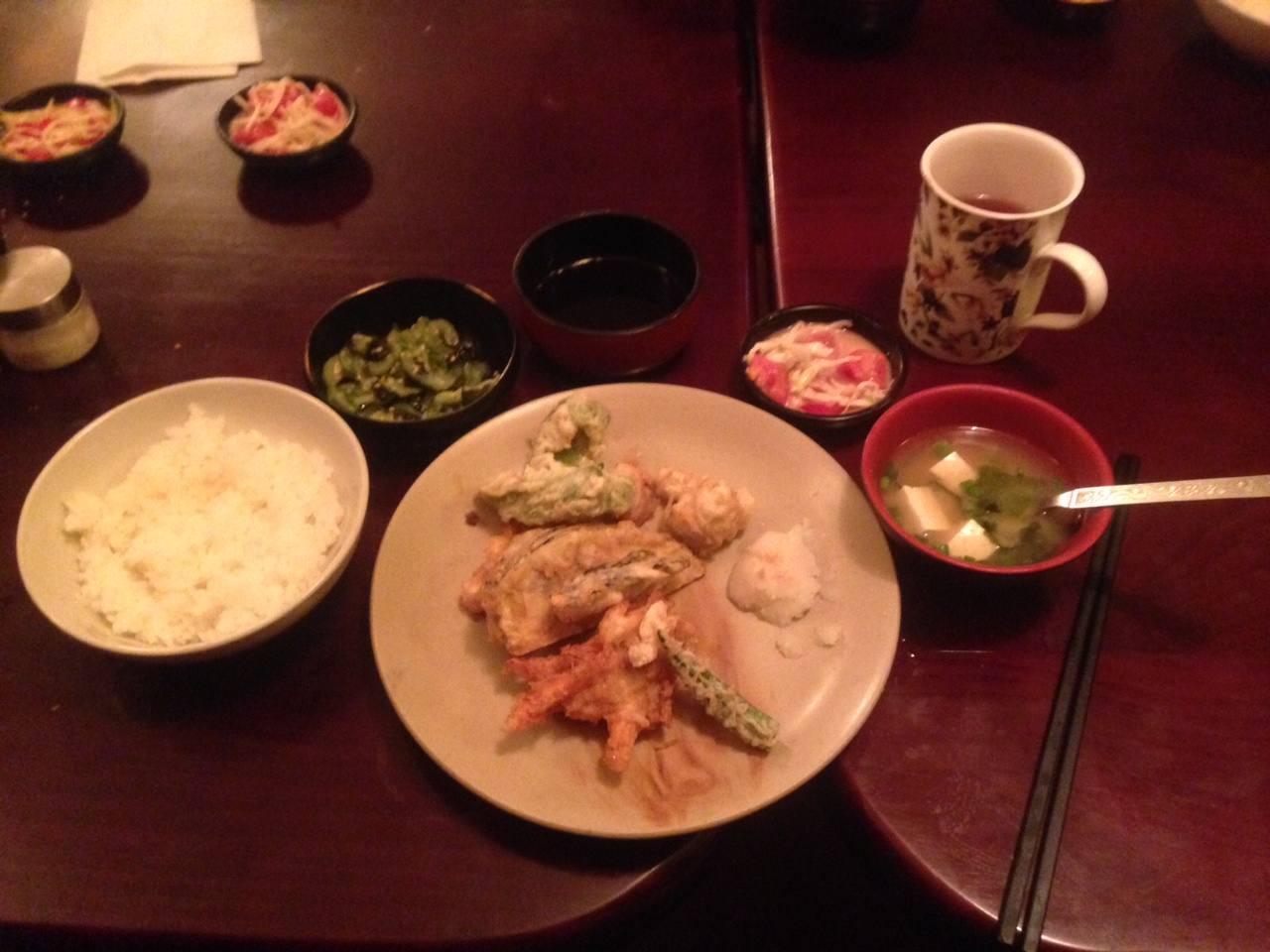
Lung Ta Japanese Restaurant: This is one of my favourite restaurants in all of India. The menu is all vegetarian and there are daily specials for each day of the week, from sushi to tofu steak with a variety of delicious accompaniments. Make sure you arrive in plenty of time before they close as there will likely be a wait for a table to open up. Definitely a must try while in Dharamsala.
Cinema: There is a small cinema showing both Tibetan movies and new releases. They show a few movies each day and post a weekly schedule on the notice boards.
Lung Ta Japanese: One of the best restaurants in Dharamsala!
Third Eye Tattoo: If you’re looking to get a tattoo done there are many artists in Dharamsala. I got one done by my friend KD at Third Eye Tattoo and can’t recommend him highly enough. KD is very helpful and friendly, the studio is very hygienic, and most importantly the resulting artwork is amazing.
Bhagsu
The areas of Bhagsu and Dharamkot are around a 20 minute walk from McLeodganj. Bhagsu typically has a wide range of tourists filling its restaurants. If you want more solitude I suggest finding a guesthouse in Upper Bhagsu. The higher up the mountain you go, the less noise there is.
Keep in mind this will add a small hike to anywhere you are going, but the views and sense of peace is well worth it. There’s a public pool a few minutes’ walk from the main area of town so you can cool off during hot days.
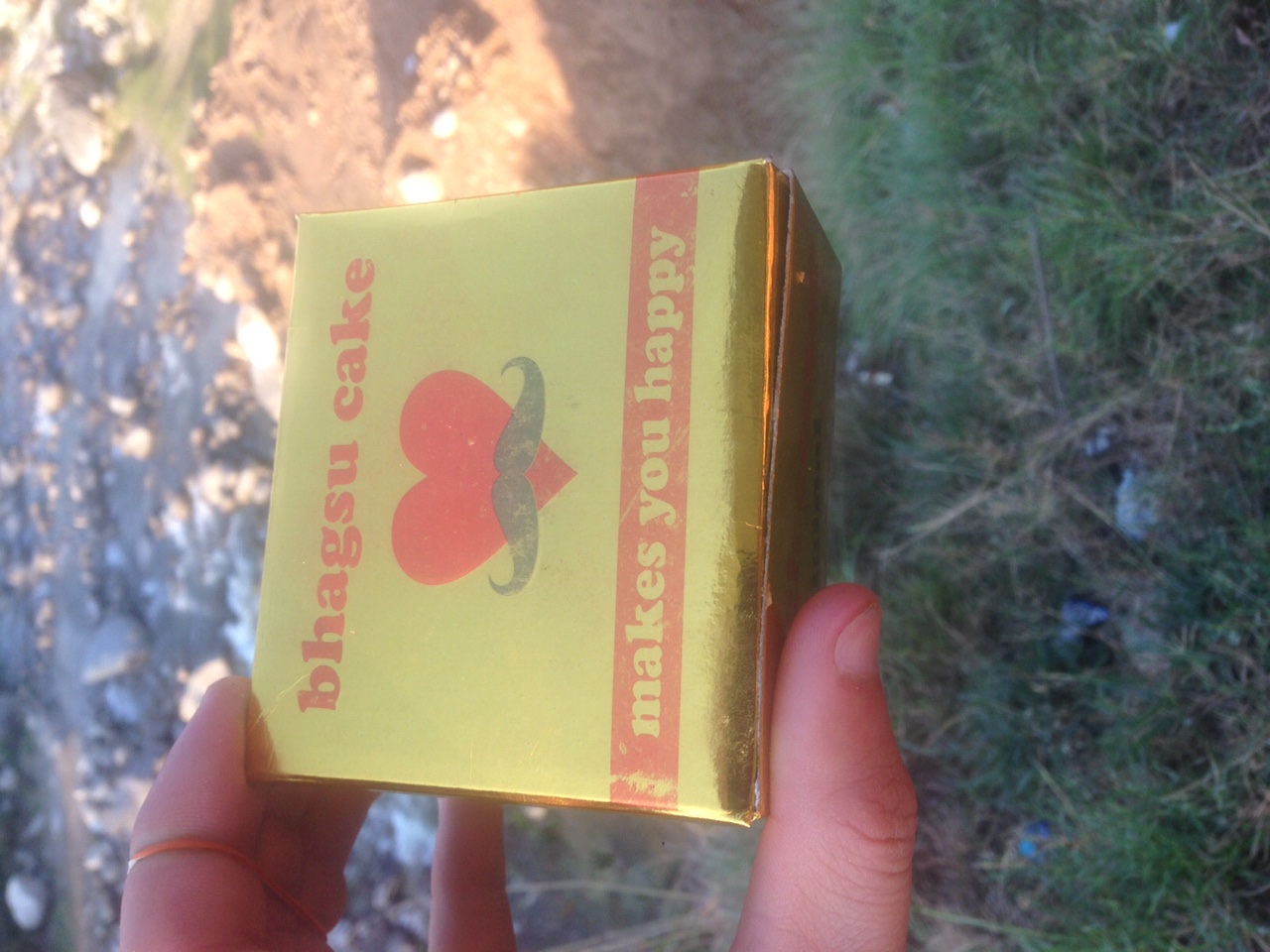
A bite of Bhagsu cake, definitely makes us happy
Singh Corner
While in Bhagsu you will see bright gold little boxes everywhere. They are the wrapping for the infamous Bhagsu cake, invented at the Singh Corner restaurant. This delicious blend of chocolate, caramel, and cookie crust is highly addictive and only 30 rupees for normal version (white chocolate and peanut butter additions are a bit more).
Art Cafe
This little hangout is truly unique in that all of the food is by donation. A set menu involving a tasty soup, salad, and sandwich is offered as well as some vegan options. Eat as much as you like and pay what you think appropriate, all proceeds go to benefiting a great cause to help children in need.
Dharamkot
Located just across the valley from Bhagsu is Dharamkot. Dharamkot is very similar to Bhagsu. Head up the mountain to Upper Dharamkot if you’re looking for privacy. This area is a haven for Israelis as conversations in Hebrew pour out of many great restaurants.
Be prepared to witness breathtaking sights like these around you!
Trimurti Garden
The Trimurti Garden is a great place to grab a healthy bite to eat. They have really good kombucha and vegan cakes available and a nice communal area to enjoy the garden.
The Bone and Body Clinic
Many people come to Dharmsala for chiropractic work from Ringo and his staff. People suffering from back pain and spinal issues speak very highly of the clinic and often stay months to work on alleviating chronic issues.
Tashita
Tashita offers 10 day introduction to Buddhism courses as well as different Buddhist and mindfulness related retreats. You can join daily meditation by donation Monday-Saturday at 09:30 hrs.
Buddhist Monastery (Photo Credit – Ashish Gupta)
Things to do
Trek to Triund
Triund is the most famous destination in the area and rightly so. A slightly long hike up the mountains is rewarded with splendid views. Snow-capped mountains, rolling hills, and tiny houses spread out before you for kilometres at an end. There is a truly special energy to this area.
You can hike an additional 45 minutes to the snowline and have yourself a snowball fight. Camp out overnight underneath the stars (or rent a tent or a guesthouse). You can hike up the mountain and be back by mid-afternoon, and fuel yourself with some hot chai on the way!
Camping in Dharamshala
Waterfalls
There are two waterfalls nearby, one close to Bagsu and another on the opposite side of the mountain from Triund. The first will take around 15 minutes to reach from Bagsu and is quite small but has a pool at the base you can submerge yourself in.
The latter is about 1-1.5 hours from Dharamkot. While it doesn’t have a large sheer drop, you can follow the river up for a long time towards the mountains. You will find large rocks and many pools of shockingly cold water along the way. A very nice way to spend the day in nature.
Courses and Yoga
Just check the posters around town to see what workshops are being offered. There are many music schools if you’d like to learn bansuri (Indian flute), sitar, drums, or how to sing.
Thai chi, yoga, crystal healing, and everything in between are going on weekly so keep your eyes open for anything that draws your interest. There are also a few schools offering yoga teacher trainings (such as Trimurti Yoga and Sarvaguna Yoga, which also offers meditation trainings).
Sand Mandala by Monks (Photo Credit – Jasleen Kaur)
In Conclusion
Dharamsala is an easy place to connect with nature and meet many interesting people. There’s always new classes and workshops going on every week and amazing views every day, although it can rain heavily for days at a time. You can meet the Dalai Lama, who calls Dharamsala his home in exile from Tibet.
If you are a hardcore nature buff, make sure to explore other parts of Himachal Pradesh as well such as the Parvati Valley and Manali.
Dharamsala allows you to choose whether to hang out all day in a cafe surrounded by interesting peopleor to find peace and quite in the mountainside. It also provides you with a variety of interesting activities. If you’re looking for guidance for Dharamsala, get in touch with us!
If you are travelling to India then consider visiting Bombay. Being one of the major cities in India, there are lots of fun things to do in Bombay on offer. This guide will also help you with how to reach Bombay and how long you should consider staying here.
Bombay is wildly and magnificently alive. When you first arrive, you’ll think there’s no escape from the deafening traffic and fierce heat, but then you’ll discover the leafy suburbs and the endless colonial arcades of the town and think you’ve found peace at last. However, around each corner is a tout waiting to dig into your pockets or a gaggle of teenagers playing truant. You’ll soon realise that even in its quietest moments, this is a city that constantly thrums with life.
Gateway of India (Photo Credit – Ketan Saptasagare)
Top Experiences and things to do in Bombay
– Travel in a local train, though preferably not at rush hour. Be sure to keep your eyes, ears and nose wide open!
– Find your way to the sea face and watch the effect it has on tired employees, overexcited toddlers, clandestine couples and street hawkers alike
– Attend a concert or check out one of the great local bars. Get on the scene and meet people, they’re what make up the heart and soul of the city
– Talk to your taxi drivers, they’re always willing to share a conversation after a long day of dodging deranged pedestrians
– Try some of the best street food in all of India
CST Mumbai, railway station and old colonial architecture (Photo Credit – Appaiah)
Activities
This is a list of some of the best things to do in Bombay during your stay. We can also suggest other activities that are well suited to your trip, just message us to plan your trip to India now!
– Take a cycle tour through the old colonial area in South Bombay, either at dawn or midnight
– Take a slum tour, or a Dhavari industrial tour, especially if you have children with you
– Catch a ferry and sail away from the urban towards the historic Elephanta Caves across the bay
– Bollywood is in the heart of Bombay and there are also many tours surrounding these sights as well for you to explore
A clear morning on the Marine Drive, Mumbai (Photo Credit – Satyajeet Mazumdar)
How to reach Bombay
You can easily get to the city by air, train or taxi so do not worry if you are concerned about how to reach Bombay as there are many options to choose from.
Air – Bombay is accessible by air and you can fly into the city from major airports in the UK, US, Australia and others. You can also take domestic flights in and out of Bombay.
Train – There are many trains within Bombay that connect you around the city either on the Western, Central or Harbour lines. However, these may be best avoidable during commuter times when locals are travelling to work. You can also travel by train to other destinations around India including Goa, Delhi or Bangalore. Read more on how to book a foreign tourist train ticket to book your ticket in advance.
This article will highlight some travel routes for those who want to experience Yoga in India. Yoga is an integral part of Indian culture. It seeps into our cardio workouts, our morning stretches and even into our school timetable sometimes! If you plan to get a real feel of Indian life, yoga in India is a great place to start.
If you’re a beginner, there are dozens of great drop-in classes (40-45 minute classes) in most major cities. It’s certainly worth trying out, and it’s definitely possible to make new friends as you go. If you already have a background in yoga, opt for a tougher course. Set yourself some new goals, maybe even take home a teaching certificate?
In this article, we’ve mapped out some ideas for three great routes around India for you, which also allow for some sightseeing after your morning class! Don’t worry about the difficulty level. The options will be exhaustive. Yoga is for everyone.
Fly into Mumbaiand skip the rush of the inner city for the suburban leafiness of The Yoga Institute in Santa Cruz. It’s primarily a retreat centre and a great place to step out of chaos, even if you’re not ready for a full course.
Next stop –Goa! Tall swaying palms, soft sand underfoot and dozens of yoga classes popping up on every shore. Here, you could try the Lotus Yoga Retreat or Kaama Kethna to really keep tune with the universe.
South Goa is a great place to relax. If you’re looking for daily Yoga classes, warm seas and great food, here is a blog you should check out!
Gokarna, even quieter, will set your morning stretches to the gentle roar of the ocean. Spiritual land adjusts each class to the level of its drop-in students. Swaswara hosts all your yoga, Ayurveda and spiritual needs on one vast, ecologically sustainable campus. Finally, head down to the soft, quiet sands of Varkala.
At Soul & Surf, some old fashioned yoga can be practised at dawn. Calm the soul and then crash through the surf to kick yourself back into gear.
Contact us and we can help you plan your perfect Indian Holiday, filled with Yoga Experiences.
Where better to seek out peace than in the mountains that have sheltered Shiva himself? Delhi is obviously the most convenient starting point, and also home to Seema Sondhi’s Yoga Studio. Seema herself took up yoga after a severe spinal injury. Her studio is a judgement-free zone that preaches applying yoga to the abilities of your body rather than the other way around.
From there you can move on to the mecca of yoga practitioners – Rishikesh. Combine the breathtaking natural beauty of Rishikesh with its ancient yogic heritage at Phool Chatti – meaning the ‘Land of the Flowers’. Courses can be demanding, so if you’re just here for peace and calm, check into Osho’s Gangadham further uphill.
Contact us and we can help you plan your perfect Indian Holiday, filled with Yoga Experiences.
In Dharamsala, you can explore Buddhist spirituality. Take a course on their own brand of meditation. If you’re still looking to come back to the yogic trend, visit the Himalya Iyengar Yoga Centre. It brings to life the traditions of BKS Iyengar in an open space lit by the sharp mountain light.
One of the great things about yoga in India is that there are a wide variety of courses offered varying in focus, degree and length, so you’re not going to leave empty-handed. The route from here on focuses more on sights and cultures. None of these cities will leave you wanting for yoga. If you’re unsatisfied, hit up Art of Living in Agra, Pushkar Meditation Temple in Pushkar and the Dynamic Yoga Studio in Udaipur.
You’re starting from Mumbai again, so let’s change it up a bit. Head away from the interior to the crashing sea face of Marine Drive that defines the city. Nestled up against this gorgeous view is Kaivalyadhama, an institute that combines Ayurveda and Yoga to promote health and wholesomeness.
While in Hampi you can turn your back on the paddy fields and your face towards the sun as you arch up and up in greeting the dawn across the river. In a city that reverberates with the wisdom and beauty of the ancients, a city outside of time, sink back into the arms of this age-old science.
Here, and in Mysore, just ask your hostel manager to hook you up with a local class. Most hostels and hotels arrange one on the front lawn in busy months. In Mysore, you could also opt for a more in-depth study at the Ashtanga Yoga Centre which promises to impart the classic yoga style.
In the old streets of Trivandrum’s West Fort, you will find the Sivananda Yoga Vedanta Centre, which along with the five basic principles of yoga. They also practice karma yoga, that welcomes people of all walks to lend a hand at the centre in whatever capacity possible and become a deeper part of the centre.
Finally, in Coimbatore, try out the Isha Foundation, a centre whose yogic philosophy bubbles up over a simple fitness routine into a complete way of life. One that they try to spread globally through their volunteers. Even if your body isn’t up for it, it’s a great place to visit just to expand your worldview.
Yoga in India sounds like something you might be interested in? Feel free to contact us for more information on these routes and for help planning your perfect Indian holiday, filled with fabulous Yoga experiences!
Let India Someday handle it and plan your best trip.