TALK WITH US +91-9970620335
WhatsApp

Best time to visit Himachal Pradesh

There is no specific best time to visit Himachal Pradesh. That’s right. The gorgeous state of Himachal Pradesh in the north of India has something to offer for every season. No matter what time you are planning to visit India, Himachal Pradesh is always a good idea for most of the year. Read this article to find out more about the best time to visit Himachal Pradesh.

Best time to visit Himachal Pradesh

The best time to visit Himachal Pradesh depends on the kind of experiences and the type of vacation you are looking for. Himachal Pradesh is a stunning state that shines in all seasons. With pretty landscapes and snowcapped mountains in the background, the region is a sight to behold no matter when you visit. The traditions and cultural richness of this enchanting region also make it a good place to explore.

Overall, a great time to visit is between March and June, the spring and summer season in the state. With pretty views and blooming flowers, this is also the peak season for tourism in the region. However, if you want to experience snowfall and winter activities, the winter season is the best time to go, especially the months of December and January. Spring and autumn are ideal for exploring, enjoying the festivals and events, and taking in the natural beauty of Himachal Pradesh.

Generally speaking, the monsoon season is the only off-season for tourism in Himachal Pradesh, but if you don’t mind the rains, it is also a good time to see a uniquely beautiful side of the state, that too on a budget. However, there is often heavy rainfall, so make sure to check the weather forecasts before making any plans.
best time to visit Himachal Pradesh

Winter season in Himachal Pradesh (October to February)

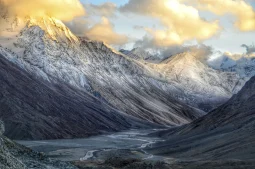
If you want to experience the winter wonderland of India, the best season to visit Himachal Pradesh is during winter. While the weather conditions start getting colder in October, you can experience the snowfall season from November to February. December and January are the coldest months, perfect to visit for a snow trip. In a few places, it is extremely cold, with the temperature dropping as low as -8 degrees Celsius.

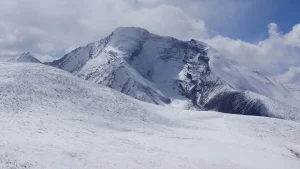
Pristine white snow and frozen lakes make for some breathtaking landscapes. You can also enjoy winter sports and activities like skiing, skating, and hiking. Kufri, Shimla, and Narkanda receive heavy snowfall. The Rohtang Pass remains inaccessible for travel.

Kullu Dussehra is celebrated in winter in Himachal Pradesh. The Himalayan Paragliding Pre-World Cup Event is also held in November in Bir Billing.

Best places to visit in winter season

Hill stations like Shimla, Manali, Khajjiar, Kufri, Spiti Valley, McLeod Ganj

Read more: Things to do in Himachal Pradesh
best time to visit himachal pradesh
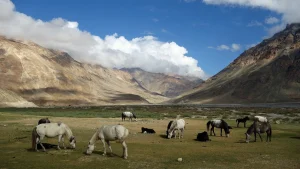
Spiti Valley

Spring and Summer season in Himachal Pradesh (March to June)

March to June is the summer and spring season in Himachal Pradesh. However, while most of the country faces intense heat during this time, Himachal Pradesh remains cool and pleasant, a perfect summer escape for tourists. Temperature ranges from 5 to 24 degrees Celsius. A lot of people travel to places like Manali, Dharamshala, and McLeodGanj in summer. It is the best season for domestic travelers to escape to the region, where the pleasant weather is perfectly cool as the intense heat catches hold of the rest of the country.

The snow starts to melt and new flowers start blooming. It is also the apple and cherry blossom season in March and April, which makes the surroundings quite picturesque.

It is the perfect time for adventure enthusiasts to visit the state. You can enjoy adventure sports and activities like trekking, hiking, nature walks, camping, rock climbing, paragliding, water sports like kayaking and white-water river rafting, and hot air balloon rides in Himachal Pradesh. You can also stroll through the cherry orchards in Kotkhai, Baghi, or Kumarsain, which is an experience not unlike the cherry blossom season of Japan. The Rohtang Pass also opens up in May or June, so people who are planning to visit Ladakh by bike can also explore a bit of Himachal Pradesh. It is also a good season to enjoy wildlife safaris.

Keep in mind that  this is the peak tourist season in Himachal Pradesh. Make sure to book your tickets and accommodations well in advance.

Best places to visit in summer and spring season

Hill stations like Dharamshala, Kasol, Kullu, Manali

See also: Best treks in India
best time to visit himachal pradesh
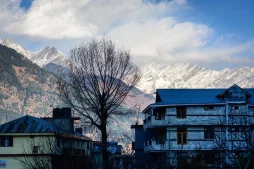
Manali

Monsoon season in Himachal Pradesh (July to September)

Monsoon turns Himachal Pradesh into a stunning natural beauty, with lush greenery all around. The landscape becomes beautiful, but it is not the best time to visit the state. That’s because there are often unexpected rains and heavy rainfall in the region and an increased danger of landslides. Trekking and hiking are restricted during the season, making it an off-season for tourism. However, there are a few places like Kasauli, Spiti, and Kinnaur that you can visit for their serene beauty. The rainy season brings in sightings of many exotic bird species, making it a great time for birdwatching in this region.

While most people avoid taking any risks and visiting Himachal Pradesh in monsoon, there are a lot of budget travelers that take advantage of the low prices of train and flight tickets, accommodations, fewer crowds, and off-season discounts. However, make sure to check the weather forecasts regularly before making any plans to avoid any issues during your trip.

Best places to visit in monsoon season

Kullu, Manali, Solang Valley, Dharamsala, Mashobra, Narkanda

See also: Things to do in Manali
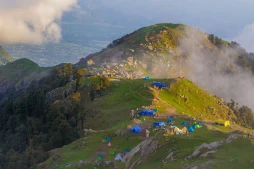
best time to visit himachal pradesh
Dharamshala

Autumn season in Himachal Pradesh (September to November)

While autumn is not a very prominent season in most of India, the northernmost states do experience the falling of leaves as the landscape turns into hues of red and golden before making way for the cold winter. There are many festivals and adventure activities you can experience in autumn in Himachal Pradesh, such as Kullu Dussehra and Sair Festival.

This is an ideal time for couples to visit the state. The pleasant weather conditions are quite romantic, and there are a lot of outdoor activities to explore. It is also a good time for a family vacation.

Best places to visit in autumn season

Dalhousie, Tirthan Valley, Kasauli, Manali, Dharamshala

See more: Offbeat places to visit in Himachal Pradesh
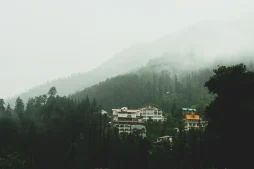
best time to visit himachal pradesh

Festivals and events in Himachal Pradesh

Minjar Festival: The Minjar Festival takes place in July or August in the town of Chamba every year. This seven-day Minjar Fair sees a large procession of people who gather near the Laxmi Narayan Temple to offer prayers. The word “minjar” refers to maize stalk blossoms. The natives wear a special kind of silk outfit during this season. Maize blossom stalks are attached to these outfits.

Kullu Dussehra: Held in October, Kullu Dussehra is a seven-day festival with a procession honoring Lord Raghunath. There are many cultural music and dance performances that take place during the festival, attracting tourists from all over the country.

Losar: Losar is the Tibetan New Year, taking place in February or March. The fifteen-day vibrant festival has many traditional rituals and cultural performances, and is celebrated by the Tibetan community.

International Himalayan Festival: The International Himalayan Festival takes place in December every year in Kangra Valley. The three-day festival showcases cultural performances and art exhibitions.

Himalayan Paragliding Pre-World Cup Event: The Himalayan Paragliding Pre-World Cup event is held in Bir Billing as a precursor to the main world cup event. While it does not take place every year, it is quite a regular feature of the world cup. It is held in Bir Billing since the region is considered one of the best for paragliding.
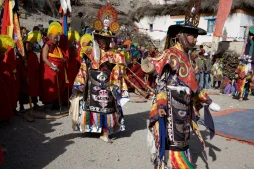
best time to visit himachal pradesh
Losar Festival

Tips to enjoy your trip to Himachal Pradesh

  • If you are traveling to any rural areas in Himachal Pradesh, you may not find any ATMs nearby, plus, the network could be an issue. So make sure you carry enough cash with you.
  • Pack your clothes according to the season you are visiting. While you may not need any cool or breathable clothing in winter, pack those for a summer trip. No matter which season you visit, carry warm clothes, sunscreen, sunglasses, and warm clothes.
  • Stay hydrated. At high altitude regions, it is important to drink plenty of water and other fluids, especially if you are indulging in physical outdoor activities.
  • The water current in the rivers of Himachal Pradesh is extremely strong and can often be deceptive. Make sure to keep a safe distance from the rocks and boulders near the water.
  • Check the weather forecast before heading outdoors, especially in the monsoon season. Landslides can occur in some areas in this season, so make sure to be careful.

Would you like to visit Himachal Pradesh on your trip to India? Let us know! At India Someday, we plan customized trips to India based on your preferences and interests. So contact us, and we will make your trip to India happen!

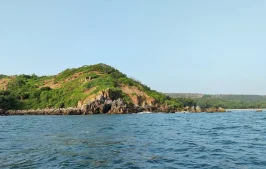
Best time to visit Maharashtra

If you are planning a trip to India, you must look for the best time to visit Maharashtra. An underrated gem for tourism in India, Maharashtra, on the west coast of India, offers a diverse geography and climate from one region to another. Beaches, mountains, plateaus, grasslands, historical monuments, British architecture, and tall skyscrapers – this state has a lot to offer. Plus, there are many festivals celebrated in the state with great pomp and vigor. Read this article to find out the best season to visit Maharashtra.

Best time to visit Maharashtra

The best time to visit Maharashtra is from October to February, winter season in India. The pleasant weather helps, although it doesn’t get very cold even in winter in Maharashtra. It is a good time to explore the outdoors, go trekking in the Western Ghats or for beach visits in the coastal areas along the Konkan coast.

The monsoons bring heavy rains from July to September, which can disrupt many travel plans, but it is a beautiful time to visit the state as there is lush greenery all around. Monsoons do limit many outdoor activities, although trekking during this season is a popular activity. Summers in Maharashtra are unbearably hot. The tropical hot and humid climate means heavy perspiration, which can be an issue. However, you can escape to the hill stations of Maharashtra during this time.

best time to visit maharashtra
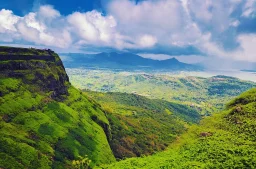
Konkan Coast of Maharashtra

Winter season in Maharashtra (October-February)

October-February is the winter season in Maharashtra. Winter is the best season to visit Maharashtra, and the peak season for tourism. The winter months usually start from late November, and the winter season varies in Maharashtra from one place to another. Temperatures range from 12 degrees Celsius to 30 degrees Celsius, depending on the region. While the low-lying regions are usually in the high 20s, the hill stations get quite cold, with temperatures dropping to as low as 10 degrees Celsius!

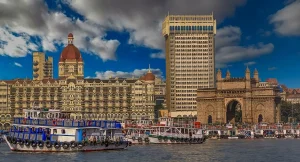
Maharashtra experiences pleasant weather in winter, although you wouldn’t need any winter clothing. Maharashtra winters are quite mild compared to many other states in the country. It is the best weather to visit Mumbai – explore the markets, indulge in outdoor activities, visit the Gateway of India and Marine Drive, or go to Sanjay Gandhi National Park.

You can also explore the coastal areas of the state where you can chill or indulge in water sports at the beaches. It is also a good time to visit the many wildlife sanctuaries in the state. If you want some fun experiences, you can even attend wine tasting tours in the many vineyards of Nashik.

If you are not satisfied with the limited cooling of winters in Maharashtra, you can visit the hill stations of the region. The hill station of Mahabaleshwar is a year-round favorite among locals and tourists. You can also visit the hill stations of Matheran, Igatpuri, Lonavala, or Panchgani.

Diwali, the festival of lights, takes place in October or November. The entire state is lit up with lanterns, diyas (oil lamps), and festive lights – it is a festival you should definitely experience in Maharashtra. Christmas and New Year are two other festivals that are celebrated on a large scale in metropolitan cities like Mumbai and Pune, where parties last till the early hours of the morning.

Best places to visit in winter season in Maharashtra

Mumbai, Matheran, Aurangabad, Panhala, Alibaug, Mahabaleshwar

See more: Things to do in Maharahtra

best time to visit Maharashtra
Mumbai, the city of dreams

Summer season in Maharashtra (March-May)

Located on the west coast of India, Maharashtra has a hot and humid climate, and you can experience it intensely during the summer season. Temperatures range from 30 to 40 degrees Celsius. They start rising in March, and by May, the average temperature can often go up to 45 degrees Celsius in some parts of the state! Maharashtra summers can be extreme for tourists who are not used to the heat. Try to wear light cotton clothes so that you are comfortable.

It is an off-season for tourism in Maharashtra. You will not feel like going outdoors during the afternoons – even the mornings and evenings will have you sweating heavily, especially in the coastal areas, such as Mumbai, or the coastal town of Alibaug. You will find a lot of tourists in Alibaug, as you can visit the cool beaches and enjoy some sightseeing in the evenings. You can also indulge in water sports like parasailing, jet skiing, sea kayaking, and more. Summers are also a good time to visit national parks and wildlife sanctuaries, as the chances of spotting wildlife is higher.

You will find solace in places like Matheran and Mahabaleshwar, two popular hill stations in Maharashtra. There are many scenic viewpoints in these hill stations, especially for tourists. The average temperature usually doesn’t rise above 35 degrees Celsius here, providing a good respite from the extreme heat and humidity of the rest of Maharashtra.

Holi, the festival of colors, takes place in March. You can also enjoy the Strawberry Festival in April in the hill station of Mahabaleshwar, and Gudi Padwa, the Maharashtrian New Year, in March or April.

Best places to visit in summer season in Maharashtra

Hill stations like Mahabaleshwar and Panchgani, Alibaug, Lonavala, Ratnagiri, Tadoba National Park

Best time to visit Maharashtra
Visit Mahabaleshwar to escape the summer heat

Monsoon season in Maharashtra (June-September)

Monsoons start in Maharashtra in mid-June, making the air clear and pollution-free. Temperatures range between 19 and 30 degrees Celsius, providing respite from the heat of the summer season. The landscape transforms into a verdant paradise and it is the best weather to experience the scenic beauty of the state. July sees the maximum rainfall of the year. There is lush greenery everywhere, although there is a risk of flooding and landslides in many parts of the state.

Mumbai is not the best place to visit in monsoons, since the roads are often blocked and flooded, and many services come to a halt. However, there is nothing like watching the rains from Marine Drive in Mumbai, but you will need to check the weather conditions every single day if you plan to visit the city in this season. The trekking community comes alive in the rainy season in Maharashtra. The Western Ghats make for some great monsoon treks you can opt for if you love trekking. The hill stations turn beautiful in the rains. You can also visit historical sites of  Ajanta and Ellora caves in Aurangabad, where it doesn’t rain as intensely.

The most awaited festival in Maharashtra is Ganesh Chaturthi, which takes place in September. It completely transforms the vibe of this state into a fun, energetic celebration. There are also many local festivals in Maharashtra that take place in the monsoon season. While not the prime tourist season, you can definitely visit Maharashtra in monsoons – enjoy a hot cup of chai, gorge on pakoras, and sit by the window as it rains outside.

Best places to visit in monsoon season in Maharashtra

Igatpuri, Matheran, Malshej Ghat, Lonavala, Bhandardara

See more: Best time to visit Mumbai

best time to visit Maharashtra
Go trekking during monsoons in Maharashtra

Festivals and events in Maharashtra

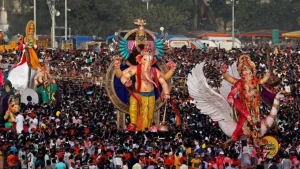
Ganesh Chaturthi: The ten-day festival of Ganesh Chaturthi takes place in September and honors the Hindu God Ganesha. An idol of Lord Ganesha is worshiped in many people’s homes and in pandals on the streets for a few days. People visit each others’ houses to pray to God. Traditional sweets like modak are made to offer to Lord Ganesha. After ten days, the idols are immersed in water as people bid adieu to Lord Ganesha as he leaves for his heavenly abode. There is a very energetic vibe in the air, along with a lot of music, performances, fireworks, and more.

Diwali: The festival of lights, Diwali, is celebrated for five days in Maharashtra in October or November. Each day has a special significance. Everybody cleans their houses and lights up their houses with lanterns, oil lamps, and lights. Friends and families visit each other and exchange gifts and sweets. The streets are all lit up and you will see people bursting firecrackers in the evenings. There is a lot of happiness and excitement in the air. It is truly a festival to be experienced in India.

Holi: Holi in Maharashtra is celebrated over two days. On the eve of Holi, a bonfire is lit and people celebrate the triumph of good over evil. The next day, you will see the festival of colors in its full glory, as people gather together to smear color and play with water. There are a lot of events in cities like Mumbai and Pune where there is food, music, and dancing. It is a fun time to be in India.

Gudi Padwa: The Maharashtrian New Year, Gudi Padwa, takes place in March or April. It is considered to be an auspicious day among Hindus. People hoist a “gudi”, a bamboo stick adorned with an inverted pot, colorful cloth, and neem leaves outside their houses as a symbol of prosperity. You will find festive parades and processions in cities like Mumbai and Pune, which showcase the Maharashtrian history and culture. You must visit Mumbai and Pune for this festival. Traditional food is prepared, and everyone gathers together to celebrate the festival.

Makar Sankranti: Makar Sankranti celebrates the harvest season in Maharashtra. It falls on 14th or 15th January, which is winter in the state. People exchange tilgul laddoos (a sweet made of sesame and jaggery) and fly kites on terraces or the streets.

Bail Pola: Bail Pola is a harvest festival that honors bullocks. This takes place in the rural areas of Maharashtra, usually in August. On this day, farmers bathe and adorn their bullocks, who help them so much in agriculture and farming. Bullocks are not made to work on this day, and are in fact, worshiped by the people. There are also parades and processions of these vibrantly decorated bulls.

Ellora Festival: Held in the month of January, the Ellora Ajanta International Festival celebrates the culture and architecture of the region. The festival was started in 1985 and takes place over three days at Soneri Mahal in Aurangabad with a backdrop of the Ellora Caves. There are many cultural and classical performances displayed by different artists from all over the country.

Christmas and New Year: Christmas and New Year are celebrated mostly in cities like Mumbai and Pune, but the parties go on till the early mornings. Christmas is celebrated with midnight masses and feasts. New Year’s Eve is celebrated with gatherings in the big cities, or with small groups of people going to quieter places like Alibaug or Lonavala to celebrate in peace. There are parties, fireworks, food, and music as everyone brings in the New Year with great excitement.

best time to visit Maharashtra
Ganesh Chaturthi celebrations (Pic courtesy: Times Now)

Tips to enjoy your trip to Maharashtra

  • In the busy cities like Mumbai, you will see a lot of crowds in the peak season or during festivals like Holi and Ganesh Chaturthi. You might encounter pickpockets and thieves during this time, so always stay alert and take care of your belongings.
  • If you are traveling during the rainy season, always check the weather before making any plans, especially in the month of July, as heavy rains may disrupt your plans.
  • Pack according to the season – you will be okay with loose, breathable clothes throughout the year, except for a few cold nights in winter. Wear light cotton clothes during the summer. For the monsoon season, carry umbrellas, raincoats, and appropriate footwear. Wear decent clothes that are not too revealing.
  • Use sunscreen liberally, no matter which season you are visiting.
  • If you cannot bear the heat of Maharashtra, you can definitely plan an escape to the hill stations of the region. The hill station of Mahabaleshwar is especially popular in the state.
  • If you are planning to travel around a festival, check the dates for the year, as they change every year. Do experience at least one of the big festivals in India while you are here.
  • Although Maharashtra is primarily a Marathi-speaking state, the region has a lot of diversity, perhaps more than most other states in the country. You will find people of all religions, regions, and castes settled in this state, especially in and around Mumbai. However, it helps to know some Marathi slang, and using it can earn you brownie points from the locals!
  • Respect the local customs and traditions. Make sure to dress appropriately while visiting temples and religious places.
best time to visit Maharashtra
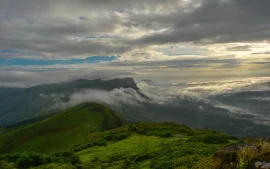
Western Ghats of Maharashtra

So, did this article make you want to visit the beautiful state of Maharashtra? At India Someday, we curate personalized trips to India for  you. Contact us and we will plan the perfect trip to India for you!

Best time to visit Goa

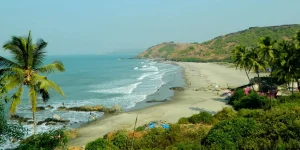
The best time to visit Goa depends on the type of vacation you are looking for. This tiny state in India is popular for its beaches, parties, and fresh seafood. Divided into North Goa and South Goa, both sides offer very different experiences.

While North Goa is great for partying, visiting cool cafes, and shopping, South Goa is more secluded, showing the natural beauty of the state. The beaches of North Goa are crowded and lively, while the beaches of South Goa are quieter and pristine.

Goa has a tropical climate, which means it is hot and humid for most of the year. However, the weather does not make the state any less of a crowd favorite among tourists. Read this article to find out the best season to visit Goa and its beaches.

Best time to visit Goa

The best time to visit Goa is from November to February, the winter season in India. This is also the peak season for tourism in the country. The weather in Goa during this time is around 22 to 32 degrees Celsius. The dry season with pleasant weather is perfect for sightseeing, exploring, or lazing around on the many, many beaches of Goa. There are also a lot of festivals and events happening during this time.

Summers in Goa are harsh, but you will still find a few tourists here. Although not the best time to visit Goa, you can still make the most of the weather by enjoying a staycation or exploring the water sports and activities along the beaches that are open in summer. Monsoon season is a beautiful time to visit Goa, despite the rain. You can explore the wildlife sanctuaries and national parks of Goa, visit the Dudhsagar Waterfalls in the rain, or simply embrace the beauty and peace that this wet season brings to Goa. July is the wettest month in the state, so most beach activities are closed during this weather.

Goa is a lot more than its beaches – with historical churches, temples, local markets, wildlife reserves, natural beauty, and plantations, there is something for everyone in this state. So whether you visit during the pleasant winters, hot summers, or the rains in monsoon, you will find a lot of things to experience.

best time to visit goa

Winter season in Goa (November to February)

November to February is the winter season in Goa, and the peak tourist season of the state. The temperatures hover between 20 and 28 degrees Celsius, and although there is no escape from the humidity, the climate is cool and comfortable. It is a dry season, though, compared to the rest of the year.

There are a lot of things to do in this dry season and pleasant weather – tan at the beaches, enjoy water sports and beach activities, party through the night in North Goa, or explore the less-discovered South Goa. It is a great time for outdoor activities. Plus, there are a lot of fun festivities and events, such as Christmas, New Year, parties, fairs, and parades in this season.

However, since this is the prime tourist season, you will find a lot of crowds in Goa during this time, especially on Christmas and New Year. Plus, you will have to book your accommodations in advance, as the holiday rush means everything gets sold out quickly.

Best places to visit in Goa in winter season

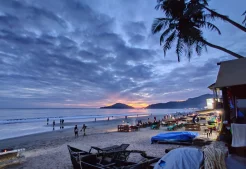
Palolem Beach, Calangute Beach, Old Goa, Basilica of Bom Jesus, Fort Aguada, spice plantations

Read more: Beaches of Goa away from the crowds

best time to visit goa
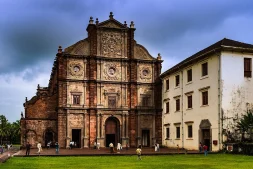
Basilica of Bom Jesus

Summer season in Goa (March to June)

Goa is extremely hot and humid in the summer season. From March to June, temperatures can go up to 40 degrees Celsius. Even though the beaches are windy, the air is very warm and most people cannot bear being outside for a long time in the intense heat. You can dodge the crowds and get some peace and quiet in summer in this beach state.

You can still enjoy outdoor activities and water sports like parasailing, kayaking, snorkeling, and scuba diving. However, make sure to use sunscreen liberally all over your body and carry sunglasses and hats for protection from the harsh sun.

For a budget traveler, this is a good time to visit Goa. Accommodations are cheap, and a lot of stores have sales and discounts. You can plan your activities during early mornings or in the evenings, when the weather is slightly tolerable.

Best places to visit in Goa in summer season

Splashdown Water Park, Anjuna Flea Market, Mapusa Market, Baga Beach, Anjuna Beach, Agonda Beach, Colva Beach

Read more: Things to do in North Goa

best time to visit goa

Monsoon season in Goa (June to September)

June to September is monsoon season in Goa. Goa is situated on the Konkan coast of India, which receives a lot of rain. The rain usually starts in May and goes on until September, but most of the rain is concentrated from June to August. July is the wettest month in Goa with heavy downpours and up to 27 days of rain. The state does not get more than 3 to 4 hours of sunlight throughout the day.

This wet season is not much frequented by travelers and tourists because of the heavy downpours. The beach activities are inactive, and a lot of restaurants and beach shacks are closed for the season due to the weather. The rivers of Goa swell due to the rain. While not a prime tourist season, monsoons in Goa are mesmerizing, and if you do not mind the frequent rain showers or heavy downpours, this is one of the best weather to visit the quaint state.

Goa gets abundant rain, and the landscape turns lush green. You can enjoy trekking, birdwatching, and white water rafting in the rain. You will get all the solitude you need, since there are no crowds in Goa in the rainy season. You might also get some good discounts on accommodation. It is the perfect place and time for a budget-friendly vacation. If you prefer luxury, though, you can enjoy a beautiful staycation at one of the many luxurious resorts or villas in Goa at discounted rates.

For nature lovers, the wet season is the best time to see the state – South Goa is especially beautiful in the rain. While many national parks in India are closed during the rain, the national parks and wildlife sanctuaries of Goa actually come alive in this weather! You can visit Bhagwan Mahavir Wildlife Sanctuary, Bondla Wildlife Sanctuary, or Salim Ali Bird Sanctuary.

 However, if you are visiting Goa in July, the wettest month of the year, make sure to be up to date with the rain updates and weather forecasts, since the intensity of the rain can be unpredictable. Rain showers are especially prolonged during peak monsoon.

Best places to visit in Goa in the monsoon season

Dudhsagar Waterfalls, Chapora Fort, Cabo de Rama fort, Mandovi River, Cotigao Wildlife Sanctuary

See also: Things to do in Goa

best time to visit goa
Goa in monsoons

Festivals and events in Goa

Christmas: The entire state is adorned with lights, Christmas trees, and other decorations to celebrate Christmas on 25th December. Midnight masses and feasts take place throughout the state. There is a festive vibe all around.

New Year: New Year is the most popular holiday in Goa, as many tourists from across the country head  to this party destination to bring in the New Year in style. Music festivals, fireworks, parties, and food are a part of all the celebrations in the state. Needless to say, this is the busiest time in Goa, and also one of the most crowded.

Goa Carnival: The Goa Carnival that takes place in February is a three-day festival that is one of the major highlights of the state. Food, dance, music, and a lot of fun are the perfect words to describe the festival. There are many parades and parties that take to the streets, ending with the Black and Red dance performed in Panjim, the state capital.

Sao Joao Festival: The Sao Joao Festival is celebrated in June in a unique way – young men jump into lakes and rivers to celebrate the arrival of monsoons and pray and sing local songs for a better monsoon and good harvest.

The Grape Escapade: Held in January, the Grape Escapade is India’s biggest wine festival. Wine lovers from all over the country flock to Goa for wine tastings, delectable food, and cultural performances.

The Goa Food and Cultural Festival: Taking place in February, the Goa Food and Cultural Festival is a treat for foodies. The festival showcases the Goan cuisine in all its glory through local, traditional food. There are also cultural performances that accompany the authentic flavors.

Bonderam Festival: Bonderam festival is celebrated in August at Divar Island, a few kilometers from Panjim. The festival commemorates disputes for land and property during olden times. You will find crowds of people in vibrant costumes and music.

Feast of St Francis Xavier: Celebrated on 3rd December every year, this festival honors St Francis Xavier, who was instrumental in spreading Christianity in India. You will witness masses and processions on this day, which attracts many followers and tourists to Old Goa.

best time to visit goa
Festivals in Goa are a fun time to visit the state

Tips to enjoy your trip to Goa

  • If you are visiting Goa in winter, make sure you book everything well in advance. Since it is peak tourist season, accommodations and flights tend to get sold out very quickly.
  • If you want to enjoy the much talked about nightlife of Goa, visit North Goa. If you want some peace and tranquility, head to South Goa.
  • Pack for the region and weather – swimwear, flip flops, sunscreen, sunglasses, hats – Goa is one of the places in India where you don’t have to worry much about what you wear. Wear light and breathable clothes, since the climate is hot and humid. If you are traveling in the rain, carry an umbrella or raincoat and appropriate footwear.
  • Stay hydrated. The tropical weather can make you exhausted very easily, so drink plenty of water.
  • One of the most popular ways of transport in Goa is renting a scooter or bike. It’s easy and fun. However, you will need a valid driver’s license if you want to try out this option. There are also auto-rickshaws and taxis available in most places. During rain showers, do not try to ride your bike in the rain. Take a cab or auto-rickshaw if the rain is intense.
  • If you want to experience the local life of Goa, there are many homestays you can choose to stay at, and get a glimpse of the authentic Goan lifestyle.
  • Stay safe and aware of your surroundings, especially in very crowded or isolated areas.

So, do you feel like packing your bags for a trip to Goa? Let us know, and we will make that happen! At India Someday, we plan personalized trips to India based on your requirements and interests. Contact us and together, we can plan the perfect trip to India for you!
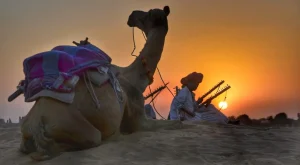
Best time to visit Leh Ladakh

The best time to visit Leh Ladakh is different for different types of travelers. Situated in the north of India, Leh Ladakh has so much to offer to travelers – rugged mountains, pristine lakes, stunning vistas, and a vibrant culture. There is something for everyone at different times of the year – every season comes with its own pros and cons. Read this article to find out the best time to visit Leh Ladakh based on your interests!

Best time to visit Leh Ladakh

The best time to visit Ladakh is during the summer season, from April to June. The weather is pleasant, roads are clear, and the landscape is bright and vibrant. It is a good time to take a road trip to Ladakh, as all the roads to Ladakh open up during this time. If you are traveling to Ladakh with family, May to July and October are good times to visit.

For adventure lovers, June to September is a great time to visit, since you can indulge in activities like mountain biking, river rafting, and ATV rides. If you want to experience snow, winter, from December to February, is a good time to visit. The region turns into a winter wonderland, making for a very beautiful view.

See more: Best trvel routes to Leh and Ladakh

best time to visit Leh Ladakh

Winter season in Leh Ladakh (October to February)

Winter is an off-season for tourism in Ladakh, as temperatures start to drop in November and it begins to snow in many places. The Srinagar-Leh and Manali-Leh highways are closed for the season a week into October. The temperature ranges from -22 degrees Celsius to -7 degrees Celsius.

The region remains inaccessible for the season. You can only reach Ladakh via air. Take a direct flight from Delhi to Leh.

December and January are the coldest months in Ladakh. While most tourists stay away from the chilly climate, there are a few who brave the cold to enjoy snow activities, snow leopard safaris, and the Chadar Trek in Zanskar. You can also visit Pangong Tso and Tso Moriri Lakes to see the lakes change color, a popular tourist attraction. The internal roads remain open throughout the year, although there are often roadblocks because of heavy snowfall.

You may find it difficult to get accommodations, since most hotels and guesthouses close for the season, and even locals vacate the place until summer. The festivals of Thiksey and Padum are celebrated in November.

Read more: A guide to Leh Ladakh

best time to visit leh ladakh
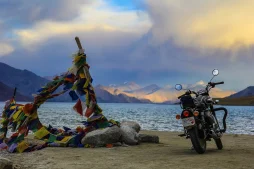
Pangong Tso

Summer season in Leh Ladakh (March to June)

Summer season starts in April in Leh Ladakh and is the beginning of the tourist season here. It is still cold in March and April, and the snow is just starting to melt. By late April, you can see the lakes melting, and the landscape becoming more vibrant. Towards the second week of May, the Srinagar-Leh highway reopens. The skies are clear and blue, and temperatures remain between 7 and 26 degrees Celsius. Even the nights are comfortable and the temperatures do not drop that much. All the attractions reopen in Ladakh, which means you can go sightseeing easily.

In June, the Manali route and the Rohtang Pass also open up. The temperatures rise and hover between 15 and 30 degrees Celsius. This is also the best time if you want to ride your bike to Ladakh. However, you might not get accommodations easily, since it is peak tourist season and there is a lot of rush. Make sure to book your accommodations much in advance before your trip begins.

Hemis festival, Yuru Kabgyat, and Saka Dawa festivals take place in summer in Ladakh.

best time to visit ladakh and leh
Summer is a good time to bike to Leh Ladakh

Monsoon season in Leh Ladakh (July to September)

Ladakh experiences irregular rains from the end of July to mid-September. Some parts of Ladakh are situated in the rain shadow zone of the Himalayas, which means they experience low rainfall throughout the year, like the areas beyond Zoji La Pass and Baralacha Pass. However, there is often heavy rainfall along the roads that reach there, resulting in frequent landslides, snow slides, and roadblocks. It can often get dangerous. This period is not generally recommended for travel to Ladakh, but if you still wish to, there is a lot you can do. Plus, because it is not a tourist season, you will get good deals on accommodations.

If you are an adventurous traveler, the rivers have level III rafting during this time. You can also trek at Kang Yatse, Spituk, and Markha Valley. Apart from these activities, there are also a few festivals that take place in Ladakh during monsoons, such as Karsha, Gustor, Korzok Gustor, and Phyang Tsedup.

While temperatures are often high in July and August, they begin to dip in September with the onset of autumn and gradually, winter.

See also: Our favorite places to stay in Leh and Ladakh

best time to visit ladakh leh
Markha Valley

Festivals in Leh Ladakh

Ladakh Festival: The Ladakh Festival takes place in September every year. Organized by the Jammu and Kashmir Tourism Department, it includes many cultural events such as folk dances and music, art and craft exhibitions, masked performances, and more. The week-long festival is a blend of Tibetan, Central Asian, and Northern India.

Dosmoche festival: Dosmoche is one of the most popular festivals in Ladakh. Celebrated at the beginning of the Tibetan New Year in February or March, the festival marks the triumph of good over evil, with monks from various monasteries gathering together to perform masked dances, or Chams. The festival is held at the beautiful Leh Palace.

Deskit Gustor Festival: The Deskit Gustor festival is celebrated at the end of October in Diskit Monastery. The festival celebrates the victory of good over evil with Cham performances by monks.

Losar Festival: The Losar Festival is celebrated from the start of the Tibetan lunar calendar for fifteen days in March. It is a celebration of the New Year in Tibetan Buddhism. There are traditional songs, dances, and many other festivities.

Hemis festival: The Hemis Festival celebrates the birth of Padmasambhava, the founder of Tibetan Buddhism. It is a two-day festival in July organized by the Hemis Gompa monastery. One of the highlights of the festival is when the lamas gather around a central flagpole and perform masked dances and holy plays.

Read more: Best places to visit in Leh and Ladakh

best time to visit ladakh leh
There are many local festivals in Leh and Ladakh

Tips to enjoy your trip to Leh Ladakh

  • You will need some permits to visit certain areas in Leh Ladakh, like Nubra Valley, Pangong Lake, and Tso Moriri. These permits can be obtained online or from some designated authorities in Leh. Make sure to carry valid documents, such as your passport, visa, and other identification proof for verification.
  • Since Leh and Ladakh are situated at a higher altitude, you will require proper acclimatization in order to stay healthy and safe, and avoid altitude sickness. Avoid a lot of physical activity during the first few days and stay hydrated. We would recommend staying in Leh for a couple of days to acclimatize before heading to Ladakh, which is at a higher altitude.
  • Make sure to pack appropriately. You will need warm clothing, since temperatures are low even in summer. Carry sweaters, thermals, fleece jackets, and layers.
  • The intense cold does not mean no sunlight. In fact, the high altitude regions have intense sunlight, so make sure you apply sunscreen liberally. Also carry sunglasses and hats.
  • It is very important to stay hydrated at high altitudes. So carry a reusable water bottle throughout your journey so as to help the environment.
  • Carry a first aid kit and any essential medication you might need. Consult your doctor before your trip to India.
  • You may not get stable electricity or a mobile network in remote areas. Keep a power bank handy so that your devices remain charged.
  • Respect the local culture. Leh and Ladakh has a vibrant Tibetan and Ladakhi culture. If you want to learn more about the local life, you will be warmly welcomed, but make sure to respect the local traditions. Dress modestly and take permission before clicking pictures of locals or in monasteries.

So, did this article make you want to visit Leh Ladakh? Let us know, and we will help you plan the trip! At India Someday, we curate customized trips to India based on your preferences and requirements. Contact us and we will help you plan the perfect trip to India!

Best time to visit Delhi

If you are planning to visit India, you may need to know the best time to visit Delhi. This capital city of India is a bustling metropolis steeped in history. It is one of the most popular tourist destinations in India, and is an experience you should not miss. Read this article to find out the different seasons and best time to visit Delhi.

Best time to visit Delhi

The best time to visit Delhi is from October to March, which is the winter season in India. The cool weather makes it a pleasant time for sightseeing and exploring the capital city of the country. However, you will find heavy smog for a few weeks between November and February, which should be avoided for tourism. February and March are a great time to travel – the climate is cool and pleasant and the air is relatively clean. Summers in Delhi  from April to June are intense, though, and not recommended for traveling. July to September is monsoon season. It does not rain heavily for most of the season in Delhi, so some days are good for strolling through the city.

Winter in Delhi (October to March)

Winter is the best time to visit Delhi. From December to March, the climate remains cool and pleasant, except for a few weeks when the city is covered in smog. Temperatures hover between 8 and 24 degrees Celsius, although sometimes it can drop to 4 degrees Celsius. January can get colder than other months in Delhi.

It is the perfect time for sightseeing and exploring this beautiful city. Visit the Red Fort, Qutub Minar complex, and Jama Masjid. Or stroll through the iconic Chandni Chowk market. Delhi is a city of contrasts, with New Delhi showcasing all the stunning cityscapes, while the bylanes and bazaars of Old Delhi charm you with a different vibe. The festival of colors, Holi, takes place in March.

Read: Things to do in Delhi

best time to visit Delhi
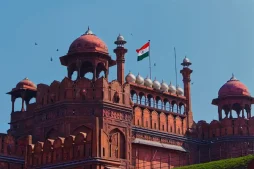
Red Fort

Summer in Delhi (April to June)

Summer season in Delhi is hot and dry. The temperatures can range from 25 to 40 degrees Celsius and the climate is hot and humid. May is the hottest month in this city. The only time to explore the city is early mornings and late evenings. It is not recommended to visit the capital during this time, but there is a lot to do in Delhi even in the summer season.

Visit the indoor attractions such as the India National Museum, Sulabh International Museum of Toilets, or air-conditioned places like malls. Water parks are also a good idea to beat the heat. Watch the beautiful sunsets or visit India Gate at night. Make sure to wear sunscreen every day and always stay hydrated.

Eid al-Fitr is one of the biggest Muslim festivals in India. The international mango festival also takes place in Delhi during summer every year.

See more: Top weekend getaways from Delhi

best time to visit delhi
Sulabh International Museum of Toilets

Monsoon in Delhi (July to September)

Monsoon is not a tourist season in Delhi, but if you do not mind some rain, it is a beautiful time to explore the city. Monsoons start in mid-June and the intensity varies each year. The climate is cool and the landscapes turn lush green. The temperatures remain between 25 and 35 degrees Celsius. However, there is often a risk of flooding and storms during this season. 

But if you do visit during this time, you will find a lot less tourists and good discounts. You can sit in any of the quaint cafes in Delhi and watch the rain pour outside. There are many art galleries and museums you can visit as well. Late September is a good time to visit, since the rains are almost over, temperatures are lower, and the tourist season has not yet started.

See also: Best staycations in Delhi

best time to visit delhi
National Museum Delhi

Festivals and events in Delhi

Independence day: The Independence Day of India is celebrated on 15 August every year from 1947. The main events of the day take place in Delhi, the capital of India. Everyone gathers at Red Fort as morning dawns. The Prime Minister of India hoists the national flag and makes a speech. There are many other events that take place after this, such as an Independence Day fair, kite flying battle, and cultural programs.

Republic day: The Republic Day of India is celebrated on 26 January every year since 1950. In Delhi, the President of India hoists the national flag at Kartavya Path. The most popular event of this day is the Republic Day Parade that is organized in Rajpath and performed by the Indian armed forces, followed by themed displays of every state and its culture.

Diwali: Diwali, the festival of lights, is one of the biggest festivals in Delhi. Homes and streets are lit up with lights, diyas (earthen oil lamps), and colorful rangoli. Friends and families gather together and exchange gifts and feast on traditional delicacies. You will find people lighting firecrackers at night – it is truly a festival to experience.

Holi: Holi, the festival of colors, is another grand festival in Delhi. On the eve of Holi, a bonfire takes place, symbolizing the triumph of good over evil. On the day of Holi, people gather together and play with colored powder, water, and water-filled balloons. Everyone eats, drinks, and dances to fun music.

Eid: Eid takes place twice a year – Eid ul-Fitr and Eid ul-Adha. You will see the entire Old Delhi celebrating this Muslim festival with excitement. Jama Masjid is the place to be during Eid. At Chawri Bazaar, you can enjoy a delicious feast for less than INR 500.

Navratri: Navratri and Durga Puja are celebrated to worship Goddess Durga and the victory of good over evil. Navratri, translating to “nine nights”, witnesses vibrant pandals with large idols of Goddess Durga. Devotees visit these pandals and participate in dances like Garba and Dandiya. On the last day, the idols are immersed in water, symbolizing the return of the goddess to her home in heaven.

Baisakhi: Baisakhi is a harvest festival of the Sikh community celebrated in Delhi. All the Gurudwaras, like Gurudwara Bangla Sahib and Gurudwara Sis Ganj Sahib, are decorated. There are special prayers, devotional music, and langars (community meals). You can also experience cultural programs, folk dances, and other performances that celebrate the Sikh heritage.

Qutub Festival: The Qutub Festival is hosted at the Qutub Minar in October or November. The festival takes place over three days, with many classical music and dance performances.

International Mango Festival: The International Mango Festival celebrates the king of fruits, the delicious mango. The festival is held annually in summer by the Delhi Government in alliance with Delhi Tourism. You will find more than a thousand varieties of mangoes on display here. Mango trading, mango eating competitions, and mango quizzes are a part of the festival.

Phoolwalon-ki-Sair: Translating to “procession of the florists”, Phoolwalon-ki-Sair is a three-day festival celebrated in September in Mehrauli every year. The festival has a procession of florists, music players, and dancers, who visit holy shrines and pray for a better flower season in the coming year by offering large floral fans to the deities.

best time to visit delhi
Diwali, the festival of lights

Tips to enjoy your trip to Delhi

  • Stay hydrated and always drink only bottled or boiled water.
  • Delhi is renowned for its delicious street food, but make sure to eat only that food which is prepared hot and fresh in front of you. Delhi Belly is real. Avoid raw salads and pre-cut fruits.
  • Delhi has extremely poor air quality, especially in winter. We would recommend you wear a mask if you are not used to this level of pollution, or if you are prone to respiratory issues.
  • Experience a tuk-tuk (auto-rickshaw) ride around the city, but also check taxi apps like Ola and Uber for their rates for the same distance. A lot of times, tuk-tuk drivers may try to fool you by asking for more money than normal. Another way to avoid getting duped is by going by the meter, although a lot of drivers won’t agree to it.

So, does this article make you want to visit Delhi and other parts of India? At India Someday, we curate personalized trips for you based on your preferences and interests. Contact us and we will plan the perfect India trip for you! 

Best time to visit Gujarat

Best time to visit Gujarat

Ideally, the best time to visit Gujarat is during the winter season, between October and March. Gujarat, located on the west coast of India, has a varied geography depending on the region.

The beginning of monsoon season, July is also a good time to visit Gujarat, especially in the regions that do not receive a lot of rainfall. The summer months from March to June witness intense heat and temperatures as high as 40 degrees Celsius. This time is not favorable for tourism, although there are a few places that provide a respite from the heat. Read this article to find out more about the best time to visit Gujarat.

best time to visit gujarat
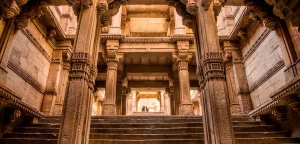
Adalaj Stepwell

Winter season in Gujarat (November to February)

November to February is the winter season in Gujarat, the ideal time to explore the state. The climate is pleasant with temperatures ranging from 12 to 25 degrees Celsius. Blue skies and cool climate during the day and chilly nights make it a good time to go sightseeing. The beaches of Goa are slightly cooler, making it perfect to take a sunbath.

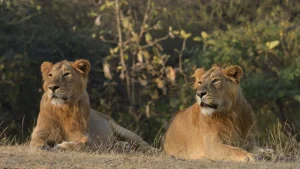
You can explore Gir National Park, home to Asiatic lions, Rann of Kutch, Sabarmati Ashram, Kalo Dungar, and more. The Rann Utsav takes place in Kutch in this season. Makar Sankranti, or Uttarayan, is also celebrated in January.

However, since this is peak tourist season, you may find the state crowded during this time of year.

Best places to visit in winter in Gujarat

Rann of Kutch, Ahmedabad, Modhera, Gandhi Nagar, Dwarka, Sasan Gir

See more: Best birding sanctuaries in Gujarat

best time to visit Gujarat
Rann Utsav

Summer season in Gujarat (March to June)

March to June is an off-season for tourism in Gujarat.With temperatures rising up to 40 degrees Celsius, the intense heat makes it difficult to go sightseeing outdoors. Summer is not recommended to visit Gujarat, but if you do visit, you can still enjoy it at Saputara, a popular hill station in Gujarat. The climate is pleasant here even during this season. If you are planning a staycation, you can also visit Dwarka and Vadodara. There are many temples and other attractions that you can visit during the night, while staying indoors throughout the day.

Summer is also the best time to visit the national parks in India. Because of the high temperatures, animals gather around watering holes, making it easier to spot them. You can visit the Gir Forest National Park, Blackbuck National Park, and Vansda National Park during summer.

Holi, the festival of colors, takes place in March in Gujarat to celebrate the onset of spring season.

Best places to visit in summer in Gujarat

Diu-Daman, Saputara, Gir National Park, Dwarka

See more: Best museums in Gujarat

best time to visit gujarat
Sasan Gir National Park

Monsoon season in Gujarat (July to September)

Monsoon season in India is from July to September. The climate becomes cool, with the temperatures ranging from 27 to 35 degrees Celsius. The landscape turns lush green and is a sight to behold. Gujarat experiences different amounts of rainfall in different regions.

Most national parks are closed during monsoons in Gujarat.

The nine-day festival of Navratri takes place in September or early October, celebrated with a lot of pomp and vigor in Gujarat. Towards the end of October or early November, Diwali, the festival of lights is celebrated across India.

Best places to visit in monsoons in Gujarat

Saputara, Girnar, Jambughoda, Wilson Hills, Dandi beach

Read also: Best places to visit in Gujarat

best time to visit Gujarat
Girnar

Festivals in Gujarat

Gujarat celebrates more than 3000 festivals and events throughout the year. While most of these fairs and events are on a very local level, there are a few festivals you should definitely not miss if you are in Gujarat during the same time.

Navratri: Undoubtedly the most famous festival in Gujarat, Navratri is a nine-day festival dedicated to Goddess Durga. This festival takes place in September or October, and is popular for the dance celebrations of Garba and Dandiya Raas throughout the night.

Diwali: Diwali, the festival of lights, is celebrated all over India. The festival celebrates the triumph of light over darkness. In Gujarat, the celebrations include decorating the house with lanterns and diyas (oil lamps), fireworks, and exchanging sweets. Families and friends visit each other and enjoy this festival together.

Rann Utsav: From November to February, Gujarat celebrates Rann Utsav in the salt flats of the Great Rann of Kutch. You can camp under the full moon in the white desert, a surreal experience like no other. The festival also has folk dances and music, exhibitions, and local arts and crafts.

International Kite Festival: The festival or Makar Sankranti, or Uttarayan, is celebrated on 14th or 15th January every year with the International Kite Festival in Gujarat. The skies are filled with unique, vibrant kites of all shapes and sizes, and sees visitors coming to participate and watch from all over the world.

Modhera Dance Festival: Modhera Dance Festival is celebrated during the third week of January in Gujarat. It is a celebration of music, dance, art, and culture against the backdrop of the magnificent Sun Temple in Modhera. Renowned artists from all over the country perform at this beautiful festival.

Janmashtami: The birth of Lord Krishna is celebrated in August with joy in Gujarat. In one of the traditions, people form human pyramids on the streets and try to break a pot full of curd hanging many feet high. There are also competitions and prizes for the same. People also celebrate with devotional songs, dances, and delicious food made for Lord Krishna.

best time to visit gujarat
International Kite Festival

Tips to enjoy your trip to Gujarat

  • Gujarat is primarily a vegetarian state, and non-vegetarian food and alcohol is not available in many places in the state. Explore the local cuisine, which is delicious.
  • Carry light, breathable clothes. In winters, the nights can get cold, so carry a sweater or shawl with you. If you are traveling in monsoon, carry an umbrella or raincoat with you.
  • Use sunscreen liberally and stay hydrated at all times.
  • Respect the local customs of the state. Dress modestly, especially if you are visiting any religious places or temples.
  • Experience at least one of the festivals when you visit Gujarat if you can, like Navratri, Rann Utsav, or the International Kite Festival.

So, are you excited to visit Gujarat? Contact us, and we will plan the perfect trip for you! At India Someday, we curate personalized trips for you based on your preferences and requirements. Let us know, and we can plan your ideal trip to Gujarat or the rest of India!

Best time to visit Rajasthan

If you are planning to visit India, you may have wondered about the best time to visit Rajasthan. One of the most beautiful states in India, Rajasthan has a lot to offer to tourists and travelers of every type. Read this article to find out the perfect time to visit the desert state of Rajasthan.

Best time to visit Rajasthan

Ideally, the best time to visit Rajasthan is from October to March, winter season in India. The climate is pleasant, a respite from the heat that Rajasthan is so well-known for. Sightseeing is much more comfortable.

Rajasthan brings a new flavor with every season. While it can get unbearably hot during summers, the monsoon season is surprisingly a very good time to visit Rajasthan! Read on to find out more about the climate of Rajasthan in every season and which is the best time to visit this stunning state in India.
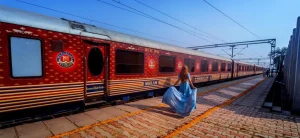
Read more: Things to do in Rajasthan

best time to visit rajasthan

Winter season in Rajasthan (October to March)

The temperature in Rajasthan during winters ranges between 33 degrees Celsius and a minimum of 2 degrees Celsius. Sometimes, it may even drop down to zero.

Winters in Rajasthan come with pleasant climate, blue skies, and chilly nights. You might also experience light rainfall. It is the ideal time to visit Rajasthan, and most of India – winter is the peak tourist season in India.

This is the perfect time to enjoy all the outdoor activities Rajasthan has to offer. Go on a desert safari and camp in the desert under the stars. Take a camel safari across the sand dunes of Jaisalmer.

Winter is also a good time to visit the national parks in Rajasthan. Monsoons make the landscape green and birdlife thrives in October. So if you are a wildlife enthusiast, you can visit Bharatpur National Park, Sariska Wildlife Sanctuary, and Ranthambore National Park.

There are also a lot of festivals that take place in winter. Pushkar Mela in November, Bikaner Camel Festival in January, Abhaneri festival and Navratri in September or October, and the Rajasthan International folk festival in October are just a few of the amazing festivals you can attend during winter in Rajasthan.

Best places to visit in Rajasthan during winter

Jaipur, Udaipur, Jodhpur, Jaisalmer, Pushkar, Ranthambore, Bikaner

best time to visit rajasthan
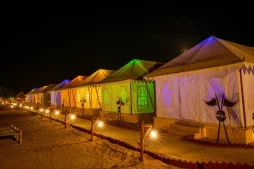
Desert camping – Chokhi Dhani

Summer in Rajasthan (April to June)

Summers are extremely hot in Rajasthan and the temperatures can go as high as 45 degrees celsius, sometimes even higher. The climate is dry or semi-humid, and there are often some sandstorms during the day. It becomes difficult to go sightseeing and visiting major attractions or to explore any outdoor activities.

However, some areas are cooler even during this season. You can visit Ranakpur, Kumbhalgarh, or Mount Abu, Rajasthan’s only hill station. The temperature remains between 24 and 33 degrees celsius in these regions.

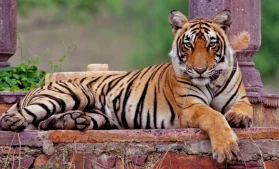
Although it gets extremely hot, summer is the best time to encounter maximum wildlife in Rajasthan. Because of the scorching heat, all the animals gather around the watering holes. This means there is a very good chance of spotting wildlife. April is a great month to see the Royal Bengal Tiger in Ranthambore National Park.

It gets too hot to explore the outdoors, but because it is an off-season for tourism, you can get great rates and discounts on shopping and accommodations. This is a perfect time to go on a romantic or fun staycation in Rajasthan.

There are also many festivals that take place in summer in Rajasthan. Braj Holi in March, Mahaveerji Fair, Mewar Festival and Gangaur Festival in March or April, The Mount Abu Summer Festival in May, and Jaipur International Jazz and Blues Festival are a few festivals and events you can attend in summer in Rajasthan.

Best places to visit in Rajasthan in summer

Udaipur, Mount Abu, Kumbhalgarh, Ranakpur

See also: Travel tips for Rajasthan

best time to visit Rajasthan
Spot the Royal Bengal Tiger at Ranthambore National Park

Monsoon in Rajasthan (July to September)

Monsoon is one of the best times to visit Rajasthan. The hot and dry summer is replaced by the monsoon rain, turning the landscape green and making the climate much more bearable. You will need to carry raincoats and umbrellas if you visit Rajasthan during monsoons, but rainfall is moderate in Rajasthan, except for a few areas. It doesn’t rain every day, and when it does, it doesn’t last for long hours.

Monsoon is off-season for tourism in India, so just like summer, there are many great offers and deals for everything. Cost of accommodation is low, and the crowds are minimal, making it perfect for couples looking for a quiet, romantic getaway, or groups who want a lowkey vacation. The temperatures are cool and you will find lush greenery everywhere.

Many national parks are closed during monsoons, so make sure to check before planning a trip to the wildlife sanctuaries and national parks.

The Phool Sagar Lake in Bundi is a sight to behold in September, as the entire lake gets covered in lotus flowers. The Teej festival and Kajari Teej festival are celebrated in August.

Best places to visit in monsoons in Rajasthan

Aravalli Hills, Bundi, Pushkar, Jhalawar

Read more: Best places to visit in Rajasthan

best time to visit Rajasthan
Aravalli Range

Festivals in Rajasthan

Rajasthan celebrates many festivals throughout the year, so any time you visit, there will always be something or the other happening. Here are some of the festivals celebrated in Rajasthan:

Pushkar Camel Fair: The Pushkar Fair, or Pushkar Mela, is one of the largest fairs for camels, horses, and cattle in the world. Taking place in November every year, the camel-trading fair is one of the major tourist attractions of Rajasthan. You will find camels and cattle decorated in vibrant colors, largest mustache competition, camel dance competition, and many other cultural events.

Jaisalmer Desert Festival: The Jaisalmer Desert Festival usually takes place in February every year in Jaisalmer. The events of the festival take place in the Thar desert and near the Jaisalmer fort. You can experience cultural and folk music and dance, puppet shows, turban tying, camel races, camel polo matches, and more.

Bikaner Camel Festival: The Bikaner Camel Festival takes place in January every year in the town of Ladera in Bikaner. Celebrating the ship of the desert, the camel, camel owners from all over the state come to this festival along with their camels. There are events such as a camel beauty pageant, camel fur-cutting competition, camel race, camel dance, and more! There are also folk music and dances, traditional Rajasthani cuisine, and local artworks for sale.
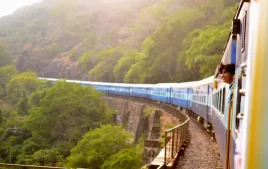
Nagaur Festival: The second biggest fair in India, Nagaur Fair is held in January or February annually. Popularly known as the Cattle Fair of Nagaur, cattle owners gather here to trade animals like bullocks, horses, and camels. The animals are decorated and the owners too dress up in colorful attire. Sheep, horses, and spices are also traded at this fair, and there are many fun cultural activities that take place here.

Kumbhalgarh festival: Kumbhalgarh Festival is celebrated for three days in December every year in Mewar, nestled in the Aravalli Hills. The festival takes place within the Kumbhalgarh Fort, a UNESCO World Heritage Site. You can see renowned artists from all over the world perform at this festival, along with local artists. There are many cultural dances such as Ghoomar, Kalbeliya, and Bhavai. You will also find pop-up markets, or haats, that sell authentic Rajasthani artifacts you can take home as souvenirs.

Abhaneri Festival: Celebrated in the period between Kajli Teej and Jodhpur’s Marwar festival in September or October, the Abhaneri Festival is a 2-4 day festival that celebrates the culture of Rajasthan. Camel cart rides, cultural evenings, Raas Leela, puppet shows, and arts and crafts exhibitions are held at this festival. 

Bundi Festival: The Bundi Festival, or Bundi Utsav, takes place in October or November of each year. This cultural extravaganza showcases the rich heritage and traditions of Bundi. You can witness Shobha Yatra, which is a cultural parade, exhibitions, folk music and dances, and a display of fireworks at this beautiful festival.

Navratri: Navratri, a nine-day festival that takes place in September or October, is celebrated differently in different parts of India. In Rajasthan, Navratri is celebrated with folk dances and songs. People make traditional delicacies and offer flowers to Goddess Durga, to whom the festival is dedicated.

best time to visit rajasthan
Pushkar Camel Festival

Tips to enjoy your trip to Rajasthan

  • Pack light, breathable clothes. If you are visiting during the winter season, carry a shawl or jacket, since nights can get quite chilly. During the monsoon season, carry an umbrella, just in case. During the summer season, carry scarves, caps, and sunglasses to protect yourself from the extreme heat.
  • Wear a lot of sunscreen and stay hydrated all the time.
  • Try to experience at least one of the festivals when you visit Rajasthan.
  • If you are on a budget, visit Rajasthan during the off-season. You will be able to get a lot of discounts, plus lesser crowds during this time.
  • For the most authentic experience, visit a rural village in Rajasthan, or stay at a homestay to get a glimpse into the daily life of locals in Rajasthan.

So, did this article make you excited to visit Rajasthan? Let us know, and we will help you plan the perfect trip to India! At India Someday, we plan personalized trips to India for you based on your preferences and interests. Contact us and let’s get this trip started!

How to book a train ticket in India as a Foreigner

If you are opting for a train journey during your trip to India, you may have wondered how to book a train ticket in India as a foreigner. Booking a train ticket in India is not easy if you are new to the country, but it is not very difficult, either. Read this blog to understand the ticket system of IRCTC – the Indian Railway Catering and Tourism Corporation Ltd.

When to book tickets

Ticket bookings in Indian Railways open 120 days before the date of travel, which means you can book your tickets up to four months in advance. Some long-distance trains have a quota for foreign tourists, allowing them to book tickets up to 365 days in advance!

Where to book tickets

IRCTC:

As a foreigner, you can use the IRCTC website, the official Indian Railways booking site. Locals use this site to book their train tickets, and tourists can use the same.

Railway Station:

You can book tickets directly from a train station. You will need to fill out a reservation form at the station, so be prepared with information about your train. Make a note of the departure and arrival dates, stations, train name, number, and time.

Travel agent:

If it is all too confusing for you, you can always book train tickets via your hotel, hostel, or travel agent. They will charge a commission, but it is often worth the hassle of trying to do it yourself and getting confused. They also use the same IRCTC website, where they are registered as agents. Make sure you ask to see the ticket, and thoroughly check the details before paying.

Read more: Booking a foreign tourist train ticket

hot to book tickets in india as a foreigner

Quotas

General Quota:

Most of the tickets for any train in India belong to General Quota (GN). Tickets from the General Quota are available to anyone, of any age, sex, or nationality.

Foreign Quota:

You can book your train ticket via the Foreign Tourist Quota. This is not available on every train, although a lot of important trains have it. Plus, you pay more than you’d pay for a general quota, but you will have a better chance of confirmed tickets if you book via foreign quota. Foreign tourists are also able to book tickets 365 days in advance, as compared to 120 days required for locals. You can only book 1A, 2A, and EC tickets through Foreign Quota.

However, if seats are available in the General Quota while you are booking, you should opt for the General Quota instead, since the Foreign Quota can later be needed for some other foreigners.

You will need to provide your passport details and personal information to create an account on the IRCTC website. You need an active foreign phone number. Once you fill the registration form, you will be sent a confirmation email and text message.

Tatkal Quota:

The Tatkal quota allows passengers to book tickets at the last minute. However, these tickets are subject to availability, and can sell out quickly, especially during peak travel season.

Other Quotas:

There are also some quotas for disabled people, railway staff, and members of the parliament or the military. There is also a Senior quota, but it is only for Indian seniors. In Sleeper Class and AC3, there is a Ladies quota reserved only for women.

In case of cancellation by the passenger, 50% of the fare shall be deducted along with the cancellation charges. If you are not allotted a berth, the ticket is automatically canceled and you will get a cancellation email with details. If the booking amount has been deducted from your account but you have not been issued a ticket, the entire fare will be refunded.

Read more: Train travel in India

Types of train tickets

Confirmed tickets:

When a seat or berth is available on a train while booking, you will be issued a confirmed ticket. When you book a confirmed ticket, you have a guaranteed seat/berth on the train. On the reservation chart, a confirmed ticket will be designated CNF.

Reservation charts are physical or electronic documents by the Indian Railways that contain information about the passengers who have booked a particular train, such as name, age, gender, seat number, and coach number. These charts are posted at the railway station a few hours before the departure time of the train, and on the IRCTC website.

Waitlisted tickets:

If all the seats and berths of the train you are trying to book are already reserved, you can book a waitlist ticket. You will be placed on a waiting list, and the ticket isn’t confirmed until there are cancellations, or extra coaches are added to the train. A waitlist ticket will be designated with WL followed by a number, which is the position on the waiting list. For example, WL21 would mean that you are the 21st person on the waiting list.

If you have a waitlist ticket, you can check the PNR status online to see if your ticket has been confirmed or not. If it isn’t confirmed, you will not be allowed to board the train. 

General ticket vs reservation ticket:

You can get on a train by buying a ‘general ticket’. This ticket will allow you to travel through the general coaches of the train, but it will not guarantee you a seat. To secure a seat, you need to buy a reservation ticket.

Can you prepone or postpone train tickets?

Train tickets bought online cannot be rescheduled. You need to cancel and rebook the tickets. However, if you have bought your tickets in person from a booking counter at a railway station, you can reschedule your ticket once. You will need to visit a rail reservation center at a train station in order to reschedule.

See also: Five scenic train routes in India

Booking a train ticket in India as a foreigner

Different train classes

Indian Railways have many different classes on different trains.

AC First Class (1A):

This is the most luxurious and expensive class on Indian Railways, and is only present on a few trains. This class has personal cabins with doors, comfortable beds, and sometimes inclusive meals and a personal attendant.

AC 2 Tier (2A):

AC 2 Tier has private berths of 2 tiers, a lower and an upper berth. This class has air-conditioning and curtains for privacy.

AC 3 Tier:

One of the most popular train classes in India, AC 3 Tier has three tiers of berths – lower, middle, and upper berth. This compartment is air-conditioned and has curtains for privacy.

Sleeper Class (SL):

Sleeper Class is similar to AC 3 Tier, except that this is non air-conditioned. This class is quite affordable, and a large chunk of the Indian population prefers the sleeper class, although we would always recommend an air-conditioned class for long distances.

General Class (GN):

General Class is a non-reserved class on Indian Railways. It is the cheapest and most basic class, where passengers don’t need to reserve seats in advance. There are wooden or cushioned benches to sit on, and it is often crowded.

Executive Class Chair Car (EC):

The Executive Class Chair Car has air-conditioning and reclining chairs. This is only available on select trains and for short journeys.

Chair Car (CC):

Chair Car is also available for short-distance journeys. It has comfortable chairs and is air-conditioned.

See more: See India by Rail

booking railway tickets in india as a foreigner
There are different train classes in Indian Railways

Bathrooms on indian trains

Bathrooms on Indian trains vary from one train to another and one class to another. Indian trains generally have two types of toilet – western toilet and a squat toilet. While the toilets in AC1 and AC2 are comparatively much cleaner, the general and sleeper class toilets are not in a good condition. The water supply is often limited.

We would always recommend you to carry your own toilet paper and hand sanitizer. Use the toilets carefully.

Luggage on indian trains

Unlike flights, luggage weight is not an issue in Indian trains. You can take up to 35 kgs in 2nd class and 70 kg in AC1. Most travelers would rarely exceed that limit, but in case you do, you can pay extra and take up to 150 kgs in AC1. However, it is your responsibility to take care of your luggage and keep an eye on it at all times. Make sure to secure your bags with a lock and chain, keep it beneath the seats, next to your pillow, or even use it as a pillow.

Food on Indian trains

Most Indian railways don’t have restaurants or buffet cars, but on long distance trains, a railway attendant will ask you if you would like to order food. They will note down your order with a choice of veg or non-veg, and around an hour later, you will get a small aluminum foil container of food. The meal will not cost you more than 3 USD.

In the luxury Rajdhani Express and Shatabdi Express trains, food is included in your fare and served at your seat.

At regular intervals throughout the journey, attendants pass down every compartment selling tea (chai), coffee, soft drinks, and snacks.

There are also a few Indian food delivery apps that allow you to pre-book food from previous stations so that it is delivered to your seat on time. If you have a confirmed ticket, you can enter your name and PNR and select your choice of items from the available menu and it will be delivered to you at the specific station on your journey.

booking ticket Indian Railways
Food on Indian trains

Things to remember

  • Book your tickets well in advance. Tickets to popular destinations get sold out quickly, especially during peak season.
  • Carry a valid ID while traveling in the train, such as your passport.
  • Train journeys in India can be long and often include overnight travel. Pack accordingly – keep some toiletries handy. Also carry a book or two to pass time. The air-conditioned sleeper classes provide blankets, but you can carry an extra with you, in case you feel cold.
  • Trains are often delayed, so be prepared to wait for a long time. Carry some food and water with you at all times just in case.
  • Be aware at all times and keep an eye on your belongings. Pickpocketing and theft can be an issue on crowded trains, so be careful.
  • A lot of vendors only accept cash, so carry some cash during your journey.
  • If you are a female solo traveler, train travel is safe, but we would recommend getting the top bunk for some extra privacy.


At India Someday, we can help you with all the train bookings and more. We curate personalized tours depending on your preferences and interests. So if you are planning to travel to India, contact us, and we will take care of this hassle for you, so that you can enjoy your trip the way you want.

The Ultimate Packing List for your trip to India

The ultimate packing list for your trip to India depends on the regions you are visiting, the activities you are planning to do, and the time of the year you are planning to visit India. For example, you will need sturdier shoes, a larger backpack, and different travel gear for a trekking tour than for a cultural trip, for which you will need a simpler travel kit. So whether you are visiting the Taj Mahal in the north, going on day trips in Delhi, or exploring the ancient ruins of the South, we will tell you everything you need to pack for India.

In this blog, we have put together a few essential items that should be on your India packing list.

Essentials

When you pack for India, there are a few essentials you need to have, whether you are backpacking India, going on a short trip, or staying for a long time.

  • A valid passport and Indian visa – First things first. The most essential things you will need while packing for India or anywhere in the world are a passport that is valid for at least six months after the end of your trip, and a valid visa.
  • Travel insurance – a travel insurance is a must while traveling abroad, since it could save you if you get in a situation.
  • Your ID proofs and driver’s license (if you intend to drive)
  • Vaccinations (For India, several standard vaccinations are recommended; we have written a detailed article about this for you)
  • All your important documents and copies of them (passport, visa, flight ticket, travel insurance policy, vaccination record, etc.). Keep them on you the entire time.

Read: Best time to visit India

Carry your passport, visa, and important documents

Clothing

Before you decide what to wear in India, you need to understand the region you are visiting and the season in which you are visiting India. Places with cooler temperatures will require you to pack sweaters and jackets, while most of India will be hot and humid during most of the year, so you will need light clothing. During monsoons, you will need to pack some extra things, while post monsoon season demands some other things.

In general, you will find most men and women tourists in loose, comfortable clothing on a daily basis. However, you will need to be fully clothed during temple visits and at religious sites, or sometimes dress as per local customs. For example, at the Golden Temple in Amritsar, you need to cover your head before entering the temple premises. You will also have to remove your footwear outside most religious places in India.

Men:

  • One pair of jeans
  • 5-6x t shirts and shirts
  • 1 pair of shorts
  • Swimming trunks
  • 1-2x long linen or cotton pants

Women:

In India, revealing and tight clothes on women are not so common, except in a few metropolitan cities, so avoid packing mini skirts, tank tops, and hot pants. It’s best to follow the basic rule: cover your knees, shoulders, and neckline! Pack light and breathable clothing also protects you from the sun, dust, and unwanted attention.

  • 5-6x t shirts, shirts, and blouses
  • 1-2x long pants (linen or cotton)
  • 1-2x long skirts (to hide the knees)
  • Swimsuit
  • 1-2x tank tops
  • Long dresses
  • Scarf (to cover your shoulders at religious sites or to protect yourself from the sun or cold)
  • Hand bag

General clothing:

  • 1x light jacket/sweater and 1x heavier sweater/jacket (for cold weather and cool nights)
  • Underwear
  • 1x towel, light and compact
  • Hat, cap or any covering for your head
  • Sunglasses
  • Backpack
  • Waist pouch with a hidden pocket for safekeeping
  • 1 pair of woolen socks (for temple visits or hikes)
  • Cloth handkerchief
  • 1x plastic bag for dirty laundry
  • Shoes – Wear sturdy, comfortable shoes while traveling in India, since you might be walking a lot while exploring. If you are visiting temples and religious places, you will need to remove your shoes outside, so preferably wear sandals with straps that are easy to put on and take off. You can wear flip flops on the beach. If you plan on going hiking, pack some hiking boots as well.

You will easily get laundry service in most tourist places in India. Many Indian hotels and hostels offer cheap laundry services, where you can get your clothes back within a day.

Read more: What to wear in India

ultimate packing list for your trip to india

Items for monsoon season (July to September):

  • Light rain jacket AND umbrella
  • Rubber or plastic sandals with ankle straps (NO flip-flops)
  • Light, quick-drying clothing
  • Rain cover for backpack
  • Water-resistant zip bag for valuables
  • Mosquito protection (cream, spray)

    Monsoon season in India is from mid-June to September

Hygiene and self-care items

  • Water bottles – When in India, always drink bottled water. You can easily buy packaged drinking water in most shops, cafes, and restaurants, but even then, carry a water bottle with you at all times. Always remain hydrated.
  • Tissues and wet wipes – It is always a good idea to keep tissues with you in case you need to wipe your hands. Wet wipes are also a good option if you want to clean your hands or a sweaty face. Tissues are also useful as emergency toilet paper, since public toilets in India aren’t the most hygienic and you may not find a toilet roll in a lot of toilets.
  • Sunscreen – Carry an SPF 50+ sunscreen in India and apply it liberally every day. India is largely a hot and humid country, so it is advisable to slather a lot of sunscreen before heading out for the day.
  • Moisturizing cream – If your skin gets dry easily, carry a moisturizing cream with you which will protect your skin against the harsh weather.
  • Bug spray, mosquito repellent, and insect repellent – You might encounter quite a few mosquitoes and insects in India, especially in the rural areas or during monsoon season. So keep bug spray handy.
  • Hand sanitizer – Pack a hand sanitiser with at least 60% alcohol, since you will be exposed to a lot of germs in India. Keep it handy wherever you go.
  • Deodorant – It gets quite hot in India, and you may start sweating easily. So you can keep a deodorant handy with you.
  • Soap, shampoo, toothbrush, and toothpaste – While you will get these items in most hotels, hostels, and any store, it is best to carry your own as you may not get your preferred brands everywhere.
  • Disposable razor – You will get razors in most local shops in India, but it is best to pack a disposable razor, just in case.
  • Comb – Carry a comb in case you need to detangle your hair.
  • Nail scissors – In India, you usually only find nail clippers.
  • Earplugs – There can be a lot of noise pollution in India, and earplugs will help you sleep better.
  • Tampons or menstrual cups – You will get sanitary napkins in most places in India, but tampons can be hard to come across, except in the metropolitan areas. So make sure to carry your tampons or a menstrual cup. Plus, it is always a good idea to have it handy, just in case.

Medications

  • Before leaving on a trip, consult your travel doctor in your home country to learn more about the right vaccines for the region you are visiting and other important emergency medications you need to know about, and then carry the appropriate medical supplies with you.
  • First aid kit – Keep a small travel first-aid kit with some pain relievers for headaches, cold, or slight fever, band-aids, cream or gel to soothe insect bites, malaria tablets, and electrolyte.
  • Rehydration sachets – You will get these in any local pharmacy in India, but it is still good to have some packets with you just in case. Also, this is not a substitute for water, so drink plenty of water every day.
  • Anti-diarrhea tablets – If you have heard the term “Delhi Belly”, you would know that these tablets are important when in India. The term refers to an upset stomach, often suffered by travelers in India.
  • Asthma inhaler – If you suffer from asthma, it might get worse with the poor air quality in India, so don’t forget to carry your inhaler.

 Electronics

  • Portable charger or power bank – Your phone may run out of battery while traveling, and you may not get an electric port to charge your phone. That is why, keep a power bank handy.
  • Adapter – It is always a good idea to carry an adapter, in case your devices are incompatible with others. In India, you will mostly find Type C, Type D, and Type M adaptors, so a universal plug adaptor is perfect.
  • Local sim cards – Getting a local sim card in India is much more beneficial, as you can get data in most places at a lower rate. You will also need data to navigate Google Maps on your phone.
  • Camera – If you love photography, India will give you some of the most amazing photographs. You can also click group photos for memories to look back on. So if you are visiting India, you should definitely pack your camera, along with some extra camera batteries.
  • Surge protector – If you plan on using laptops, a surge protector is necessary, since it can protect your device from the fluctuating current.

Read more: Best places to visit in India

the ultimate packing list for your trip to india

Miscellaneous things to carry

    • Books or e-reader – If you are traveling for long periods, on an overnight train journey or long bus rides, you can catch up on your reading with a book or two.
    • Water bottle – Even though tap water in India isn’t drinkable, most hotels provide water filters for refilling
    • Small flashlight
    • Pocket knife
    • Cable locks
    • Waterproof phone case
    • Notebook and pen – You can use it as a journal or simply to make notes about things.
    • Curiosity & calmness
    • Camera for capturing many memories
    • Appetite for Indian food
    • Space in your luggage for your shopping and souvenirs

What to Leave at Home

  • Too warm clothing
  • For women: Revealing clothing
  • Large, bulky suitcases
  • High heels & fancy shoes
  • Valuable, conspicuous jewelry
High heels can get very uncomfortable on a trip to India

India packing tips:

  • Carry a smaller day bag with you when you pack for India. You can then keep the larger bag at your accommodation, and keep some essential items in your day bag. This will make it super easy for you to explore everything comfortably.
  • It is not allowed to bring Indian rupees into or out of India. Therefore, rupees should not be on your packing list. Try to avoid exchanging money directly at the airport, as exchange rates are usually highest there. It is best to withdraw some cash at the airport so you have money on hand. We have a more detailed article on this topic here.


We hope our India packing list and India packing tips will result in a more comfortable India trip and that your luggage will return full of memories and unforgettable moments. Enjoy your stay in the country, stay safe, and look after your health.

At India Someday, we plan customized trips to India based on your requirements. Feeling the travel itch after reading this article? Contact us and book your next trip to India with us!

14 Best Beaches of Goa away from the crowds

You might feel it is difficult to find some of the best beaches of Goa away from the crowds, but we are here to help. If you love beaches, Goa is the ideal vacation destination for you. Home to many beautiful, crowded, popular, as well as hidden beaches, Goa is a traveler’s dream. The beach culture has truly taken hold in this region – you can find beach huts, bars, restaurants, and shacks all with a view of the sea! In this blog, we talk about the 14 best beaches in Goa away from the crowds. Read on to find out which Goa beach will be your next destination!

Goa Indien

1. Agonda Beach, South Goa

A small beach in South Goa, Agonda Beach gives off a cozy vibe with small cafes and shops along the beach. You will not find the party scene and crowds that are synonymous with the beaches of North Goa like Arambol, Anjuna, Baga, or Calangute.

You can also explore the area and the neighboring beaches of Palolem and Patnem by scooter. Also, since it is a bay, the water is calm and the waves are not too high, making it perfect for families with small children.

Read more: Best time to visit Goa

Agonda Beach

2. Patnem Beach, South Goa

Patnem is another charming Goa beach located south of Agonda and Palolem. This is the last beach in Goa before the state of Karnataka begins. There are a few beach bars and cafes along the beach where you can relax, but it is much quieter here than other places in Goa.

The water is clean and the waves are perfect for bodyboarding or stand-up paddling. You can also take a boat tour at this beach, and if you are lucky, you may even spot dolphins! Another water activity you can do here is kayaking, as you paddle along the rocks and go towards Palolem.

If you want a livelier nightlife or more options for shops and restaurants, you can walk from Patnem to Palolem in around 10 minutes.

Patnem Beach

3. Ashwem Beach and Mandrem Beach, North Goa

Located in North Goa south of Arambol beach, Ashwem beach and Mandrem beach are connected, making the entire beach area expansive, perfect for long walks. The beaches offer a relaxed and peaceful atmosphere, except for some persistent vendors, but that’s unavoidable on most public beaches in Goa. Otherwise, they are among the least crowded beaches in Goa.

There are many beach side resorts in the palm forest behind the beach that offer comfort, privacy, and good service amidst nature. However, you will find that they cost more than the resorts in South Goa.

See more: Things to do in North Goa

Ashvem Beach

4. Betul Beach, South Goa

The fishing beach of Goa, Betul Beach is 18 kilometers from Margao. Situated at the delta of the Sal River, you need to visit Mobor Beach and take a ferry across the river to the beautiful fishing village. Silver sand, palm trees and fruit trees, a small lagoon, and fishing boats make for a very pretty picture.

Visit the Betul Fort and Betul Lighthouse to get a bird’s eye view of the mesmerizing landscape. You can find some of the largest mussels in Goa in this fishing village. You will also get some of the freshest, most delicious seafood here that you may not easily find elsewhere in Goa.

Read: Offbeat things to do in South Goa

5. Small Vagator Beach, North Goa

Located in North Goa, Little Vagator Beach is ideal for those who want a relaxed vibe during the day and a decent party scene and nightlife during the night. There are many options for partying at this beach, but it is still not a crowded beach like the prime party beaches like Baga, Anjuna, and Calangute. There are many small cafes and good restaurants here.

Vagator is also the center of backpacker hostels. Many of the popular places in Goa, such as Assagao, Morjim, and Siolim, are nearby and can be reached quickly by a short scooter ride. This beach is also closest to the airport, making it perfect if you are planning to visit other regions of India as well. You can check out the Instagram-popular Thalassa Greek Restaurant for some great food, Club Cabana if you want to party at a nightclub, or explore the Saturday night market in Arpora during winters.

Small Vagator Beach

6. Palolem Beach, South Goa

Palolem is one of the quietest beach villages in Goa, and most of the population includes the local fishermen. However, the crescent-shaped Palolem Beach offers a breathtaking view of the sea from both ends. The calm waters of the beach make it perfect for swimming.

The white sand, rocky formations, and palm trees make this picturesque beach attractive to tourists visiting the area. One of the major attractions here is the silent discos, where everyone puts on headphones and dances to their own music. Palolem beach was also one of the shooting locations for the Hollywood movie “The Bourne Supremacy”.

Palolem Beach

7. Cola Beach, South Goa

15 kilometers away from Palolem Beach is Cola Beach, a lesser known beach on the southern coast of Goa. The beach is also known as the Little Cola or Khola beach. The secluded beach is separated into North Cola and South Cola by a small hill, and joined by a clear green lagoon.

Cola Beach is truly a hidden gem, perfect for couples or backpackers looking for something off the beaten path. While you will witness some of the most breathtaking sunsets at this beach, keep in mind that there is limited mobile network and very few shacks at Cola Beach.

Cola Beach

8. Benaulim Beach, South Goa

Benaulim Beach offers you the best of both worlds as it is a serene beach during the day, but has an active nightlife. The famous shoreline of Benaulim beach is known as a fishing shoreline, but it is quite a secluded beach during the off season.

One of the major attractions of the Benaulim beach is the bullfight that takes place every year from October to March. You can also enjoy water sports like jet skiing here. There are many beach shacks and restaurants along the shore where you can enjoy local cuisines. The Church of St John the Baptist Benaulim is also worth checking out while you are here.

Benaulim Beach

9. Velsao Beach, South Goa

Located near Majorda and Colva Beach, Velsao Beach is a scenic, hidden gem of Goa, not frequented by tourists. With silver sands, palm trees, coconut trees, and abundant flora and fauna, Velsao beach offers you all the privacy you need, along with beautiful views.

With very few beach shacks along the shore, this beach is perfect for couples, nature lovers, or people looking for some peace and quiet amidst the chaos of Goa’s crowds. Take a swim in the calm waters or be on the lookout for various birds that reside in the area. You can also try water sports like snorkeling in the clear waters.

Velsao Beach

10. Kalacha Beach, North Goa

Also known as Paliem Beach, Kalacha Beach is one of the untouched beaches in Goa. A narrow path from the famous Arambol Beach leads to Kalacha Beach, a haven for tourists seeking some respite from the chaos. This beautiful, less crowded beach is known for its sweet water lagoon and bohemian vibe.

You will often find backpackers enjoying music sessions under the stars in front of a campfire. You can also enjoy paragliding from a hilltop near the beach. There are a few shacks and bars along the shore as well, where you can gorge on some yummy seafood.

11. Galgibaga Beach, South Goa

With a silver sandy shoreline, clear waters, and palm trees along the coast, Galgibaga Beach is usually secluded, which might be why it is known to be the cleanest beach in Goa. The serene surroundings and gorgeous scenery is a treat for the eyes. This is one of the least crowded beaches in Goa, and so there are very few beach shacks here as well.

Galgibaga Beach is also named as the Turtle Beach, as it is a seasonal nesting and hatching site for the endangered Olive Ridley turtle. The state government runs a program for the olive ridley turtles at three beaches, and the northern part of this beach is reserved for the same. If you are lucky, you might spot turtle eggs or nests if you visit between December and February.

Olive Ridley Turtle at a Goa beach

12. Sinquerim Beach, North Goa

Situated between Fort Aguada and Candolim Beach is Sinquerim Beach,  one of the most unspoiled hidden beaches away from the usual crowds of North Goa. With golden sands, blue waters, and green palm trees, the beach is a perfect escape in North Goa for scenic walks and stunning sunsets.

Sinquerim beach is a take-off point for dolphin tours, since the playful mammals can be found in these waters. Book a dolphin safari or a boat tour at this beach and you might be able to spot dolphins playing around in the water. The tours will also show you the Aguada Fort and the Millionaire’s Palace during your ride. Go for a swim in the clear water, play a game of beach volleyball, go fishing or crocodile spotting. You can also enjoy water activities like scuba diving, water skiing, parasailing, and wind surfing here.

beaches of goa away from the crowds
Fort Aguada, Sinquerim Beach

13. Hollant Beach, South Goa

One of the hidden beaches in Goa, Hollant Beach is the only beach from where you can catch a stunning sunrise. Hollant beach, or Issorcim Beach, has shallow waters mingling into the sea, making it ideal for non-swimmers. It is because during high tides, the rising sea water merges with the freshwater of a nearby stream, resulting in a lack of currents. The beach is lined with fishermens’ boats, making for a picturesque view with a backdrop of the foothills of the Western Ghats.

You can try kayaking here. Plus, spotting corals and rich marine life in the clear waters of the Arabian Sea add to the magic of the beach.

14. Butterfly beach, South Goa

Also known as Honeymoon Beach, Butterfly Beach is a small cove surrounded by dense trees. However, you cannot access the beach directly by a road vehicle. You need to take a ferry ride from one of the nearby beaches, or hike through the forest to reach this beach. This makes for a unique experience in Goa, and the destination is worth it. With a dense forest on one side and the open sea on the other, Butterfly Beach will truly have you awestruck.

The beach is named so because of the variety of butterflies you can spot here. Another reason for the name could be the shape of the beach, which is like a butterfly. Catch a sunset from this beach if you can. We would advise you not to visit the beach during monsoon season, since boat rides are not available during heavy rains.

See also: Things to do in South Goa

Butterfly Beach

Some other beaches in Goa you should visit

Colva beach, South Goa

One of the cleanest and best South Goa beaches, Colva beach offers many water sports and beach activities. There are also many seafood shacks you can visit for a delicious snack or meal.

Betalbatim Beach, South Goa

Also known as the Sunset Beach of Goa, Betalbatim Beach has clean sands, pristine waters, and enchanting sunsets. Frequented by a lot of couples, it is also popular as Lover’s Beach. There are many hotels, restaurants, and cafes near the beach. You can even spot dolphins in these waters!

Morjim Beach, North Goa

One of the least crowded beaches in Goa, Morjim is a nesting site for Olive Ridley turtles. There are many beach shacks at this beach, and if you take a long walk towards the north, you can also visit Ashwem beach.

Cabo de Rama Beach, South Goa

Also known as Cab de Ram among locals, Cabo de Rama beach offers mesmerizing sunsets amidst bluish green waters and palm trees layering the coast. It is a great place for picnics, but you will not find any shacks or cafes. The Cabo de Rama Fort is one of the major attractions in the area.

Cabo de Rama

Cavelossim beach, South Goa

The gorgeous Cavelossim Beach is surrounded by coconut groves, beach shacks, the Sal River and the Arabian Sea, and offers stunning beauty. The place is usually calm even during peak seasons, perfect for a honeymoon, family vacation, or even a solo trip. You can sit and watch the beautiful sunset, or go for a cruise on the Sal river.

Kakolem Beach, South Goa

To the South of Cabo de Rama beach is Kakolem Beach, a stunning cove beach in a bay. Also known as Tiger Beach, Kakolem Beach is an isolated beach in Goa. Extremely clean and beautiful, it is not a very crowded beach. A small spring gushes from a hillside near the beach and merges into the sea.

Arambol Beach, North Goa

A quiet beach with cliffs on both sides, Arambol beach is a great place for swimming and enjoying barbecues. The bohemian vibe of the beach, yoga and meditation sessions, and lesser crowds make it a good alternative to busy beaches like Calangute.

Candolim beach, North Goa

Extending from Fort Aguada to Calangute Beach, the beautiful Candolim Beach is quite less crowded than other beaches in Goa, especially in North Goa. There are not many shacks and restaurants along the beach, leaving it pristine, but the Candolim-Calangute road nearby is full of shops, restaurants, and resorts.

Read more: Things to do in Goa

Candolim Beach

So, was this blog helpful in finding the best beaches in Goa? If you are planning a trip to Goa, but do not want to go to yet another crowded beach, we will help you plan the perfect Goa trip.

We have also summarized numerous travel itinerary ideas for you. Contact us at India Someday, and we will help you plan the perfect trip to India according to your requirements!

Let India Someday handle it and plan your best trip.

PLAN MY TRIP subtext