TALK WITH US +91-9970620335
WhatsApp

10 Best Wildlife Sanctuaries for Birding in Gujarat

The state of Gujarat in India is a treasure trove of culture, traditions, architecture, and history, but not many people know that you can find some of the best wildlife sanctuaries for birding in Gujarat! Yes, Gujarat, abundant in wildlife, is home to a diverse range of flora and fauna, and is a paradise for nature lovers, wildlife enthusiasts, and avid bird watchers. So if you are a birding enthusiast, read on to find the 10 best wildlife sanctuaries for birding in Gujarat.

1. Thol Lake Sanctuary

Thol Lake Sanctuary is an open water sanctuary with cropland, fallow land, and scrub land surrounding it. Around 30 kilometers away from Ahmedabad city, the site was declared a Ramsar Site. The shallow freshwater lake is dependent on rainwater. There is a walking trail around the lake where there are viewing points for bird enthusiasts to spot birds.

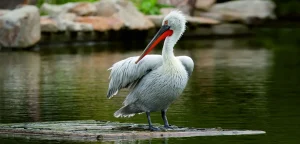
The sanctuary is inhabited by 150 species of birds. Around 60 percent of those species are water birds. During winters, you can see the lake turn pink with the number of flamingos that flock the sanctuary. Apart from flamingos, you can also spot the Sarus Crane – the world’s tallest flying bird, Great White Pelicans, brahminy starlings, green bee eater, black rumped flameback, spotted owlets, shikra, and many waterfowl such as mallards, geese, and waders.

The best time to visit Thol Lake Sanctuary is during winter, especially the months of January and February.

best wildlife sanctuaries for birding in gujarat
Thol Lake Sanctuary

2. Velavadar National Park

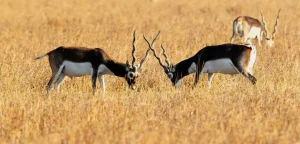
Around 3 hours from the Ahmedabad airport is Velavadar National Park, primarily known for the large herds of blackbucks that reside here. However, the national park is also a great place for birding enthusiasts to spot many different species of birds. The park is home to over 140 species of birds such as Chestnut-bellied and Spotted Sandgrouse, Painted Francolin, Sirkeer Malkoha, Red-rumped Swallows, different types of larks like Rufous Tailed, Syke’s, Desert, and Variable Wheateaters.

You can also spot raptors like Montagu, Marsh and Palid Harriers, accipiters like Shikra, Common Kestrel, Eurasian Hobby, Laggar, Peregrine, and Red-necked Falcon, Eurasian Sparrow Hawk and the rare Norther Goshawk. There are also many species of eagles such as the Short Toed Snake Eagle, Steppe Eagle, Eastern Imperial Eagle, Tawny Eagle, and the Greater and Lesser Spotted Eagle.

Velavadar National Park is also home to animals like the jungle cat, golden jackal, Indian fox, and the Indian grey wolf. The best time to visit the park is from October to December and January to May.

See also: Best wildlife sanctuaries in Gujarat

birding sanctuaries
Velavadar National Park

3. Sasan Gir National Park

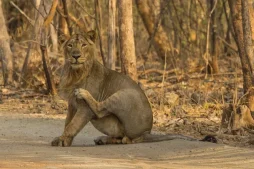
Gir National Park is the only place in the world outside Africa where you can spot the lion in its natural habitat. It is renowned all over the world for the largest population of the Asiatic lion in India. However, it is also a paradise for birdwatchers, with more than 300 species of resident as well as migratory birds, which include the crested serpent eagle, crested hawk eagle, brown fish owl, Indian eagle owl, rock bush quail, Indian peafowl, brown-capped pygmy woodpecker, black-headed oriole, crested treeswift, Indian pitta, and more. If you look dedicatedly, you may also be able to spot the Malabar whistling thrush and the endangered Bonelli’s eagle.

The best time to visit Sasan Gir National Park for birdwatching is from December to March.

wildlife sanctuaries for birding
Sasan Gir National Park

4. Khijadiya Bird Sanctuary

The Khijadiya Bird Sanctuary is situated 10 kilometers from Jamnagar, and includes three freshwater lakes. It is a nesting zone for many rare species of birds that cannot be found anywhere else in the Indian peninsula. It is home to almost 200 species of birds, including more than 90 species of waterfowl. The park is renowned for the Indian Skimmer, but some species you should look out for are Great-crested Grebe, Baer’s Pochard, Black-necked Stork, and Caspian Tern.

You can also spot little grebe, purple moorhen, coots, black-winged stilt, and pheasant-tailed jacana, along with resident birds like painted stork, cormorants, herons, egrets, and ibises. There are waterfowl such as ducks, geese, coots, grebes, terns, gulls, kingfishers, jacanas, and rails, as well as raptors such as harriers, eagles, hawks and falcons. The sanctuary is also a breeding nest for the Great Crested Grebe.

The best time to plan your trip here is from November to February.

bird sanctuary
Khijadiya Bird Sanctuary

5. Little Rann of Kutch

The Little Rann of Kutch is an expansive land of salt flats, looking barren and empty at first glance. However, the area is brimming with wildlife. The region attracts many migratory birds such as the lesser flamingos, greater flamingos, demoiselle cranes, and pelicans. The place also has raptors, wheateaters and larks.

You will also be able to spot the yellow wattled lapwing, the sociable lapwing, the Indian courser, white-eyed buzzards and common buzzards, chestnut bellied sandgrouse, booted eagles, and the elusive MacQueens’ bustard. Little Rann of Kutch is the largest breeding ground of the Lesser Flamingo in India.

You can explore the avian population on foot or by a jeep safari. A walk through the region will help you spot the smaller birds along with the desert flora unique to the region. You can also opt for a local jeep safari, wherein you can scout a wider area and spot large birds of prey flying above. A local guide can be helpful to learn in depth about the birds of the region.

November to February is ideal for birdwatching in the Little Rann of Kutch. October to December is also the breeding season for the Indian Wild Ass.

Read more: Best places to visit in Gujarat

Little Rann of Kutch (Picture credits: Bhavna Resort and Farm)

6. Nalsarovar Bird Sanctuary

Nal Sarovar Bird Sanctuary is the largest wetland bird sanctuary in Gujarat, and one of the 15 important wetlands of India. It is home to around 250 species of birds, and it is quite common for a birdwatcher to get 100 sightings in one day!

The sanctuary is named after the lake in the region, and is best explored by a boat ride. The lake is shallow, with lagoons highlighted by 360 islets.

You will be able to spot flamingos, pelicans, storks, herons, coots, bitterns, crakes, grebes, egrets, geese, cormorants, and brahminy ducks. Waterfowls and cranes can be seen in flocks. The lake has one of the highest populations of waterfowl in India. Visit Nalsarovar Lake from October to February for maximum bird sightings.

best wildlife sanctuaries for birding
Nalsarovar Bird Sanctuary

7. Porbandar Bird Sanctuary

One kilometer away from Porbandar Railway Station is the Porbandar Bird Sanctuary, one of the smallest bird sanctuaries in India. It was declared a sanctuary in 1988, and in 1990, it came under the possession of the Forest Department. It is the only bird sanctuary in Gujarat to provide legal protection to the birds sheltered there. This is the only bird sanctuary in India where humans and nature co-exist.

The sanctuary is a conservatory for around 150 species of birds, both resident and migratory. You can spot flamingos, grebes, pelicans, ducks, geese, avocets, coots, cormorants, herons, egrets, bittern, storks, ibis, spoonbill, cranes, whistling teals, gulls, terns, jacanas ruff, red shanks, Indian roller, and many other types of birds.

The ideal time to visit the sanctuary is during winters, when there is a surge of thousands of vibrant migratory birds.

Porbandar Bird Sanctuary

8. Kutch Desert Wildlife Sanctuary

The Kutch Desert Wildlife Sanctuary is the largest sanctuary in Gujarat, special for more reasons than one. The buried city of Harappan civilization, Dholavira, was excavated in this region. Archaeologists and history buffs from all over the world gather here to see this ancient attraction. The sanctuary is also home to Flamingo City, located in the flats of Rann. this place is the only area where flamingos nest and breed. Additionally, this sanctuary has records of fossils of dinosaurs, crocodiles, and whales recovered here.

Besides flamingos, you can spot many local and migratory birds here, including raptors, Houbara bustard, white pelicans, avocets, painted sandgrouse, larks, steppe eagles, and many types of waterfowls.

The ideal time to visit the sanctuary is winter or just after monsoons.

See more: Best time to visit Gujarat

Kutch Desert Wildlife Sanctuary

9. Marine National Park

Located in Jamnagar district in Gujarat, Marine National Park is the first marine wildlife sanctuary and national park in India. The park is an archipelago of 42 islands such as Karubhar, Pirotan, Narara, and Poshitra, and is home to a vibrant marine life, including stunning corals, sponges, sea turtles, and other fishes. It is also a great place for birdwatching.

The park has around 80 species of birds. You can spot birds declared as threatened species like the great Indian bustard, painted stork, darter, and black-necked ibis in large numbers. There are also many other birds like gulls, terns, marsh harriers, herons, spoonbills, ducks, egrets, little cormorants, teens, Pallas’ fish eagle, and osprey kingfisher.

October to March are the ideal months for visiting Marine National Park. it gets very hot during summers, from March to May, while the region becomes muddy during monsoons from June to August.

birding in gujarat
Marine National Park

10. Great Indian Bustard Sanctuary

The Great Indian Bustard Sanctuary, as the name suggests, is home to the endangered Great Indian Bustard, one of the largest flying birds in the world. Located near Naliya in Kutch district, this sanctuary is also home to many other species of birds, such as harriers, eagles, and vultures.

Apart from these birds, you can also spot mammals like wolves, foxes, and hyenas during jeep safaris through the sanctuary. The best time to visit the sanctuary is between November and March.

gujarat birding
Great Indian Bustard Sanctuary

Would you like to go on a birding trip to Gujarat in India? At India Someday, we curate trips based on your requirements and expectations. Contact us, and we will plan the perfect birding and wildlife trip for you in India! 

10 Best Wildlife Sanctuaries in Gujarat

In the diverse country of India, you will find some of the best wildlife sanctuaries in Gujarat, a state in the western part of the country. With an abundance of flora and fauna in the state, Gujarat is well known for its wildlife tourism. There are many birding and wildlife tours in Gujarat, which are perfect for nature and wildlife enthusiasts. In this blog, we talk about the 10 best wildlife sanctuaries and national parks in Gujarat.

1. Gir National Park

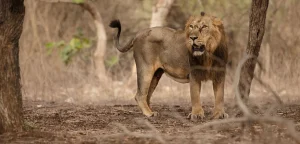
Sasan Gir is the only place in the world outside Africa where you can spot Asiatic lions in their natural habitat. Located in Junagadh district, the Gir Forest National Park was established in 1965. The park is spread over 1412 square kilometers and along with the majestic Asiatic lions, it is home to a variety of other animals, such as leopards, hyenas, jackals, spotted deer, crocodiles, and more than 300 bird species.

Gir National Park offers safari experiences which give visitors a chance to spot wildlife from close quarters. With a stunning landscape full of hills and ridges, it is one of the most beautiful national parks in Gujarat.

wildlife sanctuaries in gujarat
Gir National Park

2. Velavadar Blackbuck National Park

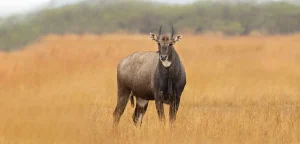
The Velavadar National Park, or the Blackbuck National Park, is the home of the blackbucks. Located in Bhavnagar district, the park was established in 1976 and houses more than 3000 blackbucks, which includes some rare species. The park also has other animals such as the jungle cat, nilgai, Indian wolves, jackals, and foxes, along with more than 120 species of birds, such as flamingos, pelicans, and storks.

This grassland ecosystem is spread over 34.08 kilometers and offers wildlife safaris for visitors. The best time to visit Velavadar Blackbuck National Park is from October to December and January to May.

See more: Wildlife Sanctuaries for Birding in Gujarat

wildlife sanctuaries in gujarat
Velavadar Blackbuck National Park

3. Marine National Park

The Marine National Park is the first marine sanctuary in India. Located in the Gulf of Kutch, the park spreads over 162 square kilometers. There are many species of marine life in the park, such as dolphins, sea turtles,sea cucumbers, sponges, mollusks, fishes, and vibrant corals. The national park has 42 islands surrounded by coral reefs, among which, Narara and Pirotan are the most popular ones.

The area was declared a national park in 1982, before which it was known as a marine sanctuary. The Marine National Park has three divisions – the coastal sea, the mangrove backwaters, and the salty marshland. Here, you can spot animals like sea anemones, stingrays, starfish, crabs, octopuses, and more.

You can explore the mesmerizing underwater world by indulging in activities like snorkeling, scuba diving, and even boat rides in glass-bottomed boats! Visit the park from October to February for the best experience.

Marine National Park

4. Wild Ass Sanctuary

Located in the Little Rann of Kutch, the Wild Ass Sanctuary is the only place in the world which houses the endangered Indian Wild Ass. Covering an area of 4954 square kilometers, the sanctuary also houses other animals like desert foxes, jackals, and wolves.

The region is famous for its expansive salt flats, a majestic sight especially during the Rann Utsav. The best time to visit the Wild Ass Sanctuary is from October to March.

Wild Ass Sanctuary

5. Nalsarovar Bird Sanctuary

The Nalsarovar Bird Sanctuary is a haven for birdwatchers and avian enthusiasts. Located near Ahmedabad, the sanctuary attracts many local and migratory birds. It is home to more than 250 species of birds such as pelicans, storks, cranes, fishing eagles, kingfishers, and flamingos. Birdwatchers and wildlife enthusiasts from all over the world come here to study the different flora and fauna present here.

You can explore the birds in the sanctuary by going for bird-watching and boating. The ideal time to visit the Nalsarovar Bird Sanctuary is during winters, from October to March.

wildlife sanctuary in gujarat
Nalsarovar Bird Sanctuary

6. Jessore Sloth Bear Sanctuary

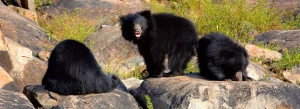
Jessore Sloth Bear Sanctuary is home to the endangered sloth bear. Located on the border of Gujarat and Rajasthan, the sanctuary covers 180 square kilometers across the Thar Desert. It is named after a part of Aravalli Hill, Jessore.

Apart from sloth bears, the sanctuary also has leopards, sambars, nilgai, wild boars, porcupines, and around 105 species of birds. Plus, the dry climate is helpful for the 405 species of plants that can be found here, most of which are thorny scrubs. There are many huts and cottages near the lakes in the sanctuary, built and maintained by the forest department.

You can also visit the Kedarnath Mahadev Temple and Muni Ji ki Kutia in the sanctuary.

The best time to visit the sanctuary is during monsoon, between June to August, but make sure to dress appropriately and carry raincoats. Wear knee-length boots to save yourselves from leeches. You can also visit during winters, from October to March.

wildlife sanctuaries and national parks
Jessore Sloth Bear Sanctuary

7. Barda Hills Wildlife Sanctuary

The Barda Hills Wildlife Sanctuary, also known as Rana Barda and Jam Barda, is located 15 kilometers from Porbandar and is a major tourist attraction in Gujarat. It is home to many endangered animals, birds, and reptiles. You can spot animals like lions, leopards, wolves, snakes, crocodiles, and chinkaras, and birds like spotted eagles, crested eagles, and flamingos. The sanctuary also has many endangered plant species with medicinal properties.

Spread over 192 square kilometers, the sanctuary has beautiful landscapes full of lush forests, dams, streams, and rivers. Khambala and Fodera are the main dams here. Barda Hills is the second largest territory of Asiatic Lions, and is home to ethnic tribes like Maldharis, Bharvads, Rabaris, and Gadhvis.

The best time to visit Barda Wildlife Sanctuary is from October to February.

Read: Best places to visit in Gujarat

Barda Hills Wildlife Sanctuary

8. Shoolpaneshwar Wildlife Sanctuary

Established in 1982, Shoolpaneshwar Wildlife Sanctuary is located in the western Satpura Range south of the Narmada River. The sanctuary is named after a temple of Lord Shiva that was once located in this area. However, the temple was submerged under the Sardar Sarovar, and a new Shoolpaneshwar temple was then built near Rajpipla.

The sanctuary includes many animals such as leopards, sloth bears, pangolins, barking deer, and various species of birds and reptiles. The region is full of deep valleys, waterfalls, and lush greenery, offering breathtaking vistas. It is the perfect place to connect with nature.

A good time to visit Shoolpaneshwar Wildlife Sanctuary is during winters, between November and March.

wildlife sanctuaries
Shoolpaneshwar Wildlife Sanctuary

9. Jambughoda Wildlife Sanctuary

Around 70 kilometers from Vadodara, the Jambughoda Wildlife Sanctuary is popular among wildlife enthusiasts and nature lovers. Situated in Panchmahal district, the wildlife sanctuary was once a part of the princely state of Jambughoda. Today, it is a full-fledged natural reserve.

Spread over an area of 130 square kilometers, the sanctuary is home to a wide variety of flora and fauna, such as leopards, wild boar, blue bull, sloth bear, striped hyenas, jackals, crocodiles, cobras, and pythons. You can also spot birds like the tailor bird, golden oriole, teals, and ducks.

November to March is a great time to visit Jambughoda Wildlife Sanctuary.

best wildlife sanctuaries in gujarat
Jambughoda Wildlife Sanctuary

10. Mitiyala Wildlife Sanctuary

Located a short distance away from Gir Forest National Park, Mitiyala Wildlife Sanctuary is one of the five protected areas which houses Asiatic lions. Before independence, the area was a part of the Bhavnagar royal estate. It was declared a wildlife sanctuary in 2004. Covering 18.22 square kilometers, the sanctuary is inhabited by more than 12 lions, leopards, spotted deer, pangolins, sambar, chinkara, and nilgais.

With hills, deciduous forests, and tall grass, the Mitiyala Wildlife Sanctuary offers mesmerizing views. November to March is the ideal time to visit Mitiyala Wildlife Sanctuary.

See more: Best time to visit Gujarat

wildlife sanctuaries in gujarat
Mitiyala Wildlife Sanctuary

Are you excited to go on a wildlife tour in Gujarat on your next trip to India? Contact us, and we will make it happen! At India Someday, we customize the perfect trip to India for you based on your requirements. Book a trip with India Someday now!

How to get a Local SIM Card in India for Foreigners

No matter where you travel in the world, it is important to keep in touch with your family and friends, but how to get a local SIM card? With the internet, it is easy to stay connected with the world, but you need an activated local SIM card to use the internet. If you are traveling to India, purchasing a SIM card is easy and inexpensive. Here is a comprehensive guide on how to get a local SIM card in India for foreigners.

sim card for foreigners

Why should you purchase an Indian SIM Card?

If you are in India for a long time, it is beneficial to purchase an Indian SIM card. For one, roaming charges can be exorbitant, while the rates in India are quite inexpensive. Secondly, although India is a large country, the network coverage is quite vast. Plus, there are a lot of data plans with free calls and SMS across the country.

What if you are traveling from the USA?

Usually, phones bought in the USA are locked, which means that you cannot add a physical SIM card in them. So make sure you get your phone unlocked before traveling to India.

If you do not unlock your phone, you can buy a new mobile phone with a SIM card slot for the duration of your trip. There are many inexpensive phones available. Check the prices to decide if you want to buy a phone in your home country or after you reach India.

See also: Traveling to India from the US

What are prepaid and postpaid services?

In India, you can get a prepaid SIM card or a postpaid SIM card. A prepaid SIM means you top up before using it, like pay-as-you go. A postpaid SIM has a monthly contract for which you pay at the end of every month.

We recommend getting a prepaid SIM, since there is much less paperwork and you can top up your card at most phone shops.

If you get a postpaid SIM, you will have to use the connection for a minimum of four months according to company policy.

local sim card for foreigners in india

Which are some reliable SIM Card Providers in India?

There are four major mobile network providers in India: Airtel, Vodafone Idea, Jio, and BSNL. Airtel is the most preferred provider among all, with better speed and wide network coverage at a better rate. Jio also gives good connectivity throughout India, although it is more of a hassle for foreigners to get a Jio SIM card.

India is a large country, and network coverage is not the same in every region. So check which providers cover the regions you will be visiting or traveling through. These network providers offer competitive prices to get more customers. So choose a network provider based on all these factors and your requirements.

What are the documents required to get a SIM card in India?

There are a few documents you will require to avail a SIM card in India.

  • You will need to submit a copy of your passport and Indian VISA. You may also be required to show the original documents, which will be returned after the seller checks them.
  • You will also need a passport-sized photograph. Keep up to four copies of your photograph with you.
  • You may also be required to give reference of an Indian local resident.
  • If the passport does not have your address, you will need to provide proof of residence in your home country, such as your identity card or driver’s license.

You will be asked to fill out a form and sign the name and one photograph will be taken as a part of KYC at the time of purchase.

You might face an issue with the confirmation of the address of your stay in India. If you are staying at a hotel, a business card of the hotel may work in most cases, but store employees might also ask for a confirmation letter from the hotel reception desk.

If you are staying at a private accommodation such as an Airbnb or a friend’s house, you will need to provide the owner’s details so that the SIM card seller can call and verify the information.

It is mandatory to register every SIM card. If any outlet does not follow the procedure, do not buy the card. You might be scammed with a card that can disconnect at any time.

Once your details are verified, your SIM card will get activated within 2 to 24 hours after your purchase. To activate it, call the number on the cover of the SIM card. If your SIM card is not activated after more than 24 hours, contact the seller from where you purchased the card.

See more: Best time to visit India

Where to get a SIM Card in India?

There are many places where you can get a local SIM card in India.

At the airport

As a tourist in India, the airport is the best place to buy a SIM card.  Although it will cost more, the procedure is smoother. The staff is fluent in English, and the SIM cards register quicker. 

You need just your passport to get a SIM card at the airport. Most SIM cards at the airport are tourist SIM cards. They have a set plan and are usually valid for 90 days. The package offers 1.5 GB data daily along with free calls across India and can cost up to 10 USD.

You can get a SIM card in India at Chhatrapati Shivaji International Airport Mumbai, Indira Gandhi International Airport Delhi, and Kempegowda International Airport Bengaluru.

At exclusive retail outlets

You will find multiple retail outlets across India where you can get a SIM card. While the SIM cards here are cheaper and customer care is better, most outlets will almost always ask for a local address proof and ID, which you may not have.

Most Airtel stores offer SIM cards to foreign tourists against their ID and local accommodation address.

On the other hand, Jio requires an Indian address and passport. But if you really want a Jio card, you will need to go through a long process that takes a minimum of 25 days. If you have a local friend who is willing to get a SIM card for you, it can be the most convenient option, although it isn’t strictly legal.

At a local phone store

There are many local mobile phone shops which sell SIM cards. While big cities have exclusive retail outlets of network providers, local phone stores may be your best bet in smaller towns and rural parts of India. However, we do not recommend this option, since it will depend on the store whether it offers SIMs to foreigners.

At your hotel or hostel

Your hotel or the hostel where you are staying can help you get a SIM card seamlessly, but you need to check first if they offer this service. It is a very comfortable option, although they might charge extra for this service. Even if you choose this option, you will need to provide your documents.

From the official network provider website

You can buy a SIM card from the official website of the network provider. You will need an Indian phone number to apply. You can take help from your hotel or hostel for this. You will be required to fill a local address for the KYC verification process, which would be the address you are staying at. The verification process is usually done by an employee of the network provider, while you can pay with a credit or debit card through the official website.

What are some alternatives to buying a SIM card?

If getting a SIM card seems like too much of a hassle, or you just do not want to buy a SIM card, there are a few other options to stay connected during your trip to India.

If you are in India for a short period of time, you can check the roaming services provided by your home country’s network. Through international roaming, you can use your existing number instead of buying a new local SIM card. However, the quality of service and coverage provided can vary depending on the region you are in in India. You might experience a slower data speed. Additionally, roaming charges can be extravagant in a different country, so check the rates and coverage with your service provider before deciding this.

Another option is to buy a pocket wifi router. You can carry the router with you wherever you go. A pocket router can also be used to connect multiple devices.

You can check out some digital SIM or eSIM options. eSIM is an embedded SIM through which you can use prepaid or postpaid phone services without the physical SIM card. However, it is an expensive option – you won’t have access to a local number and won’t be able to make calls or text within the country.

FlexiRoam

If you are traveling in a group, FlexiRoam is an excellent eSIM option, thanks to its feature, FlexiShare. If you buy the same Fixed plan as a group, FlexiRoam allows you to share data as a group. You can buy a Fixed plan or an Unlimited plan. The prices start  from $3.50 for 1 GB data.

GigSky

GigSky is a US-based eSIM provider offering fixed data plans in many countries, including India. The upside of GigSky is that it gives 100 MB free data to test your eSIM without an obligation to pay for more once you have used it up. The data packs range up to 10 GB, costing $49.99. GigSky also offers data plans for flights and cruises while expensive, they are useful if you need to connect while traveling.

local sim card in india for foreigners

What are some things to keep in mind while buying a SIM card in India?

  • In India, you need to be above 18 years of age to get a SIM card. If you are below 18, you can get one in the name of a parent or guardian.
  • To buy a SIM card at the airport, you will need cash. So make sure to withdraw some cash from the ATM before buying a SIM card.
  • The internet bandwidth speed in India is slower compared to other countries. One reason for this is the large number of smartphone users in the country. You will get good speed in the cities, but it will vary greatly in the rural and remote areas.
  • Currently, 5G services are offered by Airtel and Jio in various cities in India.
  • Every time you cross a state border in India, you will get a notification on your phone and roaming will be turned on automatically. However, there are no extra roaming charges within India anymore, which means that you can enjoy calls and internet data at the same price anywhere in the country.
  • You can check your current plan or data balance on the official app of your network provider. You can also recharge your plan online. If you go to a local vendor for recharge, specify your prepaid plan.
  • Get yourself a universal adapter to charge your device, which can be used in more than 150 countries. In India, most socket plugs are Type C and Type D.
  • Prepaid services are not available in Jammu and Kashmir for security reasons.


Did you find this blog useful? If you have any more questions, feel free to contact us! And if you are planning to visit India, hit us up and we will help you plan the perfect trip for you, tailormade to your requirements!

12 Best Museums of Gujarat

Gujarat is a land brimming with history and traditions, and the ideal way to explore that is by visiting some of the best museums of Gujarat. From a museum of Indian textiles to a museum full of dolls, you have to visit some of these places when you plan a trip to Gujarat! In this blog, we talk about the 12 best museums of Gujarat that you must not miss.

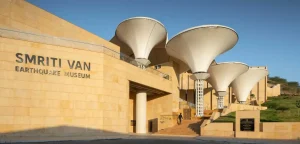
1. Smritivan Earthquake Memorial Museum

Location: Bhujio Dungar, Bhuj

Timings: Smritivan – 5:00 a.m. to 11 p.m.; Museum – 11:00 a.m. to 7:00 p.m. (Closed on Mondays)

Entry fees: INR 1000 for foreigners

Spread across 470 acres, the Smritivan Earthquake Memorial Museum was originally built for the families affected by the 2001 earthquake. Today, it has become a tourist attraction, featuring a sun-point with stunning views of the city, the largest Miyawaki Forest in the world, and 50 check-dam reservoirs that sustain the surrounding ecosystems and commemorate earthquake victims. It is the largest memorial and museum in India today.

The museum spans 11500 square meters, with seven unique galleries offering an interactive experience for guests. They showcase the history of the earthquake, along with the rescue operation and disaster mitigation.

best museums in gujarat
Smritivan Earthquake Memorial Museum

2. Baroda Museum and Picture Gallery

Location: Sayaji Baug Zoo, University Road, Dak Bungalow, Sayajiganj, Vadodara

Timings: 10:30 a.m. to 5:30 p.m. (Closed on public holidays)

Entry fee: INR 250 for foreigners

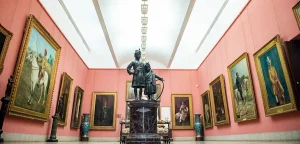
Founded by Maharaja Sayaji Gaekwad, the Baroda Museum and Picture Gallery is one of the oldest museums in India. The two buildings in the complex are built in the Indo-Saracenic style of architecture and are a mix of European and Indian elements. The museum was established in 1894, while the picture gallery was completed in 1914.

The museum building was designed by R.F. Chisholm, and blends traditional Maratha elements with European details. The picture gallery, on the other hand, was designed by Major R.N. Mant, has Indian columns and open spaces.

The museum houses antique artwork from Europe, Egyptian sculptures, Tibetan arts, and Akota bronzes dating back to the 5th century AD. it also has a skeleton of the enormous blue whale!

museums in gujarat
Baroda Museum and Art Gallery

3. Gandhi Memorial Museum

Location: Gandhi Smarak Sangrahalaya, Ashram Road, Ahmedabad

Timings: 10:00 a.m. to 5:00 p.m. (Closed on Mondays)

Entry Fee: INR 10

Sabarmati Ashram in Ahmedabad, also known as Gandhi Sangrahalaya, is a museum dedicated to the Father of the Nation, Mahatma Gandhi. The museum was designed by the famous architect Charles Correa, and was inaugurated in 1963.

The museum has 3 galleries: Gandhi in Ahmedabad Gallery, Painting Gallery, and My Life Is My Message Gallery. The museum also houses the Ashram’s library.

The museum offers a glimpse into the life and philosophy of this freedom fighter through personal belongings such as paintings, letters, the writing desk and spinning wheel he used.

The museum also has some rare photographs and a vast collection of books about Gandhi.

Read: Best time to visit Gujarat

Gandhi Memorial Museum

4. Calico Museum of Textiles

Location: The Retreat, Airport Road, Jain Colony, Shahibag, Ahmedabad

Timings: 10:30 a.m. to 1:00 p.m. (Closed on Wednesdays)

Entry fee: Free entry

The Calico Museum of Textiles, situated in The Retreat (Sarabhai Foundation), showcases a collection of fabrics and textiles hand spun in India, with special emphasis on on the indigenous fabrics of Gujarat.

Built by Gautam Sarabhai and Gita Sarabhai in 1948, the museum has two wings: the Haveli displays religious textiles, Indian bronzes, Jain art, and miniature paintings. The Chauk shows royal tents, Persian carpets, costumes of the people from the Mughal court between 15th and 19th century, and regional ethnographic textiles. The museum also has on display chain mail, helmets, and shields used by the warriors from the Mughal era.

There are many rules and regulations here, such as no phones or cameras allowed in the premises, no photography/videography allowed, no baggage, and children below 10 years of age are not granted entry in the museum.

museums in gujarat
Calico Museum of Textiles

5. Rotary Midtown Dolls Museum

Location: Opposite Heera Panna Complex, Dr Yagnik Road, Rajkot, Gujarat

Timings: 9:30 a.m. to 1:00 p.m., 4:00 p.m. to 8:00 p.m. (Closed on Mondays)

Entry Fee: INR 25, Camera fee: INR 35

Established in 2001, the Rotary Midtown Dolls Museum is spread over two levels. The museum has over 1600 dolls from 102 countries, with many dolls from India. A lot of dolls have been donated by Rotary Clubs from all over the world.

The backdrop, outfits and hairstyles of the dolls showcase the traditional culture and ethnicity of the region. The displays also have notes that explain the origins of the dolls. The museum is a great place for kids and adults alike.

best museums in gujarat
Rotary Midtown Dolls Museum

6. Aina Mahal

Location: Darbargarh, Bhuj, Kutch District

Timings: 9:00 a.m. to 12:00 p.m., 3:00 p.m. to 6:00 p.m. (Closed on Thursdays)

Entry Fee: INR 20, Photography fee – INR 30

Located near Prag Mahal, Aina Mahal was commissioned by Maharao Lakhpatji and was built in 1752. The museum is a blend of European and Indian design. It is renowned for its 18th century mirrored interior with marble walls and gold laces, a Venetian-glass chandelier, and a Harding lithograph series.

The museum showcases a collection of paintings from across the world, along with Kutch art, jewelry, and weaponry. The museum also has a 15.2 meter long scroll. The top floor of the museum was lost to an earthquake.

Aina Mahal

7. Auto World Vintage Car Museum

Location: Dastan Estate, Sardar Patel Ring Road, Kathwada, Ahmedabad

Timings: 8:00 a.m. to 9:00 p.m.

Entry fee: INR 50

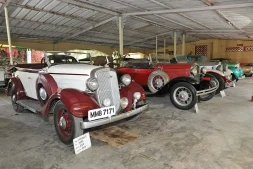
If you love vintage cars, you must visit the Auto World Vintage Car Museum in Ahmedabad. Established by Pranlal Bhogilal, one of India’s renowned car collectors, the museum features more than a hundred vintage cars, motorcycles, buggies, and antique vehicles. From limousines to convertibles and sports cars, there are vehicles from established luxury brands such as Bentley, Cadillac, Packard, Mercedes, Maybach, Lincoln, Chrysler, Buick, and more.

The cars have been imported from many different countries from around the globe, and many of them were customized according to individual specifications by some of the most famous car makers in the world.

The museum also has a cafeteria and a souvenir shop. There is also a station where you can take a ride in a vintage cart!

museums in gujarat
Auto World Vintage Car Museum

8. Maharaja Fatehsingh Museum

Location: Lakshmi Vilas Palace Estate, Jawaharlal Nehru Marg, Vadodara

Timings: 10:00 a.m. to 5:30 p.m. (Closed on Mondays)

Entry Fee: INR 100 for foreigners

A part of the Lakshmi Vilas Palace, the Maharaja Fatehsingh Museum houses a collection of objects of the Gaekwads of Baroda, especially Maharaja Sayajirao Gaekwad III.

Designed in a Saracenic-Indo architectural style, the museum has paintings by Raja Ravi Verma, sculptures by Venetian artist Fellicci, Japanese and Chinese artifacts, European paintings, Greek and Roman displays, miniatures, 18th century French furniture, and personal heirlooms and artifacts more than 200 years old.

The vast collection of the museum will leave you surprised.

best museums in gujarat
Maharaja Fatehsingh Museum

9. Sardar Vallabhai Patel National Museum

Location: Gandhi-Sardar Smruthi Chowk, Shahibag, Ahmedabad

Timings: 9:30 a.m. to 5:30 p.m. (Closed on Mondays)

Entry Fee: Free entry

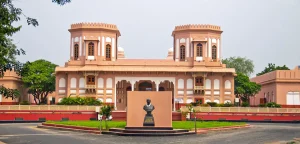
Sardar Vallabhai Patel National Memorial Museum was built in 1978 to commemorate the birth centenary of Sardar Vallabhai Patel in Shahibaug Palace.

The museum houses the personal belongings of this simple, hard-working man, such as his clothes like the khadi shirt, jacket, and dhoti, his shoes, two aluminum lotas, a tin trunk, tiffin box, spinning wheel, his pen, the holy Bhagwad Gita, and more. There are also books, letters, pictures and photographs from his life here.

There are two halls in this museum which showcase the life of Sardar Patel through a pictorial exhibition. His personal furniture is displayed on the first floor.

museums in gujarat
Sardar Vallabhai Patel National Museum

10. Patang – The Kite Museum

Location: Sanskar Kendra, Bhattacharya Road, Paldi, Ahmedabad

Timings: 10:30 a.m. to 12:00 p.m., 4:00 p.m. to 6:00 p.m. (Closed on Mondays and public holidays)

Entry fee: Free

Ahmedabad in Gujarat is renowned all over the world for its International Kite Festival. Bhanu Shah, a kite-lover from Ahmedabad, took the initiative of building Patang – The Kite Museum. He donated his collection to the Ahmedabad Municipal Corporation, and the corporation granted space in the Sanskar Kendra for a kite museum.

There is a huge variety of kites, made with more than 400 different types of paper. You can find Japanese kites, holy kites with pictures of Indian deities like Radha-Krishna, kites with mirror-work on them, and even 16-feet long kites!

This museum is the first of its kind in India, and the second in the world.

museums in gujarat
Patang – The Kite Museum

11. Vikram Sarabhai Space Exhibition Centre

Location: Jodhpur Tekra, Near BRTS Bus Stop, Ahmedabad

Timings: 9:30 a.m. to 5:30 p.m. (Closed on Mondays)

Entry fee: Free entry

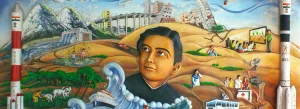
Situated in the middle of the city, the Vikram Sarabhai Space Exhibition Centre in Ahmedabad is an interactive museum about India’s achievements in the field of space. This kid-friendly museum was the vision of scientist and astronomer Vikram Sarabhai. With many exhibits, a 3D auditorium, and a dedicated section for kids, the VSSE is a fun and educational experience for children and adults alike. There is a science playground, science shop, workshop, and even laboratories where visitors can engage themselves!

best museums in gujarat
Vikram Sarabhai Space Exhibition Centre

12. Kutch Museum

Location: Ghanshyam Nagar, Bhuj

Timings: 10:00 a.m. to 1:00 p.m., 2:30 p.m. to 5:30 p.m. (Closed on Wednesdays and public holidays)

Entry fee: INR 50 for foreigners

Commissioned by Maharao Khengarji, the Kutch Museum was built in 1877, making it one of the oldest museums in Gujarat. The building was previously known as Fergusson Museum which displayed a vast collection of coins from around the world. It also displayed the local currency of Kutch, called Kori.

Today, the Kutch Museum also showcases musical instruments, paintings, metalwork, and metal statues from India. It also has a large collection of tribal costumes, jewelry, and headgears. The relics are organized into separate sections, such as textiles, archaeology, shipping, stuffed animals, and more. The museum focuses on the practices of the tribals who were the original inhabitants of Bhuj.

Read more: Best places to visit in Gujarat

best museums in gujarat
Kutch Museum

Which of these museums will you be visiting on your next trip to India? Let us know and we will plan a perfect itinerary for you, personalized according to your requirements!

16 Movies That Will Inspire You to Take A Trip to India

In mainstream media, there are many movies that will inspire you to take a trip to India. The way some movies are shot often make us want to travel and be there in that place, and with its diverse geography, culture, lifestyle, and heritage, India has a lot to offer for every type of traveler. Here are 15 movies from Bollywood and Hollywood that will truly get you packing your bags to India!

1. Piku (2015)

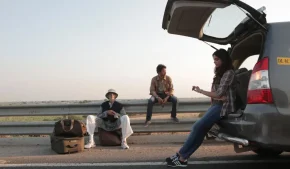
Piku is a slice-of-life movie about a father-daughter relationship as they take a road trip from Delhi to Kolkata. The film very subtly showcases the beauty of Kolkata in its truest form – the lazy mornings, the bylanes explored on bicycles, Howrah bridge, and the history giving way to modernization. On the way, the road trip also covers the Yamuna Expressway and Varanasi.

movies that will inspire you to travel to india
Piku

2. Yeh Jawaani Hai Deewani (2013)

When Yeh Jawaani Hai Deewani released, it managed to ignite or reignite the travel bug in almost everyone who watched the film. A coming-of-age, feel-good film about love, life, and friendships, Yeh Jawaani Hai Deewani shows us the life of Kabir, an avid traveler. The movie takes us through the mountains of Manali and Kashmir, parts of Europe, and the majestic city of Udaipur.

Yeh Jawaani Hai Deewani

3. Karwaan (2018)

Karwaan is a funny slice-of-life movie about a frustrated IT employee whose father dies in a road accident and there is a mix-up with the bodies. He gets the body of an old lady who was in the same bus, so he sets out on a road trip with his friend from Bangalore to Kochi to return the body to their family.

The film takes you through the gorgeous Ooty, lush roads of Kerala, and the lakes of Thrissur, making you want to pack your bags and go on a similar journey.

See also: Books to read before traveling to India

movies that will inspire you to travel to india
Karwaan

4. Dil Chahta Hai (2001)

The movie that popularized the trend of taking a trip with your friends, Dil Chahta Hai shows Goa in all its glory. Three friends decide to take a trip to Goa every year, but life happens.

Dil Chahta Hai showcased the beautiful beaches and forts of Goa, and even made the Chapora Fort in North Goa a major tourist attraction. The second half of the movie has some stunning shots of Australia.

Dil Chahta Hai

5. The Best Exotic Marigold Hotel (2011)

The Best Exotic Marigold Hotel is a feel-good film about a few individuals from the UK who decide to retire in Jaipur in India. Although the hotel is not what they imagined it to be, the Exotic Marigold Hotel manages to charm them in different ways.

The film shows the luxurious side of Rajasthan. The movie is shot in the City Palace in Jaipur, Udaipur, Castle Kanota, and Panna Meena Ka Kund. the real-life Best Exotic Marigold Hotel, the Ravla Khempur, is not actually in Jaipur, but about 200 miles away on the outskirts of Udaipur.

The Best Exotic Marigold Hotel

6. Eat, Pray, Love (2010)

Eat, Pray, Love is a travel film about a woman finding herself as she explores Italy, India, and Bali. She travels to India in search of spirituality and enlightenment, and the movie shows that aspect of India in a very elegant way through the cities of Delhi and Pataudi.

Read more: Spiritual trip to India

Eat, Pray, Love

7. Highway (2014)

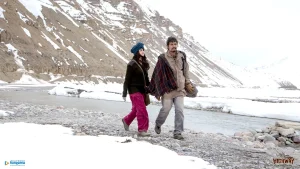
Highway is a movie about a girl who is kidnapped and travels with the kidnapper in a truck, exploring the north of India. This unusual road trip gives a sense of freedom to the girl, as they take the viewers through the Spiti Valley in Himachal, mountains of Pahalgam and Aru Valley, Tabo Monastery, Sambhar Lake in Rajasthan, Nurmahal in Faridkot, canals of Punjab, and the beautiful countryside.

movies that will inspire you to travel to india
Highway

8. Jab We Met (2007)

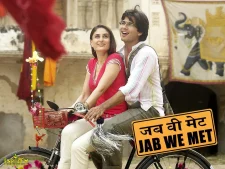
Jab We Met is a fun rom-com that starts with a train journey of two completely different individuals who happen to sit across from each other. The movie takes us on a road trip from Ratlam in Madhya Pradesh to Bhatinda in Punjab, traversing through the havelis and forts of Mandawa in Rajasthan. They then go on another trip from Bhatinda to the snow-capped Manali, with scenic locations like the Rohtang Pass, Naggar Castle in Kullu, and Mall Road in Shimla.

See also: Two-week travel routes for North India

movies about india
Jab We Met

9. Barfi (2012)

Barfi is a beautiful, soft film about a deaf and mute man named Barfi. The cinematography of the film is a work of art, as it shows Kolkata and the hill station of Darjeeling in the most aesthetic way. From the Clock Tower, Glenary’s Cafe and the Darjeeling Himalayan Railway of Kolkata, to the misty mountains, lush green forests, and charming villages of Darjeeling, Barfi transports you there. The movie will leave you with a smile on your face and an urge to travel to West Bengal!

Barfi

10. Rang De Basanti (2006)

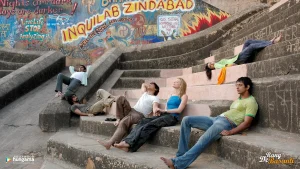
Rang De Basanti was a revolutionary film that highlighted the history, patriotism, and politics of India in a new light. Set primarily in Delhi, the movie is about a group of regular college kids with a deep sense of love for their country.

The movie showed India Gate in Delhi, the Nahargarh Fort in Jaipur, the stunning Golden Temple in Amritsar, the Durga Sarai Fort in Ludhiana, and the Hola Mohalla festival of Anandpur Sahib in Punjab.

Rang De Basanti

11. 3 Idiots (2009)

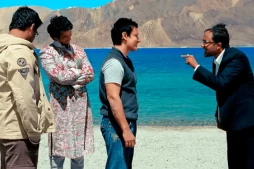
It was undoubtedly the movie 3 Idiots that largely increased tourism in Ladakh. The movie revolves around three friends studying in one of the most reputed colleges in the country. While much of the movie is shot in IIM Bangalore, the climax is shot against the backdrop of the stunning Pangong Lake in Ladakh, making it the new favorite travel destination among Indians.

movies that will inspire you to travel to india
3 Idiots

12. Chennai Express (2013)

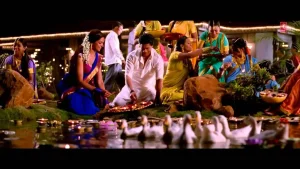
Chennai Express will make you want to take a trip to the stunning South of India. The protagonist travels by the Chennai Express train through many beautiful villages in South India, such as Meesapulimala, Kannimala, and more. The famous bridge of Tamil Nadu, the Munnar tea estates of Kerala, and the Dudhsagar Waterfalls of Goa are shot beautifully in this film.

See more: Travel tips for South India

Chennai Express

13. The Darjeeling Limited (2007)

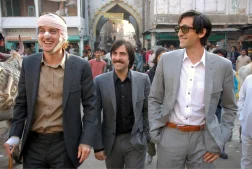
The Darjeeling Limited focuses on three brothers taking a train journey through India. It was shot mostly In Rajasthan in Jodhpur and Udaipur, with a few scenes from the Himalayas. The diversity of the places from India adds a lot of color to the film.

movies that will inspire you to take a trip to india
The Darjeeling Limited

14. Swades (2004)

Swades evokes a patriotic feeling among Indians, and curiosity among others. The movie is about a man who returns to his village in India from a foreign country and travels around to help his people at the grassroot level.

The film takes you away from the aesthetic tourist destinations to the villages and rural landscape of India, promoting rural tourism and inspiring you to visit this side of India and get a glimpse into the local life of the country.

movies about india
Swades

15. Million Dollar Arm (2014)

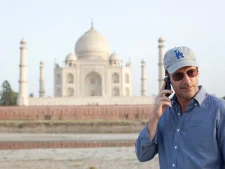
Million Dollar Arm is based on a true story of baseball pitchers hailing from India. While a large portion of the movie is shot in the USA, there were many scenes shot in Mumbai, and a few in the villages of Rajasthan, in front of the magnificent Taj Mahal, Yamuna River, and some other places.

movies about india
Million Dollar Arm

16. Gandhi (1982)

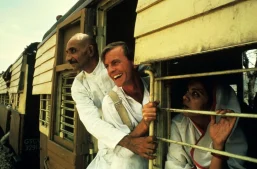
Gandhi is a biographical drama that tells the story of the Father of India, Mahatma Gandhi. Gandhi was one of the pioneers who led India to freedom in 1947. The movie shows the life of this simple man who struggled to free the nation with his philosophy of Ahimsa (non-violence). It shows some of the most important chapters of India’s freedom struggle movement, and is a must-watch if you want to learn more about India.

See also: Best time to visit India

movies that will inspire you to take a trip to india
Gandhi

If you have watched any of these movies and want to plan a trip to those locations, contact us and we will plan a trip for you based on your needs! We can also tailor-make an itinerary for you that would take you through all the places from the films you love! Let us know and we will take care of planning a bespoke trip to India for you!

Bargaining 101: How to Negotiate while Shopping in India

The fact that there is a blog on how to negotiate while shopping in India shows how much bargaining is a part of India’s culture. No matter how much money you have, the satisfaction of using some solid bargaining skills to get a product at a much lower cost is unmatched. Locals in India do it, and shopkeepers in India expect you to do it.

While bargaining is not a concept that Westerners are familiar with, and might even feel embarrassed to do it, all we have to say is, try it once. It is a fun experience, not unlike a game between you and the shopkeeper to arrive at a compromise that works for both parties. But how do you bargain? Read on to find out!

Do your research

Before you start shopping in India, you need to do some research first. Check the usual prices of the items you are interested in buying. This will help you negotiate better.

Look online, visit some fixed price stores, and ask the locals about the actual prices of goods that you should expect.

bargaining while shopping in india

Fix your budget

Shopping in India is a fun experience, and you can buy a lot of things for a comfortable price. Because of this, it is easy to go overboard with shopping, that too at a higher price simply because you can afford to pay it.

To ensure this doesn’t happen, fix a budget for yourself. Then try to get as many items as you can within that amount. It is a great activity and you will end up with some amazing stuff!

Ask the price

The first thing to do when you like an item is to ask the price of that item without seeming too excited about it. If the shopkeeper realizes that you really, really like something and would definitely buy it, they will quote a high price for it and will refuse to bargain. So act nonchalant as you ask the shopkeeper about the price for that item.

Retort with half the price

Once he tells you the price, which will almost always be much higher than its actual cost, reply with half of the asking price. For example, if the shopkeeper asks you for INR 500 for a shirt, immediately bring the price down to INR 250.

It might seem insensitive to ask for a price so low than what the shopkeepers are asking, but they usually ask for a higher price, because the people who do not bargain usually pay the asked price – a profit for the shopkeeper.

Plus, the shopkeepers ask for a higher price from foreigners than from Indians, because they feel that the foreigners don’t know much about bargaining and will pay any price they ask, since they think they can afford it.

Build a relationship

Be nice. If you try to genuinely talk to the shopkeepers about their business and life, they will feel invested and might give you a good deal. Plus, you will learn more about the local culture and get an insight into their everyday lives. Make the other person feel good.

Often, the shopkeepers might try to strike up a conversation with you as well. Sometimes, it’s genuine curiosity, and sometimes, it is to gauge whether you have been here long enough to bargain. Either way, don’t avoid a conversation – it’s all fun.

Read more: Souvenir shopping in India

Check for defects

If you want to take your bargaining debate to the next level, check for flaws or defects in the product that you are interested in. there is a good chance that the item might have a slight flaw that doesn’t impact its functionality, but is good enough to get you a discount. For example, you might find an unnoticeable scratch, or a tiny dent in an item, or maybe a loose stitch or thread in a clothing – you can immediately ask for some extra discount on such items since you are taking them off the sellers’ hands.

Be prepared to walk away

If the shopkeeper isn’t lowering the price, walk away. Usually, he will call after you, asking for the price you wanted, or a price higher than you wanted but lower than what he initially asked for. If he doesn’t call after you, it means that you were asking for a much lower price, and if you really want the item, you will need to swallow your self-respect and go back and buy it. It’s all fun and games, so the shopkeeper isn’t going to embarrass you. But if you don’t want to do that, you will just have to try and find a cheaper item someplace else.

Be polite

Lastly, remember that bargaining is a fun experience. It is not just negotiating for an item – it is a cultural exchange. Be mindful of the way you talk to the seller, because it will reflect how you view them and their culture.

Always be polite with the shopkeepers. Do it with a smile and a few local phrases, and you might get yourself a great deal! However much you haggle for an item, be respectful of the shopkeepers.

bargaining in india

What not to do

There are a few things you should not do while bargaining.

Don’t feel awkward

Bargaining may seem awkward at first, but it is a way of life in Indian street shopping. It is a fun game – the shopkeepers too expect you to bargain with them. After all, you are only saving your hard-earned money, so you don’t need to feel embarrassed or guilty about asking for a lower price for an item.

Don’t walk away after agreeing on the price

If you haggle for a while and the seller accepts your price, you have to buy it. Don’t continue the bargain, or change your mind and walk away. That is considered very rude, since you have wasted everyone’s time and efforts.

Don’t bargain with local artisans

If you are buying something handmade directly from a local artisan, please do not bargain. A lot of time and skill goes into the handmade items. There is a story behind every product and they are not a result of mass production. These local artisans work very hard but do not get their well-deserved due. Plus, they will almost never ask for an exorbitant price. So if you are buying from them and can afford to pay the price they ask for, please do so.

Don’t haggle for a tiny amount of money

Do not keep bargaining for a small amount. It is not a lot to you, but it might be a lot to the shopkeeper who is trying to earn a livelihood through this. Bargaining is all about compromise – if the two of you can come to a win-win agreement, you don’t need to push it further.

Don’t bargain at fixed price stores

Most fixed price stores won’t bargain with you, so don’t waste your time. You might still ask them for a lower price once, but if they deny it, then that’s that. Also, there are many shops that sell items at MRP, meaning Maximum Retail Price. If they do, the prices are fixed and you won’t get anywhere with bargaining.

Things to remember

  • The early bird catches the worm. Almost all shopkeepers in India consider the first sale of the day to be lucky or auspicious, so they usually accept the price you ask for it; if not, they will still give you a much better deal. So, shop early!
  • If you are happy with the initial price, pay it. Don’t bargain just for the sake of bargaining. If you think you are paying the item’s worth, don’t try to haggle with the shopkeepers who are just trying to make a living. You wouldn’t bargain at stores like Chanel or Zara, so try to let go of a few rupees if you are getting a good price for the item.
  • If you buy more, you can get a better price. Usually when you buy in bulk, shopkeepers tend to give a good discount on all the items, since they are making a big sale in one go.
  • Practice makes perfect. You might not be able to bargain the way you expected the first time, but that’s okay. Bargaining improves with practice.

bargaining while shopping

Some popular street markets in India

Colaba Causeway, Mumbai

Colaba Causeway is a popular market in Mumbai with locals and foreigners alike. High-fashion clothes, jewelry, bags, and shoes are found aplenty in this market.

Sarojini Market, Delhi

Sarojini Market is one of the best markets in India to buy items at an extremely cheap rate. Streets full of fashionable clothes, bags, and shoes, along with homeware and other stuff will keep you busy for hours.

Arpora Sunday Night Market, Goa

This vibrant flea market in Goa has everything from clothes, jewelry, and home decor to beer and handicrafts. The market opens in the evening after 6 p.m. You can buy bohemian items and junk jewelry at a reasonable price here.

Hazratganj Market, Lucknow

Hazratganj Market offers you the best of street food and the famous Chikan Kari handloom at reasonable prices. Do not miss a visit to the market if you are in Lucknow.

New Market, Kolkata

Earlier known as Hogg Saheber Bazaar, New Market has clothes, jewelry, cosmetics, meat, and poultry, making it a one-stop shop for all your needs. The famous Bengali saree can be found here.

Commercial Street, Bangalore

Commercial Street is a very organized market. The colorful market showcases quality products at very affordable prices.

Shopping in India is a fun, rewarding experience. You get amazing items at very affordable rates. A part of this experience is bargaining, practiced almost everywhere in India. It might feel strange at first, but once you get the hang of it, there will be no stopping you! So, when are you planning a trip to India to shop your heart out? Contact us, and we will plan the perfect trip for you, customized according to your requirements!

10 Most Magnificent Stepwells in India

A reliable source of water in the arid regions, stepwells are a marvelous feat of engineering and architecture, and you can find some of the most magnificent stepwells in India. Used as a place of social gathering, the gorgeous stepwells are India’s major contribution to architecture.

Stepwells in India

Known as vav, baolis, and baoris, stepwells are wells or ponds designed with staircases around to have access to the water irrespective of the changing water levels through the seasons. Stepwells originated during the Indus Valley Civilization. While a stepwell was built as a water reservoir, most of them were grand in their construction, where people could swim, bathe, and perform religious rituals and celebrations.

There are thousands of stepwells in India. While most of them are not in use anymore, they still retain water and are treasured pieces of India’s past.

 Here are the 10 most famous stepwells in India.

1. Rani ki Vav, Gujarat

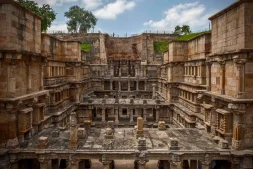
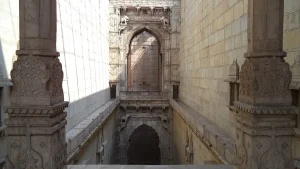
One of the oldest, grandest, and biggest stepwells in the world, Rani ki Vav, or the Queen’s Stepwell, is situated on the banks of River Saraswati in Patan, Gujarat. The only UNESCO World Heritage Stepwell in India, the step well was built by Rani Udayamati in 1063 in memory of her husband King Bhimdev.

Rani ki Vav is built in the form of an inverted temple using Maru-Gujarat architectural style. The five-storeyed structure houses more than 800 sculptures engraved on the pillars and walls, of characters from Hindu mythology. It is also believed that there is an escape route on the bottom level of the well that connects to the Sun Temple in Modhera!
The stepwell is extremely well-preserved, and it is actually because the stepwell was flooded by the Sabarmati river and filled with silt in the 13th century. It disappeared from the face of the earth, submerged underwater. It was then rediscovered by the Archaeological Survey of India only in 1980.

magnificent stepwells in india
Rani ki Vav, Patan

2. Chand Baori, Rajasthan

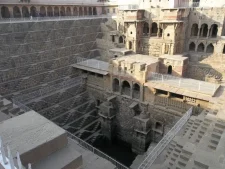
The stepwell of Chand Baori in Rajasthan, has been a part of a few movies, including the Hollywood movie, The Dark Knight Rises. Located in the quaint village of Abhaneri in Rajasthan, this 1000 year old heritage site is one of the deepest stepwells in the world. 13 floors deep with 3500 steps constructed in a perfectly symmetrical way, Chand Baori is truly an architectural wonder. The stepwell was built by King Chanda of Nikhumb dynasty in around 800 CE to 900 CE as a water reservoir and acted as a community gathering place for locals and royals alike. Next to the stepwell is the Harshat Mata temple, the goddess of joy and happiness in the village.

According to legends, the stepwell was built in just one night by a djinn, or a spirit. They also believe that no one ever uses the same steps to descend and then ascend from the well.

stepwells in india
Chand Baori, Abhaneri

3. Adalaj Vav, Gujarat

The Adalaj Step Well was commissioned by Queen Rudabai, the wife of Rana Veer Singh, ruler of a small kingdom in Ahmedabad.

Since the kingdom was plagued by droughts, Rana Veer Singh decided to construct the stepwell. However, before the completion of the stepwell, the king died in a battle against Sultan Mahmud Begada. The Sultan fell in love with the widowed queen Rudabai and wished to marry her. The queen agreed, on the condition that he first finish building the stepwell. However, once the work was completed in 1599 AD, the queen committed suicide by jumping into the stepwell.

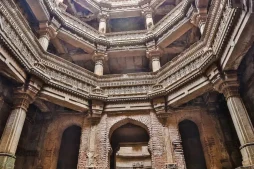
Adalaj ki Vav is a mixture of Hindu, Islamic, and Jain architecture blending together in harmony. The last level has an octagon-shaped well shaft.

It is said that Sultan Mahmud Begada was so impressed by the architecture of the stepwell that he didn’t want anyone to replicate it, which is why he ordered all the masons involved in its construction to be killed. The tombs of the workers can be found near the stepwell.

Read: Best time to visit Ahmedabad

Adalaj Step Well, Adalaj

4. Pushkarani, Karnataka

The city of Hampi in Karnataka was once the capital of the Vijayanagara Empire, considered to be the second most powerful and richest in the world. Today, the temples and ruins of Hampi are a treat for history lovers all over the world.

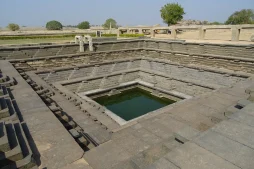
Along with all the ruins is another architectural wonder, the Pushkarani tank. Considered to be built around the 15th century by the Chalukya Dynasty, Pushkarani was a sacred tank, built along with the temple of a goddess. The stepwells were also used to host the annual boat festival during the Vijayanagara reign.

stepwells in india
Pushkarani, Hampi

5. Agrasen ki Baoli, Delhi

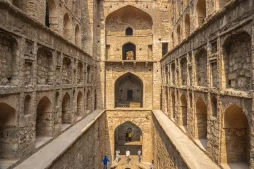
Agrasen ki Baoli is located, surprisingly, amidst the commercial streets in New Delhi near Connaught Place. The place is featured in a Bollywood movie, PK. Protected by the Archaeological Survey of India, the water reservoir is built with unique rock stones and has more than a hundred steps.

Not much is known about who built the stepwell, but historians believe it was built during the Mahabharata period by Maharaja Agrasen, the king of Agroha. It was then rebuilt in the 14th century by the Agrawal community, descendents of Maharaja Agrasen.

There are a few horror stories associated with the stepwell, and it is rumored to be haunted.

Read: Things to do in Delhi

stepwells in india
Agrasen ki Baoli, New Delhi

6. Rajon ki Baoli, Delhi

Rajon ki Baoli is nestled in the forests of the Mehrauli Archaeological Zone, often overshadowed by the popular tourist attraction, Qutub Minar. The stepwell was commissioned in 1512 by Daulat Khan Lodi, an important official of Lodi Dynasty in Delhi.

The stepwell gets its name from rajon, meaning the masons, or rajmistris, who built the stepwell. Islamic in architecture, the levels are designed with stucco motifs and niches for lanterns. The site also has a mosque, tombs, and pavilions nearby.

stepwells in india
Rajon Ki Baoli, New Delhi

7. Toorji ka Jhalra, Rajasthan

Also known as the Stepwell of Jodhpur, Toor Ji Ka Jhalra was built around 1740 by the queen of Marwar, Gulab Rai, wife of Maharaja Abhay Singh.

The queen was originally from Patan in Gujarat, renowned for one of the most magnificent stepwells, Rani ki Vav. Thus, the queen constructed Toorji ka Jhalra in Jodhpur, taking inspiration from her matriarchal roots. This is one of the very few traditional stepwells in Jodhpur in Rajasthan.

The stepwell is more than 200 feet deep, constructed with red sandstone and carved with various animals and deities. It was submerged under water for more than a century before being restored to its original beauty.

The stepwell also acts as a swimming pool for locals, and even hosted a Red Bull Cliff Diving Competition in 2019.

stepwells in india
Toorji ka Jhalra, Jodhpur

8. Surya Kund, Gujarat

The Sun Temple at Modhera in Gujarat is renowned for its brilliant architecture. The temple was built in such a way that during the equinox, the sun rays at dawn shine directly on the idol in the innermost sanctum. A part of the Sun Temple is the Surya Kund, a large stepwell constructed with more than a hundred small shikharas and shrines.

The temple complex was constructed by King Bhimdev I, whose wife, Rani Udayamati, constructed the magnificent Rani ki Vav at Patan.

Surya Kund, Modhera

9. Panna Meena ka Kund, Rajasthan

Located near Amer Fort in Rajasthan, Panna Meena Ka Kund made an appearance in the movie “The Best Exotic Marigold Hotel”. There isn’t much information about its origin, but it was believed to be built for the people of Amer to collect water.

The square-shaped stepwell is comparable to Chand Baori in its architecture – there are stairs on all four sides and a room on the northern wall. During the reign of Maharaja Jai Singh in the 16th century, the stepwell was supposedly used for religious ceremonies and festivals.

See also: Things to do in Rajasthan

stepwells in india
Panna Meena ka Kund, Jaipur

10. Raniji ki Baori, Rajasthan

Similar to Rani ki Vav, Raniji ki Baori also means Queen’s Stepwell. Located in Bundi in Rajasthan, the stepwell was constructed by Queen Nathavati in 1699 AD.

The stepwell has a narrow dateway with four pillars. A flight of stairs leads downstairs into a chamber which is part well, part temple, and part palace.

The desert region of Rajasthan often faced water shortage, which is why you can find many stepwells in this state. There are around 50 tanks for water conservation in Bundi itself, of which 21 have been commissioned by Queen Nathavati.

most magnificent stepwells in india
Raniji ki Baori, Bundi

Stepwells have been a significant part of India’s history, culture, and architecture, and should definitely be on your travel bucket list. Did any of these stepwells fascinate you? Get in touch with us and let us plan the perfect trip for you, customized according to your requirements!

Nubra Valley – A Comprehensive Guide for Travelers

For anyone planning a trip to the gorgeous Indian region of Nubra Valley, we have created a comprehensive guide for travelers. One of the must-visit places in Leh-Ladakh in India, Nubra Valley offers visitors phenomenal landscapes, a diverse geography, beautiful trails, and a distinct culture and lifestyle. Read on to find out more about Nubra Valley, the Orchard of Ladakh.

Nubra Valley

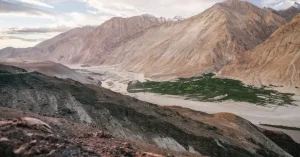
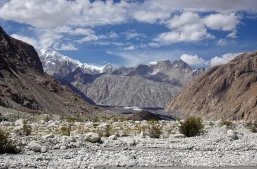
Nestled 10,000 feet above sea level in the Ladakh region of Jammu and Kashmir in India is Nubra Valley, surrounded by the snow-capped Himalayan and Karakoram mountain ranges. Nubra Valley was originally called Ldumra, meaning “valley of flowers”. Truly, it is the Orchard of Ladakh.

This high-altitude desert is the ideal place to acclimatize yourself for Ladakh once you reach Leh. When you travel from Leh to the high altitude Khardung La and then spend the night at a low altitude in Nubra Valley, it helps greatly with acclimatization.

Nubra Valley was once part of the old Silk Route to Central Asia. It connected Tibet with Turkistan through the Karakoram Pass. The valley is the gateway to Siachen Glacier, the highest battlefield in the world. Tourists need an Inner Line Permit (ILP) to enter Nubra Valley.

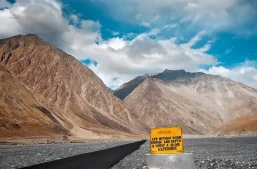
To reach Nubra Valley, you travel through the Khardung La Pass, one of the highest motorable passes in the world. The road to Nubra Valley is full of steep hairpin bends and stunning views. You will witness snow-capped mountains, deserts, rivers and lush greenery in the same region, along with quaint villages and monasteries. The valley is known for ancient gompas, hot springs, sand dunes, and the double-humped Bactrian camels.

nubra valley comprehensive guide for travelers
Nubra Valley

How to reach

Here are the different ways you can reach Nubra Valley:

By air

Kushok Bakula Rimpochee Airport in Leh is the nearest airport to reach Nubra Valley, which is at a distance of 120 kilometers from the valley. Leh Airport has direct flights from Srinagar, Chandigarh, Delhi, and Mumbai.

By train

The nearest railway station is Jammu Tawi, around 750 kilometers from Nubra Valley. The station is well-connected to other cities.

By road

Nubra Valley is well-connected to Leh by road. You need to take the Khardung La pass, one of the highest motorable passes in the world, to reach  Nubra Valley.

You can find shared cabs and buses, or hire a taxi from Leh Airport to take you to Nubra Valley. You can also drive a car or ride a bike from Leh to Nubra Valley. You can opt for a bike from the many bike rental shops in Leh. However, the road to Nubra Valley is not the safest, so riding a bike is not recommended for beginners.

Read more: Travel routes to Leh Ladakh

nubra valley guide

Best places to visit in Nubra Valley

Nubra Valley is stunning in its landscape, and you will be mesmerized anywhere you go in this region. We have picked some of the best places you will witness in Nubra Valley.

Khardung La Pass

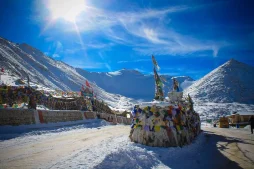
The Khardung La Pass is your gateway to Nubra Valley, considered to be one of the highest motorable passes in the world at 5602 meters above sea level! Nubra Valley is close to the Pakistan border and Siachen glacier, which is why the Indian Army puts maximum efforts to keep the pass open throughout the year.

You can spot wildlife such as Himalayan marmots and grazing yaks on the way to Nubra Valley.

Due to the low temperature, tourists cannot step out of their vehicles for more than 15 minutes, but there is a small souvenir shop at the pass run by the Indian Army. Tourists can stop here to sip on hot tea and check their blood oxygen level at this shop.

nubra valley guide
Khardung La Pass

Diskit Monastery

The town of Diskit is the main commercial hub of Nubra Valley, and one of the most popular tourist attractions in the valley is the Diskit Monastery. Built in the 14th century, the monastery is more than 600 years old, the oldest and largest in the region.

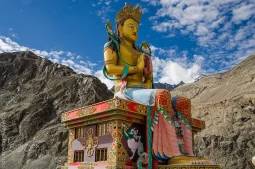
The Diskit Monastery is perched atop a hill and offers panoramic views of the stunning Nubra Valley, snow-capped Himalayan peaks, and sand dunes. The monastery has several prayer halls and shrines, but the most renowned piece of architecture here is the statue of Maitreya Buddha, which is over 32 meters tall.

The statue of Maitreya Buddha atop Diskit gompa overlooks the Shyok river and some stunning landscapes. It was built in 2006 for protection of the home village, prevention of war in Pakistan, and promotion of world peace.

Home to around a hundred monks, the monastery has a few ancient murals, manuscripts, and thangkas, which gives a glimpse into the rich cultural heritage of the people of Ladakh.

Diskit monastery hosts the annual Dosmoche festival in February every year. The festival involves traditional rituals and dances.

nubra valley
Diskit Monastery

Hunder Village

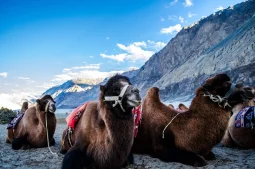
When you think of the Himalayas, you think of snow, but there is a tiny village in Nubra Valley which houses a desert! Hunder Village, just 8 kilometers from Diskit, is known for its high altitude sand dunes, gorgeous landscapes, and the Bactrian camel. Surrounded by the Karakoram mountain range at an altitude of around 10,000 feet, these sand dunes are called “desert in the sky”. Once a part of the old Silk Route, Hunder is known for the sea buckthorn plants that grow here.

One of the most popular things to do in Hunder is the Bactrian camel ride. Bactrian camels are double-humped and were once used for transportation along the Silk Road. Today, tourists can take rides on these camels along the sand dunes of Hunder. You can also try quad biking at the sand dunes.

Hunder also has many ancient monasteries, of which, the Hunder Monastery is over 350 years old and overlooks the village and the surrounding landscapes.

The village has local markets which you can explore and try traditional Ladakhi cuisine such as momos, thukpa, and butter tea.

nubra guide
Bactrian Camels

Yarab Tso Lake

The pristine Yarab Tso lake in Nubra Valley might be Ladakh’s best kept secret. 15 kilometers from Diskit, you need to trek to get to this sacred lake. The trek starts from Panamik Village and you have to walk for around half an hour to reach the hidden lake. The lake is so clear and pure that you are not allowed to swim or wash yourself here. Just sit by the lake and take in the clean air – you will feel peace like nowhere else.

Siachen glacier

Siachen glacier is the longest glacier in the Karakoram mountain range. Located on the LoC (Line of Control), the 76 kilometer stretch is the highest battlefield in the world. Gained control of by the Indian Army in 1984, Siachen Glacier is still a point of conflict between India and Pakistan.

Siachen Glacier has been opened for tourists since 2019. Tourists can travel from Siachen base camp to Kumar post, located above 4,500 meters. During winters, the temperatures fall below -60 degrees at Siachen glacier.

nubra valley guide for travelers
Siachen Glacier

Samstanling Monastery

A quaint village in Ladakh, Sumur houses the Samstanling Monastery, the second largest in Nubra Valley. The triad colors, red, white, and gold are in full display at this monastery, but the monastery itself is hidden beyond a trail of plants and bushes.

The Samstanling Monastery was established more than 140 years ago by Lama Tsultim Nima. Home to around 50 monks, the monastery has two assemblies featuring Buddha artwork and murals.

From Sumur village, you can take a taxi or walk for fifty minutes to reach the monastery.

Turtuk Village

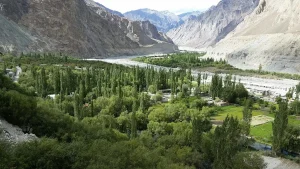
Known as the last village in India, Turtuk was once an important path on the Silk Route. If you love hiking and nature, you should definitely visit this picturesque village. The place is renowned for apricots and walnuts, and indeed, you will see the landscape of the village filled with rows and rows of apricot trees. This is also the largest apricot producing village in Ladakh, and the fruits are considered to be the sweetest in the region.

Turtuk is a predominantly Muslim province with around 3500 residents. The village has Balti population, an ethnic group of Tibetan and Dardic descent. The Turtuk residents speak Balti language, a mix of old Tibetan and Persian languages.

Turtuk is only 12 kilometers away from the Pakistan border. The village was opened to tourists in 2010. Before that, it was not accessible to outsiders or Indian tourists. 

nubra valley
Turtuk Village

Panamik Village

A small village in Nubra Valley, Panamik is 150 kilometers away from Leh and is in close proximity to the Siachen glacier. Before Turtuk and Siachen Glacier opened to tourists, Panamik village was the last village and northernmost part of Nubra Valley where tourists were allowed.

The village is known for its sulfur hot springs which have many health benefits and medicinal properties. A lot of patients with rheumatism and other ailments visit the village to take a dip in the hot water springs.

It is also a base for the trek to the Ensa Monastery, a 250-year-old monastery. This Buddhist monastery overlooks the white peaks of Nubra Valley. The ancient walls of Ensa Gompa are adorned with dark paintings, while the outside is decorated with prayer flags.

Best time to visit

The best time to visit Nubra Valley is from June to October. This is peak tourist season, since the weather is pleasant and perfect for sightseeing and being outdoors. This is the monsoon season in most of India, but since Nubra is at a high altitude, it receives very little rainfall.

You will find crowds in many places in Nubra Valley during this season, but on the upside, there are more restaurants, cafes, and souvenir shops open during this time.

From April to May, the weather is less predictable and slightly cooler, but tourists are also fewer in number. The natural landscape of the region at this time is scenic, with wildflowers blooming everywhere.

November to March is off-season in Nubra Valley. The weather is unpredictable and cold, with extreme drops in temperatures at night. Tourists usually avoid the region during this season due to the harsh weather conditions. Quite a few tourist services are shut, but if you do visit during this season, the place is a winter wonderland. Plus, with little to no tourists, you have the valley to yourself. Most of the festivals celebrated in this region happen during this season. Losar, Christmas, and New Year take place in December; Makar Sankranti in January, and Dosmoche in February.

Read more: Best time to visit Leh Ladakh

nubra valley guide
Domosche Festival

Where to eat

You will find a lot of restaurants and food joints in Leh, but there might not be any options at the Khardung La Pass as you travel from Leh to Nubra Valley. Make sure that you carry enough food till you reach Nubra Valley.

Once you reach Nubra Valley, there are many eateries here, especially in Diskit, Turtuk, and Hunder. Most of the places serve Tibetan and Chinese food, including momos and thukpa. You will find a few places known for Balti dishes.

The Tibetan Kitchen, Corretto Leh, Bonfire Cafe, and Gyantse Restaurant are few of the places you should check out for some lip smacking food.

Where to stay

There are many hotels and homestays around Nubra Valley where you can stay during your travels. A popular tourist destination, Nubra Valley offers budget friendly camps to high end hotels for accommodation.

Diskit has a few guesthouses in the mid-budget range. They also provide tents if you want to camp outside. Sumur has a few camps with all the basic facilities. Hunder village also has some good 3 star and 4 star hotels for accommodation. You can even stay in homestays and learn more about the culture and lifestyle of the local tribes like Balti.

Nubra Eco Village, Stone Hedge Ladakh, White Sands Resort, Lchang Nang Retreat – The House of Trees, and Hunder Stay and Camp are few of the popular accommodation options in Nubra Valley.

nubra valley comprehensive guide for travelers
White Sands Resort

Other essentials to keep in mind

  • There is a hospital in Diskit village where you can get basic medical help and treatment.
  • Most phones will not get a signal in the remote parts of Nubra Valley. A BSNL postpaid connection works in many parts of Nubra Valley, but there will still be a loss of signal in some places.
  • There are no banks or ATMs in Nubra Valley. The last ATM on your way to Nubra Valley from Leh is on Khardung La road, so make sure you carry cash with you from Leh itself.
  • There are two petrol pumps around Nubra Valley, one in Diskit, and another in Tangtse.
  • Stay hydrated at all times. Try to carry a water bottle that you can refill in order to reduce plastic waste in the Himalayas.


Would you like to visit Nubra Valley? At India Someday, we curate customized trips based on your preferences and needs. Contact us and we will help you plan the perfect trip tailormade to your requirements!

12 Best Examples of Mughal Architecture in India

There are many examples of Mughal architecture in India, as the Mughals reigned in India for around three centuries. Mughal architecture in India flourished during the reign of the Mughal empire from 1526 to 1857. A blend of Indo-Islamic-Persian styles of architecture, the new style found a place in various renowned monuments all over India. Here are some of the most famous examples of Mughal architecture in India.

1. Taj Mahal, Uttar Pradesh

Timings: Day visit – 6:00 a.m. to 7:00 p.m. every day except Friday

Night visit – 8:30 p.m. to 12:30 p.m. during full moon, plus two days before the full moon and two days after.

Taj Mahal is the epitome of Mughal architecture not just in India, but across the world. Perhaps the most prominent monument that comes to mind when you think of Mughal architecture, the mausoleum was commissioned by Mughal Emperor Shah Jahan in 1632 for his beloved wife, Mumtaz Mahal.

The Taj Mahal is celebrated as a symbol of love and an architectural marvel. The pristine monument, made entirely out of white marble and semi-precious and precious stones, was built by 20,000 workers over 22 years. The most outstanding features of the monument are the Arabic calligraphy, pietra dura, and the perfect symmetry.

The central dome rises 240 feet up in the sky and is surrounded by four minarets on two sides. Lush gardens cover the ground in front of the monument, with long watercourses and fountains.

If you thought nothing could compare to the beauty of the Taj Mahal in broad daylight, try seeing the monument on a full moon night. Yes, you can visit the Taj Mahal for five days of the month around the full moon.

Keep in mind that the Taj Mahal is closed on Fridays for prayers.

Read more: Things to do in Uttar Pradesh

examples of mughal architecture in india
Taj Mahal, Agra

2. Red Fort, Delhi

Timings: 9:30 a.m. to 4:30 p.m. every day except Monday

As the name suggests, the Red Fort is built of red sandstone, and is a stunning example of Mughal architecture in India. Red Fort was built in 1648 as the fort capital of Shah Jahan, and was once the main residence of Mughal emperors for around 200 years. Even today, it is an important location – it is here that the Prime Minister of India unfurls the national flag every year on Independence Day. 

It comprises palaces, vast halls, gardens, baths, and even a mosque inside the surrounding red walls that rise 75 feet up in the air.

A UNESCO World Heritage Site, the monument spreads across 256 acres and showcases the rich legacy of India. The Diwan-i-Aam and Diwan-i-Khas are two legendary halls in the Red Fort. Two other highlights in the fort include the gorgeous Moti Masjid and Rang Mahal.

mughal architecture in india
Red Fort, Delhi

3. Humayun’s Tomb, Delhi

Timings: 6:00 a.m. to 6:00 p.m.

The first Mughal monument to be commissioned in India, Humayun’s Tomb was commissioned by Humayun’s widow, Bega Begum. The marvelous architectural style of this monument became the benchmark for Mughal architecture. The use of red sandstone and intricate embellishments of white marble in harmony exude elegance. The garden has a Persion Char Bagh layout which divides the garden into smaller segments. The complex includes many iconic buildings, tombs, and mosques, such as Arab Sarai, Nila Gumbad, and Bu Halima.

Humayun’s Tomb, Delhi

4. Bibi Ka Maqbara, Maharashtra

Timings: 8:00 a.m. to 8:00 p.m.

Bibi Ka Maqbara, meaning “Tomb of the Lady”, was commissioned in 1678 by Mughal Prince Azam Shah in memory of his mother, Dilras Banu Begum, posthumously known as Begum Rabia Durani. The monument, located in Aurangabad, draws a lot of influence from the Taj Mahal, which is why the monument is also known as Taj of the Deccan.

The monument boasts beautiful arches, intricate lattice work, floral and foliage designs, and rich interiors. Just like the Taj Mahal, Bibi ka Makbara has four minarets on all sides.

See more: Things to do in Maharashtra

Bibi Ka Maqbara, Aurangabad

5. Shalimar Gardens, Jammu and Kashmir

Timings: 9:00 a.m. to 7:00 p.m.

Shalimar Bagh, or Shalimar Gardens, was built by Emperor Jehangir for his wife Nur Jahan in 1619. Situated on the right banks of Dal Lake, the garden is also known as Faiz Baksh and Farah Baksh. Mughal horticulture shines in this garden as you will see the beautifully manicured lawns filled with various blooming flowers.

The garden has four terraces, numerous fountains, trees, and a wide variety of flowers that bloom in spring and autumn. The garden is connected to the north-east of Dal Lake through a channel. Black marble is used in several places in the garden. A light and sound show is organized daily during the peak tourist season, from May to October.

Shalimar Gardens, Srinagar

6. Pari Mahal, Jammu and Kashmir

Timings: 9:30 a.m. to 7:30 p.m. every day except Friday

Situated on the Zabarwan Mountain Range in Srinagar, the Pari Mahal, meaning “Palace of Fairies”, was once the residence of Dara Shikhoh, the son of Shah Jahan. It was later converted into an observatory for astronomy and astrology. Today, it is an important tourist attraction.

With seven terraced gardens filled with vibrant flowers and exotic fruits, the monument offers a delightful experience to nature lovers. The arched doorways and delicate water features make Pari Mahal a quaint tourist attraction. The location of the palace showcases phenomenal views of Dal Lake in the distance.

Pari Mahal, Srinagar

7. Agra Fort, Uttar Pradesh

Timings: 6:00 a.m. to 6:00 p.m.

The Agra Fort, also known as Fort Rouge, Agra’s Red Fort, or Qila-i-Akbari, was built by Emperor Akbar and later developed by his successors. With panoramic views of the Taj Mahal, the majestic fort was a military base for the Mughal Emperor Akbar. His son Jehangir later converted it into a royal residence.

The fort walls are made out of red sandstone, while the courtyards are adorned with pietra dura inlays. The Jahangir Mahal, Sheesh Mahal, and the Khas Mahal are a part of the Agra Fort.

Shah Jahan was imprisoned in Agra Fort by his son for the last years of his life. Historians believe he was kept in a room with views of Taj Mahal, the monument built by him.

Agra Fort, Agra

8. Akbar’s Tomb, Uttar Pradesh

Timings: 6:00 a.m. to 6:00 p.m. every day except Friday

The resting place of the famous Mughal Emperor Akbar, Akbar’s Tomb in Sikandra has a unique architectural style – it is a blend of Hindu, Islamic, Christian, Jain, Buddhist, and Persian influences, reflecting Akbar’s inclusive approach to religion and governance.

Originally commissioned by Akbar, the monument was completed by his son Jehangir. Use of sandstone and marble, geometric patterns and inlay work define the elegant monument. The structure has three-storeyed minarets. Furthermore, the five-storeyed tomb building is also home to the daughters of Emperor Akbar, Shakrul Nisha Begum and Aram Bano.

Akbar’s Tomb, Sikandra

9. Fatehpur Sikri, Uttar Pradesh

Timings: 6:00 a.m. to 7:30 p.m.

The grand Mughal city of Fatehpur Sikri is just an hour’s drive away from the Taj Mahal. After visiting Sikri, Mughal Emperor Akbar found it auspicious, and constructed the city of Fatehpur Sikri in 1569 and made it the capital of the Mughal Empire.

Within two weeks, the city was abandoned due to a shortage of water supply, but even today, it is breathtaking in its beauty and architecture.

The Buland Darwaza, or the Door of Victory, is a 54 meter high gateway to Fatehpur Sikri. Built of red and buff sandstone, the Buland Darwaza is considered the highest gate in the world.

The expansive courtyards, sculptures, and architecture are a mix of Islamic and Hindu design styles. Some of the iconic monuments in Fatehpur Sikri include Panch Mahal, Palace of Jodha Bai, Jama Masjid, Tomb of Salim Chisti, Birbal’s House, and more.

mughal architecture in india
Fatehpur Sikri, Uttar Pradesh

10. Jama Masjid, Delhi

Timings: 7:00 a.m. to 12:00 p.m. and 1:30 p.m. to 6:30 p.m.

The Jama Masjid, also known as Masjid-e-Jehan Numa, is another example of marvelous Mughal architecture in India. Built by Shah Jahan, Jama Masjid was the imperial mosque during the Mughal era.

Resting on a 10 meter high plinth of red sandstone, you have to walk some stairs to reach the mosque. The huge courtyard is built with red sandstone, with a capacity of 25,000 worshippers during namaz (prayer).

The monument has three massive domes surrounded by four towers and two minarets with a height of 40 meters. You can climb 130 steps up the minaret to viewing galleries with views of Chandni Chowk, a popular street in Delhi. Inlays and carvings on every surface add to the grandeur of the monument.

The Jama Masjid faces west towards the holy city of Mecca. It is a renowned tourist attraction and an important place of worship for Muslims.

mughal architecture
Jama Masjid, Delhi

11. Itmad-ud-Daulah, Uttar Pradesh

Timings: 6:00 a.m. to 6:00 p.m.

Known as Baby Taj, the tomb of Itmad-ud-Daulah was built for Mirza Ghiyas Beg, commissioned by Jehangir’s wife Nur Jahan, in 1628. Very similar to the Taj Mahal, Itmad-ud-Daulah is more detailed in its artwork with intricate carvings, marble lattice screens, geometric patterns, and floral motifs. The dome of the monument is influenced by Persian style of architecture.

The monument is enhanced further by the stone inlay and the Persian garden, Char Bagh, adorned with water streams.

mughal architecture in india
Itmad-ud-Daulah, Agra

12. Taj-ul-Masjid, Madhya Pradesh

Timings: 6:00 a.m. to 8:00 p.m. Open on Fridays only for Muslims

The Taj-ul-Masjid is the largest mosque in India, and one of the largest in Asia. Built over a period of 57 years from 1844, the mosque spreads over 250,000 square feet. Taj-ul-Masjid translates to “Crown among Mosques”. The mighty mosque was founded by Sultan Shah Jahan Begum, the wife of Mughal Emperor Bahadur Shah Zafar.

Taj-ul-Masjid is located by the lake Motia Talab. Constructed out of red sandstone, the mosque has three domes and two minarets. It is even used as an Islamic school during the day.

best examples of mughal architecture in india
Taj-ul-Masjid, Bhopal

Mughal architecture has a rich legacy in India. Even today, they are the main tourist attractions in many parts of India. An important part of India’s history, these architectural marvels are conserved by the Archaeological Survey of India. Did these architectural structures fascinate you? Contact us and we can plan the perfect trip for you based on your preferences!

Is Street Food in India Safe For Tourists to Eat?

Is street food in India safe for tourists to eat? The simple answer is yes, Indian street food is safe as long as you take some precautions and use common sense.

Indian cuisine is one of the most diverse, changing with every region. It is also one of the most delicious cuisines in the world – the flavor palette is such that there is something for everyone in this vast country. The best Indian cuisine can be found, surprisingly, on the streets.

You will often find that the freshest, cheapest, and tastiest food can be found on the streets of India.

India is a popular tourist destination, but many tourists are warned against eating street food in India, because it is considered to be unsafe. But if you exercise some precautions, gorging on Indian street food will be one of the best experiences of your life – there is just so much that street food can offer, and you will be missing out if you do not try food at any of the street food stands you will encounter on practically every road you walk.

Why is street food in India considered unsafe?

India in the media is almost always shown to be crowded, narrow, and unhygienic. However, that is not how most of India is, and this portrayal keeps tourists away from consuming street food in India.

Another factor is that tap water in India is not potable. Since water is used in almost all food preparations, tourists may have some hesitation about trying street food not knowing where the water comes from.

Also, traveler’s diarrhea is nicknamed Delhi Belly, since Delhi is a major food hub in India, and it just rhymes well. But when a city’s name is associated with an upset stomach, it doesn’t exactly promote food in a good way.

Tourists usually need a few days to adjust to Indian food – the water, ingredients, and spices are a lot different here, which is why many tourists face some discomfort after eating Indian food for the first time. But it is not always the street food at fault. It is just a shift in the type of food your body is used to.

It is understandable that tourists are wary of street food in India. But sometimes, street food made in front of you can be much more hygienic than food in a restaurant whose kitchen you cannot see.

Read more: Street food in Jaipur

What to eat

Fried and roasted foods

When in doubt, you can always go for fried and roasted food items. These items are heated in very high temperatures, killing any bacteria that might be present.

Don’t worry if you see a food vendor toss in a half-cooked item into oil to fry it – in India, street food is usually made partially cooked in bulk, and then fried when necessary. It is completely safe. However, do check the quality of the oil. Many vendors reuse the same oil for days, which can be harmful to your health.

street food in india
Fried street food

Fresh fruit juice

You will find many juice stands across India serving fresh and exotic juices. While pre-made juices or anything that is poured from a jug or served in glass can be a risk, you can opt for juices which have been made with fruits freshly squeezed in front of you. You do not know how the utensils have been washed and cleaned.

street food india
Fresh fruit juice

Tea and coffee

Tea, or chai, and coffee, are okay to drink almost anywhere in India. Even if the tea stall doesn’t look the most hygienic, you can be sure that the tea or coffee will be good and fresh. Check out places where there is a crowd waiting for their hot drink. Because of the crowds, you know that the milk is fresh and the tea or coffee is boiled and served hot and fresh in front of you.

street food in india
Street chai

Cooked sauces

While it is recommended that you avoid freshly made sauces like chutneys, since they use water you might need to stay away from, there are a few hot sauces you can definitely go for.

In north and northeast India, you can try momos, or dumplings, which are accompanied by some sauces and chutneys that are fully cooked with different spices.

See also: Calcutta Street Food

Momo chutney

What to avoid

Tap water

Never drink tap water in India. Only drink filtered water or bottled water from a good brand like Bisleri or Kinley. Most decent restaurants serve filtered water, but it is always better to ask. You will find that most locals also prefer bottled water while eating street food, so make sure you also drink only bottled water.  Avoid water-based foods like gol gappas and shaved ice as well.

However, a few places in the Himalayan regions have their own mountain water source. You can drink the tap water there – it might be even better than bottled water!

Do not drink tap water in India

Ice

In a similar vein, you need to avoid ice. The hot Indian climate can often tempt you to get a cool drink, but we don’t really notice the ice that goes into it. Often, ice is homemade, and there is no way to know which water was used, or whether it is safe or not. So just to be safe, avoid ice altogether, whether you are eating street food or at a good restaurant.

Avoid ice in India

Dairy-based food, especially during monsoons

Dairy, especially yogurt, spoils quickly during the monsoon season. So try to avoid dairy-based products like lassi during monsoons from street stalls, or yogurt-based food like dahi puri.

If you do want to try some, go to fast food chain restaurants which will provide you with the same items in a more hygienic way.

street food india
Dahi puri

Cut fruits and salads

You do not know the kind of water that was used to wash fruits and vegetables, so it is best to avoid them. Always consume freshly cooked vegetables and opt for peelable fruits like bananas, oranges, mangoes, and pineapples.

If you do want to try out other fruits or vegetables, make sure you only choose fresh, uncut fruits and vegetables and wash them thoroughly with bottled water before consuming them.

Read: Street food in Mumbai

indian street food
Cut fruits


Tips to follow to enjoy street food in India

Research popular recommendations

Try to find popular street food stalls in the areas you will be visiting. Thanks to the internet, you can find all the information you need on food blogs, social media, and travel forums. Look for cleanliness, quality, and taste while looking at reviews.

While you are in here, do not hesitate to ask the locals for recommendations. They might have some of the best advice and can help you discover some hidden spots that might not be known to other tourists.

Eat where the locals eat

Check out places where there is a crowd of people, especially people with families and kids – these places will usually be more hygienic and cleaner than others, since most parents will not let their kids eat unhealthy food.

Plus, if the place is crowded, there are higher chances of food being fresher, as the food there will constantly need to be cooked and restocked. And if so many locals are eating it, the food is bound to be delicious.

See more: Street food in Old Delhi

street food in india

Check the cleanliness of the place

Do not eat at a place if the utensils used to cook and serve the food are dirty, or if the surroundings are unclean. Even if the food is made fresh, the lack of hygiene in other places can lead to diseases.

Use sanitizing wipes to wipe your plates and spoons, even if they look washed. You can bring your own disposable cutlery if possible. Avoid any places where you can see mosquitoes and flies buzzing around the food.

Avoid street food in the rainy season

Consuming street food during monsoons is not very good for health. The stalls outside often get contaminated with mosquitoes, flies, and other insects. The humid weather also accelerates bacterial growth. Food also spoils quickly in hot and damp weather.

Manage the spice levels

India is the land of spices, and naturally, the flavorful Indian cuisine is full of complicated spice levels that tourists may not be accustomed to. To get the most out of your authentic Indian street food experience, start with milder dishes and gradually increase the level of spice. If you are doing a food tour, try to schedule it 3 to 4 days into the trip, so that your stomach has time to get accustomed to the Indian flavors first.

If you find Indian food too spicy, do ask for less spice in the dishes. Food vendors are usually accommodating and can adjust the spice levels according to your requirements.

Do not overeat

Indian street food is mouth-watering, and you will not be able to resist having more. But keep in mind that if you are not used to spicy food, your stomach will not be able to process this sudden overload of unfamiliar flavors and spice. So make sure that whatever you consume, you do so in moderation.

Stay hydrated

Drink plenty of water. Staying hydrated will help your body with digestion and prevent constipation. Since India is a tropical country, you will also feel fresher if you are drinking a lot of water. Plus, with all the spicy street food you will be consuming, you will definitely need a lot of water to accompany the food.

Eat vegetarian food

Street meat in India is generally best avoided, unless you are visiting places that are especially famous for their meat dishes. You do not know where the meat is coming from, and there are a lot of factors that can spoil the meat.

If you are confused, you can always opt for vegetarian food. India is a haven for vegetarians, and you will be spoilt for choices when it comes to vegetarian street food in India.

On the other hand, if you are craving seafood, make sure you only eat seafood at places along the coast. You can be assured that you will be served the freshest sea produce. Do not order seafood inland, because you can never be sure of the quality of the produce.

Read: Food and Spirituality in Amritsar

is street food in india safe for tourists to eat
Vegetarian street food

Carry basic medication with you

Carry ibuprofen, basic medication for diarrhea, and mild stomach cramps. You can also carry some probiotics with you and an electrolyte solution, although you can easily find it in any of the pharmacies in India.

Also keep sanitizers and anti-bacterial wipes with you at all times.


When in India, your trip won’t be complete without trying the mouth watering street food it offers. As delicious as it is, street food in India or anywhere in the world comes with certain risks. Keep in mind all the points mentioned in this blog, but more importantly, trust your gut. Even if the safest food doesn’t feel good to you, leave it.

India is a paradise for food lovers, so if your mouth is watering after reading this blog, contact us right away and we will plan the perfect trip to India for you! With the best recommendations and your safety before anything else, we are here to help you have the best experience in India.

Let India Someday handle it and plan your best trip.

PLAN MY TRIP subtext