TALK WITH US +91-9970620335
WhatsApp

Souvenir Shopping in India: Best Things to Buy

When you think about souvenir shopping in India, there is always the persistent confusion of what you should buy. This diverse country with its vast culture has so much to offer that you cannot resist shopping, and it is not feasible to take everything back home with you.

To make it easier for you, we have tried our best to make a comprehensive guide about the best souvenirs and what you should buy while shopping in India.

Indian Jewelry

Indian jewelry ranges from necklaces, bracelets, and rings to anklets, nose rings, and bangles, to name a few. The traditional Indian jewelry comes in many types based on the region, and most Indian women wear some sort of jewelry daily.

You will be able to buy Indian jewelry in most parts of the country in the local markets, and each region will have its distinct style of jewelry. It is often uniquely designed with intricate patterns, gemstones, and carvings.

You can get some excellent silver jewelry in Jaipur, like nose rings, bracelets, and bangles. Jharkhand is famous for its tribal jewelry, lesser known and quite inexpensive.

If you are buying gold or silver jewelry, make sure it is hallmarked. There is a good chance that it is fake gold or silver. If the price seems too low, it is probably too good to be true.
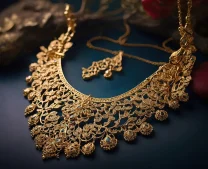
souvenir shopping in india
Indian jewelry

Food items

Very few countries in the world have a taste palette as diverse as India. With different cuisines, tastes, and food in every region of this country, you will be spoilt for choice over the food choices.

Spices

Spices are one of the most popular Indian souvenirs. You cannot leave India, the land of spices, without taking some back home with you. An integral part of Indian local cuisine and Indian lifestyle, each region in India produces and uses different spices, all equally flavorful. Spices are the most important part of Indian cooking.

The Indian spice trade dates back to ancient times, when traders from all over the world traveled to India for spices. With their flavors and exotic aromas, spices found high demand in Europe especially during the medieval period. They were used not just for cooking, but also in perfumes and medicines. Muslim traders were some of the leading and oldest spice merchants towards the end of the 15th century.

You can buy spices from anywhere across the country. Khari Baoli in Delhi is Asia’s largest spice market. You can visit spice merchants in Cochin in Kerala to learn more about Indian spices.

Turmeric, pepper, cloves, cardamom, star anise, and cumin are some spices grown and available in India. Make sure you check the quality of spices before buying.

If you aren’t sure how you would use the spices back home, you can also buy ready-made masalas which are made with these spices and can be added directly to your food to add the distinct flavor. Get some ready-made masalas or spice mixtures like garam masala, chicken tikka masala or butter chicken masala from any grocery store or supermarket.
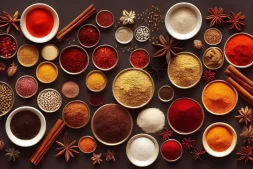
souvenir shopping in india
Indian spices

Tea

You might have heard of Indian tea – India is one of the largest producers of tea in the world. Tea found in different countries has different tastes, and there are many varieties of Indian tea, such as Assam Tea, Darjeeling Tea, Nilgiri Tea, and Kangra Tea, grown in those respective tea growing regions. Indian tea plantation grows mainly in the regions of Assam, Darjeeling, Munnar, Ooty, and Coonoor.

Tea lovers can try out different varieties of tea, such as green tea, masala chai, flavored teas, and kahwa, a Kashmiri specialty. Experience the tea gardens in Assam, Darjeeling, or West Bengal, where you can drink tea made with freshly plucked tea leaves. The Darjeeling tea has a delicate muscatel flavor. Be sure to take some tea leaves back with you! Always buy tea leaves or packed tea instead of tea bags, since the quality of tea bags is subpar.
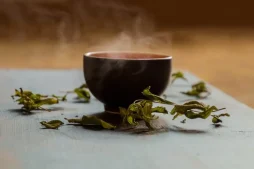
souvenir shopping in india
Tea

Coffee

India is home to many coffee plantations. The South Indian city of Coorg in Karnataka is a major exporter of Arabica and Robusta coffee beans. The coffee from Coorg is aromatic and mild, with rich flavors. The world’s most expensive coffee, civet coffee, is also produced in this region. If you love coffee, this is surely something you need to try and take back home with you.
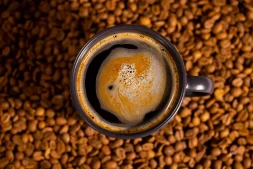
Coffee

Dry Fruits

Goa, along with its beaches, is known for its cashew nuts. The freshness and superior quality of these cashews set them apart from others. You can also buy cashews from the coastal regions of Karnataka.

Walnuts are found abundantly in India and last for a very long time. Not just that, they have many health benefits as well. Kashmir is especially well-known for walnuts, so if you are in the region, this is a good souvenir to buy.
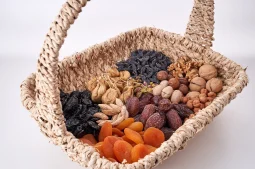
souvenir shopping in india
Mixed dryfruits

Indian Sweets

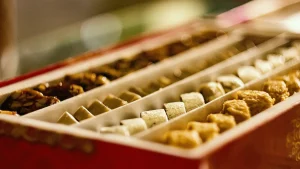
Indian sweets are rich and delicious, making for the perfect souvenir to take back home. Usually made in ghee, these unique delicacies are sometimes so soft that they melt in your mouth! Every region you visit will have its own special and unique range of desserts, so make sure you try something everywhere and if you like it, don’t forget to get some for yourself or your friends back home. Try sweets like kaju katli, petha, laddoos, and gulab jamuns when in India. Don’t forget to check the shelf life of these sweets before buying.
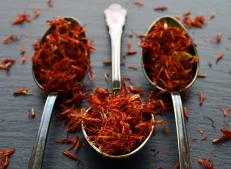
Saffron

Saffron has been used in India for thousands of years, and Kashmir is the main producer of this spice. While expensive, saffron is a very versatile spice, rich in flavors and color. It is also beneficial for health and a part of many beauty products as well. Saffron is one of the best Indian souvenirs to take home.
shopping in india
Saffron

Instant foods

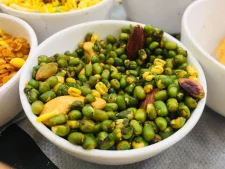
You will find a huge variety when it comes to Indian snacks. There are many instant snacks, which you can simply pop in your mouth, such as different types of sev, khakra, gathiya, banana chips, jackfruit chips, and more, also known as namkeens. You will find the best namkeens in Gujarat and Rajasthan.

There are also a range of snacks which you have to fry and serve. Papads, potato chips, tapioca pearl chips, and fryums can be found in local grocery stores. They have a high shelf life and you can simply fry them in oil when you feel like having a snack.
Namkeen

Clothing and textiles

Pashmina shawls and scarves

The Pashmina shawls or scarves are a popular product of Kashmir, made from wool that comes from cashmere goats in the high altitude region of Changthang in eastern Ladakh. Pashmina literally means “soft gold” in the local language. A lot of workmanship goes into making the Pashmina, and they are expensive. These shawls and scarves are light, soft, and warm. You may find replicas that are a blend of materials or completely fake, so make sure you check the quality of the cloth before buying.

souvenir shopping in india


Textiles

Every region of India has different textiles, all equally beautiful, renowned all over the world, and made of the finest quality. Rajasthan has a range of textiles, like batik, bandhej, leheriya, hand-block printing, indigo dyeing, and Bagru patterns. The Kutch region in Gujarat has colorful textiles with intricate glasswork. Kashmir Silk, or cashmere silk, is made from the fleece of sheep and hair of goats raised in Kashmir, and is one of the best in the world. This light and thin fabric provides a lot of warmth. Khadi, a fabric handwoven by people in rural India, is very versatile – from clothes to bags and curtains, it has many uses.
Sarees

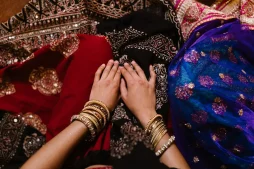
The authentic ethnic wear of an Indian woman, the gorgeous saree has found love everywhere in the world. Every part of India has its own unique type of this great Indian attire, with unique Indian patterns on them.

The Banarasi silk saree, made with gold and silver brocade, from Varanasi, the vibrant Kanjeevaram sarees from Tamil Nadu, Assamese fine silk sarees, and Paithani silk sarees from Maharashtra are considered luxury clothing items and are quite expensive.
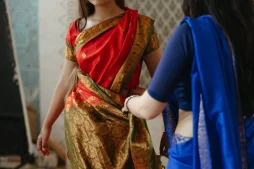
shopping in india

Clothes

Apart from sarees, there are many traditional clothes of India you can look at, such as kurtas, lehengas, salwar suits, and more, along with western wear. While clothing styles vary according to the region and geography, they are all vibrant and beautiful. You will surely find something that suits your taste. Colaba Causeway in Mumbai, Linking Road and Hill Road in Bandra West, and Sarojini Nagar market in Delhi are some of the best places to shop for clothes at a low rate.

See more: Bargaining while shopping in India
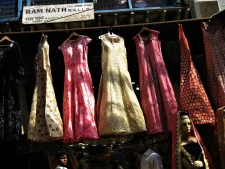
Kutch Embroidery

Originated in Kutch in the 16th century, Kutch embroidery has bright stitches with silk or woollen threads on cotton or silk fabrics, along with tiny mirrors and beads. Kutch embroidery items include clothes, purses, pillow covers, and wall hangings, all handmade with opulent embroidery. These products are a great example of authentic Indian souvenirs.

Carpets and Rugs

Kashmiri carpets are known worldwide for their rich quality and intricate designs. These carpets are made in small batches by skilled artisans and it reflects in the final product.

Another popular place for carpet weaving is Jaipur. In India, carpets are made not just from silk and wool, but also from cotton, jute, grass, bamboo, and coir!

Handloom carpets are sold in a number of shops across India. If you feel that carpets would be too heavy to carry back, you can opt for thin, foldable mats, which are easy to carry.

Indian Footwear

India has a wide variety of footwear in different parts of the country. Since India is a major producer of leather, the footwear in India is not very expensive. While you get a diverse range of sandals, shoes, and slippers all across India, there are some local footwear you can try, such as Kolhapuri chappals in Maharashtra, Juttis (slippers made from camel leather) from Rajasthan, padukas (ancient sandals), and Mojaris from Punjab.

Make sure you try out some local footwear if you are in the region!
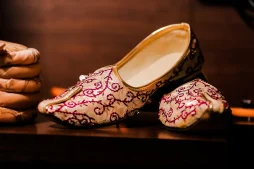
souvenir shopping in india

Arts and Handicrafts

India has many kinds of arts and crafts that have been practiced since centuries, , such as miniature paintings, tribal art, terracotta pottery, etc. Showcasing the true tradition of India, local handicraft makes for some beautiful souvenirs to take back home with you!

Paintings

Different regions in India are popular for different types of art. When it comes to paintings too, there are many different regional painting styles that are popular all over the world. Various Hindu themes, beautiful village landscapes, royal scenes from history, royal rulers, local culture, and daily life are depicted in most of the paintings.

Madhubani paintings from Bihar use natural dyes and pigments to showcase ancient folklores and rituals. Warli paintings from Maharashtra depict the social life of the Adivasi tribal community near Mumbai. Tanjore paintings from Tamil Nadu are made using gold foil and sometimes even gemstones and pearls!

Rajasthani miniature paintings depict historical royal scenes in vibrant colors, perfect for art collectors. You will find shops with painters recreating old miniature paintings in many major cities of Rajasthan.

Some other traditional artwork includes Kalamkari paintings from Andhra Pradesh, Kalighat paintings from West Bengal, Thangka from Sikkim, and Pattachitra from Orissa.

Pottery

Unglazed brownish earthenware, known as terracotta, is quite famous in India. Bishnupur in West Bengal has terracotta temples with figurines and sculptures made of terracotta. The tribes of Chhattisgarh are known for terracotta pottery items, which are great as souvenirs to take back home.

Another kind of pottery is Blue Pottery, distinctive to Jaipur in Rajasthan. Tracing back to Persian, Mongol and Chinese origins, blue pottery was introduced in India by the Mughals. The dough for the pottery is made by mixing quartz stone powder, extremely fine powdered glass, multani mitti, borax, gum, and water. Blue dye is used to color the pottery.

Khavda pottery from Gujarat, Longpi pottery from Manipur, and Black Clay pottery from Uttar Pradesh are also popular. You might find street stalls on highways selling pottery items such as pots, cups, and oil lamps.
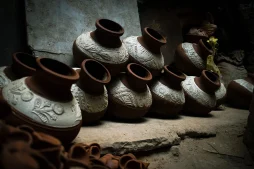
shopping in india

Toys

Kondapalli toys from Andhra Pradesh and Channapatna toys from a tiny village in Karnataka are the perfect souvenir to take back home. These toys are more than just playthings – they are a part of a local Indian culture going back a long way. Puppets are also famous in India, and it is not a children’s toy – the art of puppeteering goes back a long way, and you can even catch a show of the same in Rajasthan.
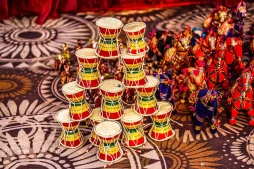
Metal Handicrafts

There are many brass, copper, and bronze artifacts you can get in India, especially in South India. Statues of Hindu deities, oil lamps, intricately carved figures can be a good souvenir to take back from India.
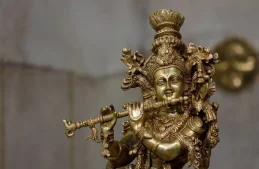
shopping in india

Marble ware

You can enhance your home aesthetics by adding some beautiful marble ware in the house. Agra, known for the Taj Mahal, made entirely of marble, is well-known for marble products.

Pietra Dura is a marble with inlay work of semi-precious stones in floral patterns. You will find products like marble tabletops and wine glasses made with this work.

Intricately carved marble products such as statues of deities, elephants, are also great souvenirs to take home. Marble ware will be expensive, based on the size of the products you buy. You can find a huge collection of marble ware in India.

Bamboo handicrafts

The northeastern states of Assam and Meghalaya offer a variety of bamboo artifacts like baskets, boxes, and other decorative items made by skilled local artisans.
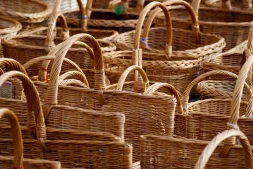
shopping in india
Bamboo artifacts

Ayurvedic Products

The homeland of Ayurveda, India has many ayurvedic clinics and services almost everywhere in the country. It is a form of ancient therapy, Ayurvedic products are made from natural herbs and ingredients like aloe vera, ginger, turmeric, basil, sandalwood, coconut oil, and more.

There are many Ayurvedic products sold locally which you can take back home, such as cosmetic and medicinal serums, soaps, cleansers, and massage oils. Some big brands also work with local forest communities and small-scale farmers to ensure the best quality of products.

souvenir shopping in india - what to buy?

Leather goods

India is the fourth-largest producer of leather in the world, so you can find plenty of leather goods in this country at a reasonable price. Leather journals, bags, wallets, and footwear are some leather products you can get in India. You will also find handcrafted camel leather bags in many markets of Rajasthan and northern India.

Incense and Essential Oils

Incense sticks are a part of the daily spiritual rituals and prayers in India, and can be found in almost any local market across the country. You will be spoilt for choice with the variety of fragrances, so make sure you buy some as a souvenir or for personal use.

Attar is a type of natural, concentrated perfume with an intense fragrance, extracted from various flowers, herbs, spices, and barks, used extensively in India.

Some essential oils produced in India majorly are mint oil, peppermint oil, sweet basil oil, lemongrass oil, eucalyptus oil, and rose oil.

Sandalwood

After African Blackwood, sandalwood is the most expensive wood in the world. This fragrant wood has many medicinal and healing properties. Once used only by royals, this precious wood is used to make furniture, carved handicrafts, bracelets, perfumes, and more. In cosmetics, sandalwood is used in talcum powder and soaps. Mysore has been making sandalwood soap since 1916. Kerala has some gorgeous sandalwood carvings that you can take home as souvenirs.

Buddhist Items

Buddhism is an important religion in India, prominent in the northern states. Many Buddhist items that have religious or spiritual sentiments are a nice souvenir to take home with you. The singing bowl is a type of bell that comes with a mallet. When played, these bowls produce vibrations and a deep sound. The Tibetan Bowls are used for meditation and stress relief.

Prayer beads and prayer wheels, that you can often find in Buddhist monasteries, can also be taken home. Buddha statues are popular souvenirs. You can also buy the popular, vibrant prayer flags that you will see in many regions in the North.

You can buy these items in the northern parts of India like Ladakh and Dharamshala, Darjeeling, and around Buddhist temples and monasteries.
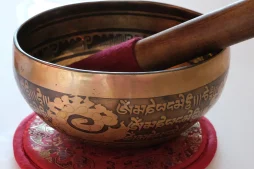
souvenir shopping in india

Tips while shopping in India

  • Do your research about the regional specialities. It is best to buy authentic products from the local bazaars of their place of origin. You are usually assured of the quality, you get better variety and a better price.
  • Learn how to bargain. Most street stores will expect you to haggle for a better price, unless they have a board specifically stating otherwise.
  • Look around before buying the first thing you see, as many shops sell similar items at different rates.
  • Crawford Market in Mumbai in Western India is a shopper’s paradise. It has almost everything under the sun available, although all the products may not be authentic. Still, if you are confused about what to take home with you and are near Mumbai, you should definitely check out Crawford Market – you will surely find something you like!
  • If you are visiting the village or artist where the local products are made, then always make sure to buy directly from them and bargain less for the product. The original artisans of the craft usually get a very small margin of profit from their art.
  • If you are buying an expensive product, get it from a well-known shop.
  • You can ask your driver for suggestions. Usually, they get a commission from certain shops, but you can always check other shops as well if you do not like their suggestions.


So, these are some of the best souvenirs you can buy in India. We hope this guide has made it easier for you to buy souvenirs on your next trip to India! Contact us to plan a customized trip to India based on your requirements. We will be happy to assist you every step of the way on your trip.

 

The Ultimate Guide to the Golden Triangle in India

If you are thinking of visiting India, this is a guide to the Golden Triangle in India, the perfect introduction to this diverse country. The Golden Triangle is one of the most traveled, fastest, and popular tourist circuits in the country. Let’s find out what makes the Golden Triangle in India such a popular tourist choice.

What is the Golden Triangle?

The Golden Triangle of India is one of the best ways to see the beautiful country, especially if you are visiting India for the first time. The route is named so because it covers the three cities of Delhi, Agra, and Jaipur in the country’s north, which makes an almost equilateral triangle on the map of India.

All the cities are rich in history, culture, traditions, and food, but quite different from each other. Delhi, the capital of India, will offer you a blend of traditions and modernity, along with some delicious Indian cuisine. Agra is where you will be able to visit the iconic Taj Mahal as well as some of the most marvelous Mughal structures. Jaipur is home to many great historical forts, palaces, and some of the best bazaars in India.

Why tour the Golden Triangle?

India is a vast country with differences in geography, culture, food, and lifestyle in every region. It can be overwhelming when it comes to choosing where to go and what places to visit. The Golden Triangle is the perfect trip for people who want to cover more in less time, especially for first-time visitors to India.

This compact trip covers many iconic spots in India, without being too hectic in terms of travel or adventure. The three places have a history and culture that is vastly different from one another – you can cover many facets of this country in this short trip.
Plus, if you have time to spare, you can always extend your trip to include more destinations.

If you are a solo traveler, the Golden Triangle is a great choice. The cities of Delhi, Agra, and Jaipur are all tourist attractions, which means you will always be surrounded by tourists.

Whether you are looking for a budget trip or a luxurious one, the Golden Triangle fits the bill perfectly. From budget transport and accommodations to the most luxurious transport and stays, you will be spoilt for choice.

A Guide to the Golden Triangle

Here is everything you need to know about the cities that make up the Golden Triangle in India – Delhi, Agra, and Jaipur.

Delhi – The Vibrant Capital of India

Most Golden Triangle tours start from Delhi, since international flights to Delhi are available from almost all the major cities around the world.

The capital of India, Delhi is brimming with history and culture. The colonial, airy designs of New Delhi are a stark contrast to the narrow, bustling lanes of Old Delhi.

Stroll around Rajpath and grab a bite at one of the many restaurants at Connaught Place in New Delhi. Explore the bylanes of Old Delhi and gorge on some delicious local food in Chandni Chowk – there is a reason why Delhi is called a food lover’s paradise. Visit Jama Masjid, a beautiful structure towering the streets of Old Delhi.

Visit India Gate, an iconic national monument, the Rashtrapati Bhawan – the residence of the President of the Country, and Jantar Mantar in New Delhi. Marvel at the Qutub Minar, a UNESCO World Heritage Site in South Delhi.

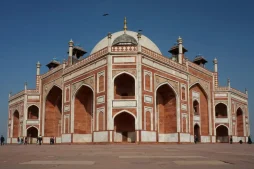
Explore Humayun’s Tomb, the inspiration for the Taj Mahal, and the iconic Red Fort, another UNESCO World Heritage Site. The Red Fort is named after the red sandstone used to build the walls of the fort. The main attractions here are the Diwan-i-Khas, known as Shah Mahal, Diwan-i-Aam, known as the Hall of Public Audience, and the Rang Mahal, also known as Imtiaz Mahal.

Read more: Things to do in Delhi

india golden triangle
Humayun’s Tomb, Delhi

Agra – Home of the Taj Mahal

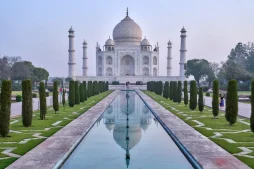
What’s a trip to India without a visit to the legendary Taj Mahal? One of the wonders of the world, the Taj Mahal in Agra is situated on the banks of the Yamuna River. It has been a symbol of love for centuries – Mughal Emperor Shah Jahan had this marble monument built to be the final resting place of his wife, Mumtaz Mahal. Over 7 million visitors come to see this pristine monument every year.

It takes around four hours to travel from Delhi to Agra by road, and even less by train. The Gatimaan Express Train, the fastest train in India, takes just under two hours to reach Agra!

When you actually see the Taj Mahal in person, it is an experience like no other. The backdrop of every quintessential romantic Bollywood movie, the elegance and grandeur of the structure is something you can only experience in person. While a vast majority of people visit the Taj Mahal at dawn to experience the sunrise, Taj Mahal at night by the moonlight is a surreal experience. Only a limited number of people are allowed entry at night for five nights a month during the full moon.

You can go to the Mehtab Bagh across the Yamuna River to get a view of the Taj Mahal from a distance and away from the crowd.

As majestic as the structure is, Agra is more than just Taj Mahal. Visit the I’timad-ud-Daulah, the Baby Taj, or the Sheesh Mahal in the Agra Fort.

You can also explore the deserted city of Fatehpur Sikri, once the capital of the Mughal emperor Akbar. Fatehpur Sikri is a preserved UNESCO site. Built in 1569 to be the capital of the Mughal empire, Fatehpur Sikri was soon abandoned due to political upheaval and a scarcity of water. Mughal Emperor Akbar then moved the capital from Fatehpur Sikri to Lahore in present day Pakistan.

Read more: Best time to visit Agra

golden triangle in india
Taj Mahal, Agra

Jaipur – The Pink City

The Pink City of Jaipur showcases Rajasthani architecture in all its glory.

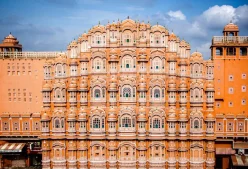
Perhaps the most popular structure in Jaipur is the Hawa Mahal, also known as the Palace of Winds, a five-storeyed architectural marvel amidst the bustling bazaar. Known as the “city of forts”, Jaipur is also home to Amer Fort, or Amber Fort, whose fort walls are known to be second to the Great Wall of China.

You can also visit the City Palace, where the royal family still resides. A large part of the City Palace is converted into a museum, where you can learn about the ancient Rajput rulers of India.

Jantar Mantar, a UNESCO site, is an astronomical observatory designed by Maharaja Jai Singh II. Some other monuments you must visit in the pink city are Nahargarh Fort, Jaigarh Fort, Jal Mahal, Monkey Temple, and Birla Temple.

If you love shopping or are looking for souvenirs to take home from India, Jaipur is the perfect place. The city is famous for its many bazaars selling traditional handicrafts, jewelry, gemstones, pottery items, textiles like block printing and bandhej, rugs, and carpets.

See also: Things to do in Jaipur

golden triangle india
Hawa Mahal, Jaipur

Got some more time? Extend the Golden Triangle tour!

If you can plan a longer trip, then the Golden Triangle can be extended to include some more places that will show you a few more different facets of Indian culture and heritage.

From Delhi, you can travel to Rishikesh, the yoga capital of the world. This spiritual city at the base of the Himalayas is one of the major pilgrimage centres in North India. You can then travel from Rishikesh to Agra, continuing the Golden Triangle.

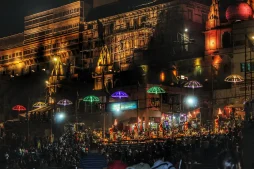
Another addition to your Golden Triangle trip could be to fly to Varanasi from Delhi. The spiritual city of Varanasi on the banks of river Ganges is the ultimate pilgrimage spot for Hindus. You will see a completely different side of India in this place. Attend the morning and evening aartis at the Ghats – it is an experience like no other. Visit the Hindu temple of Kashi Vishwanath here, or the many other temples present in this holy city.
From Varanasi, you can fly to Agra and resume the Golden Triangle.

golden triangle in india
Varanasi

From Agra or Jaipur, you can visit Ranthambore National Park in Rajasthan, home to a rich wildlife, large number of tigers, and stunning landscapes. Above the national park is the Ranthambore Fort, a 10th century structure atop the hill.

You can also visit Udaipur, the city of lakes and palaces. Situated on the banks of Lake Pichola, Udaipur is a majestic city where you can explore the lanes and shops, or simply relax with a boat trip across the lake.

You can travel onwards to Pushkar and Jodhpur, where the magnificent Mehrangarh Fort is located. Get a glimpse of rural Rajasthan as you travel across Rajasthan.

How to get around during the golden triangle tour?

The Golden Triangle is very well connected. If you want the most convenient option, you can catch a flight to each city. If you are on a budget, you can travel comfortably by bus.

But the best way to experience the Golden Triangle is by train. You will get a glimpse of the rural Indian landscape as you travel by train through the countryside. If you have a bigger budget, you should definitely experience the luxury trains of India. The Maharajas’ Express has an itinerary that specially covers the Golden Triangle route. So you can travel the Golden Triangle in the lap of luxury.

guide to golden triangle
The Maharajas’ Express

Within the cities, you can take an auto rickshaw (tuk-tuk), the most convenient and inexpensive way to travel. Cab services like Ola and Uber are also available in most places in India. You can also hire a taxi or car for the entire duration of your stay, but make sure you check the car company before booking. At India Someday, we will help you with all the bookings.

Where to stay during the golden triangle tour?

On your tour of the Golden Triangle in India, you will have a range of options to choose from when it comes to accommodations, from hostels to hotels, and airBnBs to luxury villas. There is something for every budget. You can opt for chain hotels if you prefer familiarity and reliable service. If you truly want to immerse yourself in the local culture, homestays are your best option. Stay in traditional homes and witness the daily local life and the Indian hospitality.

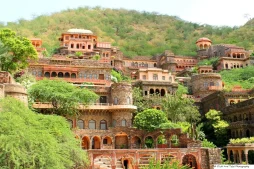
For a luxurious cultural experience, there are many historic havelis and palaces that have been converted into hotels and homestays. You can plan a stay at The Oberoi Amarvilas, Taj Rambagh Palace, Samode Palace, or Neemrana Fort Palace.

ultimate guide to golden triangle in india
Neemrana Fort Palace

If you visit the Ranthambore National Park, you can stay in one of the many luxury safari camps around the region. Taj Sawai, or the Oberoi Vanyavilas, are excellent choices which provide you the ultimate luxury amidst the wilderness.

You can also book homestays for accommodation instead of a hotel: it is the perfect way to get a glimpse of the lives of local people in India.

At India Someday, we will take care of booking your accommodations so that you don’t have to.

Best time to visit the Golden Triangle

The best time to visit the Golden Triangle is from October to March, when the temperatures are relatively pleasant. However, it can get freezing cold in Delhi in January and February, while Agra is fogged up in the mornings these two months.

Delhi has a pleasant climate in February, March, October, and November. But these are peak tourist months, which means that it can get really crowded.

October and November are festive months, with Diwali being celebrated in most of India. In March, you can experience Holi, the festival of colors.

Avoid the summer months of May and June, when temperatures can cross 45 degrees celsius. Rajasthan, a desert state, gets especially hot from April. However, this is also the best time for a wildlife safari in Ranthambore. So if you are adding Ranthambore National Park to your itinerary, make sure you are well-protected against the sun. Use sunscreen liberally and stay hydrated.

The monsoon season from July to September doesn’t affect the north as much as the other parts of India, but there is always a possibility of flooding during these months. Plus, Ranthambore National Park is closed during the monsoon.

Tips while visiting the Golden Triangle

  • Exercise caution while navigating the bustling streets of India. Keep your belongings and valuables safe.
  • Be wary of hawkers or strangers approaching you. You may come across some who can try to scam you into donating money or buying cheap stuff.
  • You can hire a tour guide at the different attractions if you want a detailed insight into the history and culture of the place. There are many tour guides fluent in English who can explain the importance of the attractions in detail.
  • Dress appropriately, especially while visiting places of cultural and religious importance. Avoid wearing revealing or short clothing at such places.
  • Make sure you pack the appropriate clothing according to the season. If you are traveling during summers, carry light clothing and sunscreen. Monsoons call for umbrellas, rain jackets, and appropriate footwear. If you are traveling in winter, carry some warm clothing for the cold nights.
  • Always opt for bottled water from brands like Bisleri or Kinley. Do not drink tap water.
  • Street food in India is delicious, but make sure you only eat it if it is prepared fresh in front of you. Foreigners in the country, who are not used to the local Indian cuisine, often get the Delhi belly, or travelers’ diarrhea. 
  • Avoid traveling alone after dark, especially if you are a female solo traveler.
  • Research the Golden Triangle well before planning your trip in order to get the most out of it. At India Someday, we help you plan your trip so that you can focus on enjoying the Golden Triangle tour to the fullest!

So, when are you planning to visit the Golden Triangle? You can tweak the trip based on your requirements. To know about India’s Golden Triangle tour in more detail, contact us and we will plan the perfect Golden Triangle tour in India for you!

Is it Safe to Travel in India?

If you ask us “Is it safe to travel in India?”, we would say, “Yes, absolutely!” Of course, there are a few conditions to this statement but in general, India is a safe country to travel to. With the highest population in the world, scary news articles, and constant border tensions, it is still difficult to not put India on your travel bucket list. From the incredible beauty of the country to its warm hospitality, India has a vibe of its own. So we have put together a guide to safety while traveling in India.

Is it safe to travel in India?

It is natural to wonder if it is safe to travel in India, owing to all the incidents that keep cropping up in the news. And with the diversity, chaos, and crowds, India can be overwhelming at times. However, it is generally a safe country for travelers. With that being said, there are still a few issues that plague the country with respect to travel and tourism.

Political unrests

India and Pakistan are often in a state of unrest over the state of Kashmir. Political violence is a risk, especially in Srinagar and the Kashmir Valley in the north, and some regions in northeast India. Make sure you check the current news and be alert for any suspicious behavior. Always check the security situation in Kashmir before planning a trip to that region.

Scams

India, like many other countries, has its fair share of tourist scammers. The scams come in many forms, such as begging, donations, ATM scams, property scams, and more. Try to steer clear of anyone who tries to approach you for a cause, and make sure you keep your valuables safe.

Be wary when visiting India’s street markets and shops. Even though India is not a very expensive country, if it sounds too good to be true, it probably is.

Sometimes, the local police might ask you for a road fee. Do not pay it. However, tolls are legal and you have to pay them.

Pickpocketing and Petty Theft

Where there are crowds in India, there is a possibility of pickpockets in the area. And since India is crowded in most places, you need to be careful with your belongings and valuables. You could experience bag-snatching or thefts even in hotel rooms if you are not careful.

Food and Hygiene

Hygiene in India is not the best in the world. While most fine dining restaurants will take utmost care of hygiene, some smaller places and street food might not bode well with foreign tourists. Indian food is also spicier than many people can handle.

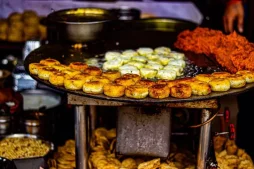
While we would recommend that you try the authentic street food of India, it can be a risky business. So if you want to try street food, eat only that which is prepared freshly in front of you. Also make sure you carry some instant foods with you, in case Indian food does not agree with you. There are also many fast food chain restaurants in India, such as McDonald’s, KFC, Burger King, and Pizza Express which you can opt for.

Drink only bottled water from reliable brands like Bisleri and Kinley. Do not drink tap water anywhere in India.

Read more: Is street food in India safe to eat?

is it safe to travel in India?
Street food in India

Illnesses

Malaria, tuberculosis, and many other viruses and bacterial diseases can be found in India. Animals can also carry diseases like rabies and herpes B. The Indian government requires vaccines against yellow fever and recommends a flu shot and some other vaccinations.

Check with your country and India for all the vaccines recommended before flying to India. Check for any disease outbreaks in the country. Also buy travel insurance which covers health emergencies and medical evacuations.

Climate and natural disasters

In a country as naturally diverse as India, every region in every season has its own weather issues. From snowstorms to earthquakes and floods, India can experience anything.

In summer months, many parts of the country face severe heat waves. Monsoons bring in floods in many parts of the country, while there may be snowstorms in the northern part of India during winters. Earthquakes, while uncommon, can also occur in the northern regions.

Transport

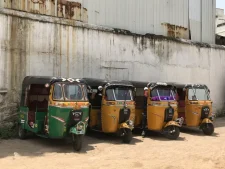
Local transport in India is quite inexpensive, but tourists are often scammed with much higher rates than applicable. Always try to find an auto rickshaw or taxi with a properly running meter. Also try to get an estimate of the transport rates beforehand, so you can haggle with the drivers. Hire reliable cars and drivers, or ask the hotel to arrange cabs for you. There are also some cab services like Ola and Uber, which offer a fair price and work in most cities across India.

Autorickshaws in India

Harassment

Unfortunately, street harassment is common in many places in India. You will experience staring, or attempts to start a conversation, although in most places, people will keep their distance from you. You might also experience cat-calling from strangers in India.

For women, especially, this is a cause for concern. Groping is a common occurrence in crowds, so we would recommend avoiding crowds as much as you can. There is also a danger of more serious assaults, so exercise caution. Avoid traveling alone in quiet areas, and during the night. If you feel unsafe at any point, do not hesitate to draw attention to yourself, or go to a police station.

Is India safe for women travelers?

There are a few problems that India shares with many other countries when it comes to solo and women travelers. Locals are generally welcoming, but it is not uncommon for female travelers to face the occasional staring or catcalling in many parts of India. While this is no reason to avoid a trip to India, female travelers do need to follow more precautions, especially if they are traveling solo.

If you are a female solo traveler in India, it is highly recommended that you choose reservation for women wherever possible. All trains and buses have seats reserved for women, so choose those. Keep a safe distance from men, since you will be met with unwelcome staring and ogling especially as a foreign tourist. Keep someone informed about your whereabouts at all times.

Read also: Traveling as a solo woman in India

Is India safe for female travelers?

Safety tips while traveling in India

  • Dress modestly, especially in rural areas and religious sites.
  • Make sure you get all the vaccinations recommended by your country before traveling to India.
  • Pack essential medicine from home in case of emergencies.
  • Be mindful of your belongings and valuables.
  • Be up to date on the latest news and avoid areas experiencing civil or political tensions.
  • Research as much as you can about the places you will be visiting.
  • Contact your embassy or consulate if you face any trouble in India.
  • If possible, learn some local words and etiquettes to help you communicate better with the people.
  • Avoid going out alone at night in isolated areas, especially women travelers.
  • Keep the emergency contact numbers with you at all times:
  1. Police – 100
  2. Ambulance – 102
  3. Fire – 101
  4. Women Helpline – 1091
  5. National Emergency Number – 112

Some of the safest places in India

While you will be safe in most places in India, incidents can happen anywhere in the country, or even the world. But there are some places in India which are comparatively safer than the rest.

Mumbai

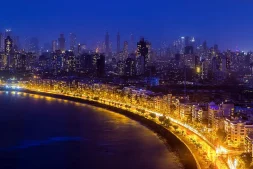
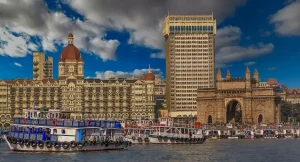
Mumbai is one of the safest places in India, and also much loved by foreign tourists. The city that never sleeps welcomes travelers at any time of the day or night with equal enthusiasm. Home to one of the largest slums in the world and the most expensive house in the world, Mumbai is a city of contrasts happily co-existing.

One of the safest places in India
Mumbai

Kolkata

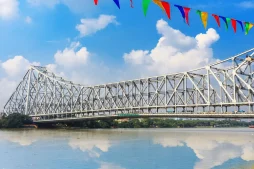
Kolkata has the lowest rate of crime in India, making it one of the safest cities in the country to visit. The city will take you to a bygone era, with its impressive architecture, trams, and delicious street food.

Visit the iconic Howrah Bridge, Victoria Memorial Hall, Eden Temple, Mother House, or Prinsep Ghat.

safety india
Kolkata

Kerala

Kerala is one of the safest places in India, and Cochin, one of the safest cities. The state has well-maintained roads and friendly, educated people. Kerala also has much better hygiene than the rest of the country, as it is one of the cleanest states in India.

safe in india
Kerala

Goa

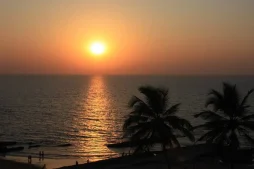
Goa is quite the paradise for beaches and parties. It is safe to travel around this state, but it is still better to avoid being out past midnight, especially if you are a female solo traveler. When it comes to beaches, you can wear a bikini on the private beaches, as you will be met with stares on public beaches.

travel safety in india
Goa

Pune

Pune in Maharashtra is known as the Oxford of the East, owing to the many educational institutions in the city. It is one of the safest cities in India, with much to explore. There are many historic forts and iconic temples around the city that you can visit. If you love nature and history, Pune is a great place to visit.

safe to travel in india
Pune

Chennai

Chennai has many travel spots perfectly safe for tourists to visit, from beaches and temples to museums and educational institutions. Visit Marina Beach, IIT Madras, Besant Nagar Beach, and the San Thome Church.

is it safe to travel in india
Chennai

We hope this small guide was helpful to you! If you want to plan a trip to India, contact us and we will help you with booking the safest accommodations and transport, so you can enjoy your trip to this beautiful country without any worries!

10 Best Treks in India

India is a trek-lover’s paradise, and it is quite difficult to choose the ten best treks in India. With a geographically diverse terrain, you can find a trekking destination practically anywhere in the country. From dirt trails to rocky roads, dense forests to river crossings, and deep valleys to snow-capped peaks, India has some of the most mesmerizing treks and trails in the world.

Here are the 10 best treks in India.

1. Triund Trek, Himachal Pradesh

Best time: May to June

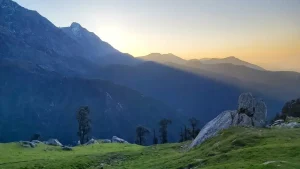
The Triund Trek is one of the best hikes for beginners and nature lovers. It is a pleasant trek into the beautiful Dhauladhar range, starting from Dharamkot near McLeodGanj. You can take a bus to McLeod Ganj from the town of Dharamshala. The beautiful trail goes through deodar, pine, rhododendron, and oak forests with stunning views of snow-capped peaks and the Kangra valley.

From 9350 feet above, you are gifted with the most amazing sunset.

This trek can be completed in a day, although you can camp at the summit and spend the night stargazing from your tent.

Read more: Trekking in McLeod Ganj

best treks in india
Triund Trek

2. Valley of Flowers Trek, Uttarakhand

Best time: July to September

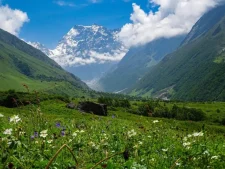
One of the most loved hiking destinations in India, Valley of Flowers is literally just that – a valley filled with wildflowers in full bloom towards the end of monsoon. Located at an altitude of 14000 feet, the trek is fairly moderate in difficulty.

Located in Chamoli district in Uttarakhand, the Valley of Flowers is a UNESCO World Heritage Site. The Valley of Flowers National Park is a part of the Nanda Devi Biosphere Reserve, boasting more than 300 kinds of flowers, including marigold, poppies, daisies and primulas. It is also home to many medicinal plants and few animals like Asiatic black bears, brown bears, and even snow leopards.

This trek also follows to Gurudwara Shri Hemkund Sahib Ji by the Hemkund Lake, one of the highest Gurudwaras in India.

best treks in india
Valley of Flowers Trek

3. Great Lakes Trek, Kashmir

Best time: July to September

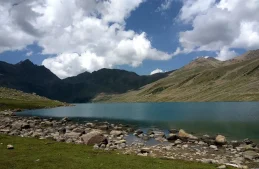
The gorgeous trail starts from Shitkadi, a small hamlet near Sonmarg and ends in the Naranag village. The trek takes seven days and true to its name, it offers sights of seven stunning glacial lakes, valleys, and three high passes of the Himalayas.

The trek by itself isn’t very difficult, but you will have to spend two days acclimatizing in Sonmarg before the trek to prepare yourself for the 13,800 feet altitude. The trail passes through lush green meadows full of wildflowers and clear streams with views of the snow-capped mountains in the distance.

Since this trek is near Srinagar in Kashmir, make sure you check the security situation before traveling. Political unrest in Kashmir has been going on for years and can occur during the summer months.

See more: The best places and tips for hiking in India

best treks in india
Kashmir Great Lakes Trek

4. Nongriat Trek, Meghalaya

Best time: April to June

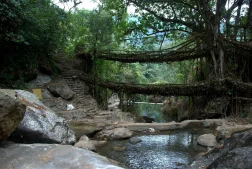
The plateau of Meghalaya has an abundance of hidden valleys, waterfalls, and folklore. One of the most popular attractions of Meghalaya is the living root bridges, crafted by generations of the indigenous Khasi villagers. These natural bridges are formed by weaving together tree roots and branches, and there is an especially famous double decker living root bridge!

The trek to Nongriat starts from Tyrna village near Cherrapunji, the wettest place on earth.

Living root bridges, hidden valleys, waterfalls, lush rainforests are a part of the trail which requires a descent of over 3500 stone steps passing through rainforests full of butterflies and forest insects.

There are a few provisional shops along the way, but it is recommended that you come with a local guide. Plus, it rains profusely in this region, so pack a rain jacket and waterproof shoes.

treks in india
Nongriat Trek

5. Hampta Pass Trek, Himachal Pradesh

Best time: June to September

The Hampta Pass, 14,010 feet above sea level, divides the lush green Kullu Valley and the barren deserts of Lahaul and Spiti. Starting from Jobra near Manali to Chhatru Settlement, you will be greeted with one scenic view after another. Trek through forests of deodar, oak, and birch, with verdant meadows and glacial streams on the way.

You can see the snow-covered peaks of Deo Tibba and Mount Indrasan from the top of Hampta Pass. The trek takes 5 days to complete.

For some more adventure, you can start  from the end-point of the Hampta Pass trek and drive for two hours to the mesmerizing Chandra Tal, or Moon Lake, located 13,944 feet above sea level.

Trekkers can camp at designated campsites on the way, such as Chika, Balu Ka Ghera, and Shea Goru.

best treks in india
Hampta Pass Trek

6. Chembra Peak, Kerala

Best time: November to February

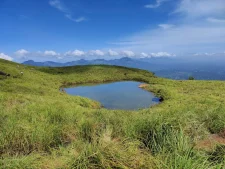
Perched 6890 feet above sea level in the Wayanad region of Kerala is Chembra Peak, the tallest summit in Kerala. The trek starts from the watchtower near Chembra Peak VSS Forest Office near Meppadi and follows a beautiful trail of tea gardens, coffee and spice plantations, and dense forests.

Around halfway up the peak, a heart-shaped lake, Hridaya Saras, awaits, while the top offers breathtaking views of the Western Ghats.

See more: 5 popular places to trek in South India

treks in india
Chembra Peak Trek

Overnight stays are not allowed on this trail, but that is not an issue, since the trek takes less than a day to finish. Additionally, only 200 hiking permits are granted daily, and you need to register with the forest office to secure the permit. Avoid the monsoon season, since the paths become muddy.

7. Dzongri – Goecha La Trek, Sikkim

Best time: Mid-March to June and September to mid-November

The Goecha La trek is a challenging one, but the views are unmatched!

The route starts in the town of Yukson, a place with historical significance. The trail gets demanding at the Goecha Pass, as it passes through Khangchendzonga National Park, where you might come across Buddhist chorten, oak trees, rhododendrons, and wildlife like red pandas and musk deer.

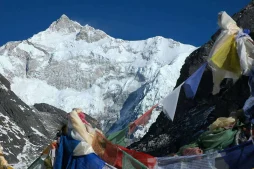
At the end, you are rewarded with some of the best views you have ever seen, including Mount Kanchenjunga, the third-highest mountain in the world. You can also see the peaks of Mt. Pandim and Mt. Kabru.

You can also hike to Dzongri peak at 4000 meters for a spectacular sunrise. This trek will give you a glimpse of the cultural and natural heritage of Sikkim.

You will need to be acclimatized before you start the trek to reduce the risk of mountain sickness.

best treks
Goecha La Trek

8. Markha Valley Trek, Ladakh

Best time: June to September

The Markha Valley Trek is one of the most gorgeous treks in Ladakh. The trek begins in Chilling village near Leh and ends at Shang Sumdo. The terrain changes from barley fields to hanging bridges and rocky canyons, swinging from easy to moderate difficulty.

The trek follows the Markha River in many high passes, including Ganda La and Kongmaru La. You get amazing panoramic views of the landscape with the Kang Yissay and Stok Kangri peaks.

The trail also passes through Hemis National park, home to some exotic wildlife such as blue sheep, Asiatic ibex, Himalayan marmot, and even snow leopards during winters. You will encounter many monasteries and Buddhist villages on the way. You can make an overnight stop in one of the village homestays on the trail.

Hikers need to acclimatize themselves before embarking on this trek, since it crosses a 17,060 feet pass.

treks in india
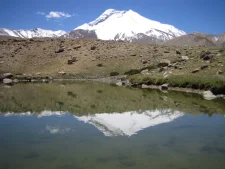
Markha Valley Trek

9. Rajmachi Trek, Maharashtra

Best time: June to September

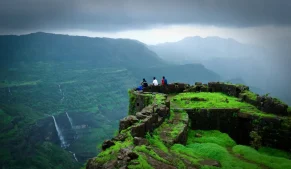
Rajmachi Fort in Maharashtra is one of the most magnificent medieval forts in the Sahyadri hills, perfect for trekking. Popular as a monsoon trek, this trail offers views of lush green valleys, waterfalls, stunning views of the Sahyadri mountain range, and fireflies around your campsite at night!

If you love history and architecture, this is the perfect place for you! Explore the twin forts of Rajmachi – Shrivardhan and Manaranjan, or visit the Bhairi Caves nearby. The fort also has Buddhist caves and temples from the 16th century. You might also spot wildlife like wild boars, deer, various birds, and even leopards!

This trek is fairly easy and perfect for beginners, as the highest altitude is 3000 feet above sea level, and it can be completed within a day. Plus, the trail is well-marked, so you don’t need a guide to finish it.

treks in india
Rajmachi Trek

10. Sandakphu Phalut Trek, West Bengal

Best time: Mid-March to May

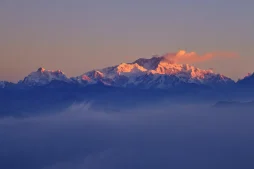
The highest point in West Bengal, Sandakphu is known as “Trekker’s Wonderland”. The 45 km trek leads to phenomenal views of the Everest cluster and peaks of Mt. Kanchenjunga, Lhotse and Makalu from an altitude of around 11,500 feet. You will also get to see the “Sleeping Buddha” Massif from the top.

The trail, located near Singalila National Park, passes through quaint villages and mystical silver fir and rhododendron forests, with some monasteries, stupas, beautiful lakes, rivers, and stunning sunsets on the way.

You will come across the Kalapokhri, or the Black Pond, considered holy by the Buddhists, and the Valley of Poison, called Bikhey Bhanjyang. You might also spot the red panda, Himalayan black bear, or the clouded leopard on the trek.

best treks in india
Sandakphu Trek

So, which trek fascinated you the most? Let us know and we will help you plan the perfect trip around it! At India Someday, we curate personalized itineraries for your trip to India based on your likes and requirements. Contact us and together we can plan the perfect trip to India for you!

Is India Safe for LGBTQIA+ Travelers?

Even though India has decriminalized homosexuality, the question still remains – is India safe for LGBTQIA+ travelers? LGBTQIA+ travelers are those who identify as lesbian, gay, bisexual, transgender, queer, intersex, asexual, and those who identify beyond these sexualities and gender expressions.

Every traveler deserves to have a fun and safe experience on their trip, but India being largely conservative, the LGBTQIA+ community may run into some issues while visiting the country.

LGBTQIA+ rights in India

The legal status of LGBTQIA+ rights in India is complicated. Homesexuality was decriminalized in India in 2009. However, it was again made illegal in 2013, and then decriminalized once more in 2018. In 2014, India granted legal recognition to transgender people as third gender, one of very few countries with such a law. In 2022, LGBTQIA+ partners gained some rights as “live-in” couples.

Even though the legalities of LGBTQIA+ community are complex, it is a non-issue in India, as long as they behave in compliance with the local customs of the region.

is india safe for lgbtqia+ travelers

Is India safe for LGBTQIA+ travelers?

Whether or not the people of India are open-minded about the LGBTQIA+ community, you are safe in India.

Tourism is a large industry in India, and the country is welcoming to all visitors of any community. Queer Western travelers enjoy the “tourist privilege” in this country, where the foreigners are treated differently than locals here. The locals often overlook a few things about foreign tourists that they may not tolerate among their residents.

We, at India Someday, have hosted many couples from the LGBTQIA+ community in India, and they have always had a lovely experience in the country.

However, India is majority a conservative society, and public displays of affection are frowned upon, even among heterosexual couples.

Read more: Best time to visit India

Local attitudes towards the LGBTQIA+ community

There have been many changes in LGBTQIA+ laws over the years, many of them positive, yet people of this community are sometimes harassed. Because Indian society has not yet fully accepted same-sex relations, queer scenes in India are still quite discreet as compared to the other parts of the world.

However, you might often see Indian men being openly affectionate with each other – holding hands, walking arm-in-arm, sitting extremely close to each other, or talking closely. But do not mistake them for sexual partners – they are not gay or in a relationship.

There are no places in India that are especially banned for the LGBTQIA+ community. All major tourist attractions are open for all LGBTQIA+ guests as well, although it is important to respect the local customs and be modest in public.

LGBTQIA+ friendly destinations in India

While it is not generally unsafe for LGBTQIA+ travelers to explore India, here are the top places in India that accept the community wholeheartedly.

Mumbai

One of the most progressive cities in India, Mumbai is loved by domestic and international travelers alike for the freedom it offers. The city is also known as the “gay capital of India”. The Mumbai Queer Film Festival, known as KASHISH, is held every year in May and celebrates LGBTQ+ cinema.

lgbt in india
Mumbai

Goa

Goa is one of the few places in India that doesn’t discriminate among people of different communities. The state has many gay-friendly clubs, stays, and beaches.

Some of the major attractions for the LGBTQIA+ travelers in Goa are privately organized tea-dances, hang-outs, and open-air beach parties.

lgbtq in india
Goa

Delhi

The capital of India, Delhi is one of the first LGBTQIA+ community supporters in india. The first Queer Pride Parade was held in November 2007 and takes place every year to celebrate the LGBTQIA+ community and their supporters.

lgbtq in india
Delhi

Bangalore

If you are looking for LGBTQIA+-friendly destinations in India, Bangalore should definitely be on your list. The city is famous for its lesbian motorcycle club and the Dykes on Bikes procession that took place at the Bangalore Pride of 2013 for the first time. The city also holds the Bangalore Queer Film Festival every year, as well as the Gender Bender Festival.

The city also has many queer-friendly places and events that you can check out.

lgbtqia+ travelers in india
Bangalore

Tamil Nadu

Tamil Nadu was the first state in India to recognize transgender rights. The Chennai Pride is held in June each year under the banner of “Tamil Nadu Rainbow Collation”. The Chennai International Queer Film Festival, known as “Reels Desires” started in 2004 and includes panel discussions on the same themes. The annual festival of Koovagam sees tens of thousands of transgender women come together for an 18-day long temple festival.

is india safe for lgbtqia+ travelers
Tamil Nadu

LGBTQIA+ Travel and Safety Tips

  • LGBTQIA+ tourists are advised against making public displays of affection with your partner. But that is true for all couples – try to avoid being intimate in public.
  • Try to choose 4 star or 5 star accommodations. These hotels and places are usually more LGBTQIA+ friendly, and your sexuality will not be an issue in such places. In fact, many luxury hotels actively seek LGBTQIA+ business.
  • India is primarily a conservative country, so try to be respectful of that. Avoid public displays of affection especially in rural areas. Lesbian couples usually do not face any issues with respect to their sexuality, although their concerns may be about safety and harassment.
  • If you decide to use dating or hook-up apps in India, be careful not to meet alone at first. Always meet someone in a public place and make sure someone knows about it.

So, let us know when you are planning a trip to India! At India Someday, we create personalized trips to India for you based on your preferences and requirements. Contact us, and together we can plan the perfect trip to India for you!

World’s Most Holi-Obsessed Countries 2024 – India Ranks 8th

Can you believe that India is not the most Holi-Obsessed County in the World! We surely couldn’t fathom this data until we really deep dived into it.

At India Someday, we’ve embarked on a groundbreaking exploration into the global celebration of the vibrant Holi festival. Our findings surprised us and challenge conventional assumptions, revealing that India does not lead the pack in terms of Holi fervour; instead, it ranks 8th among the world’s most Holi-obsessed nations. The top spot is claimed by Qatar, closely trailed by Singapore and Mauritius.

Key Pointers

  • Qatar is the most Holi-obsessed country in the world.
  • Singapore is the second most Holi-obsessed country, while Mauritius, is third.
  • Indias ranks 8th.

Delving into the Data

We delved into a meticulous analysis of Google search data spanning from March 2023 to February 2024, focusing on key Holi-related search terms such as “holi festival,” “holi celebration,” and “holi date.” By assessing the aggregate number of searches per 100,000 residents, our study provided a standardized measure of Holi enthusiasm across diverse populations.

Top 20 Holi-Obsessed Countries in the World

Rank Country Score
1 Qatar 254.70
2 Singapore 206.33
3 Mauritius 143.93
4 United Arab Emirates 131.54
5 New Zealand 127.51
6 Bahrain 115.09
7 United Kingdom 100.93
8 India 85.47
9 Germany 78.79
10 Switzerland 75.74
11 Austria 73.85
12 Netherlands 70.79
13 Australia 68.59
14 Trinidad and Tobago 60.33
15 USA 54.04
16 Canada 44.78
17 Latvia 44.06
18 Nepal 43.56
19 Kuwait 38.86
20 Oman 35.50

Note: Score represents the number of Holi-related searches per 100,000 residents.

Infographic – 20 Most Holi-Obsessed Countries in the World

Infographic - World's Most Holi-Obsessed Countries 2024

Rank Country Score
21 Djibouti 32.95
22 Norway 32.70
23 Finland 32.56
24 Denmark 30.45
25 Spain 25.13
26 Ireland 24.99
27 Estonia 24.15
28 Uruguay 23.95
29 Saudi Arabia 22.56
30 Malaysia 21.75
31 Croatia 21.40
32 Indoensia 20.34
33 Belgium 19.56
34 Hungary 18.91
35 North Macedonia 18.01
36 Portugal 17.34
37 Sweden 17.20
38 Guinea-Bissau 15.72
39 Costa Rica 15.68
40 Slovenia 15.54
41 Eswatini 14.71
42 Argentina 14.50
43 Botswana 13.69
44 Paraguay 13.50
45 Israel 13.39
46 Moldova 13.13
47 Colombia 12.84
48 Gabon 12.54
49 Namibia 12.49
50 Serbia 12.42
51 El Salvador 11.98
52 Albania 11.95
53 Jamaica 11.68
54 Kyrgystan 11.62
55 Italy 11.48
56 Lithuania 11.43
57 Armenia 11.07
58 Thailand 10.64
59 France 10.62
60 Bosnia and Herzegovina 10.07
61 Mongolia 9.54
62 Gambia 9.51
63 Georgia 8.83
64 Azerbaijan 8.13
65 Panama 8.12
66 Greece 7.92
67 Dominican Republic 7.67
68 Czech Republic 7.58
69 Mauritania 7.37
70 Turkey 7.34
71 Bolivia 6.87
72 Chile 6.61
73 Philippines 6.43
74 Liberia 6.29
75 Slovakia 6.08
76 Palestine 6.02
77 Lebanon 6.01
78 Sri Lanka 5.99
79 Lesotho 5.64
80 Mexico 5.60
81 Republic of the Congo 5.37
82 Niger 5.20
83 Pakistan 5.06
84 Central African Republic 4.97
85 Nicargua 4.90
86 Ecuador 4.87
87 Poland 4.82
88 Libya 4.76
89 Gautemala 4.69
90 Bangladesh 4.57
91 Laos 4.43
92 Romania 4.33
93 Kazakhstan 4.12
94 Togo 4.08
95 Turkmenistan 3.97
96 Peru 3.95
97 Sierra Leone 3.88
98 Belarus 3.59
99 Taiwan 3.52
100 Honduras 3.39
101 Tajikistan 3.27
102 Brazil 3.09
103 South Africa 2.93
104 Jordan 2.92
105 Venezuela 2.91
106 Haiti 2.81
107 Papua New Guinea 2.80
108 Tunisia 2.78
109 Benin 2.62
110 Burundi 2.57
111 Kenya 2.56
112 Rwanda 2.49
113 Guinea 2.49
114 Ukraine 2.25
115 Morocco 2.23
116 Zimbabwe 2.17
117 South Sudan 2.17
118 Cambodia 1.93
119 Japan 1.86
120 Somalia 1.82
121 Algeria 1.82
122 Senegal 1.81
123 Zambia 1.68
124 South Korea 1.61
125 Malawi 1.53
126 Myanmar 1.48
127 Mali 1.47
128 Burkina Faso 1.45
129 Tanzania 1.34
130 Chad 1.32
131 Vietnam 1.32
132 Madagascar 1.23
133 Cameroon 1.17
134 Ivory Coast 1.12
135 Ghana 1.07
136 Yemen 1.03
137 Mozambique 1.02
138 Angola 0.97
139 Afghanistan 0.96
140 Uzbekistan 0.90
141 Democratic Republic of the Congo 0.87
142 Egypt 0.79
143 Sudan 0.79
144 Iraq 0.76
145 Uganda 0.72
146 Nigeria 0.59
147 Ethiopia 0.31
148 China 0.06

Insights from the Findings

At India Someday, we believe these findings are fascinating. They emphasize the universal appeal of Holi, transcending geographical and cultural boundaries. We’re particularly intrigued by nations such as Qatar and Singapore clinching top spots, indicative of the widespread popularity and appreciation for this colorful celebration.

See more: How to experience Holi in India like a local

Implications of the Study

  • Global Interest in Holi: Our study illuminates a surprising global interest in Holi, extending far beyond its traditional association with India. Countries from diverse regions exhibit significant engagement, underscoring the festival’s universal appeal.
  • Middle Eastern Engagement: Notably, countries in the Middle East, including Qatar, the United Arab Emirates, and Bahrain, prominently feature among the most Holi-obsessed nations. This suggests notable interest and participation in the festival among residents of these regions, despite it not being traditionally ingrained in their cultures.
  • Multicultural Affinity: Singapore and Mauritius, known for their multicultural populations, exhibit considerable affinity towards Holi. This underscores the festival’s ability to transcend geographical and cultural boundaries.
  • Emerging Global Recognition: Surprisingly, countries like New Zealand, the United Kingdom, Germany, and Switzerland, not typically associated with Holi celebrations, show substantial interest. This underscores the growing global recognition and appreciation for the festival, indicating its emergence as a celebrated cultural event internationally.
  • Cultural Exchange and Globalization: The findings highlight the power of cultural exchange and globalization in shaping festivities like Holi, serving as a unifying force that brings people together in a joyous celebration of colors, love, and camaraderie.
  • Call for Reevaluation: This study prompts a reevaluation of our understanding of cultural festivals and encourages embracing the richness of cultural exchanges in an increasingly interconnected world. Holi’s global reach challenges preconceived notions and highlights the dynamic nature of cultural traditions.

In conclusion, at India Someday, our comprehensive analysis provides valuable insights into the global fascination with Holi, emphasizing its ability to unite people worldwide in a shared celebration of joy and cultural expression.

Methodology

Our methodology involved a rigorous analysis of Google search data, focusing on prominent Holi-related keywords. By standardizing the data and calculating the aggregate number of searches per 100,000 residents, our study provided a comprehensive assessment of Holi enthusiasm across different countries. This meticulous approach ensured accurate rankings based on the intensity of Holi interest and engagement within various populations.

Best Places to Visit in Bundi

Bundi stands as a testament to the grandeur of India’s historical past. This picturesque town, often overshadowed by its more popular counterparts, is a treasure trove of architectural wonders, vibrant culture and a rich heritage of stories waiting to be unveiled. Join me as we explore the five best places to visit in Bundi that promise a rejuvenating experience on a short yet enriching getaway.

1. Taragarh Fort: A Time-Traveler’s Citadel

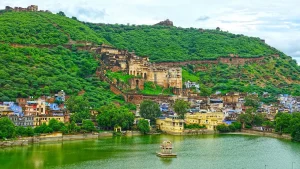
Begin your long weekend adventure at the iconic Taragarh Fort. Situated atop a steep hill, the fort offers a panoramic view of Bundi’s blue-hued landscape. Dive into the town’s history as you wander through the fort’s intricate passageways and marvel at the Bhim Burj, a colossal cannon that whispers tales of battles and valor. It’s a perfect spot to transport yourself back in time without compromising your weekend schedule.

See also: Things to do in Bundi

top 5 best places to visit in bundi
Taragarh Fort


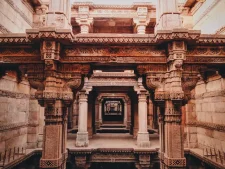
2. Rani Ji Ki Baori: Step into Architectural Grandeur

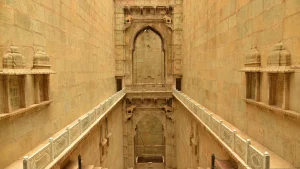
Discover the ingenious water conservation methods of ancient India at Rani Ji Ki Baori. This stepwell, surrounded by exquisitely carved pillars and galleries, is a testament to Bundi’s architectural brilliance. Spend a tranquil afternoon exploring the steps leading down to the well, immersing yourself in the historical and architectural significance of this hidden gem.

places to see in bundi
Rani Ji ki Baori

3. Sukh Mahal: Lakeside Serenity

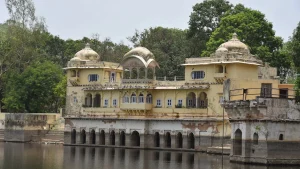
For a peaceful retreat, head to Sukh Mahal, a palace nestled on the banks of Jait Sagar Lake. The palace’s tranquil gardens and Mughal-Rajput architecture create a serene ambiance. Rumored to have inspired Rudyard Kipling during his stay, Sukh Mahal is an ideal spot to unwind. Reflect on the calm waters of the lake and let the weekend breeze wash away the stresses of everyday life.

places to visit in bundi
Sukh Mahal

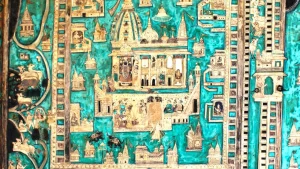
4. Chitrashala: Artistry on Display

Art lovers, don’t miss Chitrashala, a gallery within the Bundi Palace showcasing vibrant murals and frescoes. Dive into the world of Bundi paintings, witnessing scenes from mythology, folklore, and daily life. A visit to Chitrashala offers a cultural escapade within the confines of your weekend, making it a perfect stop for those seeking a balance between relaxation and exploration.

bundi
Chitrashala

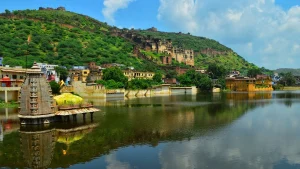
5. Nawal Sagar Lake: Sunset Bliss

Conclude your long weekend in Bundi with a visit to Nawal Sagar Lake. This picturesque spot, dotted with cenotaphs and temples, comes alive with colors during sunrise and sunset. Take a leisurely boat ride, soak in the tranquility, and witness the mesmerizing play of hues reflecting off the lake. It’s the perfect way to wrap up your Bundi getaway with a sense of peace and fulfillment.

best places to visit in bundi
Nawal Sagar Lake

Bundi, with its compact charm, offers a delightful escape for a memorable long weekend. Immerse yourself in history, art, and natural beauty without the need for an extended vacation. Plan your trip with India Someday – we curate personalized trips to India for you based on your requirements and preferences!

7 Best Places to Visit in Gujarat

Here is our list of the best places to visit in Gujarat, a region that beckons with a blend of history, culture, and diverse landscapes. As we embark on this journey through India’s western jewel, expect a pragmatic exploration of the state’s attractions. From the bustling urban life of Ahmedabad to the vast expanses of the Rann of Kutch, Gujarat unfolds as a tapestry of experiences. Join us in unraveling the layers of this dynamic state and see our list of the best places to visit in Gujarat. Each destination here offers a distinct facet of heritage and natural wonders. 

Ahmedabad: Where Tradition Meets Modernity

Our journey begins in the heart of Gujarat, Ahmedabad. This city seamlessly blends the old and the new, showcasing a rich history alongside modern infrastructure. Marvel at the intricate architecture of the Adalaj Stepwell, a masterpiece of Indo-Islamic design, and then stroll through the Sabarmati Ashram, the home of Mahatma Gandhi. Don’t miss the vibrant markets like Law Garden and Manek Chowk, where you can indulge in local delicacies and shop for traditional handicrafts.

places to visit in gujarat
Ahmedabad (Picture credits: Satyajit Majumdar)

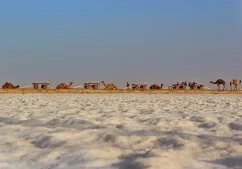
Rann of Kutch: A White Desert Wonderland

Venture westward to witness the surreal beauty of the Rann of Kutch, the world’s largest salt desert. The vast expanse of white salt crystals against the backdrop of a setting sun creates a mesmerizing panorama. Visit during the Rann Utsav, a cultural extravaganza that celebrates the diverse traditions of Gujarat. Immerse yourself in folk music, dance, and art, and witness the traditional craftsmanship of the local communities.

Read more: A cultural vacation in Kutch

best places in gujarat
Rann of Kutch

Gir National Park: Roar of the Asiatic Lions

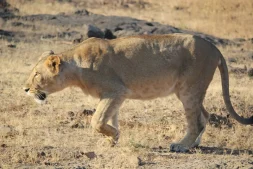
For wildlife enthusiasts, a visit to Gir National Park is a must. As the only place in Asia where you can find Asiatic lions in the wild, this sanctuary offers a unique safari experience. Traverse the rugged terrains of Gir and spot not only lions but also leopards, deer, and a variety of bird species. The Kamleshwar Dam within the park is an excellent spot for birdwatching, providing a serene escape into nature.

best places to visit in gujarat
Sasan Gir, Asiatic lioness (Credit_Arian Zwegers)

Dwarka: The Sacred City on the Coast

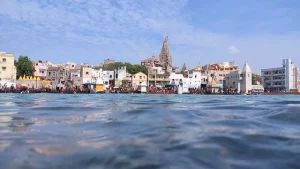
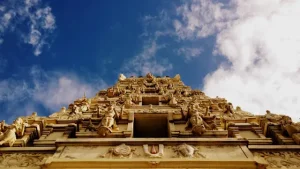
Make your way to the ancient city of Dwarka, situated on the western tip of the Saurashtra peninsula. Dwarkadhish Temple, dedicated to Lord Krishna, is the centerpiece of this sacred city. Explore the vibrant markets surrounding the temple, and take a stroll along the Gomti Ghat. For a tranquil experience, head to Beyt Dwarka, an island accessible by ferry, where you can relax on pristine beaches and visit the Nageshwar Jyotirlinga Temple.

See also: Best time to visit Gujarat

best places in gujarat
Dwarka

Somnath: Where Legends Reside

Continue your spiritual journey to Somnath, home to one of the twelve Jyotirlinga shrines dedicated to Lord Shiva. The Somnath Temple, perched on the shores of the Arabian Sea, exudes a sense of divinity and architectural splendor. Attend the evening aarti for a soul-stirring experience as the rhythmic chants and the sound of the waves create a magical ambiance.

best places to visit in gujarat
Somnath (Picture credits: Suketu Solanki)

Vadodara: A Cultural Extravaganza

As we head southeast, Vadodara awaits with its rich cultural heritage. The Laxmi Vilas Palace, a magnificent architectural marvel, is a testament to the luxury of the Gaekwad dynasty. Explore the Sayaji Baug, a sprawling garden housing the Baroda Museum and Picture Gallery, and don’t miss the chance to witness a performance at the Natarani Amphitheatre.

Vadodara (Picture credits: Parth Kateliya)

Dasada: Land of the wild asses

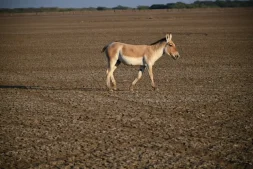
Just 2 Hours from Ahmedabad is the former princely state of Dasada. Lying on the edge of the Little Rann of Kutch, this is one of the largest wildlife sanctuaries in India. Nearly 5000 sq km of thorny flatlands it is one of the only places in India where you can spot Asiatic wild asses. It is also the place to access the rural and village lifestyles of the Mir tribe. home to one of India’s best boutique hotels in Rann Riders by Kaafila. Dasada is a road-less travelled destination with lots to offer.

best places to visit in gujarat
Wild ass in Dasada

Gujarat, with its kaleidoscope of experiences, offers a journey that transcends time and tradition. From the bustling cities to the serene landscapes, each corner of this state tells a unique story. Whether you’re a history buff, a nature lover or a spiritual seeker, Gujarat has something to offer for everyone. So pack your bags and embark on a memorable expedition through the best places this western gem has to offer. 


8 Best Places to Visit in Uttar Pradesh

Welcome to Uttar Pradesh, a state that weaves together the threads of history, spirituality, and culture into a rich tapestry that captivates the soul – here is the list of the best places to visit in Uttar Pradesh.

The state is not just a destination; it’s an experience waiting to unfold. Spanning across the Gangetic plains, Uttar Pradesh shares its borders with several states, including Bihar, Madhya Pradesh, Rajasthan, Haryana, and the national capital, Delhi.

The iconic Taj Mahal, the spiritual fervor of Varanasi’s ghats, and the architectural splendors of Lucknow make it a cultural kaleidoscope that reflects the diversity and richness of India’s heritage.

So let’s unravel the wonders that Uttar Pradesh holds, exploring the best places that beckon travelers from all over the country and world.

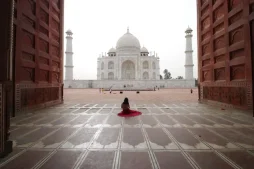
1. Taj Mahal, Agra

Undoubtedly the crown jewel of Uttar Pradesh, the Taj Mahal stands as an eternal symbol of love. This UNESCO World Heritage Site, built by Emperor Shah Jahan in memory of his wife Mumtaz Mahal, is a breathtaking masterpiece of white marble. Witness the changing hues of its domes as the sun rises and sets, creating an unforgettable spectacle.

Read: Things to do in Agra

best places to visit in uttar pradesh
One of the great wonders of the world and the monument of love: the Taj Mahal

2. Varanasi

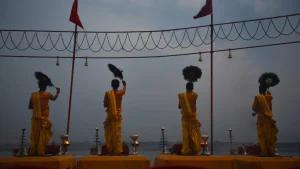
Nestled on the banks of the sacred Ganges, Varanasi is one of the oldest continuously inhabited cities in the world. The ghats, where life and death intertwine, the mesmerizing Ganga Aarti, and the labyrinthine alleys exuding spirituality make Varanasi a must-visit for those seeking a profound spiritual experience.

See also: Things to do in Varanasi

varanasi best places to visit in uttar pradesh
The morning aarti on the banks of the river Ganges, a holy prayer ceremony that takes place at dusk and dawn.

3. Lucknow

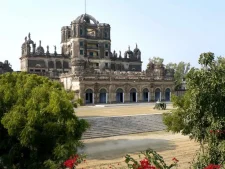
The capital city, Lucknow, exudes elegance and grandeur. Immerse yourself in the architectural marvels of the Bada Imambara and Chhota Imambara, witness the artistic finesse of Rumi Darwaza, and savour the culinary delights that make Lucknow the gastronomic heart of Uttar Pradesh.

best places to visit in uttar pradesh
Lucknow, the city of Nawabs

4. Ayodhya

Steeped in religious significance, Ayodhya is revered as the birthplace of Lord Rama. Explore the Ram Janmabhoomi, visit the Hanuman Garhi and soak in the spiritual ambiance of this ancient city, which holds a special place in the hearts of millions of devotees.

places in uttar pradesh
Ayodhya

5. Mathura

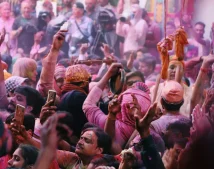
For devotees of Lord Krishna, Mathura is a pilgrimage that resonates with divine energy. The Krishna Janmabhoomi, Dwarkadhish Temple, and the vibrant celebrations during Holi make Mathura a cultural hotspot and a must-visit destination for religious and cultural enthusiasts alike.

best places in uttar pradesh
Holi in Mathura and Vrindavan is a vibrant affair

6. Allahabad (Prayagraj)

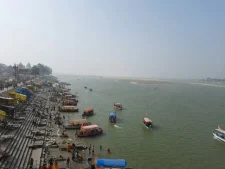
Famed for hosting the Kumbh Mela, Prayagraj is where the Ganges, Yamuna and Saraswati rivers converge. The Sangam, the Triveni Sangam, and the sprawling Akbar Fort are key attractions that showcase the city’s historical and cultural significance.

places to visit in uttar pradesh
Prayagraj

7. Fatehpur Sikri

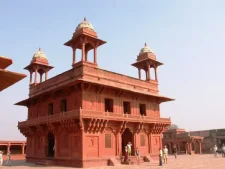
A UNESCO World Heritage Site, Fatehpur Sikri is a deserted city that once served as the Mughal capital. The architectural marvels of Buland Darwaza, Panch Mahal and Jama Masjid stand frozen in time, inviting visitors to witness the grandeur of Mughal architecture.

Read more: Things to do in Uttar Pradesh

best places in uttar pradesh
Fatehpur Sikri is another monument to visit during your stay in Agra )Photo Credit: Pedro)

8. SARNATH

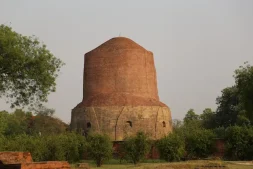
For those seeking a serene escape, Sarnath is a Buddhist pilgrimage site where Lord Buddha delivered his first sermon. Explore the Dhamek Stupa, Mulagandha Kuti Vihar and the Sarnath Archaeological Museum, immersing yourself in the tranquility of this sacred place.

best places to visit in uttar pradesh
Sarnath

Best Time to Visit Uttar Pradesh

The ideal time to visit varies based on your preferences, whether you’re a history buff, a nature lover, or a budget-conscious traveler. Here’s a seasonal guide to help you plan the perfect visit to Uttar Pradesh:

October to March – Cultural Extravaganza

The winter months, from October to March, are a dream for those seeking to explore Uttar Pradesh’s cultural and historical wonders. The weather is pleasant, making it ideal for visiting iconic landmarks like the Taj Mahal, exploring the ghats of Varanasi, and immersing yourself in the architectural marvels of Lucknow. The cool temperatures ensure a comfortable and enjoyable experience as you traverse the historical tapestry of the state.

Best for: Cultural enthusiasts, history lovers

April to June – Bargain Travel and Summer Serenity

While the summer months from April to June can be hot, they offer an excellent opportunity for budget-conscious travelers to explore Uttar Pradesh. Accommodation and travel costs may be lower during this off-peak season. Additionally, nature lovers can revel in the lush greenery brought about by the summer monsoons, especially in July and August. It’s an ideal time to explore the scenic beauty of the state, including its gardens and parks.

Best for: Budget-conscious travelers, nature enthusiasts

July to September – Monsoon Magic

The monsoon season, from July to September, transforms Uttar Pradesh into a lush, green paradise. While the rain may pose some challenges, the rejuvenated landscapes and the flowing rivers create a mesmerizing backdrop for nature lovers. If you don’t mind occasional showers and wish to experience the state in its full glory, this season offers a unique and budget-friendly perspective.

Best for: Nature lovers, budget-conscious travelers

During Festivals – Spiritual Sojourn

Diwali in Ayodhya, Holi in Mathura and Vrindavan, and the Kumbh Mela in Prayagraj are spectacular events that provide a glimpse into the vibrant traditions and rituals of the state. Participating in these festivals offers a deep dive into the spiritual essence of Uttar Pradesh.

Best for: Pilgrims, cultural enthusiasts

Uttar Pradesh, with its varied experiences, welcomes travelers throughout the year. Whether you’re captivated by history, seeking spiritual solace, or exploring on a budget, planning your visit based on the seasons and your preferences will ensure an enriching and memorable journey through this culturally rich state.

8 Best Places to visit in Kerala

Welcome to Kerala, the picturesque paradise nestled in the southwestern corner of India. With its lush landscapes, serene backwaters, vibrant culture, and rich history, Kerala has earned its reputation as “God’s Own Country.” Here are few of my best places to visit in Kerala. From Tea plantations to surfing beaches, there are many places this enchanting state has to offer.

1. Munnar – The Tea Gardens’ Symphony

Our journey begins in Munnar, a haven for nature lovers. The rolling hills adorned with verdant tea plantations create a breathtaking panorama. Stroll through the tea gardens, breathe in the crisp mountain air, and witness the meticulous process of tea production. Don’t miss the Mattupetty Dam and Anamudi Peak, the highest point in South India, offering spectacular views. The Eravikulam National Park is also a great place to walk and spot the Nilgiri tahr.

See also: Things to do in Munnar

best places to visit in munnar
Lush tea plantations in Munnar

2. Cochin – Where History Meets Modernity

Steeped in history, Cochin, or Kochi, is a captivating blend of ancient charm and modern vibrancy. Explore the Fort Kochi area with its colonial architecture, visit the iconic Chinese Fishing Nets, and stroll through Jew Town with its centuries-old synagogue. Don’t forget to catch a Kathakali dance performance, a traditional art form of Kerala. And don’t forget to eat at one of the many restaurants and sample some delicious sadya or fish.

places to visit in munnar
Chinese fishing nets in Kochi

3. Alleppey – A Sail through the Backwaters

No visit to Kerala is complete without a houseboat cruise in Alleppey. Drift along the serene backwaters, lined with palm trees and quaint villages. Enjoy freshly cooked local cuisine on the houseboat and witness the mesmerizing sunset over the water. It’s a truly immersive experience in God’s Own Country. Even better than the houseboats would be a kayak or cruise in a canoe as you can see local life idylling by near the narrow waterways.

Backwaters in Alleppey

4. Kovalam – Sun, Sand, and Sea

For those seeking sun-soaked beaches, Kovalam is the perfect destination. With its pristine shorelines, Kovalam offers a relaxing escape. Try water sports, indulge in Ayurvedic spa treatments, and relish the delectable seafood at beachside shacks. The Lighthouse Beach is a must-visit, offering panoramic views of the Arabian Sea.

The shoreline of Kovalam

5. Periyar National Park – Wildlife Extravaganza

Nature enthusiasts, rejoice! Periyar National Park is a sanctuary for diverse flora and fauna. Embark on a thrilling boat safari on Periyar Lake, where you might spot elephants, and a variety of bird species, If you do get very lucky you might catch a tiger as well but that is extremely rare. The lush greenery and tranquil surroundings make it a haven for eco-tourism.

places to see in kerala
Periyar National Park

6. Kumarakom – A Birdwatcher’s Paradise

Nestled on the banks of Vembanad Lake (the other side of Alleppey), Kumarakom is a haven for birdwatchers and nature lovers. Explore the Kumarakom Bird Sanctuary, home to many migratory and resident bird species. Enjoy a serene boat ride through the backwaters and savor the tranquility of this idyllic destination.

Backpacking tour in South India
Kumarakom backwaters

7. Wayanad – Hills, Caves, and Waterfalls

Escape to the cool hills of Wayanad, offering a perfect blend of adventure and tranquility. Trek to Chembra Peak for panoramic views, explore the ancient Edakkal Caves with their intriguing petroglyphs and marvel at the cascading Meenmutty Waterfalls. Wayanad is a treasure trove of natural wonders. You can explore some beautiful waterfalls and enjoy the hospitality in one of the many plantation homestays.

best places to visit in kerala
Wayanad

8. Thrissur – Cultural Capital of Kerala

Delve into the cultural heart of Kerala in Thrissur. Visit the Vadakkunnathan Temple, known for its architectural grandeur, and witness the spectacular Thrissur Pooram festival, a grand celebration of colors and traditions. The town’s museums and art galleries offer insights into Kerala’s rich cultural heritage.

places in kerala
Kodungalloor Bharani Festival in Thrissur (Photo Credit – Subin Sailendran)

With its diverse landscapes and rich cultural tapestry, Kerala is a traveler’s paradise. From the misty hills of Munnar to the tranquil backwaters of Alleppey, each destination offers a unique experience. Whether you seek adventure, relaxation, or cultural exploration, God’s Own Country has it all. Pack your bags and embark on a journey to Kerala, where every moment is a celebration of nature and culture.

Let India Someday handle it and plan your best trip.
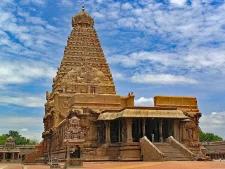
PLAN MY TRIP subtext