TALK WITH US +91-9970620335
WhatsApp

Best Places to Visit in Tamil Nadu

Here is my list of the best places to visit in Tamil Nadu. In general when you are planning a trip to any part of India, prepare to be enthralled with an explosion of colours, music, food, and culture. While most tourism agencies will recommend the same tourist spots, it always helps to experience a personal touch.

My experiences exploring the captivating state of Tamil Nadu in southern India are worth sharing. Having visited this beautiful place multiple times, I have discovered a variety of attractions and activities that cater to different interests and preferences. Without further ado, let us travel through Tamil Nadu together

Why is Tamil Nadu the perfect place to visit for history & ARCHITECTURE buffs?

Tamil Nadu is a haven for historians and cultural enthusiasts, with its rich and diverse historical heritage that spans centuries. The state boasts an incredible array of ancient temples, each with its unique architectural style and cultural significance. From the grandeur of the Brihadeeswarar Temple in Thanjavur to the intricate carvings of the Meenakshi Amman Temple in Madurai, these temples offer a glimpse into the artistic and architectural achievements of the Chola and Pandya dynasties.

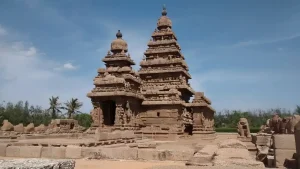
Furthermore, Tamil Nadu is home to UNESCO World Heritage Sites like Mahabalipuram. Its rock-cut monuments, temples, and the iconic Shore Temple are a testament to the architectural brilliance of the Pallava dynasty. Don’t forget to explore the famous Arjuna’s Penance, a massive open-air bas-relief that depicts scenes from Indian mythology.

The state’s historical sites, including Chettinad mansions, colonial-era buildings, and rock fortresses, provide a window into the evolving style of architecture as well as the recorded history of Tamil Nadu, making it an ideal destination for history enthusiasts.
best places to visit in tamil nadu
Mahabalipuram

What can nature enthusiasts enjoy in Tamil Nadu?

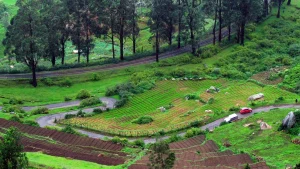
Tamil Nadu is known for its incredible natural beauty. The state offers a perfect playground for outdoor travelers and nature enthusiasts. For those who appreciate the great outdoors, head to Ooty, also known as the ‘Queen of Hill Stations.’ This picturesque hill station offers lush tea plantations, serene lakes and beautiful gardens. You can take a ride on the Nilgiri Mountain Railway, a UNESCO World Heritage site, and enjoy the breathtaking scenery. You can explore the Nilgiri Biosphere Reserve, where verdant tea plantations, dense forests and cascading waterfalls await.

The tranquil Yercaud and its emerald lake offer opportunities for boating, while the beaches along the Tamil Nadu coast, especially in places like Rameswaram and Kanyakumari, are perfect for water sports. Birdwatchers can flock to the mangroves and wetlands in places like Vedanthangal Bird Sanctuary and Point Calimere Wildlife and Bird Sanctuary. The Mudumalai National Park is a paradise for wildlife enthusiasts. Take a jeep safari to spot elephants, tigers, and various other animals in their natural habitat. It’s an unforgettable experience for all nature and animal lovers.

See also: Best time to visit Tamil Nadu
best places to visit in tamil nadu
Ooty

Are there Beach Holidays in Tamil Nadu?

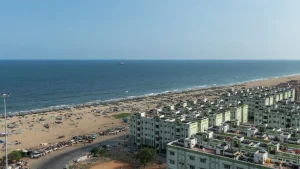
If sun, sand, and sea are what you seek, Tamil Nadu has got you covered. Marina Beach in Chennai is the second-longest urban beach in the world. And from the bustling Marina Beach in Chennai to the serene shores of Mahabalipuram, there’s a beach for every mood. Engage in beach activities like swimming, beach volleyball, or simply soaking up the sun. Don’t miss the delectable local seafood offered by the beachside stalls.

For a more peaceful experience, catch the spectacular sunrise or sunset views at destinations like Kanyakumari. Engaging in watersports such as surfing, snorkeling, or boating in places like Rameswaram can add excitement to your beach holiday. Also, be mindful of the cultural significance of some coastal areas, like the Ramanathaswamy Temple in Rameswaram. In essence, a Tamil Nadu beach holiday offers a blend of relaxation, adventure, and cultural exploration along its beautiful coastal stretches.
best places to visit in tamil nadu
Marina Beach

LAND OF TEMPLES IN TAMIL NADU

Tamil Nadu is known as the “Land of Temples,” and it’s a great destination for spiritual travelers. Kanchipuram, known for its temples and silk sarees, is a pilgrimage site. The Ekambareswarar Temple and Kailasanathar Temple are remarkable examples of Dravidian architecture.

The state is home to some of India’s most revered temples, each steeped in history and spirituality. From the majestic Meenakshi Amman Temple in Madurai to the tranquil Arunachaleswarar Temple in Tiruvannamalai, these sacred sites offer a unique opportunity for spiritual introspection and devotion. Tamil Nadu’s numerous pilgrimage destinations cater to a wide spectrum of faiths and beliefs, making it a diverse spiritual landscape.

The meditative ambiance of ashrams like the Isha Yoga Center and the Ramana Ashram in Tiruvannamalai offers seekers a serene escape from everyday life. The annual festivals, like the Chariot Festival in Puri or the Natyanjali Dance Festival in Chidambaram, provide a chance to witness and participate in age-old spiritual traditions.
best places to visit in tamil nadu
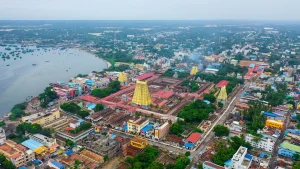
Rameshwaram Temple

BEST PLACES TO VISIT TAMIL NADU FOR CULTURE AND ART

Tamil Nadu is a treasure trove of ancient traditions, classical arts, and architectural wonders. Its grand temples, such as the Brihadeeswarar Temple in Thanjavur and the Meenakshi Amman Temple in Madurai, are architectural marvels that stand as testament to the state’s rich history. The vibrant and intricate dance forms like Bharatanatyam and classical music traditions are celebrated through numerous cultural festivals and performances.

The Chettinad region showcases unique heritage mansions, while the colonial-era architecture in places like Chennai and Pondicherry adds a distinct flavor to the state’s cultural tapestry. With its diverse cuisine, silk weaving traditions and colorful festivals, Tamil Nadu offers a burst of culture at every corner.

One of the best cultural experiences I’ve had in Tamil Nadu is when I attended a traditional Bharatanatyam dance performance. Chennai has various cultural centers and theaters where you can witness this classical dance form.

If you’re a fan of arts and crafts, a visit to Dakshina Chitra is a must. This living museum showcases the art, architecture, lifestyles and crafts of South India. It’s an enriching experience for anyone interested in the region’s heritage.

BEST PLACES TO VISIT TAMIL NADU FOR MOUTH WATERING FOOD

Tamil Nadu is a food lover’s paradise. Don’t miss the opportunity to savor authentic South Indian cuisine.Food enthusiasts can savor iconic South Indian dishes like dosa, idli and vada, often accompanied by an array of chutneys and sambar, for breakfast. The exquisite biryanis of Chettinad and the delectable Chettinad chicken curries are a must-try for those seeking an explosion of flavors.

Seafood lovers can relish the freshest catch from the Bay of Bengal, while those with a sweet tooth can indulge in Tamil Nadu’s famous Mysore pak, halwa and filter coffee. If you’re in the mood for street food, you can explore bustling local markets and relish snacks like crispy bondas and spicy bajjis.

When in Chennai, head to a local eatery to relish a traditional South Indian thali. The combination of rice, curries and condiments will give your taste buds a delightful tour of regional flavors.

Where can we find the thrill of adventure in Tamil Nadu?

Tamil Nadu isn’t just about temples and culture; it’s also a hidden gem for adventure seekers.. Trekkers can explore the Western Ghats, where lush forests and towering peaks provide breathtaking trails. Water sports enthusiasts can enjoy thrilling activities like surfing in Mahabalipuram, snorkeling in Rameswaram, or jet skiing in Marina Beach. Try your hand at windsurfing, scuba diving, or even go on a catamaran ride.

The Nilgiri Mountain Railway, a UNESCO World Heritage Site, offers a unique and scenic train journey through tea gardens, perfect for train enthusiasts. Yercaud and Yelagiri in the Eastern Ghats are ideal for trekking and adventure activities like ziplining. Wildlife enthusiasts can explore the abundant national parks and sanctuaries, such as Mudumalai and Kalakkad Mundanthurai, home to a diverse range of flora and fauna.

Shopping in TAMIL NADU

When in Tamil Nadu, you can’t miss the opportunity to shop for exquisite silk sarees, with Kanchipuram being the ultimate destination for these finely woven marvels. Each saree tells a story of intricate craftsmanship and vibrant colors. Another must-buy is the iconic Tanjore paintings, known for their detailed work and use of gold foil. For handcrafted bronze statues and traditional jewelry, a visit to Swamimalai is a must.

The bustling markets of Chennai, like T. Nagar and Pondy Bazaar, offer everything from clothing and accessories to electronics and home decor. Explore Chettinad’s antique stores for unique finds, and when it comes to spices, the markets in Madurai are a spice lover’s paradise. Don’t forget to haggle for the best deals!

Tamil Nadu is a diverse and vibrant destination with something to offer every type of traveler. Whether you’re interested in history, nature, spirituality, culture, food, adventure or shopping, Tamil Nadu has it all. I hope my experiences and recommendations help you plan your trip to this incredible part of India. Remember to embrace the local culture and immerse yourself in the warmth and hospitality of the Tamil people.

Nora the explorer trip to india march 2024

Nora-Holi-Trip_2024

8 Best Places to Visit in Sikkim

If you are somebody who enjoys travelling to faraway places, experiencing new cultures and languages, tasting exotic and delicious food and immersing yourself in the spiritual presence of nature, then read about Best places to visit in Sikkim. This northeastern gem of India is a paradise for nature lovers, adventure seekers and those seeking peace in the lap of the Himalayas. Enjoy this virtual tour of some of the best places I have visited and activities I enjoyed in Sikkim.

1. Gangtok: The Enchanting Capital

Our adventure begins in Gangtok, the capital of Sikkim. The moment you step foot in this charming city, you will be greeted by the crisp mountain air and many friendly faces. The colourful markets and delicious street food are a delight for your senses. Don’t forget to visit the Enchey Monastery, a serene place where you can witness the spiritual side of Sikkim.

For panoramic views, head to the Tashi View Point, which offers breathtaking vistas of the Kanchenjunga mountain range. It is especially magical during sunrise. The Namgyal Institute of Tibetology is a must-visit to explore Tibetan culture and heritage. And if you’re up for some adventure, try paragliding in the nearby village of Saramsa.

best places to visit in sikkim
Gangtok

2. Tsomgo Lake: A Jewel in the Mountains

A short drive from Gangtok takes you to the mesmerising Tsomgo Lake, also known as Changu Lake. This high-altitude lake is a sparkling jewel nestled amidst the mountains, ideal for photography and meditation. The lake is often frozen during the winter, creating an ethereal landscape. You can also visit the nearby Baba Mandir, a shrine dedicated to an Indian soldier.

3. Nathula Pass: A Gateway to Tibet

A little further up, you will be face to face with Nathula Pass, a gateway to Tibet. This is one of the highest motorable roads in the world. The breathtaking drive to Nathula Pass was an adventure in itself. You will need to obtain a permit to visit this area due to its proximity to the international border. The view of snow-clad peaks, clear blue skies and the iconic “You are at the roof of the world” sign is something I will never forget.

4. Lachung and Lachen: The Hidden Gems

Now, let us head north to explore two hidden gems of Sikkim: Lachung and Lachen. These villages offer a true escape from the bustling city life. Surrounded by lush meadows and snow-capped peaks, they are perfect for those seeking tranquillity and solitude.

In Lachung, make sure to visit the Yumthang Valley, often referred to as the Valley of Flowers. During spring, the valley is adorned with a riot of colours, with countless alpine flowers in full bloom. Yumesamdong, also known as Zero Point, is another attraction for those craving a snowy landscape.

Lachen serves as the base camp for the challenging trek to Gurudongmar Lake, one of the highest lakes in the world. The pristine beauty of this lake is a sight to behold, and, therefore, totally worth the tiring trek. Remember to acclimatise first and consult local authorities before attempting this trek, as it involves high altitudes.

5. Pelling: A Glimpse of the Past

Next on the itinerary is Pelling, a small town in West Sikkim. Pelling is famous for its historical ruins and monasteries. The Pemayangtse Monastery is a must-visit for its ancient artefacts and the stunning view of the Kanchenjunga peak. The Rabdentse Ruins, once the capital of Sikkim, offer a glimpse into the region’s history.

But what interested me most was the Khecheopalri Lake, believed to be a wish-fulfilling lake. Surrounded by lush green forests, it’s a peaceful place to take a leisurely walk (and make a wish or two!).

best places to visit in sikkim
Pelling

6. Yuksom: The Trailhead to Treks

Yuksom, the historic town, is the starting point for many of Sikkim’s famous treks, including the Goecha La trek. If you are an adventure enthusiast, consider embarking on a multi-day trek, which will reward you with stunning views of the Himalayan peaks and pristine alpine landscapes. What makes this even more fun if you trek in a group, swapping stories and making new friendships.

7. Ravangla: A Birdwatcher’s Paradise

For nature enthusiasts and birdwatchers, Ravangla is a hidden paradise. The Maenam Wildlife Sanctuary is a haven for wildlife and bird species. The Rayong Sunrise Viewpoint offers panoramic views of the white peaks and the Teesta River meandering through the valley. The Tathagata Tsal, also known as the Buddha Park, is home to a colossal statue of Buddha and is an oasis of peace and serenity. Visiting the Buddha made me feel peaceful and worry-free, and I highly recommend this tourist stop. 

8. Namchi: The Land of Pilgrimage

For those on a spiritual journey, it is best to visit Namchi, the capital of South Sikkim. Namchi is a land of pilgrimage and cultural significance. The Char Dham, a complex with replicas of four revered Indian pilgrimage destinations, is a spiritual site. The Samdruptse Monastery houses a gigantic statue of Guru Padmasambhava, and the Siddheshwar Dham offers panoramic views of the surrounding hills. Whether you are travelling for a religious pilgrimage or simply looking for spiritual upliftment, Namchi offers something soothing for the soul.

Adventure Activities in Sikkim

If you crave recreational activities and adventure, Sikkim has you covered. White-water rafting in the Teesta River, yak safaris in high-altitude meadows, mountain biking through the rugged terrain, and rock climbing in various locations will get your adrenaline pumping. The Teesta River is famous for its challenging rapids and stunning riverbanks, guaranteeing a thrilling ride. Experienced guides will ensure your safety while you navigate the rapids.

Indulge in Sikkimese Cuisine

Beyond the best places to visit in Sikkim, you can not have a  full travel experience is complete without savoring the local cuisine. In Sikkim, you must try momos (steamed dumplings) and thukpa (noodle soup). These Tibetan-influenced dishes are not only delicious but also widely available, not to mention delicious and fulfilling. And if you feel experimental, try Chang, a local millet-based alcoholic beverage. It’s part of the rich Sikkimese culture and adds a unique flavor to your meals.

See more: Best time to visit Northeast India

Practical Tips for Travelling in Sikkim

Travelling to any new destination requires some research about its rules and customs. The same goes for Sikkim. Here are some travel tips to keep in mind when you are planning your visit to Sikkim. 

  • Permits: Certain areas in Sikkim require permits for Indian and foreign nationals. Make sure to check and obtain the necessary permits in advance.
  • Weather: Sikkim experiences various weather conditions throughout the year. Spring and autumn are generally the best times to visit. Winter can be extremely cold, while monsoon season may bring heavy rains.
  • Altitude Sickness: Many places in Sikkim are at high altitudes. Take your time to acclimatize and drink plenty of water.
  • Respect the Local Culture: Sikkim has a rich and diverse culture, but some places require conservative clothing and behaviors. Be respectful of local customs and traditions.
  • Transport: Roads in Sikkim can be steep and winding. Hire a local driver who is familiar with the terrain.

Sikkim is a land of breathtaking landscapes, diverse cultures, and incredible adventures. I hope my travel guide helps you plan your journey and experience the magic of this Himalayan wonderland, just as I did. So pack your bags, embrace the mountains, and create memories that will last a lifetime in the beautiful state of Sikkim.

Best sustainable travel routes and ideas for India

In a warming planet, travel is always a moral dilemma for an environmentally conscious traveler. While the decision to travel especially long distances will always be debatable, we at India Someday want to help you travel in the most sustainable way possible.So

We present you with detailed travel suggestions and routes that are extremely sustainable with a low carbon footprint and give you ideas on how you can off-print the CO2 footprint of your flights to India.

Have a conversation with us, we would love to help you plan the most sustainable India Holiday, we promise without any greenwashing.

Five sustainable travel ideas for India

Sustainable travel in India is actually much easier than you think. At a per capita level, India has one of the lowest Carbon footprints in the world, so travel like most locals travel.

1. Pick the right time to travel to India

If you pick the right time to visit India, you can travel across the country staying in non-air-conditioned rooms and traveling by non-air-conditioned trains.

In general you would never require heating in India, unless you are visiting the Himalayas during the winter. Having said that, North India, like Delhi and Rajasthan, can get down to 5-8 degrees celsius in the winter.

We would recommend traveling to India between Mid November to end February, the weather is fine in both North and South India. You could do all your travel, stay and train w/o ever using air conditioning.

Read also: Best time to visit India

2. Travel across India by train

India boasts of one the largest rail networks in the world. Unlike certain western countries, the Indian railway network is primarily built to transport people, not goods.

You can criss-cross the length and breadth of the country using trains. There are trains that take you from the southern tip of India to Kashmir, the northernmost state of India, a journey over 4 days.

There are different classes in each train, and if you choose a non air conditioned class you would be using one of the most sustainable modes of transport possible. Well apart from traveling by foot 🙂

We would love to help you plan a detailed travel route using only trains when possible across your trip in India.

sustainable travel routes and ideas for india
Trains are one of the best and most sustainable ways to travel across India(Photo Credit – Moneycontrol)

3. Travel by local buses when trains are not possible

There are certain routes in India which are not connected by trains, especially the mountains. However, they are always connected by local buses.

Using a combination of trains, local buses, some advance planning and a little patience you can travel across India without ever using a plane or taxi.

See more: Explore India in four weeks

4. Stay at homestays/B&Bs and farmstays

India offers wonderful homestays and B&Bs across the country. They are small so offer warmth and interactions with the family but most importantly they are run like an Indian Household.

Most Indian households are sustainable, limited use of air conditioning, wise use of water, food is prepared in small quantities, excess packaging when possible is avoided.

Your environment footprint will be significantly smaller if you avoid staying at hotels and opt to stay at Homestays/B&Bs and Farmstays.

At India Someday, we love family run places and can plan your trip by having you stay at sustainable accommodations all through your holiday.

5. Avoid meat completely when in India

It is common knowledge that a low meat, or a vegetarian diet is the most sustainable diet for our planet. India is paradise if you wish to avoid eating meat but still enjoy a wide array of eating options.

You will never be hungry in India or bored when ordering food even if you decide to be strictly vegetarian. From Breakfast, Lunch, dinner and an evening snack you will find non-meat eating options everywhere.

sustainable routes and tips for india
India is a paradise for vegetarians.

Four sustainable travel routes across India

We can plan multiple travel routes across India avoiding using flights and private taxis completely. Given a choice we would always recommend using train travel as much as possible, it offers more comfort, a great cultural experience and is very economical.

We illustrate three travel routes that can be planned using mainly trains and the occasional bus journey, in addition we would have to stay at sustainable accommodations across your trip.

Delhi – Varanasi – Agra – Ranthambore – Jaipur – Pushkar – Jodhpur – Udaipur – Delhi

If you are looking at exploring the highlights of North India, this travel route will hit all the gems. From Varanasi, the cradle of Hinduism to Agra, home to the Taj Mahal. You would explore the highlights of Rajasthan and also visit the National Park of Ranthambore where you can spot the Bengal Tiger

This route, with the exception of Jodhpur to Udaipur where you would need to take a local bus (or a taxi as that allows you to stop and visit the Kumbhalgarh Fort and the marvelous Ranakpur Temple), can be completely traveled only using trains.
You will have take atleast two overnight train journeys i.e. from Varanasi to Agra and Udaipur to New Delhi. Do not fear overnight trains, they are comfortable and a wonderful experience.

See more: Travel routes for North India

Delhi – Rishikesh – Amritsar – Jaipur – Agra – Delhi

If you are starting your trip in New Delhi but wish to visit more spiritual places and explore the foothills of the Himalayas we recommend the above route.

Rishikesh is by the foothills of the Himalayas on the banks of gorgeous Ganges. It is considered as the Yoga capital of the world, it is both a spiritual and adventurous destination. They have daily hindu rituals on the river and offer hikes, white water rafting and more.

Amritsar is home of the Golden Temple, the most sacred temple for the Sikh community.

The entire route can be stitched together using only trains. Certain connections, for example Amritsar to Jaipur, do not have a daily rain connection so it has to be planned with a little flexibility.

Mumbai – Goa – Hampi – Mysore – Bangalore

Starting your trip in Mumbai, fancy some time on the balmy beaches of Goa and wish to mix it up with ancient temples and ruins? This is a perfect route for you.

Hampi is a magical destination with wonderful ruins and beautiful countryside. Often ignored by tourists as it is a little hard to reach, however we can highly recommend visiting this gem.

This entire route can be achieved just using the wonderful Indian railways. In addition to your trip being sustainable you will also get to travel on a couple of gorgeous train journeys i.e. Mumbai to Goa and Goa to Hampi.

Should you have time to explore India, from Bangalore you can explore Tamil Nadu or Kerala and we would be happy to plan this for you just using trains and local buses.

Goa – Kannur – Kochi – Allepey – Madurai – Pondicherry – Chennai

Planning to explore South India, we can recommend this wonderful travel route that takes you across different beach destinations, the backwaters of Kerala and then into wonderful temple towns of Tamil Nadu.

The above route can be traveled using only trains, but we recommend booking them well in advance as many of them can get sold in advance. The above route can be expanded to add more destinations along the way.

Read more: Travel routes for South India

To conclude, being sustainable is deeply rooted in Indian culture. Most Indians follow a very sustainable lifestyle, even when traveling. Once in idea it is very easy to travel sustainably. We would love to speak to you and plan your sustainable Indian Holiday.

India Someday partners with a NGO that plants trees to offset CO2 footprint and provide livelihoods to people (Grow Trees). We encourage you to explore their website and look at planting trees using their platform. We can fully endorse them.

Kerala, God’s Own Country Beckons

Have you seen all the shades of green there could possibly be in the world? Think again. Unless you’ve visited Kerala before, prepare to be overwhelmed with lush green beauty like never before. Where you love forests or the beach, coastlines or the hills, tea, coffee or local cuisine, Kerala is a paradise for travellers.

Best time to go

If you’re hoping to tour this beautiful state during pleasant weather, then you want to plan your visit to Kerala between September and March. That’s the best time, climate-wise if you want to experience the romance of lagoons, nippy canals and plantations. While the summer months are hot and humid, it’s still a great time to visit Kerala for Munnar beach and the hilly Wayanad. And if you’re searching for that spa treatment and deep body relaxation treatment, monsoon months June to August is your best bet.

Plan Your Trip: Optimal Time to Explore Kerala

Explore Further: Learn About the Ideal Time for India Travel

Where to Stay

While you have a host of luxurious resorts, colonial estates and hotels to choose from, there are also eco-beach resorts, for the more adventurous. But if you want an authentic slice of Kerala from the point of view of the locals, then try one of the many homestays available here, stay with and get to know the locals, and enjoy a home-cooked meal.

Related: India’s Lavish Hotel Destinations

How to get there

By Air: Kerala has four fully functional airports. Thiruvananthapuram International Airport, Kochi International Airport and Kozhikode International Airport, run both domestic and international flights, while Kollam Airport runs only domestic flights across the country. 

By Rail: Kerala is well-connected to major cities around the country by rail. There are about 200 railway stations that connect travellers throughout the state and to the rest of the country. There are express trains within the state that you can use for local transport. 

By Road: Kerala is easily accessible by road as well. NH 47, 17 and 49 are highways you can use to enter and leave Kerala, via Karnataka, Tamil Nadu or Andhra Pradesh. You use the local buses, taxis or book a private cab to travel at leisure.

By Water: You can also sail your way to Kerala, which is what the backwaters of Kerala are famous for. By coming via the Lakshadweep Island route, One can enter Kerala at Kochi (Cochin).

Places to Visit

Check out some of the less-beaten down tracks in this gorgeous state.

Edakkal Caves, Wayanad

If you’re into hiking, history, and adventure, a trip to Edakkal Caves is a must. It is said that Edakkal is one of the only known places in India to house carvings from the Stone Age. The carving depicts figures of the Neolithic and Mesolithic Age, as old as 6000 BC, if not more. The caves were accidentally discovered in the 1800s by a British Officer, who officially brought this prehistoric site to the world’s attention. The cave itself is a naturally formed, double-chambered cavern, and makes for great exploration.

Kappil Beach and Backwaters, Varkala

Varkala is a well-known travel spot, especially for its pristine backwater beach, with a lush coconut palm grove, golden sand. One of the reasons Kappil Beach is so beautiful is because it’s where the estuary meets the Arabian Sea. You can get away from the crowds at this peaceful beach or take a scenic drive through and around it via the coast road. During the tourist season, there are watersports and boat rides available.god's own country

Gavi, Periyar

Part of the Periyar Tiger Reserve, Gavi is a hotspot for wildlife enthusiasts and outdoor photographers. It is also a famous eco-tourism spot for conservationists, zoologists, students and researchers. Situated in the hills of Kerala, you get to soak in nature at its untainted best, and can also spot a host of wildlife including Nilgiri tahr, Kerala elephant, and the lion-tailed macaque. And there are also a lot of vantage points, too, for birdwatchers and ornithology students. There are over 250 species of birds in Gavi, including the great pied hornbill, woodpecker and kingfishers, to name a few.

Vagamon, Idukki 

Situated near Peermadu, in the Idukki district, Vagamon is a popular spot for outdoor enthusiasts, picnickers, trekkers and paragliders. This hill station has lush green grass, a quaint town, and friendly and hospitable locals. You can come here for trekking trails, mountaineering, rock climbing and even paragliding! Vagamon is connected to a row of hills, namely Thangal, Murugan and Kurisumala, all of which make for great views of velvet landscapes, exciting trails and fond memories.

Muzhappilangad Beach, Kannur 

Considered the longest beach in Kerala, the Muzhappilangad Beach stretches along the Malabar coastline up to an impressive 5.5kms. Close to Calicut Station, it is Kerala’s only drive-in beach, where you can glide across golden sand and view the sunset along the Malabar Coastline. This is a great place to enjoy local cuisine, too, where you can get snacks along the beach. The black rocks protect the beach from deep currents, making it an ideal spot for swimmers, too. You can book a catamaran ride here, or go parasailing.kerala beckons

Keep in Mind

  1. Get the necessary permissions beforehand
  2. Don’t litter
  3. Get to know the culture
  4. Know the specialities
  5. Be prepared for adventures
  6. Get well-versed with the routes

It is no wonder that Kerala is considered God’s Own Country, with its natural splendour, vast landscapes, warm, golden beaches, and misty hill stations. There is something to be enjoyed for any and every traveller. And no matter how many times you visit Kerala, it may never leave your bucket list.

Weather of Ladakh in June

Is June a good time to visit Ladakh? Even though April marks the onset of the summer season across most places in India, the summer season in Ladakh starts as late as June. The weather of Ladakh in June is pleasant, and on most days delightful, as opposed to the harsh winters. During the day the skies are clear and the sun shines brightly with the temperatures rising to approximately 12°C. However, by evening there’s a significant drop in temperatures and it gets  as cold as -1°C.

Summers in Ladakh are nothing like the rest of the country, so be sure to pack a few warm clothes for the day and layers of clothes to keep you warm and cosy at night. Before planning your next trip to this spectacular region, here’s a quick overview of the weather in Ladakh in June.

Lake Pangong Tso, Ladakh, in june
A panoramic image of Lake Pangong Tso on an early morning, in June.

Travelling to Ladakh In June

The awe-inspiring landscapes of Ladakh, a gem that adorns the northernmost tip of India, is what makes Ladakh a “must-visit” on every Indian’s bucket list. This union territory is rich in culture, brimming with spectacular sights, from tourist hotspots to the lesser known, hidden jewels.The topography includes majestic snow clad mountains, mesmerizing lakes & rivers, glaciers and cold deserts. And even though the sheer beauty is reason enough to travel to Ladakh, there’s a lot more to the region. The strong influence of Buddhism and Tibetan culture, add to the captivating charm of this tourist destination. 

One key highlight that makes Ladakh popular, is the wide variety of things to do and places to visit here. From trekking trails to picturesque landscapes, from age-old monuments to buddhist monasteries, it caters to all kinds of travellers. Whether you’re a thrill seeker or nature lover, photographer or history and architecture enthusiast, you’re bound to fall in love with this place.

June is undoubtedly the best time of the year to visit Ladakh. Besides the ideal weather of Ladakh in June, and access to popular tourist attractions, you can also particip[ate in cultural festivals, usually celebrated in the month of June. This includes festivals like Saka Dawa, Sindhu Darshan, Yuru Kabgyat, Hemios Teschu, Shachukul Kabgyat, Stongde Gustor. The dates for some of these festivals vary every year according to the tibetan calendar, however, this year they fall in the month of June making it the best time to plan your trip to Ladakh. The festivals are an insight into understanding the culture and traditional rituals observed by the locals of the region.

Learn More: Explore the Optimal Timing for Your Indian Expedition

Travelling to Ladakh, Shanti stupa
Clear blue skies on an early morning at Shanti Stupa in Ladakh. (Photo Credits: Sankalp-Sharma_Unsplash)

How to reach Ladakh – Air, rail or road 

By Air

Travelling to Ladakh by flight is the most convenient and time-saving option. The main airport is in Leh – The Leh Kushok Bakula Rimpochee Airport, and one can easily get to their destination, by taxi, from the airport. This airport is very well connected to all the major cities like Mumbai, Delhi, Bangalore and Kolkata. However, if you’re flying in from any other city, you may have to opt for a connecting flight or settle for a flight with a layover. 

By Road

A road trip to Ladakh is one of the beautiful experiences, with picturesque views and abundant, unmatched beauty. The main entry points, for travelling to Ladakh by road, are from Srinagar, Manali and Chandigarh. However, the Manali-Leh road is one of the best ways to reach Ladakh. One can easily travel to Manali from various cities via the National Highway. Biking enthusiasts consider this journey to be an adventure of a lifetime. A bike ride to Ladakh in the month of June is one experience that’s on every biker’s bucket list.

The weather along with the scenic route are ideal for a road trip to Leh in the month of June. The higher altitude roads that are inaccessible due to snow in the months between December to May, open up by June. Tip: Always check the status of the roads while planning your trip.

By Rail

 The closest Railway station to Ladakh is Jammu Tawi (700kms away), which is connected to the metropolitan cities of – Delhi, Kolkata, Mumbai. However, a taxi from here costs over INR 8,000 and the journey takes 2 whole days. This is the least preferable mode of transport when it comes to travelling to Ladakh.  

By Bus

Buses are also functional in Ladakh. One can take a bus from Delhi to Ladakh (started in 2017) and the journey takes approximately 24 hours to complete. There are a few buses from Srinagar and Manali as well and most of these bus routes are accessible from the month of June, making it a feasible alternative to travel to Ladakh. It is ideal for backpackers looking to travel on a budget and have enough time to spare for the journey.

Must read: Coralie’s trip to Jammu & Kashmir and Leh   

How to reach Ladakh
A bike trip to Ladakh is an adventure of a lifetime. It is one experience that tops every riders bucket lsit. (Photo Credits: Thomas_Somme-Unsplash)


weather of Ladakh in June – detailed guide

The weather in Ladakh in June is ideal for those looking to explore the region, including popular tourist spots. Though the temperatures are relatively low in June, most internal roads are accessible and the highways leading to the union territory are also clear of snow. It is the perfect time to indulge in adventure activities like rafting & kayaking in the Indus River.

Valleys, meadows, passes, and lakes that remain covered by a thick blanket of snow, throughout the year, are finally visible in June, thus allowing tourists to visit popular tourist attractions in this part of the region. One can also participate in a number of exciting tourist activities like trekking, camping, stargazing, during this time of the year when the weather conditions are not too harsh.

If you plan on travelling to Ladakh by road then June is the best time of the year as the Manali – Leh highway is functional during this time and if not, you can always use the Srinagar – Leh highway that is also operational this time of the year. Be sure to check the status of the roads before starting your trip in order to be well prepared.

Hotels, guest houses, restaurants, hostels are all functional during this time. Local taxis are also easily accessible for transportation within the region. One of the primary advantages of travelling to Ladakh in June is that everything is open and within your reach. You may miss out on experiencing snowfall, but the spectacular sights and the heavenly experience make up for it.

Must read: Best Yoga & Ayurveda Resorts in India

weather of ladakh in june
The rare Bactrian (double humped) camel at Nubra Valley.

Best Places To Visit in Ladakh 

The number one advantage of travelling to Ladakh in June is that all the routes here are open. One can easily access travel routes leading to the best places to visit in Ladakh. Here’s a list of some of the top tourist destinations in the region to visit in the month of June. 

Nubra Valley: Known for its orchards, mesmerizing landscapes, monastaries and Bactrian camels, Nubra Valley is one place you cannot afford to miss. It was originally called Ldumra which meant the valley of flowers. Nubra valley has several campsites that cater to all kinds of travellers, from backpackers to luxury travellers. It is one of the many popular spots for stargazing in Ladakh, so be sure to spend a night here under a blanket of stars.
 Zanskar Valley: Zanskar Valley is undoubtedly one of the most beautiful places to visit in Ladakh. The ice cold water of this river is also one of the most popular places for river rafting in India. The best time to visit Zanskar is from June – September as it closes down due to extreme winter conditions and snowfall for several months. If you’re a trekking enthusiast, the chadar trek along Zanskar ought to be on your trekking bucket list. However, the trek is only possible in January when the blanket of snow on the river is thick enough to walk on.
Thiksey Monastery: Thiskey Gompa is the most beautiful and also the largest monastery in Ladakh. The 12 story complex is home to 500 monks. Set at an altittude of 11,800 ft. this is one of the few monasteries in Ladakh that allows tourists to stay.
Best places to visit in Ladakh in June
The breathtakingly beautiful architecture of Thiskey Monastery is one of the many highlights that make it a popular tourist destination.
Leh Market: This is an ancient market dated back to the 15th century and is now a major tourist attraction. If you love shopping for local handicrafts or need to buy souvenirs, then this is just the place to visit.
Shanti Stupa: Set on a hill in Chanspa, shanti stupa is one of the most spectacular Buddhist monuments. Being here is a peaceful, spiritual experience that will leave your mind and soul feeling rejuvenated. The beautiful white domed structure was built by the Japanese. For the best view and insta-worthy photographs visit the stupa at sunrise or sunset and witness the panoramic landscapes of Ladakh from the top of the stupa. 
Stok Palace: Built by King Tsespal Tondup Namgyal in 1825, the architecture of this palace is a perfect mix of the traditional and the contemporary tibetan architectural styles. Situated in Stok Village, Stok Palace is known for being the summer house of Ladakh’s Royal family. It is now a reknowned boutique, heritage hotel open to tourists. 

Must read: Travel Routes to explore India in 4 weeks

best hotels to stay at in leh ladakh
The royal interiors of Stok Palace Heritage Hotel.

Things to pack while travelling to Ladakh in june

June is a month when the mornings are bright, little warmth can be felt and as the sun settles it starts getting colder. It’s very important to keep this weather situation in mind and then pack things for the trip. It is also expected to rain for 15-22 days in Ladakh in June this year. So carrying inner thermals, waterproof jacket, light woollens, a fleece jacket or windcheater jacket, then regular cotton clothes, sports shoes, trekking pants, trekking shoes, socks, woollen caps, scarves, light hand gloves, sunglasses, sunscreen, boots, and required medicines.

What to pack while travelling to ladakh in June
Pack a few light layers and jackets to keep warm while travelling to Ladakh in June. (Photo Credits: Tyler_Nix-Unsplash)

Travelling to Ladakh in June is also light on the pockets. The cost of accommodation, transport, and activities among other othings,  is relatively less expensive. Thus making it the perfect time to travel to this region.

We could all use a break from time to time to simply rest and refresh. A break where we have the opportunity to connect with nature and rekindle your relationship with your surroundings. It is an opportunity to be fully aware of the moment and to be in the present.The unique, well preserved and unmatched beauty of the region makes for a tranquil experience. A sheer treat to the eyes and a window to the soul that brings complete peace and joy. Planning a trip to Ladakh? Irrespective of the time of year, get in touch with us. We’ll help you plan the perfect getaway while taking into consideration all your needs and preferences.

5 Best Places For Trekking In Karnataka

Karnataka is well known for its lush green landscapes, moderately pleasant weather, and countless hills with numerous trekking trails. The captivating natural beauty of this place helps rejuvenate the soul which is overworked due to our lifestyle. In recent years Karnataka has gained immense popularity among trekkers. The reason behind this is the fantastic terrain, the weather, and the serenity and tranquillity of this place. There are countless places for trekking in Karnataka, with 200 just in and around Bangalore. 

Bangalore has a large population of students and corporate employees, always looking for something exciting to do over the weekend. Trekking has now become one of the most popular activities among adventure enthusiasts. The Himalayan trekking trails are stunning, but when it comes to South India, Karnataka tops the list. One  added benefit is the option for night trekking. Here are some of the best places for trekking in Karnataka, primarily in and around the urban city of Bangalore.

Places in Karnataka for trekking
Karnataka is brimming with numerous, breathtakingly beautiful trekking trails that are easily accessible from the main city and yet seem like a world apart.

1. Nandi Hills

The place is named after the ancient bull of Lord Shiva, is one of the most loved places for trekking in Karnataka, near Bangalore. There is a 1000 years old sculpture of Nandi at the top of the hill which is about 1200 steps above the foot of the hill. Along with this, there are three more temples dedicated to Sri Ugra Narasimha, Sri Yoga Narasimha, and Sri Bhoga Narasimha. Historically too, this place is worth remembering as it was used by the famous ruler Tipu Sultan as a summer retreat. It is located close to Skandagiri, 60 km’s from Bangalore, and is mostly visited by trekking enthusiasts. The trek is full of adventure, beautiful scenic vistas and exotic flora.

Nandi Hills trek - best places for trekking in Karnataka
A panoramic view of the cityscape from the peak of Nandi Hills, a picturesque hill fortress. (Photo Credits: alpesh_jogia_Unsplash)

2. Anthargange

If you want to experience some rugged trek terrain, Anthargange is the one. The trek to Anthargange Caves located on the peak is thrilling. There are multiple caves nearby where you can enjoy camping. The name Anthargange means Inner Spring that flows through a bull statue at the temple in the middle of the Anthargange hill. Temple is quite ancient and is home to many monkeys and known to attract many trekkers to satiate their hunger for some adventure.

Rock caves in Karnataka for trekking
Trekking trails that take you through ancient majestic caves. (Photo Credits: pixabay)

3. Ramanagara

Seeking an adventure spot for some action, Ramgarh, one of the trekking places near Bangalore, is the perfect place. Rock climbing, cave explorations, and trekking on rocky mountains make it an ideal spot to spend your weekend. The walk and climb include 400 staircases to reach the top of the hill where you can find a temple too. One needs to be careful as there are steep elevations. Ramgarh is also very famous for the reminiscent of Gabbar Singh and his accomplices.

Also Read: TOP 11 THINGS TO DO IN SPITI VALLEY

rock climbing in India
Ramagiri hills is one of the most popular trekking trails near Bangalore. With all kinds of exciting adventure activities, trekking is just one among its many highlights. (Photo Credits: Bishnu_Sarangi-pixabay)

4. Skandagiri

This trek is moderately a difficult one due to being steep and surrounded by dense shrubs. It starts from Papagni Temple at the foot of the hill. You can reach the top of the hill within 4-5 hours of ascending and descending through rugged terrains where there is an ancient temple and two caves. It is also known as Kalavara Durga as it was used by Tipu Sultan. Though now one can only see the fallen parts of the fort at the place. This trek is very famous for night trekking and people wait there for hours to see the sunset and sunrise.

camping and trekking
The perfect way to end the weekend – a memorable trek, a picturesque sunset and the best of friends.  (Photo Credits: chang-duong_unsplash)

5. Makalidurga

Makalidurga is a fort situated at the top of the hill at an altitude of 1350 m above sea level. There is an old temple of Shiva with Nandi and Markandeya Rishi performed penance here. It takes just 2 hours to reach the top of the hill. The trek is moderately a difficult one due to the rocky terrain and wilderness. At the top of the hill, you can see the beautiful lake on either side. It is just 75 km away from Bangalore and is one of the famous trekking spots.

From the photography point, this place makes you spellbound with its enchanting beauty from the top of the surrounding forest and temple of Lord Krishna at the foothill. Grab your DSLR and other essentials to get on this trek.

Makalidurga trek in Bangalore, Karnataka
A day trek up to Makalidurga coming to an end as the sun sets.

8 Best Places To Visit In Ladakh This Season

Looking to escape the heat and humidity caused by India’s tropical weather? Make your way to the high altitude towns of Northern India, set at the foothills of the Himalayas. Ladakh is one such holiday destination and here’s a guide to the best places to visit in Ladakh. Seemingly perfect, as though having set foot into paradise. This cold desert, with some of the highest motorable roads, is known for its white washed mountains and gigantic glaciers. The crystal clear waters, and picturesque blue skies, never fail to leave travellers tongue tied.

Nothing like any other Indian tourist destination, Ladakh is known for its poetic beauty and breathtaking landscapes. The unique cultural practices, evident influence of Buddhism, and fascinating local traditions, add to the charm of this beautiful region. Most Ladakh tour packages are curated for approximately 4 to 7 days and there are countless noteworthy destinations to visit in Ladakh. Naturally, it is impossible for tourists to cover all these spots while adhering to the limited time constraint. Below we have listed our top 8 destinations in Ladakh that you ought to add to your itinerary, irrespective of the time at hand.

Best places to visit in Ladakh
Every monument in Ladakh is unique in its own way. This is one of the many reasons it is a popular tourist destination.

1. Drang-Drung Trek

Trekking to the iconic Drang-Drung glacier in Ladakh is an experience of a lifetime. An unforgettable adventure that is definitely worth taking on during your stay in Ladakh. Given that the glacier is part of the Zanskar valley, you can visit the Drang-Drung glacier and the valley on the same day. Walking over the frozen stretch of the Zanskar river is sure to give you goosebumps and an adrenaline high. Besides that, the spectacular view of the glacier and the surrounding snow clad peaks is awe-inspiring. If you’re a photography enthusiast, you’re in for a treat. You can get some extraordinary photographs of the Zanskar Valley from the high altitude peaks surrounding the glacier.

Drang Drung, one of the best places to visit in Ladakh
Drang Drung trek, difficult and definitely not for the faint hearted.

2. Nubra Valley

 You won’t be able to forgive yourself if you miss out on visiting the mesmerizing Nubra Valley in Ladakh. This valley is among the prime tourist attractions of Ladakh with vast stretches of white sand beaches. The diversity of the Nubra Valley landscape is a notable factor that will leave you awestruck. You’ll be amazed to see the presence of deserted land and vast lush meadows parallel to one another. Apart from that, another special feature contributing to the beauty of the valley is the confluence of the Shyok river and the Nubra river that you will witness on your way up to the valley.

The drive is nothing short of a drive through heaven along one of the highest motorable roads in the world. Once you arrive here, you’ll have the opportunity to visit several monasteries present here and also ride the one of a kind, Bactrian Camel.

Nubra Valley, Leh
The picturesque landscape of the valley is sure to leave you awestruck.

3. Pangong Lake

Besides being the highest lake in India, the beauty of Pangong Tso is also unmatched. The tranquil, clear blue lake is surrounded by high mountain ranges, contrasting landscapes that only add to its charm. The relaxed ambiance at the lake will spark your soul and rejuvenate your mind. Since it is frozen most of the year, the best time to get a clear view is in the months from April – July.

In the recent past it has gained immense popularity making it one of the best place to visit in Ladakh. Thus, to preserve the site, the government banned all tourist establishments in the area. The ideal time to get the best view would be at sunrise, when the first rays of the sun reflect off the lake making it appear as though it were shining.

Pangong tso or Pangong lake.
Pangong lake became extremely popular among Indians because of a famous Bollywood movie that was filmed here.

4. Lingshed Monastery 

There’s no experience as fascinating as that of exploring an ancient cave monastery with a deep rooted cultural significance. Lingshed Monastery or Lingshed Gompa is one of the many places to visit in Ladakh especially if you’re a history enthusiast. You can feel an air of timelessness as you walk through the corridors of this mysterious monastery. You also get the chance to communicate with the faculties of the monastery to discover more facts about it. The impeccable structure of the monastery will definitely leave you spellbound and in awe of the architecture. Built over 900 years ago in a village that is supposed to be 1000 years old, the Dalai Lama often pays a visit to this Gompa.

Lingshed – A timesless monastery that is 1000 years old with fascinating features.

5. The Tsemo Gompa

How many gompas have you visited that are home to massive, gold statues of Buddha? Well, that’s the specialty of the Tsemo Gompa. If you’re a trekking enthusiast, you may be tempted to seek the blessings of the hilltop golden Buddha. The massive statue, built using pure gold, is situated on the external side of the Tsemo Gompa. It is the main attraction of the Gompa and the prime reason why tourists trek to this point. The positive vibrations inside the Gompa have a soothing and effect on visitors, a true spiritual experience.

Tsemo Gompa - Monasteries to visit in Ladakh
One of the many spectacular monasteries to visit in Leh Ladakh.

6. Hemis National Park 

Snow leopards moving in front of your eyes at Hemis National Park is a surreal experience. This rare species of leopards is only found in a few select National Parks. Besides snow leopards, you will also spot rare animals like the red fox and Tibetan wolves. Children are bound to have one of the most exciting experiences here. So, be sure to include the Hemis National Park as part of your itinerary while planning your trip to Ladakh

Snow leopard at Hemis National Park, Ladakh
A rare view of the majestic snow leopard at Hemis National Park

7. Royal Leh Palace 

Built in the 17th century, Leh Palace is sure to have a lasting impression on you. The unique structure of the grand palace will leave you awestruck. There is also a museum inside the premises where you can see the belongings of the royal family. The priceless wooden sculptures and stonework of the palace make it one of the most frequented tourist attraction in India. Enhance your experience by paying a guide to escort you at the Palace. 

The royal Leh Palce in Ladakh
A must visit for architecture and history enthusiasts.

8. Tso Moriri Lake 

The Tso Moriri Lake is another gem on the list of the most beautiful places to visit in Ladakh. Relax and rejuvenate by the lake with a view of the most picturesque landscapes. Despite it’s remote location – 15000 feet above the sea level, it’s worth trekking to this lake to witness its sheer beauty. It appears like a painting come to life with a stretch of greenery along the snow covered surface of the lake. Less popular among tourists, Tso Moriri makes for the ideal picnic spot, quiet and peaceful.

Tso Moriri - Best places to visit in Ladakh
When was the last time you went on a picnic?The lush greenery along the lake makes for the perfect picnic spot.

Undoubtedly, Ladakh is one of the best places to visit if you’re looking to reconnect with nature. The ideal place for those seeking solitude and tranquility. For the perfect holiday, be sure to add these 8 places on your Ladakh itinerary. Each of these places have their own unique charm that add to your vibrant experience. Travelling to Ladakh itself is an experience of a lifetime with a whole lot of exciting adventures, scenic beauty and fascinating experiences.


What to Wear in India – The ultimate guide for travelling in India

Whether it’s your first time travelling to India or your first time leaving your hometown to travel within India, what to pack has always been a challenging question. One of the most common doubts is what to wear in India. This subcontinent has various cultural traditions and norms, and it is essential to respect these norms. Besides that, India is a vast, diverse country, with different weather conditions across the region at the same time of the year. Taking culture and weather into account, dressing styles vary across different regions. What you wear in the South, in the month of June. would be entirely different from what you would wear in the Northeast. So, if you’re wondering how to dress for travelling in India, look no further.

what to wear in India - Packing essentials
A guide on what to pack for travelling to India. (Image Credits: Unsplash)

WHAT TO WEAR IN INDIA – REGIONAL BREAKDOWN

URBAN INDIA

Every region in India has it’s own distinct cultural norms and traditions. Not to mention, terrain and weather conditions. So when you plan your trip, decide which parts of India you wish to visit. Metropolitan cities like Mumbai are certainly a good place to start, where the clothing can include jeans or loose pants and a light cotton shirt. You’ll find places like Mumbai, New Delhi or Goa to be less conservative. Being metropolitan cities, the locals are open minded and well versed with international trends. So your usual wardrobe won’t attract much attention in these regions.

Must Read: Street shopping in Mumbai – Dress like a local!

What to wear in urban India
India Someday’s Heritage food tour in Mumbai.
TOURIST TOWNS AND TEMPLES

As you travel into the interiors of the country, the attire becomes more traditional and modest. In order to blend in, it would be best to dress in a slightly more conservative manner. Women are expected to abide by several more cultural norms as opposed to men. This would include wearing clothing that is loose, with tops that cover the shoulders and bottoms that are knee length or below. As for men, shorts should be avoided, especially while visiting places of religious significance. One of the most handy tips is to keep a scarf along with you at all times. If you’re travelling up North, it’ll be cooler and less humid, so make sure you layer up with a thermal, jacket, and a scarf.

See Also: Navigating the Best of North India

One of the most comfortable attires to resort to, for women travelling in India, is light cotton pants paired with a long kurti. No matter which part of the country you are in, this is one outfit that will always be an appropriate choice of clothing. It’s comfortable, light and will help you blend in just right, thus avoiding any unwanted attention. At religious sights the dress code is more conservative. Men and women are expected to have their legs and shoulders covered and sometimes even their head, thus the scarf! If you’re uncertain as to what to wear in India, travel light and simply purchase a few outfits from local stores once you arrive in the country. 

Must Read: Tips for solo female travellers in India

Open house of worship for all people- Photo Credit Sandeep Singh

TRAVEL TIPS on how to dress in india

SEASONAL CLOTHING REQUIREMENTS

The time of the year you decide to visit is paramount while determining what to wear in India. If you are travelling to India during the winter season, be sure to carry a warm jacket. Don’t be fooled by the sunny brochures. The temperatures drop considerably in December, especially in the Northern region. Fleece jackets are a good bet. However, if it’s summer you’re looking at, you want to carry breathable, lightweight shirts, long dresses and loose pants. Cottons are best for summer heat in India. Beach destinations like Goa, Gokarna, Pondicherry, are fairly relaxed when it comes to attire. Here, you can freely walk around in shorts, and wear swimsuits to the beach. One season to watch out for is the monsoon. It’ll be wet, soggy and humid for the most part. So you’ll need clothes that dry quickly, a pair of sturdy anti-slip shoes, less-maintenance outfits and a raincoat. 

Explore More: Tips for US Travelers Visiting India

PACK FOR THE WEATHER

Being a tropical country, India experiences a mix of  rainy, hot and humid, and cold and dry weather. Since it is such a large country, with weather varies depending on the region. Be sure to check the weather conditions while deciding what to wear in India and pack accordingly. Some monsoons can be exceptionally heavier than others and some hilly regions can turn out to be warm. A quick weather forecast around your travel dates will help you decide which clothes and accessories to pack. In any case, pack a hat, dupatta or scarf, walking shoes, a pair of shades, a light jacket and a good moisturiser, wherever you go.

Must Read: Best Time to Visit India

BLENDING IN CULTURALLY

India is a land of all kinds of festivals, whether they’re religious, food-related, seasonal, musical and even matrimonial! An Indian wedding is a sight to behold. So it’s a good idea to pack for at least one such occasion, should you be invited or inclined to attend! It’s important to wear modest clothing at such events out of respect for the locals, i.e. clothes that cover your body from neck to below the knees. A kurta-churidar set (loose collarless long shirt, with ankle-length leggingS) for men and salwar-kurtis for women should do just fine. But if you really want to dive into it, men can try dhotis (long unstitched piece of cloth wrapped around legs) in West Bengal or mundus (the southern equivalent) in Kerala. And women can try the popular saree (which has different styles of its own depending on the state of visit).

Also Read: Tips for UK Tourists Travelling to India

If you want to really blend in,  buy these at a local shop:

  1. Kolhapuri Chappals (slippers)
  2. Dupatta (Lightweight Indian scarf)
  3. Kurtas/Kurtis
  4. Pajama (loose-fitting pants for daily wear)
  5. Chudis and jhumkas (traditional bangles and drop earrings)

Plan Your Adventure: Best Time to Explore Kerala

Shopping in Jodhpur, India
Jodhpur is dotted with street shops selling beautiful traditional Indian wear. From  hand stitched clothing to all kinds of accessories, they have it all.


It can take more than one trip to truly absorb and experience the vibrant culture of this subcontinent. At least you’ll know how to dress and impress the locals! Don’t hesitate to try on different traditional attire, it’s not only beautiful but also extremely comfortable. The memories you create here will last a lifetime, so don’t forget to carry your camera.

8 Best Yoga Retreats In India

Stop whatever you are doing, close your eyes, and focus on your breath for a minute. How do you feel? Relaxed? At peace?! This is just a preview of what it’s like at a Yoga retreat. If you are yearning for such an experience, breakaway from the mundane. Simply pack your bags, and get set for a journey of self-discovery at an Indian Yoga retreat. 

There are multiple yoga retreat centres across the globe. However, what better country to practice this ancient technique, than where it originated. Being a yoga hub, India has tons of retreats for you to pick from. To make it easier, here is our list of the Best Yoga Retreats in India. They’re tried and tested, and definitely worth the visit.

Best places for yoga in India
Stretch it out by the beach.

1. The Anahata Retreat, Goa

Goa is more than just parties, alcohol, and living the hippie life. Take a break from it all and experience a  different side of this beautiful city. Allow yourself to connect with your inner being and to be one with nature. The Anahata yoga retreat in Goa will guide you to do this in the right way.

They offer group packages and have a pre-planned schedule that lists the different retreats, hosted by international yoga teachers. So before you start to chalk out your itinerary, take a look at their website. Do some reading and pick the form of yoga that you find most interesting. Goa is dotted with multiple yoga centres, however, Anahata definitely tops our list of Yoga retreats in India.

This eco stay is surrounded by nature, surrounded by palm-fringed beaches. The meals are nutritious, yet just as delicious. This centre is the ideal retreat that enables you to embark on a spiritual journey.

Yoga Retreats in Goa, India
Anahata retreat is surrounded by greenery  creating the perfect ambience for a yoga centre. (Photo Credits – TripAdvisor)

2. Ananda in the Himalayas, Rishikesh 

If you are looking for a luxury yoga retreat in India, Ananda is the perfect yoga centre. Embark on your journey of self-discovery, at Ananda in the Himalayas. This Yoga retreat in Rishikesh, India, is one of the best there is. Rishikesh being the Yoga Capital Of The World, has the ideal ambience for a yoga centre. The positive vibe of the city and the property itself, add to the beauty of this retreat. They have a variety of holistic wellness programs from ayurvedic treatments and weight management programs to self-realization programs. You will definitely leave feeling like a whole new version of yourself. A destressed version, relaxed and rejuvenated. 

Yoga Retreats in Rishikesh
Mesmerizing views of the Himalayan ranges at Ananda in the Himalaya (Photo Credit – TripAdvisor)

3. Swaswara Yoga Resort, Gokarna

Swaswara in Gokarna goes above and beyond for its guests. They offer experiences that are not just restricted to yoga, but also motivates you to indulge in other therapeutic activities. From interactive cooking classes, to art and pottery sessions, to the art of meditation. The yoga workshops take place on a private hilltop with jaw-dropping views. What makes this one of our favourite Yoga retreats in India is the overall experience. The modern take on self discovery through various art forms helps you connect with your inner being.

Yoga Retreats in Gokarna
Travelers enjoying meditating on the hilltop perch at Swaswara Yoga Resort (Photo Credits – Booking.com)

4. Atmantan Wellness Resort, Maharashtra

Want to get away from the hustle and bustle of the chaotic city life? Atmantan Yoga Retreat is your perfect escape. About a 4-hour drive away from Mumbai, this hidden gem is the solution to all your problems. They run on the philosophy of educating and inspiring guests through enhanced lifestyle choices. This is what differentiates the Atmantan Yoga centre from other yoga retreats in India.

From the kind of food you eat, to your daily routine, they encourage a healthy way of living. So rest assured, you’re in for some long term lifestyle changes. Changes that will help you cope with the stress and struggles of your daily life. They conduct their yoga sessions just by the lakeside which helps create the perfect ambiance. The picturesque setting is ideal for you to unwind. 

Yoga Retreats in India
Take in the breathtaking views at Atmantan Wellness Resort, Pune (Photo Credits – Tripadvisor)

5. Parmarth Niketan, Rishikesh

Another one of our favourite Yoga retreats is Parmarth Niketan. It is among the many other Yoga retreats in Rishikesh, India. Here, you’re encouraged to live a simple and wholesome life. If you are on a budget and are looking for an authentic Indian yoga retreat, look no more. Set by the banks of the holy Ganga, you will feel refreshed and rejuvenated by the mere beauty and ambiance of Rishikesh.

From a beginner’s yoga retreat to a complete yoga immersion retreat, they cater to various needs and preferences. They have various packages based on your interests, budget & time constraints. The ashram does have a schedule, however, it does not have to be strictly followed. There is an evening Ganga Aarti that takes place just outside the ashram. The Aarti is an unmissable experience, whether you’re at the retreat or just visiting Rishikesh.  

Yoga retreats in Rishikesh
Feel the peace and calm at Parmarth Niketan Ashram, Rishikesh (Photo Credits – Tripadvisor)

6. AyurYoga Eco Ashram, Mysore

AyurYoga Eco Ashram is set on the banks of River Kabini, in the serene countryside of Mysore. The pristine beauty of this place takes you on a spiritual journey. It allows your mind and soul to truly rejuvenate. This Yoga centre has many packages, from 30 days yoga courses, to 2 week Ayurvedic packages.

Here, you not only learn about yoga and the asanas, but also the philosophy and science behind it. The teachers here help you understand how to apply the learnings of your retreat in your daily life. Besides the yoga courses and ayurvedic treatments, they also have other classes. Some of these include, Yoga and Art therapy, Thai massage classes, and Reiki healing courses. Not only is it one of the best Yoga retreats in India, it is also one of the best eco stays for those seeking a spiritual experience.  

Yoga retreats in India
Intensive teacher training programs at AyurYoga (Photo Credits – ayuryoga-ashram.com)

7. Amrutham Ayurvedic Village Resort, Trivandrum 

After Rishikesh, the next best place to familiarize yourself with traditional Ayurvedic and yoga practices, is in Kerala. This Ayurvedic Resort believes in the practice of freeing your mind and body from any toxic thoughts. The practises are focused on relieving yourself from the everyday stress and baggage. It helps you escape the chaotic urban lifestyle through yoga, meditation, and Ayurveda. If you are looking to destress, and connect with your soul, this is the perfect place for you. 

Yoga retreats in Kerala, India
Meditating at the yoga centre in complete solace.

8. Anahata Healing Arts Center, Mysore 

Set in a remote village close to Mysore is the Anahata Healing Arts center. Live a simple life, and feel one with yourself and nature, through yoga and meditation at this retreat. What makes it unique is that they do not have fixed schedules for guests. They believe that everyone has their own natural rhythm. They allow you to simply stay in tune and connect to this rhythm. The healing process involves making use of the various facilities at Anahata.

You can enjoy other activities like cooking, henna art, and organic farming. Though it is different from what most Yoga principles are based on, it’s methods have proved extremely beneficial. The key is to immerse yourself and make the most of what this center has to offer.

Ayurveda & Yoga retreats in India
Ayurvedic Massage Therapy to help destress and feel rejuvenated.
(Photo Credits – Unsplash)

Traditional Yoga is a lot more than just asanas and testing your flexibility. Yoga and India are almost synonymous. Millions of tourists come to India to practise this ancient technique and rejuvenate their mind, body and soul. It is the perfect way to escape your hectic life and simply unwind. Yoga retreats are a way to connect with your inner being, a scientific practice that has become popular at a global level.

Let India Someday handle it and plan your best trip.

PLAN MY TRIP subtext