TALK WITH US +91-9970620335
WhatsApp

How to plan a trip to India for Foreigners

It can be a daunting task to plan a trip to India for foreigners. A beautiful, diverse country, India can often be chaotic and overwhelming. Planning a trip here can feel like a lot of work, especially if you are traveling to India for the first time. Here is a guide to help you plan your trip to India better!

Cover the basics

The first step while planning a trip to India is to ask the important questions – when to go, where to go, how long to stay, and how much does it cost for a trip to the country. Once you know what you want out of this trip, it will make your task considerably easier.

When to go to India?

India is largely divided into three seasons – winter, summer, and monsoon. While the country is considered to be hot and humid, the climate differs from one region to another. Before planning your trip to India, decide when you are planning to go.

October to February (Winter season)

This is the winter season in India, and most of the country has a pleasant climate. This is the best time to visit India. It is also a great time to experience winter activities and snow in the northern regions like Kashmir, Himachal Pradesh, and Uttarakhand.

March to June (Summer season)

Summer season in the country, March to June can be intensely hot and humid. It is not really ideal for sightseeing or exploring India, unless you can bear the heat. It is, however, a great time to visit the hill stations of the country, as well as the Himalayan regions of Leh-Ladakh, Himachal Pradesh, Uttarakhand, and the northeast.

July to September (Monsoon season)

This is the monsoon season in India. It is not a preferred season among tourists due to the heavy rains, flooding, delays, and cancellations. However, India is at its most beautiful in the monsoon season, with lush green landscapes and a breezy atmosphere. You can still visit areas with comparatively low rainfall, such as Rajasthan, Ladakh, and Spiti Valley. It is a good time for budget travelers, since off-season means discounts on tickets and accommodations!

how to plan a trip to india for foreigners
Visit the Himalayas in the north of India

How long to spend in India?

India is a vast country, not just in size and population, but also in terms of diversity. There is so much to do here that it can be overwhelming for any traveler. One thing to remember is that you will not be able to cover the whole country in one trip. So think about how much time you want to spend here and then focus on a few regions accordingly.

Ideally, you should spend a minimum of two weeks in India. While it is possible to visit the country for a week, it will be a hectic trip unless you are planning to focus on just one small region. Two to three weeks are perfect to explore 2 to 3 regions properly, while spending one to three months can be ideal to fully explore many different regions and cultures of India.

Where to go in India?

It is impossible to see all of India in one go. So don’t try to cram a lot of places in your itinerary and rush through the trip. Instead, focus on two or three regions depending on how long you are visiting for, and immerse yourself in all the varied experiences that the beautiful country provides. Some of the most popular destinations among first-time travelers are the Golden Triangle, Rajasthan, Kerala, and Goa. These regions offer the essence of India in the best way.

Golden Triangle

Covering Delhi, Agra, and Jaipur, the Golden Triangle is the simplest route to experience a good chunk of India in a short time. This route offers beautiful landscapes, historic structures like Taj Mahal, Red Fort, and Hawa Mahal, and many different regions, cultures, and cuisines in one trip. Two weeks is sufficient to explore the Golden Triangle.

Rajasthan

The desert state of India has much to offer, and the only way to do it justice is to explore it in depth over 2 to 3 weeks. Visit the Pink City of Jaipur, Blue City Jodhpur, and the City of Lakes Udaipur. Explore the sand dunes of Jaisalmer, Ranthambore National Park, and more.

Goa

Goa is a small beach state that you can cover in one week for a relaxing holiday, or club it with Mumbai, Gokarna, or Hampi over two weeks. The laid-back state offers a perfect vacation if you want to get away from the chaos of India. Spend your days on the beaches, indulging in water activities, exploring the old churches and beautiful streets, and gorging on the local cuisine.

Kerala

The tranquil backwaters of Kerala are quite popular among tourists. Lush green landscapes, tea plantations, Ayurvedic spas, and a rich culture and heritage make this southern state a must-visit for foreigners.

These are just a few of the regions to visit in India. If you are looking for more options or some offbeat regions, we got you covered!

how to plan a trip to india for foreigners
Visit stunning monuments like the Hawa Mahal in Rajasthan

How much does a trip to India cost?

India is one of the more affordable countries in the world, and caters to all types of budgets. The cost of a trip to India depends on how long you plan on staying in the country, your travel style, budget, accommodation type, the regions you want to explore, and the experiences you wish to take.

An average mid-range two-week trip to India with a few experiences can cost you anywhere between $500 – $1500, excluding flight costs.

Do I need a visa?

Yes, most foreigners require a visa to enter India. There are a few exceptions to it, such as residents of Nepal and Bhutan, Overseas Citizen of India (OCI) cardholders, and Maldives citizens for tourism purposes.

All other tourists need a visa for India. An e-Visa is a great option for many countries. You can apply for a visa up to 120 days and no less than 4 days prior to your trip. Check out this blog for more details about the visa process for India.

Plan your itinerary

Once you have answered your basic questions, you can start planning your itinerary.

Firstly, make a list of all the destinations you want to visit and the experiences you want to enjoy. Think about the geographical factors as well – do you want a tropical beach vacation or do you want to be in the mountains? Do you want to see the top attractions, or go more offbeat? Shortlist it so that it suits your requirements.

Ideally, spend at least 2 to 3 days in one place to truly experience it. Plan the length of your trip accordingly. We would recommend covering 2-3 regions in one 2 to 3 week trip.

Then decide how you want to get around the country, especially if you are covering multiple regions. Domestic flights are affordable and quicker if you want to cover long distances, while the Indian railway network is extensive and covers many remote locations. For intercity travel, buses, taxis, and auto-rickshaws are a good option.

Start booking

Once you have your itinerary in place, it is time to start booking everything. Ideally, bookings should be made at least 3 to 4 months before your trip so as to get the best deals and choices.

Tickets

Book all your transportation beforehand, both flights and trains (if you plan on traveling by train). Many countries offer direct flights to New Delhi, Mumbai, Chennai, and Bangalore airports in India.

If you plan on traveling by train within India, you need to book early on the IRCTC website. Here is a detailed guide to Indian railways and how to book a train ticket.

Accommodation

Where to stay depends on your budget and comfort level. India has a range of options to choose every budget. You can choose a hostel, Airbnb, hotel, or a homestay among other options. Here is a guide to help you choose between an Airbnb and a hotel in India.

Activities

Popular activities and experiences can get booked quickly in India, especially if you are traveling during peak season. Of course, not every activity needs to be pre-booked, but experiences like wildlife safaris, Pushkar Camel Fair, Holi, and Diwali celebrations, visiting the Taj Mahal, and houseboat stays need to be booked beforehand.

how to plan a trip to india for foreigners
Book your tickets 4 to 5 months in advance

Start packing

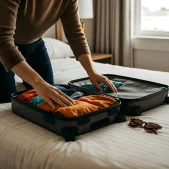
You need to start packing for your trip 1 to 2 weeks before, in case you need to get any last-minute things or documents.

Essentials to carry

Carry your passport, visa, travel insurance, basic first aid, phone, charger, adapter, camera, identity card, license, etc. Also carry plenty of cash. While India is becoming big on digital payments, cash still remains the most common form of payment. Check this blog for a detailed list of what to pack.

What to wear

Pack your bags depending on the season, climate, and region. A large part of India is hot and humid, so carry loose, breathable clothes. The country is also pretty conservative, so make sure to pack clothes that cover your shoulders, chest, and thighs, especially if you plan on visiting religious places or remote villages.

If you are visiting a colder region or during the winter season, carry warm woollens and layered clothing. For places with snow, carry winter boots, gloves, scarves, and woollen caps.

For the summer season, wear light cotton and linen. Don’t forget to carry sunscreen, sunglasses, and a hat or a cap.

For the monsoons, carry extra clothes and outfits that dry quickly. Also carry an umbrella or a raincoat and appropriate footwear, along with a mosquito repellent or bug spray.

Largely, India is a hot and humid country, so carry loose, breathable clothes. 

Check out this blog to understand what to wear in India.

plan a trip to india
Pack according to the season and regions you are visiting in India

Did you find this guide helpful? Let us know! And if you do not feel like doing any of this, contact us! At India Someday, we curate personalized trips to India based on your likes and requirements. Let us do all the work and you can sit back and enjoy your trip! Contact us and together we can plan the perfect trip to India for you!
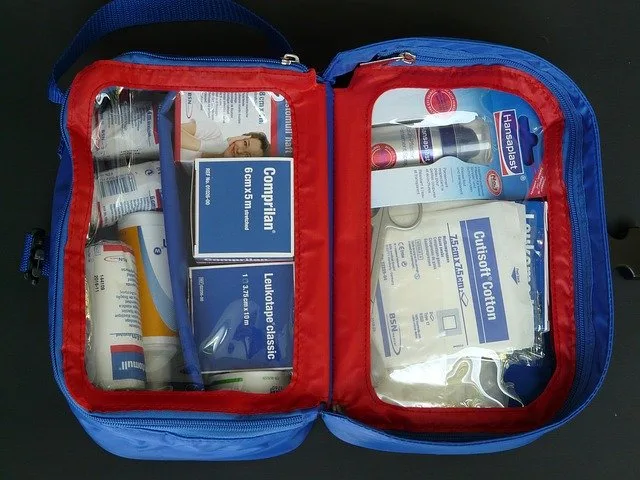
Medical Travel Kit Checklist for India

Whenever you pack for a trip, make sure to pack a small first-aid kit as well. It is better to customize your own kit depending on the type of vacation, regions you will be visiting, and the activities you plan on doing. In this blog, we have curated a comprehensive medical travel kit checklist for India to help you pack for your next trip to this beautiful country.

Why is a health kit necessary while traveling to India?

No matter where you are traveling, a medical travel kit can be a lifesaver. Getting sick during a trip can be stressful, so having your own first aid kit to rely on is a relief. In India, you will generally get basic  medications in most pharmacies; however, the hygiene is not the best in the country, and you may not be able to find your specific medications in a different country so easily.

A basic first aid kit will make you feel confident and calm during a stressful situation. It is necessary to keep some hygiene items like tissues, wet wipes, sanitizer, as well as tablets for diarrhea, motion sickness, and dehydration. You should also carry all the necessary health documents on your trip.

medical travel kit checklist for india
Picture courtesy: Las Dunas Surf Resort

Basic items

  • Bandaids
  • Bandages
  • Antiseptic solution
  • Pain relievers
  • Thermometer
  • Tweezers or scissors
  • Cold pack
  • Aloe vera gel
  • Face mask
  • ORS
  • Electrolyte packets

Medicines

  • Medicine for motion sickness: Motion sickness is common among many people, and while you easily get a medicine for it in Indian pharmacies, it is a good idea to pack some.
  • Medicine for diarrhea: Delhi Belly, or traveler’s diarrhea, is a common occurrence for many tourists in India. Make sure to carry some diarrhea medicine with you.
  • Prescribed medications: if you are on any prescription, do carry those medicines along with the doctor’s detailed prescription note.
  • Allergy medications: if you have any allergies, keep your medicine handy, or an EpiPen, if needed.
  • Antibiotics
  • Cold and flu tablets
  • Digestive tablets

See also: The Ultimate Packing List for India

Preventive items

  • Sunscreen: carry a sunscreen with an SPF of 50, since the heat in India can be intense.
  • Moisturizer: keep a good quality moisturizer, especially if you plan on visiting the colder regions or during winter season.
  • Hand sanitizer
  • Lip balm with SPF
  • Mosquito repellent or bug spray: Monsoon season in India becomes a breeding ground for mosquitoes and other insects, so keep an insect repellent or spray handy.
  • Hat and sunglasses: carry a wide-rimmed hat or cap to ensure that you stay protected from the sun and cover your eyes with UV-protection sunglasses.
  • Earplugs

Personal hygiene

  • Wet wipes and tissues
  • Soap or body wash, face-wash, and shampoo
  • Menstrual hygiene products if needed
  • Sexual health protection products
  • Toothbrush and toothpaste

medical travel checklist for india

Region-specific items

  • Medicine for altitude sickness
  • Anti-malarial medicines
  • Portable water filter or water purification tablets

Documents

  • Travel insurance: while travel insurance in India is not mandatory, it is definitely recommended. Travel insurance helps you in case of sudden medical emergencies, medical treatments, and more, so do keep a copy of your travel insurance on you.
  • Copies of prescriptions: if you have any prescribed medicines, keep a copy of the prescription. A lot of pharmacies do not allow the sale of many medicines without a proper prescription.
  • Vaccination certificates: There are no mandatory vaccines to visit India, but they are highly recommended, especially COVID-19 vaccine, Yellow fever vaccine, Polio vaccine, Rabies vaccine, and a few others. Consult your doctor and keep a copy of vaccination certificates with you.
  • Doctor’s letter: if you use any controlled medications or medicines that need to be taken at regular intervals, keep a doctor’s note handy as proof at the airport, pharmacy, or in case of enquiry.
medical travel checklist
Travel insurance is not mandatory but highly recommended in India

Did you find this guide helpful? Let us know. At India Someday, we create personalized trips to India for you, based on your preferences and requirements. Contact us and together we can plan the perfect trip to India for you!

Seasonal Packing List for India for Foreigners

If you are planning your next trip to India, you might feel overwhelmed with the packing. There are many things you need to consider before packing for your trip to this diverse country, such as the regions, climate, seasons, activities, and more. In “Seasonal Packing List for India for Foreigners”, we make your task slightly easier by guiding you on how to pack for India according to seasons. Read on for more!

Seasons in India

India majorly experiences three seasons – winter, summer, and monsoon. From October to February is the winter season in the country. This is the busiest season for tourism, and it is easy to see why. The climate is cool and pleasant in most of the country, while the northernmost regions near the Himalayas experience heavy snowfall.

The summer season in India lasts from March to May, and it can be extremely hot in most of the country, with temperatures reaching up to 40 degrees Celsius. The tropical climate also means extreme humidity. Summers can often be quite uncomfortable except in the Himalayan regions and hill stations, where the climate is quite pleasant.

India has two monsoons – the Southwest monsoon is from June to September and is experienced by most of the country, while the Northeast monsoon is in November and December, and only affects some of the eastern states of India. The monsoon season brings moderate to heavy showers, with a few sunny days here and there.

All season packing essentials

  • Carry your passport, visa, travel insurance, vaccination certificates, and all important documents.
  • Keep a basic first aid kit, prescribed medications if you have any, and a doctor’s note. You will get most common medicines over the counter in Indian pharmacies, but it is best to carry the necessary ones with you.
  • Pack personal hygiene products like hand sanitizer, wet wipes, sunscreen, lip balm, bug spray, and mosquito repellent.
  • Carry a portable water filter or purification tablets if needed, although you will get bottled or filtered water nearly everywhere in India.
  • A secure, anti-theft purse or bag is practically a necessity. It is easy to get robbed in a crowded country like India, and thieves can target tourists. Remember to lock your bags as well, for extra security.
  • Pack modest and breathable clothing. Light and breathable clothing is a good choice, since a large part of India is hot and humid. Since the country is quite conservative, it is a good idea to wear clothes that cover your shoulders, chest, and thighs. This is necessary especially while visiting remote areas or religious places, out of respect for local customs. It is also a good way to prevent sunburns.
  • Carry your electronics like mobile phone, charger, adapter, and power bank. Bringing a camera along is a good idea, since India is a photographer’s paradise. Preferably get a local SIM or eSIM as well.
  • Carry your credit and debit cards, but also carry cash. Although digital payments are becoming increasingly common in India, it is still a cash-based economy.

Read more: The Ultimate Packing List for your trip to India

seasonal packing list for india for foreigners
Don’t forget to carry essentials like passport, visa, travel insurance, cash, phone, etc.

Winter season essentials(October to February)

The seasons in India also vary according to regions. In the winter season, the northernmost regions of the country get extremely cold, with temperatures dipping to -2 degrees Celsius, while the central and southern regions don’t really experience the winter season except for a few cold nights.

  • If you are visiting the northern regions in winter, carry heavy woollens, thermals, gloves, and warm, layered clothes.
  • For the central and southern regions, carry light woollens and layered clothes. Also carry shawls.
  • It is a good idea to carry lip balm, hand cream, and moisturizer to keep your skin from becoming too dry.
  • If you plan on staying in rural areas, you may not get adequate heat so carry a small hot water bag or heating pad as well.
packing list for india
Carry warm woollens for the winter season in India

Summer season essentials(March to May)

The country faces intense heat during the summer season, barring the northernmost regions and hill stations in India. It is best to be prepared for the heat and humidity that summer brings, especially if you are not used to it.

  • Wear light, breathable cotton and linen clothes that cover your body to prevent sunburns.
  • Carry a hat or a cap and sunglasses, or an umbrella.
  • Make sure to carry at least SPF 50 sunscreen, electrolyte packets, and deodorant.
  • Wherever you go, carry a bottle of water and keep yourself hydrated.
  • You can also pack a small, portable fan for especially hot days.
seasonal packing list for india
Pack a cap or a hat, sunglasses, sunscreen, and breathable clothes

Monsoon season essentials(June to September)

Monsoon season in India is usually from June to September, and can range from light showers to heavy rainfall. This is not a peak season for tourism in the country, but it is a beautiful time to visit.

  • Make sure to carry a good-quality umbrella or raincoat, appropriate footwear, and waterproof rain gear.
  • Wear light clothes that can dry quickly, and always keep an extra pair of clothes handy.
  • Pack a microfiber towel and extra innerwear and socks.
  • Get a waterproof cover for your bag as well.
  • Carry ziplock bags to keep your electronics, a mosquito repellent, bug spray, and anti-fungal foot powder.
seasonal packing list
In monsoons, carry an umbrella or raincoat, rain-proof sandals, and extra clothes

Festivals and other events

  • If you are planning on attending a festival or wedding in India, you will need to carry some extra outfits, accessories, and gifts.
  • If you want to wear something traditional, it is best to shop for it in India itself. Get a nice, breezy kurta or Indian-style scarf or dupatta. You can also get some nice earrings or necklaces that you can wear at festivals and events like Diwali or a wedding.
  • If you are going to a wedding or if you are visiting a local family, get a small gift or souvenir for them. While not mandatory, it is expected and much appreciated.
packing list for india
Get something traditional to wear during a festival or wedding

Specific items according to regions and activities

India has a diverse geography – the snow-clad Himalayas, the deserts of Rajasthan, beaches along the east and west coast, rivers, lakes, hills, and valleys – you need to pack according to the regions as well!

  • If you are visiting the Himalayas in Ladakh, Himachal Pradesh, or Sikkim, take thick jackets, heavy woollens, hiking boots, and thermal wear.
  • The beaches of Goa, Andaman, and Nicobar offer sunshine and water sports, so make sure to carry swimwear, beach towel, flip-flops, and sunscreen.
  • The deserts of Rajasthan can be hot, but if you are visiting in winter, you will find that the nights often get very cold. Pack layered outfits.
  • If you plan on visiting a lot of temples and other religious places, carry footwear you can easily remove and put on, since you will be required to remove your footwear outside every religious place.
  • For a wildlife drive, especially during the night or early morning, wear fully covered clothes, a warm jacket, hat, scarf, and gloves. It is a good idea to wear layers on wildlife safaris since the weather turns warmer during the day.
  • For adventure activities like trekking, hiking, or rock climbing, wear comfortable but sturdy walking shoes because you will need to walk a lot or through uneven trails. Don’t forget to carry a bug spray or mosquito repellents if you plan on walking through natural trails.
packing list for india for foreigners
Pack according to the season and region you are visiting and the activities you plan to do

Did you find this blog useful? Let us know! At India Someday, we curate personalized itineraries to India for you based on your likes and preferences. Contact us and together we can plan the perfect trip to India for you!

12 Best Things to Do in Karnataka

If you are looking for things to do in Karnataka, the state has a lot to offer. A beautiful blend of history and modernity, Karnataka is a paradise with mesmerizing landscapes, historic structures, and a fast-growing industrial sector. From serene beaches in Gokarna, beautiful temples in Hampi, to adventurous and wildlife experiences in Chikmagalur, Karnataka has something for every traveller. Here are some of the best things to do in Karnataka.

Visit the Mysore Palace

Mysore, the City of Palaces, is renowned for its beautiful and intricate architecture. One of the most popular attractions in the city is the Mysore Palace, also known as Mysuru Palace and Amba Vilas Palace. The present-day structure was built in the 14th century by the English architect Henry Irwin in the Indo-Saracenic style of architecture.

The palace is lit up with 97,000 lights on Sundays and public holidays, a magnificent sight that attracts tourists from all over. It is also known for its light and sound show that tells the 400-year history of Mysore. The palace is decked up during the Dussehra festival that takes place in September or October, and it is one of the best times to visit the palace.

Other than the Mysore Palace, you can also explore Jaganmohan Palace and Lalitha Mahal Palace in the city.

12 Best Things to Do in Karnataka
Mysore Palace, Mysore

Beach hopping in Gokarna

Gokarna in Karnataka welcomes you with serene beaches and ancient temples. Famous for its beach treks, the enchanting town will take you on a journey to connect with nature and enjoy scenic views by the shores.

The famous Om Beach, Paradise Beach, and the ‘C’ shaped Kudle Beach are perfect for spending a day in the sun – go banana boating on Om Beach, spot dolphins at Paradise Beach, and shop at the local flea markets.  Don’t forget to try different dishes at the food shacks by the beach. Camping and beach yoga are also popular activities here.

12 Best Things to Do in Karnataka
Kudle Beach, Gokarna

Explore the wildlife

Karnataka is home to many wildlife reserves with diverse flora and fauna. The Nagarahole Tiger Reserve in Kodagu and Mysore is inhabited by a variety of animals, including tigers, sambar, leopards, sloth bears, and birds like kingfishers, crested serpent eagles, and sunbirds. It is named after the Nagarahole stream, which flows through the forest, literally meaning “serpent stream”.

Kali Tiger Reserve, originally known as Dandeli Wildlife Sanctuary, is home to 40 tigers and other wildlife like woodpeckers, kingfishers, leopards, etc. Experience a jungle safari and other activities like trekking, fishing, white water rafting, and crocodile sighting in the Kali river that flows through the reserve.

You can also enjoy a jeep safari through the Bhadra Wildlife Sanctuary in Chikmagalur, which takes you through mesmerizing trails with waterfalls, lush hills, and valleys.

Bandipur Tiger Reserve is another beautiful place for animal and nature lovers. A part of the Nilgiri Biosphere Reserve, this reserve is home to many endangered species like the Nilgiri langur and the lion-tailed macaque, as well as other animals like tigers, elephants, sloth bears, and spotted deer.

The Daroji Sloth Bear Sanctuary is India’s and Asia’s first sloth bear sanctuary. Established in 1994, it houses 150 sloth bears, along with wild boars, jackals, and over 70 species of birds, including peafowl and painted spurfowl.

12 Best Things to Do in Karnataka
Nagarahole Tiger Reserve

Visit the Temples

Beautiful temples and spiritual experiences can be found throughout Karnataka, attracting tourists from all over the world.

Visit the Virupaksha temple in Hampi, a UNESCO World Heritage site built in the 7th century during the reign of the mighty Vijayanagara empire. The temple is decorated with intricate sculptures and stone work, and features gopurams (tall towers) that lead to the inner corridors. A highlight of the temple is the Car Festival, which takes place in March amid vibrant celebrations.

The Vijaya Vittala Temple is another magnificent monument in Hampi, renowned for its iconic stone chariot. The large courtyard has several small temples surrounding the stone chariot. 

The Mahabaleshwar Temple in Gokarna is a stunning piece of architecture, built with white granite in Dravidian style. It is famous for its 6 feet tall Shiva Linga, which is said to be 1500 years old. However, only the top of the Atmalinga is visible to the visitors. The entire Atmalinga can only be seen during the Ashta Bandana Kumbhabhishekam festival, which happens once every 40 years.

You can also visit other temples like Kudroli Gokarnath Temple, Hazara Rama Temple, ISKCON Temple, and more.

12 Best Things to Do in Karnataka
Virupaksha Temple, Hampi

Explore Kemmangundi

The dreamy hill station of Kemmangundi in Chikmagalur is a biker’s paradise. Join a biking tour or hire a bike and ride through the serene landscapes. You can also trek up to Z Point and take in the magnificent views of the Western Ghats. 

Kemmangundi is also home to many waterfalls, such as Kalahari Falls, Hebbe Falls, and Shanti Falls. Don’t forget to visit the Shiva Temple in Kemmangundi. Nestled amidst waterfalls and lush forest views, the temple offers a spiritual experience like no other. 

12 Best Things to Do in Karnataka
Kemmangundi, Chikmagalur

Lalbagh Botanical Garden

The Lalbagh Botanical Garden in Bengaluru has the largest collection of tropical and subtropical plants in India. Established in the 18th century, it is known for its stunning glasshouse inspired by the London Crystal Palace, making it a must-visit for nature lovers.

The Lalbagh Flower Show is held twice a year, on Republic Day (26th January) and Independence Day (15th August), and is one of the most popular events in Bangalore.

12 Best Things to Do in Karnataka
Lalbagh Botanical Garden, Bengaluru

Caves of Badami

The Caves of Badami are a part of a group of monuments at Pattadakal, namely Aihole, Badami, and Pattadakal, which are recognised as a UNESCO World Heritage Site. Built from the 6th to 8th centuries AD by the Chalukya dynasty, the four caves comprise four red sandstone temples. Three temples have carvings of Hindu Gods Shiva and Vishnu, while the fourth temple is dedicated to Jain Tirthankaras.

The caves are open to tourists from 9.00 am and 5.30 pm. Wear comfortable shoes since you will have to walk a lot.

12 Best Things to Do in Karnataka
Caves of Badami

Jog Falls

Trek to the breathtaking Jog Falls, the second-highest plunge waterfall in India. The waterfall is broken into four segments – Raja, Roarer, Rocket, and Rani. They are named based on their characteristics, with Raja being the unbroken stream, Roarer being the violent one, Rocket flowing in different jets, and Rani being the quiet stream. 

The trail can be slippery, especially in the monsoons, so wear sturdy, appropriate shoes. 

12 Best Things to Do in Karnataka
Jog Falls (Picture Credit: Mysore Wheels)

Netrani Island

The abundance of pigeons on Netrani Island near Murudeshwar has earned it the name Pigeon Island. This heart-shaped island off Karnataka’s coast, with mesmerising blue waters, is a perfect spot to try water activities like scuba diving and snorkelling. There are opportunities for both beginner and expert scuba divers, where you can go for a single dive or take a course from the operators in Murudeshwar.

12 Best Things to Do in Karnataka
Netrani Island, Murudeshwar (Picture Credit: Netrani Residency)

Gomateshwara Statue

Shravanabelagola in Karnataka is an important pilgrimage centre for Jains due to the Gomateshwara Temple, or Bahubali Temple. The Gomateshwara statue on Vindhyagiri Hill is one of the world’s tallest free-standing monolithic statues at 57 feet.

The statue was carved from a single block of granite in 981 AD by Chamundaraya, a Ganga warrior. It depicts Gomateshwara Bahubali in a meditative position, a respected figure in Digambara Jainism. The statue embodies Jain principles of non-violence, peace, and self-discipline. 

The Mahamasthakaabhisheka is an auspicious occasion held every 12 years when the statue is bathed with saffron paste, milk, and water. The next Mahamasthakabhisheka will be held in 2030.

12 Best Things to Do in Karnataka
Gomateshwara Statue

Coffee Plantations of Coorg

Known as the Scotland of India, Coorg offers enchanting views of misty hills and valleys, coffee plantations, and a pleasant climate. The charming hill station is primarily known for its production of coffee, which has been grown here for well over a hundred years.

Numerous coffee plantations like Tata Coffee Plantation, Avadale Coorg, Serene Woods, etc, offer guided tours that take you through the journey of how coffee came to India, how it is harvested and processed, all while surrounded by the lush greenery and rich aromas of the plantations. So don’t miss this beautiful experience, and certainly don’t leave without drinking a cup of coffee here!

12 Best Things to Do in Karnataka
Coorg Coffee Plantations (Picture Credit: Thrilliophilia)

Go shopping

There is so much to shop for when in Karnataka, with each city having something unique to offer.

Mysore is a shopper’s paradise. Head to the silk market to shop for exquisite silk sarees, sandalwood oil, soap, or some delicious Mysore Pak, a local dessert.

In Bengaluru, Brigade Road, Commercial Street, Malleswaram Market, and Gandhi Bazaar are perfect for shopping. You will find everything from branded showrooms to tuck shops, but be sure to brush up on your bargaining skills first! Book lovers, do visit Blossom’s Book House, one of the oldest and largest bookshops in Karnataka.

Chikmagalur is renowned for its homemade wine, coconut oil, and spices, while in Coorg, shop for coffee, tea, authentic spices, and natural honey.

12 Best Things to Do in Karnataka
Brigade Road, Bangalore (Picture Credit: The Hosteller)

Read more: Visit Karnataka

So, which place are you visiting first once you are in Karnataka? Let us know! At India Someday, we create personalized trips to India for you based on your requirements and interests. Contact us and we will plan the perfect trip to India for you!

Best Time to Visit Mahabalipuram

The best time to visit Mahabalipuram depends on the kind of vacation you are looking for. A UNESCO World Heritage Site, the town is home to a group of majestic monuments built by the Pallava dynasty. These historic structures date back to the 7th and 8th centuries and will transport you back in time. Mahabalipuram is also known for its beautiful beaches, serene atmosphere, and spiritual experiences. Read more to find out the best time to visit Mahabalipuram!

Winter Season in Mahabalipuram (November to February)

The winter season in Mahabalipuram is cool and pleasant, with temperatures ranging from 20 to 28 degrees Celsius, making it ideal for sightseeing and outdoor activities.

Explore the historic architectural sites in the town like Pancha Rathas, Mahabalipuram Shore Temple, and Krishna’s Butter Ball. Head to the Mamallapuram Lighthouse for a relaxing stroll and enjoy scenic views.

 The famous Mahabalipuram Dance Festival is held over four weeks in December every year, while the Pongal festival takes place in January.

However, since this is the peak tourist season, prices for accommodations and flights are pretty high. Plus, everything gets booked early, so make sure to book in advance. The nights can be a bit chilly, so carry a light jacket if needed.

Best Time to Visit Mahabalipuram
Mahabalipuram Shore Temple

Summer Season in Mahabalipuram (March to May)

Summers in Mahabalipuram are hot and humid, with temperatures ranging from 25 to 40 degrees Celsius. April is the hottest month, so avoid travelling to Mahabalipuram in this month.

This is not the peak season for tourism, but it is still a good time to visit the town if you can handle the heat. Relax at Mahabalipuram’s serene beaches, like Mahabalipuram Beach, Sadras Beach, and Wide Beach, and even engage in beach activities like surfing, kitesurfing, and windsurfing.

Since this is the off-season, hotels and resorts offer various discounts on bookings. Plus, fewer crowds mean you have more places to yourself. 

If you visit Mahabalipuram in summer, make sure to wear loose, breathable cotton clothes, a hat or a cap, and sunglasses. Apply plenty of sunscreen and stay hydrated throughout the day.

Best Time to Visit Mahabalipuram
Mahabalipuram Beach

Monsoon Season in Mahabalipuram (June to September)

The monsoon season in Mahabalipuram is from June to September. Temperatures range from 22 to 30 degrees Celsius, and the town experiences moderate showers and increased humidity.

Due to unpredictable showers, the monsoon season is not the best time to visit Mahabalipuram. However, if you wish to enjoy lush green landscapes and a serene atmosphere, then Mahabalipuram in the monsoon can be a worthwhile visit.

This season is ideal for wandering through various cave temples such as the Varaha Cave Temple and Krishna’s Mandapam. But be careful of slippery surfaces while exploring the cave temples. You can also visit the Madras Crocodile Bank Trust and see crocodiles and other reptiles.

Escape the rains by visiting indoor tourist attractions like the Indian Seashell Museum, Lighthouse Heritage Museum, and the Maritime Heritage Museum, which showcase the history and art of Tamil Nadu.

In September, the residents of Mahabalipuram organise different exhibitions and fairs. Shop for souvenirs, statues, and sculptures from the stalls to take back home.

Since this is the off-season, you will get decent discounts on accommodations and bookings. Make sure to carry an umbrella or raincoat with you at all times. Be prepared for delays and cancellations in plans due to the rains.

Best Time to Visit Mahabalipuram
Varaha Cave Temple

Festivals and Events

Indian Dance Festival: Also called as Mahabalipuram Dance Festival, this 4-week festival takes place in December every year.  It is held in the vicinity of “The Arjuna Penance,” a historic sculpture at the Shore Temple. Classical dancers from all over India participate in this festival, which attracts tourists for a cultural experience.

Pongal: Pongal marks the beginning of the harvest season in Tamil Nadu. It marks the beginning of the sun’s northward journey and is celebrated to thank the Sun God, mother nature, and the farm animals. The four-day vibrant event is usually celebrated between 13 and 16 January with many rituals, feasts, and cultural events.

Best Time to Visit Mahabalipuram
Indian Dance Festival

Read More: 6 Best Things to do in Mahabalipuram.

So, when will you be visiting Mahabalipuram? Let us know! At India Someday, we plan curated itineraries to India based on your needs and requirements. Contact us, and together we can plan the perfect trip to India for you.

Health and food safety in India for foreigners

Indian food is an explosion of flavours, with each region offering something unique to people. However, when travelling in India, certain health and food safety measures must be taken into consideration to keep yourself safe from any diseases. “Health and food safety in India for foreigners” explains some measures to take related to food consumption and health in India. Read on for more!

Health and food safety in India for foreigners
Health and food safety in India

Water Safety

  • Do not consume tap water anywhere in India. Tap water in the country is often contaminated, and consuming it will cause illnesses like diarrhea and vomiting.
  • Sealed, bottled mineral water is your best bet in India. Buy from well-known brands like Bisleri or Aquafina. You might find knockoffs of these brands in many places, so always check the name, seal, and the branding tag before purchasing a bottle of water.
  • Another alternative for bottled water is using portable purification devices like SteriPens and LifeStraw, which help treat the water once you put it in.
  • Many hotels, hostels, and restaurants also have water purifiers for drinking water, which is usually safe. 
  • Avoid any beverages with ice in them, since the ice cubes may be made from unsafe water.
  • If you don’t have access to bottled or filtered water, the best way to drink clean water is to boil it. The boiling process purifies water to a good extent.
  • It is recommended to use bottled, purified, or boiled water while brushing your teeth as well.
  • Using tap water for showering or washing your face is usually safe in India. However, avoid swallowing the water while bathing or washing your face.
Health and food safety in India for foreigners
Water safety

Food Safety: What to Eat and Avoid

  • It is best to eat freshly cooked hot food. Avoid consuming food that has been sitting out for a long time, as it can be home to germs and bacteria.
  • Avoid consuming raw salads or vegetables, as they could be contaminated.
  • Avoid pre-cut or peeled fruits since they are prone to unhealthy bacteria. Eat whole fruits that you can cut or peel yourself. Remember to wash them before consumption.
  • During monsoons (June-September), avoid consuming seafood as heavy rains contaminate water sources, which increases the risk of foodborne illness. Preferably eat seafood in the coastal regions of the country, since they have the freshest produce.
  • Be careful with street food. Eat at stalls where you can see your food being cooked. Hot and freshly cooked dishes are safe to eat. Visit stalls that are preferred by the locals and look hygienic.
Health and food safety in India for foreigners
Food safety

Eating Out

  • Check ratings and reviews of restaurants on Google and food delivery apps before trying one out. Visit restaurants that specialize in the kind of cuisine you want to try.
  • Indian food can be quite spicy for tourists. Before ordering anything, enquire about the spice levels of the dishes. If you do want to experiment with spicy food, ask the staff for dishes that cater to your spice tolerance levels.
  • If you have a sensitive stomach, avoid street food or non-vegetarian food. Eat simple vegetarian food that is preferably cooked in front of you and served hot.
Health and food safety in India for foreigners
Eating out

Hygiene Practices

  • Wash your hands frequently, especially before and after eating, and after using public transport. 
  • Always carry a hand sanitizer with you, or keep wet wipes and tissues handy, in case soap and water are unavailable.
  • Using public restrooms can be an unpleasant experience in India. Carry seat sanitisers and toilet paper in case you need to clean the seat before using it.
  • Instead of using hand soaps in restrooms, carry hand sanitizers or paper soaps, which are safer alternatives. 
Health and food safety in India for foreigners
Hygiene practices

Personal Health Precautions

  • Carry a basic first aid kit with necessary medications like electrolyte sachets, anti-diarrhea medicines, ORS, or water purification tablets, including remedies for stomach upsets.
  • Make sure your travel insurance covers medical emergencies.
  • Consider a few recommended vaccinations, such as for cholera, typhoid, and COVID-19, before travelling to India.
Health and food safety in India for foreigners
Personal health precautions

Read more about Holding on to Hygiene in India.

Your trip to India can be safe and free from illnesses by taking necessary health precautions and consuming food mindfully! At India Someday, we plan customized trips to India for you based on your interests and requirements. Contact us and we will help you plan your perfect trip to India.

11 Best Things to do in Tamil Nadu

If you are looking for things to do in Tamil Nadu, the state has a lot to offer. Known as the Land of Temples, Tamil Nadu is home to many beautiful temples, historic structures, mesmerizing landscapes, and more. There is something in store for every traveller visiting Tamil Nadu. We have tried to enclose some of the best things to do in Tamil Nadu in this blog. Read on to find out more!

Visit Temples

Visit the famous Madurai Meenakshi Amman Temple in Madurai, an architectural beauty with art pieces incorporated in the pillars and walls of the temple.

Brihadeeswarar Temple in Thanjavur is another architectural marvel. The Grand Anicut Canal runs through the trenches that protect the temple. You will also find beautiful paintings from the Chola period. 

The Rameshwaram Temple in Rameshwaram is one of the 12 Jyotirlinga temples of India. It has one of the longest temple corridors in the world, and the poojas and festivals conducted at the temple are worth attending.

Things to do in Tamil Nadu
Madurai Meenakshi Amman Temple, Madurai

Relax on the beaches

Relax and unwind by the shore at the Dhanushkodi Beach in Rameshwaram. It is one of the untouched beaches in the region with fewer crowds around.

Head to Mahabalipuram Beach, a UNESCO World Heritage Site with rock-cut sculptures, beautiful views, and the beautiful Shore Temple. If visiting in January or February, you can even attend the dance festival organised by the Government of Tamil Nadu every year.

If you thrive in crowds, visit the popular Marina Beach where you can enjoy the breeze, shop for souvenirs from the stalls, or even go on a carousel ride.

Kanyakumari Beach in Kanyakumari is a treat for the eyes as you witness the confluence of three water bodies: the Indian Ocean, the Bay of Bengal, and the Arabian Sea. Since the beach is rocky and the water is rough, it is advised not to swim.

Things to do in Tamil Nadu
Dhanushkodi Beach, Rameshwaram

Trek to the hills

For all trekking enthusiasts, Tamil Nadu has many amazing treks. Trek to the Anaimalai Hills in the Western Ghats, offering scenic views of the peaks. The Anamalai Tiger Reserve is also located in these hills.

You can also trek to the Pachamalai Hills. The trail offers breathtaking views, some waterfalls along the way, and even some wildlife if you are lucky!

Velliangiri Hills in Coimbatore, also known as the ‘Kailash of the South’, is another popular trekking route. Seven hills make up this mountain range, and the challenging trek through the rugged terrain is not for the faint-hearted. The famous Velliangiri Temple is located nearby.

Things to do in Tamil Nadu
Velliangiri Hills, Coimbatore

Government Museum

Immerse yourself in the history and traditions of South India by heading to the Government Museum in Chennai, which was established in 1851. It is the second largest museum in India and is home to beautiful works of Raja Ravi Varma, South Indian bronzes, and the largest collection of Roman antiquities outside of Europe.

Things to do in Tamil Nadu
Government Museum, Chennai

Wildlife Adventure

Tamil Nadu is a paradise for wildlife enthusiasts. The Anamalai Tiger Reserve, situated between Kodaikanal and Coimbatore, offers guided hikes and jungle safaris. You will be able to spot many wildlife species such as tigers, spotted deer, elephants, langurs, and more. 

Mudumalai Tiger Reserve, situated in the foothills of the Nilgiris, is part of the Nilgiri Biosphere Reserve and houses more than 100 tigers and Asiatic elephants, along with chital deer, wild boar, gaur, peacocks, langurs, and wild elephants.

Things to do in Tamil Nadu
Anamalai Tiger Reserve

San Thome Cathedral

San Thome Cathedral is a testament to St. Thomas, one of Jesus Christ’s twelve apostles. Built in neo-Gothic architecture with stained glass windows and statues of the Virgin Mary, the basilica is quite popular among tourists. This is one of the only three churches in the world built over the tomb of Jesus Christ’s apostles. 

Things to do in Tamil Nadu
San Thome Cathedral

Visit the Botanical Gardens

Go for a stroll at the Botanical Gardens in Ooty, a popular attraction for nature lovers. The garden is renowned for a 20-million-year-old fossilized tree trunk and Kurinji flowers, which bloom once in 12 years. The botanical garden also houses rare tree species like the cork tree and the monkey puzzle tree, ferns, and endangered species of orchids.

Things to do in Tamil Nadu
Botanical Garden, Ooty (Picture Credit: Kiomoi)

Adiyogi Shiva Bust

Situated at the foothills of the Velliangiri Mountains, the majestic 112-feet-tall Adiyogi Shiva Bust statue is a famous tourist attraction in Tamil Nadu. Located in the Isha Yoga Complex in Coimbatore, the sculpture is recognized as the largest bust sculpture in the world. It is carved out of 500 tonnes of steel and has been constructed to introduce the power of yoga and inspire people to focus on inner well-being.

Things to do in Tamil Nadu
Adiyogi Shiva Bust (Picture Credit: MyBestPlace)

Vivekananda Rock Memorial

Vivekananda Rock Memorial in Kanyakumari was built in honor of Swami Vivekananda, who attained enlightenment here. The sacred spot offers scenic views of the Indian Ocean. Situated on two adjacent rocks, the rock memorial comprises the ‘Shripada Mandapam’ and the ‘Vivekananda Mandapam’. The Shripada Mandapam also has a museum and a study hall where you can understand Vivekananda’s work and life in depth.

Things to do in Tamil Nadu
Vivekananda Rock Memorial

Matrimandir

Auroville in Pondicherry is most widely characterized by a golden sphere, known as the Matrimandir. Literally translating to ‘Temple of the Mother’, Matrimandir is the soul of Auroville and a peaceful place for individual, silent concentration.

Surrounded by 12 lush gardens with an amphitheater nearby, Matrimandir is not a tourist attraction, but rather a place for “those who want to learn to concentrate”. Not everyone is permitted entry inside, although the Matrimandir Viewing Point is accessible to everyone.

Things to do in Tamil Nadu
Matrimandir, Pondicherry (Picture Credit: Architectural Digest India)

Nilgiri Mountain Railway

The Nilgiri Mountain Railway in Ooty, popularly known as the Toy Train, is a UNESCO World Heritage Site and one of the key attractions of the hill station. The 5-hour journey amidst nature offers scenic views of the misty forests and hills.

Things to do in Tamil Nadu
Nilgiri Mountain Railway, Ooty

Read more: Best Places to Visit in Tamil Nadu.

So, when are you visiting Tamil Nadu? Let us know! At India Someday, we create personalized trips to India for you based on your requirements and interests. Contact us and we will plan the perfect trip to India for you!

13 Best Things to do in Leh Ladakh

Snow-capped, majestic mountains, vast sand dunes, low-hanging clouds, and pristine lakes and rivers – Leh Ladakh in North India offers views that would leave you spellbound! With stunning natural beauty, adventure, and culture, there is so much to do in this region! Here are the best things to do in Leh Ladakh!

1. Visit the monasteries and stupas

Leh Ladakh is primarily inhabited by Buddhists, and you must visit at least one monastery while you are here. The Diskit Monastery is one of the most popular in the region. Built in the 14th century, it is one of the largest and oldest monasteries in the region. Lamayuru Monastery, also known as Moonland Monastery, is a unique place, with a landscape that looks like the surface of the moon! The Thiksey Monastery, Spituk Gompa, Shanti Stupa, Shey Monastery, and Hemis Monastery are a few other places you should visit for a spiritual experience.

things to do in leh ladakh
Diskit Monastery

2. Go on a trek

Leh Ladakh has some of the best albeit difficult treks in India. The Chadar Trek covers the Zanskar River, which is frozen in February, the best month for the trek. Around 62 km long, the trek takes about 8 to 10 days to finish.

The Stok Kangri peak is one of the highest trekking peaks in the world, at a height of 6153 meters! This is a challenging trek for experienced trekkers, and is definitely not for the faint-hearted or amateur trekkers.

Some other amazing treks in Leh Ladakh include the Nubra Valley Trek, Markha Valley Trek, Sham Valley Trek, and Snow Leopard Trek.

things to do in leh ladakh
Chadar Trek

3. Ride the highest motorable road

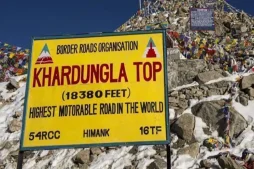
If you are a biking enthusiast, this thing should definitely be on your list of things to do in Leh Ladakh. Khardung La Pass in Ladakh is the highest motorable road in the world, at a height of approximately 18300 feet! Accessing this road will give you a feeling of achievement, but keep in mind – this road is not for amateurs. Located at a high altitude, the weather conditions are harsh and oxygen supply is low.

things to do in ladakh
Khardung La Pass

4. Enjoy adventure activities

For an adrenaline rush combined with stunning natural beauty, go rafting in the Zanskar River, known as the “Grand Canyon of India”. While this river is frozen in the winter, the summer season makes it perfect for river rafting.

Another thrilling experience is cycling or motor biking across the diverse terrain of the region. This activity is for experienced riders. You can also ride a quad bike across the sand dunes of Nubra Valley, or go on a jeep safari through the mountain passes and valleys.

Paragliding is another popular adventure activity, with a magical bird’s-eye view of the Ladakhi landscape.

things to do in ladakh
White river rafting

5. Visit the magical Magnetic Hill

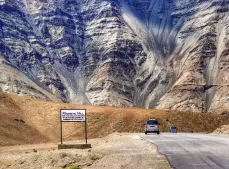
Located around 30 km from Leh, Magnetic Hill is believed to have anti-gravitational magnetic abilities, or maybe it is just an optical illusion. Either way, if you put your car in neutral gear, you can watch it go uphill by itself! Situated at an altitude of 14000 feet, this spot is a fun mystery for travelers!

things to do in leh
Magnetic Hill (Picture credits: TOI)

6. Spot a snow leopard

The Hemis National Park in Ladakh is home to the elusive snow leopard, the ghost of the Himalayas. Apart from the 200 snow leopards in the park, you may also find Tibetan wolves, Eurasian brown bears, other wildlife, and more than 70 species of birds!

Rich in flora and fauna, the Hemis National Park is definitely worth visiting.

things to do in leh ladakh
Snow leopards can be spotted in Hemis National Park

7. Visit the beautiful lakes and rivers

One of the most popular places in Leh, Pangong Lake is a stunning blue lake with pleasant climate and natural beauty all around. Tso Moriri is a serene lake surrounded by snow-capped mountains and mesmerizing views, perfect for nature lovers. These lakes are also great places for camping in the region.

You can also see the confluence of two rivers as the muddy brown Zanskar river merges with the blue-green Indus river, a breathtaking view of nature’s painting.

things to do in leh ladakh
Pangong Lake

8. Explore Leh Palace

The Leh Palace is a nine-storied structure that beautifully showcases the history of Ladakh through ancient murals and artefacts. A fine example of Tibetan architecture, the palace offers beautiful views of the town of Leh and Zanskar Valley.

Leh Palace

9. Enjoy a camel ride or yak safari

A camel ride in India is common, but a two-humped camel ride, not so much! Explore the sand dunes of Nubra Valley while riding a Bactrian camel, known for its two humps.

One of the most unique experiences you can have in Ladakh is a yak safari. Yaks are found in very few places in the world, and a yak safari is even rarer.

Bactrian camel in Ladakh(Picture credits: Stok Palace Heritage Hotel Ladakh)

10. Stargazing

Ladakh is one of the best places in India for night camping and stargazing. Witness the mesmerizing Milky Way belt as you camp under the starry sky in Nubra Valley or near Pangong Lake or Tso Moriri. It is a surreal experience and if you are in Leh Ladakh, you should not miss it.

Read more: Best time to visit Leh Ladakh

Stargazing in Ladakh

11. Indulge in the local cuisine

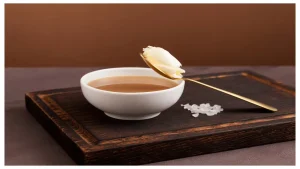
Ladakhi cuisine is simple and hearty with heavy Tibetan influences. Try street food like momos (stuffed dumplings), thukpa (noodle soup), chhurpi (yak cheese), sky (wheat dough stew), tingmo (Tibetan bread), and butter tea (a traditional Ladakhi beverage made using yak butter, salt, and milk). If you love sweets, definitely try the apricot jam, made with locally grown fruits.

Butter tea (Picture credits: TOI)

12. Go shopping

Explore the local markets of Leh Ladakh and shop for souvenirs to take back home. The Main Bazaar in Leh and Moti Bazaar in Ladakh offer a variety of local products like Pashmina shawls, carpets, jewelry, Tibetan handicrafts, prayer wheels, and more.

Prayer wheels

13. Attend the festivals

Leh Ladakh has some vibrant local festivals celebrated according to the Buddhist calendar. These festivals are a glimpse into the culture of Ladakh and are worth experiencing if you are in the region.

The Hemis Festival is celebrated in June or July, the Losar Festival is usually celebrated in February, while the Ladakh Festival is held in September. These festivals include processions, parades, masked costumes, and dance performances, a cultural extravaganza like no other.

Hemis Festival


So, when will you be visiting Leh Ladakh to enjoy these experiences? Let us know! At India Someday, we curate personalized trips to India for you based on your requirements and preferences. Contact us and together we can plan the perfect trip to India for you!

Food delivery apps in India: a guide for foreigners

If you are on a trip to India, there may be times when you are so exhausted after exploring the country that you may not want to go out to eat but simply order in. Thanks to the many food delivery apps in India, ordering food online has become a simple process. “Food delivery apps in India: a guide for foreigners” explains how to order food online in India. Read on for more!

Food Delivery Apps in India

Zomato

Zomato is one of the oldest and most popular food delivery apps in India. This app makes meal ordering very easy, with menus, images, restaurant information, and user ratings and reviews. The app has also acquired Blinkit, which is a great app for ordering groceries within minutes.

Swiggy

Swiggy is another popular app for food delivery in India. Live order tracking, contact with the restaurant and delivery partner, and many offers and discounts made Swiggy a great app for ordering online. Swiggy later also expanded to Swiggy Instamart, a grocery delivery service, and Swiggy Genie, an on-demand delivery service.

EatSure

EatSure is a food delivery app available across major cities in India, committed to providing high quality and hygiene along with delicious flavors.

EatClub

EatClub offers food delivery from top brands like MOJO Pizza, Box8, and . This app focuses on building a successful network of cloud kitchens.

Zepto

Zepto is a grocery delivery app which also delivers food from their own “Zepto Cafe”. While there isn’t a lot of choice in taste, it is a good option if you don’t want to wait for 30-40 minutes for your food.

IRCTC

IRCTC has partnered with various apps like Zomato, Swiggy, and EatSure to deliver fresh food on trains. Zoop and YatriRestro are official IRCTC e-catering partners. You need your 10-digit PNR number to check your journey details and see which is the next station where your food can be delivered to you.

Many other food brands have their own apps in India, such as McDonald’s, Domino’s, Burger King, KFC, Pizza Hut, Barbeque Nation, and more.

food delivery apps in india for foreigners
(Picture credits: NewsroomPost)

Steps to order food from delivery apps in India

Get a local SIM card

Many food delivery apps require an Indian mobile number to register. You can get a prepaid SIM card from mobile providers like Vi, Airtel, or Jio. Here is a guide about using local SIM cards in India. Once you sign up on the app, you will get an OTP to log in and you can start ordering.

Download the app

Download the app you want – Swiggy and Zomato are used more widely in the country. You will find these apps on both Google Play Store and Apple App Store.

Set your delivery location

Once you have downloaded the app, allow location access and enter your local address manually. Most hotels and hostels allow delivery in the lobby, but check once to confirm.

Choose a restaurant or dish

Choose what you want to eat, or from where. You can be specific about the dish you want or browse by cuisine or restaurants near you. Most apps have filters like Vegetarian Only and Quick Delivery, and often display ratings.

Add special instructions

You can also add instructions like “Make it mild and less spicy”, or mention any allergies or dietary preferences you might have.

Make the payment

Once you have finalized your order, make the payment. A few apps do allow international cards, so you can choose that. You can also use e-Wallets like Paytm or PhonePe if you have any set up, or you can opt for Cash on Delivery (COD), where you make the payment after you have received your order.

Receive the order

You can track your order once your process is completed and even contact the delivery partner if necessary. If you are staying at a hotel or hostel, go to the lobby or entrance to receive your order, and check the order before you accept it.

Also, tipping isn’t mandatory, but it is highly recommended and appreciated. A small tip of INR 10 to 50 should be enough.

food delivery apps in india a guide for foreigners

How to order without an Indian mobile number?

Order from Zomato or Swiggy

Swiggy recently rolled out a feature that lets foreigners and NRIs order from their international number to any place in India. This “International Logins” feature was launched for users in 27 countries around the world.

However, in case the feature isn’t working for you, you can log in to Zomato or Swiggy from a web browser and log in using your email address instead of your phone number. If you are not able to use your international credit cards, choose the Cash on Delivery option.

Order directly from restaurants

Another good option if you do not have a local SIM card is to search for restaurants on Google, call the number provided on the web and place an order directly. You can also order from the restaurant website if they have one and provide delivery to your location.

Take help from hotel staff

If you are staying at a hotel, you can ask the reception to help you with your order. They will help you order food from their account and you could pay them in cash or reimburse them. If you are staying at a hostel or Airbnb, most hosts will be happy to help you with your order or even place it for you. 

Some things to keep in mind

  • Only order from places rated 4.0 or more and with many reviews so that you can make a wise decision.
  • Avoid ordering any raw food like salads from unknown restaurants.
  • If you find anything wrong with your order, report it on the app. Do not consume it.
  • Keep some cash handy in case your cards don’t work.
  • If you are not sure about the spice levels, add a special note to keep the food less spicy or mild.

food delivery apps in india a guide for foreigners

Was this blog helpful? Let us know! At India Someday, we curate tailormade itineraries to India for you based on your requirements and preferences. Contact us and together we can plan the perfect trip to India for you!

How to order food at Indian restaurants for foreigners

India has some of the best food in the world – vibrant, flavorful, and delicious. However, for a first-timer, ordering Indian food can be overwhelming. In our guide, “How to order food at Indian restaurants for foreigners?”, we take you through the process of ordering food at an Indian restaurant for the best experience. Read on to find out more!

how to order food at indian restaurants for foreigners
Indian cuisine uses a lot of spices to create flavorful food.

Understand the Indian cuisine

Indian food in most of the world is majorly associated with North Indian dishes such as Butter Chicken, Chicken Tikka Masala, Saag Paneer, and Naan. However, Indian cuisine is so much more than that. In fact, the flavors and ingredients of dishes are different in every region. Additionally, India is a paradise for vegetarians. There are so many vegetarian options here that you may not want to try any non-vegetarian dishes at all! Here is a guide to vegetarian food in India.

To make ordering in an Indian restaurant simpler, let’s break it down to the broader regions of India, but remember that this is still a generalization.

Northern India

North Indian food is characterized by thick, creamy curries, thicker breads like naan and parathas, and tandoor items. The cuisine is rich and dense, using a lot of dairy like ghee and cream. It includes dishes like chicken tikka masala, chicken dum biryani, kebabs, and tandoori chicken.

Southern India

Southern India has a tropical climate and this cuisine heavily uses coconut and tamarind. The food here is filling yet light to beat the heat. The curries are more watery than in the north, but still pack a punch. Dishes like idli, dosa, vada, sambar, rasam, fish curry, and rice are everyday staples here. You will also find food cooked and sometimes served in banana leaves.

Eastern India

East Indian cuisine is famous for its desserts like rosogolla, mishti doi, and sandesh. The flavors range from subtle to spicy from one region to another, but the cuisine staples are rice and fish. You will find some delicious dishes like fish curry, dalma, tenga, smoked meats, momos, and litti chokha in this region.

Western India

West Indian cuisine is extremely diverse, with spicy curries, simple vegetarian fares, scrumptious snacks, and unique sweets. This region uses a lot of spices in its food. The west coast will offer amazing dishes such as fish and prawn curries, the Goan pork vindaloo, spicy chicken and mutton curries, snacks like pani puri, vada pav, and dhokla, as well as sweet dishes like puran poli, bebinca, ghewar, and modak.

Central India

The cuisine in Central India is simple yet hearty. This cuisine has earthy flavors and uses a lot of wheat, pulses, and rice in its dishes. The food uses local produce and is a balanced mix of vegetarian and non-vegetarian dishes such as poha and jalebi, bhutte ka kees, faraa, aamat, imarti, and mawa bati.

how to order food at indian restaurants for foreigners
The range of cuisines and food in India is mindboggling

Choose the right restaurant

There are different types of restaurants in India, such as casual places like small eateries or local dhabas, mid-range restaurants which are clean and comfortable, perfect for families, and high-end restaurants, which are fine-dine and posh.

If you are visiting an Indian restaurant for the first or second time, choose a mid-range or upscale restaurant. This is because the menus here are easier to understand and most of the staff speaks English and can guide you in your order.

how to order food at indian restaurants for foreigners
Choose a restaurant according to your preferences

Understand the menu and flow of food

The flow of food in an Indian restaurant is usually the same as any other three-course meal – soups and appetizers, main course, and dessert. If an Indian restaurant serves both veg and non-veg items, the items will be distinctly marked.

Other categories in the menu include:

Soups: Indian restaurants usually include a few regional soups, such as tomato soup, Kashmiri yakhni soup, or dal shorba. Many Indian restaurants have Indo-chinese soups on the menu, and these are very different from anything you would have tried in authentic Chinese restaurants.

Starters (appetizers): these include kebabs, tikkas, tandoori, samosas, chaat, and more. You will find a wide variety of starters that you must try.

Main course: the main course in Indian restaurants includes rich gravies, curries, and dals. The vegetarian options have paneer, mushroom, or mixed vegetable curries, while the non-vegetarian alternatives are mostly chicken, mutton, or seafood curries.

Breads: Indian breads include naan, roti, paratha, chapati, or neer dosa. These breads are eaten with the main course to soak up the gravy, and this is a combination best eaten with your hand.

Rice: you can also eat curries with rice dishes. You will get plain rice, jeera rice, pulao, dal khichdi, and biryani in most Indian restaurants.

Sides: Sides will include raita, chutneys, pickles, and other dips which usually accompany the main dishes. You can also order papad which you can eat with your food or on its own.

Desserts: Indian desserts are diverse and beautiful in their flavors. Some of the most popular Indian desserts include gulab jamun, gajar halwa, kheer, and kulfi.

Drinks: while you get many aerated drinks in most restaurants, try the authentic Indian drinks such as masala chai, lassi, buttermilk, or fresh lime soda. It is recommended that you drink masala chai after a meal, but you can enjoy the other drinks while enjoying your food.

Respect your spice tolerance

It is true that not all Indian food is spicy. However, there are a few Indian dishes that can be extremely spicy for someone who is not used to the heat. So understand your spice tolerance and order accordingly, unless you really want to get adventurous.

If you do not have a good spice tolerance, order something mild. However, instead of asking to make a spicy dish very mild, it is a good idea to choose milder dishes. For some dishes in India, taking out the spice means taking out the essence of the dish.

how to order food at indian restaurants for foreigners
Some Indian food can be very spicy for your palate

Ask about the quantity of the dish

Many westerners are used to ordering individual dishes for each person, but in India and many Asian countries, meals are a communal event and food is meant to be shared with everyone. The quantity of one dish in India is usually meant to serve 2 to 3 people, but always check first. Instead of ordering a full three-course meal for every individual, order different dishes and share them all together.

Get a thali

If you are confused and overwhelmed about what to eat, get a thali. You will get a veg or non-veg thali in many Indian restaurants. A thali contains all the components of a regular Indian meal – one or two appetizers, one or two gravies or curries, one dry vegetarian or non-vegetarian main course, bread, rice, dessert, and sides.

A thali lets you enjoy different types of dishes without having to make a choice. Plus, you get unlimited rice in many places. One thali is enough for one or sometimes even two people.

how to order food at indian restaurants for foreigners
A thali is a great choice if you want to explore a variety of dishes in small quantities

Some other tips to remember

  • Indian cuisine can be quite overwhelming, so don’t hesitate to ask questions. Ask your server what they would recommend, which dishes suit your spice preferences, and which dishes to pair together, and they will be happy to answer.
  • When you order your food, inform the server about your allergies, if any. Many Indian dishes use dairy products and may have nuts, so ensure that the staff knows about it.
  • Stick to the cuisine the restaurant specializes in. India offers a range of different regional cuisines, so when you visit an Indian restaurant, order what they specialize in to get an authentic experience.
  • Try new things. Indian food can seem intimidating, but if you feel like trying something different, ask the server about it and go ahead and try it.
  • If you are dining with kids, there are many Indian dishes that are mild and suitable for children, such as rice and dal, vegetable pulao, malai kofta, stuffed parathas, and desserts.
  • Try eating with your hands. Indians traditionally eat with their right hand, and you should definitely try it. However, if you cannot manage, cutlery is available.
  • Always ask for bottled mineral water in any restaurant. Most places will give you the option of regular water or mineral water, so always choose mineral water.
  • Tipping in India isn’t mandatory, but it is greatly recommended and appreciated. Tip 5 to 10% of the total bill in basic restaurants, and 10 to 15% in upscale dining establishments. Here is a guide for tipping in India.

Was this guide useful? What will you be ordering next at an Indian restaurant? Let us know! At India Someday, we create personalized itineraries to India for you based on your likes and preferences. Contact us and together we can plan the perfect trip to India for you!

Let India Someday handle it and plan your best trip.

PLAN MY TRIP subtext