TALK WITH US +91-9970620335
WhatsApp

How to Stay Safe in India for Foreigners

India is a beautiful country with so much to see and do that it can get overwhelming. And yet, many people are apprehensive about visiting this country due to news of crime and unsafe environments. While it is not entirely wrong, most of India is a very safe place to be in. Here is a guide on how to stay safe in India for foreigners, so that there are no second thoughts about visiting this magnificent country!

General safety

  • Get travel insurance while traveling to India. It can be very helpful in case of any medical emergencies, loss of luggage, theft, or cancellations.
  • Keep copies of your passport, visa, flight tickets, and other important documents separately from the originals. Also keep digital copies of the same on your phone.
  • Save emergency numbers in India on your phone: 112 (all emergencies), 100 (police), 101 (fire), 108 (ambulance), 1091 (women helpline), and 1098 (child helpline). Also keep the contacts for your country’s embassy handy.
  • India is a crowded country, so stay aware of your surroundings, your belongings, and yourself at all times.
  • You might encounter street kids begging for money. They mostly just want some spare change, but if you indulge one person, many flock around. They may also distract you and try to steal your belongings, so be careful.

Scams and theft

  • You may encounter quite a few scams during your trip to India, so it is better if you are aware of it in advance. These scams range from fake ID cards and fake bookings to overpricing and cyber-scams.
  • Be wary of touts who might try and influence you to spend money. Just ignore them and walk away without reacting.
  • Pickpocketing and petty theft is an issue in India. Keep a close eye on your belongings and don’t carry or flaunt too much cash around, especially in very crowded places.

how to stay safe in india for foreigners

Political tensions

  • Political tensions between India and Pakistan are constantly fluctuating, and while it does not affect the larger part of India, some areas in the north, such as Jammu and Kashmir and some parts of Leh and Ladakh, and the Northeast are high-risk for terrorism.
  • Naxals are radical communist groups active in some regions of India’s east, south, and central regions. Khalistani extremists also sometimes operate in some parts of Punjab.
  • You may encounter strikes or protests around the time of elections and can sometimes become violent. There may be curfews and restrictions due to which transport and some services could be disrupted.

Connectivity 

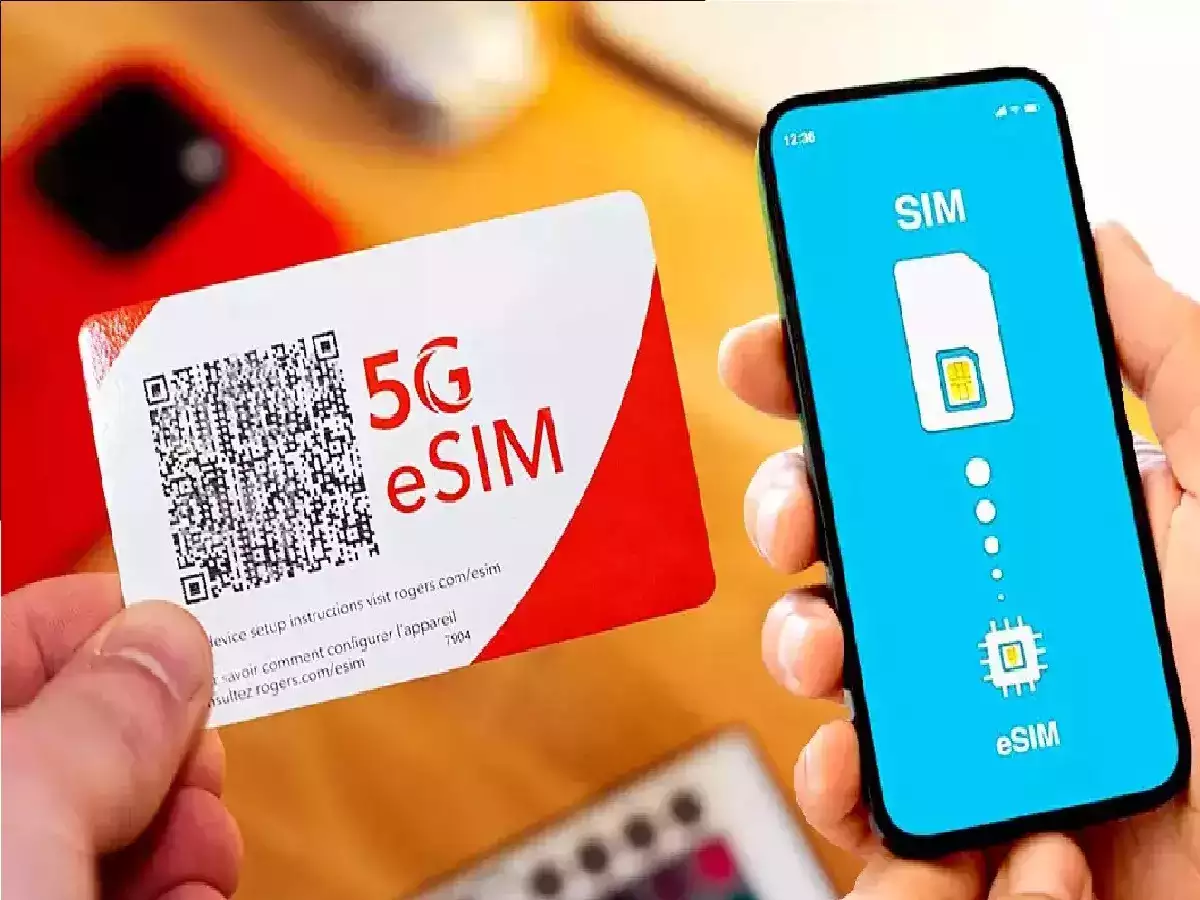
  • Phone connectivity in India will make things much easier for you. You can navigate your way using Maps, get reviews, talk to people on call, and check the news for updates. Make sure to get a SIM card or eSIM for your phone on your trip to India.
  • Download apps like Google Maps, Ola, Uber, Google Translate, and Whatsapp for easy connectivity and navigation.
how to stay safe in india
(Picture Credit: Connected to India)

Climate and weather safety

  • The climate of India differs from one region to another. Most of the country is hot during summers, which can lead to dehydration, sunburns, or heat strokes. Stay safe by applying plenty of sunscreen and drinking plenty of water.
  • Monsoons come with their own set of problems, because heavy rains can lead to landslides, flooding, and disruption in electricity, transport and communication. October to February is the ideal time to visit India. Read our detailed guide for the best time to visit India.
  • Pack for the weather. Once you have decided when you are traveling to India and which regions you will be exploring, pack accordingly. Take airy, breathable cotton clothes, sunglasses, and caps for summer, umbrellas and raincoats for the monsoon season, and warm woollens for winters.

Health and hygiene

  • Take the necessary vaccinations before coming to India.
  • Keep a first-aid kit with all your necessary medications. You will find most medicines in Indian pharmacies for a much cheaper rate, but it is better to have your prescribed medicines with you.

Food and safety

  • Drink only bottled water. Avoid tap water in India, even for brushing your teeth.
  • Avoid ice in your drinks. The ice may be made with tap water, so it is best to avoid ice.
  • Street food in India is amazing, but check out stalls that look hygienic. Eat food that has been freshly prepared hot in front of you.
  • Avoid eating pre-cut fruits or salads, or raw vegetables.
  • Wash your hands frequently and keep a hand sanitizer handy.
  • Indian food can be spicy. If you have a low spice tolerance but still want to try out Indian cuisine, introduce spicy food gradually in your diet while in India.
  • If you have a sensitive stomach, stick to a vegetarian diet. Vegetarian food in India is delicious, and you won’t miss your meat.

how to stay safe in india

Transport

  • India has a high rate of road accidents and deaths from the same. Make sure the vehicle you are traveling in is in good condition. Avoid traveling late at night, in heavy rains, or fogs.
  • You will often find vehicles in the wrong lane, so be careful while crossing streets.
  • Even as pedestrians, check both sides of the road before crossing, since traffic rules are often lax in India.
  • If you are traveling late at night, avoid traveling alone or getting a local cab. Instead, go for app-based cabs on Ober or Ola, which are available in most cities across India. You can also ask your hotel to help with the cab.
  • Share your journey details with your contacts who can follow your location.
  • Train travel in India is usually safe. However, try to book 1 AC or 2 AC, especially for overnight journeys. Here is a guide for train travel in India.
  • Be careful while travelling in trains. Keep your belongings close, since thefts are probable, especially in the non-AC compartments. Do not accept food and drinks from random strangers.

Safety for women

  • Dress respectfully. Wear loose, breathable clothes covering your thighs, shoulders, and cleavage. India is quite conservative when it comes to dressing, although you can be slightly relaxed in metropolitan cities like Mumbai, Delhi, and Bangalore and Goa.
  • Avoid traveling alone at night and be aware of your surroundings at all times.
  • As a woman, there is a good chance that you will be stared or ogled at. It can be uncomfortable, but most of the time it is harmless. However, if you do feel weird at any point, do not hesitate to ask for help from locals or by visiting any nearby police station.
  • If you experience eve-teasing, do not hesitate to make a scene. Call out for help or file a complaint with the police.
  • Stay in well-known accommodations with good reviews, especially if you are a solo female traveler.
  • Try to use special facilities for women as much as possible, such as the women’s compartment in trains, women-friendly accommodations, women-driven vehicles, and more.

how to stay safe in india for foreigners

Was this guide helpful? Let us know! At India Someday, we curate personalized trips to India for you based on your needs and preferences. Contact us and together we can plan the perfect trip to India for you!

Essential Travel Documents to Carry to India for Foreigners

India is one of the best destinations in the world for travelers who want to experience history, culture, tradition, wildlife, and a variety of cuisines. If you are planning a trip here, there are a few essential travel documents to carry to India as foreigners. Read on to find out more.

Passport

The most important document needed for your trip to India is a valid passport. Your passport must be valid for at least six months beyond the date of your arrival in India. It should also have at least two blank pages for stamps.

essential travel documents to carry to india for foreigners

Indian Visa

Unless you are from a country belonging to the visa-free list to India, you must have a visa to visit India. India has many types of visa for various purposes, such as a tourist visa, business visa, student visa, transit visa, medical visa, and more. You can check out the different types of visas for India in detail here.

If you are visiting India for tourism, you will need to apply for a tourist visa. Tourist visas for India have a validity of 3 months, 6 months, 1 year, 5 years, or 10 years and allow for single entry, doubly entry, or multiple entries. However, you can only stay in India for up to 180 days at one time.

e-Visa

Another option is an e-Visa, or Electronic Visa, available for citizens of more than 160 countries to enter India for various purposes. However, you need to check if your arrival airport is e-Visa compatible. Issued as an Electronic Travel Authorization (ETA), you have to print it and carry it along with your passport.

The e-tourist visa for India has a validity of 30 days, 1 year, or 5 years and allows double entry for 30 days and multiple entries for 1 and 5 years.

OCI card

If you hold a valid Overseas Citizen of India (OCI) card, you do not need a visa. You can use the OCI card along with your British passport. If you have a Persons of Indian Origin (PIO) card, you will need to convert it to an OCI card.

Documents for visa

The documents you require for your visa application process will depend on the type of visa. However, there are a few general requirements that are necessary for any type of visa, such as a valid passport, a properly filled visa application form, recent passport-size photographs, visa fee payment receipt, airline tickets, and proof of accommodation.

essential travel documents to carry to india

Vaccine certificate

You will need a valid certificate of yellow fever vaccination if you are from a country listed as a transmission risk. If you come from a polio-affected country, you will also need a polio vaccine certificate.

Airline tickets and proof of accommodation

You may be asked for proof of onward travel and accommodation during your visa application process or during the immigration check. Keep the originals and photocopies of all tickets and hotel bookings handy.

Access permits

You need a permit to travel to some parts of India like Sikkim, Nagaland, Arunachal Pradesh, and a few regions in Andaman and Nicobar Islands.

Travel insurance

Travel insurance is not mandatory in India, but it is highly recommended. It can also affect your visa application, so make sure to buy one. There are many websites that offer you travel insurance packages that suit your requirements. Choose one that covers loss of passport, baggage, and medical emergencies.

Proof of sufficient funds

You may be asked to show proof of adequate funds, such as bank statements or credit cards, in order to ensure that your stay in India can be covered.

Copies of all documents

Keep physical copies of all the travel documents for your trip to India, preferably in a different place from the originals. Also keep digital copies of documents on your phone for easy access.

essential travel documents to carry to india

Make sure to check the official government websites in India like https://www.mha.gov.in/ and https://indianvisaonline.gov.in/ for any updates or regulations in the documents.

Did you find this blog helpful? Let us know! At India Someday, we create personalized itineraries to India for you based on your likes and requirements. Contact us and together we can plan the perfect trip to India for you!

Photography Rules in India for Foreigners: What You Should Know

India is one of the best countries in the world for photography enthusiasts. With varied landscapes across the vibrant country, you will be hard-pressed to put down your camera. However, even with a beautiful frame at every corner, there are a few photography rules in India for foreigners which you should know. Read on to find out more.

Photography laws in India

Indian photography laws are complicated, since there are no clear rules and regulations about photography. There are, however, a few laws in the Indian constitution that protect both the photographers and the subjects.

  • The Right to Privacy is a fundamental right in the Indian Constitution, which protects individuals from unauthorized intrusion in their lives. In street photography, where the subject is not aware that they are being photographed, can be considered an infringement of an individual’s privacy.
  • Usually, Indians will not mind being photographed. However, it is always best to ask for permission before photographing people in private settings. In public spaces it is not an issue, but do be mindful of the situation.
  • If you photograph an individual and wish to use the image for commercial purposes, you will need that individual’s consent with written permission to use it. In case you fail to do so, you could face legal trouble. If you are using the picture for non-commercial purposes like social media, it is still a good idea to seek their verbal or written consent before publishing it.
  • The Copyright Act, 1957 gives exclusive rights to photographers to their original work. If your copyrighted images are used by anyone without permission, it can be considered a copyright infringement. However, those images are allowed for fair use to benefit the public.

These are just a few examples of photography laws in India.

See also: Best time to visit India

photography rules in india for foreigners

General rules for tourists

  • Photography is allowed in most public places in India, such as streets, markets, and tourist attractions. However, avoid photographing people without their consent.
  • Most monuments, historical sites, and heritage structures in India allow photography with a normal camera. Even then, some sections of the site may be closed off for photography.
  • Many of these places will charge a small fee if you are carrying a DSLR or video equipment. Tripods are often not allowed.
  • Many places of religious worship such as temples, gurudwaras, and mosques do not allow photography inside the sanctum or sensitive areas. You may find signs saying “Photography Not Allowed”. If not, you can always ask someone in charge if it is okay to click pictures.

photography rules in india for foreigners

Places while photography is not allowed

  • Military establishments: Military establishments include military camps, border areas, and some government buildings. Photography is strictly prohibited at these places.
  • Tribal areas: A few tribal regions in India, especially in the Northeast, require special permits to even visit. For photography, you will need explicit permission.
  • Airports, railway stations, and metro stations: While these places often allow photography in public places, you may not be allowed to capture pictures of the infrastructure. Many railway stations do not allow clicking pictures of individuals, while clicking pictures inside a metro train is also not allowed if it upsets the other passengers.
  • Some places of religious worship: Many religious places do not allow photography in certain parts of the complex. Respect the local customs and traditions and ask for permission before clicking pictures.
  • Private property: You cannot click pictures on a private property without seeking permission from the owners.

Commercial photography rules

  • Foreigners intending to shoot for commercial use with professional equipment will need prior permission from authorities.
  • Use of drones is not allowed in many places without a DGCA license, geo-zone clearance, and prior permission.

photography rules in india

Ethical rules

  • Context is important. While it is okay to click pictures in public places, avoid capturing sensitive situations like funerals, or vulnerable people like beggars. Photographers tread a fine line when it comes to capturing powerful images while also trying not to seem insensitive.
  • You may come across many people who are shy about being photographed. Sometimes, just asking politely with a smile goes a long way.
  • Build a relationship with your subject first. Not only will it elevate your photography, but it will also make the subject feel more comfortable to let you capture them. Do not click pictures if someone is not comfortable with it.
  • If you click someone’s pictures, share the pictures with them. Most people would love to have a copy of their pictures.

Cultural tips

  • Worship in India is an emotional and private ritual. Do not photograph someone praying until you know them extremely well or if they consent to it.
  • When inside any religious place of worship, remove your footwear outside, even if you are only photographing.
  • Some people may expect a tip for getting photographed. You can give them INR 10 to 50 just to be respectful. However, do not indulge if they expect more.

General photography tips

  • Keep your photography gear safe. India is a crowded country and it is very easy to misplace or lose your gear.
  • Protect your gadgets from heat, dust, or rain by using weather protection like covers and bags.
  • Back up all your work and keep extra batteries charged. An opportunity for photography may arise any time, anywhere.
  • The golden hour and blue hour offer some stunning views in India. Do not miss these times to get some amazing shots.
  • India is a vibrant chaos offering some of the most amazing visuals. Festivals like Holi, Diwali, Navratri, and Ganesh Chaturthi are a riot of colors and you will have a great time capturing these events. As always, be sensitive to the culture and protect your gear.

photography rules in india

Was this guide useful? Let us know! At India Someday, we curate personalized trips to India for you based on your likes and dislikes. If you are interested in visiting India, contact us and we can help you plan the perfect trip to India!

Do Foreigners Need Travel Insurance for India?

India is a mesmerizing melting pot of different cultures, traditions, and landscapes. Many foreigners have this exotic country on their travel bucket list. Having travel insurance ensures that you enjoy your trip without any stress. While planning a trip to India, a question that needs to be answered is, “Do foreigners need travel insurance for India?” Read on to find out everything about travel insurance for India.

What is travel insurance?

Traveling to new places is always fun, but there can often arise some unforeseen circumstances, such as medical emergencies, lost luggage, and trip cancellations. Travel insurance is a type of insurance that offers financial protection against such unexpected risks while traveling.

Travel insurance is especially important while traveling internationally, since you might incur higher costs for some things.

Do foreigners need travel insurance for India?

Travel insurance is not mandated by the Government of India for foreigners coming to the country. However, it is strongly recommended. India caters to all types of travelers and budgets, but if you add in the high cost of flights, hotel accommodations, and guided trips, the cost can rise by a lot. A travel insurance will protect you against many non-refundable costs and take off some stress of planning your trip.

do foreigners need travel insurance for india?

Why is travel insurance necessary?

Medical insurance

There may be an accident or medical issue such as a disease or injury during your trip. In many countries, medical expenses can be quite high. Travel insurance helps with the cost of such crises.

Loss of passport

If you lose your passport during a trip, a travel insurance plan can help you cover the expenses to replace it.

Flight delays and cancellations

Bad weather or technical problems often result in delays and cancellations in flights. This can be especially inconvenient if you have a connecting flight, since there is a good chance you may miss that flight as well. A travel insurance reimburses you for the costs incurred due to the delay or cancellation.

Lost luggage

It is more common than you think to lose your check-in luggage after arriving at the destination airport. An international travel insurance covers the costs incurred.

Trip cancellation

You may be very excited for a trip only to have it cancelled because of unforeseen medical emergencies. If your travel insurance covers this condition, then you will be reimbursed for your trip expenses.

Impact on Visa process

International travel insurance can affect your visa process. Some Visa eligibility criteria do require you to have travel insurance. This is because if there is any accidental damage of property or injury to locals, they can be fairly compensated without you having to pay for it immediately. If you have travel insurance, it shows that you are prepared for unforeseen events and creates a good impression during your visa application review.

do foreigners need travel insurance for india
Travel insurance can help with flight delays and cancellations

What does travel insurance cover in India?

The coverage of travel insurance in India will depend on the type of plan you choose, but travel insurance majorly covers medical issues, trip problems, baggage issues, flight inconveniences, loss of passport, and personal liability.

Medical issues: this includes medical emergencies, hospitalization, and return of body in case of death during the trip.

Trip problems: if you face any trip delays, trip cancellations, or if your trip is cut short due to any emergency, you will be reimbursed through travel insurance.

Baggage issues: in case of loss or delay of baggage or theft of personal belongings like passport, wallet, or phone, your travel insurance can help with the expenses.

Flight inconveniences: if you miss your flight or your flight is delayed leading to you missing a connecting flight, you get coverage for the same.

Personal liability: this is a fairly recent addition to travel insurance, which covers liability for accidental injury or damage to another person.

What does travel insurance not cover in India?

Travel insurance does not cover pre-existing medical conditions, self-inflicted injuries or diseases, injuries or losses from illegal or reckless activities, and travel while medically advised not to. All these instances are an individual’s choice and most travel insurance plans do not cover them.

do foreigners need travel insurance for india

How much does travel insurance for India cost?

The cost of travel insurance for India will depend on many factors, such as your age, duration of trip, and coverage amount. Generally, travel insurance costs around 5% to 12% of the total cost of your trip.

How to choose the right travel insurance plan?

  • Decide the level of coverage you need based on the duration of your trip, your age, health, and planned activities and tours.
  • There are many travel insurance providers online. You can compare different plans to choose the one that best suits your needs.
  • Before purchasing, check all the inclusions and exclusions thoroughly. Once you are satisfied, purchase the plan.

So, when are you planning a trip to India? We can help with travel insurance and travel planning! At India Someday, we curate itineraries to India for you based on your likes and preferences. Contact us and together we can plan the perfect trip to India for you!

eSIM Options in India for Foreigners

The eSIM facility has changed how travelers can stay connected when traveling in India. eSIMs offer instant connectivity, and you can instantly activate your SIM. Read more to find out the eSIM options in India!

eSIM Options in India for Foreigners
(Picture Credit: Gizbot)

Why Choose an eSIM in India?

  • You don’t need to swap physical SIMs. After activating remotely, you can keep your home SIM for calls.
  • You can instantly activate your eSIM, and it is functional as soon as you land. 
  • eSIM offers flexible plans, where you can choose data only or voice+data.
  • Unlike SIMs, you don’t need paperwork with International eSIMs as they skip the KYC process.

Top International eSIM Providers for India

Saily

Saily works on Jio’s network, which supports 3G, 4G, and 5G. It has strong security features, and you don’t need an Indian phone number as it provides high connectivity data.

FlexiRoam

FlexiRoam is an excellent eSIM option. FlexiRoam allows you to share data as a group upon buying the same fixed plan as a group. You can buy a Fixed plan or an Unlimited plan. 

GigSky

GigSky is a US-based eSIM provider that provides 100 MB of free data to test your eSIM without an obligation to pay for more once you have used it. GigSky also offers data plans for flights and cruises, which are useful if you need to connect while traveling.

How to Activate International eSIMs

eSIM Options in India for Foreigners
(Picture Credit: Cyber Management Alliance)
  1. Buy the eSIM online from the particular website or app.
  2. Scan QR code or install via app.
  3. Activate your e-SIM instantly with no KYC process or any other paperwork.

Indian Telecom eSIMs (Jio, Airtel, Vi)

Jio

Jio offers both prepaid and postpaid eSIMs, however, the activation requires a KYC process, so you will need your passport, visa, and photo. It has great network connectivity in both urban and rural areas.

Airtel

Airtel eSIM is available for both postpaid and prepaid users. For activation, you are required to do the KYC process. After a few hours, your eSIM will get activated. Airtel provides great network coverage, and you can also make international calls if needed.

Vi

Vi eSIM is available for Vi postpaid users, where you will need to do the KYC process for activation. The network connectivity is strong in cities but weak in rural areas. 

How to Activate Indian Telecom eSIMs

eSIM Options in India for Foreigners

  1. Visit the retail store/airport kiosk with your passport and visa.
  2. Complete KYC process.
  3. Receive the QR code by email/SMS.
  4. Scan and your eSIM will be activated within a few hours.

Tips for Foreigners

  • Ensure your phone supports eSIM and is unlocked from your phone carrier.
  • Always choose a plan that matches your usage and streaming data.
  • For banking OTPs or home country calls, always keep your home SIM active and use the dual-SIM functionality.

Read Best mobile networks in India for foreigners.

eSIMs offer foreign travelers a seamless and flexible way to stay connected while traveling in India. At India Someday, we plan customized trips to India for you based on your interests and requirements. Contact us and we will help you plan your perfect trip to India. 

Best mobile networks in India for foreigners

India is home to multiple mobile networks providing strong connectivity to tourists. While the telecom industry is huge and competitive, Jio, Airtel, and Vi are the top SIM and data service providers. When travelling to India, having a local SIM card helps you stay connected through affordable calls and get good data. Read more to understand the best mobile networks in India for tourists!

Best mobile networks in India for foreigners
(Picture Credit: Pixabay)

Why Buy a Local SIM Card?

While you are exploring different parts of India, having good network connectivity to make calls and send messages is essential. Having a local SIM card helps avoid high international roaming charges. Even in remote areas, you can get a wide network coverage at a cheap price as these data plans provide unlimited calls and SMS in India.

Where to Buy a SIM Card?

Best mobile networks in India for foreigners
(Picture Credit: Pixabay)

You can buy a SIM card at airports, authorised resellers, and retail stores. Buying SIM cards from airports is convenient, however, the price would be higher than the usual rates. Retail stores are another option where you can get a SIM card for a cheap price. There are two kinds of card services, prepaid and postpaid. However, most outlets ask for a local proof of address, which you may not have for a postpaid plan. At most of the Airtel stores, you can get a SIM card by showing your ID and local accommodation address.

How to Buy a SIM Card?

For a SIM card process, you need your passport, visa, and a passport-sized photo for documentation. Your card will get activated within 24 hours after a KYC verification. 

Jio, Airtel & Vi Comparison

Jio, Airtel, and Vi are the top data and SIM service providers in India. Take a look at the table to see the best option that suits your data coverage needs.

SIM Card Jio Airtel Vi
Coverage 4G/5G coverage both in urban and rural areas 4G/5G coverage both in urban and rural areas Good in cities, less in remote areas
Speed Both 4G & 5G are fast Both 4G & 5G are fast Good 4G speed
Tourist SIM Easy to get, popular among tourists Easy to get, popular among tourists Available, but less popular
eSIM Facility Yes Yes Yes

Jio and Airtel are the best SIM and data service providers for tourists. They provide 4G and 5G high-speed internet connectivity. Jio and Airtel also offer international roaming services, allowing tourists to stay connected. If you wish to go for an affordable option, then we recommend BSNL. It is owned by the government of India and provides good internet speed in rural and urban areas. 

Tips for Foreigners

Best mobile networks in India for foreigners
(Picture Credit: Connected to India)
  • You should be 18+ years of age to get a new number or SIM. For people below 18 years, they can get a SIM under the name of the guardian.
  • Phones brought in the US are usually locked, due to which you can’t insert a SIM card. By contacting your carrier, you can request an unlock before arriving in India, so that you can insert another SIM. 
  • Keep your passport, visa, and photo handy for the KYC process.
  • If your device supports eSIM, then opt for the eSIM facility for instant activation. 
  • For convenience, you can buy a SIM from the airport, but the price will be slightly higher.

Read more about How to get a Local SIM Card in India for Foreigners.

India’s mobile networks make it easy and affordable to stay connected throughout your journey. At India Someday, we plan customized trips to India for you based on your interests and requirements. Contact us and we will help you plan your perfect trip to India. 

How to book buses in India for foreigners (Intercity & local)

There is a lot to explore in India. And what better way to explore different parts of India than by travelling in buses! India’s bus network connects cities, small towns, and villages. Buses offer an affordable and flexible way to explore different parts of India. Read more to understand how to book buses in India, intercity as well as local buses.

How to book buses in India for foreigners (Intercity & local)
(Picture Credit: Mint)

Why Choose Bus Travel in India?

Buses often cover places where trains and flights won’t, making them ideal for offbeat destinations. If you are looking for low-budget travelling, then buses are a good option as they are cheaper than trains and flights. You can explore more offbeat locations if you choose a bus for your commute.

Types of Buses

  1. Government Buses: These are operated by state transport corporations.
  2. Private Buses: These range from non-AC to luxury Volvo coaches with sleeper, semi-sleeper, or seater options.
  3. Tourist Buses: These buses have premium amenities like Wi-Fi and charging ports.
  4. Intercity Buses: These buses are operational within a city or region, covering long distances.

Steps for Booking Intercity Buses

How to book buses in India for foreigners (Intercity & local)

1. Choose a Booking Platform:

You can choose RedBus, AbhiBus, MakeMyTrip, or ixigo, and compare prices and amenities of both government and private operators.

2. Search for Buses:

The platform will display different buses and available timings after you add your departure information, like destination cities, travel date, and number of passengers. 

3. Select Your Bus:

In the interface, add filters for the bus type and departure time. Check reviews and amenities for reliability and comfort. You can then pick your preferred seat.

4. Enter Passenger Details:

Provide your name and contact information. Although many platforms require an Indian mobile number, you can opt for the option of adding your email ID for ticket delivery. If you don’t get this option, then you can consider getting a local SIM as it will be useful for your trip anyway.

Alternatively, you can coordinate with your hotel to use their contact number when booking your ticket. The ticket will be sent to the hotel’s email, and you can simply present this ticket at boarding.

5. Payment & Ticket Delivery

Pay for your tickets using international credit/debit cards or PayPal (if supported), as most platforms accept foreign cards. After confirmation, you will receive your ticket at the email ID or mobile number.

You can also opt to go to the ticket counter at the bus terminals and buy a physical ticket. There are various travel agents and travel agencies (like us!), who can book for you and spare you the hassle!

How to Book Local Buses

How to book buses in India for foreigners (Intercity & local)
(Picture Credit: Sustainable Bus)

In metropolitan cities like Delhi, Mumbai, and Bengaluru, apps like Chalo and Ridlr provide bus routes and timings. For local buses, simply board the bus and buy a ticket from the conductor. Ensure that you have some change!

Tips for Travelling in Buses

  1. Use platforms like TripAdvisor to read feedback on the services of the buses.
  2. Be at the boarding point 20–30 minutes before departure.
  3. Always check the cancellation and refund policy of the platform before booking your tickets.
  4. While most of the buses are in good condition, you may come across a chair with a broken seat or arm once in a while.
  5. Book bus tickets well in advance during peak seasons to ensure seat availability.
  6. Government buses may be more budget-friendly and have a good frequency. You can check the nearest bus stops and check routes on Google Maps or even on dedicated apps in some cities.
  7. The staff may not be fluent in English, but major platforms offer English interfaces for ease in booking.
  8. Dress comfortably and carry food and water, as the bus journeys can be long. 
  9. Keep your belongings with you and be vigilant if you are doing an overnight intercity bus ride.

Read Your Guide to Mumbai’s Public Transport System.

Whether you’re heading to the mountains, deserts, or bustling cities, buses are a flexible and budget-friendly way to explore India. At India Someday, we plan customized trips to India for you based on your interests and requirements. Contact us and we will help you plan your perfect trip to India.

Booking domestic flights in India for foreigners

There is a lot to explore in India. For foreign travelers, domestic flights offer the fastest and most convenient way to cover these long distances, saving time and energy. Whether you’re planning to fly from Delhi to Jaipur, Mumbai to Goa, or Chennai to Kochi, understanding how to book domestic flights in India is essential to making your journey smooth and hassle-free. Read more to understand booking domestic flights in India!

Booking domestic flights in India for foreigners
(Picture Credit: NDTV)

Why Choose Domestic Flights in India?

Domestic flights help to cover large distances in a shorter amount of time compared to road or train journeys. There is great connectivity between metropolitan cities and small cities. Major airlines connect over 70 cities. Choosing to fly not only saves time but also provides comfort, with air-conditioned cabins and onboard services.

Steps to Booking Domestic Flights

Booking domestic flights in India for foreigners

1. Selecting a Booking Platform

There are several booking platforms through which you can book your tickets. The official airline websites like IndiGo, Air India, Akasa Air, etc, provide an option to book flight tickets of their airline. There are several OTAs like MakeMyTrip, EaseMyTrip, and Cleartrip that have a list of all flights available for your specified destination. To skip all the hassle, there are travel agencies that will do all the booking for you. If you wish to do your payment in foreign currency, then you can book your tickets through Expedia or Kayak.

2. Searching for Flights

After choosing a booking platform, enter departure, arrival cities, travel dates, and number of passengers. This will help to show the filtered results of the flights available accordingly.

3. Choosing Your Flight

Mostly domestic flights are direct, but it is important to check flight times or any layovers, and fare types. While choosing a flight, check the airline’s baggage policy.

4. Entering Passenger Details

As per your passport, fill in the exact passenger details. If there are single names, then follow the airline-specific instructions. 

5. Payment

Use international credit/debit cards or PayPal. Some websites may ask for an Indian phone number, where you can tick the email ticket delivery option.

6. Receiving Your Ticket

After payment, you will receive a confirmation of your booking and then receive your e-tickets through email or via SMS. 

Important Documents for Foreign Travelers

Booking domestic flights in India for foreigners
Important Documents for foreign travelers (Picture Credit: Navbharat Times- India Times)
  1. Valid Passport: Mandatory for all domestic flights.
  2. Indian Visa: Must be valid for your travel period.
  3. E-Ticket: Print or keep a digital copy.
  4. Name Proof: Ensure the ticket name matches your passport exactly.

Tips for Booking Domestic Flights

  1. Book early, especially before the peak season, to get flights at discounted rates.
  2. Watch for airline sales and promo codes and apply during checkout if applicable.
  3. Go through all the policies of the airlines regarding cancellation, refund, and baggage. 
  4. You might be charged a foreign transaction fee while making a payment for your flight booking.
  5. Do a web check-in one day before your flight for a hassle-free boarding.

Read more about Flying in India.

With a bit of preparation and understanding of the process, you can enjoy quick, comfortable, and affordable air travel across India’s incredible destinations. But if you want to skip the hassle of booking, you can connect with India Someday, and we will help you by booking your flights and travel! At India Someday, we plan customized trips to India for you based on your interests and requirements. Contact us and we will help you plan your perfect trip to India.

Cultural Etiquette in India for Foreigners: Do’s and Don’ts

India is a land of diversity and there are so many different cultures out here that you might be overwhelmed trying to navigate your way through it. Every country in the world has their own set of etiquettes that you need to respect, and India is no different. “Cultural Etiquette in India for Foreigners: Do’s and Don’ts” is a guide for you if you are wondering how to become culturally appropriate in India. Read on to find out more!

Eating and Dining Etiquette

  • Cows are considered sacred in Hinduism, so beef is not consumed in many parts of India. A lot of restaurants do offer beef dishes, but if you are dining with a Hindu, try to avoid eating beef in front of them unless they order it first. Similarly, Muslims in India do not consume pork.
  • The majority of Indians eat with their bare hands. While it is not necessary for you to do the same, it is something you can try if you want to experience Indian culture. Keep in mind that you are supposed to eat only with your right hand, unless you are left-handed.
  • However, while taking another helping of food from the communal dish, never use your fingers. Use a common spoon to do so.
  • Do not eat or drink from someone else’s plate or glass, since it is not considered good manners unless you are extremely close with them.
  • Wash your hands before and after your meal.
  • Many Indians do not drink alcohol due to religion or upbringing. So if you are out for dinner, ask them if they drink or want any before ordering for them.
cultural etiquette in india for foreigners
You will be spoilt for choice when it comes to food in India

Dressing Etiquette

  • India as a whole is quite conservative in terms of clothing, although many metropolitan cities have learned to embrace the western dressing styles. While there is no hard and fast rule about how to dress, you may be stared at by people if you are wearing something inappropriate, especially if you are a woman.
  • Wear loose, breathable clothes, as India has a hot and humid climate in most parts. For women, keep your thighs, midriff, and cleavage covered, especially in rural areas.
  • The places where you can be slightly lax about clothing are in Goa, where you can also wear bikinis at many beaches, and cities like Mumbai, where you can wear shorts and dresses without apprehension.
  • If you are visiting any religious places, keep your shoulders and legs covered. Many places will also require you to cover your head with a scarf, handkerchief, or dupatta.

Religious Etiquette

  • India is a diverse country with many religions co-existing in harmony. Every religion has different rules and traditions they follow.
  • Many Hindu temples do not allow non-Hindus to enter certain parts of the temple. Similarly, many mosques do not allow anyone during their prayers, and many do not allow women to enter at all. Check to see if you are allowed to enter before visiting any religious place of worship.
  • Remove your footwear before entering a temple, mosque, gurudwara, or any religious building. Most places will have shoe booths outside where you can leave your footwear.
  • A lot of Hindu temples do not allow leather items like wallets, belts, or purses.
  • Once you enter a temple and pray to the deity, you may be offered a “prasad”, which is a small morsel of food considered to be a blessing from the deity. It is usually something sweet. Never refuse it, and do not disrespect it. If you cannot eat it due to allergy reasons, apologize and give it to someone else, but do not throw it away.
  • Many temples do not allow photography, and there are usually signboards in place that announce the same. Check with someone before clicking a picture of the temple.
cultural etiquettes in india for foreigners
Be respectful of the local customs and traditions while visiting religious places of worship

Public Etiquette

  • Public displays of affection are a big no-no in the majority of India. Indians are very conservative and public displays of affection are frowned upon. You may, however, see same-sex people holding hands in a friendly way.
  • There is no concept of personal space in public places. Due to overcrowding, you might find yourself being pushed from everywhere. You may get used to it after a while, but if you feel a serious breach in your personal space, don’t hesitate to call them out.
  • Indians consider feet to be unclean, which is why if any person or thing is touched by their feet, they instantly apologize or bring their hand to their eyes or heart as a way of apologizing. So do not disrespect anything, such as a book or bag, by intentionally touching it with your feet.
  • In a similar vein, touching the feet of elders is considered a mark of respect among Indians. When you bow down to touch someone’s feet, it means that you respect them enough to even touch their feet which are considered inferior.

Greeting and meeting etiquette

  • The traditional Indian greeting is pressing your palms together with fingers pointed upwards in front of your chest, saying “Namaste”. While you won’t find many people greeting each other this way in today’s times, it is still a good way for foreigners to greet someone, especially women.
  • Do not directly decline an invitation or request, as it can be considered rude. You may be invited to a meal or to someone’s house, and if you do not want to accept the invitation, do not say no outright. Instead, use answers like “I will try”, “Maybe”, or “I will if it is possible”.
  • Show respect to elders. Greeting them with a Namaste can go a long way.

Gift-giving

  • You need to bring a gift with you if you are visiting someone’s house for the first time, or if there is any special occasion such as a birthday or a wedding.
  • Gifts from your own country will be appreciated, as it adds a personal touch to the gift.
  • Some gifts may be inappropriate due to religious affiliations. For example, gifting a bottle of alcohol to people who do not drink, or gifting beef or pork to someone who identifies as a Hindu or Muslim respectively may not be appropriate.
  • Indians will not normally open gifts immediately or in the presence of the gift-giver.

cultural etiquette in india

Corporate Culture

  • In a business setting, you should shake hands with a male colleague, but it is better for a female colleague to initiate the handshake. If they do not, you can greet them with a Namaste.
  • Be on time for meetings. It is the professional thing to do, even if your colleagues are a bit late.
  • Before starting business discussions, it is not a bad idea to ask about your Indian colleague’s interests, family, and more.
  • Indian business meetings may take place in the office conference rooms or at a lunch or dinner. Your Indian colleagues may also invite you for lunch or dinner outside or to their house. Do not refuse directly if you can’t make it. Instead, offer a good excuse.

Tipping and Bargaining

  • Indian restaurants do not have any strict rules about tipping, but it is expected. In high-end restaurants, tipping 10% of the bill is customary, while in smaller eateries, you can pay some amount as you see fit or round up the bill. Here is a guide for tipping in India.
  • Bargaining in India is a skill, and it is highly encouraged in local markets all over India. Both the customer and the seller expect it, but it is more of a fun banter. Check out this blog for some tips on bargaining in India.
  • However, do not bargain for handmade products sold indigenously, especially if you can afford to pay that amount. These local craftsmen earn their livelihood by selling such products, so if you can pay for something and feel like the price is fair, do not bargain.
  • You also cannot bargain in fixed rates stores or branded shops in malls or elsewhere.

Communication

  • Do not take it to heart if anyone asks you any personal questions. Indians can be culturally inquisitive, and easily ask questions about marriage, kids, family, etc in everyday conversations. If you do not wish to answer, try to dodge the question or give vague answers. But if you want to interact with them naturally, you can also ask them the same questions and they will be happy to answer.
  • Indians have many non-verbal cues that may confuse foreigners, one of which is the head bob. Indians nod their head from one side to the other, which means “Okay”, or that they have understood.

Visiting someone

  • If you are invited to someone’s house, you need to remove your footwear before entering.
  • It is customary to bring a small gift like a box of sweets or cookies while visiting someone, especially if you are visiting for the first time.
  • You do  not need to be punctual while visiting someone’s house. It is normal and even appropriate to reach 15 to 20 minutes after the designated time.
  • You may be offered a beverage like tea, coffee, or juice. Do not say no to everything – at least take some water if you do not want anything else.
  • If you are invited for a meal, your hosts may sit and watch you eat, and eat their meal after you have finished yours. It is a common practice, since Indians believe that guests are akin to God, and they must be served first.
  • You will definitely be persuaded to have more food. Try to decline respectfully if you don’t want to eat, but do not argue too much, since they will serve you extra anyway. It is okay if you do not finish all your food.
  • A “thank you” for the meal is not really required, but praise for the cook while eating is always appreciated.
  • Before leaving, ask for permission to leave by saying something like, “It is getting late. I should go now”, instead of simply saying goodbye and leaving.


Did you find this blog helpful? Then let us know! At India Someday, we create tailormade itineraries to India for you  based on your preferences. Contact us and together we can plan the perfect trip to India for you!

Metro cards and tickets guide for foreigners in India

There is a lot to explore in India. And what better way to explore different parts of India than by travelling in a metro! Exploring India’s vibrant cities by metro is one of the most efficient, affordable, and comfortable ways for you to get around. Read more to understand how to use metro cards and tickets when travelling in India.

Metro cards and tickets guide for foreigners in India
Indian Metro (Picture Credit: The Statesman)

Types of Metro Tickets in India

There are several kinds of metro cards and tickets that fulfill different purposes.

Metro cards and tickets guide for foreigners in India
Metro Card (Picture Credit: So City)

Single Journey Tokens

Single Journey Tokens are great for one-way or occasional trips when exploring different parts of a city. You can purchase a token at the ticket counter or vending machine at the station. Your token will be valid for a day and for the route you have purchased it for. Single journey tokens can cost between ₹10-₹60, depending on the distance of your journey. You have to tap your token at the entry gate and deposit it at the exit gate, so make sure you keep the token safe with you!

Smart Cards

Smart Cards are best for frequent travellers as these cards are valid for a month. However, if you are travelling for a short period, then using a tourist card would be better.

Tourist Cards

If you plan to travel by metro during the duration of your trip, then a tourist card is the best option for a seamless and affordable exploration, where you can get unlimited rides in a day with a tourist card. You can purchase a tourist card from the station, which is available at Delhi, Mumbai, Chennai, Hyderabad, and Kolkata metro stations.

Digital or QR Tickets

For hassle-free travels, you can download the official metro app of the city you are in and purchase QR code tickets by making an online payment. If you want to use UPI like a local, the Cheq UPI app is designed for foreigners. You can load the Cheq wallet with your foreign credit/debit card, pay a joining fee, and use UPI QR codes across India-including for metro tickets-without an Indian bank account. You will have to then scan the QR code at the entry and exit gates of the metro station.

How to Buy and Use Metro Cards/Tickets

Metro cards and tickets guide for foreigners in India
(Picture Credit: Railway Technology)

1. At the Station

Go to the ticket counter or automated vending machine at the station and mention your destination to the staff if you are buying a token. If you opt for a tourist card, then you can pay the deposit and charge your card with a balance. If you wish to skip long queues, then you can download the city’s official metro app and buy a QR ticket. 

2. Entering the Metro

After purchasing your ticket, you have to go through a mandatory security check where your bags are scanned and you are frisked. After the check, you have to tap your card or token, or in case of an e-ticket, scan your QR code at the entry gate.

3. During Your Journey

You can have a look at the live tracking map above the door, and follow the announcements, which are usually in English and Hindi. Make sure to keep your card/QR code/token handy for seamless exit.

4. Exiting the Metro

Once you have arrived at your destination, you have to deposit your token/ scan the QR code, or just tap your tourist card at the exit gate. If you have any remaining balance left on your tourist card, you can deposit the balance at the ticket counter.

Tips for Travelling in a Metro

  1. Most metro stations accept cash, digital payments, or cards, however, International cards may not work, so keep cash handy just in case.
  2. You can navigate easily through announcements and signs, which are in English and Hindi. 
  3. Before leaving the city, refund any remaining balance on your tourist card at the station.
  4. It is compulsory to go through security checks where your bags are scanned and you will be frisked.
  5. Keep your token/ tourist card or QR ticket handy, as you will need it at the exit gate. 
  6. Rush hours depend from city to city, and it is best to avoid rush hours.

Read more about how to use the metro in Indian cities for foreigners.

India’s metro systems offer a reliable, efficient alternative to navigating the often chaotic traffic of major cities. At India Someday, we plan customized trips to India for you based on your interests and requirements. Contact us and we will help you plan your perfect trip to India. 

Let India Someday handle it and plan your best trip.

PLAN MY TRIP subtext