TALK WITH US +91-9970620335
WhatsApp

Airbnb Vs Hotels in India for Foreigners: Which One to Choose?

If you are traveling to India, you may be wondering about the type of accommodation you want. With the rise of Airbnbs in India, the hotel industry has got some tough competition. Even so, more people tend to choose hotels over Airbnb for a number of reasons. “Airbnb Vs Hotels in India for Foreigners: which one to choose?” is a guide to help you choose the best option based on your vacation preferences.

What is the difference between a hotel and an Airbnb in India?

In India, hotels have been around for a long time, while Airbnb is a relatively new concept. Hotels are a traditional concept, offering clean rooms and suites, 24/7 facilities, room service, breakfast, and more.

On the other hand, Airbnbs are more residential, often featuring apartments with living rooms, kitchens, and in some locations, a parking space.

Whether you choose a hotel or Airbnb for your stay depends on a few factors. Both have pros and cons, and it is all about the kind of vacation you are looking for.

airbnb vs hotels
The choice between Airbnb vs Hotel depends on a few factors

Pricing

One of the main factors people look at while booking an accommodation is the cost of the property.

Airbnbs are cheaper than hotels. If you are on a budget and want to save money on accommodation, Airbnb is undoubtedly the best option for you. You get more space for less, although it means having to do everything yourself.

Plus, if you are traveling as a group, it is more economical to book one Airbnb and divide the cost among everyone, rather than booking 2-3 hotel rooms.

However, Airbnb will take additional fees for extra service charges, and sometimes, it can get just as expensive as a hotel accommodation.

So if you are traveling solo during the off season for a short while, hotels would be the more economical choice. On the other hand, if you are traveling with a group on a budget, Airbnb is good.

Amenities and services

If you are looking for a relaxing vacation where you don’t want to lift a finger, hotels are the obvious choice. Hotels provide you with a range of amenities, such as room service, breakfast buffets, laundry service, and more. Hotels give their money’s worth by pampering their guests with all the amenities and services that are a part of their cost.

Airbnbs do not offer all that much in terms of services. In fact, an Airbnb is like a home. Most Airbnbs give free parking, WiFi, air-conditioning, and kitchens. Some Airbnbs also allow pets. This is great for travelers who want to cook their own meals or want more space for themselves.

See more: Best luxury hotels in India

Location

Most hotels are located around popular tourist places or near some major means of transport. This is so that tourists can easily visit the major attractions without too much hassle, and can travel from one place to another freely.

On the other hand, Airbnbs are known for their offbeat locations – you can find them anywhere, right in the middle of the city or some remote corner of the region. If you want to experience the local culture of a place, an Airbnb like this may be a great choice to immerse yourself in the region.

Privacy

While hotel rooms are extremely private, you will find too many people in the common spaces such as the gym, pool, and lobby. Hotels also need to be checked-in personally at the reception, where you have to interact with others.

If you are traveling as a group, you can book an Airbnb apartment that allows more privacy than booking different rooms in a hotel. A lot of Airbnbs have self check-ins, which means you do not need to have any face time with hosts.

If you want some space for yourself with minimal interaction with other people, Airbnb is the best choice for you.

airbnb vs hotels in india for foreigners
Hotels have crowded public spaces which do not give you much privacy

Duration

If you are looking for a stay for a day or two, hotels are perfect. But for a longer stay, Airbnbs are the better choice. It is more convenient to book a home for long-term stays. Plus, Airbnb offers discounts for the same.

Hotels do not usually offer extended stays for travelers, and even if they do, there are rarely any discounts and it can end up being expensive.

Accommodation type

Hotels mostly only provide private rooms, whether they are small rooms or large suites. Some luxury hotels do offer large penthouses with a kitchen and living room, although that is very rare in India.

Meanwhile Airbnbs have different types of accommodations, such as shared rooms, private rooms, and entire houses. In India, you will mostly find private rooms, shared houses and entire houses. If you book a private room, you will get your own room but may have to share a bathroom with other people. Shared houses mean that you have your own room and bathroom, but the house is shared by someone else or sometimes even the owner of the property. If you book an entire apartment, you get full control and privacy of the space without having to share it with anyone.

Safety

When you think about safety, most people prefer hotels over Airbnb, and with good reason. Hotels have many resources to keep guests safe, such as CCTV cameras, key card access, security personnel, safety boxes, and fire extinguishers.

On the other hand, Airbnbs may or may not have such safety features in place. While a caretaker may not be available at the property 24/7, there is a 24/7 safety line you can call. An Airbnb host also goes through a background check before the property is listed on the website. Many Airbnbs also have a fire extinguisher in their property.

Irrespective of safety measures, data breaches can happen in both hotels and Airbnbs. However, hotels are any day safer than Airbnbs.

airbnb vs hotels for foreigners
Hotels have a key-card access, ensuring maximum security

When to choose hotels?

Hotels are the ideal choice if you are traveling for a short period and just want to experience the region without spending any time on cooking and cleaning. Hotels are convenient and you get many amenities that ensure that you don’t need to lift a finger.

If you are a luxury traveler and have the budget to splurge on accommodation, definitely choose a nice hotel where all your needs will be taken care of.

If you are here for a business trip, there is a good chance you will need WiFi, concierge services, easy check-in and check-out any time of the day, and even conference rooms. In such a situation, a hotel is your best bet.

When to choose Airbnb?

If you are traveling for a longer period of time, an Airbnb is the better option. It is more economical. You get to experience personalized accommodations and local culture, and even get local tips that a hotel may not share with you.

If you are traveling with a group and need a homely environment, home-cooked meals, or just some extra space and privacy, Airbnb is the best choice.


So, would you be choosing a hotel or an Airbnb on your next trip to India? Let us know! We can help you choose the best according to your preferences. At India Someday, we curate personalized itineraries to India for you based on your likes and dislikes. Contact us, and together we can plan the perfect trip to India for you!

Visiting Indian Weddings: A Guide for Foreigners

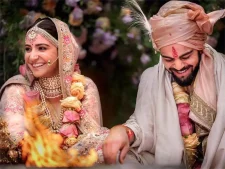
The Great Indian Wedding is fun, messy, chaotic, and grand, and if you are invited to one, you certainly cannot miss this experience! “Visiting Indian Weddings: A guide for foreigners” is a blog that is absolutely necessary, especially if you are attending an Indian wedding for the first time. Read on to find out all you need to know before attending this unique experience!

Indian Weddings: An Overview

Indian weddings are an experience. There are many religions and castes in India, so each Indian wedding is different from the other. However, one thing is constant – the importance of rituals. Most Indian weddings have many religious rituals, and each one has a deep meaning. Whether you attend a Hindu, Muslim, or Sikh wedding, there is a good chance that you will be bewildered with all the traditions that are such an integral part of every Indian wedding.

While Indian weddings stretch for 3 to 5 days with 4 to 5 main functions, some of the functions are only for very close friends and family. So check your invitation to see which events you are invited to, and plan accordingly!

visiting indian weddings
Indian weddings have many rituals

Events

Events and rituals in Indian weddings differ from one wedding to another, but the majority of weddings now have at least 4 to 5 main functions, and last for at least 3 days. The tag of “The Big Fat Indian Wedding” is certainly not exaggerated!

Roka/Engagement Ceremony

The Roka Ceremony or the Engagement Ceremony usually takes place a few months before the wedding. This ceremony is an official wedding announcement of the couple to their friends, families, and other guests. This ceremony is mostly an intimate affair with a few people from both the groom’s and bride’s sides.

Mehndi Ceremony

Henna plays a big role in Indian weddings. Henna, or Mehendi, is applied to the bride’s hands and feet with beautiful designs during Mehndi Ceremony. This event usually takes place 2 to 3 days before the wedding day. The bride often needs to sit for hours to finish up, but friends and family members keep her entertained with music and dancing. Many female guests also get Mehendi applied to at least one hand during the ceremony.

Sangeet Ceremony

Traditionally, Sangeet was an event limited to the northern parts of India, but today, the Sangeet Ceremony has become a big function in most of India, gaining its own individual spot in the line-up of wedding events.

This is probably the most fun event of a wedding. Usually held before the big day, the ceremony has special themes and dance performances prepared by the bride, groom, and their families and friends. There is a lot of fun, laughter, food, and music during this event, so that everyone can momentarily forget the stress of the events and enjoy the present.

Haldi Ceremony

The Haldi Ceremony is held before the wedding ceremony, or after the mehendi ceremony. On this day, Haldi, or turmeric, is applied to the bride and groom’s body by their family and friends. Haldi is a natural skincare product in India – it purifies the skin and makes it glow, just what is needed before your special day. The yellow color of turmeric is also considered auspicious.

Once the bride and groom are smeared with haldi by everyone, the guests apply it on each other’s faces as well!

visiting indian weddings
Haldi Ceremony (Picture Credits: Potok’s World Photography)

Wedding Ceremony

This is the actual wedding ceremony. Every caste, region, and religion has its own rituals. In Hindu wedding ceremonies, the groom and bride enter separately with pomp and splendour. They exchange flower garlands, or varmala, and take their vows in front of the holy fire. They then take pheres (rounds) around the fire. The couple is declared to be married with all their loved ones as witnesses. The couple then seek the blessings of the priest and all the elders in the family. It is a fun and joyful event.

Reception

Reception is a post-wedding ceremony that basically introduces the bride and the groom to each other’s families and friends. There is a grand feast during this event and the bride and groom meet everyone and exchange niceties.

While these are the main events of any wedding in India, by no means are these the only functions. There are many more mini-functions and rituals that surround this elaborate concept of Indian weddings, such as Ganesh Pujan, Baaraat, Vidaai, and Grihapravesh.

What to Wear to an Indian Wedding?

The Indian dress code for weddings is very different from that for a Western wedding. While Western weddings are subtle and minimal, you will find Indian weddings an epitome of maximalism.

There are at least three days worth of events in Indian weddings, so you might need different outfits for different events. Weddings these days usually have a pre-decided dress code that they send along with the invitation. However, if you don’t find any, you can always ask someone from the bridal party for suggestions, and they will be more than happy to help you out.

For women

No matter what you wear, you will never upstage an Indian bride. In India, it is completely okay to wear rich, heavy clothes and jewelry, bright colors, and makeup. In fact, it is even encouraged, as weddings are one of the few occasions where everyone gets to show off their jewelry and outfit collection, unless the wedding is intentionally low-key.

Try to avoid wearing the color red on the wedding day, as brides typically wear red. But with more and more brides choosing to wear pastels and other colors for their ceremony, there is no hard and fast rule about colors.

However, do avoid wearing pure white or black during the main wedding function. White is associated with mourning, while black is considered inauspicious. These colors are okay for the other events, but not the actual wedding ceremony.

If no dress code is mentioned, you can wear breezy, semi-traditional fits in shades of green for the Mehendi ceremony. If you are planning on applying henna on your hands, wear something that won’t get in the way.

For Haldi, you can wear yellow, orange, or white if you don’t know what to wear. This event can get fun and messy as everyone starts applying haldi to everyone, so wear light, no-fuss clothes for this event – there is a good chance your outfit will get stained yellow!

You can go glam for the Sangeet ceremony – try wearing some Indo-fusion outfits that are comfortable enough to dance the night away.

For the religious wedding ceremony and the reception, wear something traditional in bright tones, like a saree, lehenga, or a salwar-kameez or anarkali suit. Keep in mind that sarees are tricky, so be very careful if it is your first time wearing one, or opt for pre-draped sarees.

You can accessorize with jewelry like earrings, necklaces, bracelets, bangles, or maang-tikka. A timeless watch and a small purse or bag can also be a nice addition.

Read more: What to wear in India?

visiting indian weddings
Different types of wedding outfits for women

For men

For men, the dress code is quite simple, even if it isn’t mentioned. You can wear traditional Indian wedding clothes for most functions. For the Mehendi and Haldi ceremonies, you can wear a simple but vibrant kurta pajama set, or even a shirt with trousers.

For the main event, you can wear a nice sherwani or bandhgala suit. Even a suit and blazer works well for the Sangeet and Reception.

Gifting at Indian Weddings

Giving gifts to the newlyweds is a common tradition at Indian weddings, even if the invitation mentions not to bring any. The concept of wedding registry is not common in Indian weddings, so the most safe gift to give the couple is money, put in a decorative envelope.

The amount of money to put in the envelope honestly depends on how close you are to the couple and how much you can afford. You can also put in the equivalent of how much a physical gift would cost.

Some other good gift ideas are jewelry, home decor, or silver items.

visiting indian weddings

Some things to keep in mind

  • Indian weddings often take place at odd hours. Many North Indian weddings take place after midnight, while a lot of South Indian weddings start even before sunrise! Know the time of the wedding beforehand, so that you can plan your sleep accordingly.
  • It is okay to take pictures during the wedding ceremony, but make sure you are not blocking anyone’s view, or getting in the way of the photographers. Also, avoid using flash while taking your shot.
  • Indian weddings usually have a lot more guests than any Western wedding, so may be overwhelmed with the chaos. But at weddings, more is always merrier, and you will soon find the crowd quite fun.
  • Food is probably one of the most important parts of Indian weddings. Indian weddings usually have buffets for the wedding meals, and most meals at weddings are pure vegetarian. Don’t hesitate to try all the different food items that you see!
  • You may have to book a hotel or stay near the wedding venue in advance, since much of it will be booked solid by the wedding party.


So, does this information sound helpful? Let us know! At India Someday, we create personalized itineraries for a trip to India based on your likes and requirements. If you are planning a trip to India, contact us and we can help you travel India your way!

How to use the metro in Indian cities for foreigners

When visiting India, the trains are the way to go for covering short and long distances. They are economical and reliable, and they help you cover distances in no time! If you are comfortable with travelling in crowds, then you can beat the traffic and reach quickly by metro. Understanding the functionality of the metro in these cities can play a huge role in efficient traveling for your trip. Indian metros significantly contribute to promoting sustainability by offering low-emission public transportation that helps reduce pollution and traffic congestion. Read more to find out the different metro lines and how to use the metro in Indian cities!

How to use the metro in Indian cities for foreigners
(Picture Credit: NDTV)

New Delhi

Metros are the lifeline of New Delhi. Catering to 2.8 million passengers daily, it connects different cities like Noida, Gurugram, Ghaziabad, and Faridabad. A token can be purchased from the ticket counters at the station, with the ticket costing between 10-60 INR depending on the distance.

With a frequency of every 5-10 minutes, the Delhi Metro operates from 6:00 am to 11:00 pm. Download the Delhi Metro Rail Corporation (DMRC) app to check routes, schedules, and fares.

Operational Metro Lines in New Delhi:

  1. Red Line (1)- (Ghaziabad) Rithala to Shaheed Sthal
  2. Yellow Line (2)- (Gurugram) Samaypur Badli to HUDA City Centre
  3. Blue Line (3 & 4): Dwarka Sector 21 to Noida Electronic City
  4. Violet Line (6): (Ballabhgarh) Kashmere Gate to Raja Nahar Singh 
  5. Pink Line (7): Majlis Park to Shiv Vihar (under construction)
  6. Magenta Line (8): (Noida) Janakpuri West to Botanical Garden 

Mumbai

How to use the metro in Indian cities for foreigners
Mumbai Metro (Picture Credit: ADB Blog- Asian Development Bank)

When in Mumbai, local trains are the way to commute and explore the different gems of Mumbai. However, local trains are always jam-packed. Metro has been a new addition to the transport medium in Mumbai. Many metro lines are already under construction all over the city, which will be operational in the coming years. The Mumbai Metro helps to connect the western suburbs to the central parts of the city. 

Tokens are valid for the day of purchase and can be purchased from the ticket counters. The ticket can cost between 10-50 INR, depending on the distance. With a frequency of every 4-8 minutes, the Mumbai Metro operates between 5:30 am to 11:30 pm. Download the Mumbai Metro App to check routes, schedules, and fares.

Operational Metro Lines in Mumbai:

  1. Blue Line (1)- Connects Versova, Andheri, & Ghatkopar
  2. Yellow Line (2A)- Connects Dahisar East & DN Nagar
  3. Red Line (7)- Connects Andheri East and Dahisar East
  4. Aqua Line (3)- BKC to Worli

Bengaluru

Also known as the IT Capital of India, Bengaluru is a traffic-heavy city. Because of this, people prefer using the Namma Metro for their daily commute. You can explore the city and beat the heavy traffic by travelling in the metro. 

Tokens can be purchased from vending machines or ticket counters at stations, which are valid for the day of purchase. The ticket can cost between 10-60 INR, depending on the distance. The Bengaluru Metro is operational between 5:00 am to 11:00 pm with a frequency of every 4-8 minutes. You can check routes, schedules, and fares through the BMRCL website.

Operational Metro Lines in Bengaluru:

  1. Purple Line: (East-West Corridor) Baiyappanahalli to Kengeri 
  2. Green Line: (North-South Corridor) Nagasandra to Silk Institute

Agra

How to use the metro in Indian cities for foreigners
Agra Metro (Picture Credit: Metro Rail News)

Agra Metro is a new rapid transit system launched in March 2024 to ease traffic and improve connectivity. The metro currently runs a priority corridor from Taj East Gate to Mankameshwar Mandir, covering key tourist spots including the Taj Mahal, Agra Fort, and Sikandra.

You can purchase tickets via the official Agra Metro app or at station counters. Fares are very affordable, starting at 10 INR for travel up to 1 km, 15 INR for 1-2 km, and 20 INR for journeys up to 6 km. The metro is operational from 6:00 am to 10:00 pm. 

Operational Metro Lines in Agra:

  1. Yellow Line: Taj East Gate to Mankameshwar Metro Station

Jaipur

Jaipur Metro is a convenient, modern rapid transit system ideal for both daily commuters and tourists exploring the Pink City. The currently operational Pink Line runs from Mansarovar to Badi Choupar, passing through key areas including Civil Lines, Chandpole, and the heart of the old city. There are 11 stations along this nearly 12 km route, and the system is being expanded further.

You can buy single-journey tokens or tourist cards at station counters. Fares are very affordable, ranging from 6-18 INR depending on the distance traveled. The metro operates from 6:00 am to 9:45 pm.

Operational Metro Lines in Jaipur:

  1. Pink Line: Mansarovar to Badi Chaupar
  2. Orange Line: Sitapura Industrial Area to Ambabari 

Things to keep in mind

  1. You can buy a token or a tourist card at the station, or in case of a QR ticket, you buy it from the official metro app of that city.
  2. Security checks are mandatory, so be prepared for bag scans and frisking before entry.
  3. Keep your token, card, or QR code handy for smooth entry and exit.
  4. Follow announcements in English and Hindi to navigate easily.
  5. Before leaving the city, make sure to refund any remaining balance on your tourist card.
  6. Avoid carrying any explosive substances, dangerous weapons, and inflammable materials.
  7. Try to avoid traveling during peak rush hours for a more comfortable experience.

Read more about the Metro cards and tickets guide for foreigners in India.

India’s metro systems offer a reliable, efficient alternative to navigating the often chaotic traffic of major cities. While each system has its unique characteristics, they share common features like security protocols and automated ticketing. At India Someday, we plan customized trips to India for you based on your interests and requirements. Contact us and we will help you plan your perfect trip to India. 

11 Unique Holi Celebrations across India

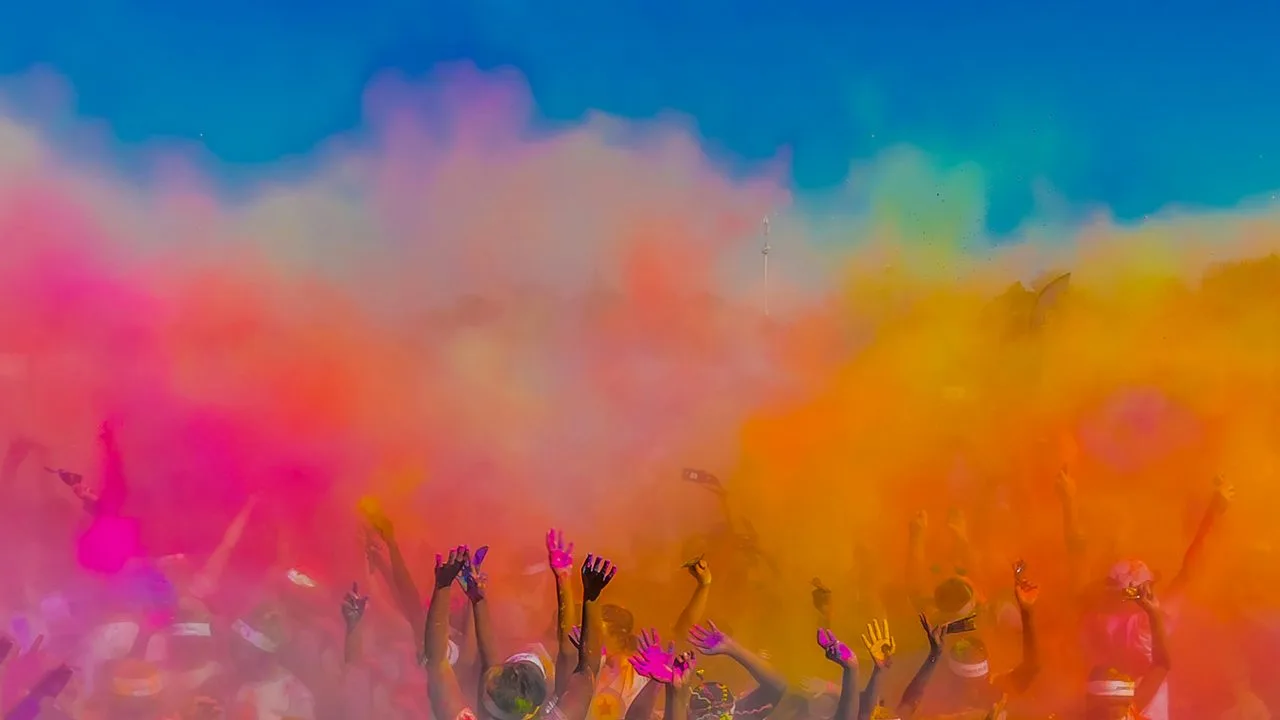
You may have heard of Holi, the festival of colors, in India, but there are a lot of unique Holi celebrations across India that you may not know about. One of the most popular festivals around the world, the festival of colors sees many forms in India. Every region celebrates the festival in its own unusual way. Read on to find out more about the different Holi celebrations that take place in India.

What is the festival of Holi?

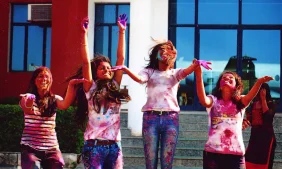
Holi, the festival of colors, is one of the most important and popular festivals of India. Celebrated on the last full moon day of the lunar month of Phalguna, the festival symbolizes the triumph of good over evil, and the beginning of the spring season. During this festival, people gather together and drench each other in colors and water. The color fight goes on throughout the day.

The eve of Holi is celebrated as Holika Dahan in many places, where a large bonfire is lit and people gather around the bonfire to seek blessings. However, what we know largely as the festival of colors is celebrated in many different ways throughout the country. From beautiful celebrations to downright bizarre rituals, there are many ways to celebrate the festival of Holi in India.

The origin of Holi

The rituals and traditions for Holi differ throughout India, but all have their roots in Indian mythology. However, there are two main legends that are associated with the festival of Holi.

One is the story of Hiranyakashipu and Prahlad. The demon king Hiranyakashipu wanted everyone to worship him, but his son Prahlad refused, and instead worshiped Lord Vishnu. Angered by this, Hiranyakashipu asked his sister Holika to kill him. Holika couldn’t be burned by fire. So she sat on a burning pyre with Prahlad in her lap, knowing that it would kill him. But in a miraculous twist, Holika perished in the fire, while Prahlad was unharmed. This story symbolizes the victory of good over evil. This is why, the eve of Holi is celebrated as Holika Dahan by lighting a bonfire.

One more legend is the love story of Lord Krishna and Radha. In this story, Lord Krishna was in love with Radha, but he was embarrassed by his dark complexion, since Radha was very fair. His mother then asked him to smear some color on Radha’s face so that there would not be a lot of difference between their complexions. Lord Krishna did so, and Radha fell in love with him. This is the origin of the festival of colors, where people throw water and colors on each other.

Here are the most unique and unusual Holi celebrations in India.

1. Lathmar Holi, Uttar Pradesh

Holi is celebrated in quite a quirky way in the town of Barsana near Mathura. Women from Barsana and Nandgaon, armed with lathis (wooden sticks), chase away and hit men, while the men try to dodge the attacks with shields. This is a fun ritual and nobody is actually harmed during this event.

The tradition dates back to the love story of Lord Krishna and Radha. According to legends, Lord Krishna, along with his friends, visited his beloved Radha’s village, Barsana, on this day. He playfully teased her and applied color on her face. The women of the village took offense and chased him and his friends away with sticks.

holi in india
Lathmar Holi

2. Hola Mohalla, Punjab

Punjab celebrates Warrior Holi, known as Hola Mohalla. While most of India celebrates the festival with colors, Hola Mohalla is a martial festival held one day after Holi. It showcases the valiant spirit of the Sikh community with martial arts, swordsmanship, and mock battles. There are also devotional songs, music, and poetry. The event hosts a langar as well, where everyone is welcome.

The Hola Mohalla marks the beginning of the Sikh New Year and is a tribute to the bravery and brotherhood of Sikh warriors.

See also: Best places to celebrate Holi in India

unique holi celebrations in india
Hola Mohalla (Picture credits: Hindustan Times)

3. Kumaoni Holi, Uttarakhand

Kumaoni Holi, also known as Baithak Holi and Nirvana ki Holi, is a unique celebration of Holi in Uttarakhand. Dressed in traditional white outfits, people come together and sing classical folk songs, accompanied by musical instruments like harmonium and tabla. More than the festival of colors, Holi here is a musical fiesta. It signifies the beginning of the sowing season for farmers, and goes on for more than a month!

4. Dola Purnima, Odisha and Assam

Dola Purnima, or Dola Jatra, falls on the day of Holi and is celebrated in Odisha and Assam. The festival is marked by vibrant colors, grand processions known as Dola Yatra, and food items like Feni, Pethas, Thandai, and Ghola Dahi. Idols of Lord Krishna are carried in palanquins from door to door, and every house offers something to Lord Krishna and joins the procession.

People play with abir, a colored powder made with organic dried items, and engage in fun activities and games. In the Puri Jagannath Temple, the same ritual is performed with Lord Jagannath, who is worshiped as Dolagovind.

unique holi in india
Dola Purnima (Picture credits: Local Samosa)

5. Basant Utsav, West Bengal

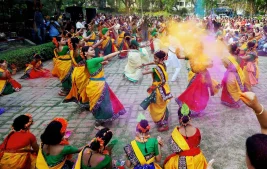
The region of Shantiniketan in West Bengal celebrates Holi with Basanta Utsav, or the Spring Festival. This cultural event is celebrated by the teachers and students of Visva Bharati University, founded by Rabindranath Tagore. The most prominent color of the festival is yellow. Everyone wears yellow, orange, and white traditional outfits.

The students display musical performances with classical musical instruments. They use a special color for Holi, abeer, made from dried vegetables. There is also a procession called Dol Yatra by the devotees of Lord Krishna that takes place through the streets of West Bengal.

unique holi in india
Basant Utsav

6. Yaosang, Manipur

In Northeast India, Holi is celebrated in Manipur as Yaosang. The five-day festival is celebrated by the Meitei tribe to signify the arrival of spring, new beginnings, and the victory of good over evil.

The vibrant celebration begins with the worship of Lord Krishna, followed by burning a mock straw hut, Yaoshang Meithaba. Young kids visit every household, where they are given festive money. People dress in colorful traditional attire and perform Manipuri folk dances. There are fun games and activities as well, and includes colors, music, and Thabal Chongba procession.

7. Ukuli or Manjal Kuli, Kerala

A unique celebration of Holi in Kerala is Ukuli or Manjal Kuli, which is based on the worship of Lord Shiva. It is celebrated mainly by the Kudumbi and Konkani communities. Unlike the colorful celebrations around India, Ukuli focuses on temple rituals.

Devotees of Lord Shiva gather at Shiva temples and bathe the deity and offer prayers. The temple complexes are adorned with beautiful decorations, and devotees smear holy ash on themselves. Instead of colors, people apply turmeric powder on each others’ faces.

8. Rang Panchami, West Coast and Madhya Pradesh

The states of Madhya Pradesh, Maharashtra, Goa, and Karnataka celebrate Rang Panchami, a part of the festival of colors. It is known as Shimga in Maharashtra, and Shigmo in Goa. The festival takes place on the fifth day of Holi, which marks the end of Holi in many temples of Mathura and Vrindavan. The festival is very popular among the fisherfolk of the west coast. There are colors, singing, dancing, and mouth-watering food like puranpoli.

Read more: How to experience Holi in India like a local

holi in india
Rang Panchami

9. Phoolon Wali Holi, Uttar Pradesh

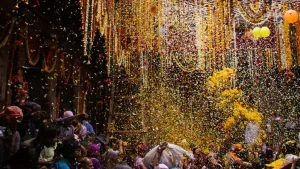
The birthplace and home of Lord Krishna, Mathura and Vrindavan celebrate Holi in a grand way. These sacred cities have a 40-day long festival which begins with Barsana’s Laddu Holi and Lathmar Holi. There is one more Holi that is celebrated in a beautiful way here. Known as Phoolon Wali Holi, meaning “Holi of Flowers”, the festival is played with fresh flower petals. Devotees shower petals of flowers like marigold and roses on each other, instead of colors. The main event takes place at the Banke Bihari Temple, where devotees of Lord Krishna gather to celebrate this festival.

most unique holi celebrations across india
Phoolon Wali Holi (Picture credits: Conde Nast Traveller India)

10. Royal Holi, Rajasthan

The royal state of Rajasthan celebrates Holi in an equally regal way. In Udaipur, the festival of colors takes place at the royal palace of the Mewar royal family. A large bonfire is lit and a magnificent procession takes place from the royal residence to Manek Chowk. The procession includes horses and elephants adorned with vibrant fabrics and jewelry, the royal band, as well as a lot of fireworks.

See also: Most Holi-obsessed countries in the world

11. Masan Holi, Varanasi

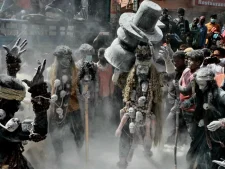
Masan Holi in Varanasi might be the weirdest Holi celebration anyone would ever encounter. Devotees of Lord Shiva gather at the Manikarnika Ghat, known to be one of the holiest cremation grounds. They then smear themselves with ashes from the funeral pyres at the ghat, and a pink powder, gulaal. They also dance and sing while chanting Lord Shiva’s name.

The festival is a celebration of death and the legend of Holika and Prahlad. It is believed that the ashes have purifying properties. Devotees smear these ashes to seek internal purification.

most unique holi celebrations across india
Masan Holi (Picture credits: News18)

So, are you excited to celebrate Holi in India? At India Someday, we plan customized trips to India for you based on your interests and requirements. Contact us and we will help you plan your perfect trip to India.

9 Best Things to do in Hampi

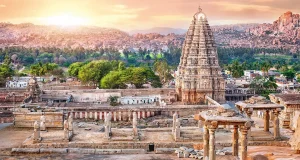
There are many interesting places to visit and things to do in Hampi, Karnataka, a renowned world heritage site. The city of Hampi, situated on the banks of the river Tungabhadra in South India, was once the capital of the mighty Vijayanagara Empire. But after the Mughal attacks, the city was all but destroyed. The riverside ruins have become world-famous tourist places in Hampi village today. Here are some of the best places to visit and things to do in Hampi.

1. Visit the Temples of Hampi

Hampi is renowned all over the world for its ancient ruins and heritage, but the especially famous attractions are the temples of Hampi. Located along the banks of the River Tungabhadra, the majestic temples are an integral part of Hampi. With their exquisite carvings, these are some of the last temples of the Vijayanagara Empire.

Prasanna Virupaksha Temple

The Prasanna Virupaksha Temple, or Virupaksha Temple, is situated on the banks of river Tungabhadra in Hampi, Karnataka. It is the most popular temple in Hampi and was built during the 7th century. The only working temple in Hampi, it is recognized as a UNESCO World Heritage site. The temple is dedicated to Lord Shiva’s form, Lord Virupaksha.  This is the oldest known temple in Hampi and is home to elephant Lakhsmi. The 11 storeyed golden gopuram is the main attraction of the temple.

Vithala Temple

Dating back to the 16th century, the Vithala Temple is a great example of truly beautiful architecture. The stone chariot is now an iconic symbol of the architecture of Hampi, also featured on the INR 50 currency notes.

The chariot is actually a shrine dedicated to Garuda, the vehicle of Lord Vishnu.  It is inspired by the Konark Sun Temple in Orissa. Built in Dravidian style, the chariot has stone carvings depicting mythical battle scenes. The chariot stands on two wheels and is being pulled by two elephants.

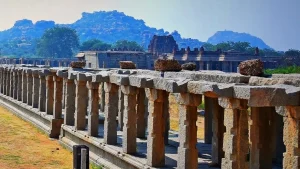
The Vittala temple complex has musical pillars that can produce different sounds.

Near the Vittala Temple is King’s Balance, a 15th century weighing scale, used to weigh the king with royal jewels on special occasions. The jewels were then donated to the temple priests.

Kadalekalu Ganesh Temple

The Kadalekalu Ganesh Temple is an important attraction. Located on Hemakuta Hill, the temple has traditional stone architecture and a 15 feet monolithic statue of Lord Ganesha. It is the largest monolith statue in the world! Lord Ganesha’s belly is carved to look like Kadalekalu (Bengal gram).

Lakshmi Narasimha Temple

This temple features the biggest sculpture in Hampi, of Lord Narasimha sitting on SeshaNaag, the seven headed snake. An idol of Goddess Lakshmi is placed with Narasimha.

Hazara Rama Temple

The Hazara Rama Temple is dedicated to Lord Rama. The intricate carvings of the temple attracts people from all over the world. The entire Hindu epic Ramayana is narrated through carvings on the inner walls of the temple. The temple also features black marble pillars, which are unlike any others in Hampi.

Hemakuta Hill Temple complex

On Hemakuta Hill, you will find many ancient temples and shrines scattered across, including the Virupaksha Temple. Many of the temples are dedicated to Lord Shiva, and are all protected by a fort. The most famous temples here are the Hanuman Temple and the Moola Virupaksha temple, within walking distance from the Virupaksha Temple.

Some other temples you must visit in Hampi are the Lotus Temple, Durga Temple, Varaha Temple dedicated to Vahara (the boar), Chandikesvara Temple dedicated to Lord Vishnu, and Veerabhadra Temple.

See also: Finding the right tour guide in India

best things to do in hampi
Virupaksha Temple

2. Go Shopping

Hampi Bazaar faces the Virupaksha temple, which is why it is also known as the Virupaksha Bazaar. You can shop for various artifacts here, including antique coins, shawls, bags, etc. At the east end of Hampi Bazaar is the Monolithic Bull or Nandi, a huge piece of architecture from ancient times.

There are quite a few other markets which sell plenty of stuff you can take back home, such as idols of Hindu deities, Lambani and leather crafts, banana fibre crafts, and musical instruments.

Read more: Souvenir shopping in India

things to do in hampi
Hampi Bazaar

3. Explore Hippie island

A small island located across the Tungabhadra river, Hippie Island, or Virapapur Gadde, is every backpacker’s delight. You can travel to the island via coracle or boat within 5 minutes, or within 40 minutes by road.

The quaint island is full of shacks and lodges facing water bodies or paddy fields. There are many cafes on the island, some of them run by Europeans who stayed back. This island is the perfect place if you want to explore at your own pace.

Read more: Getting from Goa to Hampi

things to do in hampi
Hippie Island (Picture credits: hospet.online)

4. Taste the local cuisine

Hampi has plenty of cafes to spend some time and try out different cuisines. The region has influences from many different cultures and countries, which reflects in the variety of cuisines it offers.

The Laughing Buddha Cafe offers stunning views of Tungabhadra River while serving a wide menu including Israeli cuisine.

Another popular cafe in Hampi is Mango Tree, with a laid-back atmosphere and amazing food. Gorge on wood-fired pizzas as you take in the view of the Tungabhadra River.

things to do in hampi
Laughing Buddha Cafe

5. Try some Adventure Activities

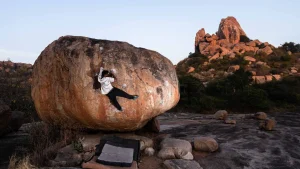
Hampi is an adventure lover’s delight. The geographical terrain of the city makes it a great place for adventure sports like rock climbing, bouldering, cliff diving, and cycling.

Rock climbing and bouldering

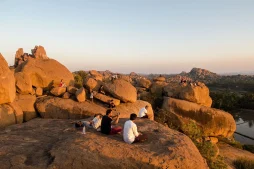
Hampi is a popular spot for rock climbing. The rocky terrain is ideal for rock climbing and bouldering, favored by travelers all over the world who come to Hampi. However, rock climbing is not recommended during the monsoon season or extreme summers.

Cliff jumping

Cliff jumping, or cliff diving, is a popular activity in Hampi, especially for adventure buffs. 

Cycling

If you don’t want to walk, you can rent a bike and cycle across town, discovering the local culture along the green fields of Hampi. Cycles can be rented on a day-to-day basis. Remember to negotiate the cost before hiring a cycle. There are also a few organized cycle trails in Hampi you can try so that you get to explore the best places in Hampi.

best things to do in hampi
Bouldering in Hampi (Picture credits: adventure.com)

6. Experience a Coracle Ride:

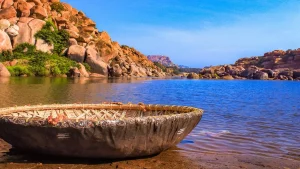
When you visit Hampi, you have to take a coracle ride. Hampi is one of the very few places in the country where you can experience this. The coracle has been a mode of transport since the 15th century. It can carry 6 to 8 people at the time. The coracle boat rides are closed during the monsoon season due to the overflow of rivers.

The best time for a coracle boat ride is between October and March. Summers can be a bit harsh.

things to do in hampi
A coracle in Hampi

7. Go Sightseeing

When it comes to places to visit in Hampi, there are many places for sightseeing. The beautiful ruins scattered across the city make for some stunning places to visit.

Elephant stables

In the Vijayanagara Empire, the Elephant Stables served as an enclosure for the royal elephants. Built in the Indo-Islamic architectural style, the stables consist of eleven domed chambers. One of the chambers was an enclosure for the musicians during their performances.

The Elephant Stables are one of the last unruined structures in Hampi today.

Lotus Mahal

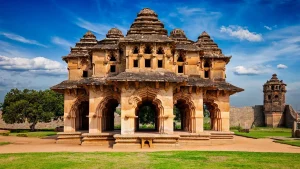
The Lotus Mahal, also known as Lotus Palace, Kamal Mahal or Chitragani Mahal, is situated inside a space called Zenana Enclosure, which was used by the royal ladies of the royal family. It gets its name from its lotus-like dome. While most of the buildings in the royal enclosure are in ruins, the lotus bud domes of the Lotus Mahal can be seen in all their glory, built in Indo-Islamic style.

Anjaneya Hill

Anjaneya Hill is a pilgrimage site, as this is the place where Lord Hanuman was born. It is a 1-2 hour climb to the top, where there is the Yantrodharaka Hanuman Temple, or Monkey Temple, dedicated to Lord Hanuman. You have to climb 570 steps to reach the temple, but the view in the end is worth the climb. Try to catch the sunset views from this place.

Matanga Hill

The hill was once the location of the hermitage of Saint Matanga during Ramayana. The highest peak in Hampi, it is ideal for trekking. The hill is extremely popular for watching gorgeous views of the sunrises and sunsets.

Queen’s Bath

The aquatic enclosure was the Royal Bath during the Vijayanagara empire. It was built in a way that outsiders could not enter the bath. Over 500 years old, the Royal Bath has no ceiling. With intricate designs, it continues to be a tourist attraction, although it has lost much of its charm after Hampi’s downfall.

Today, it is a good place to unwind and have a picnic.

Archaeological Museum

The Archaeological Museum in Hampi has four different art galleries housing artifacts such as ancient coins, paintings, statues, and sculptures. History buffs should definitely explore this museum.

Read more: Best time to visit Hampi

best things to do in hampi
Lotus Mahal

8. Visit Sanapur lake

On the other side of the river is Sanapur lake. This irrigation reservoir is one of the best places to visit in Hampi. 5 kilometers from Hippie Island, the lake is surrounded by rocks and boulders. It is a great place to relax and enjoy the water and the cool breeze. You can try the watersports activities here, such as cliff jumping and boating. You can also swim here.

things to do in hampi
Sanapur Lake

9. Attend Hampi Utsav

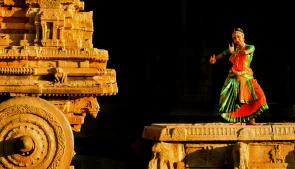
Hampi Utsav, or Vijaya Utsav, is one of the most vibrant cultural festivals in Karnataka, celebrating the Vijayanagara Empire. With dance, music, folk songs and dances, puppet shows, colorful processions, exhibitions by local artists, sound and light shows, and fireworks, it is a fun-filled extravaganza.

The exact schedule of Hampi Utsav varies every year, so do check the dates for the year, and if you are around while the festival is happening, make sure you check it out!

best things to do in hampi
Hampi Utsav

So, when are you planning a trip to Hampi? Let us know and we will help you plan the perfect personalized trip tailormade for your requirements.

Best time to visit Mysore

The best time to visit Mysore depends completely on the kind of vacation you are looking for. ‘The Cultural Capital of Karnataka’ has a lot to offer. From art, festivals, to ancient temples, and informative museums, the lovely landscape of Mysore can be explored. Read more to find out the best time to visit Mysore.

WINTER SEASON IN MYSORE (NOVEMBER TO FEBRUARY)

Mysore is best in the winter season. With temperatures ranging from 15 to 27 degrees Celsius, winter is the perfect season to explore different temples, forts, and palaces in Mysore. 

You can enjoy the Dussehra and Diwali celebrations in October and November in Mysore. Enjoy the splendor of Dussehra celebrations. Filled with lights and colourful decorations during Diwali, you can be a part of the festivities and enjoy the local cuisine. 

The pleasant weather welcomes you to explore the Mysore Zoo and the beautiful Brindavan Gardens by going on adventure treks and doing bird watching. 

Since this is a peak season, it is advised to book all your travel accommodations in advance to avoid a surge in rates at the last minute.

The weather is not that cold, but carry a warm jacket to keep you warm in low temperature dips. Dress appropriately while visiting temples.

Read more: Things to do in Mysore

Best time to visit Mysore
Mysore Zoo

SUMMER SEASON IN MYSORE (APRIL TO JUNE)

The summers are hot and dry in Mysore. With temperatures ranging from 20 to 30 degrees Celsius, it is advised not to venture out in the afternoon. However, you can visit indoor attractions such as the Mysore Palace, Jagan Mohan Palace, or the Mysuru Railway Museum. Spend evenings strolling in markets and trying out the local cuisine.

To beat the heat, you can also enjoy a staycation at boutique or luxurious hotels. Since this is the off-season, you can get accommodations and tour packages at discounted prices. 

Carry linens and cotton clothes while visiting Mysore in summer, and wear comfortable footwear. Keep yourself hydrated, carry a hat, and wear your sunscreen at all times!

best time to visit mysore
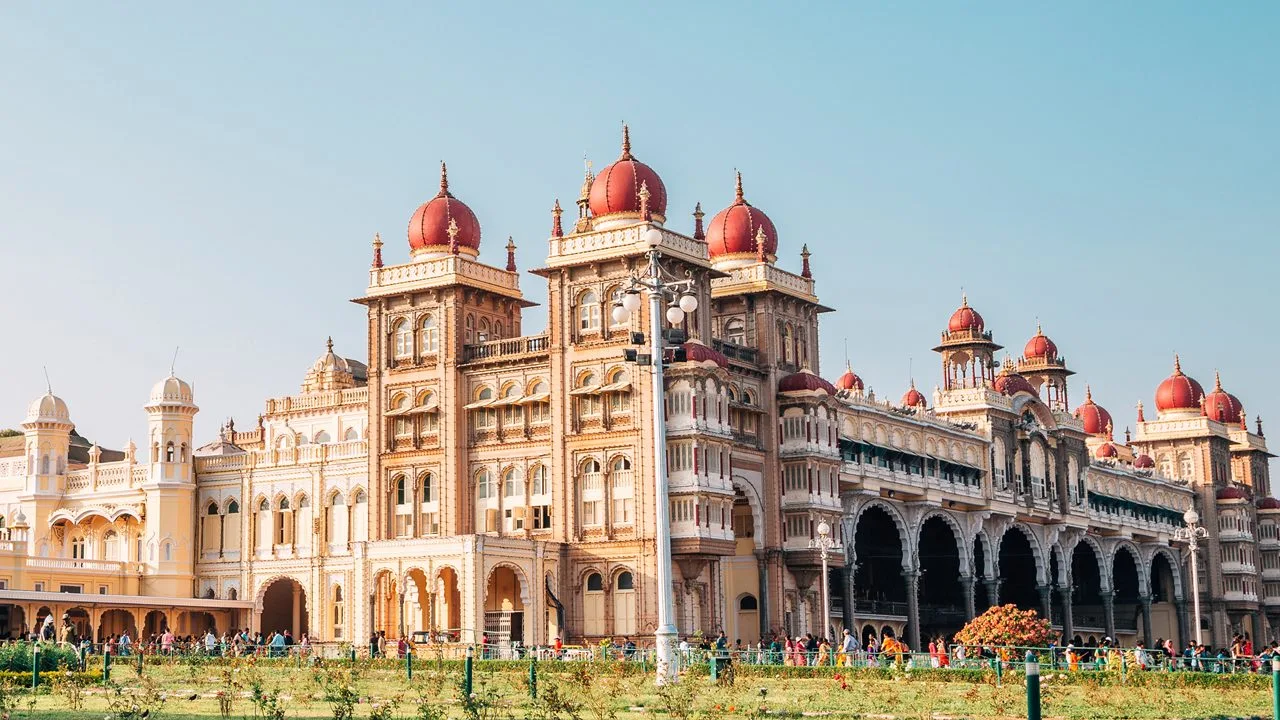
Mysore Palace

MONSOON SEASON IN MYSORE (JULY TO SEPTEMBER)

Monsoon receives heavy rainfall with temperatures ranging from 20 to 29 degrees Celsius. The city of Mysore is lush with greenery, making it a good time to explore the city. 

You can visit places like Chamundi Hills, Karanji Lake, Chunchanakatte Falls, Brindavan Gardens, Folklore Museum, and Jagmohan Palace, and take in the beauty that nature has to offer. 

Visit Mysore during monsoon if you want to enjoy the beautiful city landscape creating freshness all around.

Since this is the off-season, travel and accommodation will be more affordable.

An umbrella or raincoat is a must to beat the heavy downpour. Since the rainfall ranges from moderate to high, the plans can be delayed or cancelled. 

Best time to visit Mysore
Chamundi Hill Temple

HOW TO REACH MYSORE?

By rail

‘The City of Palaces’ has good rail connectivity to many major cities like Mumbai, Delhi, etc, making it easy for tourists to travel.

By road

Mysore has connectivity with many private and state-owned buses to other cities like Pune, Bangalore, and Hyderabad.

By air

Mysore Mandakalli Airport has connectivity to nearby places like Goa, Chennai, and Bangalore. The nearest major airport to Mysore is the Kempegowda International Airport in Bangalore, which has connectivity to other parts of the world.

Best time to visit Mysore
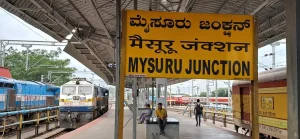
Mysore Junction

So, when will you be visiting Mysore? Let us know! At India Someday, we curate personalized itineraries to India for you based on your preferences and requirements. Contact us and together we can plan the perfect trip to India for you!

Best time to visit Surat

The best time to visit Surat depends on the type of trip you are looking for. Known for its rich history, beautiful fabrics, and delicious food, the ‘Diamond City’ is a vibrant destination for exploration.

While winter is the best time to visit the region, Surat can be explored throughout the year and has something unique to offer in every season. Read on to find out the best time to visit Surat.

WINTER SEASON IN SURAT (OCTOBER TO MARCH)

The winter season in Surat is cool and pleasant, with temperatures ranging from 15 to 30 degrees Celsius. With breezy afternoons and a cozy atmosphere, you can venture out and visit various beaches like Dumas Beach, Tithal Beach, Suvali Beach, and Dandi Beach. You can enjoy water sports or just relax and unwind at the famous black sand beaches.

This is also a good time to attend the famous Surat International Textile Expo and various cultural festivals that take place and be a part of the festivities.

Winter is ideal for exploring heritage sites like Surat Castle and Sardar Patel Museum, and roaming the streets of Surat to try local delicacies. If you are going in January, then the kite festival known as Uttarayan is worth experiencing.

However, with the peak season, you will find higher prices for accommodations and tickets. So make sure to book everything in advance.

You don’t need heavy winter clothes; instead, carry warm layers like a jacket for the mild temperature dips in the evening.

Best time to visit Surat
Sardar Patel Museum in Surat

SUMMER SEASON IN SURAT (APRIL TO JUNE)

Summer in Surat brings extreme heat and humidity. With temperatures ranging from 28 to 40 degrees Celsius, it is advised not to venture out in the afternoon.

However, Surat has many indoor attractions you can visit such as textile markets, shopping malls, the Science Centre, and the Jagdishchandra Bose Aquarium. In the evening, you can go for a nice stroll along the riverfront areas like the Tapi River.

This is the off-season for tourism in Surat, making it a perfect way to get accommodations and travel arrangements at affordable rates.

Despite the scorching heat, summer is the ideal time to shop at the textile markets and buy various types of sarees and traditional clothing.

Wear breathable and lightweight fabrics like cotton and linen. Carry a cap and sunscreen to keep yourself protected.

Best time to visit Surat
Science Centre in Surat

MONSOON SEASON IN SURAT (JULY TO SEPTEMBER)

Monsoons in Surat bring moderate to heavy rainfall with temperatures ranging from 25 to 35 degrees Celsius. Dutch Garden, Gavier Lake, and Gopi Talav become scenic spots during this season and are a must-visit. 

Waterlogging and sudden downpours can affect outdoor plans, so be prepared for cancellations and delays. Since it is the off-season for tourism, tickets and accommodations are much cheaper. 

Monsoon is a good time to enjoy the lush green nature after downpours. Carry an umbrella or raincoat with you for your travel during this season.

best time to visit surat
Gavier Lake

EVENTS AND FESTIVALS IN SURAT

Uttarayan (January 14th): A festival of kites where the skies are filled with colourful kites and locals compete and enjoy the festivities at their rooftops. 

Surat International Textile Expo (January): It is a platform for manufacturers, dealers, and retailers to showcase their products, helping to boost the textile industry. 

Navratri (September/October): It is a nine-day festival dedicated to Goddess Durga and is celebrated with many rituals and folk dances.

Diwali (October/November): The festival of lights is celebrated with lamps and fireworks, filling Surat with lights and shimmer during Diwali. 

Best time to visit Surat
Diwali Festival

So, when will you be visiting Surat? Let us know! At India Someday, we create personalized itineraries for your trip to India. Contact us, and together we can plan the perfect trip to India for you!

Best time to visit Jodhpur

The best time to visit Jodhpur depends on the kind of vacation you want. The Blue City of Rajasthan, Jodhpur has a rich history, culture, and tradition that welcomes tourists throughout the year. While the best time to visit Jodhpur is during winter, there is something unique about every season. Read on to find out the best time to visit Jodhpur.

Winter in Jodhpur (October to February)

October brings a pleasant climate to Jodhpur that lasts up to February. The temperature ranges from 10 to 25 degrees Celsius, with clear skies and cool weather. It is the perfect time for sightseeing, exploring, or taking a desert safari in Jodhpur – there are so many things to do in Jodhpur during winter!

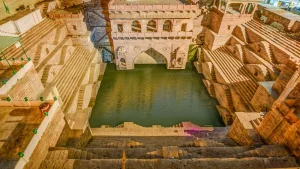
For nature lovers and bird watchers, Khichan Bird Sanctuary and Dhawa Doli Wildlife Sanctuary are great options to visit in the winter season. Toorji ka Jhalra is a magnificent stepwell from the 18th century. You can also visit the Mandore Gardens built in the 6th century.

If you are an adventure enthusiast, you can try ziplining over two lakes with a stunning view of the blue city and Mehrangarh Fort in the background!

The Desert Kite Festival, the Marwar Festival, and the Rajasthan International Folk Festival also take place in winter.

Since this is peak tourist season in Jodhpur, you will encounter heavy crowds at major attractions. Make sure to book everything in advance in order to avoid last minute surge prices.

Carry light woollens with you, since it can get chilly during the night.

best time to visit jodhpur
Toorji ka Jhalra

Summer in Jodhpur (March to June)

Jodhpur is known as the Sun City, thanks to its long days and sunny weather for much of the year. However, summer in Jodhpur is a lot more intense.

March to June is the summer season in Jodhpur. While the month of March is comparatively better, temperatures shoot up in April, ranging from 32 to 45 degrees Celsius. Naturally, this is not the best time to visit the city, but there is still a lot to do in Jodhpur during summer.

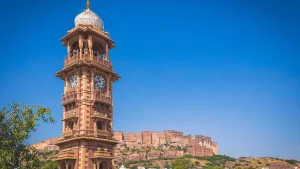
Visit Masuriya Hill Garden during the evening to enjoy a beautiful sunset from the top. You can also spend the evenings shopping in Jodhpur. Ghanta Ghar, translating to Clock Tower, is a popular market selling local jewelry, footwear, bags, and clothes. There are also many small cafes and restaurants in this area.

The Jodhpur Flamenco and Gypsy Festival takes place in March or April each year.

Wear loose, breathable clothes, and carry a cap or a hat and sunglasses. Apply plenty of sunscreen and drink a lot of water throughout the day.

Best time to visit Jodhpur
Ghanta Ghar or Clock Tower of Jodhpur

Monsoon in Jodhpur (July to September)

The monsoon season in Jodhpur lasts from July to September. The rains offer a respite from the heat of the summer, transforming the city into a lush green landscape. The humidity levels rise, although the average rainfall varies every year.

The mesmerizing Kaylana Lake is a good place to visit during the monsoon season, although it can get a bit risky to visit during the heavy rains. You can also visit indoor attractions like the majestic Mehrangarh Fort, Jaswant Thada, and Umaid Bhawan. The Marwar Festival takes place in September or October every year.

This is an off season for tourism in Jodhpur, but if you don’t mind some rain, this can be a great time to visit, especially if you are on a budget. Tickets and accommodations are much cheaper, and fewer tourists is an added bonus.

Make sure to carry an umbrella or raincoat with you at all times. Be prepared for cancellations and delays due to rains, and avoid eating street food during this season.

Best time to visit Jodhpur
Kaylana Lake in Jodhpur

Events and festivals in Jodhpur

Marwar Festival: Marwar Festival, formerly known as Maand festival, is a two-day event that takes place in September or October. It honors the heroes of Rajasthan with folk dances, musical performances, puppet shows, and other events.

Jodhpur International Kite flying Festival: The International Kite Flying Festival is celebrated on 14th January in Jodhpur along with many activities and events.

Rajasthan International Folk Festival: This five-day festival is celebrated in September or October annually against the backdrop of the mighty Mehrangarh Fort. The folk festival celebrates the art and culture of Rajasthan through music, dance, and concerts.

Jodhpur Flamenco and Gypsy Festival: This cultural event is held at the Mehrangarh Fort each year in order to celebrate the gypsy folk culture of India and Spain. The festival sees musicians, dancers, and artists from across the world.

Best time to visit Jodhpur
Rajasthan International Folk Festival

So, when will you visit Jodhpur? Let us know! At India Someday, we make personalized itineraries for your trip to India based on your requirements and needs. Contact us and together we can plan the perfect trip to India for you!

14 Things to do in Surat

There are a lot of things to do in Surat. Known by names like ‘Diamond City’ and ‘Silk City’, Surat is perfect for all kinds of travelers. A global diamond cutting centre and a commercial hub of textiles, the city of Surat offers a rich colonial history and exotic wildlife. Read on to find out some of the best things to do in Surat.

1. visit the Beaches

Situated 20 km from the town, Dumas Beach’s serene atmosphere is a perfect spot to be at ease and spend time with loved ones. Gorge on local delicacies from the beachside stalls, or enjoy a picnic by the sea.

You can try water sports like speedboating, horse riding, camel riding, and jet skiing at Tithal Beach or simply catch a beautiful sunrise or sunset at this black sand beach. You can also attend the famous Tithal Beach Festival and International Kite Festival and enjoy the festivities.

If you want a less crowded place for a peaceful time, then Suvali Beach is a perfect place to sunbathe and unwind.

Known for the ‘Salt Satyagraha movement’ started by Mahatma Gandhi, enjoy the picturesque views of the golden sands at the Dandi Beach, situated in the Dandi Village.

things to do in surat
Dumas Beach

2. Sardar Patel Museum

The Sardar Patel Museum has two multimedia halls covering the life and work of Sardar Vallabhbhai Patel. The collection provides insights into his life through artefacts, 3D projection techniques, sound and light effects, voice narration, and laser projection.

things to do in surat
Sardar Patel Museum

3. Surat Fort

Situated on the banks of the River Tapi, the Surat Fort or Surat Castle takes you back to the past. It was built by Sultan Mahmood-III to defend the city from the Portuguese invasions. You can see the beautiful stone architecture and enjoy the panoramic views from the top of the fort.

things to do in surat
Surat Fort

4. Dutch Garden

The Dutch Garden is a European-style garden with a rich pre-Independence history. The garden is situated near the banks of River Tapi and features English and Dutch cemeteries. You will find locals on their daily morning and evening walks in this garden. This recreational space is perfect to stroll around or simply sit and enjoy the scenic views.

things to do in surat
Dutch Garden

5. Sarthana Nature Park

Surrounded by flora and fauna, the Sarthana Nature Park is the largest zoological garden in Gujarat. It is home to Bengal tigers, deer, and other animals along with some mango trees and eucalyptus plants at the park.

things to do in surat
Sarthana Nature Park

6. Science Centre

To experience the wonders of science, visit the Science Centre and do some fun activities. Check out the ‘Fun Science Gallery’ section and witness a display of over 50+ exhibits. A place for all age groups, the Science Centre will teleport you to different dimensions through a 3D amphitheatre and various galleries!

things to do in surat
Science Centre

7. Hajira Village

A prominent recreational location, Hajira Village is located by the Arabian Sea. It is known for its numerous hot water springs that are rich in medicinal properties. It is also a shipping port of India, connecting with the Arabian Sea. You can visit the village to relax with your family and friends. 

8. ISKCON Temple

Seek Lord Krishna’s blessings at the beautiful ISKCON Temple and meditate and practice yoga in the vicinity. You can also stay at their guest house and buy souvenirs and offerings from the ISKCON temple complex.

things to do in surat
Iskcon Temple, Surat

9. Jagdishchandra Bose Aquarium

With 52 huge tanks, the Jagdishchandra Bose Aquarium has more than a hundred species to observe and be marveled at. Walk through the amazing Dolphin tunnel and be mesmerised by the jellyfish pool at this aquarium.

things to do in surat
Jagdishchandra Bose Aquarium

10. Vansda National Park

Established in 1979, the Vansda National Park is an ideal place to explore nature and its habitat in all forms. Go for a jungle safari and spot different species like wild boar, Indian porcupine, and Indian giant squirrel, or interact with the local tribes known as ‘Adivasis’ that live there. The beautiful Gira Falls are also housed in Vansda National Park. You can take your own vehicle in the National Park.

things to do in surat
Vansda National Park

11. Picnic at Gavier Lake

Full of lotus plants, Gavier Lake is a scenic paradise for all nature lovers. The ecological zone is home to many different types of flora and fauna. It is an ideal picnic spot to spend time with your loved ones and relax in nature.

things to do in surat
Gavier Lake

12. Try the Street Food

Your trip is incomplete without trying the street food in Surat. Surat is known for lip-smacking dishes like Nankhatai, Ghari, Undhiyo, Locho, and Khaman. You can also have street food from the local shacks at the beaches.

13. Enjoy rides at waterparks

Surat is home to many waterparks with thrilling rides which tourists and locals enjoy. Among the largest water parks in Asia, Amaazia Waterpark is a great spot for a thrilling experience. King Cobra, Forest Jump, and Kamikaze slides are recommended for an adventurous experience.

Neverland Water Park is located in the heart of the city and is a fun place to enjoy water slides and swings. Try to visit on weekdays to avoid large crowds.

things to do in surat
Amaazia Water Park

14. Go Shopping

Surat is known for its textiles and silk sarees. You can buy high-quality fabrics from the market. Being the biggest diamond hub, buying diamonds is highly recommended. You can explore markets like the Surat Textile Market, Chauta Bazar, and Ring Road Market for a wide variety of options.

So, what activities would you like to do in Surat? Let us know! At India Someday, we curate personalized itineraries to India for you based on your likes and requirements. Contact us and together we can plan the perfect trip to India for you!

16 Best Things to do in Daman and Diu

There are a lot of things to do in Daman and Diu! Nestled on the Western coast of India, this union territory of India offers crystal-clear beaches and stunning Portuguese architecture. Read on to find out some of the best things to do in Daman and Diu!

1. Visit the Beaches

Daman and Diu have many pristine beaches, and every beach has something unique to offer. Jampore Beach is a popular hub for adventurous water sports and activities. You can visit the beach anytime between 6 am to 8 pm.

Devka Beach is famous for its black sand and rocky terrain. It is not safe to swim at this beach because of the large rocks, but it is a perfect spot to relax and sunbathe.

If you are looking for a peaceful place, then the underrated Ghogla Beach is an ideal spot to enjoy some local food available at the shacks and enjoy camel rides.

things to do in daman and diu
Devka Beach

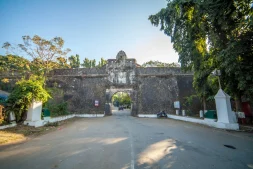
2. Moti Daman Fort

Built by the Portuguese in the 16th century, Moti Daman Fort takes you back to the past. Through its colonial architecture, you understand the history, making it an insightful experience. You can also visit the Iberian Church to seek blessings.

things to do in daman
Moti Daman Fort

3. Devka Amusement Park

If you are looking for an adventurous getaway with your family, then Devka Amusement Park is a must-visit. You can have a picnic there and enjoy some fun rides like water balloon rafting, bungee jumping, etc.

4. Diu Museum

Initially built as the St. Thomas Church in 1598, the building was later converted to the Diu Museum. You can see the beautiful white gothic-style architecture and the portraits and paintings left behind by the Portuguese, all of which are slowly starting to fade.

You can also find several inscriptions and sculptures of the rulers and saints. The Diu Museum is also famous for its wooden and marble statues of St. Thomas and St. Benedict, which are around 400 years old.

things to do in diu
Diu Museum

5. Jetty Garden

At the confluence of the River Daman Ganga and the Arabian Sea lies the beautiful Jetty Garden. You can visit the garden during sunset and enjoy the view of flower beds, water fountains, and the river. 

6. Diu Fortress

Built in 1535, the Diu Fortress is one of the ‘Seven Wonders of Portuguese Origin in the World’. You can find cannonballs all around this sea-facing fort with a lighthouse, which can be climbed to the top to see the beautiful view.

things to do in diu daman
Diu Fort

7. Go shopping!

From high-quality leather and oyster wall hangings to artifacts and handicrafts, Daman and Diu have many unique things to offer! You should also buy pretty seashell jewelry from the local markets to take back home as souvenirs. 

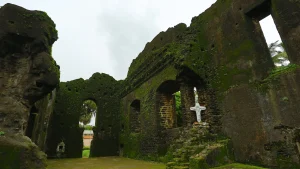
8. Dominican Monastery

Built in 1567 in memory of Saint Dominic, the Dominican Monastery was destroyed by an earthquake in the 18th century. Behind these monastery walls lie the historic ruins, providing insights into its ancient heritage. Through the paintings and current state of the monastery, you can see the decline of the place after the unfortunate incident.

things to do in daman and diu
Dominican Monastery

9. Camel and Horse Riding

You can enjoy camel and horse rides at Jampore beach and Ghogla Beach, adding to your list of fun activities at the beach.

10. Satmaliya Deer Park

Housing more than a hundred bird species, Satmaliya Deer Park is a must-visit for all bird watchers and nature lovers. You can also spot endangered birds like the Flame Black Woodpecker, making it an enriching experience.

things to do in silvassa
Satmaliya Deer Park

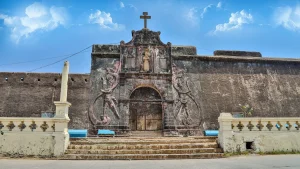
11. Visit the St. Jerome Fort

St. Jerome Fort was built during the 16th century to help in defense when invading forces attacked. The fort is known for the huge statue of St. Jerome, the father of Catholics. You can also visit Our Lady of the Sea Church and the Jain temple, which are located nearby.

things to do in daman and diu
St Jerome Fort

12. Mirasol Lake Garden

If you want to enjoy paddle boating in azure blue waters, then Mirasol Lake Garden is the perfect spot. The surrounding flower beds also make it a great place to stroll around. Plus, there is a toy train in the garden, ideal to keep the kids engaged. 

You can also visit the Devka Beach, which is 1.5 kilometers away.

things to do in daman
Mirasol Lake Garden (picture credits: Times of India)

13. Vasona Lion Safari Park

For a thrilling experience, visit Vasona Lion Safari Park. Take a bus or a van to explore the park as you try to spot lions and wild reptiles like pythons. The 20 acre park provides a unique and enthralling experience for tourists.

things to do in daman and diu
Vasona Lion Safari Park

14. Cathedral of Bom Jesus

Constructed in 1603 by the Portuguese, the Cathedral of Bom Jesus is a place of worship and an exquisite display of architecture. The church is open from 7 am to 9 pm, and mass prayers take place on the weekends.

things to do in daman and diu
Cathedral of Bom Jesus

15. Seashell Museum

The Seashell Museum is one-of-a-kind in Asia and displays Captain Devjibhai Vira Fulbaria’s seashell collection. The merchant navy sailor himself talks about the different kinds of seashells to tourists. You can look at the variety of seashells with a magnifying glass and even refer to books that are provided by the museum.

16. Zampa Gateway

With carvings of angels and priests on the bright red walls, the Zampa Gateway attracts tourists with its vibrant art and architecture. You can also visit the chapel inside that has inscriptions dating back to 1702.

things to do in daman and diu
Zampa Gateway

So, what activities would you like to do in Daman and Diu? Let us know! At India Someday, we plan customized trips to India based on your likes and preferences. Contact us, and together we will plan the perfect trip to India for you!

Let India Someday handle it and plan your best trip.

PLAN MY TRIP subtext