TALK WITH US +91-9970620335
WhatsApp

Travel to Leh and Ladakh

Are you planning to travel to Leh and Ladakh? Then the best time to visit is from June to mid-September. Yes, it’s a small window to travel to Leh and Ladakh but the tough terrain and harsh weather make it difficult to visit all year round.  

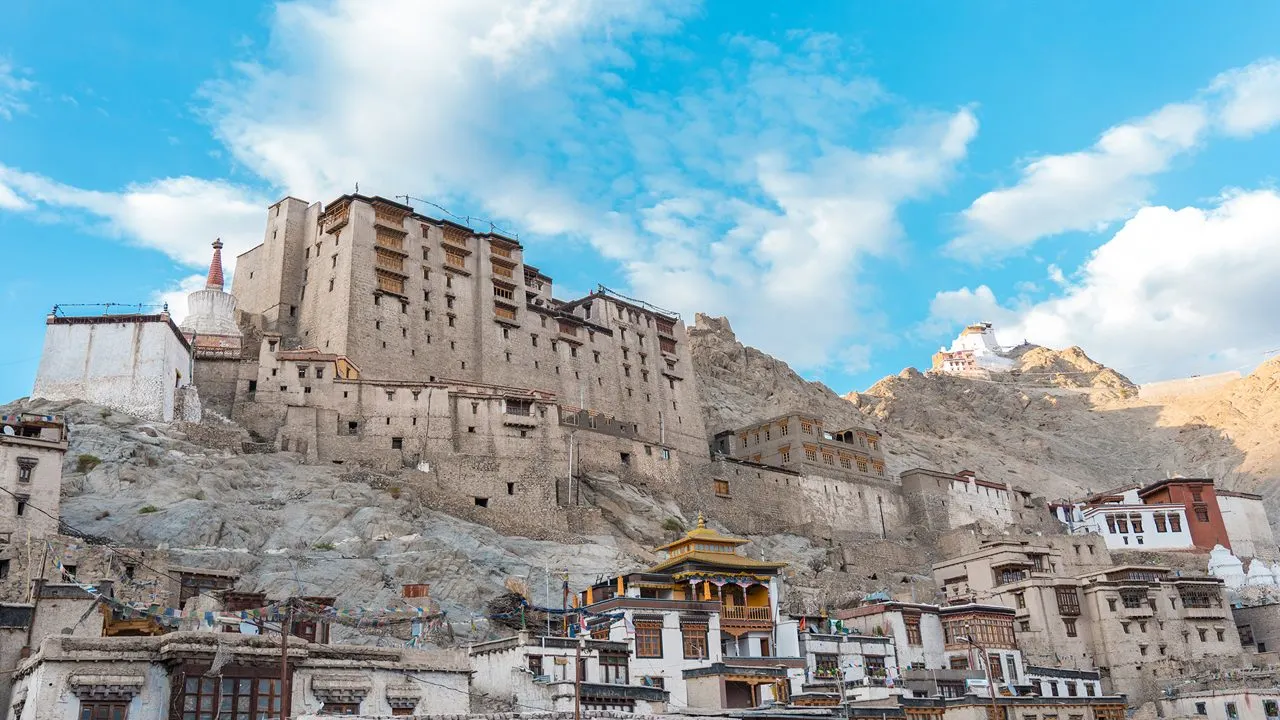
The region is straight out of a fairy tale. A place of purple mountains where there’s something new to view with every turn the road takes. The landscape is dotted with white Chortens (small stupas built by locals) blue azure lakes, deserts flanked by rugged mountains. Add to this smiling and friendly locals and you are in for an overwhelming experience.

Read on for more information if you are travelling to Leh Ladakh. You can also take a look at this travel route, curated especially for our client, if you’re looking at planning a trip to Ladakh.
Travel to Leh and Ladakh
Buddhist monks gathered for a group session (Photo Credit – Joseph Gatto)

GETTING THERE

You can fly to Leh from any major Indian city. Most flights would be one-stop via New Delhi, though there are direct flights from Mumbai. Getting to Leh via train is not possible, the closest rail lines are Delhi, Chandigarh, and Jammu.

The best way to get to Leh is by road as this allows you some time to acclimatize to the high altitude. You can drive via Srinagar or Manali. The Srinagar route is slightly easier and has better roads than the one from Manali.  

Lots of people do take a motorbike from Manali and then ride to Leh via Manali. Do remember that it’s a long journey, and you’re looking at a night or two nights halt.

If you’re taking the Manali-Leh highway your last night stop will most likely be Keylong (Lahaul Valley) and the road through Kashmir will afford you a halt at Kargil.

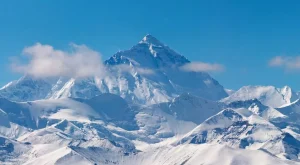
The Manali-Leh highway gets especially picturesque around Baralacha Pass with its snow-covered peaks and Sarchu (where Ladakh starts). Those on the road through Kashmir – just hold onto your breath!
Travel to Leh and Ladakh
Bikes parked around Pangong Tso lake (Photo Credit – Vamshi Vangapally)

BEST PLACES TO VISIT in LADAKH

Changpa is the street where most tourists like to stay. Across from Otsal Guest – its oldest hotel, a paved path along the river will take you to a little pond. Upper Changspa and Lower Changspa have slightly more expensive guest houses to stay at and a much more tranquil environment.

You can easily spend a few days exploring in and around Leh but since this is going to be your base town, taking it in parts every time you get back from one of the longer trips works well. It gives you a chance to get some rest between trips without feeling like you’ve come to a standstill.

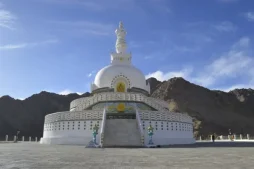
Alchi Monastery (Leh’s oldest) and Tsemu Monastery are two of the best Gompas around, Leh Palace and Shanti Stupa are short walks away. There is a Rock Museum as well. A film for tourists is screened in the main market at 18:00 hrs daily, catch it to get the low down.
Travel to Leh and Ladakh
Peace and calm at Shanti Stupa (Photo Credit – Jitin Narang)

Tsokar and Tso Moriri

If you get on the road back to Manali, there’s a detour at Upshi to Tso Moriri (Tso means lake). Tso Moriri is lesser-known lake in Ladakh as compared to Pangong Tso but extremely beautiful and much less commercial.

On your way to Tso Moriri, you’ll pass the third highest pass in Ladakh – Thanglang La and reach a lake with no habitation around it. You’ll think you’re at Tso Moriri (almost everyone does) but this one is Tsokar, a pretty preview.

Near Tso Moriri, 3-4 kms into the mountains via a road that you can only take a bike on or walk-up, there is Korzok where tribal nomads roam from one green patch to another with their Pashmina goats and Yaks. Visit once you’re settled in at Tso Moriri. They’ll give you a warm welcome and share some of their Yak cheese.
Travel to Leh and Ladakh
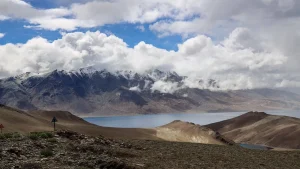
Breathtaking views of Ladakh

PANGONG TSO in Ladakh

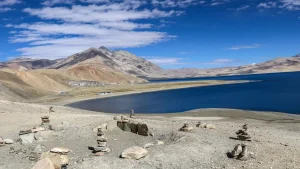
The movies have made this lake famous (especially 3 Idiots, the recent Aamir Khan blockbuster) and very touristy. It’s definitely worth a visit.

Humongous with a part of its expanse in India and the rest in China, this lake is at a greater height than Tso Moriri. The road to Pangong will take you across Ladakh’s second-highest pass.

One of the homestays at Spangmik close by houses four entire generations the oldest of whom are an 80-odd-year-old brother-sister pair. These people have only been to Leh a couple of times in their lives. They go up into the mountains on foot during summer to gather wood and other supplies which they store in a hole in the ground for the winter when the pass closes and nothing can be reached around Pangong. They have a solar water heater installed, for days when the sun shines.

Learn More: Unravel the Optimal Time to Visit India
Travel to Leh and Ladakh
Tso Pangong

Nubra Valley

To the north of Leh, it is along a road that leads to Pakistan. You cross Khardung La – the world’s highest motorable pass to get here (Marsimik La is 100 ft. higher but not motorable).
Leh and Ladakh
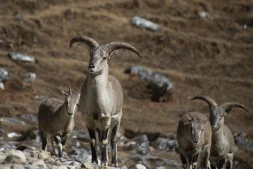
The Blue Sheep of Ladakh (Picture Credit: LIFE on the PLANET LADAKH)

Turtuk – the closest you can get to Pakistan

Turtuk is open only to Indian tourists. One that has seen the blood of war before, it is a village where the Balti people live. This community is the quintessence of Kashmiri beauty with their sculpted features, blushing fair skin, and mesmerizing eyes.

They speak a dialect of Urdu – you hear greetings of ‘salaam walekum’ as opposed to the usual Ladakhi ‘Jhuley!’.The streets are lush and abound with apricot trees – you can pluck and gobble them up all day, bathe in the river and chat with the lovely locals. Turtuk’s culture betrays no traces of the bloodshed it has borne.

The farms (with homestays) are nestled between mountains on a plateau which gets covered in ice each winter. Slightly uphill is a section of the village called the ‘Natural Fridge’.

The locals have built stone cubicles here in which they store supplies. Come winter, the cubicles freeze in ice and preserve the supplies naturally! There is a waterfall about 4 kms up the river and the Gompa is a short walk. You’ll also find mosques around Turtuk.

Two major pitstops on the way to Turtuk are Diskit – a fairly large settlement with a very old monastery nearby and Hunder which is known for its sand dunes. One special pitstop is Veerta Dosa Stall near Hunder – authentic South Indian grub in the far north, courtesy, the Indian army!

A detour from Diskit takes you to Panamik where there is a hot water spring. The people of Nubra are the nicest people you will ever meet.
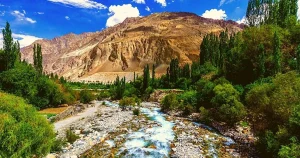
Leh and Ladakh
The Baltistan Village of Turtuk, Leh Ladakh (Picture Credit: Ladakh)

The Magnetic Hills – a highway to heaven

If you leave your car on neutral here, it appears as though it’s being pulled upwards. There are multiple theories around this anti-gravity phenomenon. Some are backed by science others are based on age old myths and superstitions. The locals here believe that it is the road that leads to heaven. A path that directly pulled tose who deserved to make their way to heven.

According to another theory, it is believed that there is a strong magnetic pull in this region which pulls vehicles, in it’s range, upwards. Several travellers have experienced this phenomenon and are witness to it. However, the most widely accepted theory is that it is an optical illusion, much like the Ames illusion room experiment where a mans height appears different in different parts of the room. A similar anti-gravity illusion appears along the horizon at Magnetic Hills.

Location: About 30 kms from Leh, Magnetic Hills is on the Leh-Kargil-Baltic National Highway with the Sindhu River flowing by and a spectacular view of the surrounding landscape.
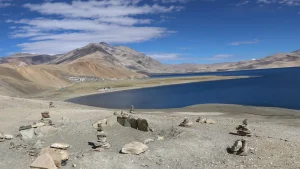
Leh and Ladakh
The serene lake in Ladakh

OTHER OFFBEAT Things To Do IN LADAKH

The week-long rafting trek in Zanskar River (in Zanskar Valley) is an unforgettable experience for those who have the grit and are fit. The Raid De Himalaya is an epic rally for motorists that goes through Leh-Ladakh every year.

The Asian Astronomical Observatory near Hanle is a must-visit as is Lamayuru between Leh and Kargil which is hailed by many as the oldest monastery in the region as opposed to Alchi. It is also where you start on the road to Prikiti La, the pass which forms the gateway into Zanskar Valley.

Read Further: Discover India’s Things to do
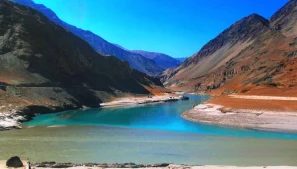
The scenic Zanskar River (Photo Credit: Kashmir Tour Packages)

You can always count on us to help you plan your Ladakh Holiday!
Weather in India in November

The weather in India in November is fantastic for exploring the country. November marks the beginning of the tourist season in most parts of India. Apart from the cool weather and low rainfall, there are some fun festivals and events in the country. So if you wish to visit India, read through our guide on the weather in India in November, and choose from some of the best places to visit in the country in November.

Wondering when is the best time to visit India? Read this!

Here is a detailed overview on what the weather would be like each month in India, in different regions of the country. Feel free to explore.

January | February | March | April | May | June | July | August | September | October | November | December

Weather in India in November

November in India marks the onset of the tourist peak season. As the monsoon rains recede and temperatures begin to drop in India, weather becomes perfect to explore the country. The average temperature in November is 23 degrees Celsius, which means that the major tourist attractions are more crowded.

Northern India is cold, but there is no snowfall until mid-November. Leh weather in November is cold, and temperatures can dip as low as 8 degrees Celsius. Cities like Delhi, Varanasi, and Jaipur have average highs of 27 to 29 degrees Celsius. While Delhi starts to get chilly, Agra is mostly warm during the day. Jaipur too, has amazing weather, so it is a good time to explore the Golden Triangle.

Central India has pleasant weather in November. Mumbai, Goa, and Hyderabad had highs of 32 to 33 degrees Celsius, but in most major destinations, the daily average high temperatures range from 19 to 25 degrees Celsius.

The west coast of South India also has pleasantly warm weather. Kochi in Kerala has similar temperature like Mumbai. On the other hand, Chennai on the southeast coast of India sees an average monthly rainfall of 470mm.

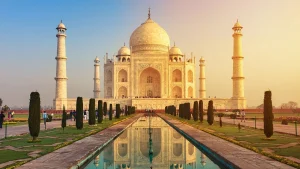
taj mahal of india
Mesmerizing Taj Mahal

Best places to visit in India in November

The November weather makes it a high season for tourism. With a low average rainfall in most places, it is a beautiful time to visit India and explore everything this country has to offer.

November is a great time to visit the Golden Triangle. Visit the Red Fort in New Delhi, the iconic Taj Mahal in Agra, and check out Hawa Mahal in Jaipur. The weather in November is pleasant in these regions, which makes it perfect to explore.

India weather also makes it a good time to visit the west coast of the country, which is usually quite hot and humid.

Some of the best places when you visit India in November weather are Rajasthan, Madhya Pradesh, Uttar Pradesh, Uttarakhand, Goa, Gujarat, Punjab, Karnataka, and the islands of India like Andaman and Nicobar and the Lakshadweep Islands.

North India in November

In the Himalayas, the tourist season usually ends by October due to cold temperatures and difficult weather conditions. In November, many hiking routes and travel connections are likely to be closed. For this reason, we suggest avoiding Ladakh, Kashmir and parts of Uttar Pradesh and Uttarakhand as temperatures can get very low. However, with warm clothes and the right expectations you can still visit Dharamshala and McLeodGanj, Rishikesh and the surrounding mountainous landscapes of Shimla, Manali and other hill stations.

The weather in North India in November is warm during the day, with temperatures dropping in the evenings. In particular, in Rajasthan, the temperatures will slowly drop throughout the month. At the beginning of the month, you can easily face temperatures of 35°C (95°F) in the day. In the evenings, it might end up being less than 10°C (50°F), especially in the desert. You will most likely get no rain at all and blue skies all month. The same applies for other places in the North such as Agra, Khajuraho, Orchha and Varanasi.

The National Parks reopen in October and are very busy in November, due to the domestic school holidays around Diwali. So try to book safaris way ahead in advance.

Check out our suggestions for two weeks trips in North India here. North India has several great places to choose from, so you have your pick of destinations.

Weather in India in November
A trip to North India in the month of November would make for great experience

South India in November

The southeast monsoon mainly hits the east coast of India. It lasts from mid-October to mid-December and brings a lot of rain and storms to Tamil Nadu. Destinations in Southern India known for their beaches and sightseeing, like Chennai, Mahabalipuram and Pondicherry, are all affected by the rain. Hill stations like Ooty and Chettinad can also get stormy.

The southwest coast, on the other hand, has sunny skies and pleasant weather. Kerala is windward to the monsoon so it might get a little bit of rain too but not as much as in the previous months. The temperatures can range between 18 and 32°C (64-89°F). It gets warmer at the coast and in the plains, and cooler in the mountains of the Western Ghats. Read about the best time to go to Kerala and figure out some interesting travel routes as well.

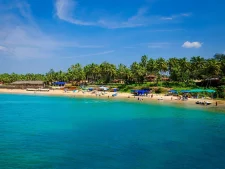
Goa is one of the best places to visit in India in November. This is when the season finally kicks off with many resorts and restaurants along the beaches reopen. The rates are lower than in December and January and the chances of availability are good. However, Goa gets increasingly popular every year so you might want to book your beachside hut in advance.

Know More: Best Time to Visit Kerala

You can look at our two week South India Travel Routes here.

Weather in India in November
Goa is the perfect getaway, offering a great nightlife and scenic beaches to unwind

East India and Northeast India in November

November is a great time to visit Kolkata, since most other months are too hot to visit this region. In November, the days are dry and pleasant, the perfect weather for some sightseeing.

If you still find it too hot, you can visit the hill station of Darjeeling.

The seven sisters of Northeast India are also a beautiful destination for November. It hasn’t started snowing yet, which makes the region ideal for hiking and other adventure activities.

The temperatures on the east coast range from 24 to 32 degrees Celsius. The weather is comfortable and humidity levels are low.

Weather in India in November
Darjeeling

West India and Central India in November

Western India in November is pleasant. The days are slightly warm, while the nights are cool, making it the perfect weather to explore this region. The daytime temperatures on the west coast range from 24 to 34 degrees Celsius.

Get a taste of city life by visiting the bustling cities of Mumbai, Pune, and Nagpur. Immerse yourself in the culture of India in Gujarat, exploring many forts and UNESCO World Heritage Sites here.

If you are a wildlife enthusiast, you should visit the Kanha Tiger Reserve and Bandhavgarh National Park in Madhya Pradesh in Central India. However, make sure you book your wildlife safari well in advance.

Weather in India in November
Madhya Pradesh

Islands of India in November

Temperatures on Andaman and Nicobar Islands in November range from 24 to 30 degrees Celsius. Escape the mainland and head to the Andaman and Nicobar Islands for a tropical getaway.
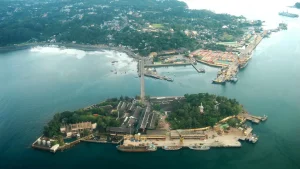
November brings sunny days and calm seas, perfect for outdoor activities like diving, snorkeling and beach lounging. Explore the vibrant marine life at Havelock Island, visit the historic Cellular Jail in Port Blair and unwind on the pristine beaches surrounded by turquoise waters.

Lakshadweep too has an average temperature of 30 degrees Celsius, making it a perfect destination to explore the marine life and coral reefs underwater.

Weather in India in November
Andaman and Nicobar Islands

Whether you are looking for more information about the weather in India in November, or some more places to travel, we can help! We also help to plan travellers’ perfect trips, so feel free to contact us with any questions. Plan Your Trip with us now!

Learn More: Rajasthan’s Prime Tourist Attractions

Festivals and events in India in November

Diwali
Diwali, the festival of lights, is one of the biggest festivals in India. It usually takes place during October or November every year, depending on the lunar calendar. Most of the country celebrates Diwali, by lighting oil lamps (diyas) and lanterns outside their homes, and bursting firecrackers at night.

Hampi Festival
Hampi Festival, also known as Vijaya Festival, takes place in Karnataka every year in the first week of November. The festival sees traditional music, dance, drama, and fireworks.

Pushkar Camel Fair
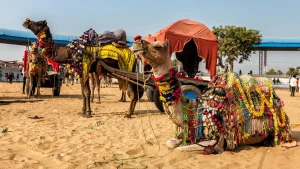
The Pushkar Camel Festival takes place in Rajasthan. In this festival, camels are adorned and traded. There are camel races and many cultural activities at the fair.

Weather in India in November
Pushkar Camel Festival


Chhat Puja
Chhat Puja is prominently celebrated in Bihar, Assam, Uttar Pradesh and West Bengal. It usually takes place in November. People gather near the river during sunset and worship the Sun God.

Guru Nanak Jayanti
Guru Nanak Jayanti takes place in November. The festival celebrates the birthday of Guru Nanak, the founder of Sikhism. There is a big celebration held at the Golden Temple in Amritsar. The majestic temple is lit up and there are also parades in the vicinity.

Ka Pomblang Nongkrem
Ka Pomblang Nongkrem is a five day festival in Shillong, where many cultural rituals take place. Such as the goat sacrifice and the sword dance.

Rann Utsav
Rann Utsav is a desert festival in Kutch in Gujarat which starts from the end of October and goes on till February. The festival has many cultural activities that showcase the tradition of Gujarat. Bookings open three months prior, so make sure to book early.

Weather in India in November
Rann Utsav (Picture Credit: Times of India)


Special seasonal food to try in India in November

India gets some delectable seasonal foods in November, which you must try to experience the cultural richness of the country.

Litti Chokha is a Bihari delicacy, a comfort food food favorite during cold November evenings.

In Punjab, makki ki roti with sarson ka saag is an iconic winter dish made in November. Makki ki roti is a cornmeal flatbread paired with sarson ka saag, a green mustard curry.

In Gujarat, a mixed vegetable curry called undhiyo is prepared in November, enjoyed with steamed rice or puri.

In Maharashtra, you have patra, a snack made from colocasia leaves and shallow tempered.

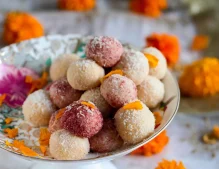
If you have a sweet tooth, coconut laddoo is a festive treat made in southern India, especially Karnataka and Kerala during Diwali and other celebrations. Another iconic dessert is rosogolla in West Bengal, which consist of spongy balls made from cottage cheese soaked in sugar syrup. While available throughout the year, they have a special significance during the festive season in November.

In many parts of India, November is the season for fresh tropical fruits like guava and papaya.

While you are in India, don’t forget to sip on a hot cup of masala chai, especially in the cooler months starting from November.

Weather in India in November
Coconut laddoos (Picture Credit: Tasha’s Artisan Foods)

Tips while visiting India in November

  • Most national parks reopen in October after the end of the rainy season, which means that they are usually quite crowded in November. So if you are planning to go on a jungle safari, book it in advance.
  • Avoid traveling to a few places in Andhra Pradesh, Karnataka, and Tamil Nadu in South India, since the southeast coast of India is hit by monsoon season from mid-October to mid-December.
  • Weather in November shifts from hot to cold in most of the country. The varying temperatures can make you prone to infections or viral fever. So make sure you carry essential medications with you.
  • November is a peak season for tourism, and many popular destinations, such as the Taj Mahal in Agra or the Red Fort in New Delhi will be crowded. Try to visit such attractions early in the morning to avoid the crowds.
  • November weather will be different in different regions. So carry lightweight clothing for daytime and bring some light outerwear for the lower temperatures during evenings and nights. Although rainfall decreases in November, carry an umbrella or mackintosh in case of unexpected showers, especially in southern India.

Weather in India in November Video

So, if you visit India in the November weather, this is how you will find the climate in every region. For more detailed information about the weather in India in November or any other month, contact us! And if you are planning to visit India, we can help you plan the perfect trip to India personalized according to your needs and requirements.

Travelling to India during off-season

Do you like to travel during the leaner months when tourist crowds start thinning out? Even though India is an all year destination, you just need to decide which region to visit keeping the weather or adequate preparations in mind. Accordingly, travelling to India during off-season brings a lot of benefits from great discounts to less crowds etc. So you should plan wisely.

Over blog explains travelling to India during off-season, where to go and what to expect. Before that, to get a deeper understanding of when to visit India, read our blog.

Travelling to India during Off-season
You can do trekking in mighty Himalayas (Photo Credit: TravelInvest)

Which months are off-season months in India?

The beginning of May until the end of September is considered off-season time for tourism in India. This period is divided into two seasons weather-wise i.e. May to June (summer season) and July to September (monsoon season). This means if you are travelling to India during off-season you will experience either the hot summer/wet monsoon/both.

May and June are relatively busy months for tourism in the Himalayas as schools are out for summer trips within the country and lot of families plan trips to the cool hilltops to escape the heat.

At India Someday, we strongly recommend tours to North India during the monsoons as the rains are light and the region does not receive prolonged spells of showers. You end up enjoying pleasant weather, light rains and green countryside.

Look at our two week North India travel routes here

Know More: Twenty Unmissable Spots in Northern India

Travelling to India during Off-season
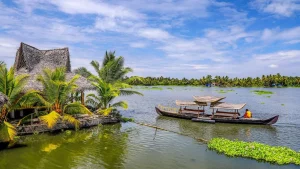
Kerala Backwaters

What is travelling during off-season like?

As India is vast, it differs from region to region; also depending on whether you plan to visit during the summer or the monsoon.

The benefits of travelling to India during off-season, other than in the Himalayas, you can expect to see many breathtaking sights and a lot less crowd while also enjoying the great discounts on accommodation all across India.

Summer off-season months

Expect really hot weather (afternoon temperatures of 40 degree Celsius and rising). You must prepare yourself for the heat, travel slow and pick accommodation with air-conditioning.

DO NOT WORRY, during these months we plan trips with A/C rooms and A/C modes of travel. It’s preferable to start exploring the city earlier in the day, come back for an afternoon nap or R&R at the hotel and then head back out after 16:00 hrs.

Monsoon off-season months

July onwards the heat gets more bearable, late 20 and 30 degree Celsius. Depending on which region you plan to visit you will encounter different amounts of rainfall. In general, the North (Delhi, Varanasi, Agra, Rajasthan and Gujarat) receive light showers never causing hindrance to travel.

Mumbai, Goa and Kerala on the other hand receive heavy tropical rainfall. Having said that, if you embrace the warm rain, the regions are green, teeming with water, and the locals are happy! It really is a special experience, but it will rain!

Discover More: Perfect Time to Visit Kerala

Read More: Comprehensive guide on US to India travel

Travelling to India during Off-season

A few Tips/BENEFITS

  • May and June are the hot summer months. They’re better avoided unless you plan to spend time in the Himalayas. If your dates are not flexible and you don’t mind the heat, fear not for we will plan your trip with excellent air conditioned hotels and modes of travel. Like we said, off-season rates are great!
  • July to September are the monsoon months. They are still considered off-season months for travelling in India and you also enjoy fabulous discounts. Kerala (South India) receives a lot of rain during these months. However, we believe it is a great time to tour the North India.
  • Across India, you will enjoy fabulous hotel deals. Expect budget hotels to be 30% cheaper and upper end hotels to be up to 50% cheaper.  India has an amazing collection of palace and boutique hotels, that are affordable, and less crowded.

Read on: Uncover the Ultimate Time to Visit India

Travelling to India during Off-season
Lovely Marigold Inn – Homestay

indian festivals during off-season

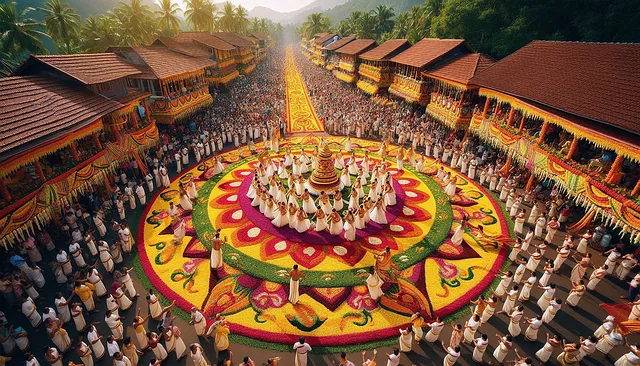
India is a land of festivals, and a lot of festivals are celebrated in August and September. These festivals offer a variety in diversity, such as harvest and religious festivals like the Ganesh Chaturthi (festival for the elephant headed God), Onam (a ten days harvest festival in Kerala),  Navratri (a nine days festival to celebrate every form of the mother goddess Durga) and Dusshera (religious festival based on the Hindu mythology of The Ramayana).

You will enjoy off season in the Himalaya
You will enjoy the Onam festival in Kerala

If you are unsure about when you want to visit India or how to organise your trip during off-season time, plan your trip with us. We can help you using our travel expertise and candid advise. Traveling during the off-season may work out in more ways than one with the correct attitude and insight so just give us a shout and we’ll help you Plan Your Trip in the best trip possible way for this special time of the year. There’s always something great going on in India, and we know exactly where it all is!

Explore Our Top-Picks: Luxury Hotels in India

Also, check out our Blog weather series for the different months in India. If you are still not sure when to visit India or where to go at the time you intend to travel, plan your trip with us and we can help you figure it out.

Car Rental Process: Hiring Car and Driver in India

If you are thinking about the car rental process in India, this blog will help you! Hiring a car and driver in India is a great idea if you want to get from one location to another while avoiding the chaos and confusion of the railway stations and busy roads in the country.

There are a lot of affordable commute options in India, but hiring a car makes your travels much more comfortable. In North India, you will find a lot of options, from  trains to buses. However, you may miss out on some of the most interesting sites accessible by road in public transport. With your personal car and driver, you can make a stop anywhere you like. In South India, on the other hand, hiring a car and driver is the best way to travel.

In this article, we talk about the car hiring process, the benefits of hiring a car, the cost, and the best places to consider getting a driver to show you around.

Car Rental Process: Hiring Car and Driver in India
Beautiful views on the way: credit – nomad-bikers

What are the benefits of hiring a car and driver in India?

There are many ways to travel in India – you could take a train, bus, or a flight. You could also hire a car and drive yourself. Or take a tour. So why hire a car and driver in India? Well, as an independent traveler, renting a car and driver is the perfect choice for a comfortable journey.

Getting tickets and boarding crowded trains on the chaotic railway stations can get stressful. A bus or flight, as a public mode of transportation, will not cater to your individual needs. You can hire just a car and drive yourself, but we would not recommend it, since the roads in India are often not in a good condition, and road rules are not always followed. Plus, having a driver along with the car gives you more time to relax and enjoy your vacation.

Having a car and driver gives you immense flexibility. You can leave a place at any time you like and make as many unscheduled stops en-route as you want. Plus, if you have a chatty driver, it can be a great cultural experience for you. Drivers in India are usually from a lower or lower middle class background, living on the road and learning English on the job. Having conversations with them will open new doors to the country you cannot get anywhere else.

Car rental in India is very affordable. The comfort of a nice car and chauffeur, the convenience and flexibility, and the driver’s local knowledge of the region, makes touring India with a car and driver a great option. In terms of value for money, it is a good idea for a cultural Indian experience.

Car Rental Process: Hiring Car and Driver in India
Stop to capture the scene (Photo Credit – chinh-le-duc)

What is the cost of hiring a car in India?

There is no standardized cost for hiring a car in India. The prices usually depend on the car vendors, the type of car, the region, and the quality of services. You can find your own vendor if you wish to, but at India Someday, we work with vendors who we can vouch for ourselves in terms of quality and service provided. We will only recommend experienced drivers who can speak English and know the region well.

Here is a ballpark estimate of the daily rate for common cars; however, do remember this is an estimated cost –

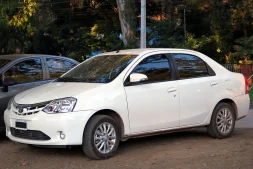
Approx INR 5200 per day for a Sedan Car. (You can fit up to 3 adults comfortably)

Approx INR 6500 per day for an SUV segment car, Toyota Innova is the most popularly used car. About 4 adults + 1 child can fit here very comfortably.

Approx INR 10000 per day for a minivan. This can fit up to 8 adults, has variants that can fit 10/12 adults too.

The Prices Include:

  • A good quality air-conditioned car
  • Driver services throughout your trip
  • All road tolls or taxes
  • Stay and meal allowance for the driver

Additional Notes

Car rental prices in Kerala are about 15% cheaper, as the driving distance between towns is shorter than most other places in India. The prices can also vary from company to company, and the prices given here are an approximation.

The rates are considering you use the car to drive you from between destinations within a region (longer driving distances). Rates for car hire for internal sightseeing within a city, day tour,  or a city tour would be cheaper.

Read on: Understanding the Financial Aspects of Travelling in India

Car Rental Process: Hiring Car and Driver in India
Toyota Etios : Sedan cars mostly used in India for travels

Car Rental Process: How does hiring a car and driver work in India?

We recommend booking a car and driver before you arrive in India. Unfortunately, the process  of hiring a car and driver is not very organized in India. You can hire a car and driver through a reputable company or ‘transport agency’, which specializes in providing cars and drivers. Or, you can hire individual drivers that own personal vehicles.

It is preferable to hire an independent driver who drives his own car. His incentive to provide you with excellent service is higher as his business depends on recommendations from clients.

At India Someday, we can help you with all the bookings and car rental processes so that you don’t have to worry about it.

Would the driver speak English?

It really depends on the driver. In more touristy regions like Rajasthan and Kerala, it is easier to find an English-speaking driver. We always search for English-speaking drivers, so that they can tell you about their personal experiences and give you an insight into living in India. Plus it will help with any questions you might have.

Can the driver double up as a guide?

Unfortunately not. The drivers would rarely know enough about the towns from a historical perspective. Also, Indian culture and the history of most Indian towns is very deep-rooted, and it takes an expert to know all about it. However, they’ll most likely have their own tales surrounding places and monuments. If you meet a chatty driver you’re in for a treat!

Here is a blog giving you more information on guides in India.

Can we ask the driver to take us anywhere we want at any time?

You can inform the driver a day in advance of your plans (if you have a rough idea). However, if you have any location you want to visit in other cities, you would have to inform your agent, as there will be an additional charge for the same since you will be covering additional kilometers than the city limits.

Are the costs of the driver’s accommodation and food included?

You will have the car at your disposal throughout your trip and won’t have to pay anything extra for the driver’s food or accommodation, fuel, toll, or any taxes. All these aspects are covered in your overall cost.

How much do we tip the driver?

It is highly recommended to tip your driver at the end of the tour. However, there is no hard and fast rule on how much you have to give the driver, it is at your discretion. It usually varies from INR 100 to INR 200. But just to give you an idea, here is a link to advice for tipping in India.

Can India Someday help us with the car rental process in India?

Yes! Depending on which regions in India you are visiting, we can always help you find a trusted, excellent driver and car hire. Contact us for more information.

Things to keep in mind

  • The condition of roads in a lot of cities in India is poor and vehicles can take longer to reach your destination than the estimated time. It will be helpful to take this into consideration while planning your trip.
  • If you want to tour in comfort, it would be better if you paid extra to get more spacious vehicles.
  • There is a tax that needs to be paid while crossing state borders, so check if that price is included in your total cost.
  • The car will need to return to its original destination at your expense, so plan accordingly.
  • Keep the contact details of your driver handy.
  • The drivers are not tour guides. They will drive you from one destination to another, and can answer general questions. However, they will not accompany you to the attractions.
  • Some drivers might have good recommendations for you in various cities, such as hotels for accommodation, or shops, if you want to go shopping. These could be worth checking out, although the drivers may get some commission from the owners. It is completely up to you if you want to try it out, and you can firmly decline if it doesn’t interest you.
  • Your driver may invite you home to have dinner with his family as a friendly, hospitable gesture. If you feel like your driver has been helpful and trustworthy, you can accept the invitation if you wish to. However, if the driver hopes that you will give him some financial assistance, you can simply ignore the hint. Many other travelers often feel compelled to contribute something, so if you are okay with it, you can go ahead.
  • If you are going on a tour of the Golden Triangle (New Delhi – Agra – Jaipur), keep in mind that the Taj Mahal is closed on Fridays.

You can never be sure if you are choosing an honest and safe driver. At India Someday, we only book car and driver services that we can vouch for. Contact us to plan the perfect tour for you in India, and we will take care of all your hotels and car rent needs.


Visiting India in December

If you’re planning on visiting India in December, this article is a must-read. December is when winter season arrives in India, and India in December will vary depending on the region you visit. While South India has pleasant weather with cool temperatures, the North can be extremely cold. It’s more than likely to snow in the mountains, and you can even go skiing! Plan accordingly to find the best places to visit in India in December.

The tourist season kicks off in popular regions like Rajasthan, Kerala and Goa. Christmas time is when many international and domestic travellers go on a holiday. And India, with its constant sunshine and fantastic varied climate, is too tempting to refuse. India in December experiences a huge influx of tourists. But, as long as you book in advance and have a strong travel partner like India Someday with you, you can stay within your planned budget when planning your holiday.

PLACES TO VISIT IN DECEMBER

  • Goa: Enjoy the nightlife and festivities of Christmas and New Year at the beach.

  • Rajasthan (Jaipur, Udaipur, Jodhpur): Explore colourful markets, beautiful forts in the pleasant winter weather.

  • Kerala (Munnar, Alleppey): Enjoy the view of lush green tea plantations and tranquil backwaters in mild temperatures.

  • Varanasi: Experience Varanasi’s winter festivities and witness spiritual rituals on the Ganges.

  • Agra: In the cool weather, visit the iconic Taj Mahal and other Mughal monuments.

  • Andaman & Nicobar Islands: Enjoy water sports like scuba diving and relax on pristine beaches.

  • Rann of Kutch, Gujarat: December is ideal for attending the Rann Utsav festival and enjoying the beauty of the white salt desert.

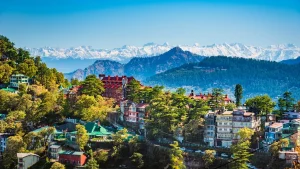
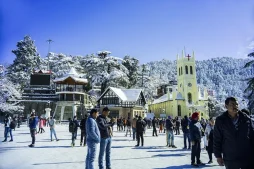
  • Himachal Pradesh (Shimla, Manali): Perfect time for doing adventure sports and experiencing snowfall among the scenic mountains.

Visiting India in December
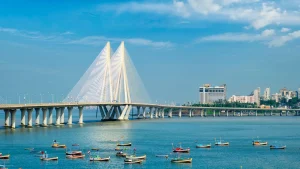
Worli Sea Link

Visiting North India in December

When it comes to visiting India in December, the North is up for grabs. December is a fantastic time to travel to Rajasthan and the neighbouring states of Gujarat, Madya Pradesh and Uttar Pradesh. North India is one of the best places to visit in India in December due to pleasant weather. You can use the full day for activities and sightseeing without it being excessively hot. These areas experience the brunt of the heat from March to June and September to November. However, it can get very cold in the morning and at night – temperatures can drop to below 10ºC (50ºF). Hotels will supply warm blankets. Pack warm clothes and scarves, maybe even a hat and gloves, especially for the desert.

The only issue you might face is the fog, common in North India in December and January, especially in Delhi and Agra. This causes flights and trains to get delayed sometimes, and a limited view of the Taj Mahal early in the morning.

For a nice route through Gujarat, check this trip one of our guests did.

Dive Deeper: Discovering North India’s Top 20 Attractions

Visiting India in December
Start your trip to Delhi, the capital of India! (Photo Credit – Mohan Nannapaneni)

The Desert

We recommend an overnight safari to the desert, possible in Jaisalmer, Bikaner and a few other destinations. The safari lets you experience the desert and a mesmerizingly full night sky. There are also two fun and interesting cultural fairs that take place in North India in December- The Kumbalgarh Festival (1st to 3rd Dec) and the Mt. Abu Winter Festival (29th to 31st Dec). For some suggestions on travel sites in Rajasthan, click here.

Visiting India in December
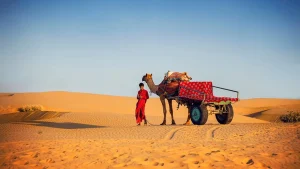
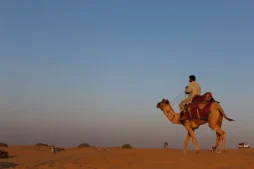
A camel in the desert sand dunes.

The Himalayas

Further North at the foothills of the Himalayas, it gets very cold in December. Often it’ll snow in places like Shimla, Sikkim, or Manali. This can be a magical experience for some but can be quite disappointing for those trying to get a tan. If you’re interested in skiing, then Gulmarg or Auli are good options. However, resorts aren’t as lavish as in the USA, Canada, and Europe. We can help you finalize your travel plans, whether it involves skiing or not. Simply click Plan Your Trip.

Visiting India in December
Manali town covered in snow

Visiting South India in December   

The retreating monsoon along the east coast ends around mid-December. Sometimes cyclones hit from the Bay of Bengal to Tamil Nadu in places like Chennai, Pondicherry and Mahabalipuram. However, this doesn’t happen often and it would only be in the beginning of the month, if at all. Pondicherry, a former French colony with catholic influences, is a great destination if you want Christmas vibes.
Must Know: Best Time of the Year to Travel to India


Visiting India in December
You can visit the stunning temples in South India

Kerala

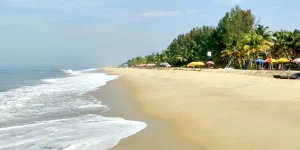
The rainfall stops in Kerala during December. While it’s quite warm all year round, it’s pleasantly warm or quite cool in December. In the mountainous areas like Munnar, Thekaddy or Wayanad, it can be as low as 17ºC (62ºF). It is peak season on the beaches so prepare for large crowds around Varkala and Kovalam. Off the well-worn path, we’d recommend Marari Beach, just 45 minutes away from Alleppey. Kerala has also many Christian influences, especially in the backwaters and Kochi region, making it a good Christmas destination. See our route recommendations for Kerala here.

Find Out: Optimal Time to Explore Kerala

Visiting India in December
Marari is a little untouched village at the beach, the perfect beach to visit in the winter

Goa

If you want to spend the holidays in Goa, book months in advance. You must plan a multiple-day stay as hotels don’t accept short stays. Prices are the highest at this time of the year with peak season supplement booking charges from December 20th to January 10th. Prepare for very crowded beaches.

Here are some route suggestions for two weeks and four weeks in South India.

Must Read: Tips for you India Journey from the US

Visiting India in December

Visiting India in December – In a nutshell

Visiting December in India is a common trend. This makes it peak tourist season for many regions. Holidays in December to Rajasthan, South India and Goa need to be booked well in advance, preferably before September. Train tickets are often booked three months beforehand and flights can get very expensive. Emergency bus tickets are available but offer less comfort. Trips to the mountains in the North and Northeast require warm clothing. Additionally, not every activity is possible, so plan your trip wisely.

If you like to escape the Christmas madness and cold in December, plan your trip with us now and we’ll help you decide the best places to visit in India in December.

Visiting India in December
The Thar Desert is a wonderful place to visit on your holiday, but prepare for the desert chill!

At India Someday, we create personalized itineraries for your trip to India. Contact us, and together we can plan the perfect trip to India for you!

Exchanging Money in India

The following is a guest article which talks about exchanging money in India is written by Joe, a hotelier and the director of Tripzuki, and first appeared on the Tripzuki Blog. Hailing from England and having lived in different corners of the world, he has a pretty good grip on the situation here, so we got him to write a short post on getting cash in India.

How to Exchange Money in India?

Our guests would often ask what to do about money while they’re here. Where can I get cash in India? Should I carry cash with me to India? What about travellers’ cheques? Those are probably the top 3 questions people ask.

Firstly, as somebody who travels back and forth to India regularly here’s what I do: just use an ATM and withdraw from my foreign account. However, like all the methods described here, there is no perfect way, and all methods come with some charges or complications.

About making card payments in India

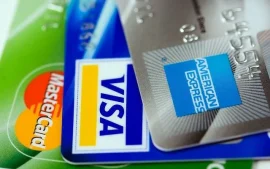
Most modern hotels and restaurants in the big cities will take Visa and Mastercard debit and credit card payments, with charges likely to be between nil or 2 to 5%.

Credit cards are good because you may get some protection in case of fraud. Cards, in general, are bad because of the automated security they put in place. This means when a payment suddenly goes through in Delhi instead of your home country. The computer says ‘Woah, that’s weird! Block that card now!’. You then spend the next hour trying to call your bank, and if you’re really unlucky you’re also standing there with a waiter brandishing your unpaid bill.

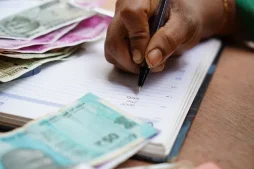
In less modern establishments, markets, small family businesses, and so on, you’ll be using cash. In other words, you will need cash in India. Oh, it comes in handy for tipping as well.

‘Paisa’ in Hindi means ‘money’. It the lowest denomination of currency in India, but you won’t see them or be expected to pay them. So what’s the best way to get hold of Indian rupees (also interchangeably written as ‘INR’ and ‘Rs’)?

Additional Resource: India Travel Insights for UK Visitors

Exchanging Money in India

Using ATMs In India

In most major cities and tourist destinations you will be able to find an ATM. They have spread across the country. You wouldn’t believe how many different banks there are; I counted almost 200 once!

Indian ATMs are a bit quirky in that they’re often a separate, tiny shopfront with a locked door and a half-asleep guard outside. Approach and he’ll open the door for you if it’s not already occupied.

Chances are that you’ll have to put your card in and pull it out a second later – swiping it in effect – and in some machines, you even have to leave your card in. Anyway, to a foreigner it can be a bit confusing but you’ll get the hang of it. The guard will probably help you if you get stuck (as will most Indians).

There are 2 catches to using ATMs in India. Firstly, there is often a maximum withdrawal limit of 10,000 to 15000 rupees. So if you want more than that, head down the road to another ATM and repeat the process.

The second catch is that the bank will give you a crappy exchange rate and your card-issuing bank will undoubtedly charge you a foreign withdrawal fee as well. I paid 5 UK pounds per transaction on my last trip. Banks, huh! (Few banks which you might see in all cities are HDFC Bank, ICICI Bank, State Bank of India (SBI))

Indulgence Awaits: Luxury Hotels in India

Exchange Currency at an Airport

You can usually get rupees at the airport but the exchange rate will be really bad. Not only can it be hard to estimate your spending in advance, but who really wants to carry around a huge wad of notes when they’re on holiday?

Find Out More: What you need to know about US to India travel?

Carrying foreign currency while you travel

This can actually be a good option. You can go to an Indian bank that deals with foreign exchange (not all do), stand in line, and get not such a good rate. Alternatively, you can often exchange at your hotel or with a high-street money-changing office (or just a guy that somebody recommends).

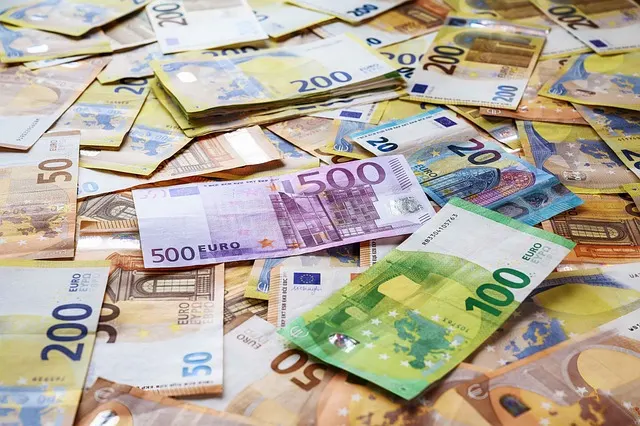
The rates in this case vary but often don’t get much worse than the banks’ rates. It’s often the case that foreigners worry about being ripped off in India but with money exchange, I wouldn’t get paranoid about it. If you go to somebody that is recommended by your hotel then chances are they will have a reputation to maintain, and ripping off tourists makes everybody lose face. The best currencies are US dollars, UK pounds, EUR and AUD.

Here is a blog on how to avoid common tourist scams when in India.

Travellers’ cheques what are they?

Do people still use these? I guess they do but as mentioned above, not all Indian bank branches deal with foreign exchange. Despite being shockingly behind the times, even the ones that do might not change your cheques. My advice is not to bother with this option.

So, in conclusion, I’d say there are 2 ways to go about things: take a couple of cards and take some rupees or strong foreign currency. Personally, I’d say just with a couple of cards is the easiest way to travel. Yes, you pay ATM charges, but when you change money, you get hit on the exchange rate, which may seem less tangible but it’s still a charge.

Read Further: Understanding the Budget for India Travel

You can go to an Indian bank that deals with foreign exchange and get a good rate!

At India Someday, we create personalized itineraries for your trip to India. Contact us, and together we can plan the perfect trip to India for you!

Applying for a Tourist Visa to India

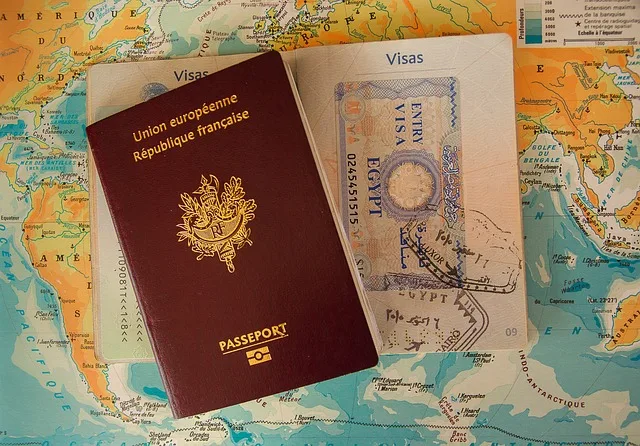
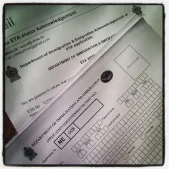
One will need to get Indian visa information and its process before applying before you plan your visit to India. For this, you’ll need to go through the Indian visa application guide. Especially if you are not an Indian citizen. Because if you are not an Indian citizen, you are not eligible to apply for the status of ‘Person of Indian Origin (PIO)’ or an ‘Overseas Citizenship of India (OCI)’. This article will provide you with an insight on how to go about applying for an Indian tourist visa. Read more about applying for a Tourist Visa to India.

Eligibility for a PIO card

a)     Individuals who have had an Indian passport before at any time.

b)     Individuals having at least one parent, grandparent or great grandparent born in India or is a permanent resident of India. Along with none being citizens of a foreign country.

Eligibility for OCI card

Individuals who have at least one parent, grandparent or great grandparent who

a)     Were eligible to become citizens of India on 26th January, 1950.

b)     Belonged to a territory that became a part of India after 15th January, 1947.

c)     Were citizens of India on or after 26th January, 1950,

How to Apply for an Indian Tourist Visa?

A Tourist VISA is the type of visa that one will need to visit India for a vacation.

Applying for a Tourist Visa to India
Check if you’re eligible for an OCI or a PIO

VISA Application Overview

a)    Certainly, you can use the online VISA application system to make the applications.

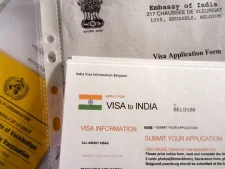
b)    Indian Visa Application Form – You fill and submit the application form online. Followed by an interview that needs to be scheduled at the relevant Visa Application Centre (IVAC) or Indian Mission/Post. You will need to sign a copy of the filled-in application form. And, in addition to all required supporting documents, you will need to submit the form on the scheduled date of interview.

c)    You can find the details of supporting documents needed and instructions for filling the online form, on the website above. Scheduling the appointment and the status of submitted applications can be done on the same website too. Also, you can contact the relevant Indian Mission in order to obtain the information.

d)    To process applications and issue VISAs, it will take a minimum processing time of three working days. After that, Tourist VISAs are typically granted for a period of 180 days and allow multiple entries into the country. No Documents are required at the time of submitting the application. Five-year tourist visas may be granted if the applicant is connected with tourism professionally.

Applying for a Tourist Visa to India
Indian Visa application form

Guidelines for filling out the online application form

a)     The online application form is meant for individuals who are applying for a VISA from outside India.

b)     A separate application has to be filled out for each individual applicant.

c)     Once the online application form is submitted, further modifications are not allowed.

d)     An option to save the online application form prior to submission is available, to allow verification and changes.

e)     A file number will be automatically generated after form submission, and this is needed for all further communication regarding the application.

Applying for a Tourist Visa to India
Online Application for Visa- Photo Credit Dennis Sylvester Hurd

Guidelines for uploading digital photographs

The online application process requires uploading a digital photograph of the applicant. The photograph must meet the following specifications:

a)     Format: JPEG

b)     File size: Minimum 10 KB, Maximum 300 KB

c)     Image size: Minimum 350 pixels (width) x 350 pixels (height), Maximum 1000 pixels (width) x 1000 pixels (height).

d)     The photograph must present a front view of the full face with eyes open.

e)     The head must be in the centre of the frame. And the full head from the top of the hair to the bottom of the chin must be visible.

f)     The head must measure 1 inch to 1-3/8 inches (25mm to 35mm). The eye height must be between 1-1/8 inches from the bottom of the photograph.

g)    The background must be plain and light coloured (white or other colours allowed).

h)    No shadows on the face or background, and no borders on the photograph.

Applying for a Tourist Visa to India

Appointment Scheduling

Applicants can schedule appointments as per their suitability with the concerned Indian Mission.

Each applicant needs to schedule a separate appointment.

Applying for a Tourist Visa to India
The online application form is meant for individuals who are applying for a VISA from outside India- Photo Credit Steve Johnson

The sequence of steps for filling out the online application form

  1. Accessing the online Visa application system.
  2. Filling out the application.
  3. Verifying the details and submitting the form.
  4. Then, recording the system-generated file number for all further communications with the relevant Indian Mission.
  5. Following successful submission, an automatic confirmation for making an appointment will be requested by the system. Select ‘Yes’ to seek an appointment and make an online payment or ‘No’ to just print the submitted application form.
  6. If the response is ‘No’, then the applicant is required to print the submitted online application. Once printed, visit the relevant Indian Mission along with supporting documents for further processing.
  7. If the response is ‘Yes’, select the appointment date and time at the relevant Indian Mission online.
  8. Next, an e-Payment’ system allows making a payment online.
  9. If e-Payment is not available, then the payment has to be made physically on the day of the scheduled appointment.

To apply for your Indian Visa immediately and enjoy your Indian holidays!

Applying for a Tourist Visa to India
Apply for your visa now and enjoy a wonderfully exotic holiday to India (Photo Credit – Julien Tromeur)

An Introduction to India- India Someday

India is the land of blinding colours and dazzling lights. It demands all your attention, enticing you to come see, smell, taste and touch. With so much to do, first-time visitors might find themselves put off! India’s exasperating bureaucracy, having to rush from pillar to post and wrap their minds around the confusing informal travel options alongside the equally frustrating official requirements is a pain.

The sheer immensity of planning a trip to India may sometimes overpower you, and that’s where we step in. We help you navigate the complex web of visa requirements, travel bookings and choosing accommodation. Simultaneously, we help you acquaint yourself with the customs and sights of your destination. With all your preparation in place, you’re free to throw yourself headfirst into this intoxicating country and experience it wholeheartedly!

Here, we give you an introduction to Indian geography and an introduction to Indian culture.

Street food in India

Blogs that will help you organise your trip

Here is some advice if you’re travelling from western countries about the cultural differences and laws you should pay attention to, that differ to your own: If you are travelling to India from Australia, from the USA or from the UK then read these blogs.

Further, read up on whether you would like to visit North or South India so that when you plan your trip with us you have an idea of what places you’d like to see.

Also see our information on applying for a visa, tips for train travel, and advice on budget.

India Someday helps you plan your trip to India and ensures that your energy gets put to good use where it belongs—travelling.

Explore Further: Learn About the Ideal Time for India Travel

colourfully dressed rajasthan women
Colourfully dressed Rajasthani women


Let India Someday handle it and plan your best trip.

PLAN MY TRIP subtext