Travelling to a new country, especially one as chaotic and thriving as India, is always a little daunting. Let that dream of visiting India Someday turn into reality. However, what you really need is foothold with a few wise locals who’ll show you around the place. And, also give you some great leads with a place to live thrown in!
In exchange, all you have to do is be fluent in Italian, Spanish, Portuguese, Polish or Dutch. We’re really not picky! Here we provide you with an internship opportunity while you also explore your dream destination. Intern with us for a month and share your expertise, speaking and writing in one of these languages. We’ll set you up for the duration with a place to stay and the company of enthusiastic travellers like yourself.
The internship is based out of Delhi, the capital city. It’s also a great launchpad for trips into the mountains, the desert, the forests, the cities, the villages, whatever you’re looking for. And who better to send you on your way than a dedicated, young travel company that’s worked these routes a hundred times in a hundred different ways?
Everything you need to know to make the most of your time in Dharamsala. A wonderful blog shared by our friend, Yoga Instructor and more, Chris. You can find more of his musings here.
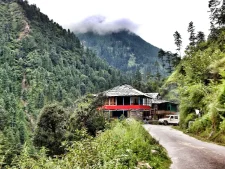
Dharamsala is a word that you’ll hear many travellers you come across speak about with fondness. When you arrive in this mountain city of the Himalayas, it’s easy to see why. Green surrounds you from the grass and the myriad of trees descending down valleys and up mountain peaks. This is a sharp contrast to the dusty terrain that covers much of India, and this creates its own special vibe.
You can always visit Dharamsala
Weather
Be warned that the weather can change very quickly. The sun may be smiling one hour and the heavens pouring down furiously the next. But those storms can make for some epic lightning shows and the rain supports all the green around you.
Dharamsala is split up into three main areas for tourists, each with a slightly different vibe.
exploring dharamsala
McLeod Ganj
This is the central hub of Dharamsala with many shops and restaurants and views of the distant snow covered mountain peaks.
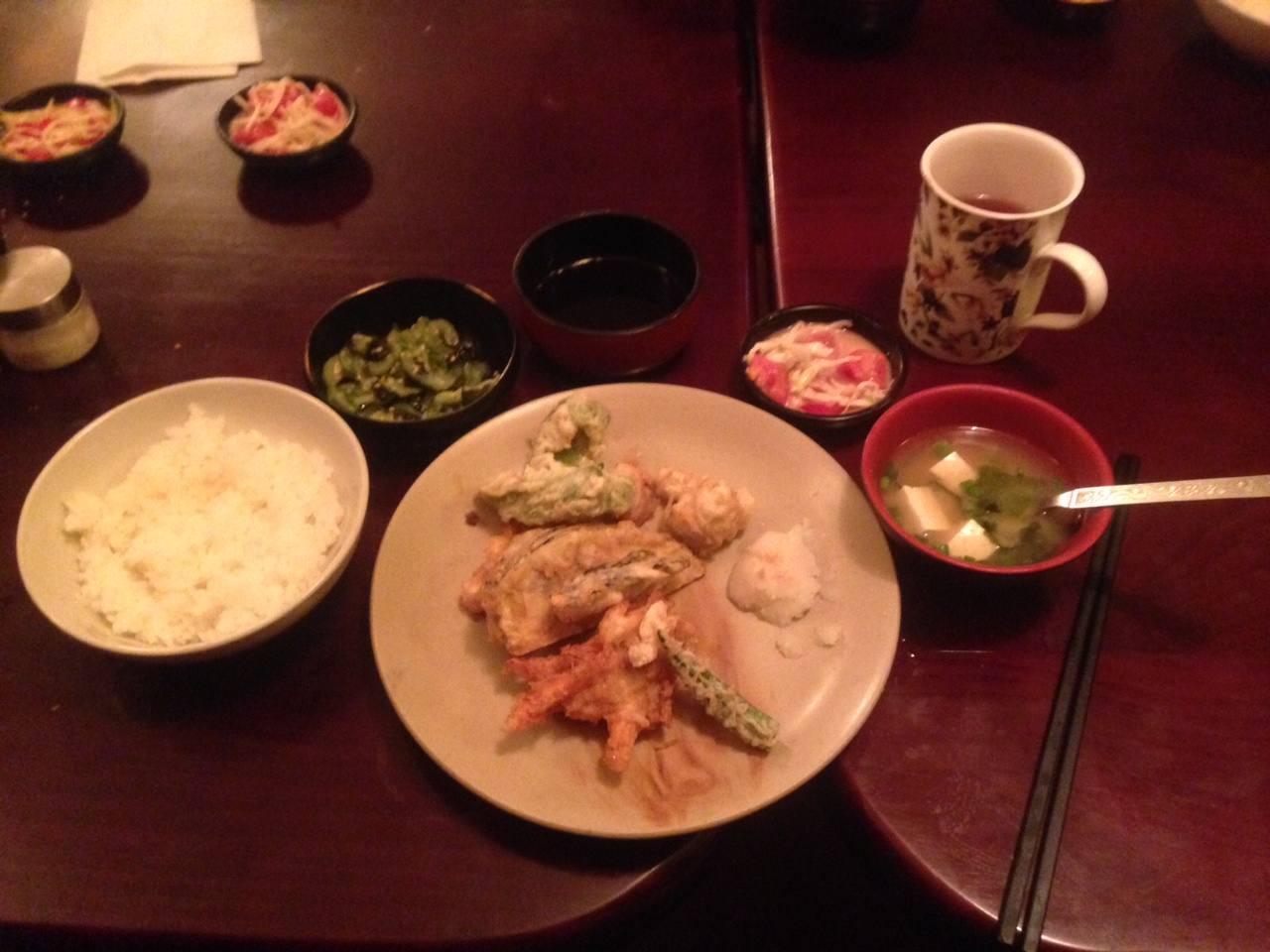
Lung Ta Japanese Restaurant: This is one of my favourite restaurants in all of India. The menu is all vegetarian and there are daily specials for each day of the week, from sushi to tofu steak with a variety of delicious accompaniments. Make sure you arrive in plenty of time before they close as there will likely be a wait for a table to open up. Definitely a must try while in Dharamsala.
Cinema: There is a small cinema showing both Tibetan movies and new releases. They show a few movies each day and post a weekly schedule on the notice boards.
Lung Ta Japanese: One of the best restaurants in Dharamsala!
Third Eye Tattoo: If you’re looking to get a tattoo done there are many artists in Dharamsala. I got one done by my friend KD at Third Eye Tattoo and can’t recommend him highly enough. KD is very helpful and friendly, the studio is very hygienic, and most importantly the resulting artwork is amazing.
Bhagsu
The areas of Bhagsu and Dharamkot are around a 20 minute walk from McLeodganj. Bhagsu typically has a wide range of tourists filling its restaurants. If you want more solitude I suggest finding a guesthouse in Upper Bhagsu. The higher up the mountain you go, the less noise there is.
Keep in mind this will add a small hike to anywhere you are going, but the views and sense of peace is well worth it. There’s a public pool a few minutes’ walk from the main area of town so you can cool off during hot days.
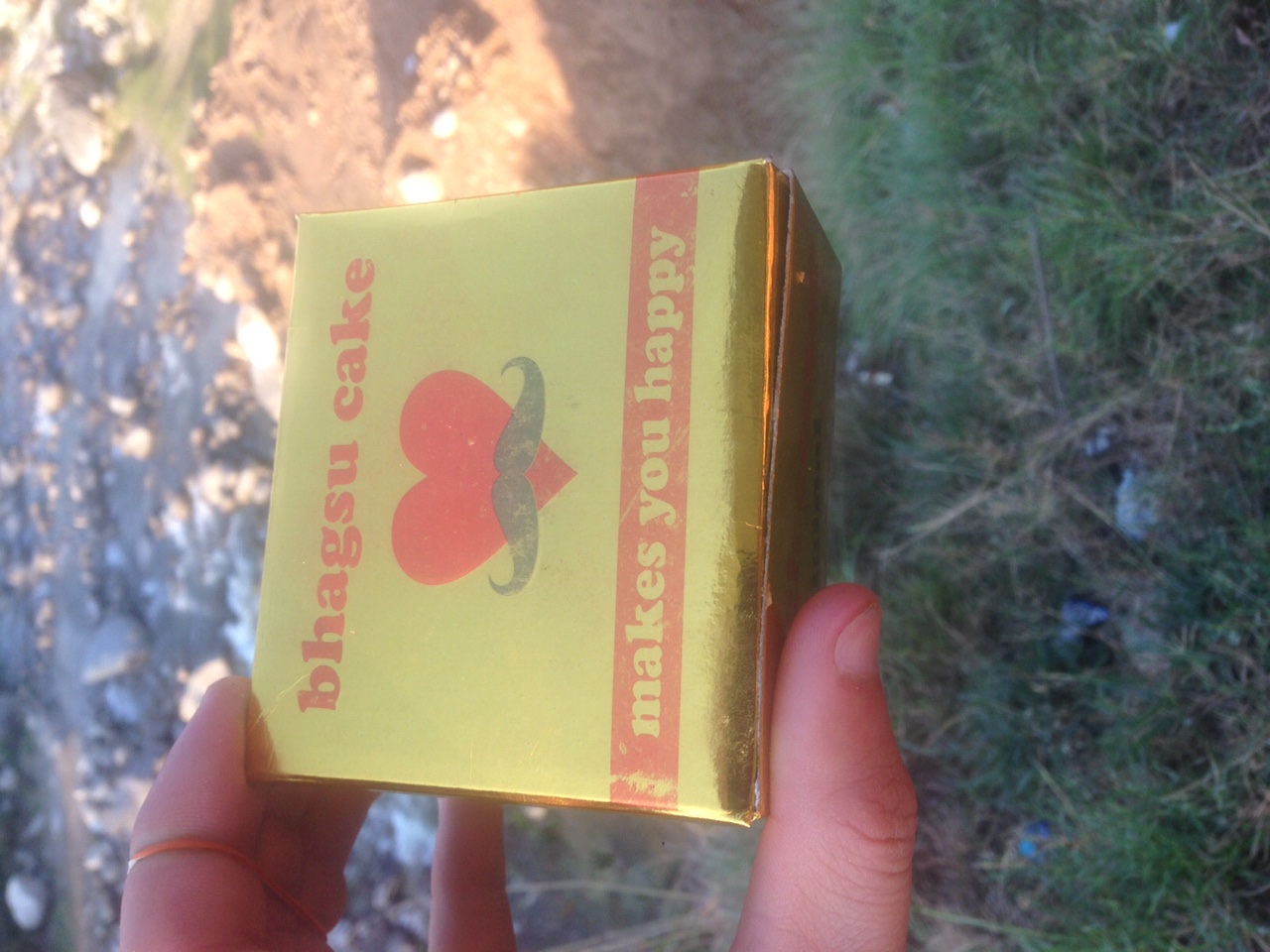
A bite of Bhagsu cake, definitely makes us happy
Singh Corner
While in Bhagsu you will see bright gold little boxes everywhere. They are the wrapping for the infamous Bhagsu cake, invented at the Singh Corner restaurant. This delicious blend of chocolate, caramel, and cookie crust is highly addictive and only 30 rupees for normal version (white chocolate and peanut butter additions are a bit more).
Art Cafe
This little hangout is truly unique in that all of the food is by donation. A set menu involving a tasty soup, salad, and sandwich is offered as well as some vegan options. Eat as much as you like and pay what you think appropriate, all proceeds go to benefiting a great cause to help children in need.
Dharamkot
Located just across the valley from Bhagsu is Dharamkot. Dharamkot is very similar to Bhagsu. Head up the mountain to Upper Dharamkot if you’re looking for privacy. This area is a haven for Israelis as conversations in Hebrew pour out of many great restaurants.
Be prepared to witness breathtaking sights like these around you!
Trimurti Garden
The Trimurti Garden is a great place to grab a healthy bite to eat. They have really good kombucha and vegan cakes available and a nice communal area to enjoy the garden.
The Bone and Body Clinic
Many people come to Dharmsala for chiropractic work from Ringo and his staff. People suffering from back pain and spinal issues speak very highly of the clinic and often stay months to work on alleviating chronic issues.
Tashita
Tashita offers 10 day introduction to Buddhism courses as well as different Buddhist and mindfulness related retreats. You can join daily meditation by donation Monday-Saturday at 09:30 hrs.
Buddhist Monastery (Photo Credit – Ashish Gupta)
Things to do
Trek to Triund
Triund is the most famous destination in the area and rightly so. A slightly long hike up the mountains is rewarded with splendid views. Snow-capped mountains, rolling hills, and tiny houses spread out before you for kilometres at an end. There is a truly special energy to this area.
You can hike an additional 45 minutes to the snowline and have yourself a snowball fight. Camp out overnight underneath the stars (or rent a tent or a guesthouse). You can hike up the mountain and be back by mid-afternoon, and fuel yourself with some hot chai on the way!
Camping in Dharamshala
Waterfalls
There are two waterfalls nearby, one close to Bagsu and another on the opposite side of the mountain from Triund. The first will take around 15 minutes to reach from Bagsu and is quite small but has a pool at the base you can submerge yourself in.
The latter is about 1-1.5 hours from Dharamkot. While it doesn’t have a large sheer drop, you can follow the river up for a long time towards the mountains. You will find large rocks and many pools of shockingly cold water along the way. A very nice way to spend the day in nature.
Courses and Yoga
Just check the posters around town to see what workshops are being offered. There are many music schools if you’d like to learn bansuri (Indian flute), sitar, drums, or how to sing.
Thai chi, yoga, crystal healing, and everything in between are going on weekly so keep your eyes open for anything that draws your interest. There are also a few schools offering yoga teacher trainings (such as Trimurti Yoga and Sarvaguna Yoga, which also offers meditation trainings).
Sand Mandala by Monks (Photo Credit – Jasleen Kaur)
In Conclusion
Dharamsala is an easy place to connect with nature and meet many interesting people. There’s always new classes and workshops going on every week and amazing views every day, although it can rain heavily for days at a time. You can meet the Dalai Lama, who calls Dharamsala his home in exile from Tibet.
If you are a hardcore nature buff, make sure to explore other parts of Himachal Pradesh as well such as the Parvati Valley and Manali.
Dharamsala allows you to choose whether to hang out all day in a cafe surrounded by interesting peopleor to find peace and quite in the mountainside. It also provides you with a variety of interesting activities. If you’re looking for guidance for Dharamsala, get in touch with us!
India has one of the largest rail networks in the world, meaning train routes are immensely interconnected, reaching thousands of destinations including remote villages. Further, travelling by train in India is extremely cheap. Costing a fraction of what you’d pay an airline and also falls in the responsible tourism manner of travel.
Indian train lines portray immense culture. They have an intriguing meal-order system. There are instant bonds that spring up with your co-passengers, by sharing meals and fun conversations. All this part of the great Indian rail adventure. Find out more about planning your train route in India through inspiration from our other posts.
Here we have put together five Indian itineraries that rely heavily on train routes to get you between destinations. We advise you to have train tickets booked in advance, please feel free to contact us for any help.
Scenic views by train travel (Photo Credit – donvikro)
Of all the train routes, this is perhaps best suited for first-time visitors looking to cover India’s Golden Triangle. Start from Delhi, the teeming capital, and head out first toward the ancient spiritual town of Varanasi.
From here, you have all of Rajasthan’s vast deserts ahead of you. So a little meditation now will do you good. Then, with a stop to see the Taj Mahal in Agra, meander through Rajasthan’s most beautiful cities – Jaipur, Jaisalmer, Jodhpur and Udaipur. Each city is a backpacker’s dream, and you should plan a few days in each so you can explore all their colourful alleyways.
The best part though is chugging past the desert landscape in your (preferably A/C) sleeper car, buying pyaaz ki kachori (an onion-stuffed fried snack). And tomato chaat from the vendors that pop up outside your window at stations.
You can also expect to meet and befriend a lot of fellow travellers along the route – all the better to swap stories over a game of cards on a long night on the train!
Trains: You have four overnight trains and two short day trains. You can also get from Jodhpur to Udaipur by bus.
For more details on things to do and see in Northern India, visit our blog post on the twenty best places to visit in North India. Generally, the best time to go to the North of India is between August and April.
Sunset camel safari at the dunes (Photo Credit – Ninara)
We love this train route because it offers a slow exploration of India’s beautiful western coastline. Your trains will pass over great, wide rivers and chug by palm-fringed fishing villages, with all the land to one side of you suddenly giving way to the endless ocean.
You can also take pit stops at some of India’s most famous beaches on your way. Catch your first train in Mumbai, a city with a facade of business and bustle that hides a sleepily beautiful history.
Next stop – party central! Take your time in Goa, making sure to hit all the great parties, but also to understand the mysteries of its natural bounties. Take a breather a Gokarna, which is every bit as beautiful as Goa, but a lot less busy. Finally, make your way across Kerala, stopping wherever you feel like it – you really can’t go wrong in God’s own country!
North Kerala is often ignored, but is a beautiful, non-touristy region of the state, with pristine beaches, hills, and forests. This route runs mainly along the Konkan line. This belt is one of the most beautiful in India – relaxed, tropical, hassle-free and safe.
Trains: This route can be done with a mix of day and overnight trains. However, we recommend that you take as many day trains as possible, as the routes are very scenic. The best time to go is usually between October and April to enjoy the sunshine on the beach, although the monsoon months have their own charm, reaching peak greenness in September.
For more information on exciting things to do in these locations, feel free to check out some more of our blogs relevant to your desired destination!
Read on:Uncover the Best Season for Exploring India’s WondersTravellers enjoying on the beaches of Goa
If you want to take in a cross-section of India on one trip, this train route is for you! You’ll get to see it all, from Delhi, the stronghold of the North, all the way down to beautiful sun-kissed Kerala.
This will be one of your best opportunities to really compare the often starkly different cultures of the country, and besides, long-distance trains have a tendency to get people talking!
Watch the scenery unfold and change as you journey from the hills through the forests of the Western Ghats, passing some of the nation’s most vibrant cities along the way. Delhi is only a teaser of the Punjabi culture that will grab you up in a hearty bear hug in Amritsar.
Stop here to pay your respects at the Golden Temple! Head up to Dharmshala for a bit of spiritual guidance with great views. Agra and Udaipur are home to some truly gorgeous architecture, and Mumbai has some of the greatest food to dig into!
Then you’re southward bound, through the ever-charming beauty of Goa and into the sun-drenched backwaters of Kerala.
Give this route time – we recommend at least 3 to 4 weeks. Trust us; you’re going to want to add more stops in between.
Trains: You should rely mainly on overnight trains, as some journeys may last up to 20 hours without a break. The best time to go on this trip would be between August and April, before the summer’s heat sets in.
This train route meanders east, flirting with the mighty river Ganges along the way! Spend some time exploring Delhi and Agra before stepping back in time in the temple town of Khajuraho.
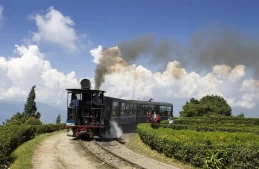
From here, take the delightful toy train up to Darjeeling for some quiet time in the tea capital of the world before moving on to Kolkata. Point of interest – Kolkata is rumoured to have some of the best railway-side fast food in the country!
That means steaming hot earthenware cups of chai, sticky, sugary sweets, overstuffed kathi rolls and spicy aloo chaat. Take full advantage of them!
Trains: This train route, again, is best done with a mix of overnight and day trains.
For the best weather, make this journey between August and April. For more information about this area, check out our blog: Travelling to North East India.
Women working in the tea plantations (Photo Credit – ian-wagg)
Don’t worry if you’re not a fan for the overnight long hauls. There’s still a way to sneak in some of the train routes in small doses. Each journey varies from 4 to 7 hours, so it’s a great chance to get some nap-time, too!
Most of the cities on this route are in the Punjab-Rajasthan belt, except for Rishikesh. Rishikesh is a deeply spiritual city perched on the banks of the river Ganges, nestled in the foothills of the Himalayas in Uttarakhand. It’s a good place to visit as it is a mix of spirituality, adventure etc.
For this trip, it is best to travel between August and April, once the worst of the monsoon is over. For more information about exciting things to do in North India, check out our blog: Top 20 things to do in North India.
All of these routes are merely templates, but feel free to contact us for any help in paving your perfect travelling experience across India.
The weather in India in December is pleasant throughout most of the country. Low humidity, moderate temperatures, pleasant weather, and minimal rainfall are typical of this month. It is no wonder, then, that the second coolest month in India, December, is the peak tourist season in India.
December is a great month to travel across India as you can find good weather throughout.
Weather in India in December
December marks the onset of winter in India. It is one of the coldest months in India, yet most of the country remains pleasantly warm and rarely experiences low temperatures or snow. December temperatures range from 15 to 30 degrees Celsius in most parts of the country. The gorgeous climate throughout India makes December the peak season for tourists.
Best places to visit in India in December
Since most of India has a pleasant and cool climate in December, you can visit practically anywhere in the country during this time. Some of the best places to visit in India in December are the Golden Triangle comprising the Red Fort in Delhi, the Taj Mahal in Agra, and the Hawa Mahal in Jaipur, Western Ghats, Kerala, Rajasthan, and Goa.
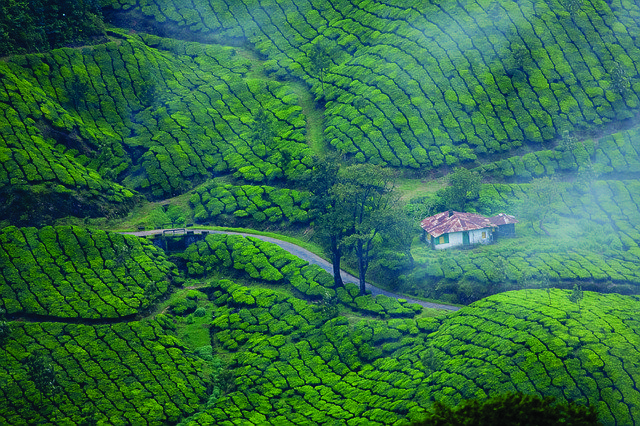
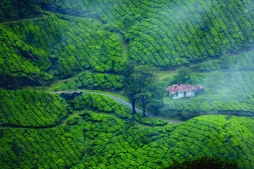
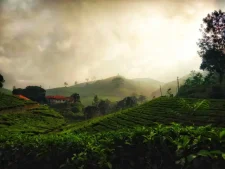
Misty mountains in Munnar- Photo Credit 4769654_640
North India in December
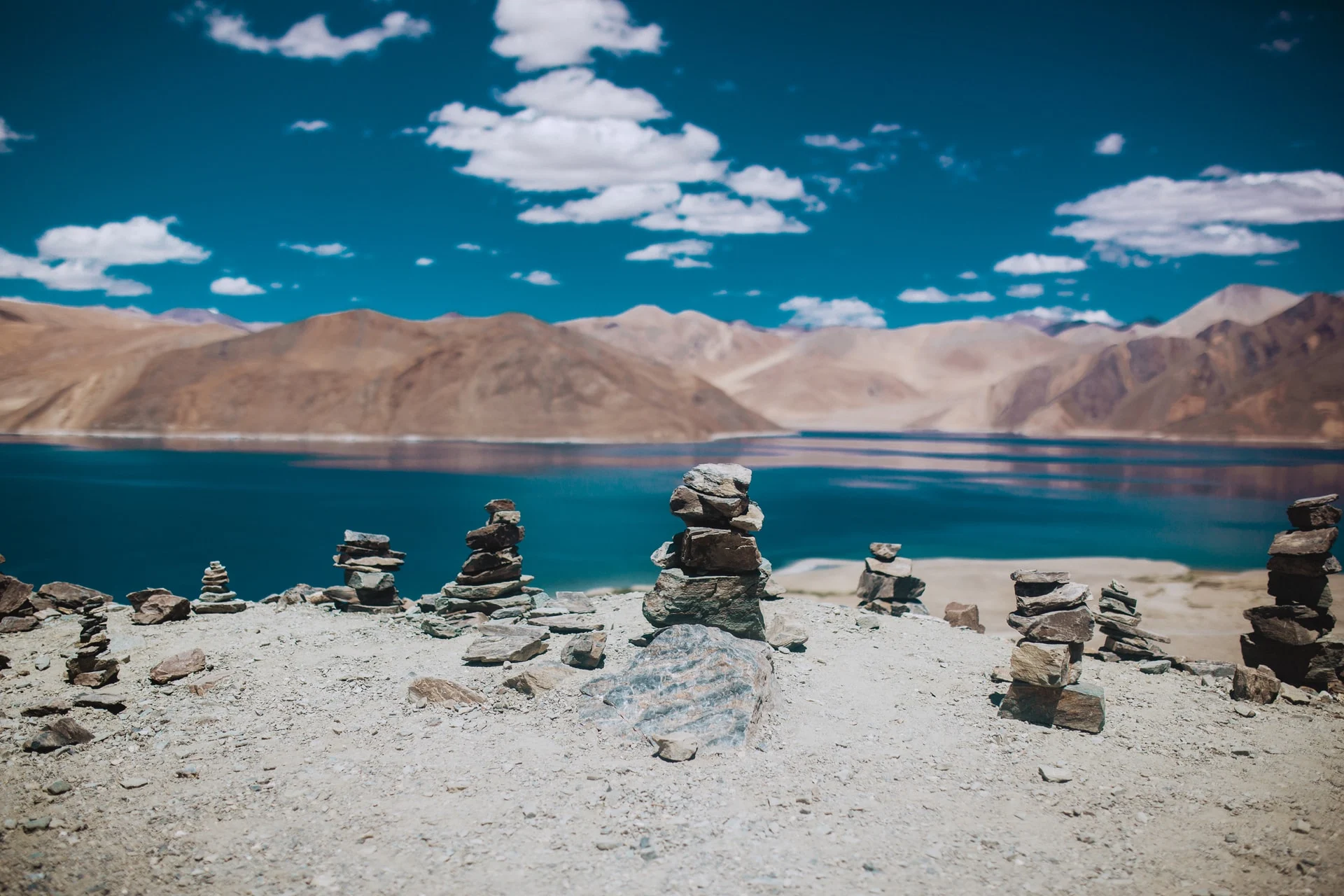
December temperatures in North India further vary according to the regions. The far north of the country, including Leh and Ladakh, Jammu and Kashmir, Himachal Pradesh, and Uttarakhand get extremely cold. Most years, you can find snow in December in a few places in Kashmir, Shimla, and Manali.
The cities of Delhi and Agra do not get snowfall, but it gets pretty cold. If you are used to a cold climate, you can explore the popular Golden Triangle in India in December. Visit the Red Fort in Delhi, Taj Mahal in Agra, and the Hawa Mahal in the Pink City, Jaipur. At India Someday, we offer customized trips to the Golden Triangle, where you can add or subtract locations from the route according to your requirements.
If you are an adventure enthusiast, the snow capped mountains of Himalayas and Uttarakhand are ideal for winter activities like skiing and snowboarding. Gulmarg in Kashmir and Auli in Uttarakhand are popular spots for skiing.
Galdan Namchot, or the Tibetan Lunar New Year, is celebrated in the second week of December in Ladakh. Locals perform folk dances, prepare traditional dishes and families and loved ones eat together.
Mount Abu in Rajasthan hosts the Winter Festival in December every year. The festival displays the rich culture and heritage of Rajasthan.
The Kumbhalgarh Festival takes place in Kumbhalgarh in Rajasthan in December. It is a 3-day cultural festival with classical folk music and dances.
If you like the cold, North India is the perfect place to explore in December.
For a fabulous route idea through Gujarat, check this trip that one of a traveler did through us.
The weather can get pretty cold up in the mountains and you’re liking to find snow almost everywhere.
South India in December
In South India in December, the average temperatures range from 20 to 30 degrees Celsius. In the mountainous regions of Coorg, Munnar, Thekkady, and Wayanad, they are as low as 17 degrees Celsius. The rainfalls retreat by this time and the climate is pleasant for exploration.
The coastal areas of Goa, Karnataka, Tamil Nadu, and Kerala witness clear skies and gentle sea breezes, perfect for a relaxing vacation. However, since December is peak season in India, you can expect large crowds on the beaches of Varkala and Kovalam in Kerala. If you want to get away from the chaos, you can visit Marari Beach, 45 minutes away from Alleppey.
The Nilgiri Mountain Railway, connecting Ooty and Mettupalayam, offers a scenic journey through the tea plantations and provides a nostalgic glimpse into the colonial past of South India.
Perumthitta Tharavad Kottamkuzhy is a festival usually celebrated in the second week of December in the Kasaragod district of Kerala. The festival celebrates the old culture of Kerala.
In Tamil Nadu, the Margazhi Festival displays classical music and dance performances.
In Karnataka, the Hampi Utsav unfolds the rich history and architecture of the region. Christmas is celebrated on a large scale in Goa, Pondicherry, and Kerala. See our route recommendations for Kerala here.
Here are some route suggestions for two weeks and four weeks in South India.
Kerala experiences very pleasant and warm weather making it ideal to plan a trip.
Eastern India in December
Eastern India has a moderate winter in December, with cities like Kolkata and Bhubaneswar enjoying daytime temperatures ranging from 15 to 25 degrees Celsius. The pleasant weather is ideal for exploring historical landmarks, national parks, sanctuaries, and the cultural heritage of the region.
If you love nature, you can visit Darjeeling or embark on a cruise along the Sundarbans to find the elusive Bengal tiger. The Konark Dance Festival in Odisha also happens in December, celebrating classical dance forms against the backdrop of the magnificent Sun Temple.
Western India in December
December is dry and mostly pleasant in Western India, making it perfect to explore cities like Mumbai, Pune, and Ahmedabad. The December temperatures range from 15 to 25 degrees Celsius.
Visit the deserts of Rajasthan and explore the intricate architecture of the forts and palaces of Jaipur.
The Western Ghats, a UNESCO World Heritage Site, are lush green in December. For trekking enthusiasts, there are many trekking routes and trails along the Western Ghats, where you can encounter dense forests, waterfalls, and wildlife along the way.
Gujarat celebrates Rann Utsav in December, a cultural extravaganza showcasing traditional art, craft, and music of the region, making it one of the most popular seasonal tourist destinations.
The Feast of Francis Xavier is celebrated with a fair and a large meal in Goa.
Western Ghats
North East India in December
December in Northeast India is a mix of climates – the Himalayan foothills see chilly temperatures while the plains are mild and pleasant. Guwahati, Shillong, and Imphal have temperatures ranging from 10 to 20 degrees Celsius, making them ideal tourist destinations.
Visit the misty hills of Meghalaya and the tea gardens of Assam, making the northeast an intriguing destination for travelers.
The Hornbill Festival is celebrated in the first week of December in Nagaland. It displays the tribal heritage of the region through traditional dances, music, and indigenous crafts.
Central India in December
Central India has a pleasant and dry climate in December, great to explore the heartland of the country. Daytime temperatures range from 15 to 25 degrees Celsius. Some of the places you can visit in Central India in December are Bhopal, Indore, and Nagpur.
If you are a wildlife enthusiast, you can visit Bandhavgarh and Kanha National Park in Madhya Pradesh, home to a number of tigers. The historical city of Khajuraho is famous for its intricately carved temples. From a domestic airport, you get direct flights to Khajuraho. For international flights, the nearest airport is Delhi.
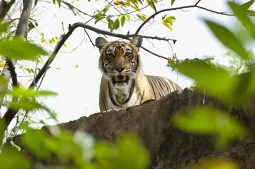
Tiger spotting – Photo Credit – Vincent van Zalinge.
Islands of India in December
Andaman and Nicobar Islands are beautiful in December. The dry climate means pristine beaches and turquoise waters, an excellent time for snorkeling, scuba diving, and beachcombing.
Havelock Island is one of the best beaches in Asia. The diverse marine life, including vibrant coral reefs and exotic fish offers a mesmerizing underwater experience. Explore the historical Cellular Jail in Port Blair or unwind on the secluded beaches.
Lakshadweep is pleasant in December, with temperatures ranging from 25 to 32 degrees Celsius. Enjoy kayaking, canoeing, and water sports on the pristine beaches of the island.
However, December sees an influx of tourists, so you can expect crowds wherever you go.
White sand, beautiful mangroves paired with crystal clear waters. An idyllic place – Credit: Sankara Subramanian
No journey through India is complete without savoring the diverse culinary offerings from the different regions of the country. December brings with it many seasonal delicacies, differing from region to region. Dig in some warm and flavorful meals like piping hot paranthas with butter in Amritsar, or the traditional Rajasthani thali in Jaipur. Try the seafood platters on the east coast and the west coast, or the spicy curries of Central India.
Authentic Roti – Sabzi. North Indian special – Photo Credit – Amirali Mirhashemian
Tips to keep in mind
Book well in advance
December is the peak season for tourists in India, and thanks to the many, many festivals happening around this time, tickets and accommodations tend to get booked quickly. So we would recommend that you book well in advance.
Pack appropriate clothing
When you visit India in December, you need to pack according to the region you are visiting, since the December weather is different in different parts of India. In the northern areas, pack some winter wear like woollen clothes or shawls and scarfs. In the coastal areas and the south, you can pack a thin coat or thin jacket for the slightly cooler nights.
Plan your trip around a festival or an event
We would always suggest you to plan a trip around a festival or an event happening in India during the time. It is the best way to take in the culture and traditions of the region. India celebrates many festivals and events in December, so make sure you attend at least one of them.
Respect local traditions
When you go to any place as a traveler, tourist, or guest, it is important to respect their local traditions. Indians are very welcoming of guests, but please respect their laws and customs.
Embarking on a journey through India in December unfolds a tapestry of diverse landscapes, cultural richness, and delightful climates. Whether you seek adventure in the snow-capped mountains, cultural immersion in historical cities, or a tropical escape on pristine beaches, India in December offers a kaleidoscope of experiences. So, pack your bags, and let the enchanting allure of India captivate your senses as you explore the wonders of this incredible country.
Temperatures tend to drop in North India in December so keep in mind to pack all your thick clothes – Photo Credit Pradip Pal.
Weather in India in December VIDEO
For more detailed information about Weather in India in December, or for any help planning your perfect trip to India, feel free to contact us!
One word to describe the weather in India in May would be “hot”. While the Himalayan regions are pleasant, the weather conditions in most regions of India can be unpleasant, which is why May is an off-season for tourism in India. However, because of the diversity of the country, there are many destinations you can still visit for a pleasant trip to India. Read on to find more about the weather in India in May.
India Weather in May
In India, weather differs from region to region. However, because of climate change, a large part of India experiences a hot summer. As most students have their summer vacation in May, some of the most popular tourist destinations in India in May are the Himalayas and the hill stations in the country. The temperatures in the far north are pleasant, ranging from 15 to 25 degrees Celsius. Monsoon arrives in a few parts of the country, such as the extreme northeast and southeast on the islands.
Best places to visit in India in May
If you are visiting India in May, you need to keep in mind the varying weather in India. One of the best regions to visit on your trip in May is the Himalayas. The roads to reachLeh and Ladakh start to open up in this month, while the temperatures on the mountains are perfect. This is a good time to enjoy the quaint villages of the Himalayas and the hill stations of the country.
The average temperature in the lower north and central parts of the country are very high, but it is also the best time for a wildlife trip. Because of the heat, many animals venture out to the watering holes, which increases the chances of spotting different animals and birds.
You can also plan a trip to the beaches of Goa, Kerala, and Tamil Nadu in Southern India – although the weather is hot and humid, you can relax during the mornings and late evenings.
Many Indians head to the Himalayas in the far north in May. As most of India deals with sweltering heat, the snow starts to melt in the mountains in the north, making it the perfect destination for May. The average temperature ranges from 15 to 25 degrees Celsius, and you can see many crystal clear waterfalls and streams.
Himachal Pradesh, Uttarakhand, Sikkim or Arunachal Pradesh allow you to experience the clean air of the mountains. These regions have plenty of friendly home-stays available in and around the areas. You will be able to find many chapels and Buddhist monasteries here. You can also visit the hill station of Shimla via a toy train! You can look at some of ourmountain travel routes here.
The lower north of India, including the Golden Triangle (Delhi, Agra, and Jaipur), is extremely hot in May. Temperatures cross 40 degrees Celsius on most days. We recommend spending limited time in these regions, because the climate can get unpleasant quite quickly. However, due to the off-season, you can get some great discounts on luxury hotels and accommodations. If you do decide to visit this region in May, make sure to explore the outdoors in the early morning or late afternoon.
If you are a wildlife enthusiast, you must visit India during this month. India is home to the largest number of Royal Bengal tigers in the world, and April and May are the best time to spot some of these regal striped cats. Because of the high temperatures, the watering holes dry up, and the jungle cats are left with fewer places to hydrate, making the probability of sightings much higher.Safaris often open early in the morning, or in the late afternoon, so you can avoid the scorching afternoon sun. There are plenty of options to spot wildlife in North India, such as Ranthambore National Park in Rajasthan, or the Jim Corbett National Park in Uttarakhand. For some inspiration on where you can go to experience a safari, check outBernard’s 14 Day Safari Vacation with us.
Ganga Dussehra is celebrated in Varanasi, Rishikesh, and Haridwar along the banks of the river Ganga with many activities and rituals. Buddha Purnima takes place in May. Although it is celebrated in many parts of India, Sarnath in Uttar Pradesh is the best place to celebrate it with many cultural performances and rituals. On the day of Buddha Purnima, the Summer Festival is celebrated in Mount Abu in Rajasthan. The festival has horse races, skating races, shows, games, and folk performances.
The weather in South India in May can be extremely hot and humid, with the average temperature ranging from 27 to 39 degrees Celsius. The monsoon season approaches towards the end of the month, offering some respite to the region. However, for the majority of the month, from the ruins ofHampi to the southern tip of India, Kanyakumari, the weather can vary energy-draining. But there are a few places you can visit even in May.
The average temperatures of the backwaters, rainforests, and tea plantations of Kerala are relatively lower, and offer a cooler atmosphere. With low rates on accommodations and fewer crowds, you can enjoy the natural beauty of Kerala in peace, if you don’t mind a bit of heat. Visit the tea plantations ofMunnar or the forests of Wayanad and Thekkady. You can check out the beaches of Varkala or Marari for sunbathing during early mornings or late evenings. Get some inspiration fortravel routes in Kerala in one of our blogs.
If you want to explore religion and spirituality, the temple towns of Madurai, Mahabalipuram, Pondicherry, and the state of Tamil Nadu have many stunning ancient temples. However, these regions are quite hot in May, so try not to venture outdoors during the afternoons. If the heat is unbearable, escape to the hill stations of Kodaikanal and Connoor in Tamil Nadu, or the coffee plantations of Coorg in Karnataka for a cool respite.
While Goa, too, gets hot in May, it remains a year-round tourist destination. Relax on the beaches, or explore the rainforests of Goa. For all beach-lovers, check out our blog on somelesser-known beaches in India.
May brings in the monsoon season in Northeast India, making the region lush green and great for sightseeing. However, the slippery roads can make it dangerous for some adventure activities, so practise caution.
Tropical cyclones are a possibility on the coast of Bay of Bengal in May, including the regions north of Andhra Pradesh, Odisha, and West Bengal.
Darjeeling in West Bengal is a popular summer destination. The weather is mild and pleasant, allowing you to take in the natural beauty of the region.
The International Flower Festival takes place in Gangtok in the entire month of May. You can spot species like roses, gladioli, orchids, ferns, and many others. You can also try delicacies made with local produce.
Moatsu Festival is celebrated in May in the Mokokchung district of Nagaland by the local tribes with folk dances, music, feasts, and rice beer.
Darjeeling
West India and Central India in May
It gets extremely hot in West India and Central India in May. In inland places such as Nagpur and Bandhavgarh, the temperatures reach mid-40s. Although Mumbai and the western coastal regions remain slightly cooler due to the coastal breezes, average daytime temperatures in Mumbai also reach 40 degrees Celsius during this month. Plus, the humidity is much higher.
However, May is a good time to spot wildlife in the many national parks and wildlife sanctuaries in Western and Central India. If you are planning any trips to the country to see the wildlife of the country, you should definitely explore Gir National Park, Pench National Park, Bandhavgarh National Park and Satpura National Park among many others when you visit India.
Bandhavgarh National Park
Islands in May
Andaman and Nicobar Islands and Lakshadweep have a pleasant temperature hovering around 23 to 31 degrees Celsius. However, you might experience heavy rainfall in these regions, especially Port Blair, during May. You might want to avoid visiting islands in May, since many of the water activities will be closed due to rains.
Andaman and Nicobar Islands
Travel tips for India in May
India sees very few tourists in May, thanks to the intense summer heat. You can enjoy good discounts on tickets and accommodations, as well as lesser crowds in tourist destinations.
May is the best time to spot tigers, lions, and other wildlife in the wildlife sanctuaries of India.
You can experience many adventure activities in Northeast India during May, after which, many of the routes are banned due to rains.
If you are traveling to Northeast India, you will need special permits in a few places.
Make sure to protect yourself against the high heat. Carry sunglasses, sunscreen, and hats or caps with you. Pack light and breathable clothes. If you are traveling to the far north, carry a light jacket. If you are visiting northeast or south India, carry an umbrella with you.
Keep a water bottle with you and stay hydrated at all times.
At India Someday, we personalize India trips for you based on your requirements. For more travel tips and detailed information about the best places to visit in India in May, or for any help planning your perfect trip to India, feel free tocontact us!
With the advent of summer season, the weather in India in April is hot in most of the country. The average temperature in April is in the mid 30s during the day, so if you are planning a trip to India in April, read on to find out the weather and temperatures in different regions of the country.
India Weather in April
It is the summer season across India in April, and daytime temperatures cross 30 degrees Celsius (86 degrees Fahrenheit) in many parts of the country. In Varanasi, you can expect an average high temperature of 38 degrees Celsius (100.4 degrees Fahrenheit), which can be an unpleasant experience. On the other hand, the beaches of India are hot yet much more pleasant with average temperatures of 32 degrees Celsius (89.6 degrees Fahrenheit). The Golden Triangle route, encompassing Delhi, Agra, and Jaipur, can see average high temperatures going above 34 degrees Celsius (93.2 degrees Fahrenheit) in April.
The end of April often sees tropical cyclones hitting the Arabian Sea coast in the states of Maharashtra and Gujarat and the Bay of Bengal coast in the states of Andhra Pradesh, Odisha, and West Bengal.
You will also experience an increase in humidity during this month. It rarely rains anywhere in India in April. The lack of rain and the increasing heat mean that animals gather around watering holes often, making April a great time for wildlife spotting.
The weather in India in April can be hot but you can take advantage of the off-season rates.
Best places to visit in India in April
March to May might have high average temperatures in most of India, but these are the best months to plan a trip to the Himalayan foothills. Explore the natural beauty of the Dal Lake, Gulmarg, and Pahalgam in Kashmir. This is the best time to spot tigers, lions, and other wildlife in various wildlife sanctuaries in the country. You can visit the beaches of Goa, Kerala, and the Andaman and Nicobar Islands for relaxing, sunbathing, and other activities such as parasailing, snorkeling, and scuba diving.
There are many festivals that take place in April, such as Easter, Baisakhi, Gudi Padwa, and more.
North India in April
April temperatures make it the perfect time to visit the Himalayas in the far north of India. As the snow starts to melt, you can find plenty of waterfalls along the winding roads of Himachal Pradesh and Uttarakhand. The climate is cool and pleasant, with average temperatures ranging from 15 to 25 degrees Celsius (59 to 77 degrees Fahrenheit).
Take a toy train ride to the summer capital of Shimla. There are many homestays in the region where you can stay while you explore the laid-back local life of the region. If you love adventurous outdoor activities, the average temperature in April is perfect for mountain biking, trekking, or paragliding with a view of the stunning snow-capped mountains. You can visit Jim Corbett National Park for a wildlife safari.
In the Golden Triangle and other regions of the lower north, temperatures can even reach up to 40 degrees Celsius (104 degrees Fahrenheit) in the afternoons. If you still do visit the region during this month, we would suggest planning outdoorsy things during early mornings and late afternoons. Avoid going out during the hot afternoons. However, the upside to the climate is the great offers on accommodations. You can have a luxury vacation in a grand hotel at extremely low rates! If you are a wildlife enthusiast, you might be able to spot the Royal Bengal Tiger in Ranthambore National Park during April. Check out our blog on some ofthe best wildlife sanctuaries in North India.
The Tulip Festival in Srinagar takes place in April. It is a mesmerizing sight as the valley of Kashmir, overlooking the Dal Lake, is filled with blooms of thousands of vibrantly colored tulips.
The state of Punjab celebrates Baisakhi in April. This festival is the harvest season and the Sikh New Year, celebrated with folk music, dance, and delicious Punjabi cuisine.
The Sankat Mochan music festival takes place in Varanasi. It is a music and dance festival that goes on from sunrise to sunset.
April is one of the best months to spot wildlife in the National parks and wildlife sanctuaries of India.
South India in April
South India gets quite hot and humid in April, and a trip to Southern India during summer can be extremely energy-draining. The coastal regions along the east coast are also quite warm. However, there are still a few places you can visit in South India in April. April is the spice harvest season in this region. As popular Indian spices such as tea, coffee, cardamom, and vanilla get ready to be harvested, plantations are at their most beautiful during this time. Visit the tea plantations of Munnar, coffee plantations in Coorg, or the dense forests of Wayanad and Thekkady, comparatively cooler than the rest of the state.
If you want a respite from the heat, you can visit the lovely hill stations of KodaiKanal and Connoor in Tamil Nadu.
Goa also gets hot in April, but remains a popular tourist destination nonetheless. Spend time on the many beaches of Goa, or go offbeat and explore some lush rainforests.
As this is off-season in Southern India, you can find great rates for accommodation and other expenses.
The Goa food and cultural festival in April is enjoyed with food festivals, cooking competitions, music bands, and fashion shows.
Kadammanitta Padayani is a cultural celebration in Kerala which gives a lot of importance to dance. It is accompanied by folk music, storytelling, and more. Another popular festival in Kerala in April is Thrissur Pooram. The festival takes place in Thrissur with a grand procession which includes musical artists, elephants, and fireworks.
The Tamil New Year also occurs in April in Tamil Nadu and is celebrated widely in the state.
Kick back and enjoy the sun at the gorgeous beaches in Goa.
East India and Northeast India in April
April is the beginning of spring season in the East and Northeast India. The average temperatures at sea on the east coast range from 28 to 30 degrees Celsius (82 to 86 degrees Fahrenheit), while the average high temperature during the day ranges from 28 to 35 degrees Celsius (82 to 95 degrees Fahrenheit). There are many harvest festivals that happen during this month. While the rest of the country experiences intense heat, the northeast often sees light showers during this time, as a result of which, the natural landscape of the region looks amazing at this time of year. Visit the natural root bridges in Meghalaya. You can ride the toy train to Darjeeling, a beautiful hill station in West Bengal. Visit the lush tea estates and taste the world-famous Darjeeling tea here.
The festival of Bihu is celebrated in Assam in mid-April. Bihu is the Assamese New Year. The festival is a week-long celebration of spring with music, dances, and feasts.
Mopin Festival is a harvest festival in Arunachal Pradesh which includes dance, music, and local rice wine.
You can enjoy a toy train ride to get to places like Shimla and Darjeeling in North India.
West India and Central India in April
It does not rain in April in Western and Central India. It gets hot, with daytime temperatures around low and mid 30s. However, this is the ideal time for wildlife trips to Central India. As the average temperatures soar, animals gather around watering holes in national parks and wildlife sanctuaries, making this time perfect for spotting wildlife. Visit Kanha Tiger Reserve, Bandhavgarh National Park, Satpura National Park, and more in Madhya Pradesh and Gir National Park, Tadoba National Park, and more in Western India for spotting a variety of flora and fauna.
The festival of Gudi Padwa is celebrated in Maharashtra in late March or April. This Maharashtrian New Year is celebrated in Mumbai with parades, costumes, folk music, and traditional Maharashtrian cuisine.
Andaman and Nicobar Islands continue to be warm in April, with daytime average temperature around 27 to 35 degree Celsius (81 to 95 degrees Fahrenheit). This is a great time to visit Andaman and Nicobar Islands if you are looking for a tropical experience. Clear skies, sunny days with a hint of humidity, and clear waters for water sports such as snorkeling and scuba diving make it a perfect holiday destination in April.
Andaman and Nicobar Islands
Tips while traveling to India in April
Destinations with pleasant weather in India are crowded in April, but April is not a peak tourist season. This means that in the less touristy areas, you can get accommodations and tickets at an inexpensive price. Plus, you will get fewer tourists.
April offers warm weather in most of India, so dress in light, breathable clothing, such as t-shirts, shorts, and dresses. Keep a scarf or shawl in case you need to cover up in religious or conservative places.
It will be very hot in India in April, so make sure you use sunscreen liberally. Also, keep sunglasses and a hat or cap with you.
Always keep a bottle of water with you while traveling in India and stay hydrated at all times.
If you visit India during this hot season and are planning to travel extensively from one region to another, avoid road trips as the heat can become unbearable. Opt for flights or luxury trains.
At India Someday, we curate trips for you based on your requirements. For more detailed information about where is best to visit at this time of year, or for any help planning your perfect trip to India, feel free tocontact us!
The weather in India in February is perfect for tourism. In February, India reaches the end of its winter season. The climate is cool and pleasant. Plus, February signals the close of peak tourist season. This means enjoying great weather while avoiding the crowds of December and January! So if you are planning to visit India, February is the ideal month to do so!
India Weather in February
The February weather brings with it sunny days and clear, blue skies in most of India. The average temperatures range from 21 to 23 degrees Celsius, with maximum temperature rising up to 32 degrees Celsius in some parts of the country. It is not a hot season per se, but the weather can be warm in a few places. The climate remains pleasant, and it hardly ever rains in most parts of India during February.
Best places to visit in India in February
February is a great time to visit India. The average temperature does not cross 32 degrees Celsius in most of the country, making the weather in India in February ideal for tourism.
We highly recommend visiting the deserts of Rajasthan in February. The South of India, especially the lush landscapes and beaches, make for a great destination in February. The northeastern regions of Sikkim, Meghalaya, and Mizoram, or the spiritual city of Rishikesh, nestled in the Himalayan foothills, have some beautiful scenery to offer during this time of the year.
If you’re looking at travelling to India in February, here’s some inspiration ontravel routes that we highly recommend, for making the most of your trip.
Wondering when is the best time to visit India? Read this!
Here is a detailed overview on what the weather would be like each month in India, in different regions of the country. Feel free to explore.
In India, weather in February is different even just in the North.
The north Indian regions of Delhi, Agra, and Punjab witness a stifling winter in December and January, and February comes as a respite with some sunshine. While the temperatures rise during the day, the mornings and evenings have low temperatures with pleasant weather. There still may be fog lingering over the cities of Delhi and Agra in February.
The month is a great time to explore the Golden Triangle in northern India. Start with the Red Fort in New Delhi, travel to Agra to visit the Taj Mahal, and then visit Jaipur to visit Hawa Mahal. You can also explore more of Rajasthan, such as the cities of Jodhpur and Udaipur.
However, in the far north in the Himalayas, February can mean snow-blocked roads and hiking trails. It can get difficult and expensive to travel to the mountains in February. Regions like Himachal Pradesh, Leh, and Ladakh are best enjoyed during spring, summer, or autumn. However, you can enjoy skiing in February. Gulmarg in Kashmir and Auli in Himachal Pradesh are excellent locations for skiing.
The sacred city of Varanasi in Uttar Pradesh is ideal to visit in February. Since there are not many religious festivals in the country in February, the crowds are less. Witness the magic of the morning and evening aartis at the bank of the River Ganges. Haridwar in Uttarakhand is another religious place you can visit.
The Surajkund International Crafts Mela takes place in Faridabad near New Delhi, a great fair for food lovers and shopaholics. You can find many stalls selling local cuisine, souvenirs and local handicrafts and jewelry, perfect to take back home.
In Punjab, the Kila Raipur rural Olympics takes place in February. You can witness cultural activities such as bullock cart racing, tractor racing, a variety of stalls, and more.
The Desert Festival takes place in Jaisalmer during this time, which displays the local traditions of Rajasthan with folk music and dances, turban tying competition, mustache competition, camel racing, and more.
In the evenings, Northern India can get fairly cold, with average temperatures ranging from 15° to 5°C. Further, rooms with heating facilities are uncommon, luxury hotels being an exception. However, hotels and guesthouses will usually provide warm blankets for the night. We suggest carrying a pair of warm socks and maybe something to cover your ears at night. Nature reserves, Jaisalmer or regions further North such as Amritsar or Delhi get particularly cold at night during this time of the year.
Thanks to the gorgeous weather, the southern states of India experience peak tourist season in February. Places such as Varkala and Kochi in Kerala can become quite busy and crowded, so we recommend booking everything in advance.
February is a nice time to head to the beaches along the western coast of India in Goa, Karnataka, and Kerala, and Tamil Nadu on the eastern coast, since you are safe from sunburn as well as frostbite.
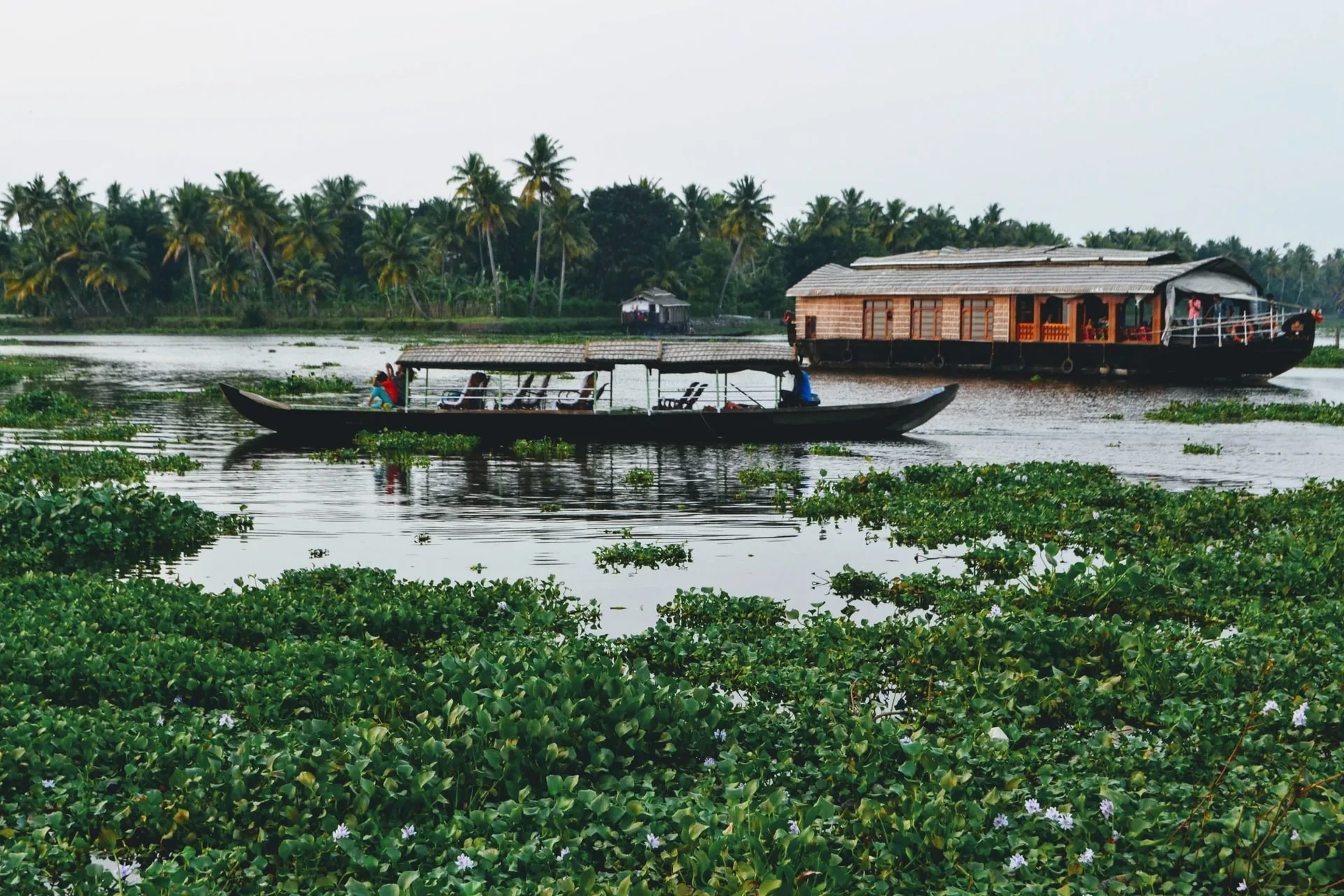
You can explore the backwaters of Kerala in a cruise or houseboat during the lazy afternoons. The cool mornings are perfect to explore the exotic temples in Tanjore and Kanchipuram.
A downside of visiting Goa in February is the crowd, but the upsides are more dining options, more vibrancy, Yoga Shalas, and more things to do. Make sure you check out the Carnival celebrations in Goa towards the end of February. The Goa Carnival showcases the Portuguese heritage of the state with parade floats and vibrant costumes.
It is highly advisable to plan your trip in advance. Irrespective, we’ll always find a place for you to stay and make the most of your Indian holiday. Check out Rachel’s trip across South India – Inspiration for a travel route inclusive of Goa (ideal for travelling from October to March).
Eastern India often receives sudden rain towards the end of February. The temperature also starts to increase rapidly. However, the northeast regions of Shillong and Cherrapunji are still cool, with temperatures ranging around 10 to 20 Degrees Celsius.
You can visit many high-altitude regions of the northeast during February, since the days are bright and sunny and you will not be cold. Ziro Valley, Gorichen Peak, Nathu la pass, and Tawang monastery are some great places to visit. If you love wildlife, the Kaziranga National Park is a must-visit.
Orissa and West Bengal tend to get hot in February, so if you want to visit Kolkata, you should plan it during December or January, when the temperatures are low and the weather is cool and pleasant.
Ziro Valley
West India and Central India in February
The west of India during February has nearly perfect weather conditions. In the coastal areas like Mumbai and Ratnagiri, the maximum temperature can reach 30 degrees Celsius, but it is still pleasant. The inland cities like Pune, Ahmedabad, and Mahabaleshwar are colder.
February is a great time to explore some hiking trails in the Sahyadri range and Western Ghats as you will get great weather.
February to March is the shoulder season to travel to the west coast, so while there will be crowds even in tourist places, it will be considerably less.
The Global Bird Watchers’ Conference takes place in Gujarat in February. It includes nature walks and guided tours for avid bird watchers.
The Kala Ghoda Arts Festival takes place in February in Mumbai, showcasing various art installations on the streets of Mumbai.
The dry and pleasant weather of February is ideal for searching for the elusive Royal Bengal tigers in Central India. Bandhavgarh National Park, Kanha Tiger Reserve, and Satpura National Park are a few wildlife sanctuaries and national parks that you can visit. The average temperature in Central India in February is 32 degrees Celsius.
Islands of India in February
February is one of the best months to visit the islands of India. The February weather makes Andaman Islands or the Lakshadweep a perfect holiday destination. Andaman and Nicobar Islands have a lot of sunshine, along with the best sunbathing and swimming conditions. The sea temperatures are warm at 27 Degrees Celsius, making it an excellent time to go swimming and scuba diving.
Lakshadweep has a blend of vibrant landscape and many outdoor activities, water, and beach activities such as kayaking, canoeing, jet-skiing, and wind-surfing. The temperatures are around 26°C to 27°C , making it an ideal time to explore the stunning coral reefs. The Agatti Island and Kadmat Islands are perfect for scuba diving.
Tips for visiting India in February
Since February is the ideal tourist season, make sure you book everything in advance. At India Someday, we will make sure you have the best bookings and accommodations based on your budget requirements.
February is the best time to visit the beaches of India. The weather is not too hot and not too cold, making it a great time to enjoy beach activities.
With the end of winter, February is also a good time to spot wildlife better. So you can also opt for wildlife safaris in Central India.
While visiting India, make sure you pack according to the region you are visiting. While the Central and South Indian regions are warm, the North can get cold during nights. So make sure you carry a light jacket or sweater with you. For daytime, pack some light, breathable clothes.
Whether you are looking for more information about the weather in India in February, the best time to visit India or simply need help planning your Indian adventure, we’ve got you! Hit thePlan Your Trip button for further details. We’ll help customize the ideal trip to help you travel independently, while catering to your travel style.
It somehow sounds scarier than travelling alone, but travelling with a group of strangers you’ve only just met can be enormously liberating. With modern technology, it isn’t hard to run a quick, if not thorough background check in a few second.
If you’re travelling with a group of strangers you’ll always have the organisers to fall back on. But what makes it better than doing it all alone instead of travelling with people you know and love?
First of all, it’s as much a route to self-discovery as travelling alone. Constant introductions and relationships with people outside of your comfort zone force you into defining yourself, and test whatever self-concept you had been working with all this while.
People who don’t know if they’re ever going to see you again aren’t likely to tiptoe around your feelings, and they’re more likely to give you an honest reflection of yourself than your close friends. The fifth time you tell someone you’re an avid reader, it may just occur to you that you haven’t really cracked open a book in a while.
Most importantly, you get to re-invent yourself, or simply bring out shades you may have kept hidden because it just didn’t fit in with who your family or friends thought you should be.
Start travelling! (Photo Credit – Avel Chuklanov)
Now get out there and travel. And if you’re still not ready for it, here are some tips to help you work up the nerve.
Don’t hesitate
The great thing about travelling with strangers/semi-solo is that you don’t have to wait for anybody else. If your buddies can’t seem to line up their work leave with yours, or a roommate just can’t seem to save up as fast as you, just pack your bags and hit the road.
The best part is, when it comes to travelling with strangers, this never ends. If you’ve made some friends in a new city and you’ve been exploring with them for nearly a week, they may start to fray your nerves a bit.
Just say your goodbyes and move on. Making lasting connections while travelling doesn’t mean hanging around and being polite when you’d rather just be gone.
Simply pack your bags and hit the road (Photo Credit – นิธิ วีระสันติ)
As you start your first hesitant introductions, your people skills are getting ready to soar through the roof. It’s no cakewalk starting a conversation with a bunch of strangers, even if you have been forced together by fate, or an overzealous travel company.
Soon you’ll be able to gauge body language and facial expressions, even broaden your knowledge of cultural differences in socialising. If nothing else, you may just find out what pick-up line or ice-breaker works best for you. A skill that’s sure to come in handy later on.
Don’t be hesitant to introduce yourself first (Photo Credit – Alexis Brown)
Have a little faith
Granted, these are strangers you’re travelling with, but they’re here for much the same reasons as you. Just like you, they too are often in the same delirious state between being overjoyed and exhausted.
They may not be the people you hung around with in diapers, but you’ve got to trust a little bit and open up if you want some genuine human contact.
Little faith and trust will help you build up genuine connections and memories for life (Photo Credit – Roberto Nickson)
Did you proudly interrupt the guide to share a fact that they later scathingly proved incorrect? Did you have one too many at the bar crawl and throw up on not one but all three of your shiny new friends? Who cares!
What’s past is past and you’re never going to see them again anyway. Lock it away in your secret wild nights and terrible shames box.
Forget the negatives & enjoy the positive! (Photo Credit – StockSnap)
Don’t be afraid to shut the door
Unlike your long term friends who’d think nothing of barging in on you for a casual chat at 3 in the morning, or take offence if you change plans without warning, your new friends are still going to maintain some polite boundaries.
Head out on the city with just your camera in tow and expect bright smiles and welcoming arms when you make it back for 8 o’clock drinks.
New friends have less expectations and will always welcome you with bright smiles (Photo Credit – Helena Lopes)
There is safety in numbers
We are not talking group size, but age. For starters, the body’s capabilities change with age, and you don’t want to be left standing awkwardly off to one side as the 20-somethings jump screaming into the white water rafts.
You’re already being thrown into a chaotic world of strangers, all new sights and sounds and smells. So it’s good to have someone around who’s processing it at the same pace as you.
Opt for age-category specific tours. This isn’t anywhere close to a fast rule though, those who can break it, know who they are.
Opt for a group with same-age category to enjoy your trip to the fullest (Photo Credit – Matheus Ferrero)
Have something to share with your fellow travellers
It’s good to come to the table prepared with something that can help cement your place in the group. Don’t hesitate to share a kickass playlist, home-cooked snacks or riveting stories as they also act as an ice-breaker.
Sharing food, drinks and ideas makes the best evening (Photo Credit – Kelly Sikkema)
Be on time
If you’ve made a plan to be somewhere, stick to it. Your new friends may not be comfortable calling you over and over again to wake you up or otherwise check on you, and you shouldn’t cost them their trip as well.
They’re either going to just leave you behind or never invite you anywhere again. Be careful what you sign up for.
Since you’re less likely to be seeking approval from your temporary friends, you’re less likely to get peer pressured into any activities you won’t enjoy. If you think you’re going to hold back the group, just say no.
Be on time! (Photo Credit – Sanah Suvarna)
Here is our blog which talks about our top ten tips for travelling solo in India. In case you are not sure if you are a group traveller or solo traveller, here is a blog that will help you understand your travel style. Are you ready for it? Feel free to contact us for more details and travel plans.
India’s a big fan of families. The rich in history and culture is a great way to introduce your kids to India. We’ve never been big on individualism and the family is seen as the epitome of our great institutions. Travelling with your pack means that you’re already one step closer to blending into the culture. You’ll find yourself better equipped to experience a country that is designed for family life.
For example, most hotel rooms won’t charge extra for children to sleep in the same rooms as their parents regardless of whether it’s a two-person bedroom or not. The same goes for restaurant deals and entrance fees to local attractions. You’ll also be able to avail of endless “Family offers” that basically toss you bulk deals at cheap prices.
First, you can refer to this excellent series of blogs by Gregor and Sarah from Canada on their own experience carting three kids under the age of 15 across the country for two whole months. There’s more here, here and here. Beyond that, we’ve listed some tips specific to travel in India:
Our guests in Kumarakom houseboat (Annika Kästle and family)
Food and Drink
Eat a lot: India has no dearth of diverse snack foods to keep the kids pumped up. But, you might want to avoid the spices or the street food in view of their more delicate digestion. Of course, you don’t want your child to completely miss out on what is a big part of the Indian experience. Maybe let them have a small bite, but keep medication handy.
Remember that not many restaurants here have a kid’s menu because people tend to order a few common dishes for the table and then share them.
Hydrate: Yes, it will be hot. Long walks and museum tours aren’t going to help the situation. Carry bottled water with you everywhere. Always mix in a spoonful of flavoured glucose for the kids.
Buy your own groceries: Apart from bottled water, you might want to have some milk and cereal on hand for a tender stomach. India has a lot of trusted packaged brands so you don’t have to worry. Opt for a packet of our beloved Maggi instant noodles after a long day.
Kids will love touring around in Rickshaws, something completely foreign to them! (Photo Credit – Per Mosseby)
Keeping your kids entertained
Carry distractions: The chances of you getting bored in India are pretty slim, but who really knows how kids work? Make sure you have books or games to keep them occupied before they wander off.
Sleep well: Constant travelling means that you can let them drop off on buses or trains between destinations. This won’t be as restful as a good night’s sleep in a soft bed. In India, the good news is the hot afternoons drive everyone in for a deep nap after a heavy lunch. But, the bad news is that mosquitoes and insects rule the night so stock up on repellent.
Attend workshops: Kids prefer doing to seeing and India can be quite accommodating of this. Not only official workshops but even a street vendor or an auto driver will be quite happy to explain things to children. He may even let them try their hand at it.
Encourage them to make friends: Your kids probably want to get away from you after two weeks in the same hotel room so keep an eye out for possible companions. From fellow travellers to local neighbours, it’ll be great for them to see someone their own age for some time. And if it’s a local, they’re more likely to learn about Indian life from them than another tour guide.
Encourage your kids to make friends with the cheeky local children their age (Photo Credit – Alfie Ianni)
Safety Measures
Keep them within your sight at all times: This applies to any sort of travel, but India is exceptionally crowded and often fast-paced. Hold hands, and don’t feel ashamed of tying a little string around a little one’s wrist if it makes you feel safer. Bright shiny objects will call to them from everywhere and you’ve got to be vigilant.
Get a doctor’s opinion: While some visa offices make you take certain shots before you leave, they are not your pediatrician. Your pediatrician will be better equipped to give you a personal opinion on what you should prepare your kids for. Bring your medication with you along with a copy of the doctor’s prescription in case of customs hassles.
Going to India as a family is not as difficult as one might believe (Photo Credit – ybenyaacov)
Tips for making your life easier
Be flexible: Leave buffer spaces in your plans in case someone catches a bad cold or wants to hang out at the zoo a little longer. There’s a fair chance they may decide that they just don’t want to see another fort. Or they may demand to know where the promised tigers are instead, and you might find that you can actually accommodate that. Don’t rush things.
Stroller etiquette: India’s not the best city to bump your baby around on wheels. Pavements are often poorly laid or simply non-existent, and many buildings may not have lifts. Opt for a baby carrier if they’re still small enough.
Take a trial run: Take your kids somewhere nearby for the weekend just to determine how they feel about being away from home. How much you need to pack and how travel affects them. If you’re preparing for India, introduce them to some of the foods in the comfort of your own home to see how they react.
Don’t abandon the familiar: Do they have a favourite brand of peppermints not available here? Carry them. India can often be a wholly alien and often confusing environment for children so it’s good for them to see something from home.
Plan nappy changes in advance: Don’t expect to pull into any highway pit-stop and find a changing station. You’ve either got to improvise or look up restaurants and hotels with these amenities in advance. Shopping malls are usually a good bet, but don’t be afraid to lay your baby down on a clean cloth near the washbasins in a pinch.
We all know India as crazy, scary, chaotic, but that didn’t stop you from booking the tickets anyway, did it? So we’ll do our bit and give you the inside scoop on keeping your guard up without missing out. Here’s a couple of things we thought you’d like to be ready for.
Expect the unexpected- Photo Credit Suket Dedhia
Culture Shock
The first thing you’re going to have to get used to is that it’s quite a small country for its sizeable population. Especially in the big cities where you’re most likely to land, you’ll find that personal space is a laughable concept. Trains are packed to the brim. People literally hang out the doors. Bumping, pushing and shoving is par for the course, as is a neighbouring passenger nodding off on your shoulder or a beggar child grabbing at your arm. Prepare yourself for this, or opt for a privately driven car on your first day until you think you’re ready.
A great way to ease into the chaos is to start with a homestay. Allow your hosts to explain and entertain over a couple of dozen cups of tea and maybe even hold your hand when you first venture out. Be sure to inform them in advance if you’d like the help so they can pencil it into their calendars. Most hosts are as keen to know about your life as you are about theirs, so don’t hold back.
Local Interest
Finally, prepare yourself for the staring. As a foreigner, you’re a source of local interest in even the most tourist saturated neighbourhoods. While conservative dressing for women may help, it’s a decision you can make on your own, and one, many Indian women themselves are rejecting. Just remember that the sort of people that stare will stare irrespective of your clothing, so you might as well be comfortable. That said, it’s understandably difficult to make this choice when you can’t speak the local language or fully understand the nuances of a social situation, so good luck! You’ll probably be asked at some point to pose with somebody for a photo, I’d recommend against it since these are usually for bragging rights. As a woman regardless of your skin, you’re likely to be subject to eve-teasing in some form or the other, for which I’d recommend referring to our post on legal remedies if anything ever crosses a line.
Conservative dress may be best (Photo Credit – Suffix)
Dealing with People
India has a long-respected tradition of groveling before authority, one that you’d be better off maintaining. Don’t give in to anything you don’t agree with, but always, always, be respectful. Use a measured tone and don’t raise your voice. Be confident, and stick to your guns, but very politely.
From the minute your foot hits the pavement, you’ll be engulfed in a swarm of adorably grubby beggar children, suave young ‘guides’ and the like. Guidebooks will tell you to firmly refuse or ignore them, though bemused detachment works just as well if you’re not the confrontational type. Just smile, shake your head and walk away, there’s only so far they’ll bother to follow you.
If you do end up in a heated situation, switch over 100% to damage control. It’s best not to get involved at all. If you see something going down and you want to intervene, call the cops. You can also draw the attention of the local authority be it, hotel manager or security guard. While the law will recompense eventually, it’s an incredibly slow and arduous process that you do not want to get caught up in.
No city in India doesn’t come with a crowd (Photo Credit – PD Pics)
The traffic
Another thing that’ll disorient you is the traffic. Honking doesn’t really have to mean anything. It’s just a way to vent some rage in traffic, call out to a friend or pass the time! Crossing the road is a great and thrilling adventure. Just pick a likely looking crown on a footpath and bury yourself within them as they weave through moving traffic with a single hand raised nonchalantly to alert the racing cars. Traffic rarely halts before the zebra crossing and jumps red lights for sport. It’s terrifying and exhilarating all at the same time!
Crossing the road can be exhilarating (Photo Credit – Thomas Gerlach)
Avoiding Danger
There are a few rules that all travellers have learned by rote when it comes to a new city. Don’t travel by night, make fake phone calls, pre-book travel, stay off the shadowy side streets – but only until you’re confident. There’s no reason for you to cower away forever. But it’s good to have a sense of the city and its people before you run around taking risks willy-nilly.
Be safe and don’t forget to call home!
If you need any assistance, simply get in touch with us or hit the Plan Your Trip button. We will help plan your dream trip to this vast subcontinent.
If you have a sense of the city, then it becomes easier to go along (Photo Credit – Makalu)
Let India Someday handle it and plan your best trip.