TALK WITH US +91-9970620335
WhatsApp

Your quick guide to Dharamsala

Everything you need to know to make the most of your time in Dharamsala. A wonderful blog shared by our friend, Yoga Instructor and more, Chris. You can find more of his musings here.

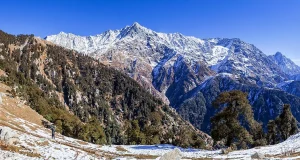
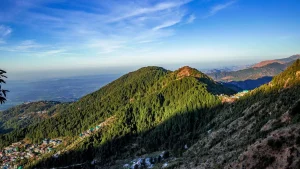
Dharamsala is a word that you’ll hear many travellers you come across speak about with fondness. When you arrive in this mountain city of the Himalayas, it’s easy to see why.  Green surrounds you from the grass and the myriad of trees descending down valleys and up mountain peaks.  This is a sharp contrast to the dusty terrain that covers much of India, and this creates its own special vibe.

Dharamsala, McLeodganj, himalayas
You can always visit Dharamsala

Weather

Be warned that the weather can change very quickly. The sun may be smiling one hour and the heavens pouring down furiously the next. But those storms can make for some epic lightning shows and the rain supports all the green around you.

Dharamsala is split up into three main areas for tourists, each with a slightly different vibe.

exploring dharamsala

McLeod Ganj

This is the central hub of Dharamsala with many shops and restaurants and views of the distant snow covered mountain peaks.

Lung Ta Japanese Restaurant: This is one of my favourite restaurants in all of India. The menu is all vegetarian and there are daily specials for each day of the week, from sushi to tofu steak with a variety of delicious accompaniments. Make sure you arrive in plenty of time before they close as there will likely be a wait for a table to open up. Definitely a must try while in Dharamsala.

Cinema: There is a small cinema showing both Tibetan movies and new releases. They show a few movies each day and post a weekly schedule on the notice boards.
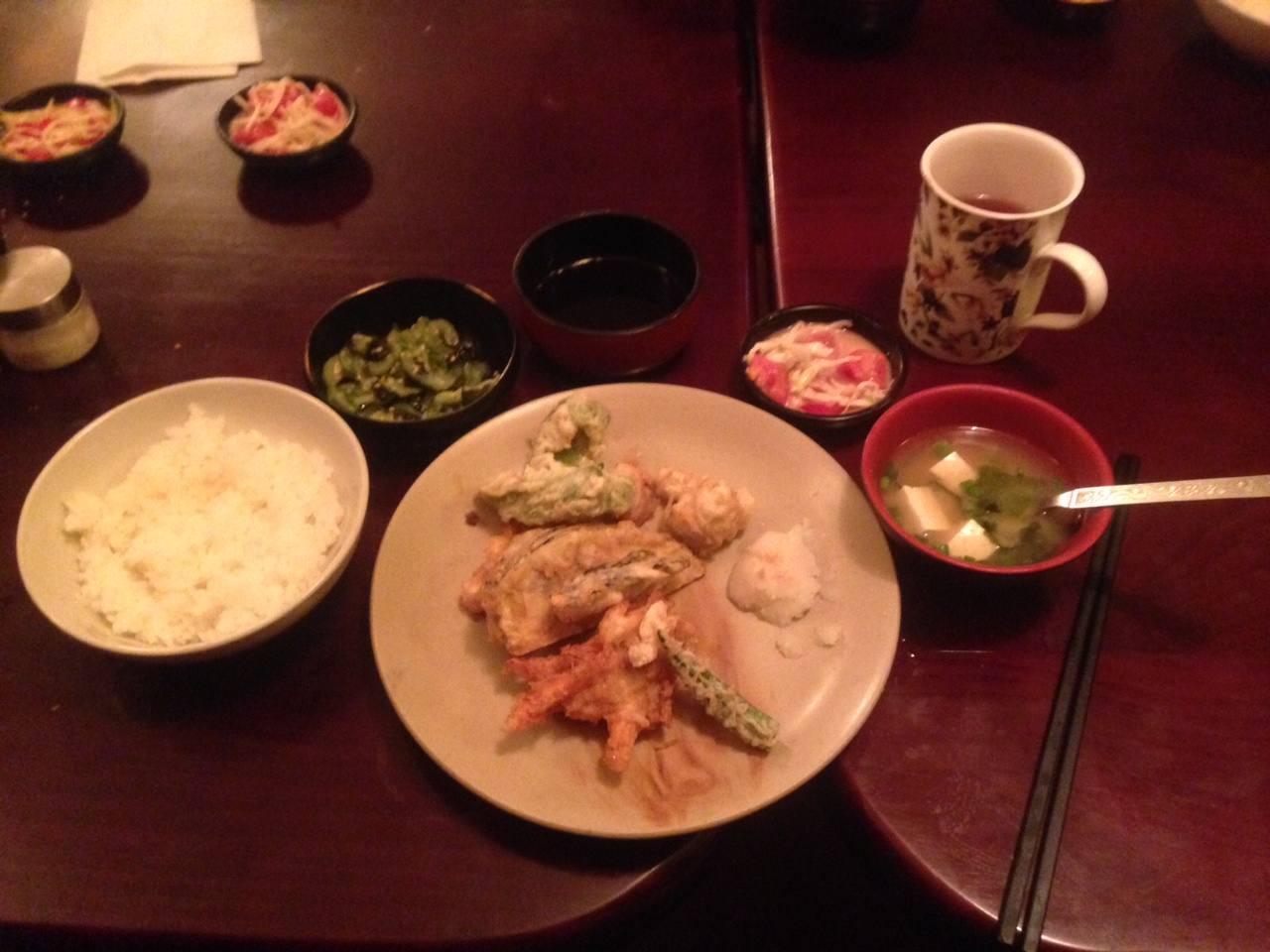
Lung Ta Japanese : One of the best restaurants in Dharamsala!, places to eat in Dharamshala
Lung Ta Japanese: One of the best restaurants in Dharamsala!

Third Eye Tattoo:  If you’re looking to get a tattoo done there are many artists in Dharamsala. I got one done by my friend KD at Third Eye Tattoo and can’t recommend him highly enough. KD is very helpful and friendly, the studio is very hygienic, and most importantly the resulting artwork is amazing.

Bhagsu

The areas of Bhagsu and Dharamkot are around a 20 minute walk from McLeodganj. Bhagsu typically has a wide range of tourists filling its restaurants. If you want more solitude I suggest finding a guesthouse in Upper Bhagsu. The higher up the mountain you go, the less noise there is.

Keep in mind this will add a small hike to anywhere you are going, but the views and sense of peace is well worth it. There’s a public pool a few minutes’ walk from the main area of town so you can cool off during hot days.
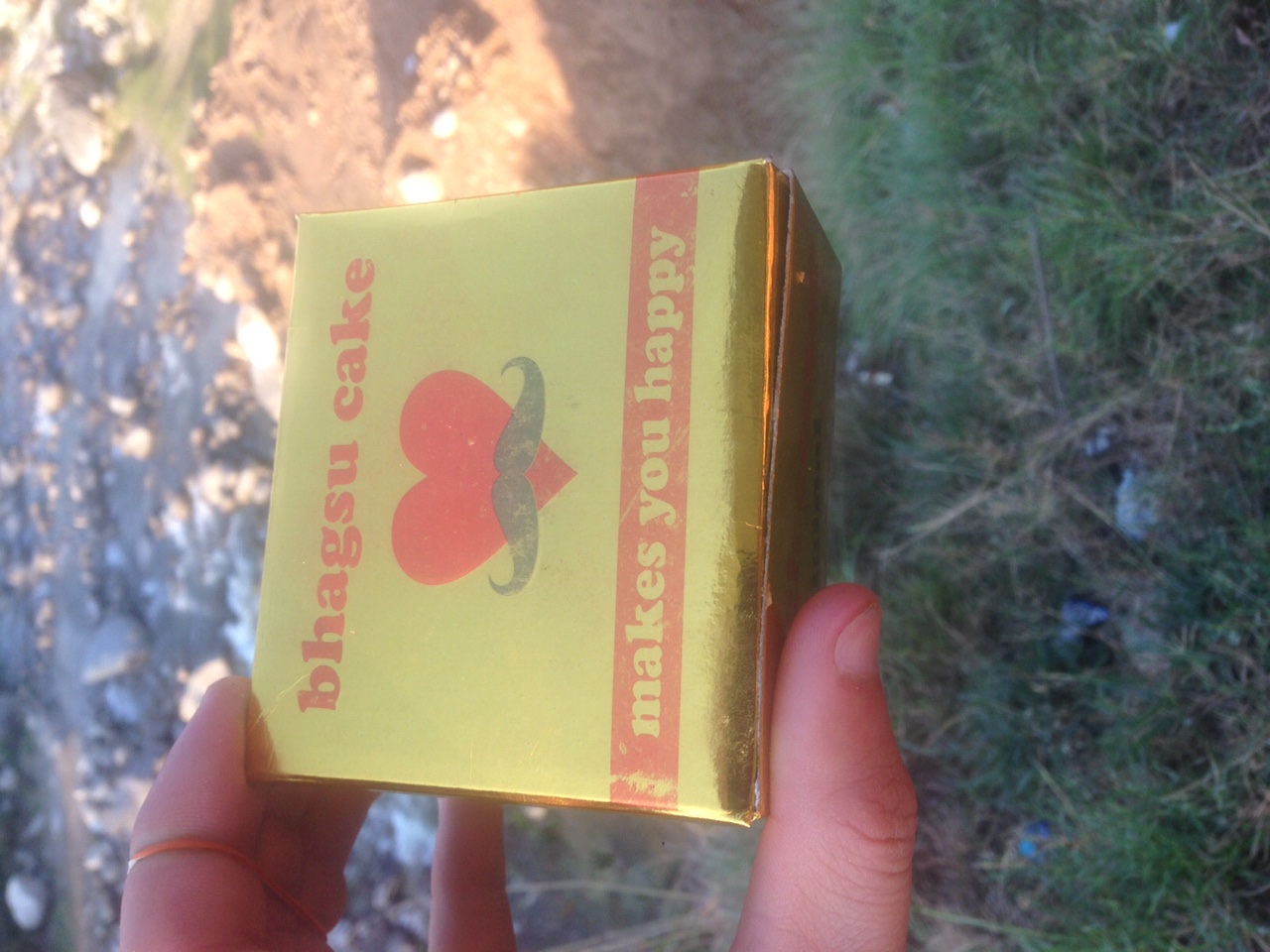
A bite of Bhagsu cake, definitely makes us happy, Places to stay in Dharamshala
A bite of Bhagsu cake, definitely makes us happy

Singh Corner

While in Bhagsu you will see bright gold little boxes everywhere. They are the wrapping for the infamous Bhagsu cake, invented at the Singh Corner restaurant. This delicious blend of chocolate, caramel, and cookie crust is highly addictive and only 30 rupees for normal version (white chocolate and peanut butter additions are a bit more).

Art Cafe

This little hangout is truly unique in that all of the food is by donation.  A set menu involving a tasty soup, salad, and sandwich is offered as well as some vegan options.  Eat as much as you like and pay what you think appropriate, all proceeds go to benefiting a great cause to help children in need.

Dharamkot

Located just across the valley from Bhagsu is Dharamkot. Dharamkot is very similar to Bhagsu. Head up the mountain to Upper Dharamkot if you’re looking for privacy. This area is a haven for Israelis as conversations in Hebrew pour out of many great restaurants.

Best nature trips in India, Why visit Dharamshala Himalayas
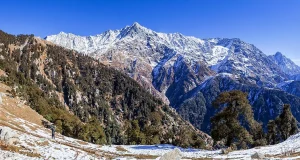
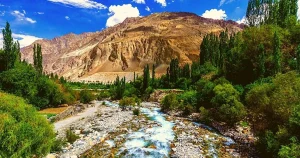
Be prepared to witness breathtaking sights like these around you!

Trimurti Garden

The Trimurti Garden is a great place to grab a healthy bite to eat. They have really good kombucha and vegan cakes available and a nice communal area to enjoy the garden.

The Bone and Body Clinic

Many people come to Dharmsala for chiropractic work from Ringo and his staff. People suffering from back pain and spinal issues speak very highly of the clinic and often stay months to work on alleviating chronic issues.

Tashita

Tashita offers 10 day introduction to Buddhism courses as well as different Buddhist and mindfulness related retreats. You can join daily meditation by donation Monday-Saturday at 09:30 hrs.

buddhist monastery in India, Buddhism in India, Adventure toutrs in India
Buddhist Monastery (Photo Credit – Ashish Gupta)

Things to do

Trek to Triund

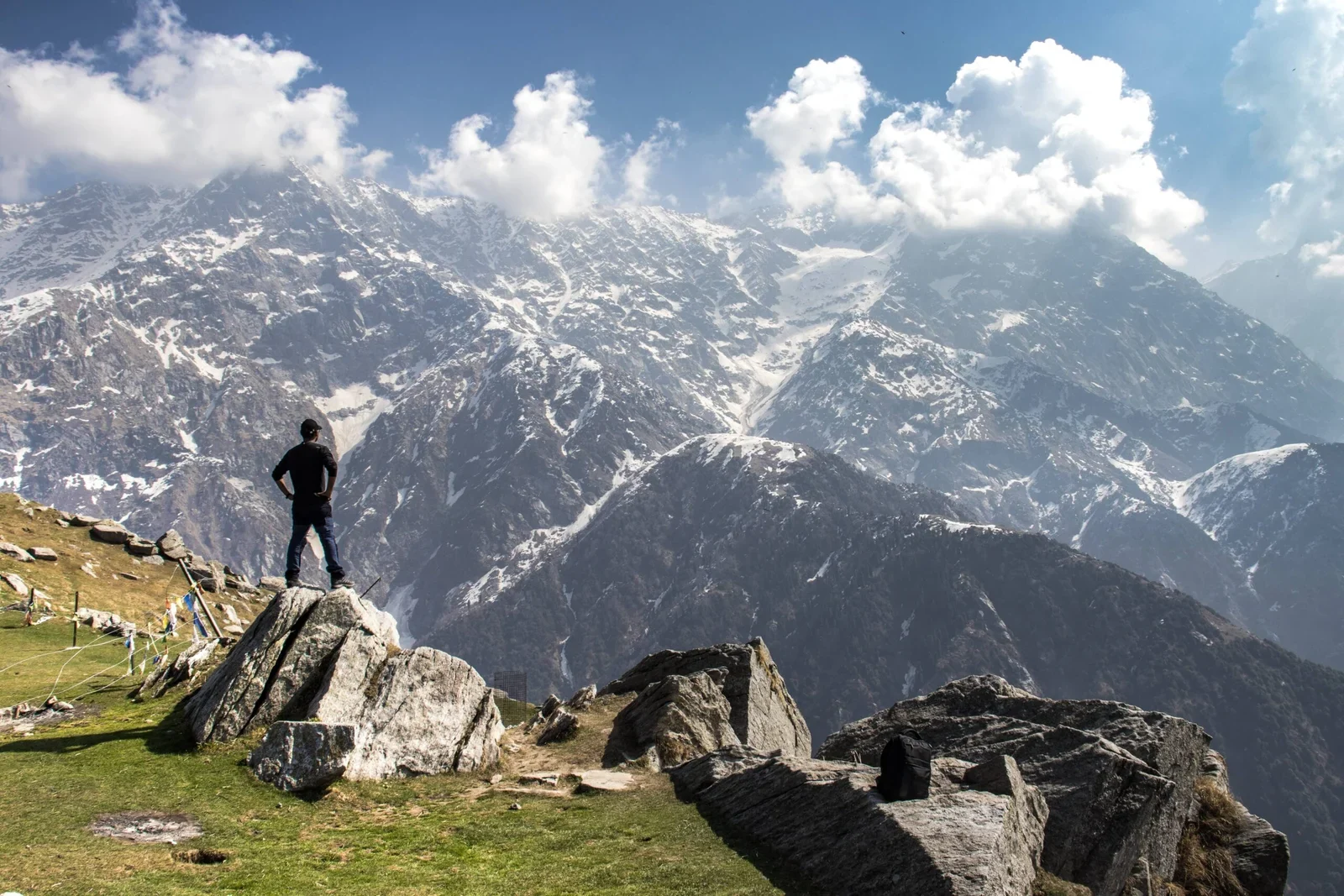
Triund is the most famous destination in the area and rightly so. A slightly long hike up the mountains is rewarded with splendid views. Snow-capped mountains, rolling hills, and tiny houses spread out before you for kilometres at an end. There is a truly special energy to this area.

You can hike an additional 45 minutes to the snowline and have yourself a snowball fight. Camp out overnight underneath the stars (or rent a tent or a guesthouse). You can hike up the mountain and be back by mid-afternoon, and fuel yourself with some hot chai on the way!

Camping in Dharamshala

Waterfalls

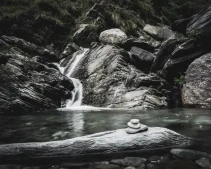
There are two waterfalls nearby, one close to Bagsu and another on the opposite side of the mountain from Triund. The first will take around 15 minutes to reach from Bagsu and is quite small but has a pool at the base you can submerge yourself in.

The latter is about 1-1.5 hours from Dharamkot. While it doesn’t have a large sheer drop, you can follow the river up for a long time towards the mountains. You will find large rocks and many pools of shockingly cold water along the way. A very nice way to spend the day in nature.

Courses and Yoga

Just check the posters around town to see what workshops are being offered. There are many music schools if you’d like to learn bansuri (Indian flute), sitar, drums, or how to sing.

Thai chi, yoga, crystal healing, and everything in between are going on weekly so keep your eyes open for anything that draws your interest.  There are also a few schools offering yoga teacher trainings (such as Trimurti Yoga and Sarvaguna Yoga, which also offers meditation trainings).

sand mandala by Monks, Things to do in Dharamsala
Sand Mandala by Monks (Photo Credit – Jasleen Kaur)

In Conclusion

Dharamsala is an easy place to connect with nature and meet many interesting people. There’s always new classes and workshops going on every week and amazing views every day, although it can rain heavily for days at a time. You can meet the Dalai Lama, who calls Dharamsala his home in exile from Tibet.

If you are a hardcore nature buff, make sure to explore other parts of Himachal Pradesh as well such as the Parvati Valley and Manali.

Dharamsala allows you to choose whether to hang out all day in a cafe surrounded by interesting peopleor to find peace and quite in the mountainside. It also provides you with a variety of interesting activities. If you’re looking for guidance for Dharamsala, get in touch with us!

Yoga in India: Travel Route Ideas for Yoga Lovers in India

This article will highlight some travel routes for those who want to experience Yoga in India. Yoga is an integral part of Indian culture. It seeps into our cardio workouts, our morning stretches and even into our school timetable sometimes! If you plan to get a real feel of Indian life, yoga in India is a great place to start.
If you’re a beginner, there are dozens of great drop-in classes (40-45 minute classes) in most major cities. It’s certainly worth trying out, and it’s definitely possible to make new friends as you go. If you already have a background in yoga, opt for a tougher course. Set yourself some new goals, maybe even take home a teaching certificate?

In this article, we’ve mapped out some ideas for three great routes around India for you, which also allow for some sightseeing after your morning class! Don’t worry about the difficulty level. The options will be exhaustive. Yoga is for everyone.

Things to do in Hampi, Yoga traning in India
Meditation in Hampi

yoga Along the Southern Coast of india

Mumbai Goa Gokarna Varkala (route on GoogleMaps)

Fly into Mumbai and skip the rush of the inner city for the suburban leafiness of The Yoga Institute in Santa Cruz. It’s primarily a retreat centre and a great place to step out of chaos, even if you’re not ready for a full course.

Next stop – Goa! Tall swaying palms, soft sand underfoot and dozens of yoga classes popping up on every shore. Here, you could try the Lotus Yoga Retreat or Kaama Kethna to really keep tune with the universe.

South Goa is a great place to relax. If you’re looking for daily Yoga classes, warm seas and great food, here is a blog you should check out!

Gokarna, even quieter, will set your morning stretches to the gentle roar of the ocean. Spiritual land adjusts each class to the level of its drop-in students. Swaswara hosts all your yoga, Ayurveda and spiritual needs on one vast, ecologically sustainable campus. Finally, head down to the soft, quiet sands of Varkala.

At Soul & Surf, some old fashioned yoga can be practised at dawn. Calm the soul and then crash through the surf to kick yourself back into gear.

Contact us and we can help you plan your perfect Indian Holiday, filled with Yoga Experiences.

Travel Hacks: Smart Tips for US Travelers Visiting India

Places to visit for Yoga in India
Yoga on the beaches of Goa (Photo Credit – Steven Zwerink)

Mountain Trail

Delhi Rishikesh Dharamsala Agra Pushkar Udaipur (route on GoogleMaps)

Where better to seek out peace than in the mountains that have sheltered Shiva himself? Delhi is obviously the most convenient starting point, and also home to Seema Sondhi’s Yoga Studio. Seema herself took up yoga after a severe spinal injury. Her studio is a judgement-free zone that preaches applying yoga to the abilities of your body rather than the other way around.

From there you can move on to the mecca of yoga practitioners – Rishikesh. Combine the breathtaking natural beauty of Rishikesh with its ancient yogic heritage at Phool Chatti – meaning the ‘Land of the Flowers’. Courses can be demanding, so if you’re just here for peace and calm, check into Osho’s Gangadham further uphill.

Contact us and we can help you plan your perfect Indian Holiday, filled with Yoga Experiences.

In Dharamsala, you can explore Buddhist spirituality. Take a course on their own brand of meditation. If you’re still looking to come back to the yogic trend, visit the Himalya Iyengar Yoga Centre. It brings to life the traditions of BKS Iyengar in an open space lit by the sharp mountain light.

One of the great things about yoga in India is that there are a wide variety of courses offered varying in focus, degree and length, so you’re not going to leave empty-handed. The route from here on focuses more on sights and cultures. None of these cities will leave you wanting for yoga. If you’re unsatisfied, hit up Art of Living in Agra, Pushkar Meditation Temple in Pushkar and the Dynamic Yoga Studio in Udaipur.

Yoga in Indian Ashrams
Rishikesh Yogpeeth (Photo Credit – Rishikesh Yogpeeth)

The Way Down South

Mumbai Hampi Mysore Trivandrum Coimbatore (route on GoogleMaps)

You’re starting from Mumbai again, so let’s change it up a bit. Head away from the interior to the crashing sea face of Marine Drive that defines the city. Nestled up against this gorgeous view is Kaivalyadhama, an institute that combines Ayurveda and Yoga to promote health and wholesomeness.

While in Hampi you can turn your back on the paddy fields and your face towards the sun as you arch up and up in greeting the dawn across the river. In a city that reverberates with the wisdom and beauty of the ancients, a city outside of time, sink back into the arms of this age-old science.

Here, and in Mysore, just ask your hostel manager to hook you up with a local class. Most hostels and hotels arrange one on the front lawn in busy months. In Mysore, you could also opt for a more in-depth study at the Ashtanga Yoga Centre which promises to impart the classic yoga style.

In the old streets of Trivandrum’s West Fort, you will find the Sivananda Yoga Vedanta Centre, which along with the five basic principles of yoga. They also practice karma yoga, that welcomes people of all walks to lend a hand at the centre in whatever capacity possible and become a deeper part of the centre.

Finally, in Coimbatore, try out the Isha Foundation, a centre whose yogic philosophy bubbles up over a simple fitness routine into a complete way of life. One that they try to spread globally through their volunteers. Even if your body isn’t up for it, it’s a great place to visit just to expand your worldview.

Contact us to plan your next holiday to India! 

Yoga while traveling in India, Yoga retreat
Someday you might return to India to do a Yoga Teacher Training Course

Yoga in India sounds like something you might be interested in? Feel free to contact us for more information on these routes and for help planning your perfect Indian holiday, filled with fabulous Yoga experiences!

International Yoga Festival, Rishikesh

“Your hand opens and closes and opens and closes. If it were always a fist or always stretched open, you would be paralyzed. Your deepest presence is in every small contracting and expanding, the two as beautifully balanced and coordinated as bird wings.”

~ Rumi 

International Yoga Festival, Rishikesh
An immersive environment where you can forget your worldly troubles (Photo Credit – Steven Zwerink)

Yoga festival

Every coin has two sides, so does yoga. Yoga has a personal side and a social side. Like your own breath surging into your lungs or the gentle brushing away of thought from a restless mind. Also, a social side would be of learning, helping, allowing the principles of yoga to seep into your relationships.

Reach out a little further into that society of fellow practitioners by setting out for the International Yoga Festival. And give yourself the opportunity of slipping into the melting pot of its people.

Those who practice it abroad dream of coming to India and meeting renowned yoga acharyas. They want to explore the country that birthed and nurtured them. So they make this trip to be among others who share similar beliefs and practice the chosen lifestyle.

While this doesn’t apply to Indians in general. It definitely does to the several hundreds that gather in the sacred city of Rishikesh each year. People from over 30 countries across the globe for this festival.

Organised by the Parmarth Niketan Ashram, the festival packs over 60 hours of yoga into the first week of February. Alongside internationally developed strains, traditional styles like Kundalini Yoga, Power Vinyasa Yoga, Iyengar Yoga and Kriya Yoga are practiced. Accordingly, dozens of yoga acharyas lead classes through the day.

a day at the festival

It is hemmed in by a 4 am rising call and an Aarti and cultural programs in the evening. Basic boarding facilities are complemented by simple vegetarian food. This creates an immersive environment. An environment where you can forget your worldly troubles and commit to the exploration of body and soul.

What began as a handful of people in a small hotel has now grown into a community. A community that always has room for one more!

For more details visit: www.internationalyogafestival.com

If you need any assistance while planning your trip to India, please do get in touch with us we would be happy to help you plan a memorable trip!

International Yoga Festival, Rishikesh
The festival packs over 60 hours of yoga into the first week of February

Trekking in McLeodganj Dharamshala

A good friend of India Someday, Aditya Lalla shares his stay and trekking experience in text and pictures.

Walking across McLeodganj takes all of twenty minutes. Built up around a one-way ring road (Temple Road going downhill, Jogiwara Road going back up) and a handful of side roads branching out from the main square at the Northern tip of the circuit, McLeodganj is a fantastic starting point for a number of great treks.

Trekking in McLeodganj Dharamshala
McLeodganj is a fantastic starting point for several great treks

Trekking in McLeodganj, Dharmshala

Heading due north out of the main square, through the local khao gully (lit. food lane) and bazaar, you will suddenly find yourself walking on a quiet paved road used only by the locals and the occasional cattle.

Known as the Dal Lake-McLeodganj road, it has almost no gradient and is a pleasant, scenic route approximately 2.5 kms long. Once at the Dal Lake, one can either go on a bit higher to Naddi Village or visit the Tibetan Children’s Village.

Bhagsu Nag is a small village about 1.5 kms to the east of McLeodganj. Known for its Shiv Temple and spectacular views, it is also the starting point for a short but steep hike going up to Bhagsu Nag waterfall.

There is a guardrail, the path is paved, and there are steps for the steeper sections. This is a popular spot for most tourists visiting McLeodganj, so it’s not unusual to see people of all age groups making their way up and down the route.

Trekking in McLeodganj Dharamshala
Bhagsu Falls, Dharamshala

Triund Hill

The most famous trek from McLeodganj is the trek to Triund Hill. You can either start from near the government primary school at Dharamkot, or from the German Bakery at Bhagsu Nag. The route up from Bhagsu Nag is a little shorter, but a lot steeper, and gets too slippery to attempt safely when it’s raining. Both routes meet at a temple called the Gallu Devi Temple which is where the trek really starts.

Near the temple are a couple of cafes. These are the first in a set of three groups of cafes that you will come across on the way up to Triund Hill, and mark the end of the first leg of the journey. Each leg gets progressively steeper and slightly harder to climb, but the path is always well marked, and nowhere does the trek get more than moderately difficult.

Getting to the top takes between 2 & 6 hours, depending on the number of stops made and how quickly you walk, but the view is more than worth the hike. The journey up does give you occasional glimpses of what to expect, but the flat meadow on top of Triund gives you a spectacular panoramic view of the Dhauladhar Range on one side and the plains on the other.

Longer journeys are also possible, walking a 3 or more days circuit looping around to the snow line or onwards through sections of the Dauladhars, but these will require signing up with an experienced group of guides and carrying around the required food and survival gear.

Trekking in McLeodganj Dharamshala
The most famous trek from McLeodganj is the trek to Triund Hill

Where to stay in McLeodganj

8 Auspicious Him View

It’s simple, it’s reasonably priced, and it’s got a view of the Himalayas. A family run guest house on Jogiwara road with surprisingly large rooms. The 8 Auspicious Him View is a quiet and comfortable place to stay. Decor is exclusively pine wood, and the food is vegetarian (with eggs). The rooms are approximately INR 3,000 per night and the included breakfast is simple but excellent.

Trekking in McLeodganj Dharamshala
Accommodation with wonderful views of the mountains

Where to eat in McLeodganj

8 Auspicious Him View

Eat breakfast if you’re staying here. They serve traditional Tibetan breakfast food, and it is delicious. Especially the Him View Sandwich.

The Crazy Crepe Pancake (aka The Brew Club Book Club)

It’s a cosy little cafe which serves incredible vegan crepes and waffles. You can choose your batter as well as the toppings (cinnamon oat flour crepe with apricot sauce? Done!). The portions are (really) big too (Nutella crepe with extra Nutella? Done, and done!).

They encourage you to sit around, read, and sip your brew of choice while slowly contemplating which particular crepe will be your indulgence of the day.

Shiva Cafe

Hidden away above the Bhagsu Nag waterfall, Shiva cafe is a great place to relax and while away some time. The path up is partly overgrown in places and not very well marked, but the astonishing view is worth the extra effort. You can choose to sit either inside or outdoors (weather permitting) while snacking on their offerings.

Trekking in McLeodganj Dharamshala
Jimmy’s Pizzeria in McLeodganj (Photo Credit – Ankur Gulati)

What to carry/wear

Sensible shoes and a sweater or a waterproof jacket (in case it rains) should cover most short treks. Water and snacks are a good idea, but not essential since you’re never too far from a shop or café. In case of overnight/multi-day treks – listen to what your guides suggest. The weather can be unpredictable, and the mountains unforgiving.

Trekking in McLeodganj Dharamshala
Prepare for trekking (Photo Credit – Aleksandr Zykov)

What else to do in Mcleodganj

McLeodganj is famous for being the residence in exile of Tibet’s spiritual leaders. The Dalai Lama resides here, and the temple complex built around his house is the reason most people visit McLeodganj in the first place.

Visitors are freely allowed to walk around the entire complex (except for his holiness’ actual residence). You can watch the monks pray, or learn about Tibetan history, or just sit in some of the spectacular gardens.

Do remember, this is also a seat of political power, and there is a blanket ban on all electronics carried by visitors. You will also find armed security guards cordoning off certain areas.

The Tibetan Children’s Village is a non-profit integrated educational community for destitute Tibetan children in exile, and for the hundreds of those escaping from Tibet every year. The headquarters of the institute are found next to the Dal Lake. It now has established branches in India extending from Ladakh in the North to Bylakuppe in South. They have over 16,726 children under its care.

There are also a number of monasteries, stupas, museums, and libraries scattered in and around McLeodganj. These come with scriptures and histories carried by the people of Tibet to India.

Trekking in McLeodganj Dharamshala
Workshop at the Tibetan Institute of Performing Arts in McLeodganj (Photo Credit – ptwo)

Let us know if you’d like more information or if you’d like to plan a trip with us, and we’d be more than happy to help.

A day of travel, food and spirituality in Amritsar (India)

This weekend I went to Amritsar to do some research for our India Someday clients. The religious city in Punjab is famous for three things – The Golden Temple, delicious Amritsar food, and the Wagah Border. After a lot of exploring (and a lot of eating!), we’ve concluded that this is definitely one city you do not want to miss!

A day of travel, food and spirituality in Amritsar (India)
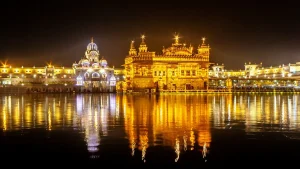
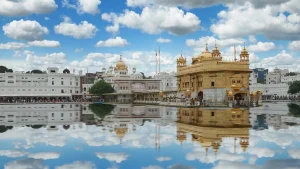
Golden Temple lit up in the evening

Amritsar Food

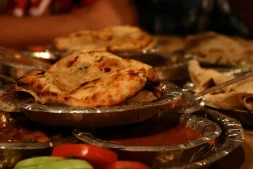
Amritsar is a food lover’s paradise. From the moment you wake up, the amount of Amritsar food you will manage to eat is a revelation. Choose between aloo puris (potato curry served with deep fried Indian bread stuffed with cottage cheese), or chole puri (the same bread served with spicy lentils) for breakfast. Kanha Sweets or Munim di Hatti at Lawrence Road are the best places to try these.

For lunch I suggest you pay a visit to the Golden Temple Langar. Or try visiting Kulcha Land where for just INR 50 -100 they serve great stuffed kulchas and lassi. If you have room left for dinner head to Bharwan ka Dhaba or Kesar ka Dhaba, for some rajma (red beans) and rice, or tandoori roti and veggies. If you have not noticed yes there is a slight bias, I am vegetarian.

North Indian food in general is a little heavy on the stomach, but eating Amritsar food is so much fun you cannot stop. Every corner you go to or every street you visit you will always find something being cooked. From aloo tikkis to fresh fruit juice, it’s all so tasty and delicious that I cannot stop raving about it.

There is lots of butter, lots of fatty foods and loads of proteins and lentils. The few days you’re there, I would suggest throwing any diet out of the window.

Excluding the taste, the best part of eating in Punjab is the people. Punjabis are a jolly bunch of people who love only one other thing more than eating – feeding someone else. So enjoy your meals hot and served with lots of love and smiles.

You can view some of our two week travel routes across North India, we can include a trip to Amritsar in your trip.

A day of travel, food and spirituality in Amritsar (India)
Amritsar food will always leave you craving for more

The Golden Temple

The serenity and the beauty of the Golden Temple is mesmerising. People often compare visiting this temple to visiting the Taj Mahal. I can guarantee that it is equally as spectacular, probably even more so. Experience continuous spiritual chanting, the stillness of the water, and the thousands of people providing service for nothing in return.

The ornate beauty of the Golden Temple itself makes your visit here truly special. I would recommend also signing up and helping to cook in the Langar. The temple itself has a long line upon entry no matter what time of the day you visit.

A Langar is found in every single Gurudwara or Sikh Temple and has an element of religious belief. It is a 24 hour open kitchen. The food is free to all guests without any discrimination. You can donate a small sum of course and you should!

The entire kitchen is run by volunteers who work in shifts. Anyone can volunteer and be a part of this team. The food is healthy and nutritious and filled with love.

You should visit the Golden Temple in the morning or at night when the religious book is taken back into safe keeping. It happens around 2200 hrs.

A day of travel, food and spirituality in Amritsar (India)
The beautiful Golden Temple at a distance

Wagah Border: India’s patriotic pilgrimage

Palpable in the air of Amritsar is the feeling of patriotism invoked when you visit Jallianwala Bagh or the Wagah Border.

As sad and haunting as the tragedy of the Jallianwala Bagh Massacre is, the Wagah Border is on the other end of the spectrum. Yet both are connected by a heavy sense of history and Indian strength. The border is the only entry point between India and Pakistan.

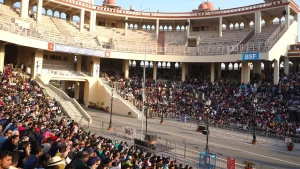
Every evening you can witness a fun and competitive beating retreat, or the ‘raising/ lowering of flags’, ceremony. The passion with which the soldiers fulfil this duty is incredible. Shouting, singing, the thumping of the feet, drums, dancing and trying to outshine the other side makes for a surreal experience.

A day of travel, food and spirituality in Amritsar (India)
Displays of patriotism at the Wagah Border

Accommodation

The stay in this city is not very expensive. Lower range budget hotels like Akaal Residency are clean and good value for money. And you even have a few unique options like Virasat Haveli.

But here we would recommend staying at a higher end property. Reason being, as you do want to go back to an empty shell after the hustle and bustle of the narrow streets. My pick would be a stay at the Hyatt in Amritsar – they have nice cosy rooms and the service is impeccable.

Overall, Amritsar is a destination you should visit if travelling to India. The Golden Temple, Amritsar food, and the patriotism and general spirituality of the area make for a warm and welcome stay. If you need help in seeing how you can fit Amritsar into your itinerary, let us know and we at India Someday can help you plan your trip.

Travel to North East India

Northeast India is one of the most remote regions in India. It’s untouched by the overbearing tourism industry, which makes it an incredible place to visit. It consists of seven states; Assam, Arunachal Pradesh, Manipur, Meghalaya, Mizoram, Nagaland and Tripura. If you planning to travel to North East India expect to find  one of the largest and irreplaceable biodiversity hotspots in the world, with more than 60% of the area under forest cover. Although the cultures are often dismissively grouped together, they’re incredibly diverse and worth discovering.

If you’d like to plan a trip in one of these states or in any other place in India, let us know and we can help you out.

Travel to North East India
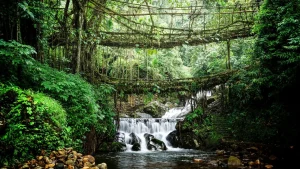
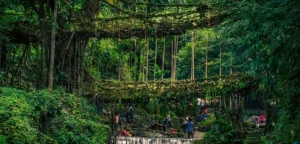
In many paths of these states, you’ll find root bridges like this one in Meghalaya, making trekking so much fun

How to get around in North East India?

A remote and hilly area, the infrastructure is not well developed. With the exception of Assam, where they have 4 lane cement highways, roads can be pretty bad. In Arunachal and Nagaland, roads are winding and poorly maintained, with a top speed of 30 km/h. This makes journeys between places long and arduous. Nevertheless, the views are spectacular and will keep you spellbound for the entirety of your trip.

Travel to North East India
Magnificent view en route to Zero Point, Sikkim (Photo Credit: Tripoto)

How’s Accommodation in North East India?

Accommodation is fairly basic in the majority of the region. Hotels often do not have geysers or showers so buckets with hot water could be provided. Also, some places won’t have Western-style toilets so prepare yourself to squat. Assam, Sikkim and Gangtok do have some extremely comfortable housing for travellers. A growing interest in visiting these endangered and beautiful areas will only bring newer options for tourists venturing there.

Checkout our Guide on India’s Most Luxurious Hotels!

Travel to North East India
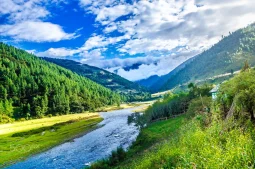
The beautiful green grass and mountain in Sangti Valley at Arunachal Pradesh (Photo Credit: SetMyTrip)

Who is it for?

The northeast has a very raw and rugged beauty, bearing a closer affinity to Southeast Asia than to the general perception of India. If you like to travel rough and truly experience the lives of other cultures then it’s the place for you. Expect the complete unexpected when voyaging through the region.

Despite the idea and perception that the northeast is incredibly primitive and backwards, they have the most widespread rock music scene in all of India. Look up college festivals, local concerts and competitions to get a chance to experience something terrific. They also host quite a few music festivals that draw crowds and bands in from across the country.

There are very few luxury hotels in the northeast India and those that exist are found in selected places like Kaziranga, Shillong, Jorhat and Dibrugarh. So, if you’re a luxury traveller, you might want to look elsewhere in terms of luxurious experiences.

Travel to North East India
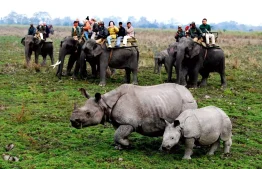
On an elephant safari at Kaziranga National Park (Photo Credit – Travel News)

Cost of travel in North East India

Because of its remoteness, the cost of trips in northeast India is nearly 20% higher than any similar trip elsewhere in India. This is due to the transportation cost which is quite high because of the roads steepness and poor condition. We’d say travelling in groups of 4 or more is the most economical way of doing it. Hotels are also more expensive. A big bonus is that the cost of living is low, and there’s very little chance you’ll meet someone trying to scam you.

Seasons in North East India

November to May is a good time to visit northeast India, but it truly depends on the kind of trip and places you’d like to visit. This is because certain months might be more favourable than others. The northeast is considered in the world as one of the places that receives the most rainfall in the world, so prepare for constant rainfall during many months of the year. The good thing about rain is that it gives it the green luscious touch that makes the region stunningly beautiful.

Learn More: Calculating the Travel Expenses in India

Travel to North East India
Double Decker Living Root Bridge constructed by weaving the roots of Banyan trees (Photo Credit – Tripzy Go)

The delicious food

While sticky rice is the staple diet of almost every tribe in the northeast of India, they compliment it with a dazzling array of meats, pickles, vegetables and beans cooked in various different ways. They love meat, pork being the favourite but also chicken, fish, snail and smaller game also vying for the top candidate. The residents are famous for cooking anything that moves, a topic you probably shouldn’t bring up directly with your host or residents there. Nevertheless, it’s definitely something to look forward to if you really want to dive into a new culture. Alcohol goes well with all the meat they eat. Rice and millet make the base for delicious local brews.

Travel to North East India
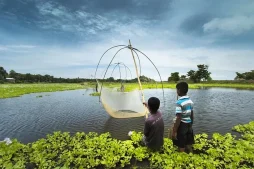
Small kids are fishing

Permits for Northeast India

Foreigners don’t require permits to enter any of the northeastern states besides Arunachal Pradesh. For this particular state you need a PAP (Protected Area Permit), which costs USD 100 for 2 people and is granted for the duration of 30 days. You have to apply for the permit through a tour operator recognised by the Government of Arunachal Pradesh.

In conclusion, we at India Someday recommend that you keep 10 days minimum for a trip to the northeast. 10 days is necessary as there’s so much to discover and the remoteness means there is very slow internal travel. Road journeys are long and tiresome, so take a couple more days to visit if you’re looking to relax. Most routes through Nagaland and Arunachal Pradesh will require 15 to 20 days. This is to properly experience the varied culture and the beauty northeast India has to offer.

Additional Resource: India Travel Essentials for UK Visitors

Cool places, right? Let us know if you’d like more information or if you’d like to plan a trip with us, and we’d be more than happy to help.

Travel to Leh and Ladakh

Are you planning to travel to Leh and Ladakh? Then the best time to visit is from June to mid-September. Yes, it’s a small window to travel to Leh and Ladakh but the tough terrain and harsh weather make it difficult to visit all year round.  

The region is straight out of a fairy tale. A place of purple mountains where there’s something new to view with every turn the road takes. The landscape is dotted with white Chortens (small stupas built by locals) blue azure lakes, deserts flanked by rugged mountains. Add to this smiling and friendly locals and you are in for an overwhelming experience.

Read on for more information if you are travelling to Leh Ladakh. You can also take a look at this travel route, curated especially for our client, if you’re looking at planning a trip to Ladakh.

Travel to Leh and Ladakh
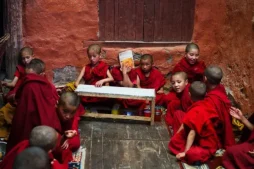
Buddhist monks gathered for a group session (Photo Credit – Joseph Gatto)

GETTING THERE

You can fly to Leh from any major Indian city. Most flights would be one-stop via New Delhi, though there are direct flights from Mumbai. Getting to Leh via train is not possible, the closest rail lines are Delhi, Chandigarh, and Jammu.

The best way to get to Leh is by road as this allows you some time to acclimatize to the high altitude. You can drive via Srinagar or Manali. The Srinagar route is slightly easier and has better roads than the one from Manali.  

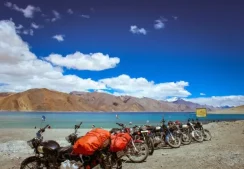
Lots of people do take a motorbike from Manali and then ride to Leh via Manali. Do remember that it’s a long journey, and you’re looking at a night or two nights halt.

If you’re taking the Manali-Leh highway your last night stop will most likely be Keylong (Lahaul Valley) and the road through Kashmir will afford you a halt at Kargil.

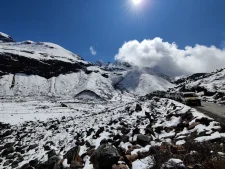
The Manali-Leh highway gets especially picturesque around Baralacha Pass with its snow-covered peaks and Sarchu (where Ladakh starts). Those on the road through Kashmir – just hold onto your breath!

Travel to Leh and Ladakh
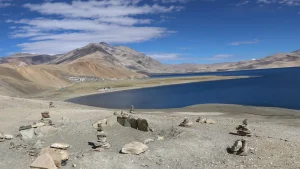
Bikes parked around Pangong Tso lake (Photo Credit – Vamshi Vangapally)

BEST PLACES TO VISIT in LADAKH

Changpa is the street where most tourists like to stay. Across from Otsal Guest – its oldest hotel, a paved path along the river will take you to a little pond. Upper Changspa and Lower Changspa have slightly more expensive guest houses to stay at and a much more tranquil environment.

You can easily spend a few days exploring in and around Leh but since this is going to be your base town, taking it in parts every time you get back from one of the longer trips works well. It gives you a chance to get some rest between trips without feeling like you’ve come to a standstill.

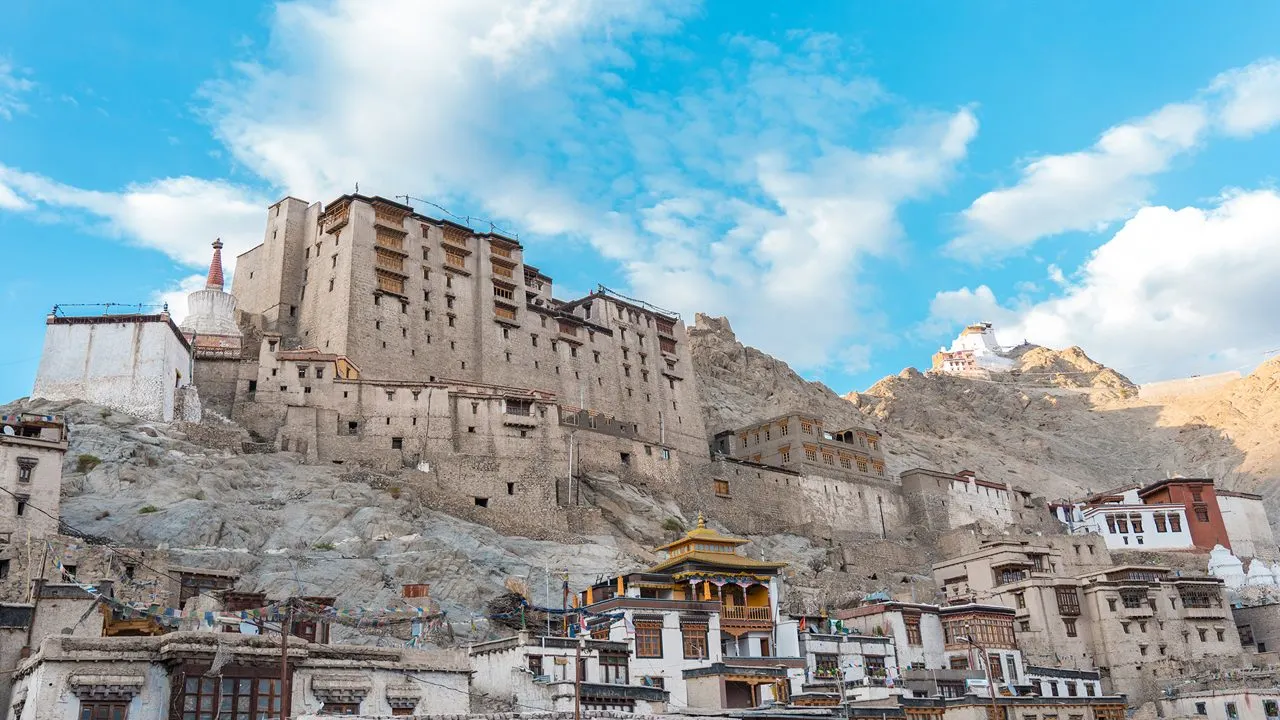
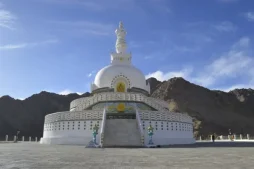
Alchi Monastery (Leh’s oldest) and Tsemu Monastery are two of the best Gompas around, Leh Palace and Shanti Stupa are short walks away. There is a Rock Museum as well. A film for tourists is screened in the main market at 18:00 hrs daily, catch it to get the low down.

Travel to Leh and Ladakh
Peace and calm at Shanti Stupa (Photo Credit – Jitin Narang)

Tsokar and Tso Moriri

If you get on the road back to Manali, there’s a detour at Upshi to Tso Moriri (Tso means lake). Tso Moriri is lesser-known lake in Ladakh as compared to Pangong Tso but extremely beautiful and much less commercial.

On your way to Tso Moriri, you’ll pass the third highest pass in Ladakh – Thanglang La and reach a lake with no habitation around it. You’ll think you’re at Tso Moriri (almost everyone does) but this one is Tsokar, a pretty preview.

Near Tso Moriri, 3-4 kms into the mountains via a road that you can only take a bike on or walk-up, there is Korzok where tribal nomads roam from one green patch to another with their Pashmina goats and Yaks. Visit once you’re settled in at Tso Moriri. They’ll give you a warm welcome and share some of their Yak cheese.

Travel to Leh and Ladakh
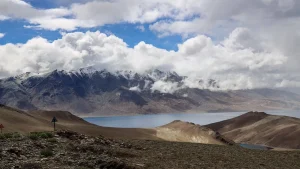
Breathtaking views of Ladakh

PANGONG TSO in Ladakh

The movies have made this lake famous (especially 3 Idiots, the recent Aamir Khan blockbuster) and very touristy. It’s definitely worth a visit.

Humongous with a part of its expanse in India and the rest in China, this lake is at a greater height than Tso Moriri. The road to Pangong will take you across Ladakh’s second-highest pass.

One of the homestays at Spangmik close by houses four entire generations the oldest of whom are an 80-odd-year-old brother-sister pair. These people have only been to Leh a couple of times in their lives. They go up into the mountains on foot during summer to gather wood and other supplies which they store in a hole in the ground for the winter when the pass closes and nothing can be reached around Pangong. They have a solar water heater installed, for days when the sun shines.

Learn More: Unravel the Optimal Time to Visit India

Travel to Leh and Ladakh
Tso Pangong

Nubra Valley

To the north of Leh, it is along a road that leads to Pakistan. You cross Khardung La – the world’s highest motorable pass to get here (Marsimik La is 100 ft. higher but not motorable).

Leh and Ladakh
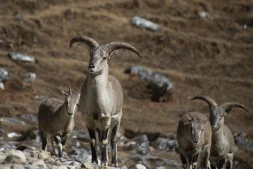
The Blue Sheep of Ladakh (Picture Credit: LIFE on the PLANET LADAKH)

Turtuk – the closest you can get to Pakistan

Turtuk is open only to Indian tourists. One that has seen the blood of war before, it is a village where the Balti people live. This community is the quintessence of Kashmiri beauty with their sculpted features, blushing fair skin, and mesmerizing eyes.

They speak a dialect of Urdu – you hear greetings of ‘salaam walekum’ as opposed to the usual Ladakhi ‘Jhuley!’.The streets are lush and abound with apricot trees – you can pluck and gobble them up all day, bathe in the river and chat with the lovely locals. Turtuk’s culture betrays no traces of the bloodshed it has borne.

The farms (with homestays) are nestled between mountains on a plateau which gets covered in ice each winter. Slightly uphill is a section of the village called the ‘Natural Fridge’.

The locals have built stone cubicles here in which they store supplies. Come winter, the cubicles freeze in ice and preserve the supplies naturally! There is a waterfall about 4 kms up the river and the Gompa is a short walk. You’ll also find mosques around Turtuk.

Two major pitstops on the way to Turtuk are Diskit – a fairly large settlement with a very old monastery nearby and Hunder which is known for its sand dunes. One special pitstop is Veerta Dosa Stall near Hunder – authentic South Indian grub in the far north, courtesy, the Indian army!

A detour from Diskit takes you to Panamik where there is a hot water spring. The people of Nubra are the nicest people you will ever meet.

Leh and Ladakh
The Baltistan Village of Turtuk, Leh Ladakh (Picture Credit: Ladakh)

The Magnetic Hills – a highway to heaven

If you leave your car on neutral here, it appears as though it’s being pulled upwards. There are multiple theories around this anti-gravity phenomenon. Some are backed by science others are based on age old myths and superstitions. The locals here believe that it is the road that leads to heaven. A path that directly pulled tose who deserved to make their way to heven.

According to another theory, it is believed that there is a strong magnetic pull in this region which pulls vehicles, in it’s range, upwards. Several travellers have experienced this phenomenon and are witness to it. However, the most widely accepted theory is that it is an optical illusion, much like the Ames illusion room experiment where a mans height appears different in different parts of the room. A similar anti-gravity illusion appears along the horizon at Magnetic Hills.

Location: About 30 kms from Leh, Magnetic Hills is on the Leh-Kargil-Baltic National Highway with the Sindhu River flowing by and a spectacular view of the surrounding landscape.

Leh and Ladakh
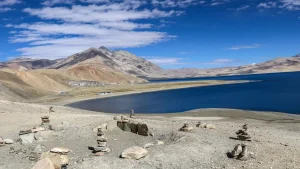
The serene lake in Ladakh

OTHER OFFBEAT Things To Do IN LADAKH

The week-long rafting trek in Zanskar River (in Zanskar Valley) is an unforgettable experience for those who have the grit and are fit. The Raid De Himalaya is an epic rally for motorists that goes through Leh-Ladakh every year.

The Asian Astronomical Observatory near Hanle is a must-visit as is Lamayuru between Leh and Kargil which is hailed by many as the oldest monastery in the region as opposed to Alchi. It is also where you start on the road to Prikiti La, the pass which forms the gateway into Zanskar Valley.

Read Further: Discover India’s Things to do

The scenic Zanskar River (Photo Credit: Kashmir Tour Packages)

You can always count on us to help you plan your Ladakh Holiday!

Let India Someday handle it and plan your best trip.

PLAN MY TRIP subtext