TALK WITH US +91-9970620335
WhatsApp

A Complete Guide to Using ATMs in India for Foreigners

This blog is a complete guide to using ATMs in India for foreigners. India is largely a cash-based economy, so while visiting India, you need Indian Rupees in cash for daily expenses. You might need to withdraw cash from an ATM, and it can be confusing for many. This blog might help you with using ATMs in India. Read on to understand the ATM system in India better.

Where can I find ATMs in India?

You will find ATMs easily in most metropolitan areas and towns. ATMs are readily available at airports, malls, near banks, and in many busy streets. However, if you are traveling to remote areas or villages, you may not come across ATMs as easily, so make sure you carry extra cash beforehand.

a guide to using atms in india for foreigners
ATMs are easily available in most towns and cities in India (Picture credits: ThoughtCo)

Will my foreign debit card work in India?

International debit cards usually work in India, but make sure to check with your bank before traveling to India. Most ATMs will accept Visa, Mastercard, Maestro, American Express, and Cirrus. Your cards may not work in many co-operative banks, but these ATMs are not very common anyway, so it is not a cause for concern.

Here are some of the top banks whose ATMs allow international transactions:

  • HDFC Bank
  • Citibank India
  • ICICI Bank
  • HSBC Bank
  • SBI
  • Axis Bank
  • Bank of India
a guide to using ATMs in india for foreigners
Most international cards work in large parts of India

How much money can I withdraw?

You can usually withdraw up to INR 10,000 to INR 20,000 per transaction on a foreign card depending on the bank. If  you need more money, you can make multiple withdrawals, but you might face a fee for the same after a certain amount of transactions. Also, it depends on the bank how many withdrawals per day are allowed, although it is generally up to three times.

Is there a fee on my card?

Not all Indian banks charge a fee on your ATM transaction, but many of them do, especially on international cards. Even your home bank will charge a fee for ATM transactions and foreign transactions.

Usually, banks charge INR 150 to 300 per transaction, while some private banks may charge higher. You may also be charged 1 to 3% of the total withdrawn amount as a foreign transaction fee, as well as a currency conversion fee.

Read also: Exchanging money in India

using ATMs in india for foreigners

How to avoid ATM fees?

If your bank is a part of the Global ATM Alliance, for instance Deutsche Bank, you can use Deutsche Bank ATMs if you are a customer of the bank and you will not need to pay any fee upon withdrawal.

Similarly, Citibank and HSBC Bank have many ATMs across India. A Citbank customer in another country can use an Indian Citibank ATM for free. You can also make transactions free of charge as an HSBC customer, but only if you are a Premier or Advance customer.

You can reduce ATM fees by withdrawing large amounts of money infrequently. However, be very careful and stay aware while carrying a big amount of cash with you.

Benefits of International Debit Cards

  • If you have an international debit card, you will not need a separate card for overseas transactions. Your local debit card is enough once you activate international usage on the card.
  • You won’t need to convert your currency – your debit card will be able to make all the payments, which is a convenient and safe way of handling money.
  • Your international debit card can also be used as an international ATM card that will let you access your cash wherever there is an ATM.

a guide to using atms in india for foreigners

Steps to withdraw money from ATM

  • Insert your card in the ATM slot.
  • Choose your language. English and Hindi are the most widely available languages at all ATMs.
  • Enter your PIN.
  • Select Withdrawal option from Current or Savings account.
  • Enter your amount. Use multiples of 100, since some ATMs reject odd number values.
  • Always get a receipt.
  • Once your cash is ready, collect the cash, card, and the receipt.
  • Let the ATM machine go back to the home screen before leaving the ATM kiosk.

What if the ATM doesn’t accept my card?

  • If the ATM does not accept your card, don’t panic. Keep calm and try a different ATM. it is possible that the ATM kiosk has an issue, or maybe the specific bank is not accepting your card. So try to find a different ATM from a different bank.
  • If trying multiple ATMs doesn’t work, contact your local bank. There might be a problem with your card or your bank, so your bank might be able to help you with a solution or alternatives.
  • If you have brought your home currency with you, get it exchanged at a currency exchange office so that you have money on hand.
  • If you are out of currency and you have no cards working, you can use transfer services like MoneyGram or Western Union, which can wire you money from home. You can collect it at a local bank for some additional fees. However, this process can take time, so confirm before starting the process.

a guide to using atms in india for foreigners

Tips for using ATM in India

  • Make sure to inform your bank about your trip to India beforehand so that your transactions are not marked suspicious or blocked.
  • The most reliable are the airport ATMs, where you can withdraw cash immediately upon arrival. Also try to choose ATMs which are connected to the actual bank rather than stand-alone street ATMs whenever possible.
  • After withdrawing cash from an ATM, check the receipt for any additional fees like foreign transaction, currency conversion, and ATM fees.
  • Avoid using ATMs in isolated areas and stay aware of your surroundings while withdrawing money.
  • Carry alternate methods of payment, such as other cards or your home currency which you can exchange in case of emergency.


Did you find this article helpful? Let us know! At India Someday, we create personalized itineraries to India for you based on your requirements. Contact us and together we can plan the perfect trip to India for you!

Best time to visit Tanjore

If you are wondering about the best time to visit Tanjore, this blog will help you. A historic city in Tamil Nadu, Tanjore, or Thanjavur, is situated on the banks of River Cauvery. It is a renowned heritage region in India, known for the Brihadeeswarar Temple built in 1010 AD, a UNESCO World Heritage Site. The city is also known for Tanjore Paintings and Dravidian style of architecture, making it a must-visit destination in Tamil Nadu. Read on to find out the best time to visit Thanjavur.

Winter season in Tanjore (November to February)

The winter season in Tanjore features blue skies, cool breezes, and temperatures ranging between 20 and 30 degrees Celsius, making it the perfect time to visit the region. The climate is pleasantly warm during the day and there is almost no humidity in the air, so you can comfortably explore the beautiful city of Thanjavur.

Visit the Thanjavur Palace and Brihadeeswarar Temple. This is a good time for shopping for rare finds in the markets of Tanjore. You can also visit nearby places like Gangaikonda Cholapuram and Darasuram and make a day trip out of it. The Thanjavur Dance Festival, Pongal, Salangai Naadam, and Sathaya Thiruvizha also take place during the winter season, making it a very festive and fun time to be in Tanjore.

Winter is relatively mild in Tanjore, so carry light woollens or a jacket, moisturizer, and lip balm. Keep in mind that this is the peak tourist season in Thanjavur, so you will encounter large crowds at the popular tourist attractions. Book your flights and accommodations in advance, especially in the months of January and February, which are the most popular among visitors.

best time to visit tanjore
Brihadeeswarar Temple

Summer season in Tanjore (March to May)

Summer in Tanjore is hot and dry, with average temperatures ranging from 25 to 40 degrees Celsius. April and May are the hottest months, and it is nearly impossible to go outdoors during the day.

If you visit Thanjavur in summer, go sightseeing in the mornings and evenings, which are comparatively cooler. Visit the Big Temple and Shiva Ganga Garden. To escape the heat, you can explore Thanjavur Palace and Art Gallery and Saraswathi Mahal Library during the day. Shop for the renowned Tanjore paintings, brone idols, and classical musical instruments in the local markets of Thanjavur.

The festivals of Muthu Pallakku and Chithirai take place in the summer season.

Carry loose, breathable cotton clothes, a hat or a cap, and sunglasses. Apply plenty of sunscreen to protect yourself from the sun. Try to go sightseeing during the early mornings and evenings, and keep indoor attractions for peak afternoons.

best time to visit tanjore
Thanjavur Palace

Monsoon season in Tanjore (June to November)

Tanjore receives two monsoon seasons like most of Tamil Nadu. The southwest monsoon monsoon from June to September does not bring much rain, but November is the wettest month in Thanjavur. Northeast monsoon comes with heavy rains, occasional thunderstorms, and even flooding. The temperature ranges from 25 to 35 degrees Celsius, and this is not the best time to visit Tanjore.

Thanjavur becomes vibrant and beautiful during the monsoon season. The temples look majestic under the grey skies, the rivers and canals overflow, while the surrounding paddy fields become lush green. This is a good time to enjoy the natural beauty of the region. The festivals of Sathaya Thiruvizha and Navratri take place in the monsoon season.

Carry a raincoat or umbrella, rainproof footwear, and extra clothes. Be prepared for delays and cancellations in plans and stay updated with the weather forecast.

Read also: Things to do in Tanjore

best time to visit thanjavur
Saraswathi Mahal Library

Events and festivals in Tanjore

Brahan Natyanjali: The Natyanjali Festival is held every year around Mahashivratri in February or March. Taking place at the Brihadeeswara Temple, the festival features classical Bharatnatyam and Carnatic dances performed in honor of Lord Shiva.

Thanjavur Chariot Festival: The Thanjavur Car Festival takes place in April or May. A magnificent chariot is pulled around the Brihadeeswara Temple in a grand procession.

Pongal: Pongal is celebrated in Thanjavur in January with various rituals and traditions dedicated to the Sun God and farm animals.

Thanjavur Book Festival: Usually held in July at the Palace Grounds, the Thanjavur Book Festival includes book stalls, exhibitions, arts programs, and various competitions.

best time to visit tanjore
Brahan Natyanjali Festival (Picture credits: Thanjavur Tourism)

So when will you be visiting Tanjore? Let us know! At India Someday, we curate personalized trips to India for you based on your requirements. Contact us and together we can plan the perfect trip to India for you!

Best time to visit Srinagar

The best time to visit Srinagar is throughout the year. The bejeweled capital of the mesmerizing state of Kashmir, Srinagar is truly a place worth visiting. With pleasant climate throughout the year, there is no specific time to visit Srinagar – it depends on the kind of experiences you want. Read on to find out the best time to visit Srinagar for you!

Winter season in Srinagar (December to February)

From December to February, Srinagar turns into a winter wonderland. With temperatures ranging from -4 to 15 degrees Celsius, the winter season brings plenty of snow and cold winds to Srinagar. If you wish to experience snowfall, this is the best time to visit Srinagar.

Stay on a houseboat in Dal Lake or Nigeen Lake, which are both frozen during this time. The Old City of Srinagar looks exceptionally beautiful coated in white. Travel to places like Gulmarg and Sonmarg if you want to experience winter activities such as snowboarding, skiing, sledding, and more. Keep yourself warm with kahwa tea, rogan josh, and local winter vegetables. The festival of Shivratri also takes place in this season.

However, this is also one of the peak tourist seasons in Srinagar. If you want to escape the crowds, visit Dachigam Wildlife Sanctuary, Pari Mahal, Pulwama, and Badgam. Shop for souvenirs like pashmina shawls to keep you cozy, Kashmiri carpets, and walnut wood carvings. 21 December to 31 January are the harshest 40 days of winter, and this period is locally called Chillai Kalan. Temperatures stay between -2 and 7 degrees Celsius, and it is one of the most authentic Kashmiri experiences you can witness along with locals.

Although many tourists visit Srinagar during the winter season, heavy snowfall can disrupt travel plans. Road blockages, power outages, and flight cancellations are a possibility in this season, so make sure you plan carefully and check the weather forecast beforehand. Carry warm woollens and thermals, since it can get very, very cold in winters.

best time to visit srinagar
Enjoy snow activities in Gulmarg in winter

Spring season in Srinagar (March to May)

March to May is the best time to visit Srinagar. Spring and early summer in the region, the temperatures range from 12 to 26 degrees Celsius, and the weather is cool and extremely comfortable. This is the best time for sightseeing and exploring the city.

Visit the Shalimar Garden, Nishat Bagh, Pari Mahal, and other Mughal Gardens, which are in full bloom during the season. The beautiful Tulip Festival takes place in this season at the Indira Gandhi Memorial Tulip Garden. Take a nice boat ride in Dal Lake, and go shopping in the floating markets of the lake. The mild temperatures are great for a houseboat stay.

For adventure enthusiasts, trekking and paragliding are the perfect activities for the season. You can also explore attractions like Jamia Masjid, Hazratbal Shrine, and Shah Hamdan Mosque in Old Srinagar. The festival of Baisakhi is celebrated in April in Srinagar.

Carry light woollens, sweaters and light jackets along with an umbrella or windcheater for unpredicted rain showers. Afternoons are usually sunny, so carry long sleeved cotton clothes, sunglasses, cap or hat, and sunscreen. Stay hydrated throughout the day.

Read more: Things to do in Srinagar

best time to visit srinagar
Shalimar Garden

Summer season in Srinagar (June to August)

Since Srinagar is in the rainshadow region of the Pir Panjal ranges, it does not have a typical monsoon season like the rest of the country. June to August in Srinagar is largely summer season, with occasional showers, and temperatures stay below 30 degrees Celsius.

This is a good time for exploring the city, strolling through Old Srinagar, and shopping at Lal Chowk for local items. This is the time when trekking in Kashmir begins in full force. Try the Kashmir Great Lakes Trek, one of the most breathtaking treks in India, or go for shorter hikes and treks near Sonmarg and Pahalgam. Try white water rafting on Lidder River, or enjoy paragliding in the city.

This is the time to savor fresh local fruits like apples, cherries, plums, and apricots directly from the orchards, wazwan feasts, and authentic sweets. The Shikara Festival and Eid often take place during this season in Srinagar.

Carry light cottons, light jackets or shawl, sun protection, as well as rain protection. If you plan on trekking, carry sturdy shoes as well. Apply plenty of sunscreen, moisturizer, and lip balm, and carry a reusable water bottle with you to stay hydrated throughout the day.

best time to visit srinagar
Kashmir Great Lakes Trek (Picture credits: Trek the Himalayas)

Autumn season in Srinagar (September to November)

Autumn begins in September, and you can witness the magical transformation from summer to winter as the green foliage turns a beautiful golden. The temperatures range from 12 to 15 degrees Celsius, and the climate starts turning chilly. The Chinar trees display their red and orange leaves before shedding, and the region looks like something out of a postcard.

Visit the gardens, enjoy a picnic, ride in a shikara, or shop for souvenirs in Srinagar in autumn. A houseboat stay on Dal or Nigeen Lake is the perfect experience in autumn, since fewer tourists mean discounted prices. Visit Sonmarg before it is closed for the winter season, go on short treks and hikes, and if you are a photography enthusiast, you will get some of the most picturesque landscapes in autumn. Shop for saffron, walnuts, papier-mache, and pashmina.

Carry warm woollens, since the nights can get extremely chilly and the days too have a slight nip in the air. Apply moisturizer and lip balm, and stay hydrated.

best time to visit srinagar
Stay in a houseboat in Dal Lake or Nigeen Lake

Festivals and events in Srinagar

Shivratri: Shivratri is one of the main festivals among Kashmiri Pandits. Taking place in February or March, Shivratri is celebrated with traditional rituals, lighting of lamps, and food preparations like dum aloo and nadru yakhni.

Nuroz: Nuroz, or Navroz, is celebrated among the Kashmiri Shia community. It is the Persian New Year and takes place in March. The festival is observed with prayers, traditional Kashmiri delicacies and sweets, and family get-togethers.

Baisakhi: Baisakhi marks the harvest season. Celebrated by Hindus and Sikhs in April, people gather at temples or gurudwaras and at various fairs arranged across the region.

Tulip Festival: Taking place in March or April at Indira Gandhi Memorial Tulip Garden, the Tulip Festival attracts visitors from all over the world. With over thousands of tulips blooming in the fields, the event also includes Kashmiri cuisine, musical performances, and various stalls selling local handicrafts.

Shikara Festival: The Shikara Festival takes place at Dal Lake in May or June. A beautiful event celebrating the houseboats or shikaras of Srinagar, it features various cultural programs, boat races, and exhibitions showcasing local handicrafts and cuisine.

Apple Festival: Taking place in September or October, the Apple Festival is a celebration of Kashmir’s apple harvest. The local farmers and traders gather to showcase their apple produce along with other items like jams, juices, and dry fruits.

best time to visit srinagar
Tulip Festival

So, when will you be visiting Srinagar? Let us know! At India Someday, we curate personalized trips to India based on your requirements and necessities. Contact us and together we can plan the perfect trip to India for you!

Best time to visit Lucknow

The best time to visit Lucknow depends on the type of vacation you are looking for. Known as the City of Nawabs, Lucknow has a rich heritage and a long history. Known for its royal culture, stunning architecture, intricate handicrafts, and delicious cuisine, Lucknow is definitely a city worth visiting in India. Read on to find out the best time to visit Lucknow.

Winter season in Lucknow (October to March)

The winter season is the best time to visit Lucknow. From October to March, pleasantly warm days and cold nights take over the city, with temperatures ranging from 7 to 25 degrees Celsius. This is the perfect time to explore the rich heritage of the city through its historic monuments, beautiful museums and palaces, and other outdoor attractions.

Visit the Bara Imambara, Chota Imambara, Rumi Darwaza, and Lucknow Residency, showcasing the history of Lucknow. To escape the crowds, visit Janeshwar Mishra Park or Ambedkar Memorial. For shopaholics, the Hazratganj Market and Chowk and Aminabad are must visit. Buy textiles like Chikan-embroidered clothes, jewelry, perfumes, and handicrafts from these local markets.

For food lovers, Lucknow is one of the best places to be in. known  for its delicious Mughlai and Awadhi cuisine, you must definitely try the local dishes such as kebabs, biryani, nihari, and chaat. The Lucknow Mahotsav is also held in this season.

This is the peak tourist season in Lucknow, so make sure to book everything in advance. You will also find the major tourist attractions crowded during the season. Carry some sweaters or scarves, light jackets, and breathable cottons.

best time to visit lucknow
Bara Imambara

Summer season in Lucknow (April to June)

Summer is an off season for tourism in Lucknow. From April to June, the city experiences an extremely scorching and dry climate with hot winds and temperatures reaching up to 45 degrees Celsius. This weather can make sightseeing difficult, which is why tourists do not prefer to visit Lucknow during the summer season.

However, if you do visit Lucknow during summer, early mornings and evenings are comparatively cooler, which is when you can step out to do some sightseeing or shopping. Summer is the mango season here, so you can indulge in some delicious mango dishes in the city. Eid is also celebrated with great pomp in Lucknow.

You will get fewer crowds and discounts in accommodations in the summer season due to the extreme heat. Wear loose, breathable cotton clothes, sunglasses, and a hat or a cap. Apply plenty of sunscreen and carry a bottle of water to stay hydrated throughout the day.

See more: Things to do in Lucknow

best time to visit lucknow
Janeshwar Mishra Park

Monsoon season in Lucknow (July to September)

July to September is the monsoon season in Lucknow. Offering a nice respite from the heat of the summer, the city becomes cool and pleasant, with moderate to heavy rains and temperatures ranging from 25 to 35 degrees Celsius. The humidity is pretty high, though it does not deter tourists visiting Lucknow during these months.

Lucknow is beautiful in the monsoon season. The lush green landscape and cool atmosphere makes Lucknow perfect for nature lovers and photographers. Visit Begum Hazrat Mahal Park or Kukrail Forest for some breathtaking views, or enjoy the rains with a cup of tea and pakoras. However, it may not be possible to enjoy outdoor activities and sightseeing as much due to the rains. Be prepared for delays and cancellations in plans. Carry a raincoat or umbrella, rain-appropriate footwear, extra clothes, and a mosquito repellent or bug spray. Stay updated on the weather forecasts.

best time to visit lucknow
Kukrail Forest (Picture credits: Reddit)

Events and festivals in Lucknow

Lucknow Mahotsav: Taking place in November or December, Lucknow Mahotsav or Lucknow Festival celebrates the rich cultural heritage of Lucknow through art, culture, music, dances, and food. The festival includes many musical performances, exhibitions, and stalls selling various handicrafts and local food.

Diwali: The festival of lights, Diwali, takes place in October or November. It is celebrated with oil lamps lighting up homes and streets, fireworks, and sweets.

Eid: Eid-ul-Fitr and Eid-ul-Zuha are celebrated in Lucknow with prayers, vibrant markets, and traditional delicacies like biryani, kebabs, and sweets.

Muharram: Muharram is observed among the Shia Muslims in Lucknow with spiritual processions.

Dussehra: The festival of Dussehra is celebrated with Ram Leela plays across the city in September or October.

best time to visit lucknow
Lucknow Mahotsav (Picture credits: UPSTDC)

So, when will you be visiting Lucknow? Let us know! At India Someday, we curate personalized itineraries to India for you  based on your likes and requirements. Contact us and together we can plan the perfect trip to India for you!

Best time to visit Thekkady

The best time to visit Thekkady depends on the type of vacation you are planning. An enchanting town in Kerala, Thekkady is blessed with stunning natural beauty, beautiful landscapes, coffee and spice plantations, and abundant flora and fauna. Offering something unique in every season, Thekkady is a favorite among tourists throughout the year. Read on to find out the best time to visit Thekkady.

Winter season in Thekkady (October to February)

October to February is the winter season in Thekkady. With cool and pleasant weather and temperatures ranging between 15 to 25 degrees Celsius, this is one of the best times to visit Thekkady. The comfortable climate is perfect for exploring, sightseeing, and enjoying outdoor activities.

Plantation tours, boating, and elephant rides are popular activities among tourists. Enjoy a boat ride in the Periyar Lake or some guided tours and tastings in the plantations of Thekkady. Try some adventurous activities like treks, hikes, nature walks, and bamboo rafting. For birdwatching enthusiasts, this is a great time to spot migratory birds that flock to Thekkady for the cooler months. 

This is the peak tourist season in Thekkady, so you might encounter large crowds at popular tourist spots. Make sure to book your flights and accommodations in advance, especially if you are traveling in December or January, which are peak tourist months. Carry light woollens, lip balm, and moisturizer.

best time to visit thekkady
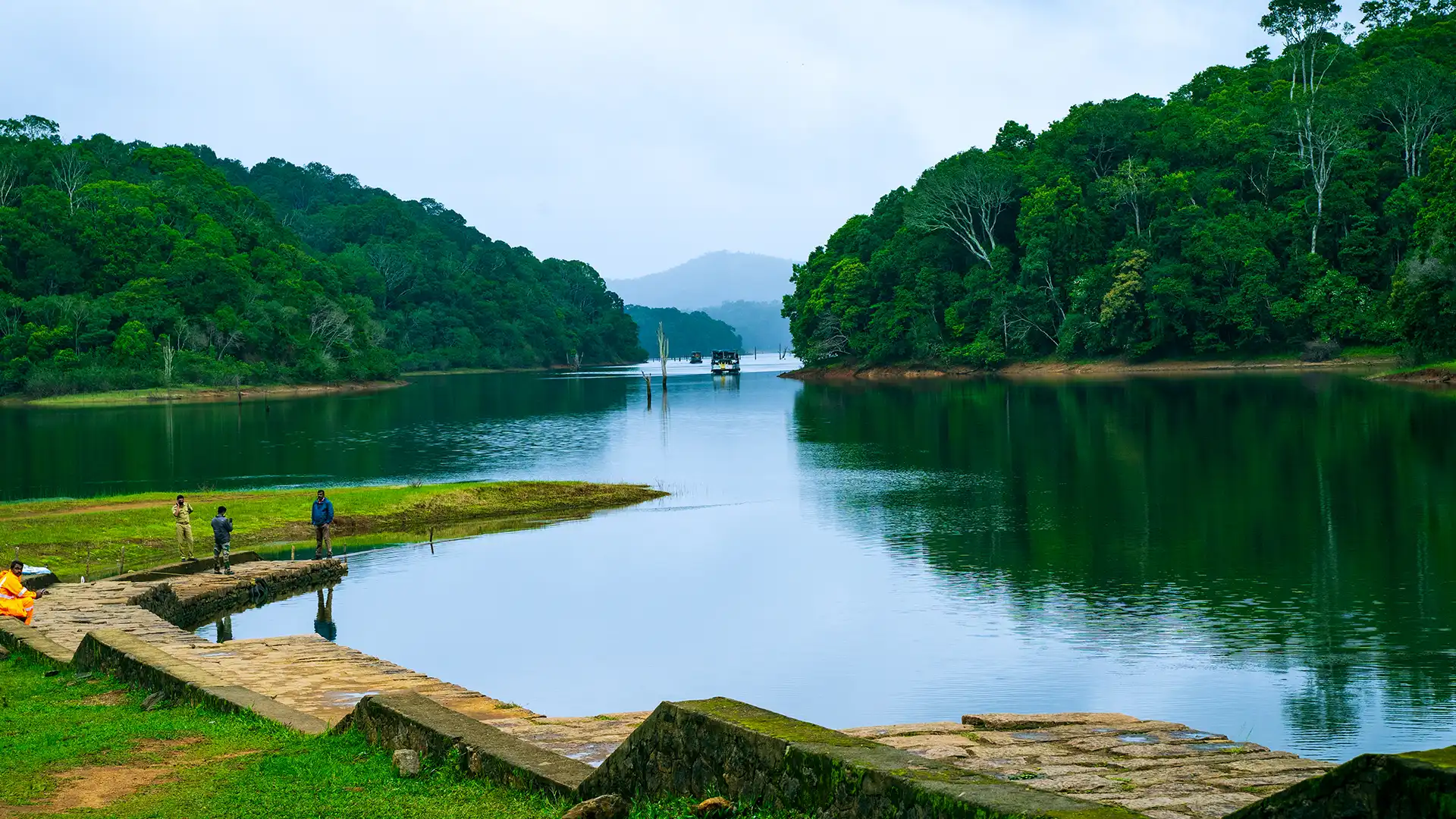
Periyar Lake

Summer season in Thekkady (March to May)

Summers in Thekkady are hot and humid for the most part. The temperatures range from 26 to 36 degrees Celsius, and the days are especially intense, while the evenings are cooler and more pleasant. The pre-monsoon showers often start by May, making the climate pretty comfortable.

This is the best time to visit Thekkady if you are a wildlife enthusiast. Visit the Periyar Tiger Reserve, known for tigers as well as wild elephants, sambar deer, wild boar, and many species of birds. Due to the heat, animals tend to gather around the water bodies more often, increasing your chances of spotting wildlife. You can also go on tours of the spice and coffee plantations of Thekkady.

The Chitra Pournami Festival takes place during the summer season, and this is the only time when the Mangala Devi Temple opens its doors for devotees.

If you are visiting Thekkady in summer, make sure to carry loose, breathable clothes, as well as some light layers for the nights. Also pack sunglasses, and a hat or a cap. Apply plenty of sunscreen and stay hydrated throughout the day. Try to avoid staying outdoors during the afternoons.

See also: Things to do in Thekkady

best time to visit thekkady
Periyar Tiger Reserve

Monsoon season in Thekkady (June to September)

Bringing relief from the hot summers, monsoon in Thekkady spans June to September. The region witnesses heavy rainfall especially in July and August, and it is not the best time to visit Thekkady. The temperatures stay between 19 and 26 degrees Celsius, and the climate is cool but humid.

Due to the intense rains, Thekkady is often prone to waterlogging and landslides. Not a lot of tourists visit during this time, so it is not the peak season for tourism. However, Thekkady is a sight to behold in the monsoons. The rain-drenched green forests, lush hills, and misty views all around are a treat for nature lovers. This is a nice time for couples looking forward to a romantic escape. Budget travelers can also get some good deals on accommodations.

You can go on nature trails in the forests of Periyar, or indulge in a staycation. This is the best time to enjoy Ayurvedic massages and spa treatments as well.

If you visit Thekkady in monsoon, make sure to carry a raincoat or umbrella, rain-proof footwear, and extra clothes. Also keep a mosquito repellent or bug spray handy, and avoid difficult treks. Check the weather forecast regularly before planning your days, and be prepared for delays and cancellations in plans.

best time to visit thekkady
Enjoy a cozy staycation during monsoons in Thekkady

Events and festivals in Thekkady

Chitra Pournami Festival: The Chitra Pournami Festival is dedicated to Goddess Mangaladevi and takes place in April or May. The Mangaladevi Temple, situated deep inside Periyar Tiger Reserve, is opened once a year for this festival. The festival celebrates the Goddess and the power of women with many rituals and poojas.

Thekkady Flower Show: Thekkady Flower Show, or Pushpamela, is held every year in April, showcasing a large variety of vibrant flowers in a beautiful way.

Tour of Thekkady: Tour of Thekkady is India’s Gran Fondo cycling event that takes place in March. The event offers both cycle races and tours through the mesmerizing routes of Kerala.

Onam: The biggest festival of Kerala, Onam is celebrated in Thekkady with great enthusiasm. Taking place in August or September, this harvest festival includes different rites, Pookalam competitions, and the great feasting ritual, Sadya.

best time to visit thekkady
Thekkady Flower Show (Picture credits: DTPC Idukki)

So, when will you be visiting Thekkady? Let us know! At India Someday, we create tailor-made itineraries for your trip to India based on your requirements. Contact us and together we can plan the perfect trip to India for you!

Best time to visit Wayanad

The best time to visit Wayanad depends on the experiences you wish to have. A small region in the Western Ghats in Kerala, Wayanad is known for its lush hills, dense forests, and pristine lakes. No matter when you visit, this enchanting place has something to offer. Find out the best time to visit Wayanad.

Winter season in Wayanad (October to February)

The winter season from October to February is probably the best time to visit Wayanad. With temperatures ranging from 10 to 25 degrees Celsius, the climate is chilly but quite pleasant to truly experience Wayanad.

Go sightseeing or participate in adventure activities like trekking, hiking, boating, and camping. Wildlife enthusiasts can go for a safari in Wayanad Wildlife Sanctuary. The festivals of Vishu, Onam, and Wayanad Tourist Festival take place in winter, offering a chance to immerse yourself in the vibrant culture of Kerala.

Keep in mind that winter is the peak season for tourism in Wayanad. Flights and accommodations are at increased rates and get sold out quickly, so make sure you book in advance.

best time to visit wayanad
Wayanad Wildlife Sanctuary

Summer season in Wayanad (March to May)

Summer in Wayanad is hot but still pleasant, thanks to the cool breezes of the forest cover flowing through the town. Spanning March to May, summer temperatures range from 20 to 35 degrees Celsius. You may also experience some pre-monsoon showers in the month of May, turning the landscape into an enchanting beauty.

The summer season in Wayanad is ideal for exploring the quaint town. Visit Edakkal Caves, Pookode Lake, and Wayanad Wildlife Sanctuary. Summer is a good time for a wildlife safari, since there is a higher chance of spotting animals as they gather at the watering holes. Trek to the Chembra Peak to see the heart-shaped lake at the top, or unwind with a boat ride in Kabini River or Pookode Lake.

Pack light clothes, a hat or cap, and sunglasses. Apply plenty of sunscreen and stay hydrated.

Read also: Things to do in Wayanad

best time to visit wayanad
Edakkal Caves (Picture credits: The Hindu)

Monsoon season in Wayanad (June to September)

Wayanad turns into a lush paradise in the monsoon season from June to September. The temperatures range from 18 to 30 degrees Celsius, and the climate is comfortably cool and pleasant. Grey skies, overflowing waterfalls, misty hills, and greenery all around make the landscape picturesque.

However, this is not the peak tourist season in Wayanad. Sightseeing and exploring the beautiful town comes with limitations. The heavy rains can often cause flooding and landslides, and there may be delays and cancellations in plans.

However, if you don’t mind the rain, this is the perfect time to visit Wayanad, especially for nature lovers. Immerse yourself in the beauty of this charming town with a nice, romantic getaway. If you want some adventure, you can go for a monsoon trek, or unwind with an Ayurvedic spa or massage. Trek to Sentinel Rock Falls, Meenmutty Falls, or Kanthanpara Falls.

There are fewer tourists in this season, which also means good discounts on accommodations. Make sure to carry a raincoat or umbrella, appropriate footwear, as well as bug repellent. Carry extra pairs of clothes, since your clothes will not dry quickly. Keep an update about the weather forecast before venturing outdoors.

best time to visit wayanad
Meenmutty Falls

Events and festivals in Wayanad

Poopoli Wayanad Flower Show: The Poopoli National Agrifest and Wayanad Flower Show is the largest flower and agricultural festival in Kerala. It is held from 1st to 15th January in Wayanad and features more than 800 varieties of flowers, themed gardens, floral sculptures and installations, and more.

Wayanad Tourism Festival: Wayanad Tourism Festival is a cultural event organized by the government to promote tourism. Taking place in December, the festival includes music and dance performances, fairs, arts and crafts, and food stalls.

Vishu: Vishu is the Malayalam New Year. It takes place in April and is celebrated with prayers, worshipping auspicious items, and traditional feasts.

Onam: Onam is the biggest festival in Kerala. Dedicated to the return of King Mahabali, Onam is celebrated with boat races, cultural events, and the Onam sadya, a traditional feast.

Karthigai: Karthigai is the festival of lights, similar to Diwali, but observed in Kerala. It takes place in November or December and is celebrated by lighting oil lamps in homes and temples.

best time to visit wayanad
Karthigai (Picture credits: Club Mahindra)

So, when will you be visiting Wayanad? Let us know! At India Someday, we create personalized itineraries to India for you based on your requirements and preferences. Contact us and together we can plan the perfect trip to India for you!

12 Best Things to do in Alleppey

There are many things to do in Alleppey, also known as the Venice of the East. A small coastal town in Kerala, Alleppey, or Alappuzha, is known for its tranquil backwaters, beautiful beaches, lush landscapes, and a rich cultural heritage. Whether you are looking for adventure, relaxation, history, or natural beauty, Alleppey has got you covered. Read on to find the best things to do in Alleppey.

Explore the backwaters

A trip to Alleppey is incomplete without exploring its beautiful backwaters, some of which are Vembanad Lake, Kuttanad, and Punnamada Lake. You can take a nice shikara boat ride in these backwaters. While the bigger houseboats follow the main, larger waterways, the humble shikara can navigate through the narrow alleys and canals. This is a great way to witness the local life of the region.

If you want some adventure, go kayaking in the backwaters during sunrise or sunset. Home to a unique ecosystem, you will be able to see enchanting views of fishermen with their nets, water lilies, and many beautiful birds. A canoe is another way to row down the backwaters.

You can also choose a local ferry, the most inexpensive option to experience the Alleppey backwaters. They tend to follow just the main waterways, but you will get a local experience this way.

things to do in alleppey
Explore the Alleppey backwaters

Stay in a houseboat

There is no better way to get the full backwaters experience than to stay in a traditional houseboat, known as kettuvallam. These traditional houseboats are made from bamboo, wood, and coconut fibre. Originally used for transportation of goods, they are now a popular accommodation option among tourists.

There are different types of houseboats from basic to luxury, or for day cruises or overnight stays. These houseboats usually include comfortable bedrooms and meals, while some luxury houseboats come with jacuzzis, open decks, Wi-Fi, and personal chefs!

things to do in alleppey
Stay in a kettuvallam

Visit the Alappuzha Lighthouse

Alappuzha Beach, or Alleppey Beach is a stunning beach with golden sand and clean waters, but it is most popular for its iconic lighthouse. Built in 1862, the Alappuzha Lighthouse is a major tourist attraction. You can climb up a spiral staircase to get a breathtaking 360-degree view of the entire area. Alleppey Beach also offers some of the most amazing sunsets, so try to catch one while you are here. The lighthouse is closed on Mondays.

Read more: Best time to visit Alleppey

things to do in alleppey
Alappuzha Lighthouse (Picture credits: The Hindu)

Enjoy the local cuisine

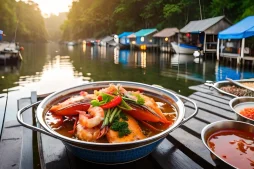
Set along the coast, Alleppey has a delicious local cuisine with seafood being right at the top. Try the seafood dishes like fish curry, prawns moilee, shrimps, crab roast, as well as other dishes like Malabar biryani, chicken roast, chilli beef, freshly made banana chips, and more.

You can also feast on Sadya, a traditional Kerala meal served on a banana leaf. Entirely vegetarian, the meal includes various vegetables, pappadam, idiyappam, rice, and payasam.

things to do in alleppey
Feast on the delicious, fresh seafood in Alleppey (Picture credits: Alleppey Houseboat)

Embrace spirituality

Spirituality plays an important role in Kerala, and Alleppey is home to many magnificent temples, some of which date back to the eighth century AD. The Ambalapuzha Sree Krishna Temple is a beautiful example of majestic architecture and is especially known for its sweet porridge, Ambalappuzha Palpayasam, offered as prasad.

Some other temples that stand out in Alleppey include Mannarasala Temple, Nagaraja Temple, and Chettikulangara Bhagavathy Temple.

Alleppey also has some beautiful churches such as St Mary’s Forane Church, Latin Catholic Church, and Florence Forane Church. The Karumadikkuttan Shrine near Punnamada Lake houses a granite statue of Lord Buddha and is an important site for Buddhists.

things to do in alleppey
Ambalapuzzha Sri Krishna Temple (Picture credits: Matt India)

Local experiences

The best way to learn about Alleppey is by interacting with the locals. Explore the backwaters villages, converse with the locals, and learn their way of life through village walks, cycling, or backwater rides.

Fishing is one of the main occupations in Alleppey. You will find many men out with their nets, trying to catch fish. On a backwaters ride, you can watch the fishermen with the nets, and if you are in the backwaters in the evening, you may be able to see them gathering their catch for the day. You can even go fishing with the locals in some places.

You can also watch locals toddy tapping in Alleppey. Sap is collected from palm trees, fermented with yeast, and then turned into alcohol that is sold in toddy shops or used to make bread. You can watch the process or even taste some toddy, or palm wine, at a local toddy shop.

things to do in alleppey
Fishing in Alleppey

Beach hopping

Alleppey is located on the western coast of India, with numerous beaches lining the Arabian Sea. Visit Alleppey Beach or the less crowded Marari Beach, perfect for swimming, sunbathing, and enjoying a nice sunset. You can also enjoy parasailing, swimming, and fishing at Marari Beach.

Pozhiyoram Beach is well known for its water sports and activities, but it also offers amazing sunsets, while Thumpoly Beach is relatively unknown among tourists.

things to do in alleppey
Marari Beach

Indulge in Ayurvedic Therapy

Alleppey is a great place to indulge in an Ayurvedic massage, especially during the monsoon season. The town has many spas and massage centers where you can get the authentic, traditional massages. These massages use natural oils that promote relaxation, increase blood circulation, and help in detoxing the body.

Ayurvedic centres in Alleppey offer a range of therapies such as Abhyanga and Shirodhara, performed by experts.

things to do in alleppey
Shiro Abhyanga Therapy (Picture credits: Indulekha)

Attend the Snake Boat Race Festival

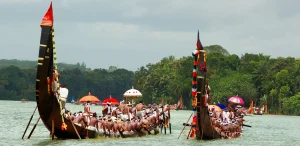
The Snake Boat Race Festival, also known as Nehru Trophy Boat Race, takes place in August during the Onam Festival. You will find many boats racing down Punnamada Lake, with each boat having 20 to 25 people onboard. It is a unique experience you must have if you visit Alleppey during August.

things to do in alleppey
Snake Boat Festival (Picture credits: Club Mahindra)

Explore the history of Alleppey

If you are interested in history, visit the majestic Krishnapuram Palace, known as the foothold of Travancore kingdom. Built by Anziham Thirunal Marthanda Varma, the palace reflects traditional South Indian architecture. Today, it is transformed into a museum featuring many invaluable relics and artifacts.

The Revikarunakaran Museum features many rare artworks including Tanjore paintings, Swarovski crystals, murals, antique furniture, ivory carvings, and more.

The International Coir Museum in Alleppey is entirely dedicated to coir. You will be able to see the process of coir making and how it is turned into different shapes. The museum showcases a wide range of products made out of dried coconut husk, such as wall hangings, purses, mats, and more. You can also shop for a few of these items at the souvenir shop in the museum.

things to do in alleppey
Krishnapuram Palace

Witness the wildlife

Around 10 kilometers north of Alleppey in Kattoor is the Elephant Training Camp. You can watch the mahouts bathing and cleaning them. You can also interact with the elephants by feeding them. The camp lasts anywhere from 30 minutes to 2 hours, during which you can participate in many activities with these majestic animals.

Alleppey is also a paradise for birdwatchers. You can spot many migratory birds like Black Drongo, White Breasted Waterhen, Kingfishers, Asian Palm Swift, and more.

If you visit Alleppey in January, you can witness the festival of Adoor Gajamela. This 10-day event features a parade of majestic adorned elephants.

things to do in alleppey
Interact with elephants in Alleppey (Picture credits: Alleppey Boating)

Shopping

If you love shopping, Alleppey has many bustling markets and stores. Mullakkal Street and Alappuzha Market are vibrant places selling local spices, fresh produce, and traditional Kerala handicrafts. For a unique experience, visit the Floating Triveni Market, a literal floating marketplace in the backwaters. There are many wooden boats here selling fresh seafood, local handicrafts, and coir products.

things to do in alleppey
Mullakkal Street

So, what will you be doing first in Alleppey? Let us know! At India Someday, we create personalized itineraries to India for you based on your requirements. Contact us and together we can plan the perfect trip to India for you!

Best time to visit Dharamshala

The best time to visit Dharamshala depends on the type of vacation you want. A charming town nestled in the Dhauladhar Range in Himachal Pradesh, Dharamshala, or Dharamsala, attracts a lot of visitors throughout the year. With a rich cultural heritage, adventurous outdoor activities, and stunning natural beauty, it is a popular destination among tourists. Read on to find out the best time to visit Dharamshala.

Winter season in Dharamshala (October to March)

Dharamshala becomes a snowy wonderland during winter. As the temperatures start dropping to around 1 to 15 degrees Celsius, the landscape gets covered in a blanket of snow. If you want to experience winter in all its beauty, this is the best time to visit Dharamshala.

Enjoy outdoor activities like snow trekking,skiing, and paragliding. Visit the beautiful Namgyal Monastery in McLeod Ganj, Gyuto Monastery, and Norbulingka Institute, and be awed by the breathtaking views. Don’t forget to try the local cuisine like momos, thukpa, and Tibetan butter tea, guaranteed to warm you right up.

This is not the peak tourist season in Dharamshala, but you will still find a lot of tourists here who come to experience the winter beauty of the region. Make sure to carry warm woollens, thermals, winter jackets, and snow boots. Apply moisturizer and lip balm as well. Before booking accommodations, check if they provide heating and hot water facilities.

Read more: Things to do in Dharamshala

best time to visit dharamshala
Namgyal Monastery

Summer season in Dharamshala (April to June)

Summer is one of the best times to visit Dharamshala. The temperatures range from 22 to 35 degrees Celsius, and the weather is extremely pleasant. This is when the snowy peaks melt into vibrant landscapes, making it perfect for exploring and sightseeing.

Explore the beautiful monasteries, colonial bungalows, and magnificent churches. Visit the art museums or stroll along the vibrant markets of Dharamshala. And if you want an adrenaline rush, Dharamshala offers some of the best adventure activities in the summer season. Go for treks and hikes in the mountains or try zip lining, rappelling, cable car riding, paragliding, and camping. The Triund Trek is particularly popular in Dharamshala.

Needless to say, this is the peak tourist season in Dharamshala. Keep in mind that you will get more crowds and expensive accommodations, so plan and book everything in advance. Carry light and breathable long-sleeved clothes, a light sweater or jacket, and a cap and sunglasses. If you plan on trekking or hiking, carry sturdy footwear. Apply plenty of sunscreen and stay hydrated throughout the day.

best time to visit dharamshala
Triund Trek (Picture credits: Trekyaari)

Monsoon season in Dharamshala (July to September)

The monsoon months from July to September completely transform the landscape of Dharamshala. Cool climate, misty scenery, roaring waterfalls, and lush forests are a beautiful sight, and temperatures remain between 18 and 22 degrees Celsius, although the humidity is high. Dharamshala often gets heavy rains, which is why it is an off season for tourism. There is a possibility of landslides, waterlogging, and road blocks.

However, you can definitely enjoy a leisurely vacation here during the monsoon season. Visit the tea estates of Kangra Valley, quaint cafes and bookstores, take walks along scenic trails and routes, and sip on a hot cup of chai. The Bhagsu Waterfall is stunning during the rains, although you need to be very careful. You can also explore the beautiful Namgyal and Gyuto monasteries in Dharamshala.

If you don’t mind the rains, this is not a beautiful time to visit Dharamshala. Carry an umbrella or raincoat, sturdy rain-proof footwear, and extra clothes. Be prepared for delays and cancellations in plans, and stay updated with the weather forecast before planning your days.

best time to visit dharamshala
Tea estates of Kangra Valley (Picture credits: A Soul Window)

Events and festivals in Dharamshala

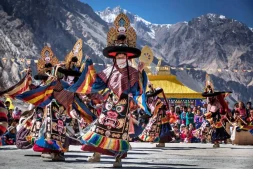
Losar: The Tibetan New Year Losar takes place in February or March. Celebrated over 15 days, Losar in Dharamsala features traditions, processions, music, dances, food, and more.

International Himalayan Festival: The International  Himalayan Festival takes place in December. Organized by the Indo-Tibetan Association, the beautiful festival showcases the Himalayan culture through music, dance, local cuisine,, and traditional arts and crafts.

Dharamsala International Film Festival: Taking place in October or November, the Dharamshal International Film Festival promotes independent cinema. A panel of filmmakers and audience of film enthusiasts come together to discuss cinema and more in this festival/

Tibetan Shoton Festival: The Tibetan Shoton Festival takes place in May at Tibetan Institute of Performing Arts in Dharamshala. Known as the Yogurt Festival, it celebrated the rich heritage of the region through musical performances, storytelling, and theatre.

Buddha Purnima: Celebrated in April or May, Buddha Purnima is an important festival in Dharamshala, since it marks the birth, enlightenment, and death of Lord Buddha. It takes place at the Dalai Lama Temple with prayers, chants, and traditional rituals.

best time to visit dharamshala
Losar Festival (Picture credits: lchangnang)

So, when will you be visiting Dharamshala? Let us know! At India Someday, we create personalized trips to India for you based on your likes and preferences. Contact us and together we can plan the perfect trip to India for you!

11 Best Things to do in Ranthambore

If you are wondering about the things to do in Ranthambore, we have got you covered. If you thought a tiger safari is the only thing Ranthambore offers, think again! Situated at the junction of the mighty Aravalli and Vindhya ranges in Rajasthan, Ranthambore is rich in wildlife and biodiversity. Read on to find out things to do in Ranthambore!

Ranthambore Tiger Reserve

Without a doubt, everyone visiting Ranthambore does so to visit Ranthambore National Park and Tiger Reserve. A jungle safari in the national park is one of the most popular things to do in India, and with good reason. Home to more than 80 Royal Bengal Tigers, Ranthambore National Park is one of the best places for tiger sightings.

The park has 10 zones, with Zones 1 to 6 being most popular for tiger sightings. Apart from tigers, you can also spot leopards, sloth bears, and a variety of birds. You can choose a jeep safari or canter safari, but make sure to book in advance!

things to do in ranthambore
Ranthambore Tiger Reserve

Visit the Ranthambore Fort

Perched on a hill in Ranthambore National Park is the Ranthambore Fort, a UNESCO World Heritage Site built in the 12th century. The majestic fort is built in the Rajput style of architecture and offers stunning views of the dense forests of the national park. It is a bit of a walk to the fort, but the views make it completely worth it.

things to do in ranthambore
Ranthambore Fort

Birdwatching

For avid birdwatchers, birdwatching is another popular activity in Ranthambore. The national park is home to more than 300 species of birds like grey hornbills, woodpeckers, Indian Skimmer, and more. Padam Talao and Malik Talao are popular hotspots for birdwatching.

things to do in ranthambore
Bird watching at Padam Talao

Hot air balloon ride

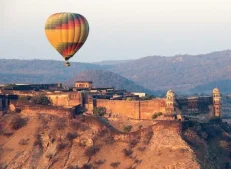
An unconventional activity in Ranthambore, a hot air balloon ride is one of the best things to do here. Imagine soaring in the air at 4000 feet above the lush forests with beautiful views all around – this is one adventure activity you should definitely try in Ranthambore National Park. The ride lasts for around an hour, and the best time to experience it is between October and March, when the skies are clear and the climate is pleasant.

Read more: Best time to visit Ranthambore

things to do in ranthambore
Hot air ballooning in Ranthambore (Picture credits: Toubkal Trekking)

Rajiv Gandhi Regional Museum

The Rajiv Gandhi Regional Museum of Natural History in Ranthambore showcases the natural history and rich flora and fauna of the country. Located near Ranthambore National Park, it is one of the best things to do in Ranthambore. Explore the museum and learn about biodiversity in nature. The museum is open on all days except Monday.

things to do in ranthambore
Rajiv Gandhi Regional Museum of Natural History

Visit the lakes

Ranthambore has many small lakes scattered around the region, a major spot for the wildlife to visit to quench their thirst. Padam Lake is the largest lake in Ranthambore National Park. A beautiful place surrounded by lush greenery, the lake is favored by many animals inhabiting the nearby area.

Surwal Lake is another beautiful lake in the national park, perfect for watching a sunrise. Raj Bagh Talao is also situated inside the national park. With the ruins of Raj Bagh adding a mystical vibe to the lake, it is a must-visit when you are at Ranthambore. Malik Talao is comparatively smaller, but it makes up for it by being home to many migratory birds and marsh crocodiles.

things to do in ranthambore
Raj Bagh Talao

Visit historic sites

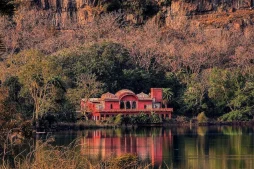
A short distance from the Ranthambore Fort is Jogi Mahal, a beautiful palace built by the kings of Jaipur. Situated near Padam Lake, the palace was once a hunting abode for the kings. Painted red, the palace contrasts nicely with the lush green forest surrounding it. It is open for visitors but with limited access.

Raj Bagh, meaning Royal Garden, was once a beautiful hunting lodge during the Rajput era. It is now known for its beautiful ruins and the stunning Raj Bagh Talao. The enchanting place, now reclaimed by nature, is often visited by wild animals like tigers, leopards, and deer. This spot is a favorite among photographers thanks to its beautiful frames and the high possibility of spotting wildlife.

things to do in ranthambore
Jogi Mahal (Picture credits: Goya Hills)

Explore the arts

When Ranthambore became a protected tiger reserve in 1989, the villagers lost access to the forest resources and were left divorce of a livelihood. This is when the NGO Dastkar stepped in. Dastkar Ranthambore is a women craft initiative started in 1989 by Dastkar to help women earn money through handmade crafts. More than 300 women are a part of this program where they make printed textiles, embroidered items, and handmade bags.

Another place to visit is Ranthambore School of Arts, a beautiful exhibition of tigers painted by skilled artists staying in the nearby towns and villages. You can even buy from them as a souvenir to take home.

Shilpgram Craft Village near Ramsinghpura is a museum displaying the arts, crafts, and culture of the country. Handloom products and handicraft are also produced here.

things to do in ranthambore
Dastkar Ranthambore

Enjoy nature

Located near Ranthambore Tiger Reserve, Kachida Valley offers some of the most breathtaking views of the natural landscape. You can often spot wild animals like tigers, leopards, and panthers from the valley.

The Chambal River flows on the border of Rajasthan and Madhya Pradesh, and is home to many crocodiles and gharials. You can often spot gharials from the banks of the river. Better yet, go for a boat ride in the Chambal river, where there is a better possibility of seeing gharials and crocodiles closely.

Kachida Valley

Visit the temples

The Trinetra Ganesh Temple is located within Ranthambore Fort. Built in the 13th century, it is one of the oldest temples of Lord Ganesha in Rajasthan. Trinetra translates to “three eyes”, since the idol of Lord Ganesha here has three eyes. Devotees visit the temple throughout the year.

Amreshwar Mahadeo Temple is another beautiful temple in Ranthambore National Park, dedicated to Lord Shiva. Believed to be more than 1200 years old, the temple is visited by devotees all over, made even more beautiful with the nearby waterfall and stunning landscape.

things to do in ranthambore
Trinetra Ganesh Temple

Glamping

If you want to do a jungle safari in style, Ranthambore offers the ultimate luxury – glamping. Combining camping with luxury, there are many wildlife luxury camps here, such as the Oberoi Vanyavilas, Sujan Sher Bagh, and Aman-i-Khas. These camps provide spacious tents with air-conditioning, king-size beds, private balconies or decks, and fine dining. If you are in the mood to splurge, this is a great way to enjoy a wildlife adventure!

things to do in ranthambore
Sujan Sher Bagh, Ranthambore

So, what activities will you be doing in Ranthambore? Let us know! At India Someday, we create personalized itineraries to India for you based on your likes and requirements. Contact us and together we can plan the perfect trip to India for you!

Best time to visit Ranthambore

The best time to visit Ranthambore is during the winter season, but other seasons have their own charm. Located in Sawai Madhopur in Rajasthan, Ranthambore National Park is one of the best in India,known for the magnificent Royal Bengal Tiger. Apart from these majestic beasts, the park also has other wildlife, Ranthambore Fort, a UNESCO World Heritage Site, and dense forests. Read on to find out the best time to visit Ranthambore.

Winter season in Ranthambore (October to February)

The winter season from October to February is the peak season for tourism in Ranthambore. With temperatures ranging from 10 to 20 degrees Celsius, this is the best time to visit Ranthambore National Park. The climate is extremely pleasant with a slight nip in the air, making safaris an amazing experience.

You will be able to spot many migratory birds that come to the national park in this season. On your tiger safaris, you can also spot hyenas, jungle cats, and sloth bears. Apart from a jungle safari, you can also check out the local sights like the majestic Ranthambore Fort, Rameshwar Ghat, and Malik Talao.

Since Ranthambore National Park is limited to the winter and summer season, most people prefer the comfortable winter season. This means that safari bookings tend to get sold out very quickly, and accommodations are quite expensive. Since the park opens in October, it may still be water-logged in some places, while December and January are extremely cold. If you want a slightly warmer climate, November and February are the best options.

Carry warm woollens, jackets, scarves, mufflers, socks, shoes, and thermals, since it is extremely cold and windy. Try to wear earthy colors so as to blend in with the landscape, and follow the rules of the safari.

best time to visit ranthambore
Ranthambore Fort

Summer season in Ranthambore (March to June)

Summers in Ranthambore are intense and last from March to June. The temperatures reach as high as 48 degrees Celsius during the day, while the night temperatures stay around 30 degrees Celsius. This is not a preferred season for a wildlife safari in Ranthambore, yet you will find quite a few interested travelers who visit during this time.

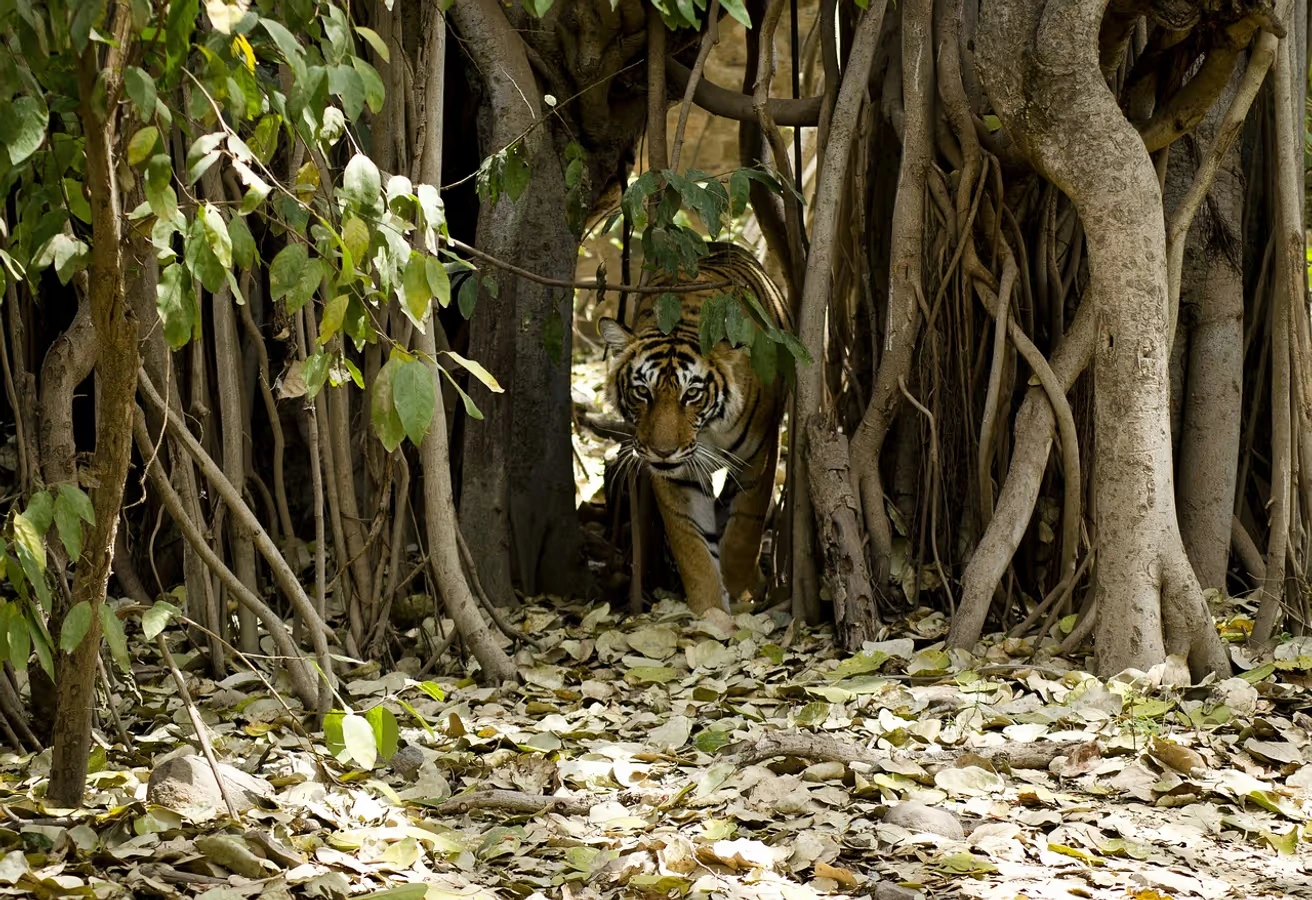
There are only two reasons to visit Ranthambore National Park in the summer season. For one, you will find lesser crowds, since maximum tourists visit during the comfortable winter months. The second reason is that summers offer a much higher chance of spotting the majestic Royal Bengal Tiger. Since it is extremely hot, the wild animals gather around the watering holes to stay cool.

This is the best time to spot tigers, leopards, deer, striped hyena, chital, and sloth bears in Ranthambore. You can also visit the city of Sawai Madhopur or temples like Kuwalji Temple and Kala Gaura Bhairav Temple.

If you visit during the summer season, you need to take extra precautions. Wear loose, breathable clothes, sunglasses, and a cap or a hat. Apply plenty of sunscreen and stay hydrated throughout the day.

See more: Things to do in Rajasthan

best time to visit ranthambore
Summer is the best time for spotting tigers

Monsoon season in Ranthambore (July to September)

Monsoon is the off-season in Ranthambore National Park. temperatures range between 25 and 35 degrees Celsius and the climate is much cooler than the summers. Due to the rains, the core zones 1 to 5 are closed from July to September, which are the main zones for spotting more tigers. However, the buffer zones 6 to 10 are operational, although in case of heavy rains and waterlogging, the entire park is closed to visitors. This is also the mating season for tigers, so monsoon is not recommended for a trip to Ranthambore National Park.

If you still travel during this time, you will not be disappointed. Ranthambore becomes enchanting in monsoon, with misty forests and lush landscapes. Visit the Rajiv Gandhi Regional Museum of Natural History, Ganesh Temple, and Chamatkar Jain Temple.

Carry an umbrella or raincoat, rain-appropriate footwear, and a mosquito repellent or bug spray if you visit Ranthambore in the monsoon season. Make sure to check weather conditions and stay updated about the forecast and road accessibility before your trip.

Read also: Best time to visit Rajasthan

best time to visit ranthambore
Monsoon in Ranthambore

Things to keep in mind

  • Book safaris for Ranthambore National Park in advance. The official website starts booking up to 90 days prior.
  • The core zones 1 to 5 are closed every Wednesday, while the buffer zones 6 to 10 are closed every Tuesday.
  • You can choose a Canter Safari (20-seater) or a Gypsy Safari (6-seater). Gypsy safaris are much more personal and flexible.
  • While Zone 1 to 5 are the core zones, the park has a total of 10 zones which also have plenty of wildlife.
  • Carry valid passport and ID to show at the entry.
  • Wear neutral colors and earthy tones and avoid bright colors.
  • Carry binoculars and a zoom-lens camera if possible to get some amazing shots if you spot a tiger or other animals. Flash photography is not allowed.
  • Follow the guide’s instructions and do not step out of the vehicle.
  • Respect the environment and nature.
  • There is a chance that you may not spot a tiger at all throughout your stay. Don’t be disappointed – you will definitely spot other wild animals and birds.
best time to visit ranthambore
Tiger sighting in Ranthambore National Park

So, are you ready to plan a trip to Ranthambore? Let us know – we can help you book a trip to the national park so that you can enjoy hassle-free. At India Someday, we create personalized itineraries to India for you based on your requirements. Contact us and together we can plan the perfect trip to India for you!

Let India Someday handle it and plan your best trip.

PLAN MY TRIP subtext