TALK WITH US +91-9970620335
WhatsApp

Drinking Water Safety in India for Foreigners

The issue of drinking water has always been prevalent in India. Foreign tourists get a queasy stomach simply by thinking about the drinking water in India, but we are here to help you navigate. “Drinking water safety in India for Foreigners” talks about tap water, how to drink water safely, and alternatives to water. Read on to find out more.

Stay hydrated

It is very important to stay hydrated in India. The country has a hot and humid climate in most regions, very different from what a lot of tourists are used to. The intense heat and constant sweating can make you feel dehydrated and fatigued. So ensure that you carry a water bottle with you everywhere and drink plenty of water throughout the day.

Is it safe to drink tap water in India?

No. While foreign tourists are strongly advised not to drink tap water, even the locals in India do not drink it directly. Tap water in India is quite polluted and contains many bacteria and contaminants that can cause health issues for foreigners as well locals, such as diarrhea, vomiting, cholera, or typhoid.

While a small percentage of the population has access to treated piped water, there is no guarantee of the quality. Most of the rural population in India relies on wells, borewells, tubewells, and hand pumps for drinking water, and that is also not very safe.

Even groundwater, once considered safe, is now extremely polluted due to harmful pesticides and the presence of arsenic, nitrates, iron, and other metals leeching into it.

drinking water safety in india for foreigners
Do not drink tap water in India

Can you brush your teeth with tap water in India?

While most locals do brush their teeth with tap water in India, it is not really recommended for foreign tourists. Even while brushing your teeth, there is a chance of accidentally ingesting contaminants. To be safe, use bottled, purified, or boiled water while brushing your teeth in India.

Can you shower or wash your face with tap water in India?

Yes, showering or washing your face with tap water is usually safe in India. However, avoid swallowing the water while bathing or washing your face.

Which water should you drink in India?

Packaged drinking water

Packaged drinking water is your best bet in India, but sometimes you might also find knock-offs of popular packaged water brands. Some of the popular brands are Bisleri, Aquafina, Himalayan, and Kinley. Before buying, check if the seal of the bottle is intact.

Most restaurants in India keep bottled mineral water, so insist on bottled water wherever you go to eat.

Filtered water

RO-filtered or UV-purified water is used in most homes and many local restaurants, hotels, and guesthouses. It is safe to drink. There are other ways to filter water yourself, such as purification bottles, tablets, and UV pens. You get purification bottles and portable water filters that remove bacteria and viruses from your water. Some models remove heavier chemicals as well.

You also get purification tablets in local pharmacies that are great if you are traveling to remote areas where bottled water is not readily available. You can pop one tablet into your water and the water gets purified and safe to drink in a few minutes.

Boiled water

If you have no access to bottled water or filtered water, the best way to drink clean water is to boil it. Water that is boiled for a long period of time and then strained properly is good enough to drink, as the boiling process purifies the water to a great extent.

drinking water safety in india for foreigners
Packaged drinking water might be your best bet in India, although it harms the environment in more ways than one.

Beverages safe for drinking

Tender coconut water: Tender coconut water is a great option for water in India. You will easily get tender coconut along the coastal regions of India. It is nature’s packaged water and very safe to drink.

Milk: Pasteurized milk that is available in stores in sealed bottles is usually treated and thus safe to drink. However, do not drink milk stored out in the open.

Hot drinks: Hot tea, coffee, or chocolate are safe to drink if they are served hot. Tea at local stalls is usually boiled for a long time before serving, so it is completely safe. Do not drink coffee or tea if it is lukewarm or at room temperature.

Canned beverages: Canned or packaged, sealed drinks are safe to drink. Carbonated drinks are perfectly okay, since you can see the bubbles as you open them, a sign that they had been sealed shut.

Liquor: Most liquors have an alcohol content that is enough to kill any germs that may have been present in it. So liquor is safe to drink.

What to avoid

Ice: Ice is mostly made from tap water, so it is best to avoid it here, even in good restaurants and hotels. Ask for drinks without ice.

Cut fruits or raw salads: Pre-cut fruits sold by street vendors or raw salads may be washed with tap water and could be unsafe for consumption. It is best to take whole fruits and peel them yourself and stick to cooked food.

Read more: Is street food in India safe to eat for foreigners?

drinking water safety in india for foreigners
Avoid ice in drinks if you are not sure how it is made.

What to do if you consume tap water?

If you consume a very small amount of tap water, it is probably nothing to be worried about. However, if you see any mild symptoms such as an upset stomach or uneasiness, take ORS, drink packaged mineral water, and avoid any heavy meals, dairy, or raw food. Eat something light like toasted bread or khichdi, and take plenty of rest.

If your symptoms are severe, such as a fever or diarrhoea lasting for more than a day or two, visit a doctor.

Some things to keep in mind

  • If you visit any Indian home, it is a cultural norm to offer water to guests. Ask politely whether it is filtered. Most Indian homes will have filtered or boiled drinking water.
  • At temples, you may be offered some holy water as prasad. You can respectfully decline if you don’t want to risk any health issues.
  • Pack some essentials such as electrolyte sachets, anti-diarrhea medicines, ORS, or water purification tablets, even though you will easily get these at any local pharmacy in India.
  • Some foreigners get Delhi Belly in India, but most do not get sick here, except for a stomach upset that can last a day or two.
  • Trust your own senses. Even if you get filtered water but it doesn’t look or taste good, don’t drink it.


Was this guide helpful? Let us know! At India Someday, we curate personalized itineraries to India for you based on your requirements and preferences. Contact us and together we can plan the perfect trip to India for you!
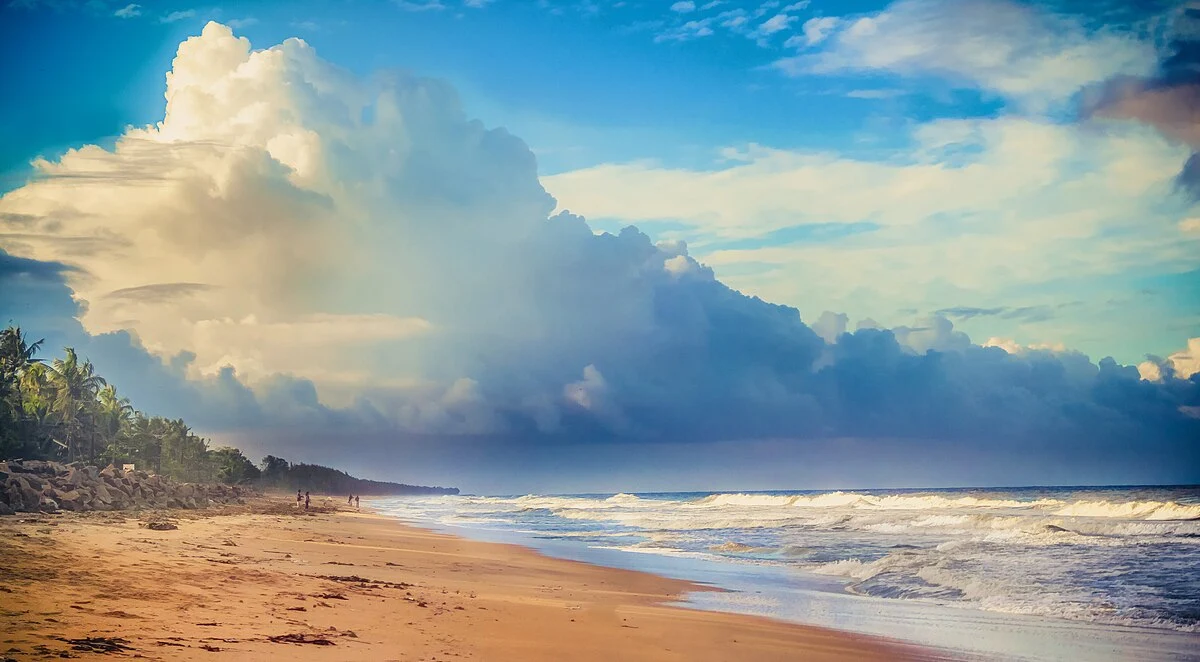
10 Best Beach vacations in India for foreigners

The southern part of India is surrounded by water, making it an amazing beach destination. India has some of the most beautiful beaches in the world. Here are a few destinations for the best beach vacations in India for foreigners. Read on to find out more!

1. Goa

Known as the beach state of the country, Goa of course ranks first as a destination for beach vacations in India for foreigners. With lively as well as secluded beaches, chill vibes, historical sites, and yummy food, Goa has much to offer to visitors.

If you want fun water activities, great food shacks, and a vibrant nightlife, visit the beaches of North Goa like Baga, Vagator, Calangute, and Anjuna. For some peaceful time with lesser crowds, South Goa is your best option, with pristine beaches like Varca, Palolem, Agonda, and Colva.

Visit the churches and temples in Old Goa, trek to the Dudhsagar Falls, and enjoy the local cuisine. You can also try water sports like parasailing, jet skiing, and scuba diving.

See more: Best beaches of Goa away from the crowds

best beach vacations in india for foreigners
Goa is the perfect beach destination for travelers.

2. Puducherry

Puducherry, or Pondicherry, is a charming town near Tamil Nadu with French influences. The popular beach destination also features colonial architecture, old churches, and statues.

Visit Auroville Beach, Serenity Beach, Paradise Beach, Karaikal Beach, and Promenade Beach. Experience the spiritual side of the place in Auroville, stroll along the promenade, explore the streets of Pondicherry, and gorge on some French and South Indian cuisine.

best beach vacations in india for foreigners
Auroville, Pondicherry

3. Andaman and Nicobar Islands

Andaman and Nicobar is an Indian archipelago of 576 islands in the Bay of Bengal, but only five are open to tourists. The rest of the land is heavily protected. The tropical paradise has pristine beaches with turquoise waters, white sand, and sunny skies.

History lovers should visit the Cellular Jail, which is a symbol of India’s freedom struggle. You can enjoy scuba diving and snorkeling, or simply relax at the beaches here. Havelock Island, Neil Island, Elephant Beach, and Radhanagar Beach are some of the top-favored spots among tourists.

best beach vacations in india for foreigners
Havelock Island, Andaman and Nicobar

4. Lakshadweep Islands

The idyllic Lakshadweep Islands can give tough competition to the waters of Maldives. With 36 islands spread across 32 square kilometers in the Arabian Sea, Lakshadweep offers an amazing beach holiday with its pristine beaches and mesmerizing landscapes.

Some of the best beaches you can visit here are Agatti Islands, Kavaratti, Androt, Kalpeni, and Minicoy. Try some fun activities like snorkeling, kayaking, or even fishing! You can also visit the Marine Museum to learn about the marine life of the region.

best beach vacations in india for foreigners
Kavaratti Island, Lakshadweep

5. Daman and Diu

Daman and Diu is a union territory near Gujarat, an underrated beach destination. The town is a blend of Indian and Portuguese cultures that reflects in the architecture, heritage, and local cuisine of the place. The beautiful blue waters and clean sands of its beaches, rustic villages, and ancient ruins make for a perfect unique beach getaway in India.

Visit Jhampore Beach, Devka Beach, Tithal Beach, and Nagoa Beach in Daman and Diu. Try parasailing and surfing, or sail in a boat on the blue waters.

best beach vacations in india for foreigners
Diu Fort, Diu

6. Tarkarli, Maharashtra

A stunning beach in Sindhudurg, Maharashtra, Tarkarli is a good alternative to Goa if you want to be away from the crowds. If you are a history enthusiast, you must definitely visit the Sindhudurg Fort, a mighty sea fort in the Arabian Sea.

Tarkarli Beach is also known for scuba diving – the clear waters here are home to some rare aquatic life. You can also get a PADI certification here. Enjoy other activities like snorkeling and parasailing, or a dolphin safari!

best beach vacations in india for foreigners
Tarkarli Beach, Maharashtra

7. Alibaug, Maharashtra

Located along the Konkan coast in Maharashtra, Alibag is a beautiful beach town with many amazing beaches. It is a popular weekend destination from Mumbai and offers natural beauty as well as fresh, scrumptious seafood.

Mandwa Beach, Alibaug Beach, Kashid Beach, Nagaon Beach, and Kihim Beach are some popular beaches in Alibaug.

Read more: Best beaches of Konkan

best beach vacations in india for foreigners
Kashid Beach, Alibaug

8. Gokarna, Karnataka

Gokarna is situated south of Goa in Karnataka, providing a nice getaway for travelers who want Goa’s vibes without Goa’s chaos. Gokarna is a popular pilgrimage site among Indians, known for the Mahabaleshwar temple. The town also has some wonderful beaches for relaxing or sunbathing, such as Om Beach, Half-Moon Beach, and Paradise Beach. If you want some thrill, you can try water sports like jet skiing and banana boat riding.

best beach vacations in india for foreigners
Om Beach, Gokarna

9. Kovalam, Kerala

Kovalam is the perfect destination for those looking for a relaxing vacation. Not only is it a popular beach destination in Kerala, it is also known for Ayurvedic wellness centers.This beach town is a great spot for surfing, for those looking for some adventure.

Visit Lighthouse Beach, Chowara Beach, Hawa Beach, and Samudra Beach for a peaceful time. For surfing enthusiasts, don’t forget to check out the Kovalam Surf Club.

best beach vacations in india for foreigners
Kovalam, Kerala

10. Alleppey, Kerala

Alleppey is known as “the Venice of the East”, because of its extensive backwaters network of canals and lagoons. However, Alleppey also has some beautiful beaches such as Alappuzha, Marari, and Punnapra. Try speed boating and kayaking, or take part in the Sand Art Festival and the Beach Festival.

Stay in a houseboat in the backwaters and watch local life pass by. Alleppey is also rich in culture and history. The most important event in Alleppey is the Nehru Trophy Boat Race which attracts visitors from around the world.

best beach vacations in india for foreigners
Alleppey, Kerala

So, which beach destination in India are you visiting next? Let us know! At India Someday, we curate personalized itineraries to India for you based on your likes and requirements. Contact us, and together we can plan the perfect trip to India for you!

Attending religious ceremonies and temple etiquette for foreigners in India

India is a deeply religious and spiritual country, with people of many different religions and faiths co-existing in harmony. Visiting the different temples, mosques, gurudwaras, and monasteries in the country can be an enriching experience for foreigners. Here are a few tips for attending religious ceremonies and temple etiquette for foreigners in India!

temple etiquette for foreigners in india

Respect local and traditional customs

Places of religious worship in India are sacred and revered. Whether you are visiting a temple, mosque, gurudwara, church, Jain temple, or monastery, every place has its traditions and customs. Even if you are not a religious person, respect the place.

See also: Most Amazing Temples in India

Dress modestly

Visiting a place of worship is a sacred activity. It is important to be mindful of the local customs and wear modest clothing. Make sure to cover your shoulders, chest, and legs. Do not wear shorts or short dresses.

You don’t have to wear traditional Indian clothes to a temple, but it should be conservative. However, some temples in South India require men to wear a lungi or dhoti and women, a saree. Gurudwaras and mosques also require you to cover your head with a scarf or handkerchief within the complex.

Remove footwear outside the temple

Almost all religious places in India require you to remove your footwear before entering. This is because it is considered a sacred space, and all the dirt sticking on your shoes should be left outside the temple complex. For this reason, you will also find a water pump or tap outside many temples that requires you to wash your hands and feet before entering the temple.

A lot of temples and other religious places have a stall outside where you can keep your footwear safely since it is manned by the temple staff. Wear comfortable footwear that is easy to remove while visiting temples.

attending religious events and temple etiquette for foreigners in india
You have to remove your footwear before entering a temple in India

Respect phone and photography rules

Keep your phone on silent mode in religious places. A lot of religious places in India do not allow photography or videography. There will usually be a sign put up somewhere if that is the case. If you do not see one, ask for permission to take pictures.

If it is allowed, make sure to be discreet and quick. Do not do any elaborate photoshoots inside the temple complex unless you have explicit permission. Also remember to turn off the flash so as to preserve old art and not disturb other devotees.

Speak softly

Temples and other religious places in India are spaces of spirituality and meditation, so keep noise levels to a minimum. Speak softly or in whispers. You may hear loud religious music or chants, but that is a part of the temple experience.

Observe, then act

If you have no idea what to do, observe what others are doing. Often, people worship the same deity in different ways. However, you can observe someone perform their rituals and follow suit. You can also ask them what to do before or after they are done praying. Do not disturb anyone in the middle of their prayers. Most Indians are very warm and will gladly help you out.

Experience the aarti ceremony

Every Hindu temple has an aarti ceremony in the morning and evening, where devotees gather and chant hymns and prayers while clapping along and ringing bells. It is a unique, deeply spiritual experience, so if you are visiting the temple at the time of the aarti, don’t miss it.

After the ceremony, you may be offered a lit flame. You are expected to warm your hand over the flame and bring it to your eyes or forehead, signifying receiving the deity’s blessings.

temple etiquette for foreigners in india
The aarti ceremony is a beautiful, spiritual event you should not miss.

Give and take offerings respectfully

It is a form of respect to offer something to the deities, although it is not mandatory to do so. You will find small shops outside the temples selling flowers, fruits, or clothes, which you can present as offerings to the deity. Hand it to the priest, who will then offer it to the deity. You could also put money in the donation box kept in the temple.

In return, you will get offerings in the form of prasad or langar, which is food blessed by God. It is mostly fruits or sweets, and sometimes a meal. Always accept the prasad offered to you, and with your right hand or both hands. If you cannot consume it for some reason, give it to someone else, but do not refuse it or throw it away. It is considered disrespectful.

A langar is a whole meal offered as prasad in Gurudwaras. This meal is free for all. Do not miss the chance to experience a langar.

Don’t touch the deity

Do not touch the deity in any temple. Hindus believe that the deity in the temple is a source of divine energy and it is considered disrespectful for anyone to touch it. Usually, only priests are allowed to touch the deity while worshipping it. Plus, non-Hindus are often not allowed in the innermost sanctum of the temple.

Read more: Adrianna’s 18-day temple trail

Some other things to note

  • For a lot of religious places in India, you can visit no matter your religion. However, a few mosques do not allow women inside the temple, while some do not allow non-Muslims during their prayers.
  • Many temples have separate queues for men and women, mostly for efficiency purposes.
  • In Jain temples and many other religious places of worship, leather is not allowed inside. If you are wearing any leather items like belts or jackets, remove it before entering the temple.
  • Many Hindu temples do not allow non-Hindus to enter the main shrine, while some only allow the priests to enter the space and touch the idols.
  • Do not smoke or consume alcohol, tobacco, or drugs in and around any religious place in India.
  • Some temples might be closed in the afternoons from 12 pm to 3 pm, so plan accordingly.
  • A lot of Hindus visit temples on an empty stomach. If that is not possible, they do not consume non-vegetarian food before visiting any temple so as to keep the body and soul clean.
  • Always travel a temple in a clockwise direction.
  • Do not turn your back to the deity. Always walk backwards away from the deity for a few feet before turning around.
  • A lot of temples do not allow menstruating women inside, since menstruation is considered impure. While there is no way for anyone to check, avoid going if you can out of respect.
  • Take a bath before visiting. Hindus believe that temples are holy and that you should not enter a temple without taking a bath or showering.

Was this blog useful? Let us know! At India Someday, we plan personalized itineraries to India for you based on your needs and requirements. Contact us and together we can plan the perfect trip to India for you!

Vaccinations for Foreigners in India

India is a diverse country with a rich history, culture, and heritage. However, there are also potential diseases you could be exposed to. There are almost no mandatory vaccinations for traveling to India, but for many travelers, there is a high risk to their health in this country. Here is a list of the necessary vaccinations for foreigners in India.

Hepatitis A

Hepatitis A is a virus transmitted through contaminated water and food, and even close contact with an affected person. This disease infects the liver. The risk for Hepatitis A is high in India, so this vaccine is recommended for all travelers coming here, no matter where they will be traveling or staying within the country.

Hepatitis B

Hepatitis B is a viral infection transmitted through contact with bodily fluids or blood or by using infected products like needles or razor blades, or sexual intercourse. It is a chronic disease of the liver.

The Hepatitis B vaccine is given in childhood, but there is a high rate of Hepatitis B carriers in India. Health care workers or travelers planning to get a tattoo or piercing or anyone dealing with needles, blades, or bodily fluids should take this vaccine.

Malaria

Malaria is caused by mosquitoes and can often become severe and even fatal if not treated properly. India is at risk from malaria, although there are low-risk and high-risk malaria zones in the country. There is no vaccine for malaria yet, but there are malaria-preventive drugs. Your doctor can recommend the drug best-suited for you.

vaccinations for foreigners in india

Cholera

Cholera is a bacterial infection which causes diarrhea by affecting the intestines. It spreads through contaminated water and food. This disease is a risk for all travelers coming to India. Avoid going for a swim in the popular rivers and streams frequented by millions of others. Additionally, if you are going to be living in rural areas or low-hygiene regions, it is recommended that you take this vaccine.

Typhoid

Typhoid can be caused by consuming contaminated food or water. India is high-risk for typhoid and it can be fatal. Therefore, this vaccine is recommended for everyone traveling to India, whether you are staying in rural or urban areas.

You can get either a shot, which lasts 2 years, or oral vaccine, which lasts 5 years. Your doctor can recommend the best-suited option for you.

Japanese Encephalitis

Japanese encephalitis is transmitted by the bite of a mosquito found mainly in rural Asia. This disease infects the human brain and can be fatal. India is a high-risk region for this disease. Tourists who are planning to visit India in the monsoons or staying in rural areas should especially take this vaccine. Mosquitoes breed during monsoons and are more active then.

Rabies

Rabies is transmitted through sick animals like dogs, bats, and a few wildlife species. The risk of rabies is high in India and this disease can be fatal. If you are going to be involved in activities where you are exposed to rabid animals, you should definitely get this vaccine before traveling to India. These activities include farming, hunting, or being in remote areas alongside animals.

If exposure to rabies does occur in India, rabies vaccine is available in most parts of the country, except some remote areas. Children are also recommended to get this vaccine.

Read more: Is it safe to travel to India?

Yellow Fever

Yellow fever is a viral hemorrhagic disease that is caused by a mosquito bite. There is no risk of yellow fever in India, and most travelers do not need a vaccination for it. However, any traveler coming from a country with a risk of yellow fever transmission in the regions of Africa and South America will need to be vaccinated and a vaccination certificate is required for the same.

Polio

India became free from polio in 2014. To maintain that, India often asks for proof of polio immunity if you are traveling from a polio-infected country. It is a good idea to be up to date on your polio vaccinations before coming to India.

Tetanus-Diphtheria

Tetanus can be caused by contaminated cuts or bruises in the skin. There are more than 1 million cases of tetanus every year in the world. However, it is completely preventable by taking a vaccine. The vaccine is often combined with cover against diphtheria and lasts for up to 10 years.

Coronavirus 2019

Since the COVID-19 outbreak, this vaccine is recommended for all travelers in all regions, both domestic and international. A PCR test is not required anymore for entry into India, but it is recommended for travelers to have at least two doses of the COVID-19 vaccine and a valid certificate for the same.

vaccinations for foreigners in india
COVID-19

Things to note

  • Check official health websites in India like https://www.mohfw.gov.in for vaccination updates before your trip.
  • Before traveling, check if the region you are visiting can provide you with necessary healthcare.
  • Get suitable travel insurance that covers unexpected medical treatments.
  • Check the latest vaccine recommendations for India at least 8 weeks before your trip.
  • Get vaccinated four to six weeks before traveling.
  • While traveling to India, pack mosquito repellant, body-covering clothes, and even mosquito nets if you are in a region prone to malaria.
  • Traveler’s diarrhoea, or Delhi belly, is a condition that affects many tourists visiting India. It occurs due to contaminated food or water, but it usually goes away in a few days. However, make sure to visit a doctor. Eat food that is prepared fresh in front of you.


We hope this guide has been useful for you! At India Someday, we create personalized itineraries to India for you based on your likes and requirements. Contact us and together we can plan the perfect trip to India for you!

How to recharge your SIM card in India for foreigners

Having a local SIM is necessary when exploring different parts of India. A local SIM provides you with affordable data, the ability to make calls, and good connectivity for easy navigation. Once you have activated your SIM, you have to recharge it for uninterrupted connectivity. Read more to understand how to recharge your SIM card!

Where to Buy and Activate a SIM Card

How to recharge your SIM card in India for foreigners
(Picture Credit: Pixabay)

Airports

Buying a SIM card from the airport is very convenient and hassle-free. When you arrive at the airport in India, you can easily purchase and get your SIM card activated by the staff at the stall. They provide tourists SIMs of Airtel, Jio, and Vi with plans that are valid for 28-30 days with 1.5/2GB data per day. However, SIM card prices will be higher than in retail stores.

Retail Outlets

Retail outlets are found all around cities and towns in India. Airtel, Jio, and Vi have their retail outlets, which you can locate by doing a Google search. Retail outlets provide both prepaid and postpaid SIM service. However, most outlets ask for a local proof of address, which you may not have for a postpaid plan. But in most Airtel stores, you can get a SIM card by showing your ID and local accommodation address. You will have to provide a passport, visa, and local accommodation address for KYC. 

Hotels/Hostels

Many accommodations in India help the guests obtain SIMs and even assist with recharging the SIMs. 

How to Recharge Your SIM Card

How to recharge your SIM card in India for foreigners
(Picture Credit: Pixabay)

Online Recharge

You can download your data service provider’s app and recharge your SIM. These apps allow you to check your balance, browse plans, and recharge instantly. They provide payment options like international credit/debit cards (sometimes), Indian cards, or UPI. You can also visit your data service provider’s official website and enter your number, choose a plan, and pay online. 

Apps for the data service providers:

Steps to do an Online Recharge

  1. Download your provider’s app.
  2. Register your Indian number.
  3. Browse available plans (data, combo, validity).
  4. Select a plan and proceed to payment.
  5. Pay using a card (international cards may work), UPI, or a wallet.
  6. Confirmation arrives via SMS/app notification; your balance updates instantly.

Offline Recharge

There are many local retail shops that recharge your SIM card. Find one located around you, mention the phone number, and the desired recharge amount. You can pay in cash to instantly top up your SIM data.

eSIM and Alternatives

To avoid all the hassle, you can go for an eSIM if your phone is compatible. Airtel, Jio, and Vi offer this service however, you have to do the KYC process for getting your SIM activated. The recharge plans are different for eSIMs and can be done by downloading the provider’s respective apps. 

International eSIMs are another great option. You can top up online through the provider’s website or app, often with international cards. You don’t have to do any KYC process to activate your SIM, however, the rates of International eSIMs are higher than Indian eSIMs.

Tips for recharging your SIM card

How to recharge your SIM card in India for foreigners
(Picture Credit: Switcheroo.in)
  • Recharge before your plan expires to avoid service interruption.
  • If you are having difficulty with the process, you can always ask the hotel staff and shopkeepers, who are usually happy to assist.
  • Ensure that your data service provider has a good network in most of the places you will be visiting.
  • Only recharge at official outlets or through verified apps/websites to avoid any potential scams.
  • It is important to keep cash handy, especially in small towns or rural areas where digital payments may not work.

Read about the Best Mobile Networks in India for Foreigners.

Recharging your local SIM card is simple when traveling in India. With a variety of recharge plans, you can have an uninterrupted experience while exploring different places. At India Someday, we plan customized trips to India for you based on your interests and requirements. Contact us and we will help you plan your perfect trip to India. 

Uber vs Ola in India: What foreigners need to know

There are hidden gems in different corners of India waiting for you to explore. Cabs are a convenient means to reach different tourist spots in the city. For travelers, navigating these diverse destinations is now easier than ever because of ride-hailing apps. Uber and Ola are top platforms in India with extensive connectivity in urban and rural areas.  These platforms offer safe, convenient, and affordable rides with a click of a button.

Uber is a US-based company that came to India in 2013 and started offering a ride-hailing booking service through their app. Ola is an Indian startup that was founded in 2010 and became another top app-based taxi service provider with Uber. Read more to understand Uber and Ola cab services in India!

Uber vs Ola in India: What foreigners need to know
(Picture Credit: Pixabay)

Availability and Coverage

Uber is available in major cities of India like Mumbai, Bengaluru, Delhi, etc, with a good frequency and reasonable pricing. However, it has a limited service in remote areas and small towns.

Ola, on the other hand, covers major cities as well as smaller towns compared to Uber. It is easily available in remote areas.

It is best to download both apps to compare prices and cab availability for your location.

Pricing and Payment

Uber vs Ola in India: What foreigners need to know
(Picture Credit: Entrackr)

The pricing offered is reasonable and often varies as the prices surge according to the outside conditions on both platforms. The prices depend on the time of day, your route, and which car category you have chosen. You will often find the price of the cab on Uber and Ola being cheaper than a regular taxi fare.

Uber has a better integration with international cards and e-wallets like Apple Pay and PayPal, making it easy for you to make seamless payments. Ola, on the other hand, accepts UPI, cash, and Ola Money (topping up wallet), hence, you may face issues while adding your international card for payment. 

It is always best to have cash on you just in case your payment fails after you reach your destination.

App Interface & User Experience

Since Uber is available globally, its interface is standardized, and it would be easy for you to operate the app.

Ola, on the other hand, has an easy-to-operate interface, however, you might find some sections in other languages at times. 

Overall, the integration of both apps serves the purpose of live tracking, selecting a payment method, and fare estimation.

Ride Categories and Available Options

There are various options for ride booking in both apps, tailored according to your travel preferences.

Category Uber Ola
Budget Travel Uber Go Ola Mini
2-4 seater car Uber Go Ola Mini
4-6 seater car UberXL Prime SUV
Bikes (available in certain cities) Uber Moto Ola Bike
Premium Travel Uber Premier, Uber Sedan Ola Premier Sedan
Auto Rickshaws (available in certain cities) Uber Auto Ola Auto

Both apps offer the facility to share the ride with your friends and family, allowing them to live track your ride. In cars, you will find emergency buttons, which will alert the authorities if you press them in case of any emergency.

Tips for Foreigners

Uber vs Ola in India: What foreigners need to know
(Picture Credit: The Economic Times)
  • It is best to download both apps and register them with your local number.
  • Before booking, always compare prices between Uber and Ola, as sometimes one of the apps will show surge prices while the other won’t.
  • Always keep cash handy just in case your card or UPI doesn’t work.
  • Usually, the drivers call to confirm the location, so don’t be surprised if they call you. Additionally, the drivers may not know English, so you can take help of Google Translate if needed to communicate.
  • Use Wi-Fi or local SIM data to keep your app working.
  • If you already use Uber, then you can continue using the app in India as well. Otherwise, both Ola and Uber have an easy-to-use interface for hassle-free ride bookings.

Read more about Car Rental Process: Hiring Car and Driver in India.

So, which app would you prefer to use when you want to discover a hidden gem in India? At India Someday, we plan customized trips to India for you based on your interests and requirements. Contact us and we will help you plan your perfect trip to India.

Luxury Travel Guide to India for Foreigners

India’s royal history and heritage means it is no stranger to luxury. The beautiful country is one of the best destinations for luxury travel, with heritage hotels, forts, and palaces, bespoke experiences, and luxurious modes of transport. This luxury travel guide to India for foreigners will help you plan your next vacation to India!

Luxury destinations: Where to go?

With so many luxury destinations in India, it can be difficult to choose a few for your trip. Here are a few of the best destinations for a luxury trip to India for you!

Rajasthan

If there is any place in India that exudes luxury and heritage from every corner, it is Rajasthan. The land of royalty offers some of the best luxury experiences in cities like Udaipur, Jaipur, Jodhpur, and Ranthambore. Stay at palaces and havelis converted into heritage hotels, go on private tours of the forts and palaces, go on a desert safari, glamping, or enjoy a campfire in the desert under the starry skies.

Rajasthan offers history, tradition, culture, and luxury in one package, and if you are taking a luxury trip to India, this is one state you cannot miss.

Mumbai

The financial capital of India, Mumbai offers urban luxury. The land of Bollywood, Mumbai has some of the best nightlife, fine dining, and luxurious hotels providing mesmerizing views of the Arabian Sea.

Himalayan foothills

The Himalayan foothills include regions like Shimla, Manali, Rishikesh and Dehradun, offering an understated luxury. Perfect for travelers seeking spirituality and wellness, this region has some of the most luxurious resorts and spas. But even more stunning are the views you get from here: snow-capped mountains, lush valleys, forests, and the pure mountain air – it doesn’t get better than this!

Goa

The state of Goa is a favorite among locals and foreigners, and budget and luxury travelers alike. The best part of Goa is its beaches, and what better way to enjoy them than by staying at a private beach villa? For luxury tourists, Goa offers mesmerizing beachside accommodations like Taj Exotica, Ahilya by the Sea. You can also enjoy private dinner on the beach, sunset cruises, and spas here.

Agra

Home to one of the most beautiful wonders of the world, the Taj Mahal, Agra naturally becomes one of the best luxury destinations in India. With a rich Mughal history showcased through magnificent monuments, Agra is a tourist’s delight. Stay at the Oberoi Amarvilas, where every room offers a view of the Taj Mahal, go for a private tour of the Taj Mahal as the sun rises in the horizon, and gorge on delectable Mughal cuisine.

Leh and Ladakh

Leh and Ladakh is an offbeat destination for tourists who want to experience raw beauty and adventures. It is, however, also a good place for luxury travelers – helicopter rides over the Himalayas, glamping in the cold desert, Bactrian camel rides, private monastery rides, and private Ladakhi dining experience – sounds amazing, right?

luxury travel guide to india
Rajasthan exudes a sense of royalty and luxury from every city

Luxury experiences: What to do?

With so many luxury experiences provided by this beautiful country, you will be spoilt for choice! No matter what kind of traveler you are, there is something for everyone here.

Private wildlife safaris

India has a diverse wildlife and a thriving population of tigers. Trying to spot the majestic Royal Bengal tiger is nothing short of a luxury experience, elevated further with private safaris and luxury wildlife lodges.

Some of the best private tiger safaris are offered at Ranthambore National Park, Bandhavgarh National Park, Kanha National Park, and Pench National Park. You can opt for a private jeep with top naturalists and stay at luxury wildlife lodges like SUJAN Sher Bagh, Oberoi Vanyavilas, and Jim’s Jungle Retreat.

Detox at luxury wellness retreats

The land of Ayurveda has many luxury wellness retreats offering short-term and long-term programs for spiritual, mental, and physical well-being. Ananda in the Himalayas, Kalari Kovilakom, Six Senses Vana, and Taj Chia Kutir Resort and Spa are few of the renowned luxury wellness retreats in India.

Cruise on the water

India has some amazing luxury cruises that take you through the rivers, oceans, and backwaters of India. Oberoi MV Vrinda, Sundarbans Luxury Cruise, MV Ganga Vilas, and The Empress by Cordelia Cruises are a few cruises that offer you the best experience across states.

If you want something more intimate away from other people, you can book a private houseboat in the backwaters of Kerala or in the Dal Lake in Kashmir. These houseboats come fully furnished with necessary amenities along with a caretaker available 24/7. You can enjoy gourmet food or even a spa as you take in the natural beauty around you.

Private wine tasting

Nashik in Maharashtra is known as the Napa Valley of India. With numerous vineyards scattered across the city, you can visit Sula Vineyards or Soma Vineyards for a luxury experience. Stay in beautiful villas overlooking the vineyards and experience private wine tasting tours.

Fine dining

When it comes to food, India plays to win. With some of the best cuisines in the world, India is known not just for its yummy street food but also for its fine dining restaurants. Fine dining in India is an experience in itself. Some of the best luxury restaurants in India are Indian Accent (New Delhi), The Table (Mumbai), Tresind (Mumbai), Mohan Mahal (Jaipur), Avartana (Chennai), and Le Cirque Signature (Bengaluru). You can even enjoy a private dinner at Mehrangarh Fort – what can be more luxurious than this royal experience?

Desert sundowners

Sundowners can be luxurious, if they are against the backdrop of a vast desert with a glass of champagne in hand and some local music to accompany it. The cold desert of Nubra Valley and the sand dunes of Jaisalmer offer this unique luxurious experience!

Shopping

Whether you are a budget traveller or luxury traveler, you cannot miss shopping in India. With so many different regions and diverse cultures, there is a lot to take back home apart from memories! Luxury shopping in India is a whole different ball game. You can get personal shoppers at luxury hotels and malls. You will find many luxury brands in India. There are also unique artefacts, handmade products, and heritage handicrafts you can buy from the local bazaars of the country. You can ask the hotel concierge for contacts of renowned artisans or top ateliers.

luxury travel guide to india
Experience private wine-tasting at Sula vineyards

Luxury travel: How to go?

Luxury and opulence in India is not limited to its destinations and experiences. Why not travel in luxury, too? And we are not talking about first class seats in commercial flights, either!

Luxury trains

Trains in India are believed to be daunting, and with good reason, but the country is also home to some of the best luxury trains in the world. The Maharajas Express, Palace on Wheels, and Deccan Odyssey are a few trains that take you across the different states in India with five-star treatment.

Private chauffeurs

Many luxury hotels provide luxury cars with English-speaking chauffeurs for the duration of your stay with them. Some heritage hotels also offer pickups in convertibles or vintage cars. Travel India in true luxury.

Chartered flights and helicopters

Mumbai, Delhi, and Bangalore airports will provide private jets to small airstrips in designated locations across India, such as luxury wildlife lodges, spiritual places, and resorts. You can also book helicopter rides to high-altitude remote destinations like the spiritual Kedarnath, Vaishnodevi, and Amarnath, as well as Andamans or Ladakh.

luxury travel guide to india for foreigners
The Maharajas Express

Luxury accommodations: Where to stay?

In India, there is a saying, “Atithi Devo Bhava”, which means “A guest is akin to God”. India shows its hospitality in the best way possible, leaving no stone unturned to provide the guests with everything they need. Luxury travelers will find some of the most amazing properties in India.

Luxury hotel chains

Some of the best luxury hospitality chains in India are Taj, Oberoi, and Leela properties established throughout India. These hotels are the epitome of luxury, known for their stunning architecture, impeccable service, and unique experiences. Some of the best of the best hotels are Taj Lake Palace (Udaipur), Taj Mahal Palace (Mumbai), The Oberoi Amarvilas (Agra), The Leela Goa, and The Leela Kovalam (Kerala). Check out our blogs about the best Taj properties and best Oberoi properties in India.

Heritage properties

In India, you get a chance to stay in havelis, forts, and palaces, once inhabited by royals of the country. Ahilya Fort, RAAS Devigarh, Neemrana Fort Palace, and Samode Palace offer this luxury. The Taj Umaid Bhawan Palace is still partially the residence of the Jodhpur royal family.

Boutique stays

Boutique stays are more secluded and eco-conscious retreats, where luxury feels more personal. Some of the best stays in India are Niraamaya Retreat, Chamba Camp Thiksey, and Nimmu House.

luxury travel guide to india
Umaid Bhawan Palace – a brush with royalty

Tips for luxury travel in India for foreigners

  • The best time to visit most of India is from October to February. However, as a luxury traveler, you can also visit in September just after monsoons and enjoy a beautiful atmosphere from your villa or hotel. Also, the roads to Leh and Ladakh open in June, so that is a good time to visit.
  • Customize your trip. This will enhance your experience and let you choose what you want to do. We at India Someday help you curate your trip according to your preferences and requirements.
  • Indulge in the unique experiences offered in India. There are many activities like a private Ganga aarti, a hot air balloon ride over Pushkar, or a yoga session amidst the Himalayas that you may not get to experience anywhere else in the world.
  • Book in advance. Wildlife safaris, fine dining tables, and luxury hotels tend to get booked quickly.
  • Hire a private photographer – India is mesmerizing and there is a beautiful frame anywhere you look, and it is a great idea to capture memories. Many hotels offer this service.
  • Respect local culture. India is a conservative country and places great emphasis on tradition and culture.

So, when are you planning a luxury trip to India? Let us know! At India Someday, we curate personalized trips to India based on your likes and needs. Contact us and together we can plan the perfect trip to India for you!

Vegetarian Food in India: A Guide for Foreigners

India is a paradise for food lovers, especially for vegetarians. Perhaps no other country comes as close to preparing such a wide range of vegetarian dishes as India. There is so much food to try in India that you won’t be able to explore this cuisine in its entirety in just one or two trips. “Vegetarian food in India: a guide for foreigners” explores this topic to make things easier for your next trip to India.

Why is vegetarian food predominant in India?

Hinduism, Buddhism, and Jainism form a significant population in India. All these religions encourage vegetarianism to some extent. The emphasis of ancient scriptures on non-violence towards all living beings, while practising a ‘sattvic’ diet for health has made vegetarianism predominant in India.

India is often believed to be a vegetarian country, but in reality, only around 30% of the population is purely vegetarian. However, a large population practises vegetarianism on a few days and important festivals.

There are also a few religious restrictions on the non-vegetarian diets of Indians. For example, most Hindus will not eat beef, while many Muslims abstain from pork.

vegetarian food in india for foreigners
Vegetarian meals in India are rich and delicious

Types of vegetarian diets in India

Vegetarianism in India is further divided into different categories. Not all vegetarians follow the same diet.

Lacto-vegetarian: The term ‘vegetarian’ is loosely used to describe lacto-vegetarians, forming the majority of people in India. Their diet includes everything except meat, seafood, and eggs.

Ovo-vegetarian: Commonly known as eggitarians, this category of vegetarians eats everything except meat and seafood. Their diet includes eggs and dairy products.

Jain: People practising Jainism are found all across India. Their religion follows a diet that excludes any root vegetables, onion or garlic along with meat, fish, and eggs. They also do not consume fermented foods unless they have been freshly set that same day.

Satvik: A satvik or Ayurvedic diet is less common, mostly found among religious and spiritual people. This diet focuses on eating fresh, natural, and nutritious food like fruits, vegetables, legumes, and whole grains. It excludes non-vegetarian food, onion, garlic, and even spicy food.

Vegan: A growing trend across the world, vegans follow a vegetarian diet but excludes all animal products such as dairy, ghee, and honey.

vegetarian food in india for foreigners
A simple vegetarian meal in India

Popular Indian vegetarian dishes according to region

Most foreigners associate vegetarian food in India with paneer, or cottage cheese. But in reality, no country is as creative with its vegetarian diet as India. You will find so many amazing vegetarian dishes in India that you might not want to leave without taking some with you!

Since food in India differs from one region to another, let’s look at vegetarian food in India broadly divided into four regions.

North India

Known primarily for its non-vegetarian dishes, North India leaves no crumbs even when it comes to vegetarian food. Chhole Bhature, Aloo Paratha, Rajma Chawal, and of course, paneer dishes are a must-try if you are traveling here.

South India

South India has a rich vegetarian diet, with many fermented dishes like Idli, Dosa, Vada, Uttappam, Appam, and Curd Rice, along with Sambar, Upma, Avail, Bisi Bele Bath, and Payasam.

West India

West India has a good mix of both vegetarians and non-vegetarians, so you will be able to enjoy some delicious vegetarian dishes in this part of the country. Pav Bhaji, Undhiyu, Misal Pav, Pithla Bhakri, Kadhi, Gatte ki Sabzi, and Dal Baati Churma are just a few vegetarian dishes you can try here. You can also experience the Gujarati thali, Rajasthani thali, and Maharashtrian vegetarian thali to get the most out of your vegetarian experience.

East India

The vegetarian food of East India often doesn’t get its due because of the non-vegetarian dishes of the region. However, vegetarian food in East India is focused on regional produce and includes amazing dishes like Shukto, Luchi, Dalma, Litti Chokha, Bharta, and Saag.

vegetarian food in india for foreigners
A traditional meal served on a banana leaf

Vegetarian street food

You will find vegetarian street food in every corner of India. For every non-vegetarian dish, there is a vegetarian version of it in this country. Some of the best vegetarian street food in India include Chaat, Vada Pav, Kachori, Dabeli, and Jhalmuri.

However, while experimenting with street food in India, make sure you look for stalls that are hygienic. Only eat food that is being prepared fresh in front of you. Also avoid drinking anything outside, since you do not know what kind of water is used to prepare it.

vegetarian food in india for foreigners
Chaat stall in India

Some tips for eating vegetarian food in India for foreigners

  • The term ‘vegetarian’ in India is loosely used to refer to lacto-vegetarians. Make sure you specify the kind of food you want before ordering anything.
  • You can use food delivery apps like Swiggy and Zomato for ordering food. Both apps have a filter that only shows pure vegetarian restaurants and dishes to make it easier for you.
  • Indian food can be spicy, be it vegetarian or non-vegetarian. Ask for “less spicy” if you have a low spice tolerance.
  • If you are vegan, check for ghee, butter, milk, or paneer. Many small-scale local restaurants in India are not familiar with the concept of a vegan diet, so do clarify beforehand. This blog tells you more about vegan food in India.
  • Try eating with your hands! That is how the majority of Indians eat, and it is fun.
  • Many of the authentic Indian sweets are vegetarian, but still confirm before ordering.

So, what will you be ordering when you visit India? Let us know! At India Someday, we plan personalized itineraries for your trip to India based on your requirements. Contact us and together we can plan the perfect trip to India for you!

12 Best Wildlife Safaris in India for Foreigners

India is one of the best places in the world for wildlife safaris, with more than 40 tiger reserves, 100 national parks, and 400 wildlife sanctuaries. The diverse geography of the country along with rich wildlife make it a great destination for nature lovers and wildlife enthusiasts. Read on to find out the best wildlife safaris in India for foreigners.

1. Tadoba Andhari Tiger Reserve, Maharashtra

Known as the “Jewel of Vidarbha”, Tadoba National Park is one of the best tiger reserves in India, and the oldest and biggest in Maharashtra. If you want a rich wildlife experience without the crowds, this is the place to visit.

With a rich population of tigers, leopards, Indian bison, and sloth bears, the Tadoba Jeep Safari is worth every penny. For the best chance of seeing tigers, visit the park from March to May. The park is open throughout the year, but the core zones are closed during the monsoon season from July to September.

Nearest airport: Nagpur (107 km)

Nearest railway station: Chandrapur (36 km)

See also: A safari trip to Tadoba National Park

best wildlife safaris in india
Tadoba Andhari Tiger Reserve

2. Pench Tiger Reserve, Madhya Pradesh

Pench Tiger Reserve sits on the border of Madhya Pradesh and Maharashtra, believed to have inspired Mowgli’s adventures in “The Jungle Book”. Home to the majestic Bengal tiger, the national park covers 750 square kilometers with stunning landscapes and a diverse environment. Other wildlife species include leopards, wolves, spotted deer, Indian bison, and wild dogs, along with many species of birds.

The best time to visit Pench National Park is from October to June. While October to February offers pleasant climate, March to May offers the best chances of tiger sightings.

Nearest airport: Nagpur (103 km)

Nearest railway station: Seoni (86 km) and Nagpur (84 km)

best wildlife safari
Pench National Park

3. Kanha National Park, Madhya Pradesh

Kanha National Park in Madhya Pradesh is also known as the inspiration behind Rudyard Kipling’s “The Jungle Book”. With dense sal and bamboo forests and beautiful meadows, the park is home to panthers, bears, elephants, and pythons. This is one of the few places where you can spot the Barasingha, an endangered deer species.

October to June is the best time to visit this national park, but you will spot more animals from March to June, when more animals gather around the watering holes due to the heat.

Nearest airport: Jabalpur (130 km)

Nearest railway station: Gondia (122 km)

best wildlife safaris
Kanha National Park

4. Bandhavgarh National Park, Madhya Pradesh

Bandhavgarh National Park in Madhya Pradesh has one of the highest densities of tigers in India. Established in 1968, the small national park has a diverse landscape, with forests, meadows, as well as ancient ruins and caves.

The park also has leopards, sloth bears, striped hyenas, and the common langur, along with more than 250 species of birds. October to June is the best time to visit this park, but for more animal sightings, visit between March and May.

Nearest airport: Jabalpur (180 km)

Nearest railway station: Umaria (32 km)

best wildlife safaris in india
Bandhavgarh National Park

5. Satpura National Park, Madhya Pradesh

Satpura National Park is a greatly underrated national park in India. This works well for travelers and wildlife enthusiasts looking for an offbeat experience, since you will find fewer tourists here. The hilly terrain of the park houses leopards, sloth bears, wild dogs, and over 300 species of birds. While the park has tigers and elephants, it would be a rare sighting.

A unique feature of this park is that it offers river safaris as well as walking safaris. The best time to visit this park is from October to April.

Nearest airport: Bhopal (115 km)

Nearest railway station: Itarsi (14 km)

best wildlife safaris
Satpura National Park

6. Jim Corbett National Park, Uttarakhand

Jim Corbett National Park is probably one of the most popular national parks among Indians as well as foreigners. Named after the conservationist Jim Corbett, it is India’s oldest national park. It houses the Royal Bengal tiger, elephants, and other wildlife, as well as more than 650 species of birds like the fish eagle and Himalayan griffon.

More than for animals, the park is known for its idyllic landscape, forest lodges, and wildlife conservation efforts. It also features the Jim Corbett Museum and the Corbett Waterfall.

The park is open throughout the year, but a few zones are closed during monsoons. You need to book a safari here well in advance.

Nearest airport: Pantnagar (83 km)

Nearest railway station: Ramnagar (15 km)

Read: Best wildlife sanctuaries in North India

best wildlife safaris in india
Jim Corbett National Park (Picture credits: Jim’s Jungle Retreat)

7. Kaziranga National Park, Assam

A UNESCO World Heritage Site, Kaziranga National Park is home to the largest population of the endangered one-horned rhinoceros. You can also spot elephants, panthers, bears, and a variety of birds in this stunning park spread across 429 kilometers. The wetland landscape of the park is rich with dense forests, rivers, and grasslands.

The best time to visit this park is from November to April. February to April offer perfect weather and high chances of animal sightings. The park is closed during the monsoon season due to heavy rains.

Nearest airport: Jorhat (102 km)

Nearest railway station: Furkating (86 km)

best wildlife safaris
Kaziranga National Park

8. Sundarban National Park, West Bengal

Sundarbans in West Bengal is a UNESCO World Heritage Site lying in the delta of the Ganges, Brahmaputra, and Meghna rivers. The biosphere reserve houses many endangered species like the Royal Bengal Tiger, Ganges and Irrawaddy dolphins, and crocodiles.

This enchanting park showcases beautiful mangrove forests, rivers, and islands, with boat safaris through the small inlets and narrow creeks.

The best time to visit this park is from October to March, when the weather is cool and pleasant.

Nearest airport: Kolkata (100 km)

Nearest railway station: Canning (48 km)

best wildlife safaris in india
Sundarban National Park

9. Sasan Gir National Park, Gujarat

The Sasan Gir Wildlife Sanctuary is the only place in the world apart from Africa where you will find the Asiatic lion in its natural habitat. You can also spot leopards, striped hyenas, and jackals here. The diverse landscape includes dry forests, scrublands, and villages, offering a beautiful experience for nature lovers.

The park is open from October to June. April to June is the best time for lion sightings.

Nearest airport: Diu (67 km)

Nearest railway station: Veraval (45 km)

Read more: Best wildlife sanctuaries in Gujarat

best wildlife safaris
Sasan Gir Wildlife Sanctuary

10. Ranthambore National Park, Rajasthan

Ranthambore Tiger Reserve and National Park is probably the most widely known national park of India. This park is spread across 1334 square kilometers and is home to the Royal Bengal tiger. You can also spot leopards, sambar deer, wild boars, and sloth bears here.

The royal charm of Rajasthan spreads to this park through stunning landscapes and rich history. The Ranthambore Fort is also a part of the national park and worth a visit.

The park is closed from July to September due to the monsoon season.

Nearest airport: Jaipur (180 km)

Nearest railway station: Sawai Madhopur (11 km)

best wildlife safaris in india
Ranthambore National Park

11. Periyar Wildlife Sanctuary, Kerala

Nestled in the Western Ghats of Kerala, Periyar Wildlife Sanctuary has elephants, tigers, and many tropical species of birds. You can also take a boat ride in the Periyar Lake and spot animals from there.

The park also offers forest treks and activities like bamboo rafting, perfect for foreigners who want a peaceful wildlife experience. The park is open throughout the year, but the best time to visit is from September to December.

Nearest airport: Madurai (140 km)

Nearest railway station: Kottayam (110 km)

See also: Wildlife sanctuaries in South India

best wildlife safaris
Periyar Wildlife Sanctuary

12. Hemis National Park, Ladakh

Hemis National Park is the highest-altitude national park in the world and the best place to see the elusive snow leopard. Spread over 4400 square kilometers, the park also includes Tibetan sheep, Ibex, Golden eagles, and Blue sheep.

May to September is the best time to visit this national park. Some trekking routes are closed from November due to heavy snow and only reopen in April or May.

Nearest airport: Leh (48 km)

best wildlife safaris
Hemis National Park

Tips for foreign tourists

  • Choose a national park according to your preferences. Every national park in India is famous for different types of wildlife, so do your research and choose accordingly.
  • Book in advance. Popular wildlife sanctuaries like Ranthambore and Bandhavgarh start their bookings early and sell out quickly.
  • Most national parks are divided into different zones and some zones have a higher probability of animal spottings. Ask for the best zones before booking.
  • The best time to visit most national parks in India is from October to April, since the climate is cooler and comfortable for wildlife safaris. However, March to May is the best time for tiger spotting. The climate is extremely hot, but this is the time when tigers gather more around the watering holes. Many national parks are closed during the monsoon season from July to September.
  • You will need to keep your passport handy for a safari booking. Bring cameras, binoculars, hat, and sunglasses. Apply plenty of sunscreen and mosquito repellent during the safaris.
  • Wear earthy colors like beige, olive green, and brown. For early morning and night safaris, wear layered clothes.

So, which wildlife adventure would you like to go on first? Let us know! At India Someday, we curate personalized itineraries to India for you  based on your likes and preferences. Contact us and together we can plan the perfect trip to India for you!

Mobile data and internet packages in India for foreigners

When traveling in India, you will find many mobile networks that provide strong connectivity and affordable mobile data services. You can stay connected with friends and family by having a local SIM for the period of your trip. India’s expanding 4G and 5G networks bring fast internet to everyone. Read more to find out about mobile data and internet packages in India for tourists!

Mobile data and internet packages in India for foreigners

Why Get a Local SIM or eSIM in India?

Getting a local SIM is always convenient when traveling to India. You can also avoid expensive international roaming fees. Having a local SIM helps you to use data services freely and make local calls. Additionally, many data and SIM services provide flexible and affordable internet packages. 

The main providers, Jio, Airtel, and Vi, offer tailored and affordable packages for tourists for both physical SIM and eSIM.

Top Providers and Their Packages

Mobile data and internet packages in India for foreigners
(Picture Credit: TelecomTalk)

Jio

Jio has excellent 4G and 5G connectivity, especially in cities and towns. They offer a prepaid plan of ₹299 ($3.50), where you will get 2GB/day + unlimited calls for 28 days. It also provides the facility of eSIM, but you will need your passport, visa, and photo for the KYC process. This plan is best for getting high-speed data and connectivity in urban and rural areas. If you wish to see other plans, you can install the MyJio app on your phone.

Airtel

Airtel has strong coverage in urban and rural areas with great 5G connectivity. They offer a prepaid plan of ₹399 ($4.66), where you will get 2.5GB/day + unlimited local/STD calls + 100 SMS/day for 30 days. They also provide the facility of eSIM if your phone is compatible, but again, you will need documents for the KYC process. If you wish to see more plans, then you can download the Airtel Thanks app on your phone.

Vi

Vi’s network is good in cities, but not in remote areas. Vi has started providing a 5G network, but it’s not that strong. They offer a prepaid plan of ₹349 ($4.08), where you will get 2GB/day for 30 days. They also provide the facility of eSIM for postpaid and for selected prepaid plans. But they will ask for a local proof of address, which you may not have for a postpaid plan. If you wish to see more plans, then you can download the Vi app on your phone.

International eSIM Providers

Mobile data and internet packages in India for foreigners
(Picture Credit: esims.AI)

International eSIMs are convenient for tourists as you can set up your eSIM instantly, and you don’t need an Indian address or do the KYC process. It is perfect for short trips. Here are some of the international eSIM providers. However, these are a bit costlier than the local SIMs.

  • Saily: Works with Jio, offers 1GB/7 days ($3.99), 3GB/30 days ($9.99), up to 20GB/30 days ($38.99). Data-only, strong security features, easy app-based setup.
  • Nomad: Uses Airtel, 1GB/7 days ($4.50), 5GB/30 days ($13), 20GB/30 days ($39). QR-based installation, data-only.
  • Airalo, Holafly, Jetpac: Also popular, offering instant activation and a range of data packages.

Alternatives to Mobile Data

If you don’t have mobile data, then you can rely on free or paid Wi-Fi in public places like railway stations, airports, cafes, etc. Additionally, you can also opt for a wireless router or a pocket Wi-Fi.

Tips for Smooth Connectivity

  • Ensure that you always keep your home SIM operational in case of any emergencies.
  • If you are heading to remote areas where you will not get connectivity, then download offline maps for navigation.
  • Keep your local SIM provider’s contact number in case the SIM activation is delayed or if you are facing any problems.
  • Avoid relying on public Wi-Fi, as it can be unsafe. Operating on mobile data is much safer, and you get consistent speed. 

Read eSIM Options in India for Foreigners

Getting a local SIM card in India is cheap and reliable, as you will get high connectivity in most areas. At India Someday, we plan customized trips to India for you based on your interests and requirements. Contact us and we will help you plan your perfect trip to India. 

Let India Someday handle it and plan your best trip.

PLAN MY TRIP subtext